The Winter Operator’s Workflow — A Practical Court-Care Schedule for Leagues, Lessons, and Peak Hours

The Winter Operator’s Workflow — A Practical Court-Care Schedule for Leagues, Lessons, and Peak Hours
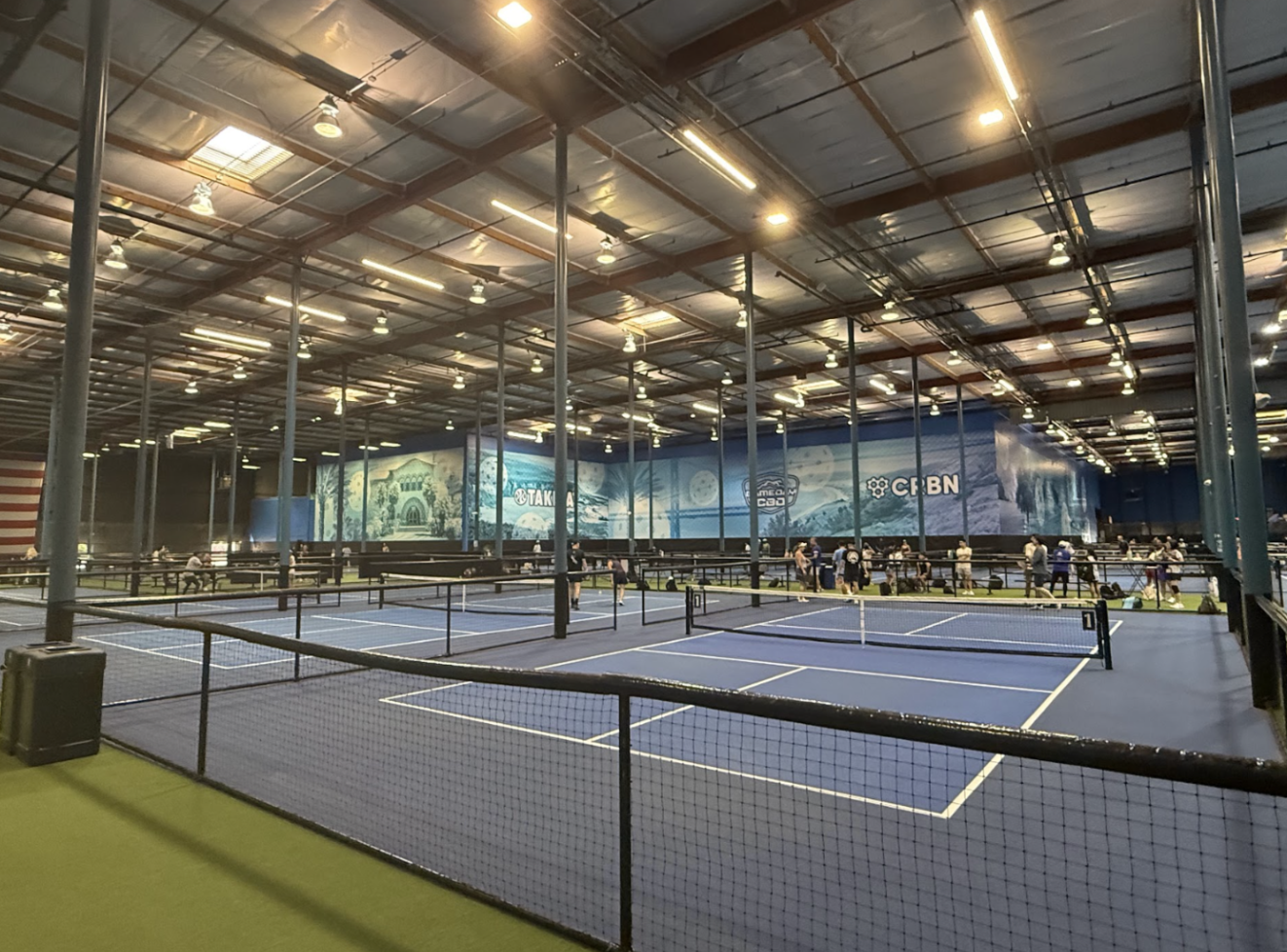
Winter is when “court care” stops being a checklist and becomes an operations problem. You’re juggling:
- league blocks that run back-to-back
- private lessons that can’t be delayed
- peak-hour traffic that compresses your schedule
- staff pulled in multiple directions
The biggest mistake we see is trying to solve winter with “more cleaning.” The better solution is better workflow: short, scheduled resets in the right places at the right times.
The winter schedule framework
The “three touchpoints” model
Most facilities stabilize winter conditions using three touchpoints:
- Open reset (set the baseline)
- Pre-peak reset (prevent the collapse)
- Close reset (protect tomorrow)
If you only do one: do pre-peak. It prevents the majority of complaints.
Touchpoint 1: Open reset (10–20 minutes)
Goal: establish “game-ready” courts before traffic begins.
Checklist:
- entrances/gates
- corners
- baseline-to-kitchen lanes
- bench/bag zones
- quick moisture scan for damp areas
Outcome: the first players of the day experience your best standard, and everything else builds on that.
Touchpoint 2: Pre-peak reset (5–12 minutes)
Goal: stop winter conditions from snowballing during your busiest hours.
When to do it:
- 30–60 minutes before league night starts
- between lesson blocks
- before tournaments or weekend ladders
Checklist:
- entrances/gates (track-in happens here)
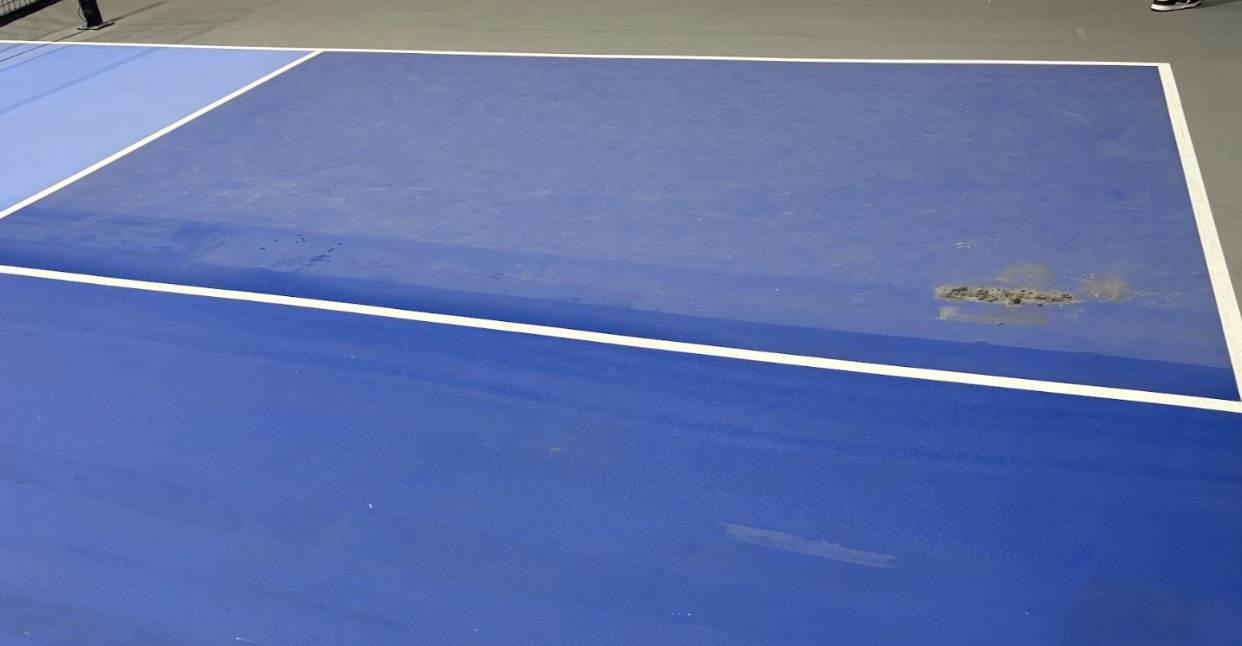
- corners (builds up fast)
- one quick pass through play lanes
This is the “save your evening” reset. It’s small, but it prevents mid-league disruptions.
Touchpoint 3: Close reset (10–20 minutes)
Goal: remove buildup that becomes tomorrow’s problem.
Checklist:
- full quick pass or priority zones (hotspots + lanes)
- perimeter tidy
- check known trouble spots (damp/shaded zones)
- confirm tools are staged for the morning
This protects consistency — and consistency is what players and leagues remember.
How to standardize without over-managing your staff
Define “game-ready”
One sentence. Post it in your ops area. Example:
“Hotspots clear, play lanes clear, and no slick/damp zones at entrances or corners.”
Use a one-box tracking system
Track just one thing weekly:
- number of court-condition complaints
- or minutes spent on reactive cleanups
- or a quick league satisfaction pulse (1–5)
This turns court care into a measurable operational improvement.
Where robots fit in this workflow
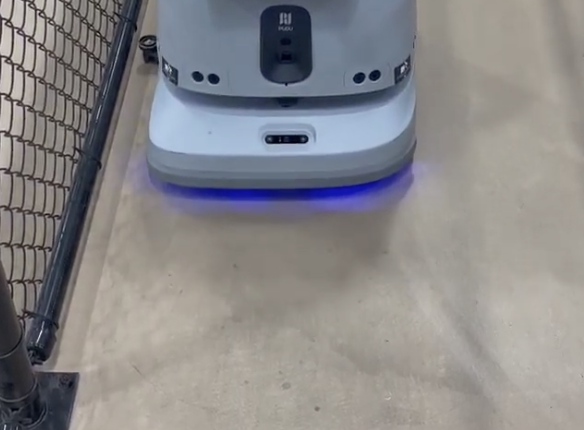
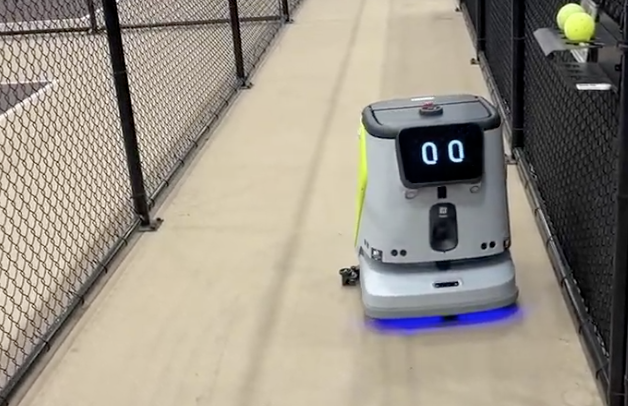
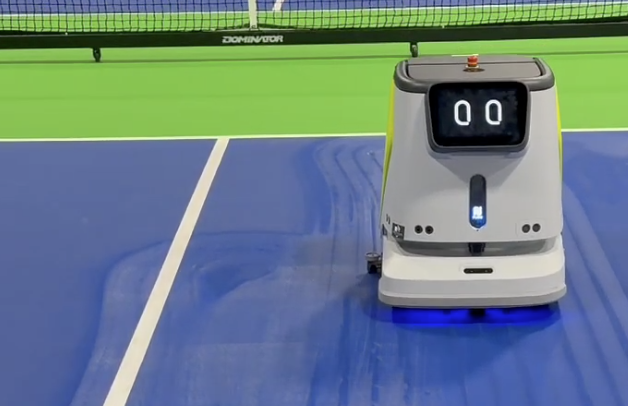
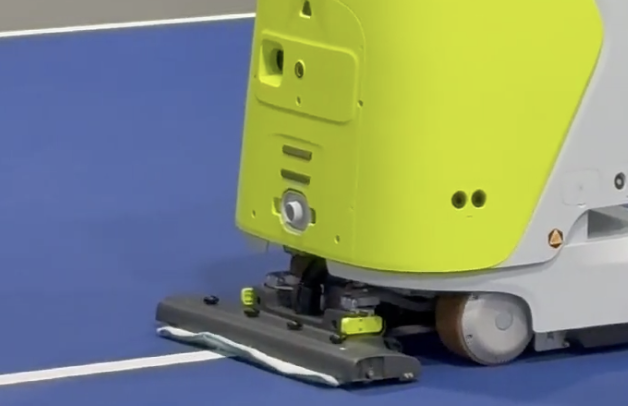
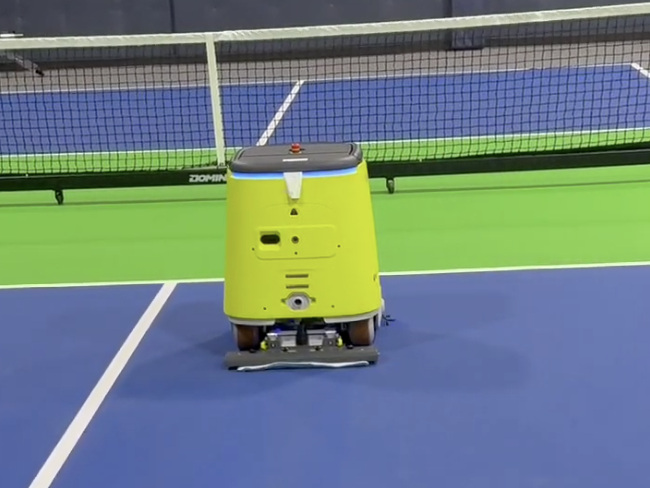
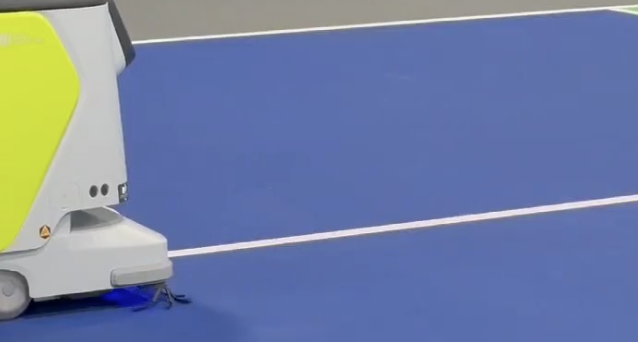
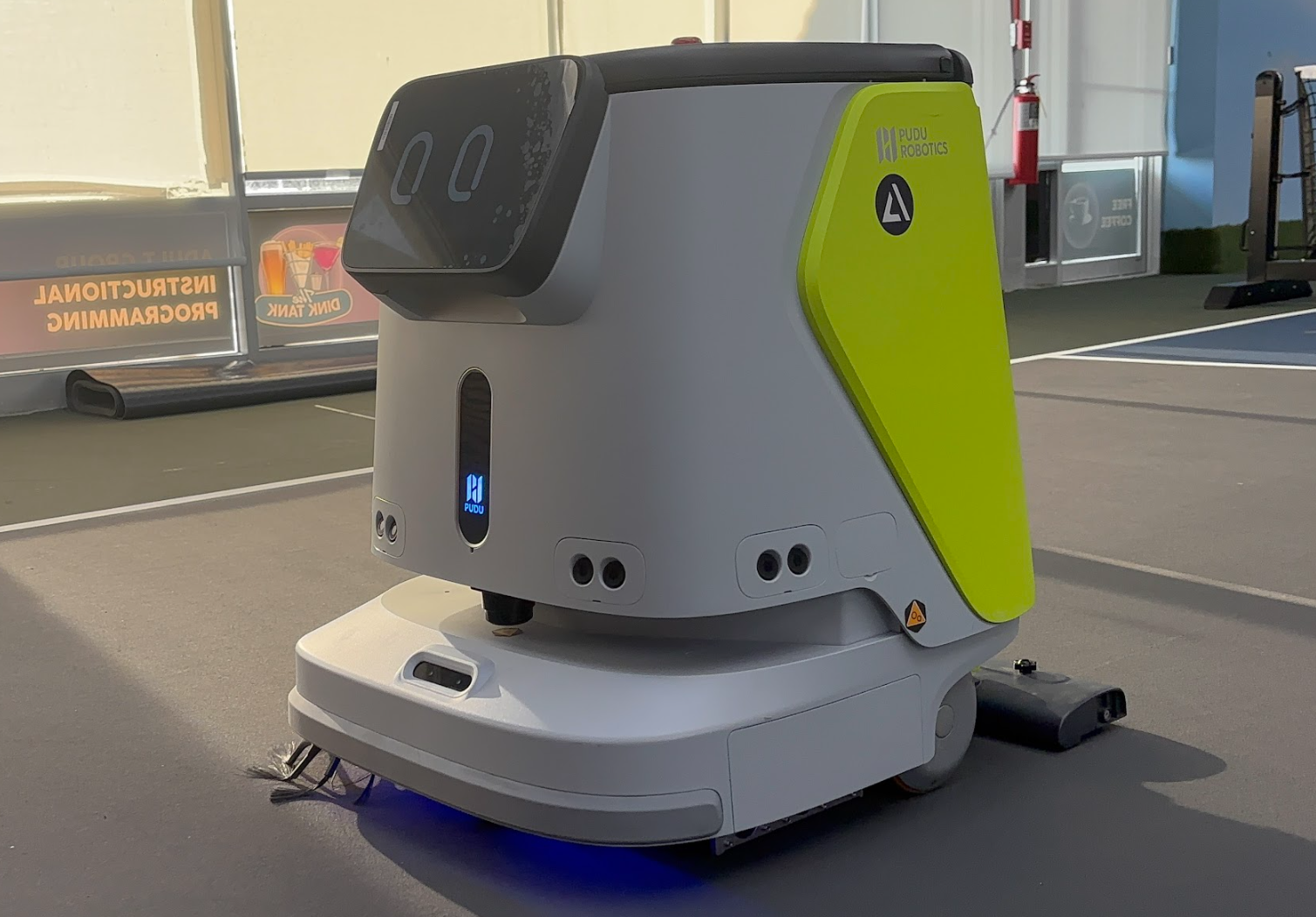
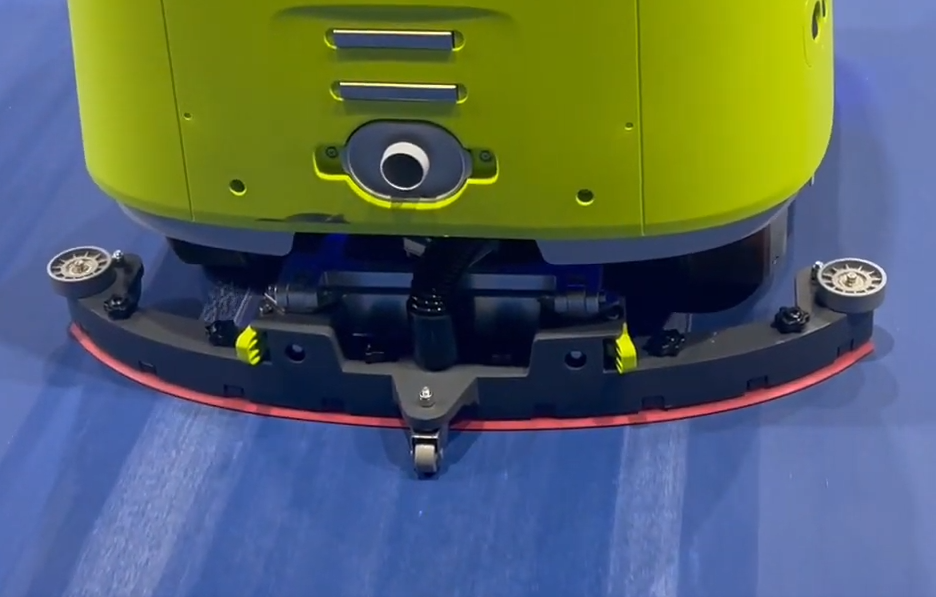
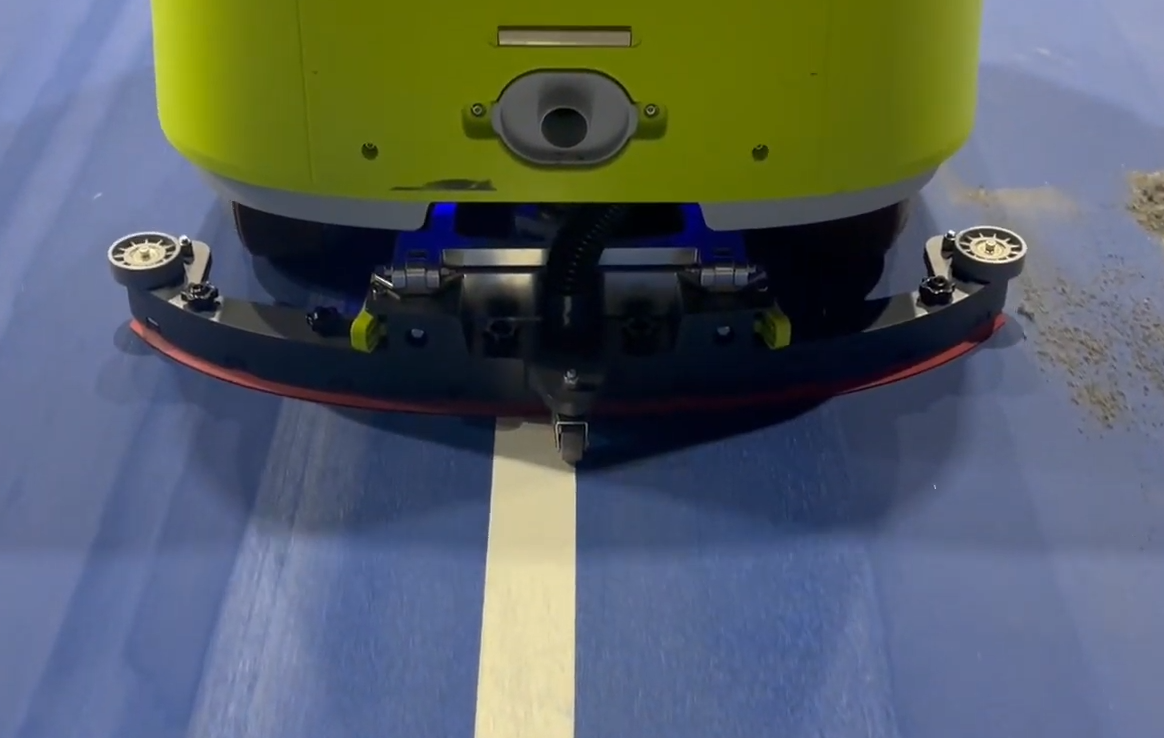
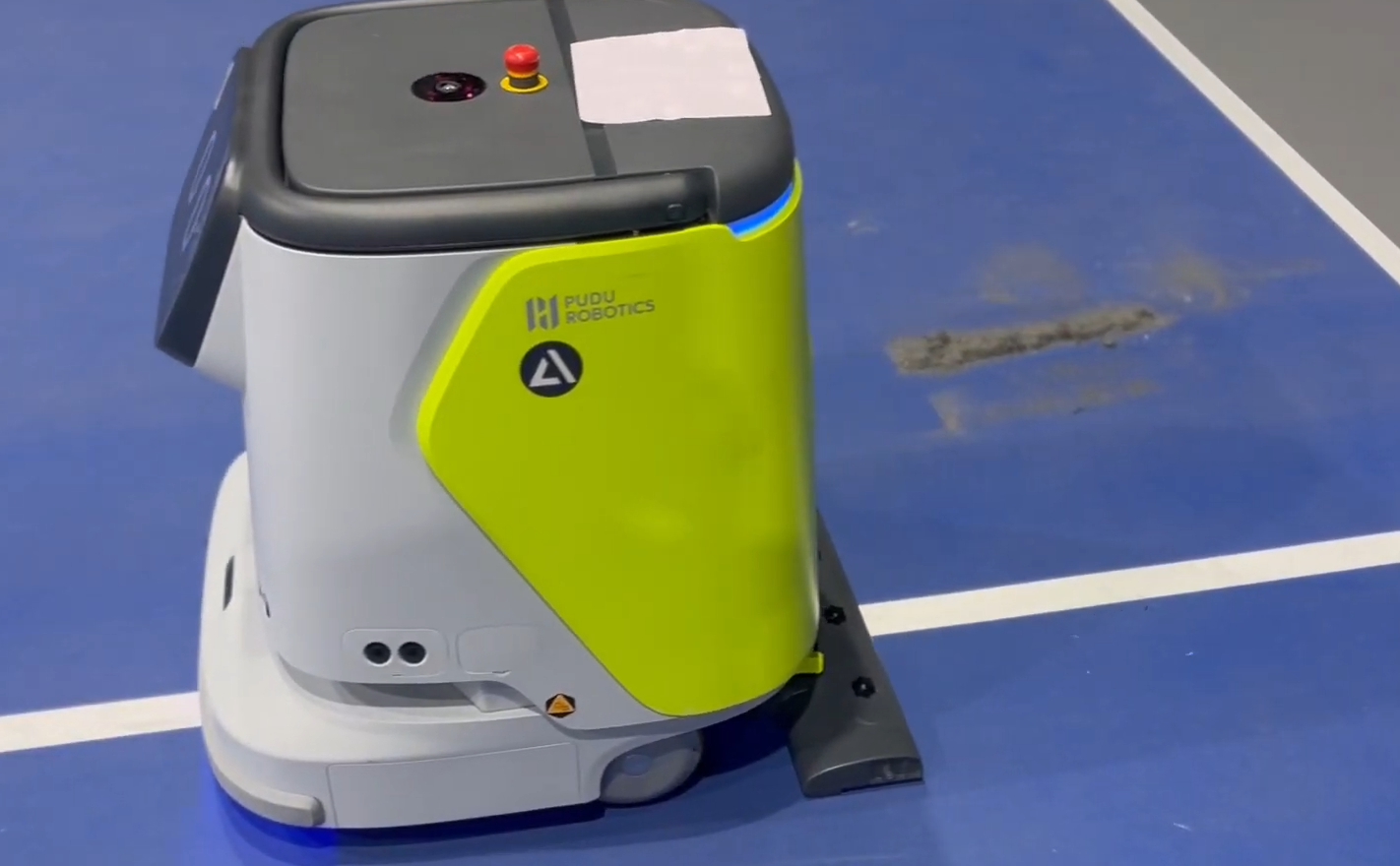
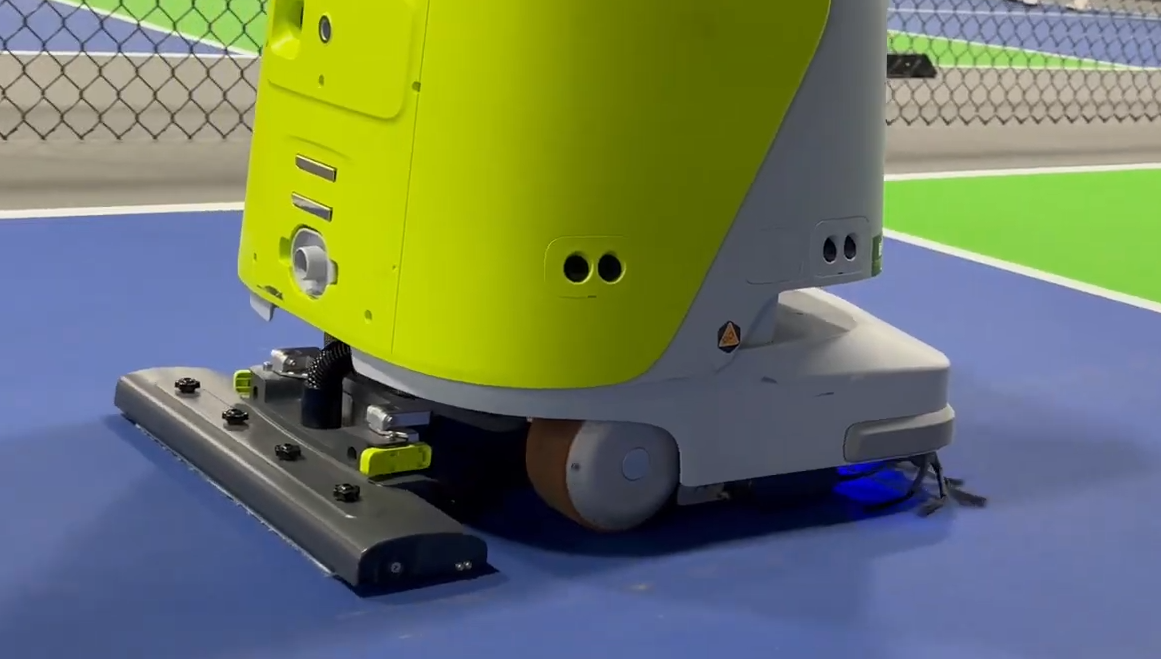
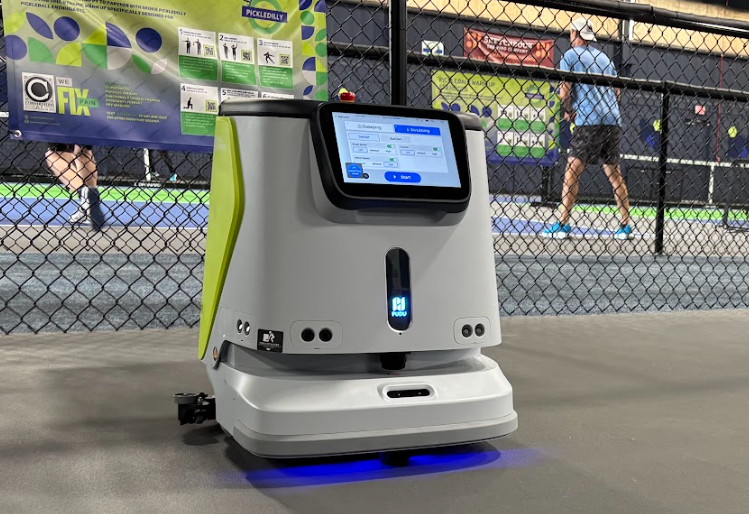
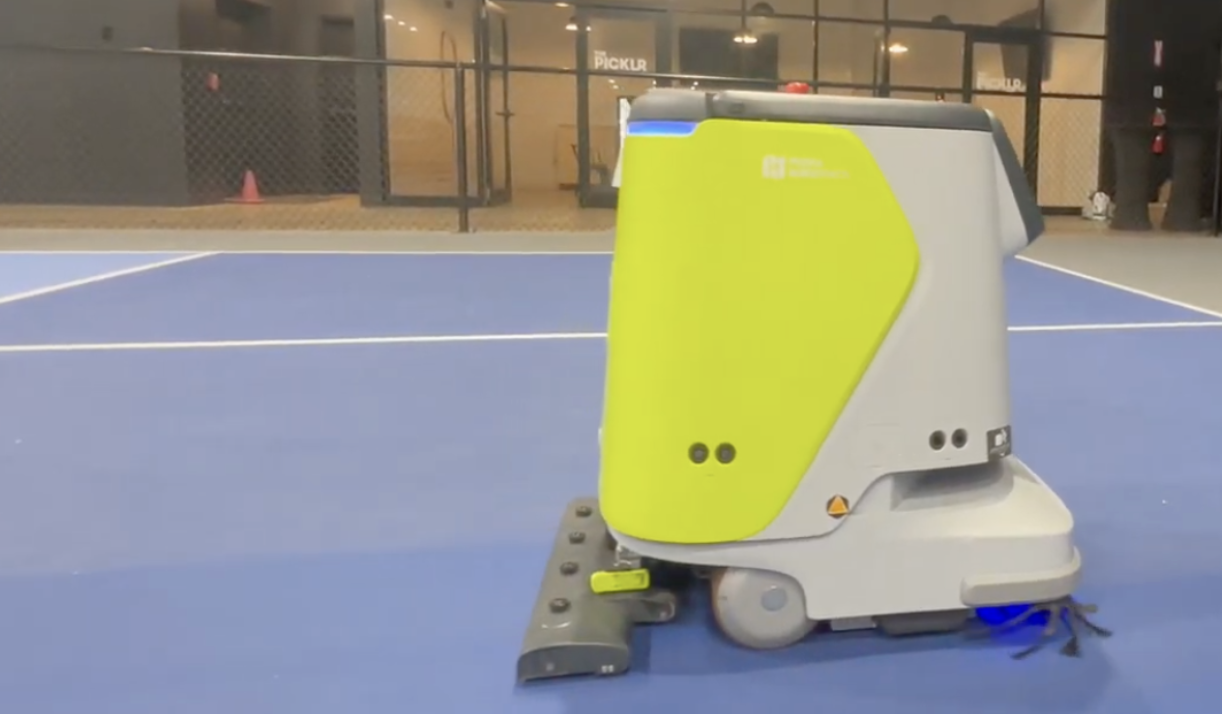
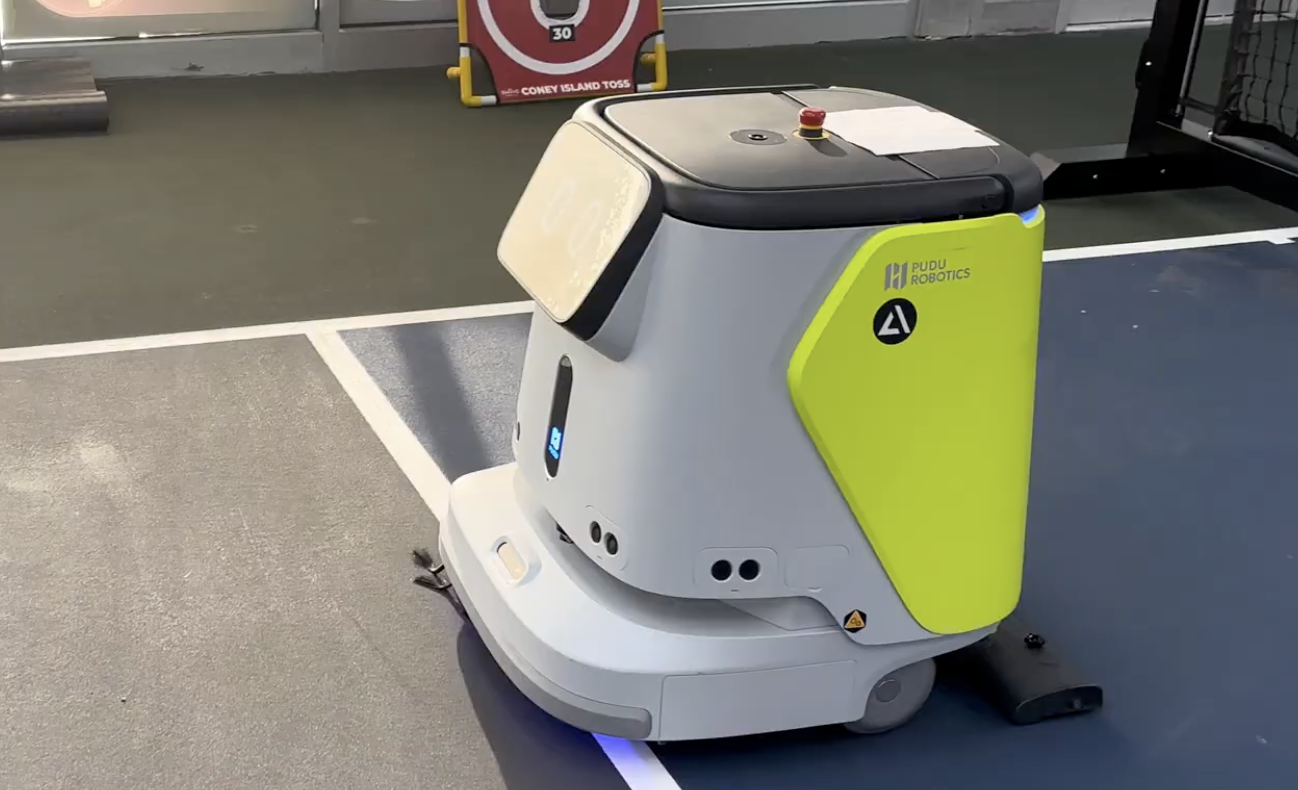
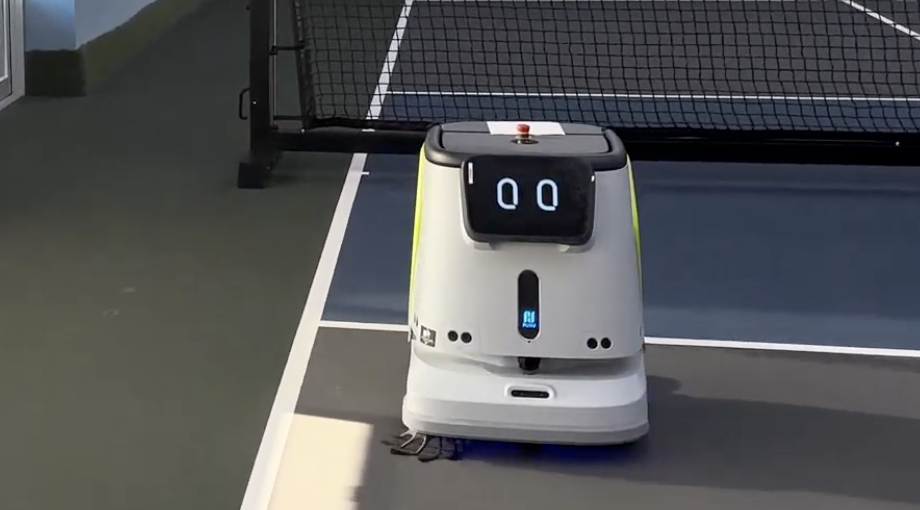
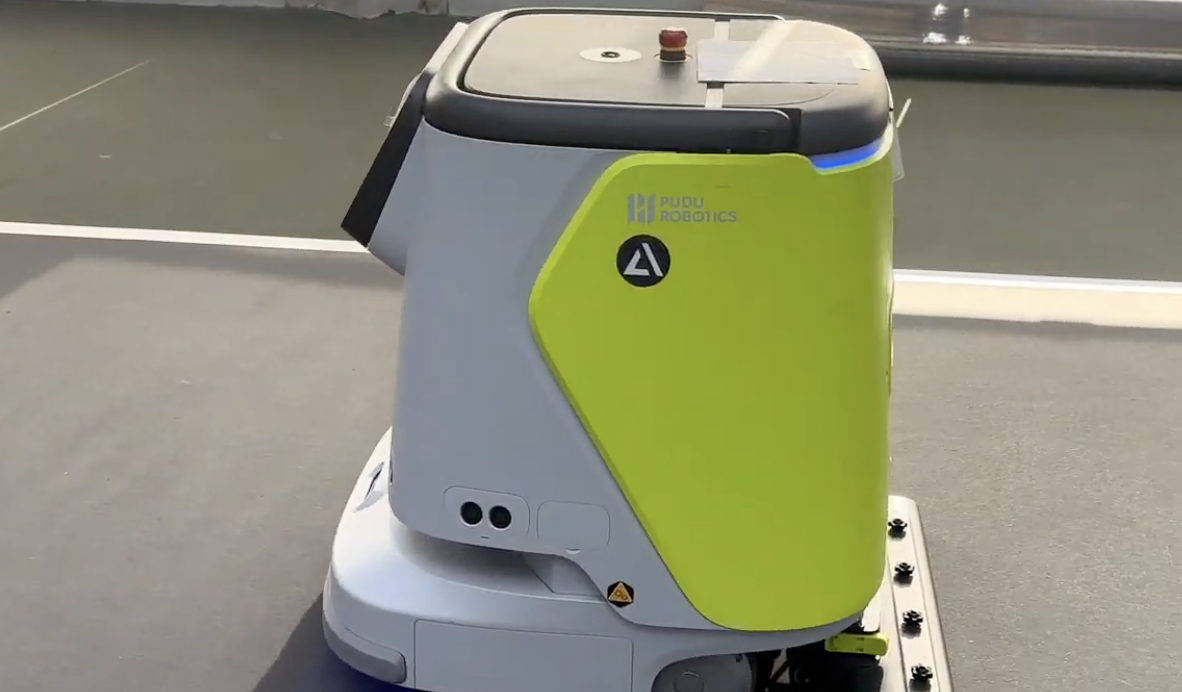
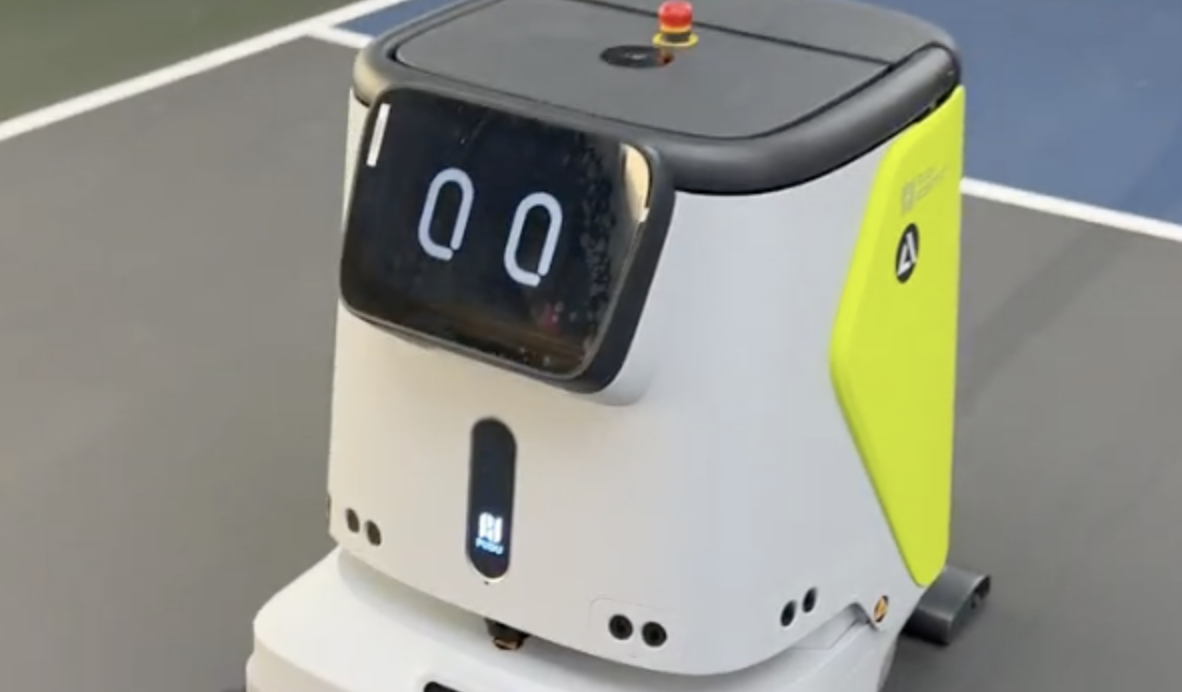
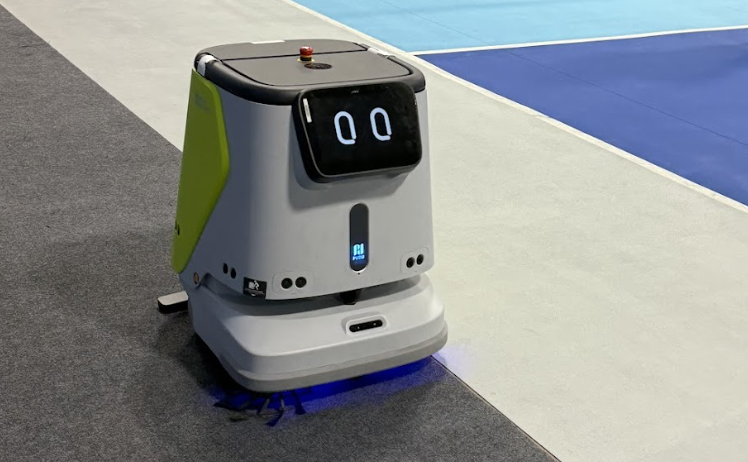
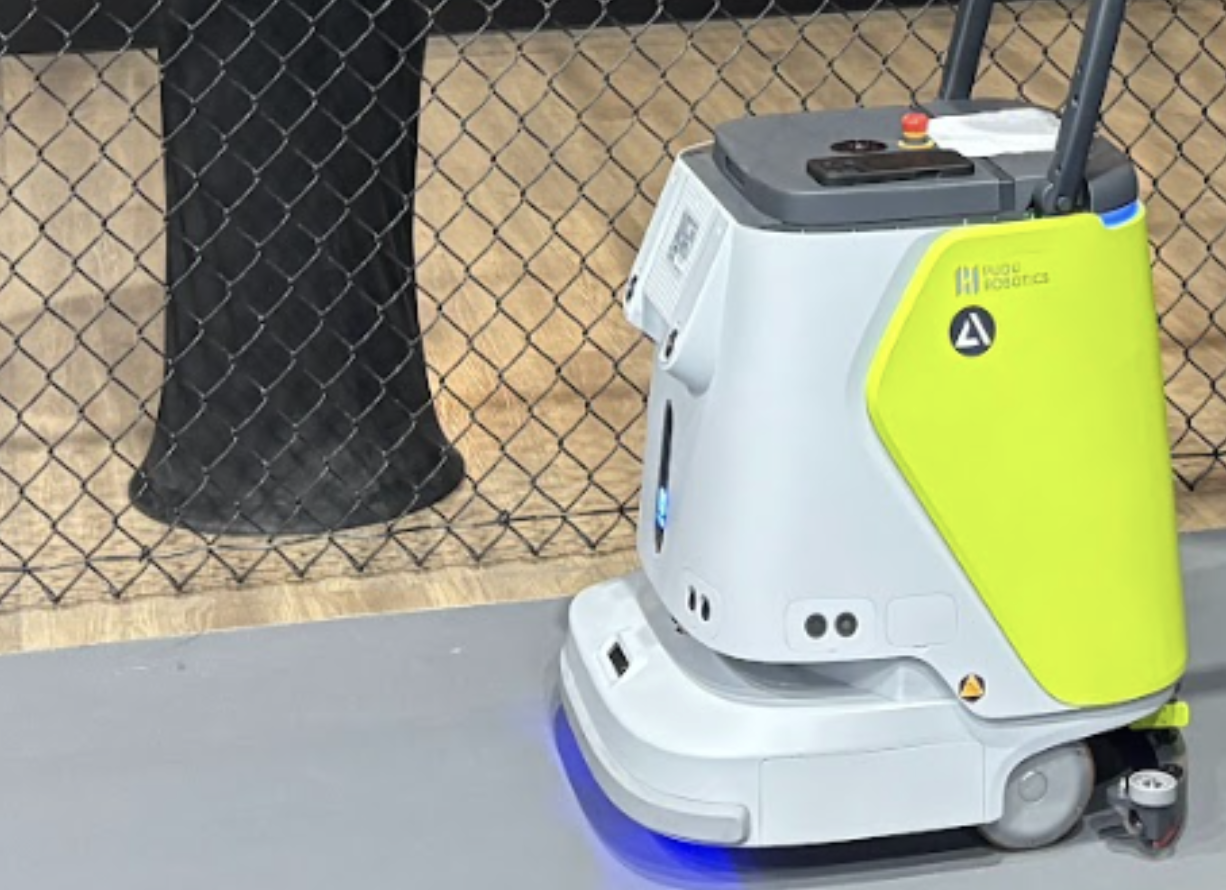
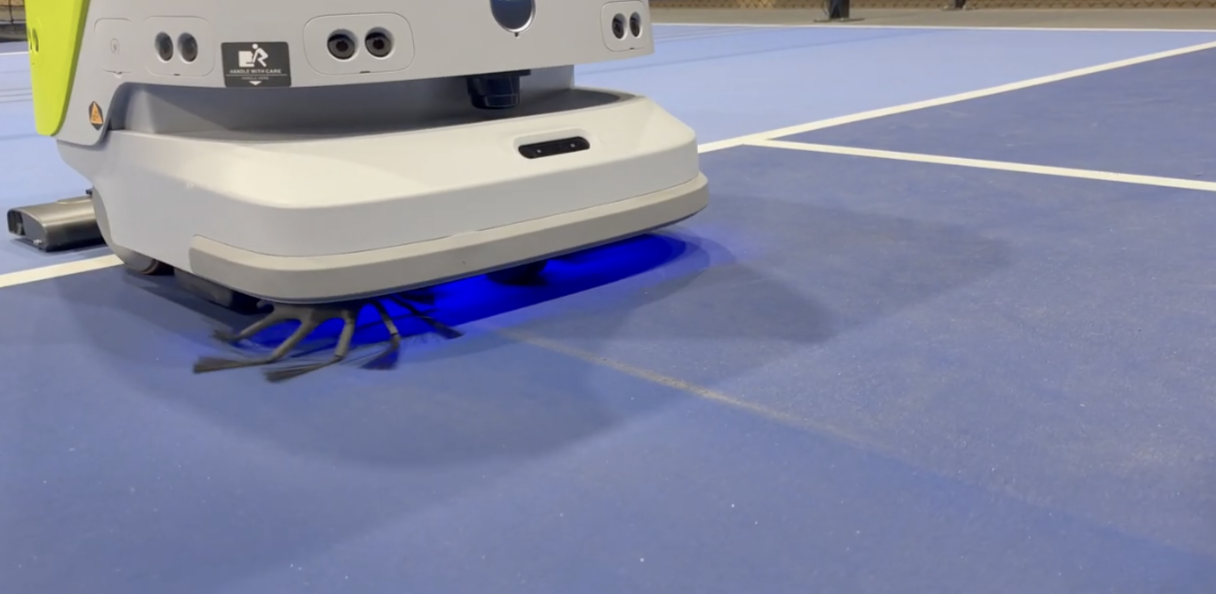
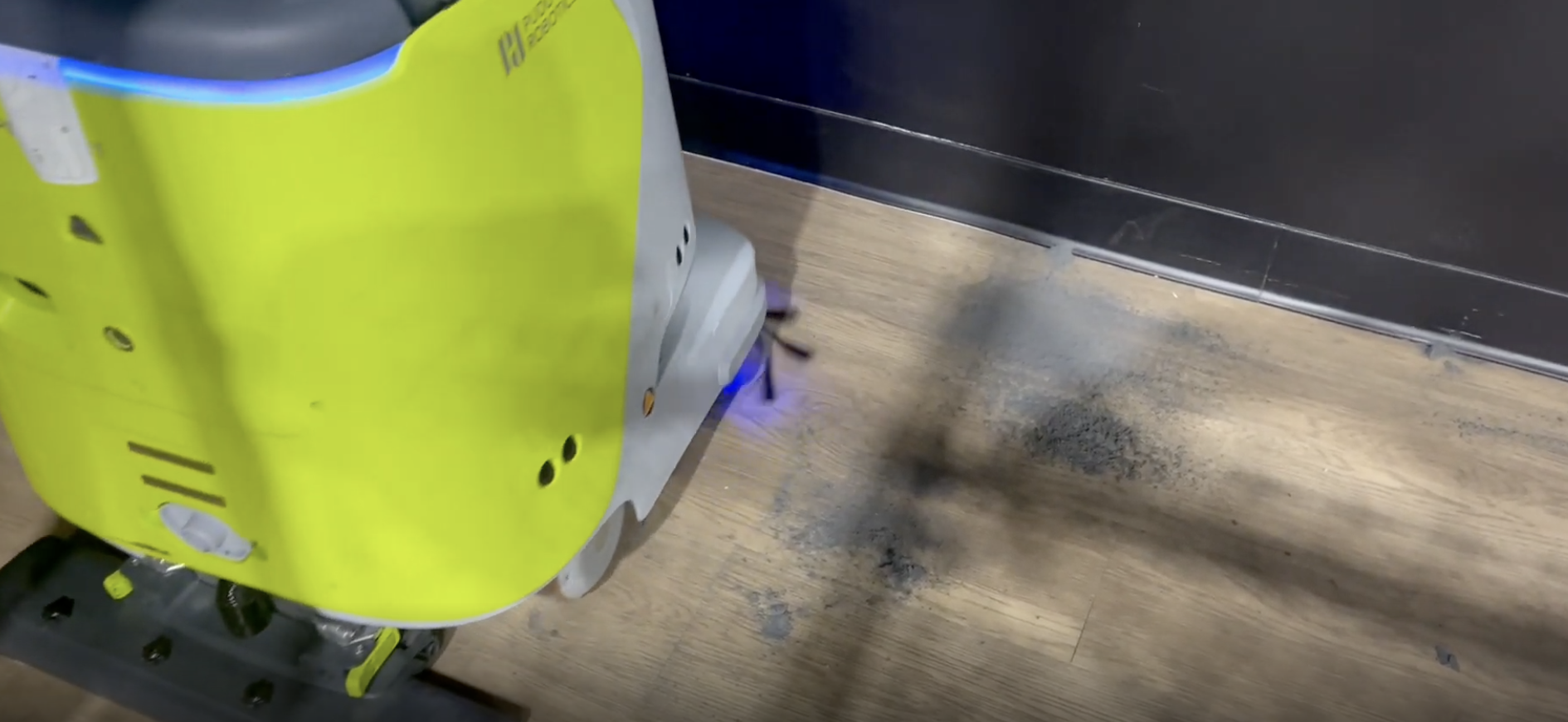
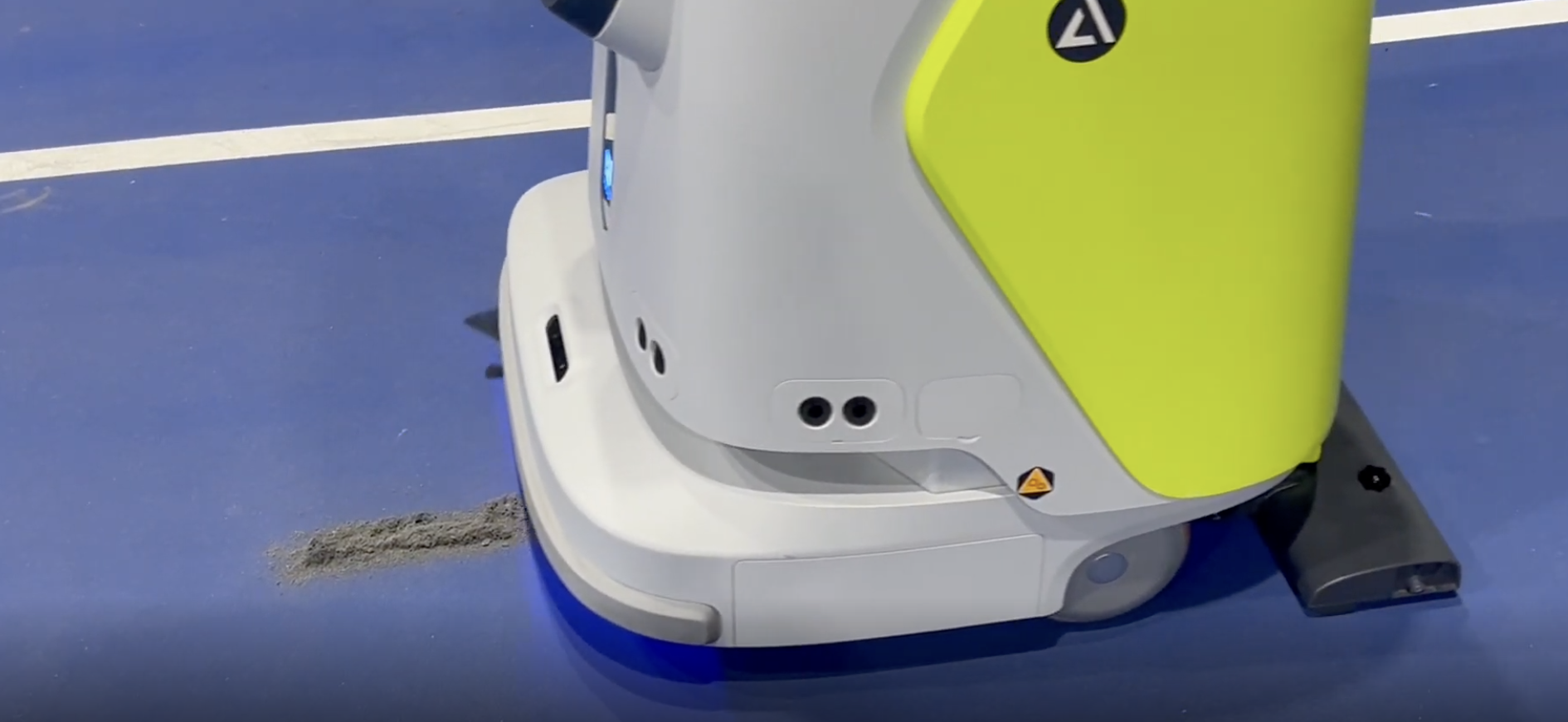
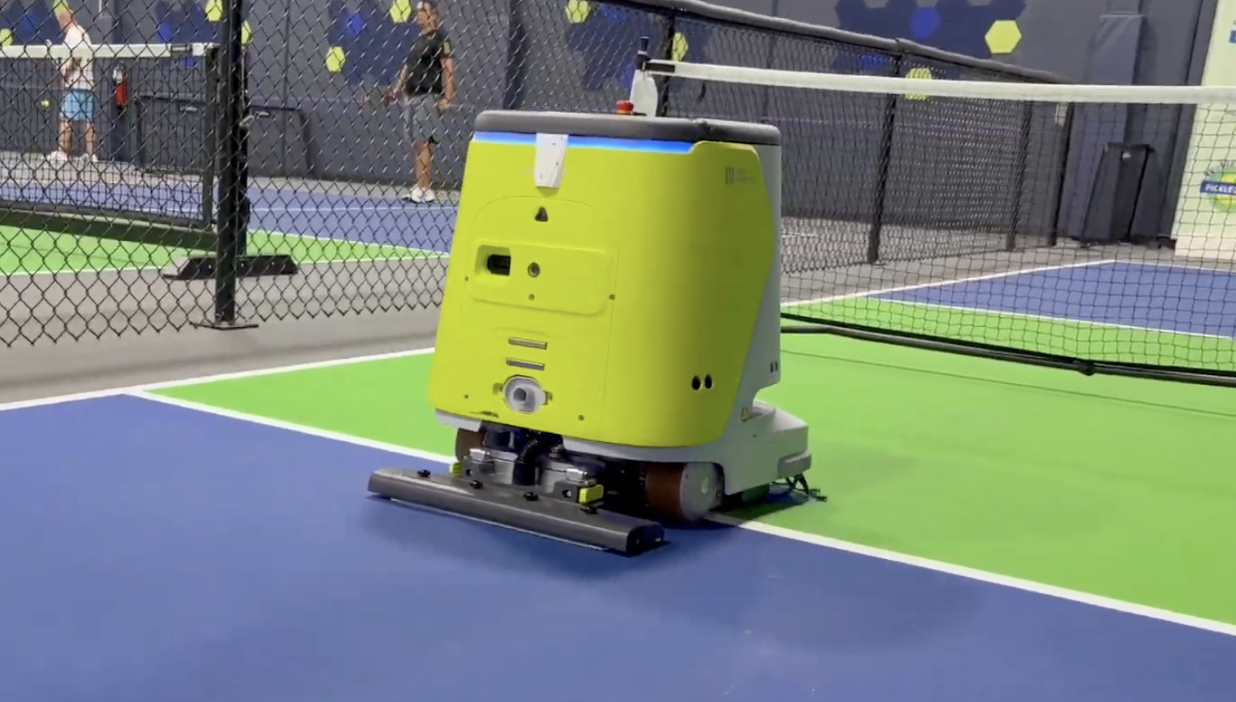
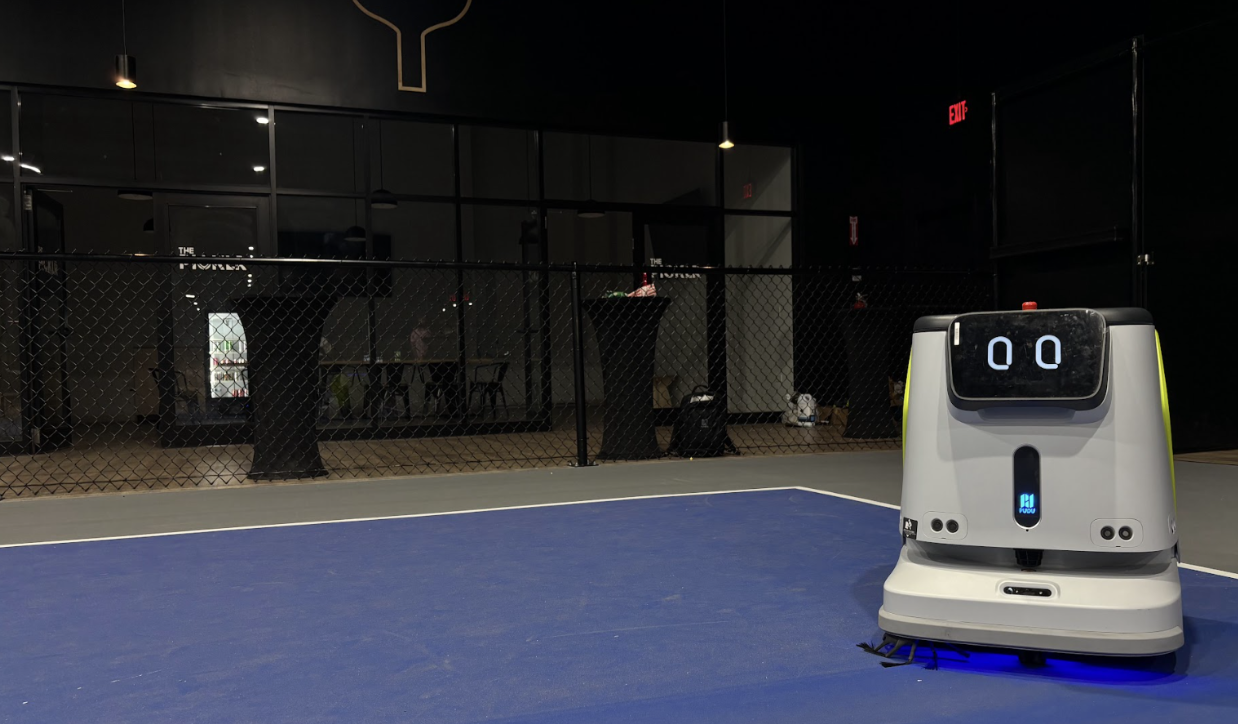
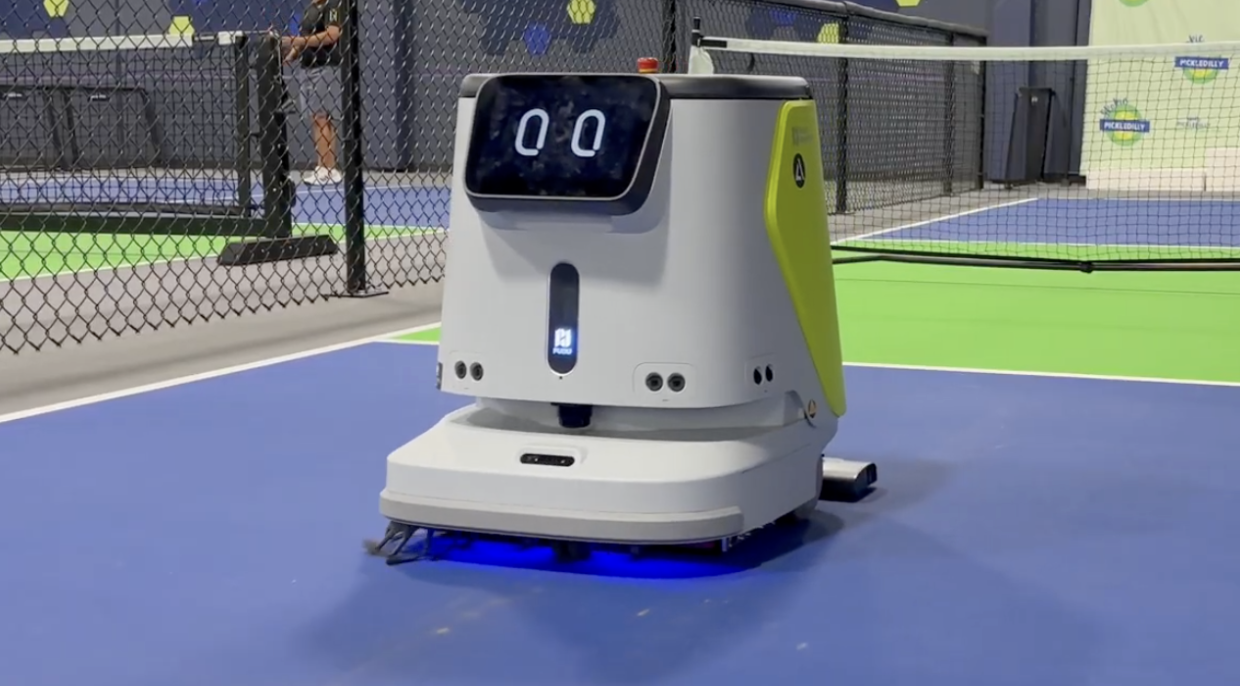
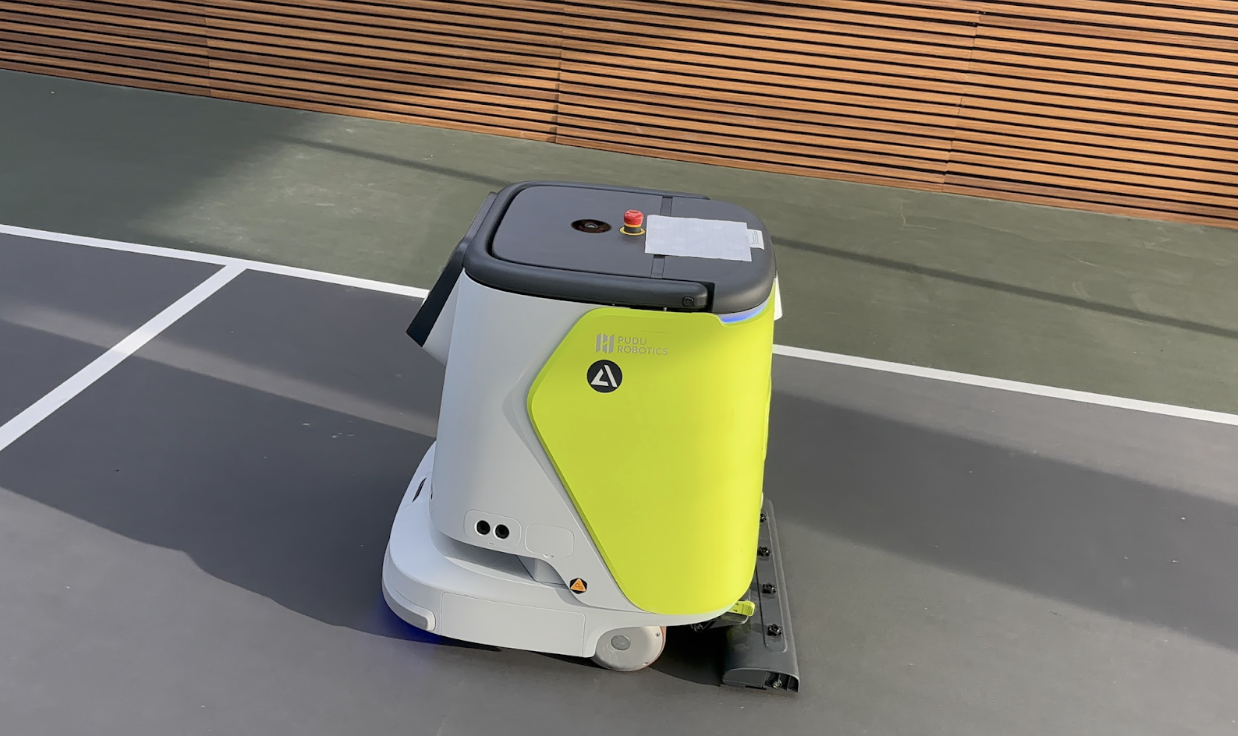
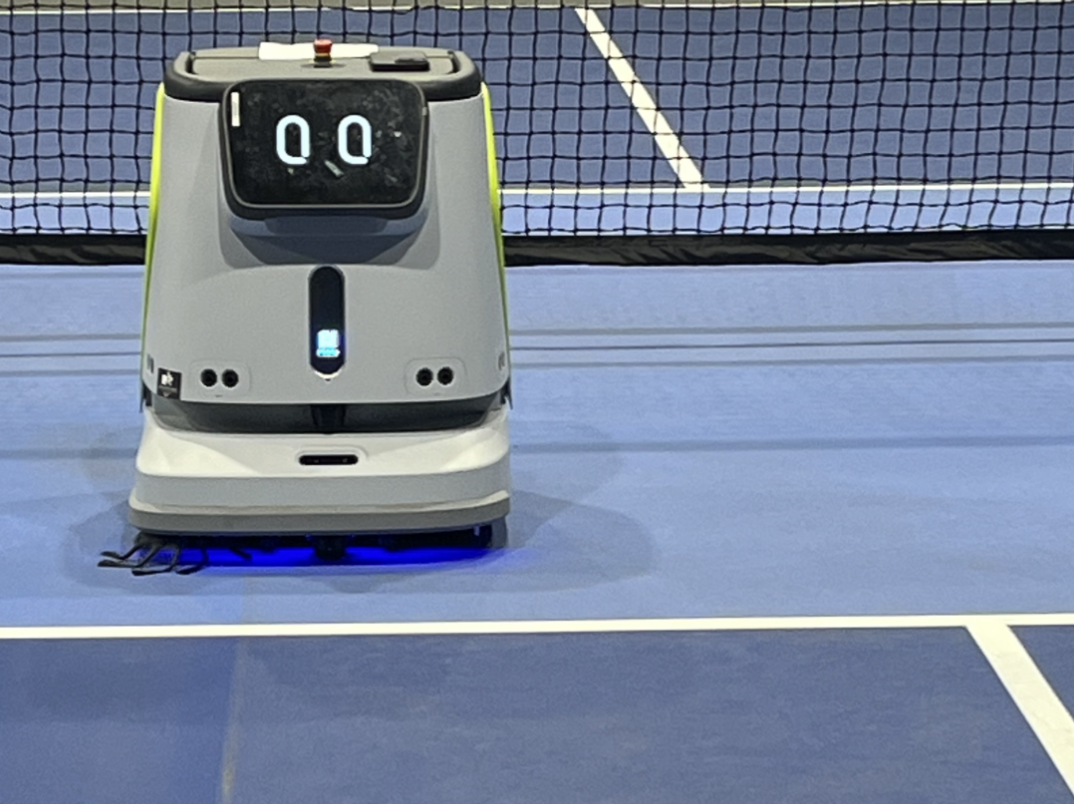
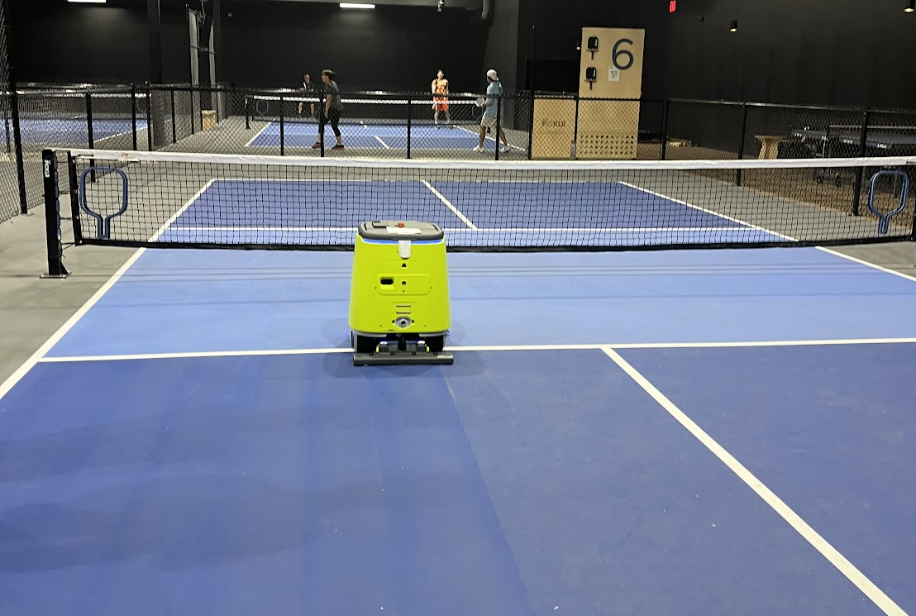
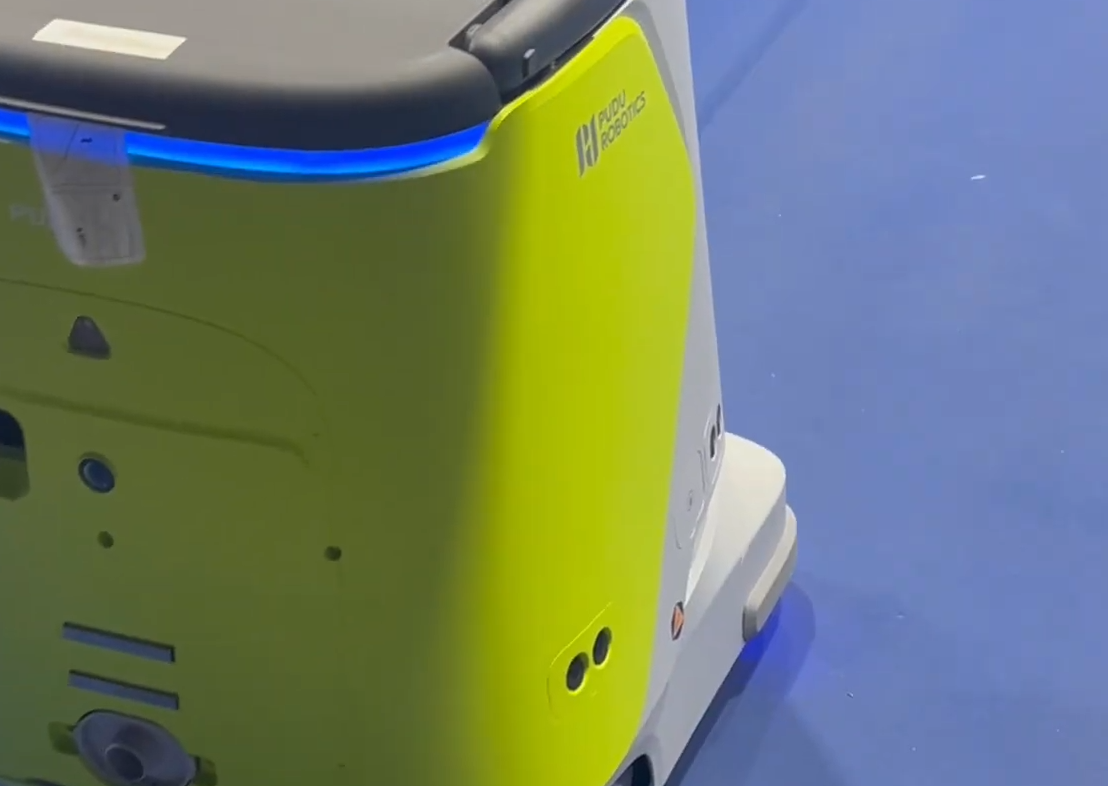
Robots are most effective when they are deployed as a scheduled touchpoint — especially pre-peak and close resets.
They help by:
- running predictable passes without requiring staff availability
- maintaining consistent standards across multiple courts
- reducing “we got busy and skipped it” failures
Owners like robotics when it translates to
- fewer disruptions during revenue-driving hours
- less staff time spent on repetitive cleaning
- more consistent league experience (and retention)
If winter court care is consuming too much staff time or causing too many complaints, Autopilot can help you design a robot-supported court-care workflow that fits your league schedule and keeps courts consistently game-ready. Reach out to explore what that could look like for your facility.