Winter-Proof Pickleball Courts — The Cold-Weather Playability Checklist (and Why It Matters)

Winter-Proof Pickleball Courts — The Cold-Weather Playability Checklist (and Why It Matters)
Winter is when pickleball facilities find out whether their court-care routine is a system… or a hope. Cold temperatures, wind, moisture, and foot traffic combine into the perfect recipe for inconsistent play and safety complaints. And unlike summer, winter issues can show up fast: one wet morning, one windy afternoon, one busy league night, and your courts feel “off.”
The good news is winter playability is manageable—if you shift from “clean when we can” to a winter-ready routine built around traction, moisture control, and consistency.
What winter changes on pickleball courts (and why players complain more)
1) Traction becomes less forgiving
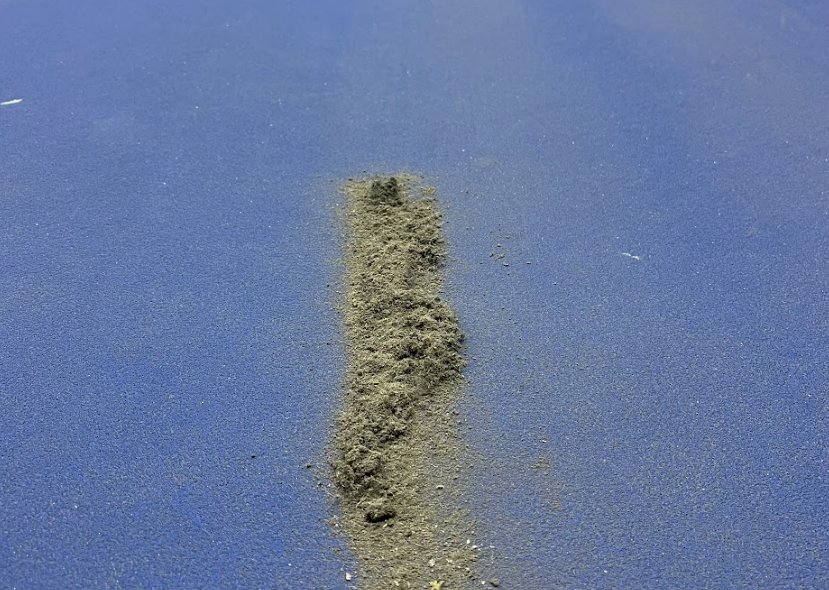
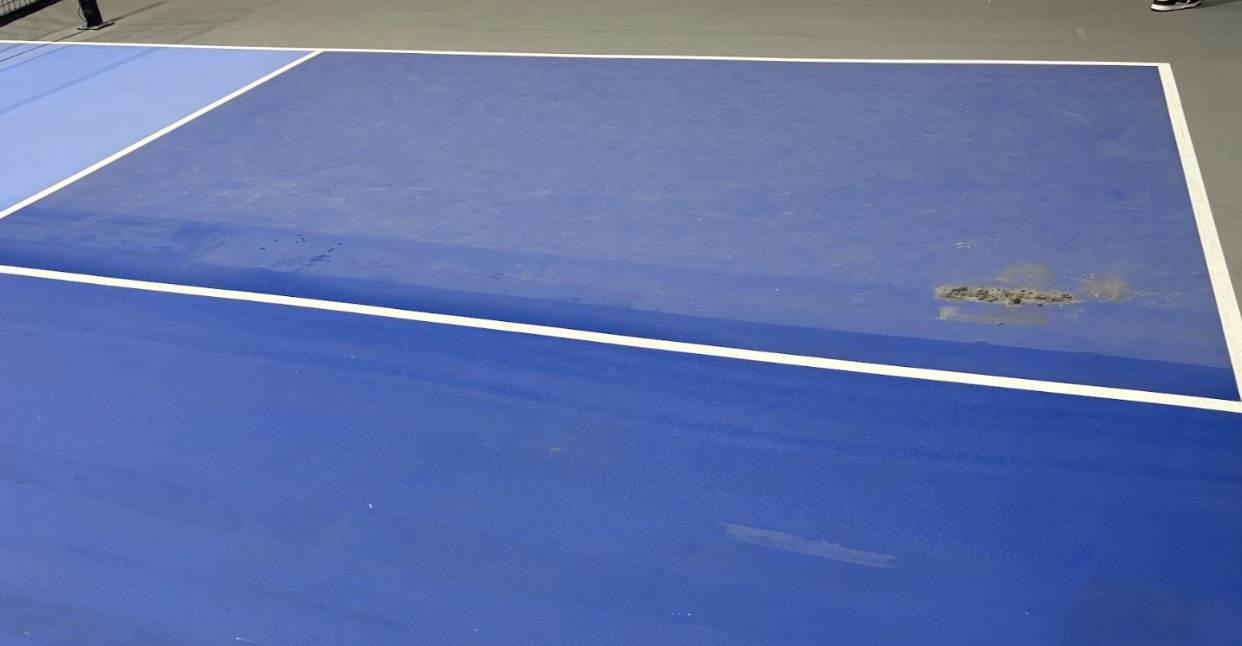
In winter, fine grit + moisture is the hidden villain. Even when a court looks clean, micro-debris accumulates around entrances, benches, and corners. Add dew, light rain, or melting snow from shoes and you get slick patches that cause:
- “I’m sliding a bit” comments
- hesitant movement at the NVZ line
- increased risk of falls on lateral stops
2) Moisture patterns become unpredictable
Winter moisture isn’t always obvious. Some facilities deal with:
- morning dew that lingers in shaded areas
- damp patches near gates (snow + shoe melt-off)
- puddling from drainage or downspouts
- condensation effects in certain enclosed spaces
Players feel it before staff sees it—because they’re moving fast and reacting instinctively.
3) Court “consistency” matters more than court “cleanliness”
In peak season, players might tolerate imperfections. In winter, they’re already dealing with cold hands and stiff muscles. They want the surface to be predictable. That’s why your winter goal isn’t just “clean”—it’s repeatably game-ready.
The Winter Playability Checklist (operator-friendly + staff-friendly)
Here’s a checklist you can use as a winter standard. It’s designed for real operations, not perfect-world staffing.
Daily: 10–20 minute “Game-Ready Reset” (per court block, not per court if time is tight)
1. Hotspot sweep (highest ROI)
- entrances/gates
- bench zones
- corners (especially downwind)
- baseline areas where players drag feet
2. Moisture scan
- look for damp patches in shade
- check any known puddle areas
- confirm there’s no slick residue from shoes
3. Play-lane pass
Hit the highest-movement lanes:
- baseline ↔ kitchen transition areas
- sideline pivot zones
After weather events (snow, windstorms, heavy rain)
- prioritize entrance zones first (where melt-off happens)
- run a full-covement lane check before peak play
- reset signage if needed: “Courts may be damp—please use court shoes”
Objections we hear (and the practical answers)
“We don’t have staff time.”
That’s exactly why you simplify the routine. Winter court care isn’t “more work”—it’s “smaller work more often.” It’s less disruptive than emergency cleanups after complaints.
“Our courts are indoors; winter doesn’t affect us.”
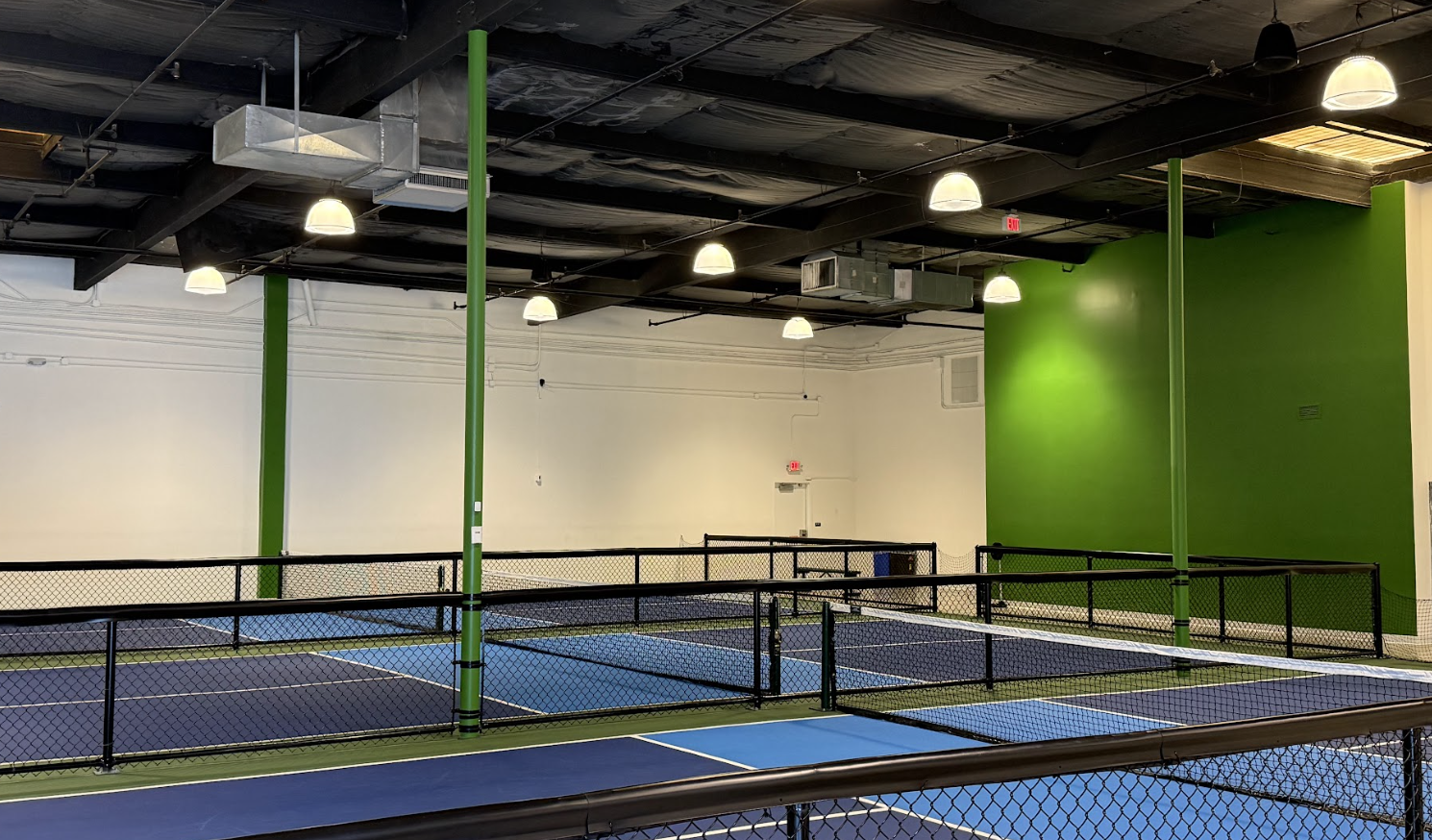
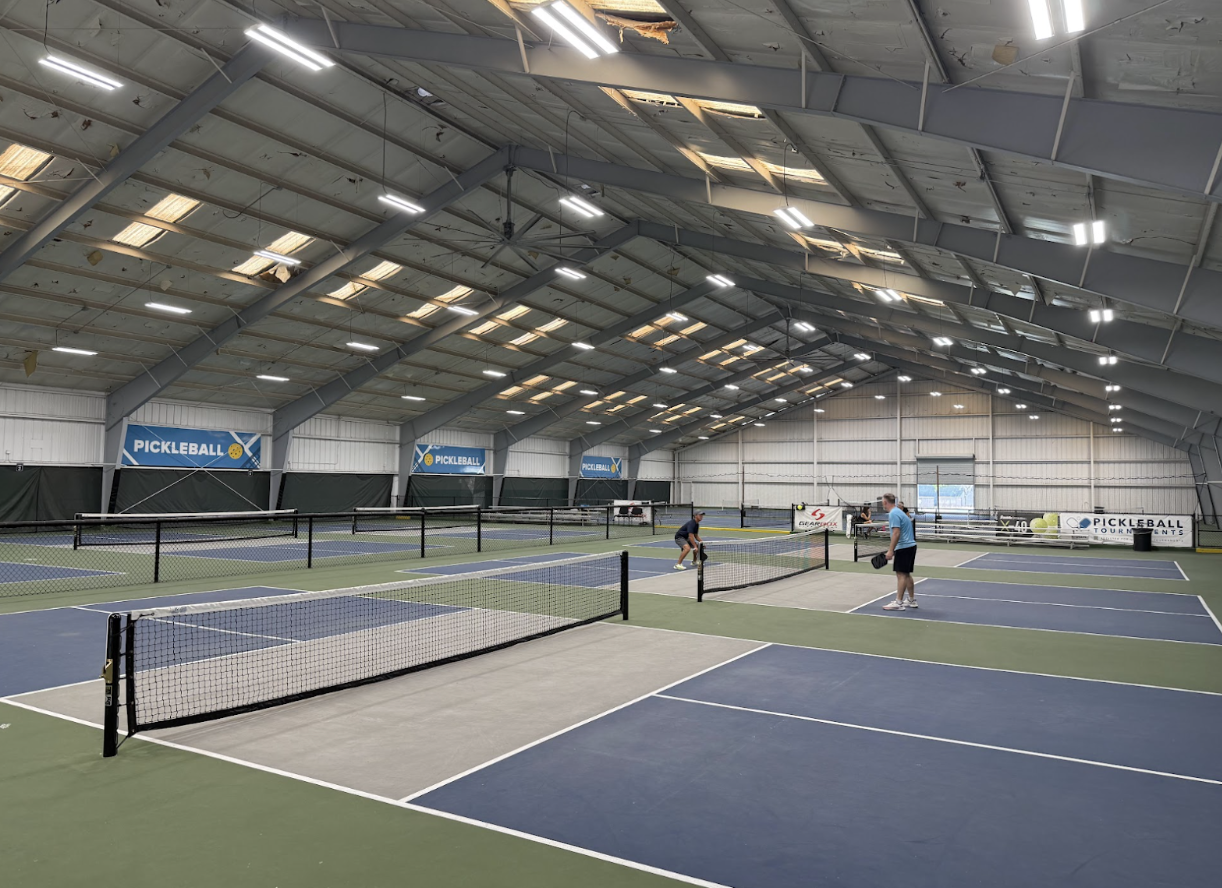
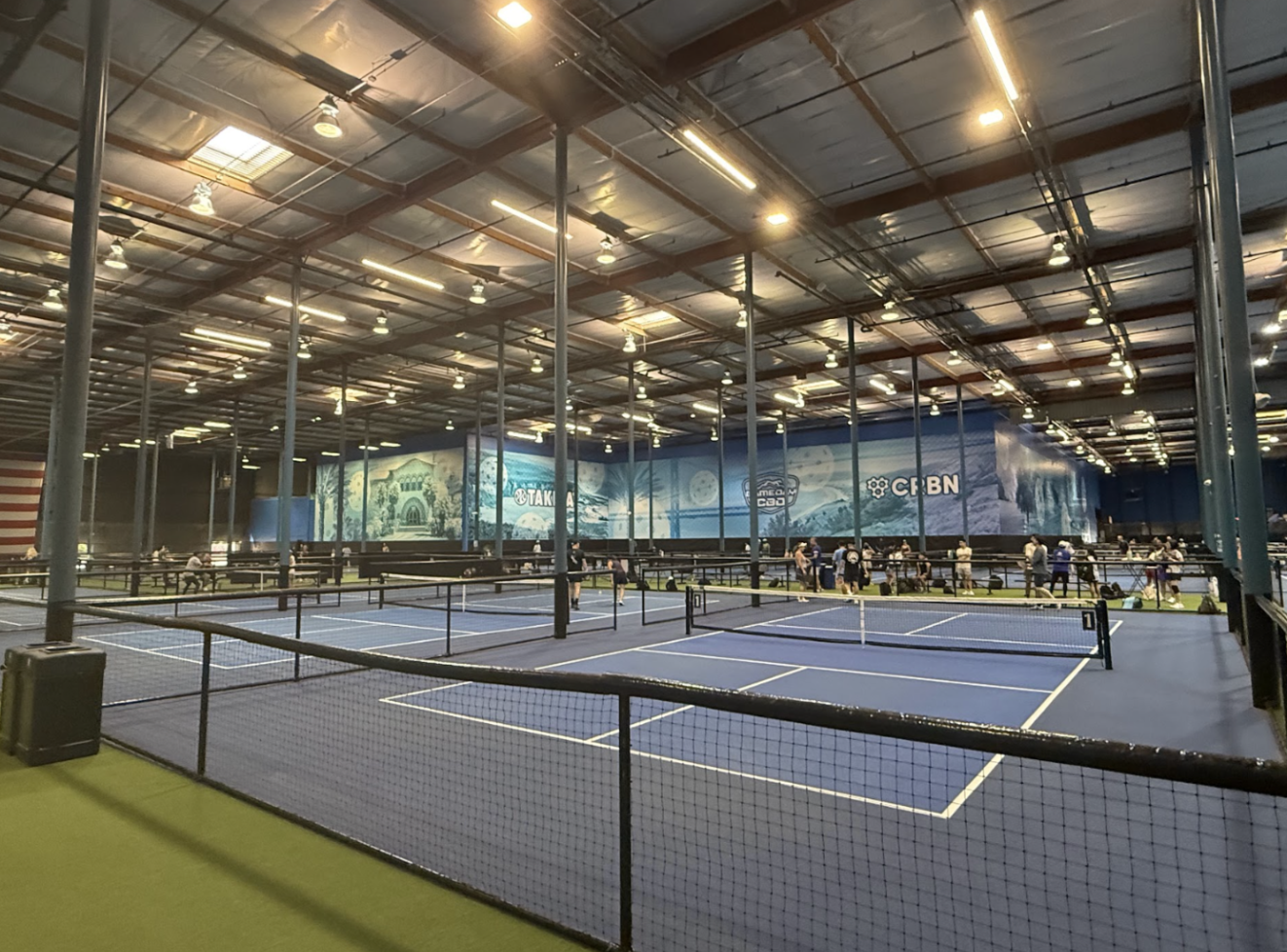
Indoor facilities still see winter issues—especially moisture tracked in by shoes, debris from salt/grit, and higher traffic density. Indoors often means problems concentrate at entrances and seating zones.
“Players will understand; it’s winter.”
Players might understand weather—but they still choose where to spend their time and money. Consistency becomes a differentiator in winter, not a nice-to-have.