Stop Court Wear Before It Spreads: A Surface Longevity System for High-Use Pickleball Clubs


Stop Court Wear Before It Spreads: A Surface Longevity System for High-Use Pickleball Clubs
Wear doesn’t happen evenly—and that’s good news
Most clubs think court wear is inevitable. It is—but it’s not random.
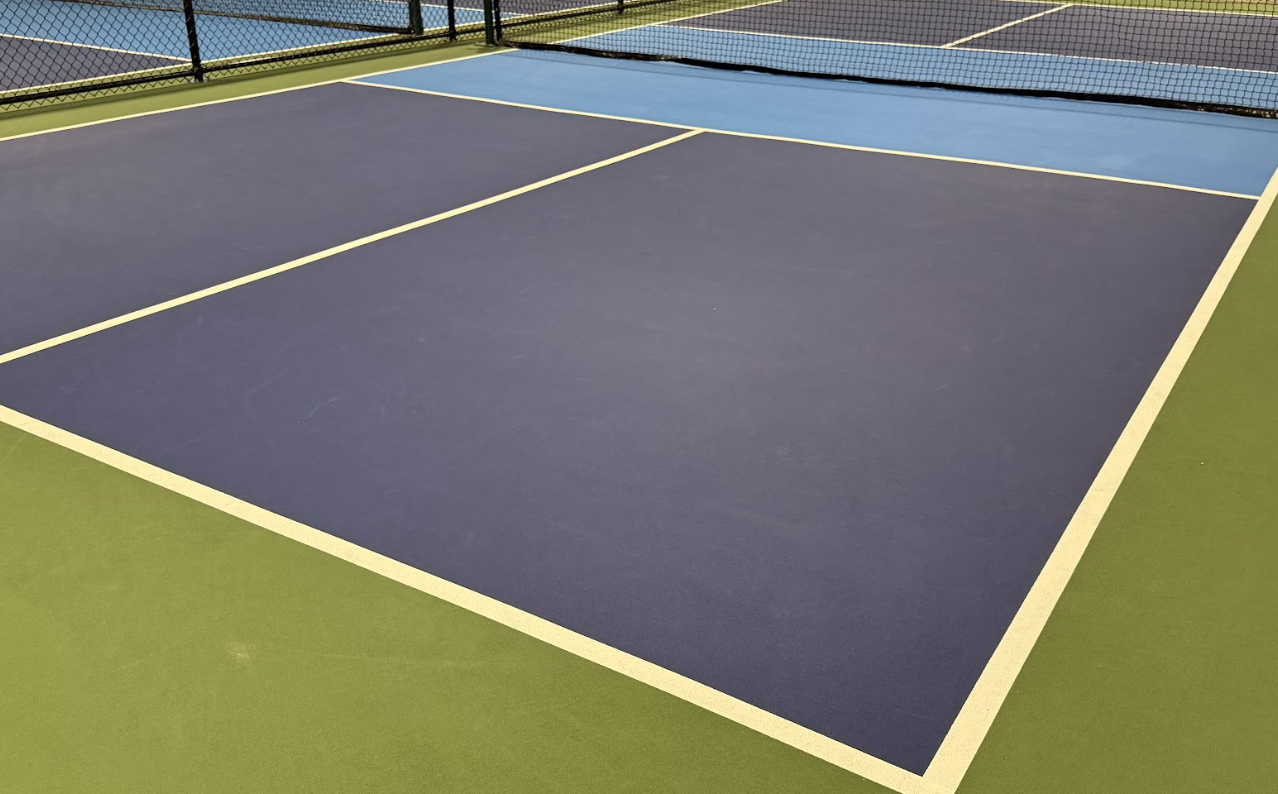
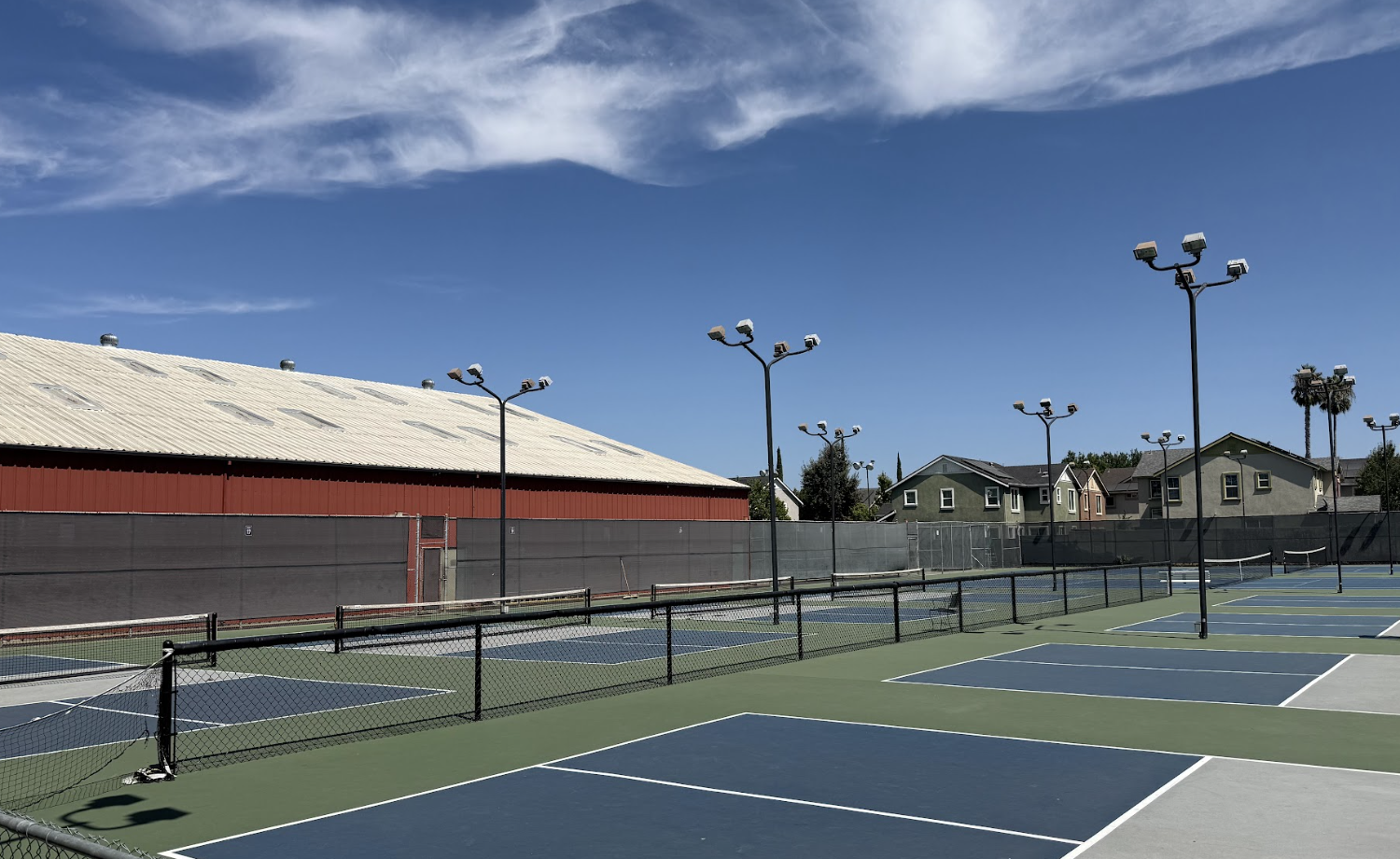
Wear concentrates in predictable places: gate zones, baselines, corners, and anywhere water lingers. If you protect those zones with a simple maintenance system, you slow down deterioration and make resurfacing less urgent.
Here’s a practical “longevity system” you can start this week.
Where courts wear fastest (and why)
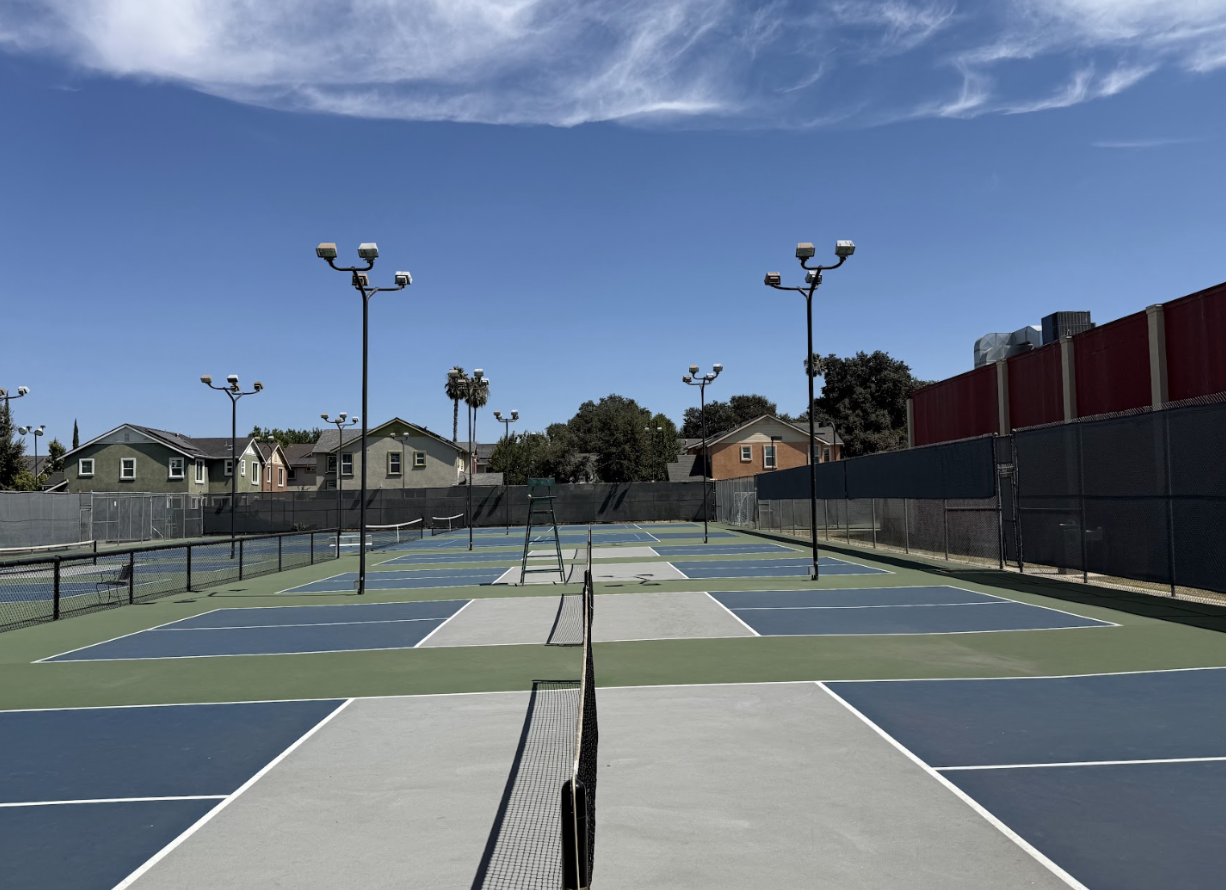
Common high-wear zones:
- Gate areas: grit + traffic create abrasion.
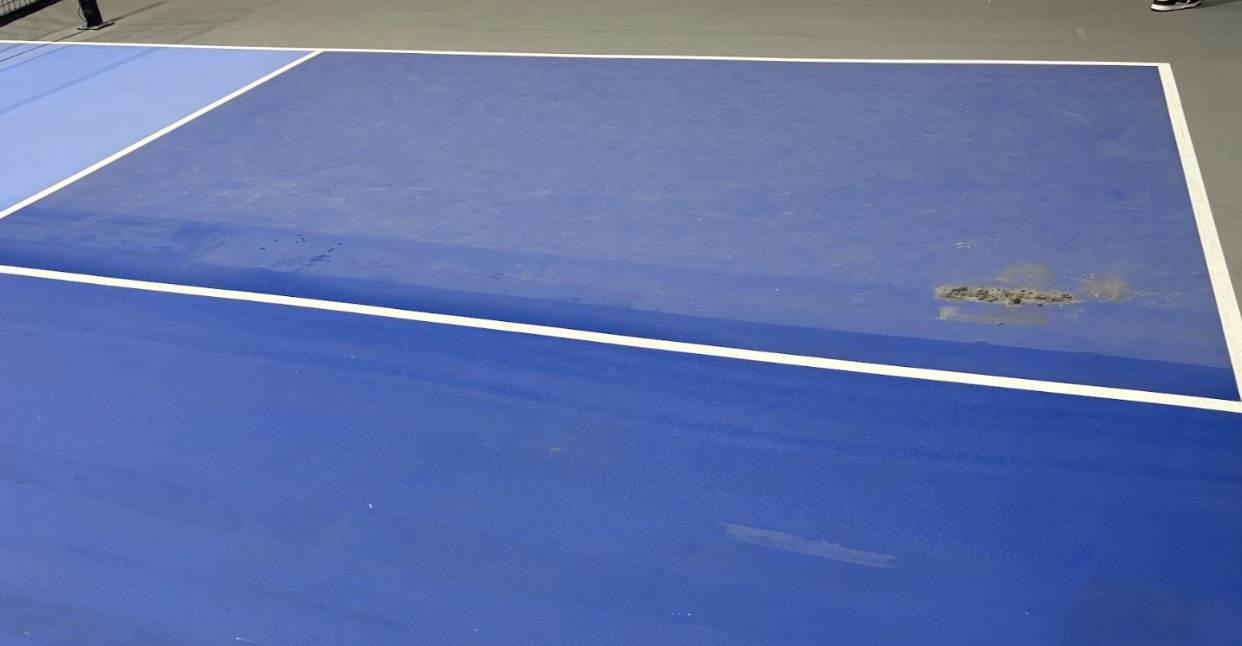
- Baselines/kitchen movement lanes: repetitive footwork = texture wear and dust film buildup over time.
- Low spots (“birdbaths”): water lingers, increasing damp exposure and maintenance issues.
- Shaded corners: more likely to develop algae/mildew conditions that can discolor surfaces if ignored.
Operator takeaway: you don’t need to treat the entire court equally—treat the hotspots like “critical equipment.”
The weekly/monthly longevity schedule (simple and specific)
Weekly (per court block)
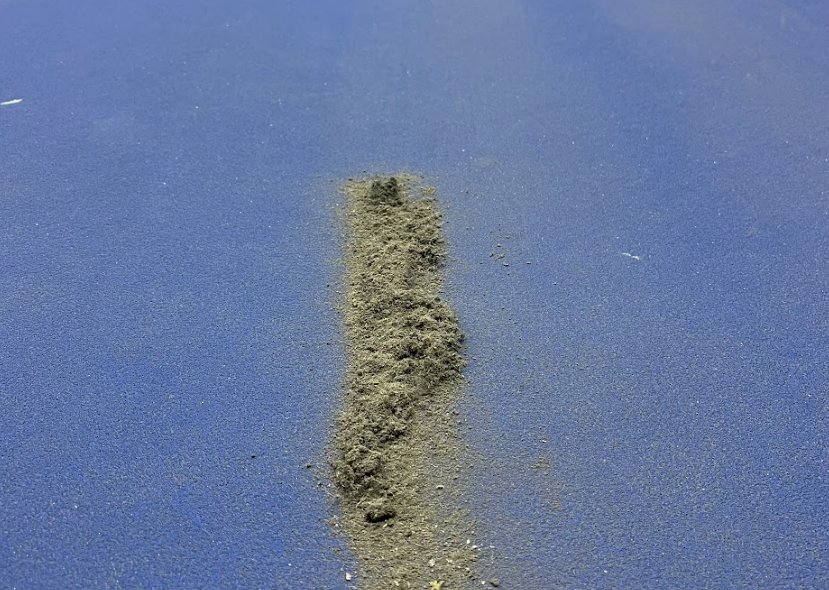
- Full sweep/power blow (removes abrasive grit before it “sandpapers” the surface) .
- Gate zone scrub-lite: soft brush + mild detergent if film is visible; rinse well.
- Drainage check: clear debris so water doesn’t keep returning to the same areas .
Monthly
- Hotspot rotation clean: pick 2–3 courts/week and do deeper spot treatment in:
1. Gate zones
2. Baseline lanes
3Shaded corners
- Photo log: one photo of each hotspot per court (same angle each month).
Quarterly
- Trend review: Are the same courts showing recurring water spots, darker corners, or wear lanes?
- Action: adjust frequency or plan repairs (low spots/drainage) before they accelerate surface issues.
The “wear log” that makes resurfacing predictable
You don’t want resurfacing to be a surprise expense. Manufacturer maintenance guidance emphasizes routine cleaning to prevent premature wear and notes that maintenance extends life between resurfacing cycles. So make it measurable.
A simple wear log template (copy/paste)
- Court: #
- Hotspot: gate / baseline / corner / low spot
- Severity (1–3):
- 1 = mild discoloration or dust film
- 2 = recurring issue weekly
- 3 = traction concern or persistent dampness
- 1 = mild discoloration or dust film
- Action: cleaned / scheduled / contractor
- Photo: yes/no
Why this works: In 60–90 days, you’ll see whether you have a cleaning cadence issue, a drainage issue, or a resurfacing timeline issue.
Common mistakes that shorten court life
Mistake 1: Letting grit sit
- Fix: regular debris removal and cleaning prevents premature wear and staining.
Mistake 2: Treating algae/mildew as cosmetic
- Fix: prevention focuses on reducing growth conditions and consistent cleaning—especially shaded damp areas.
Mistake 3: Ignoring recurring low spots
- Fix: log puddling patterns and address drainage/low spots before the problem spreads.
Mistake 4: Over-aggressive cleaning methods
- Fix: follow surface guidance—daily debris removal, gentle spot cleaning, and careful maintenance approaches.
Quick Answers (For Busy Owners)
Q: Where should we focus to extend court life fastest?
A: Gate zones, baselines/kitchen movement lanes, shaded corners, and low spots.
Q: What’s the simplest weekly routine for longevity?
A: Full sweep/power blow + gate zone check + drainage check.
Q: How do we stop wear from spreading?
A: Hotspot rotation cleaning + monthly photo log + quarterly trend review.
Q: What causes recurring “dark corners”?
A: Damp shade conditions that promote algae/mildew—prevention is consistent cleaning and reducing growth conditions.
Q: How do we make resurfacing predictable?
A: Use a wear log with severity ratings and photos; review quarterly.
Q: Does basic cleaning actually extend time between resurfacing cycles?
A: Yes—maintenance guidance explicitly notes routine cleaning helps prevent premature wear and staining, extending life between resurfacing cycles.
Q: What’s a safe default for spot cleaning?
A: Mild detergent + soft brush, rinse thoroughly.
Conclusion: Longevity is a system you can run—not a bill you wait for
Court life improves when you treat hotspots like critical equipment: clean them early, log them consistently, and fix drainage patterns before they become surface problems.
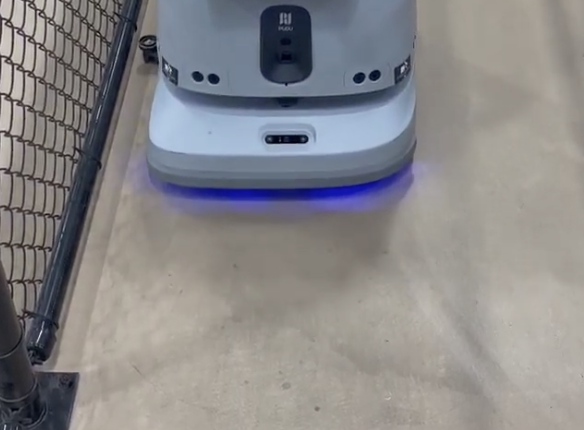
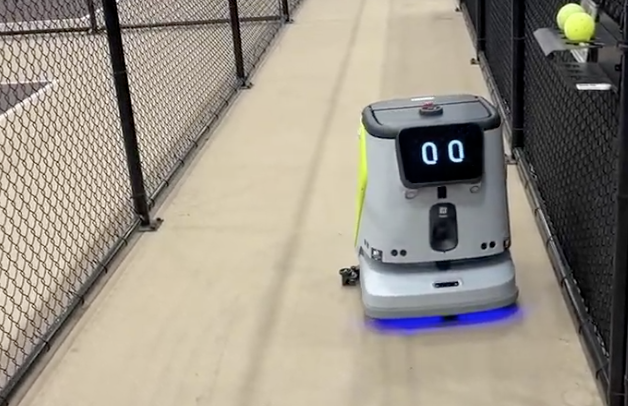
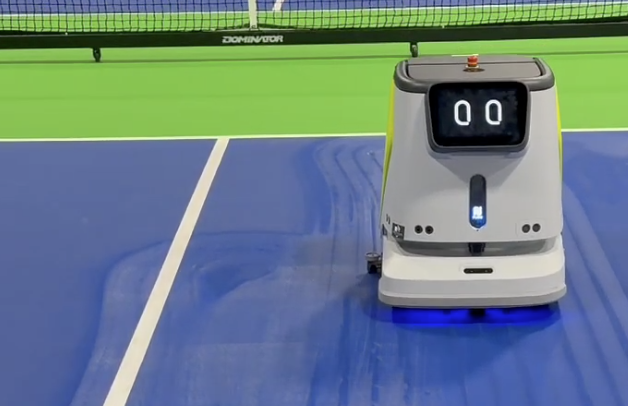
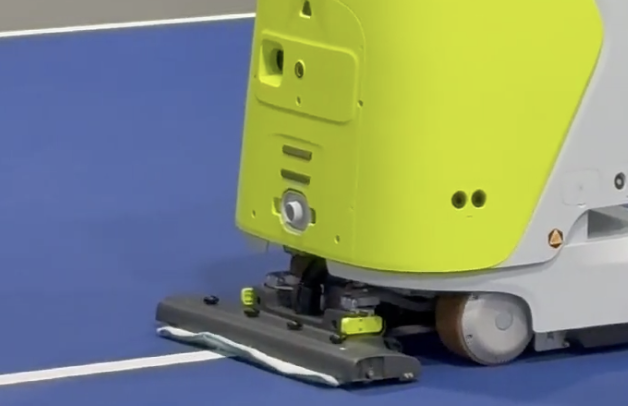
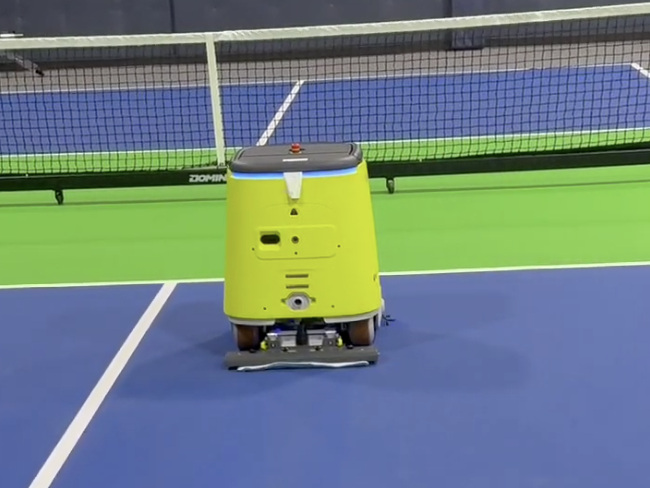
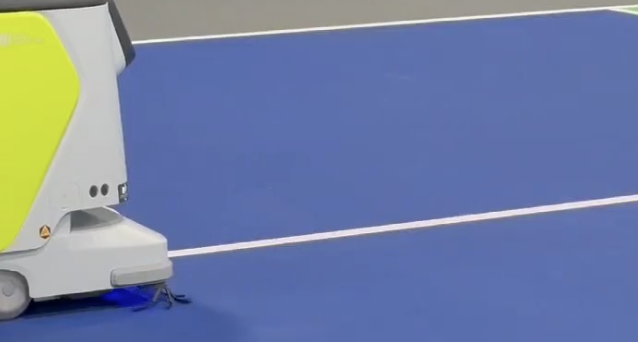
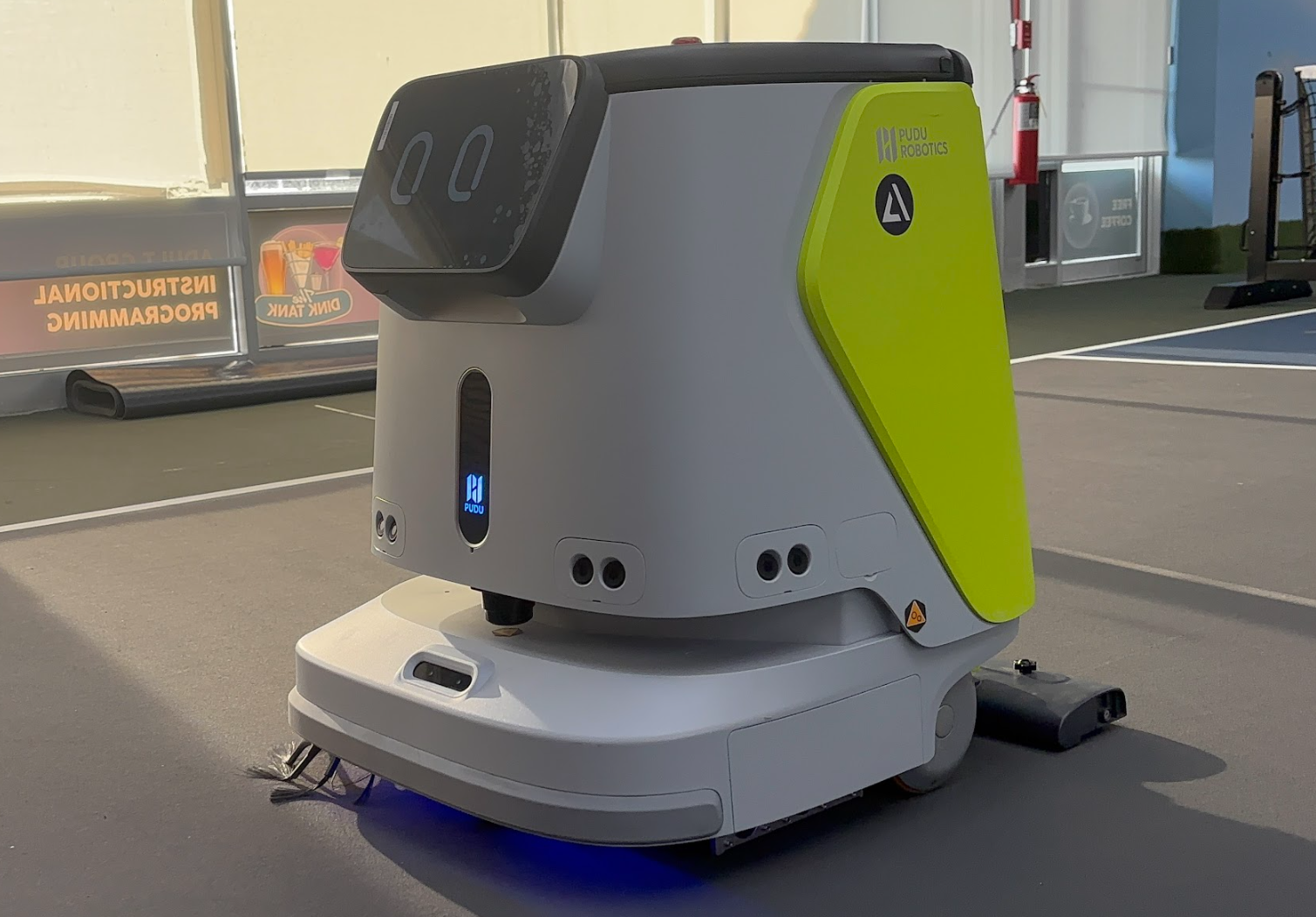
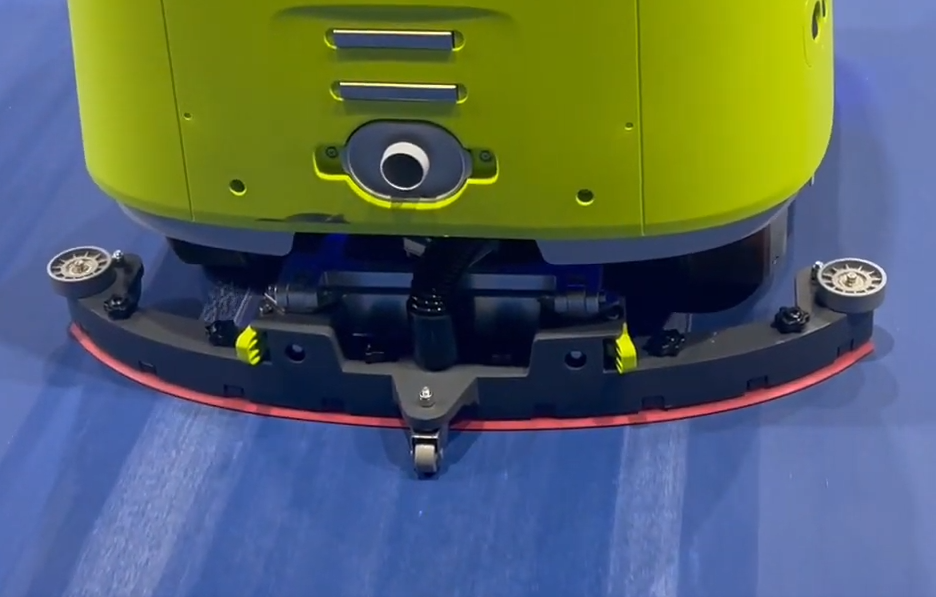
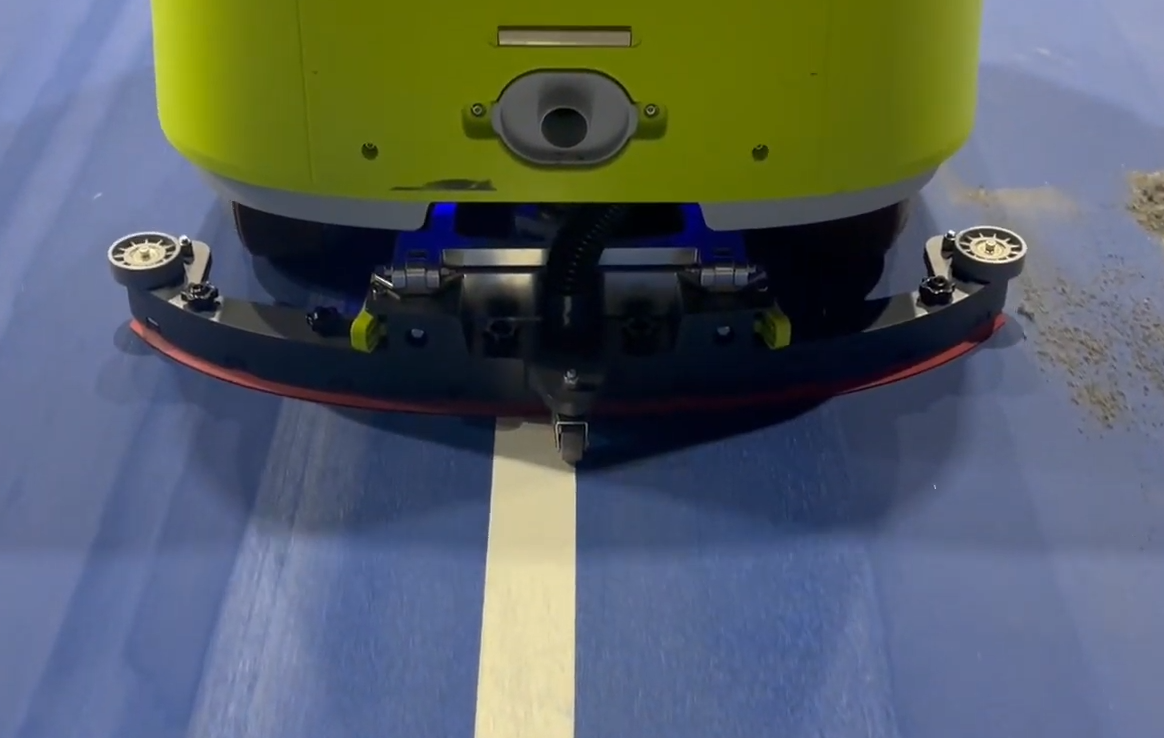
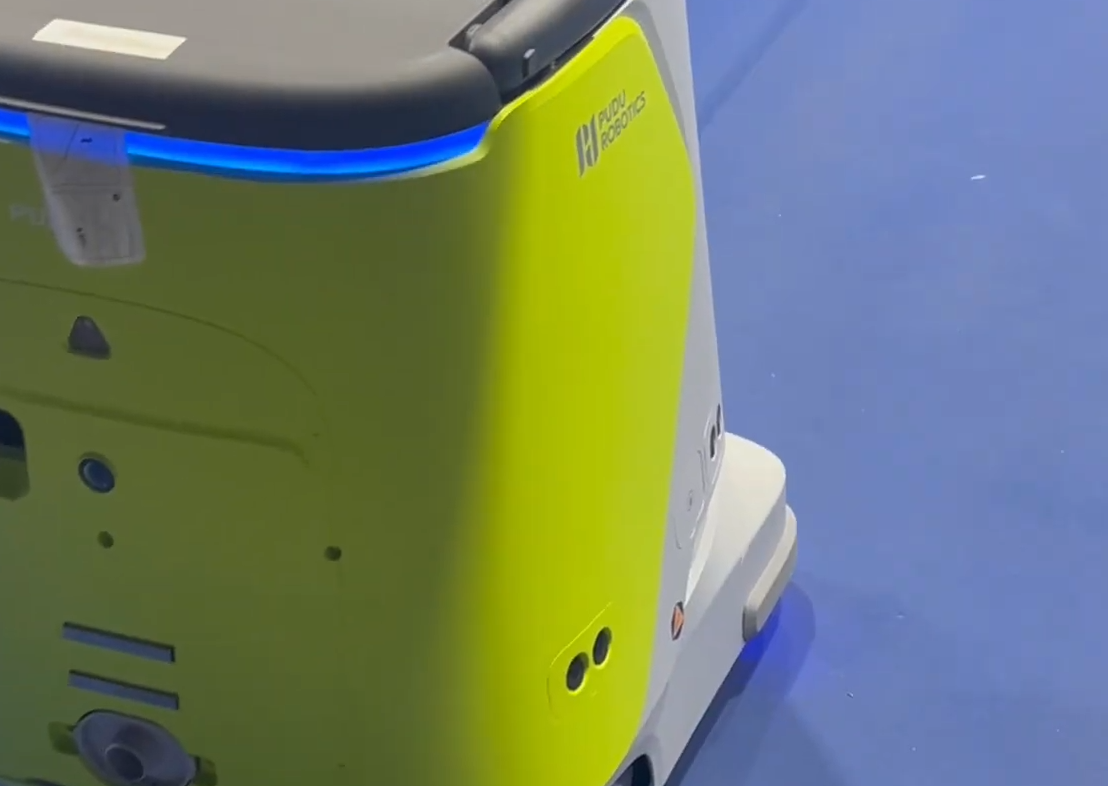
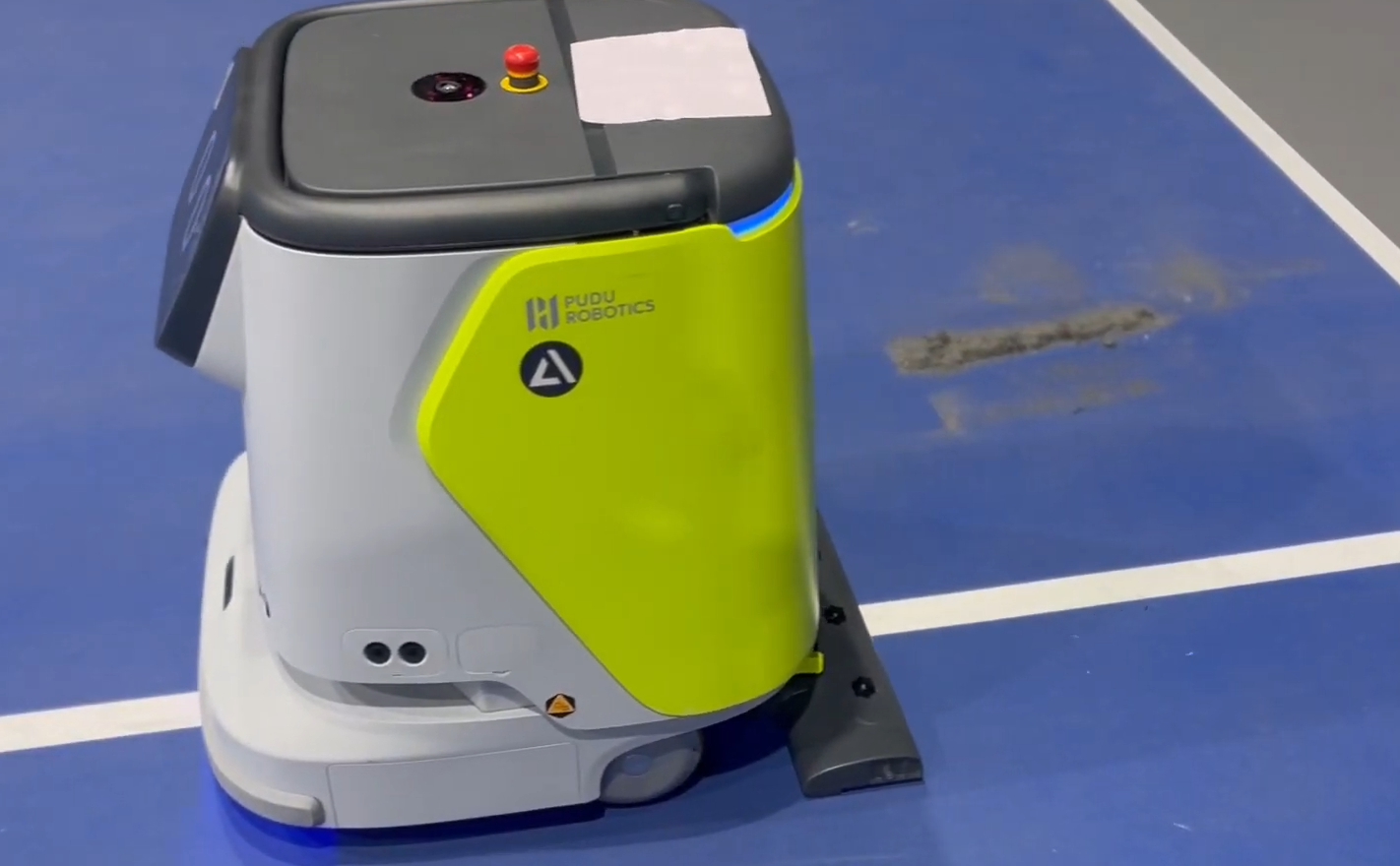
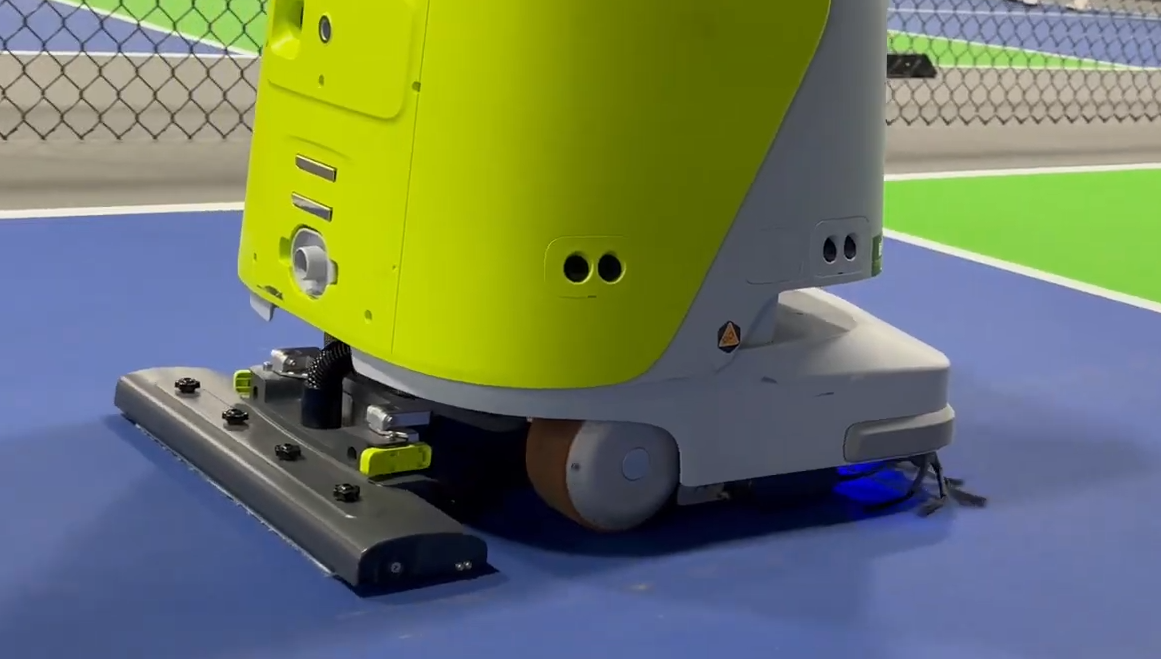
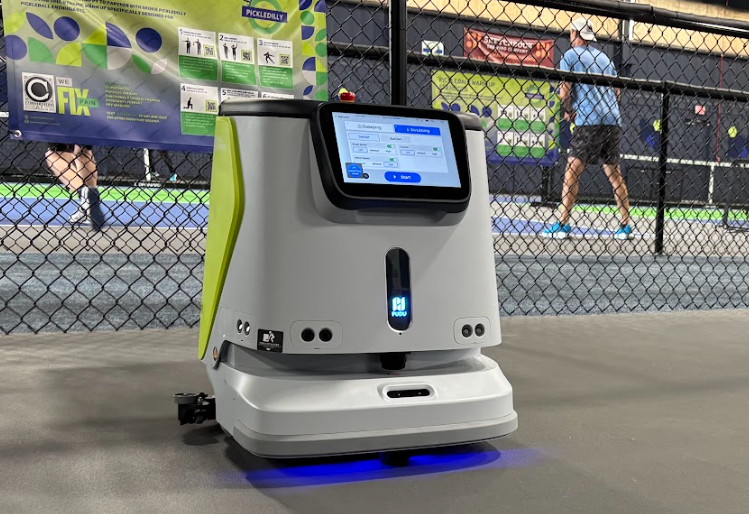
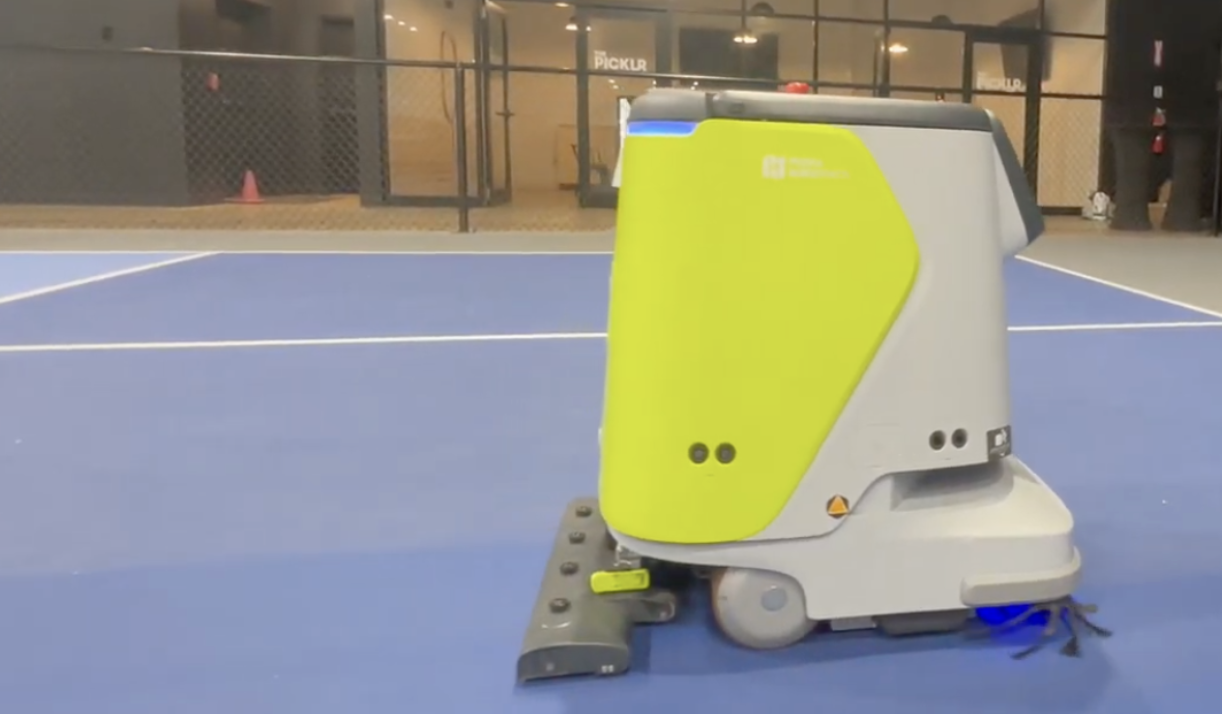
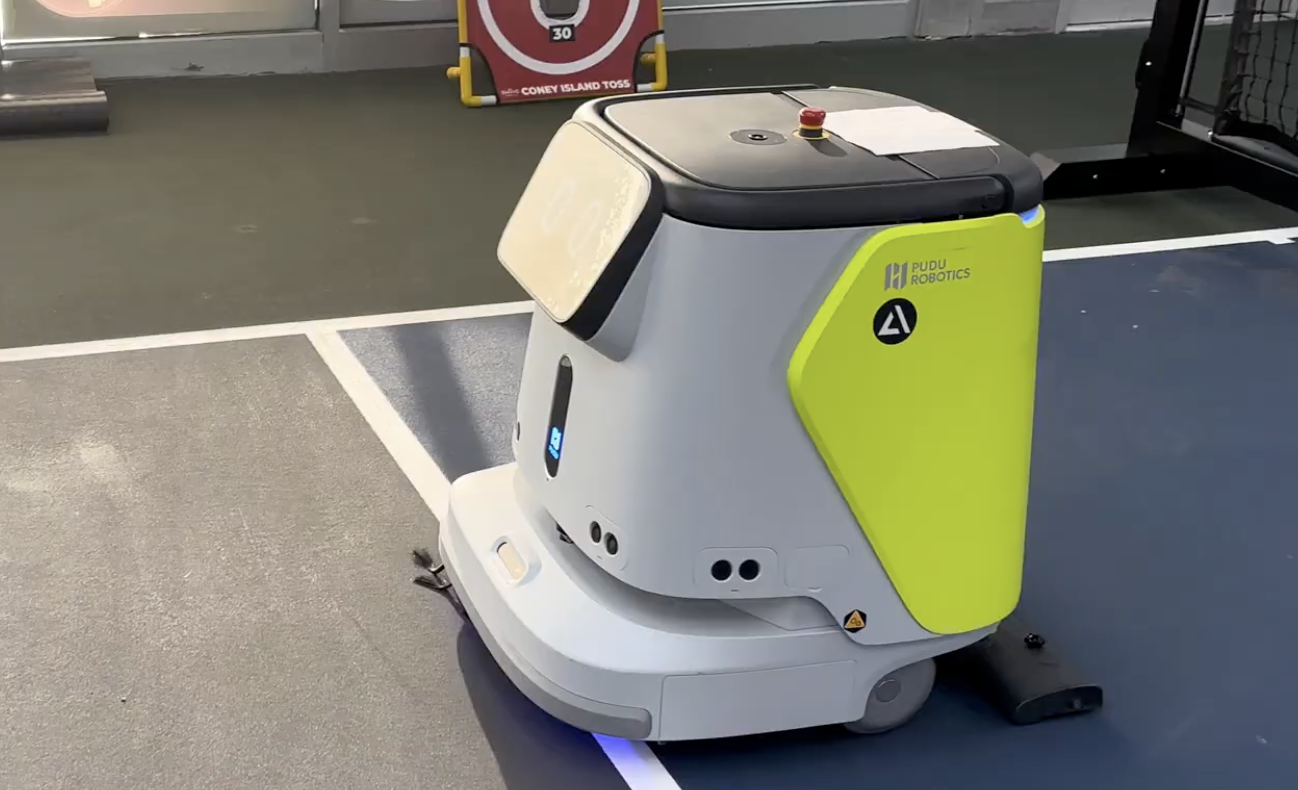
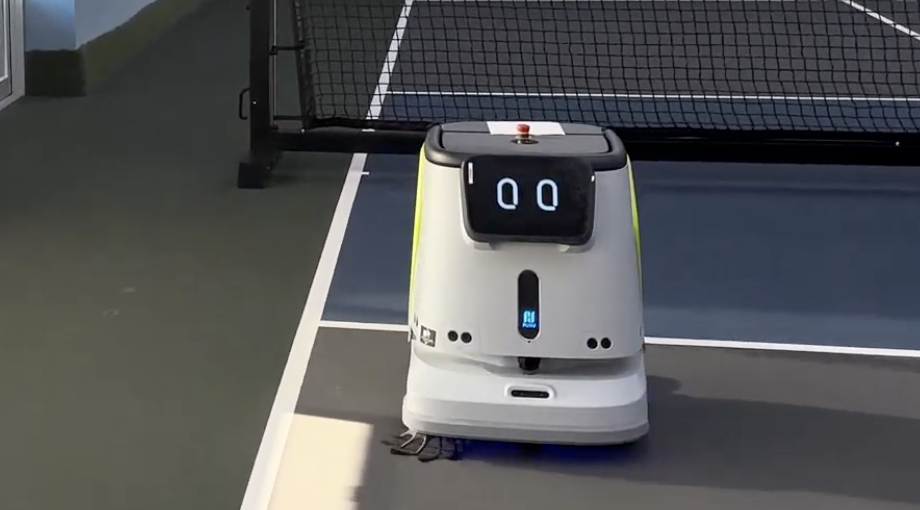
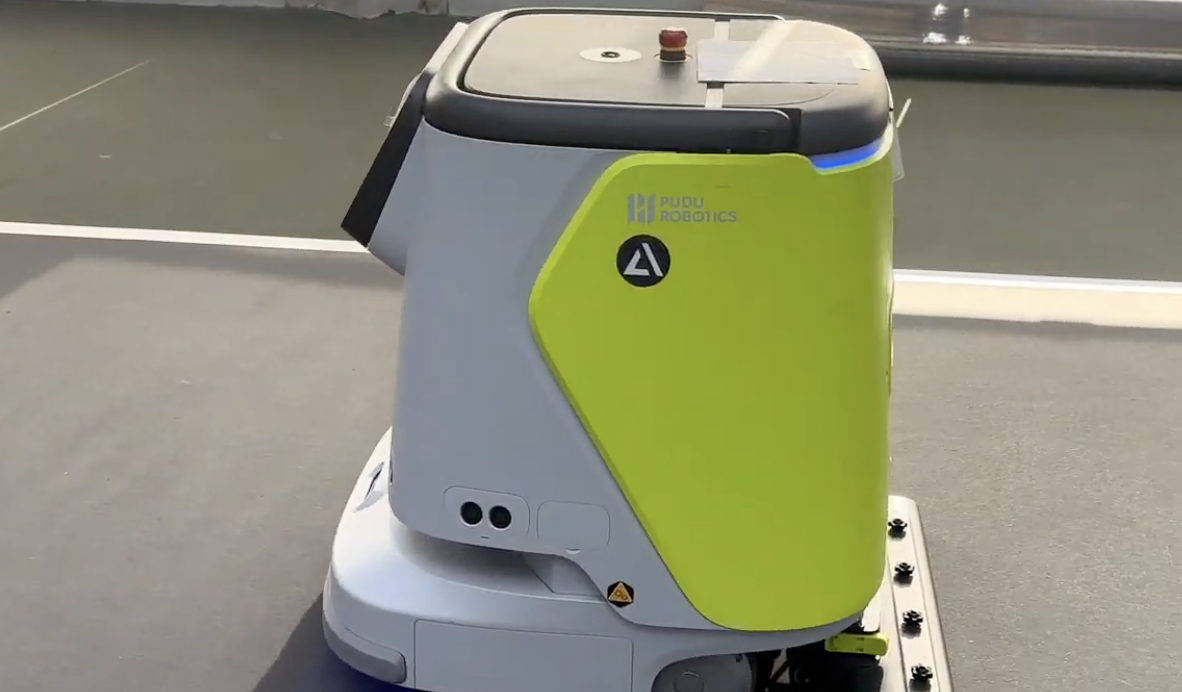
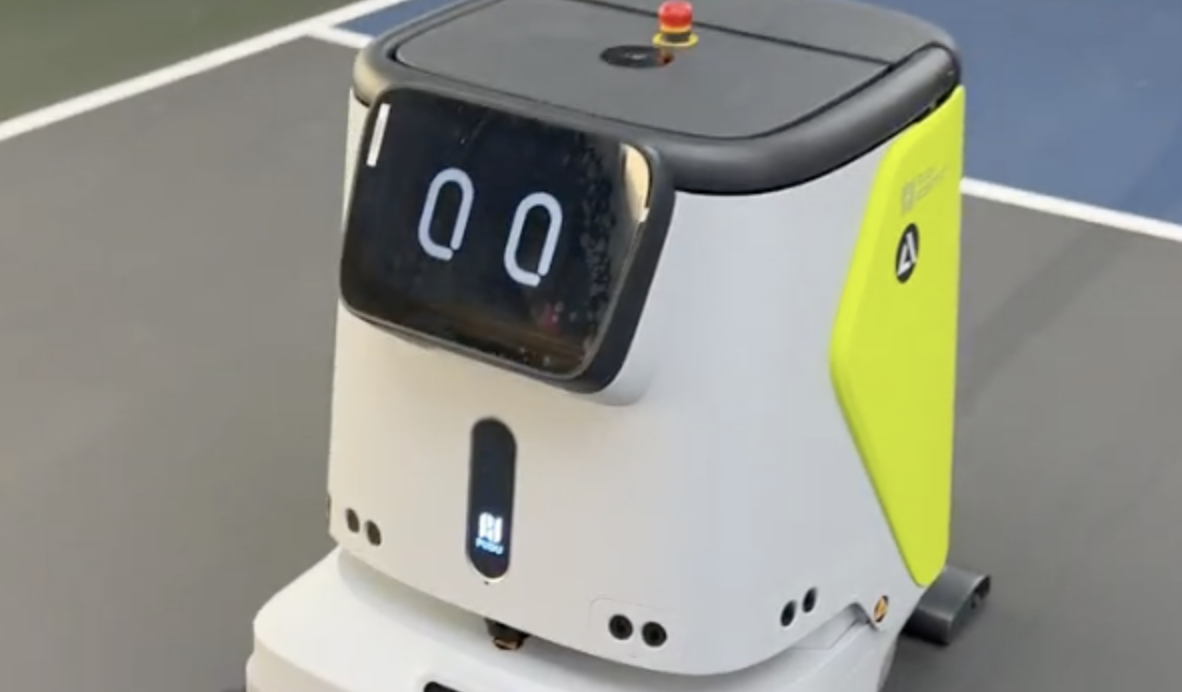
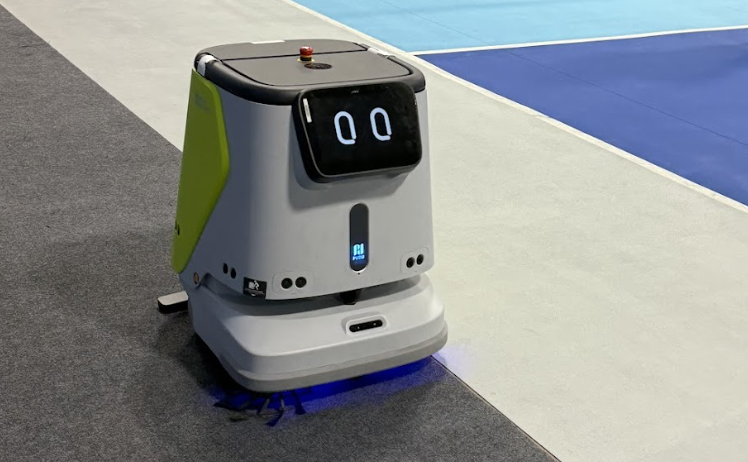
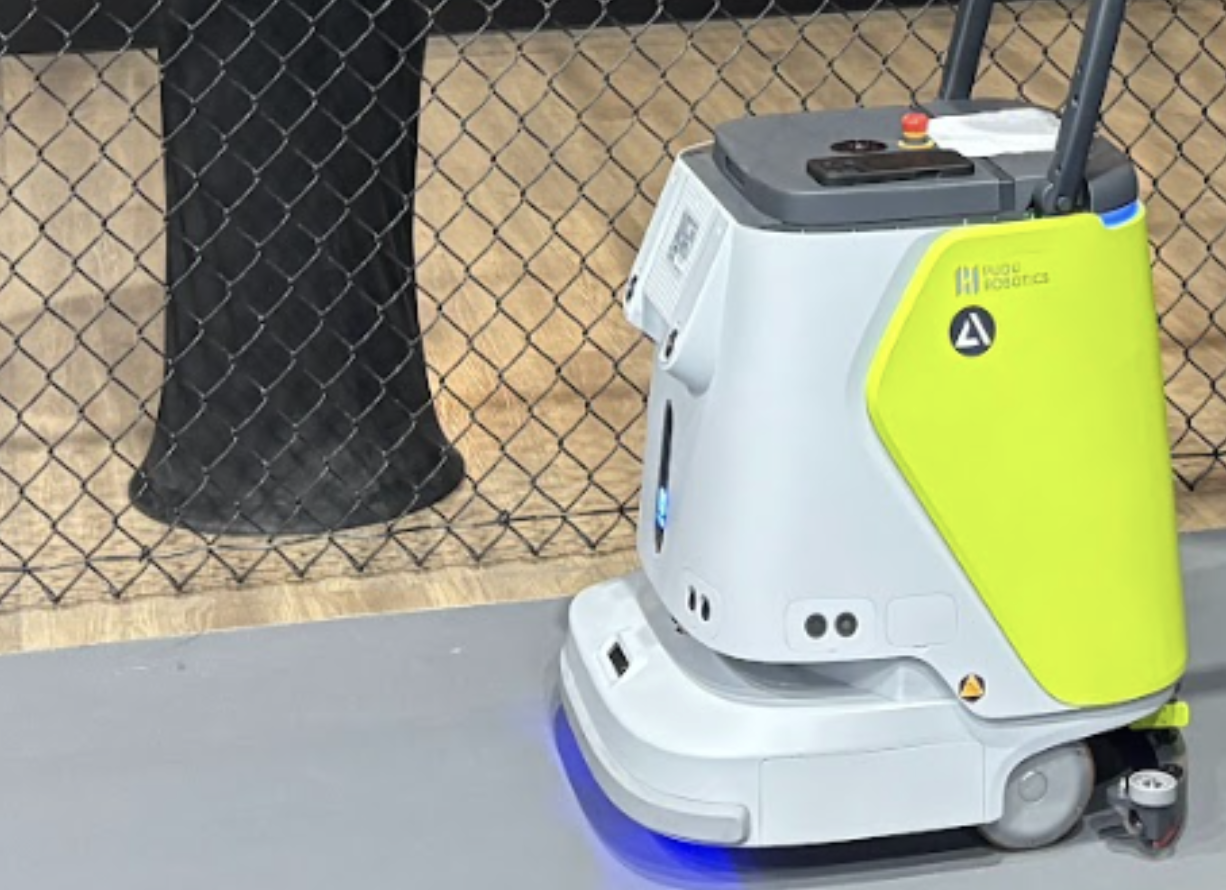
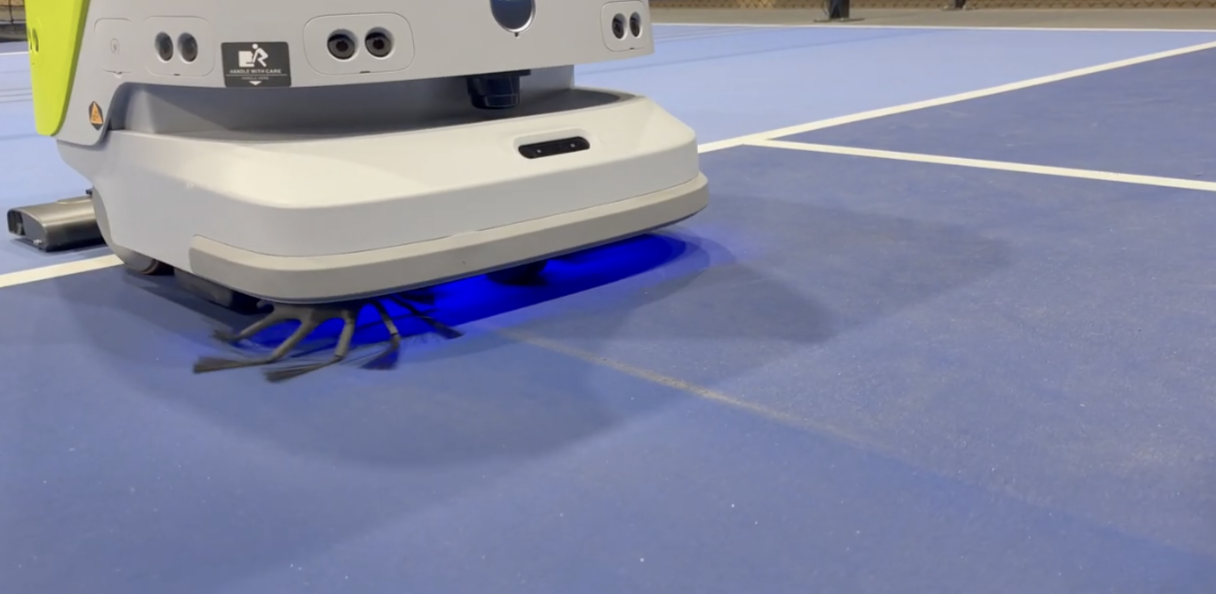
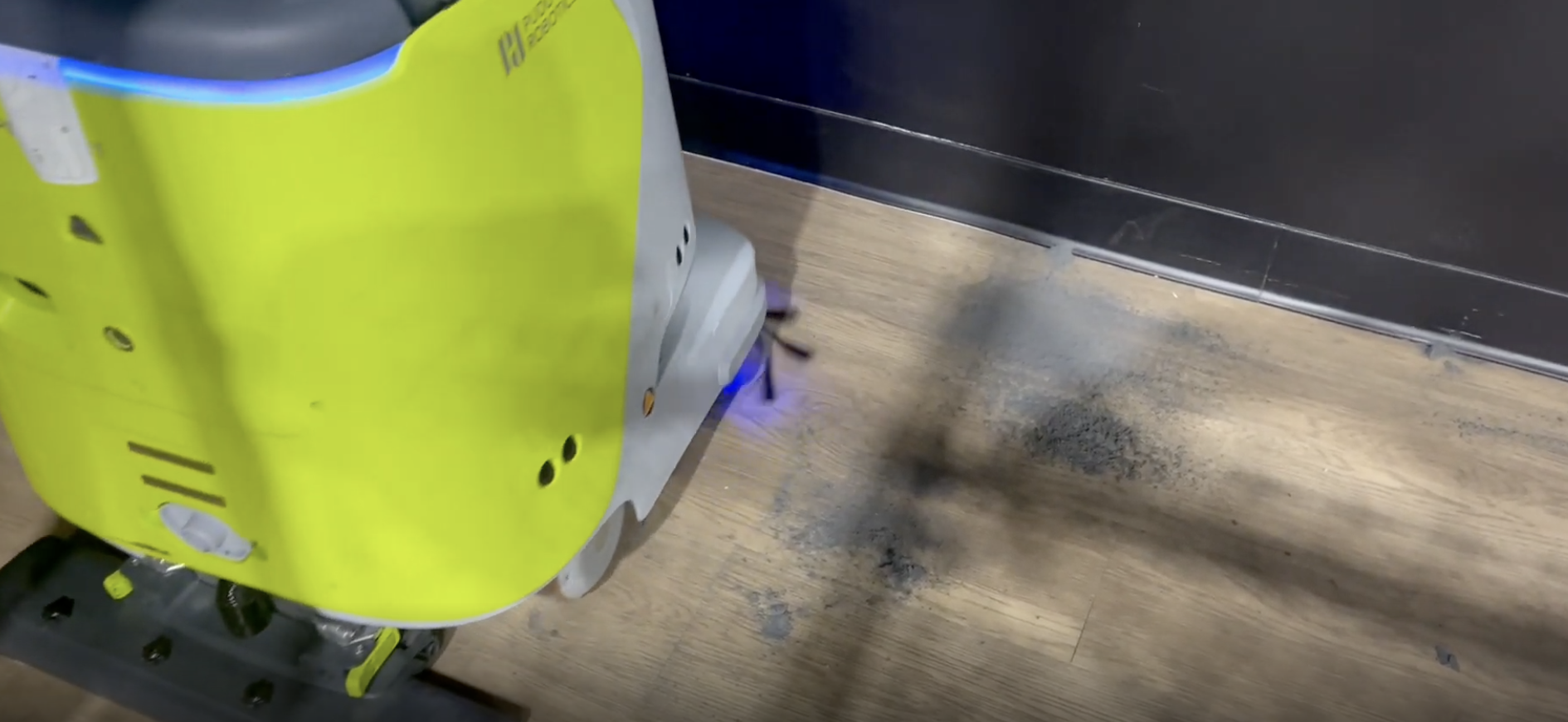
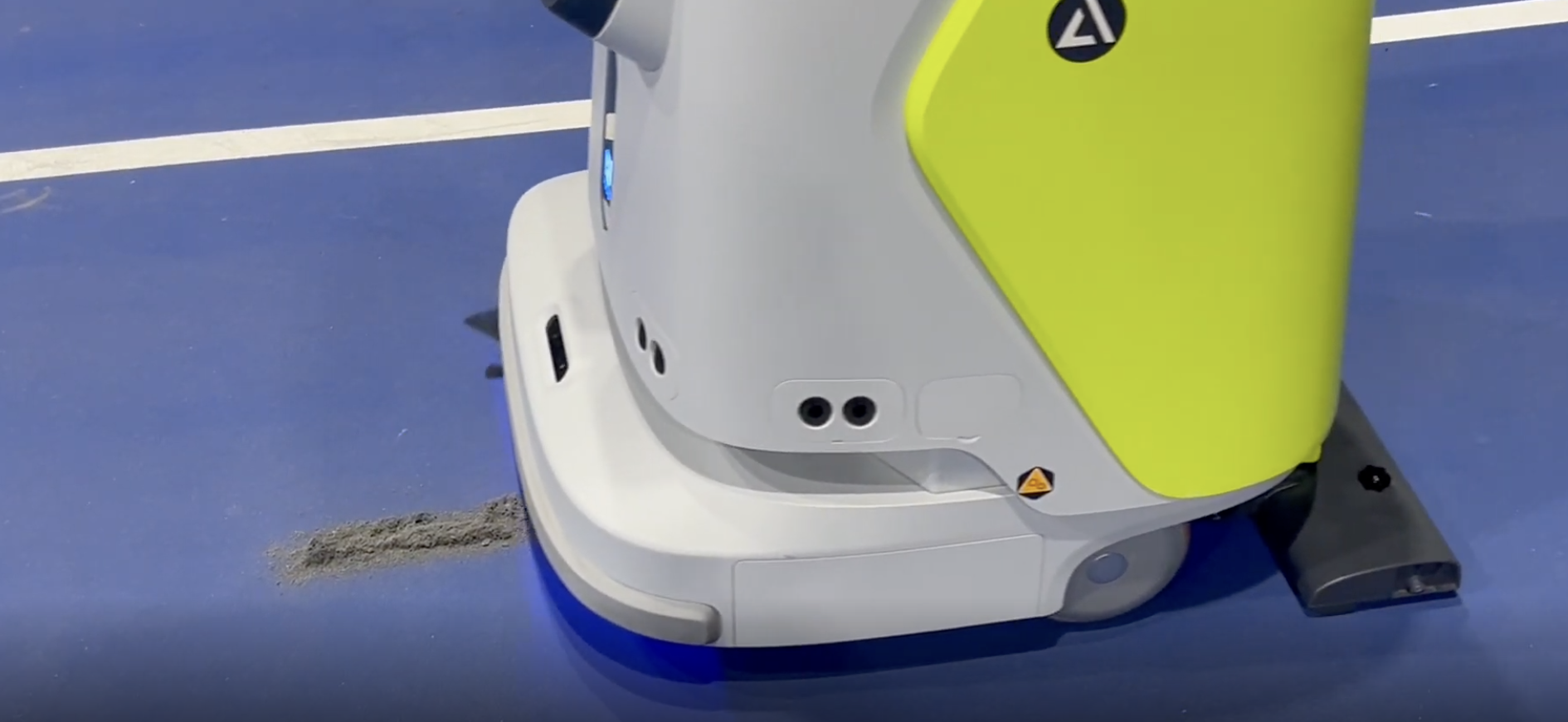
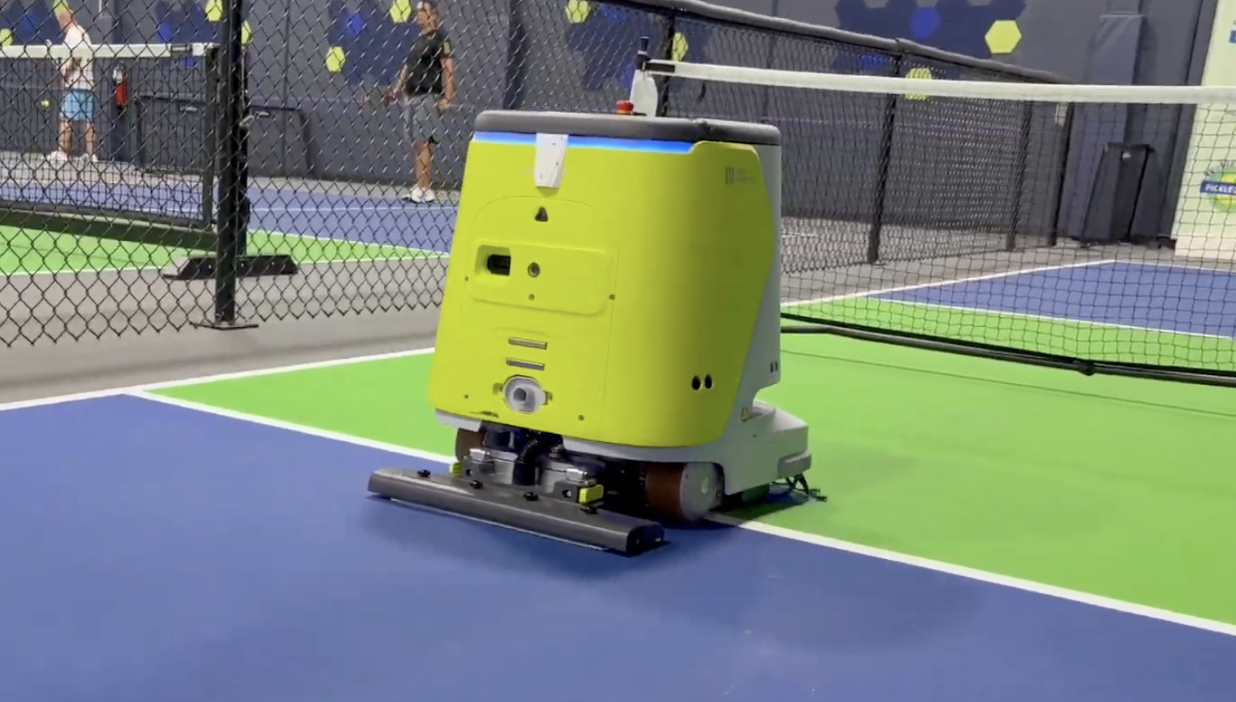
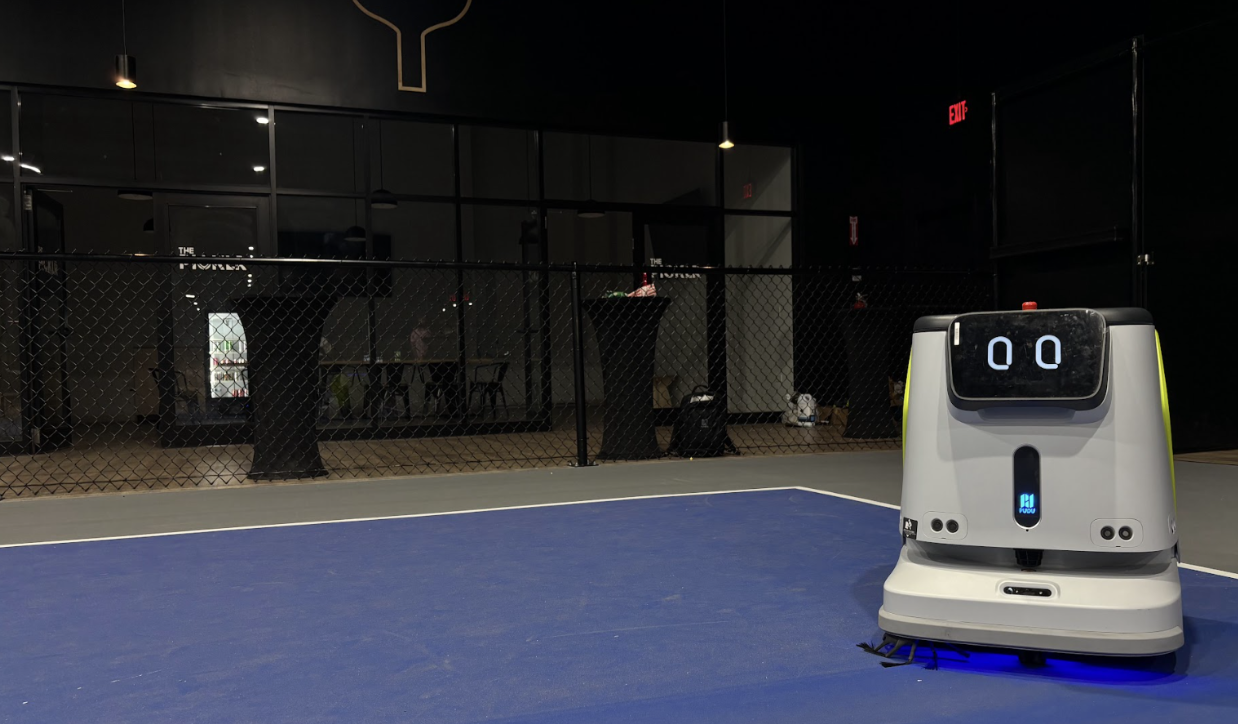
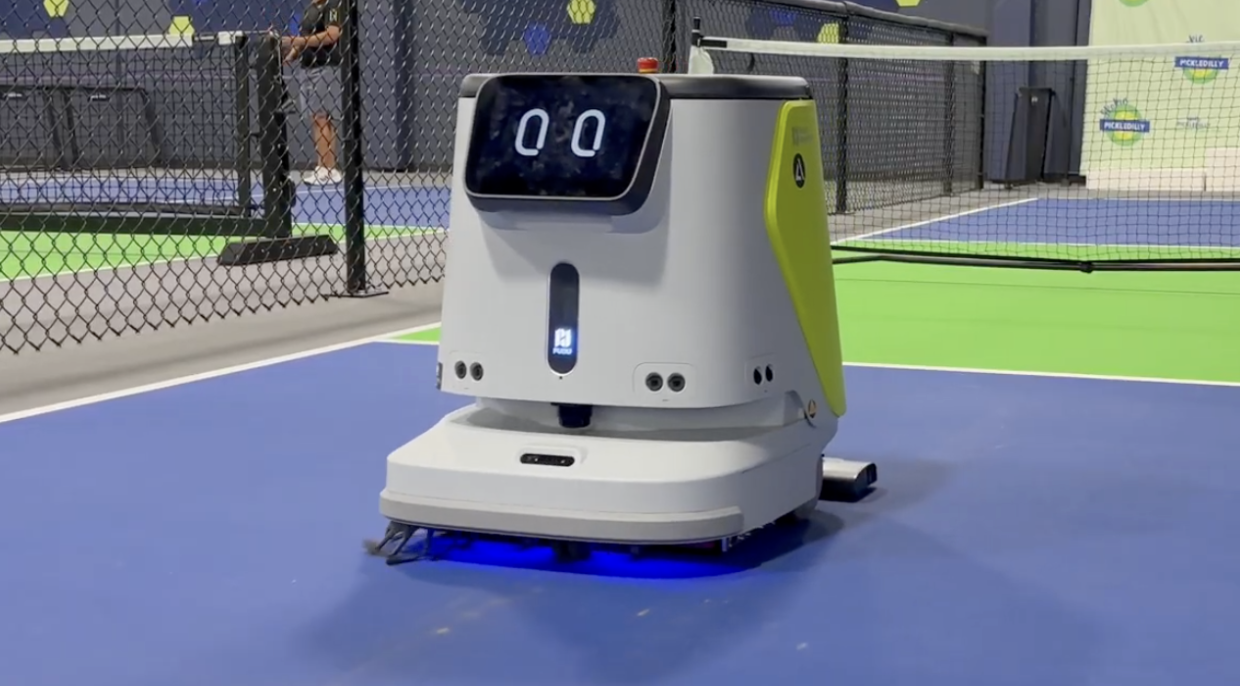
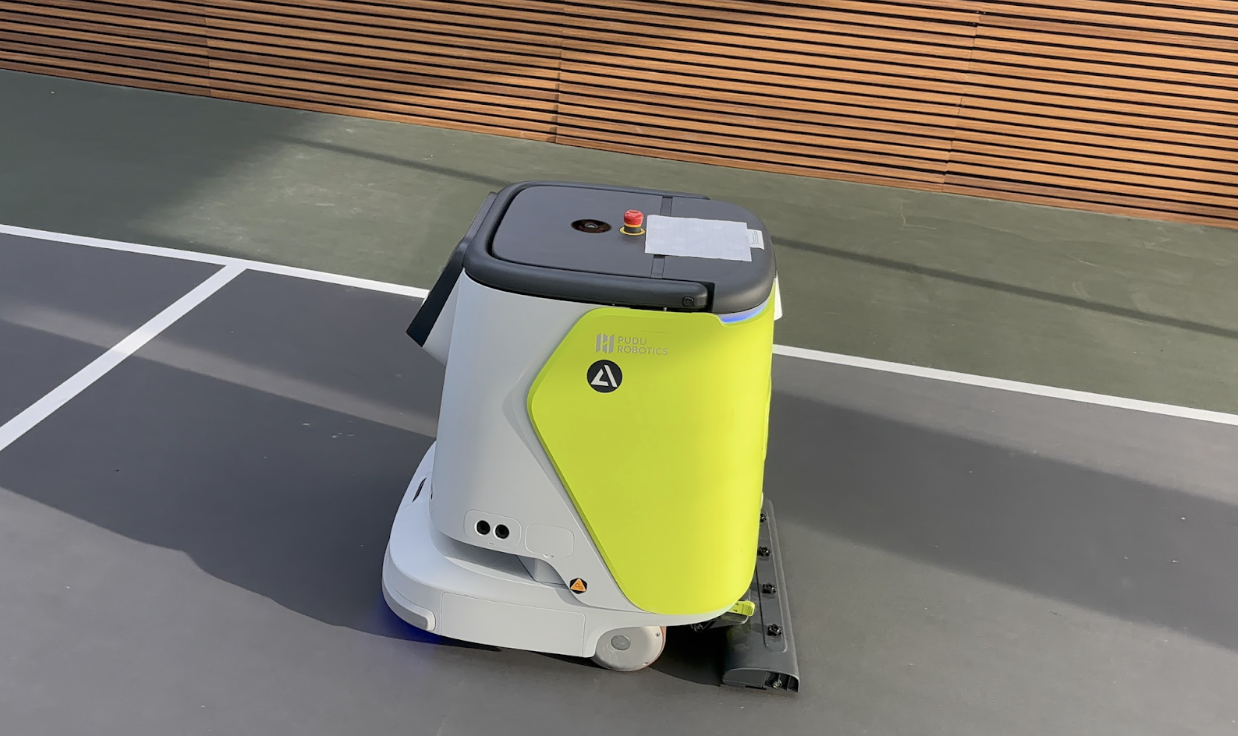
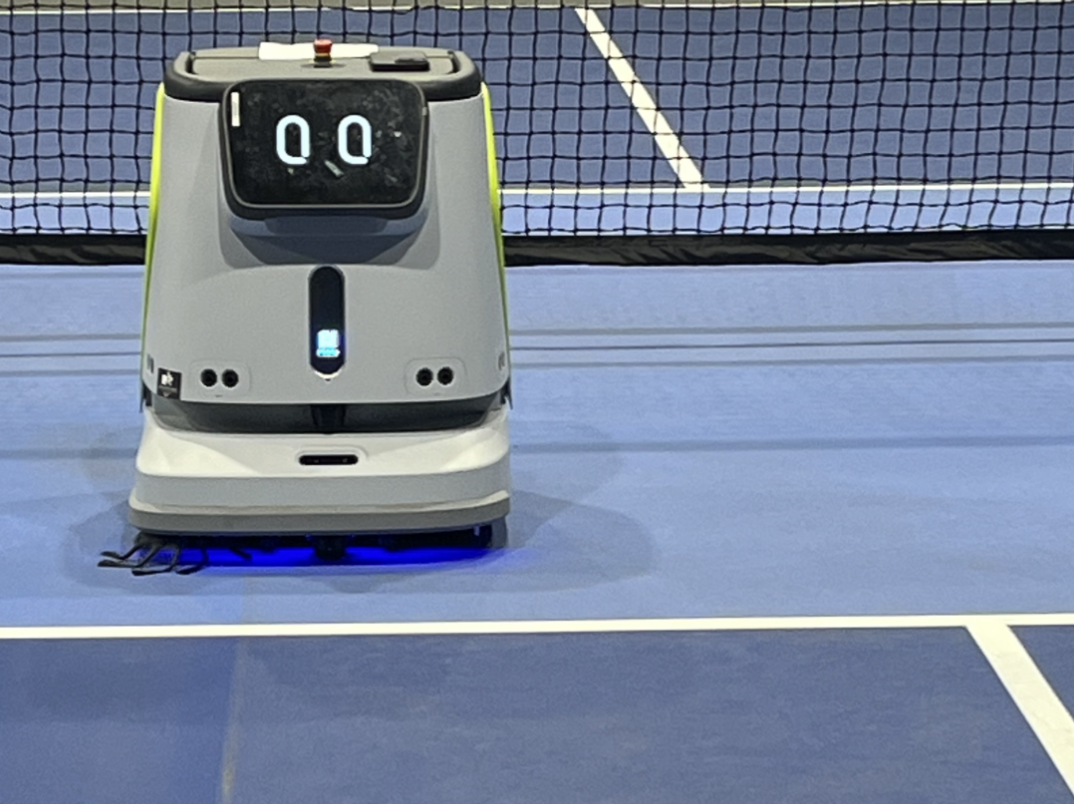
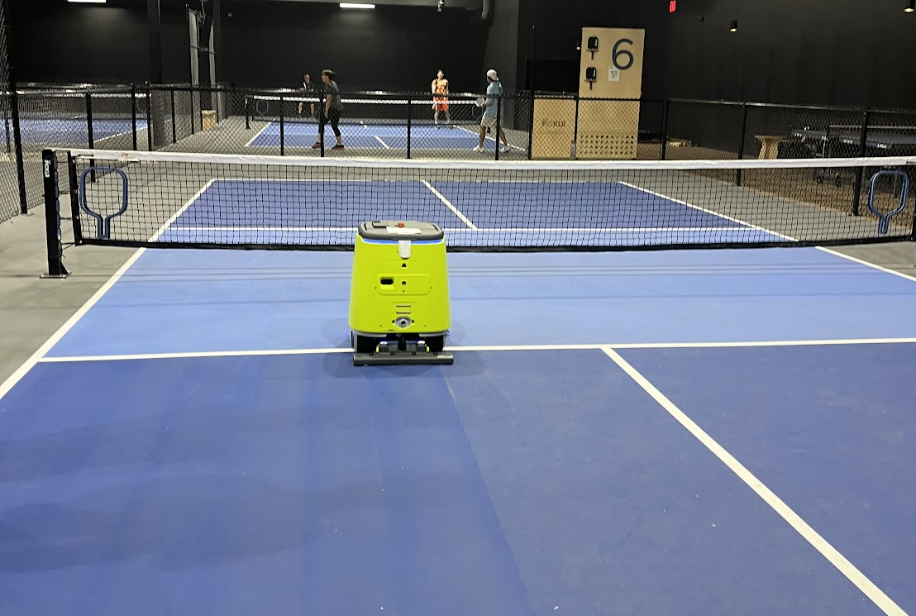
Autopilot’s CC1 Pro (“CeCe”) belongs in that toolkit by supporting consistent, repeatable cleaning passes—helping you protect surface quality when staffing is stretched.
Want a one-page “Court Longevity Hotspot Log” template and a suggested weekly plan that includes CeCe runs?