A simple daily court-quality walkthrough for pickleball facilities: what to check, how to log issues, and a weekly schedule template.

A simple daily court-quality walkthrough for pickleball facilities: what to check, how to log issues, and a weekly schedule template.
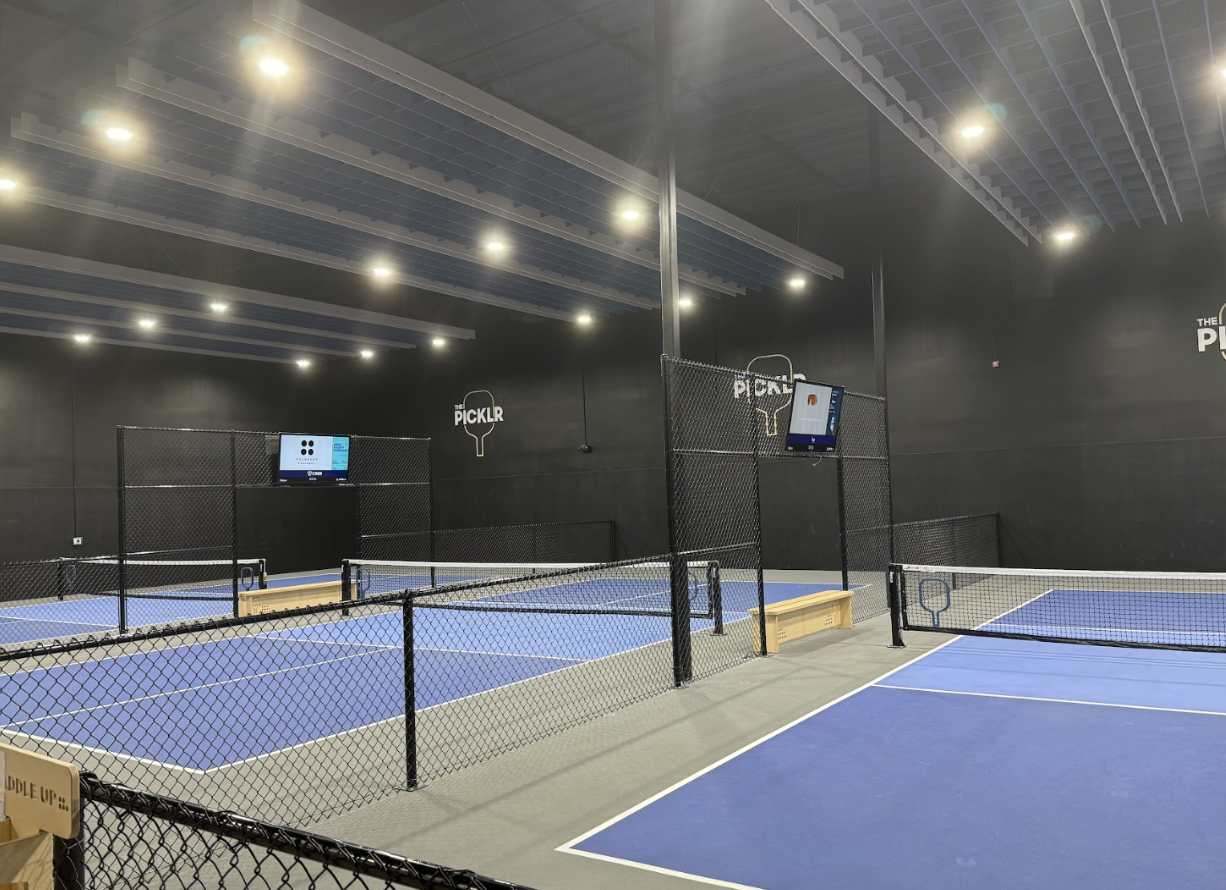
The “busy club” paradox
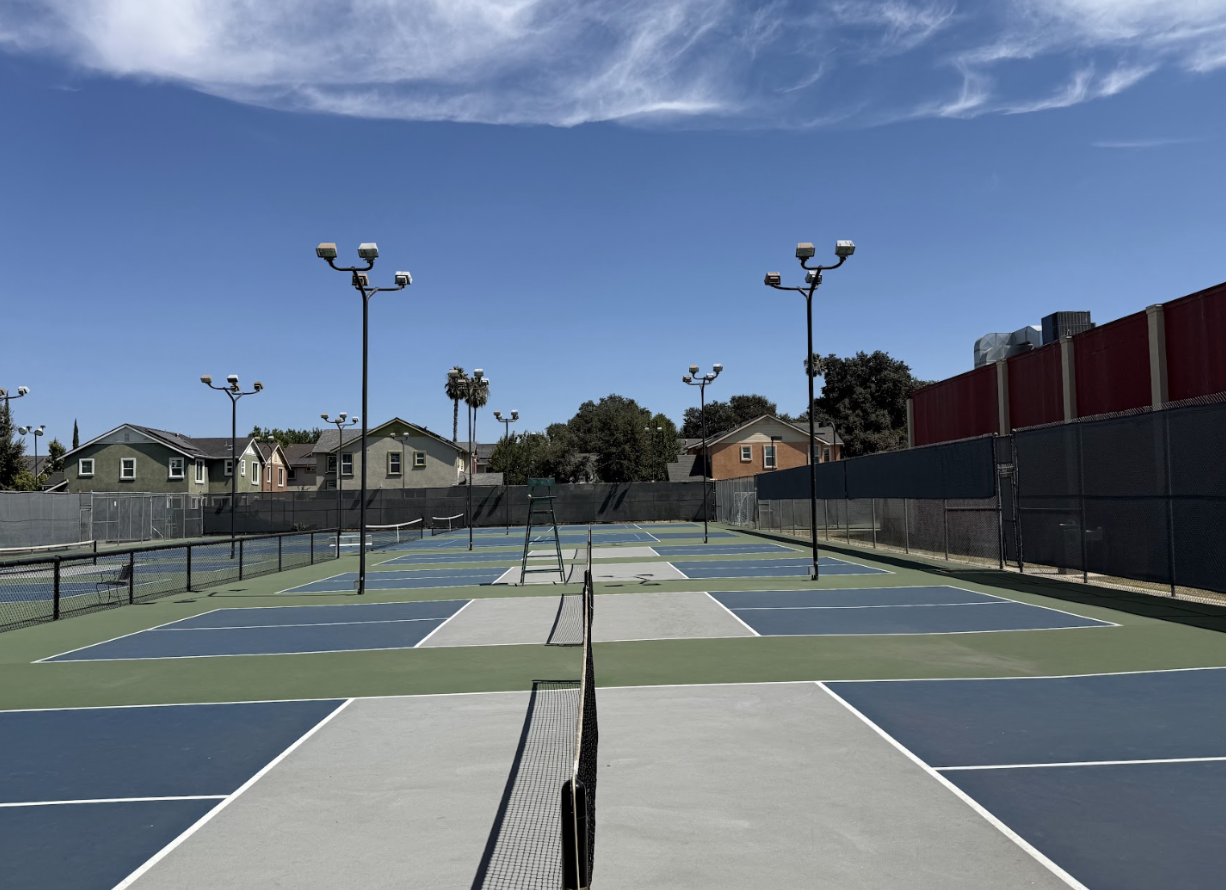
The clubs with the most traffic need the cleanest courts—and have the least time to clean them.
If you’ve ever looked at a packed reservation grid and thought, “When are we supposed to reset the courts?”, you’re not alone. The best-run facilities solve this with a simple shift:
They stop treating cleaning as a big task… and turn it into small resets embedded into operations.
Here’s the playbook.
“Game-ready” is a workflow, not a cleaning day
Manufacturers and facility guidance point to a core truth: basic, regular cleaning prevents premature wear and staining. And routine maintenance schedules often break down into daily debris removal, weekly sweeping/blowing, and monthly gentle washing/spot treatment.
So how do high-traffic clubs execute that without adding headcount?
They use three layers:
Layer 1: The micro-reset (between play blocks)
- 60–90 seconds per court cluster
- Debris + gate zones + quick scan
- Done by front desk runner, court marshal, or last staff member on rotation
Layer 2: The scheduled sweep (weekly)
- 30 minutes per court block
- Full sweep/power blow
Layer 3: The light wash (monthly)
- Mist + spot treat with mild detergent; rinse
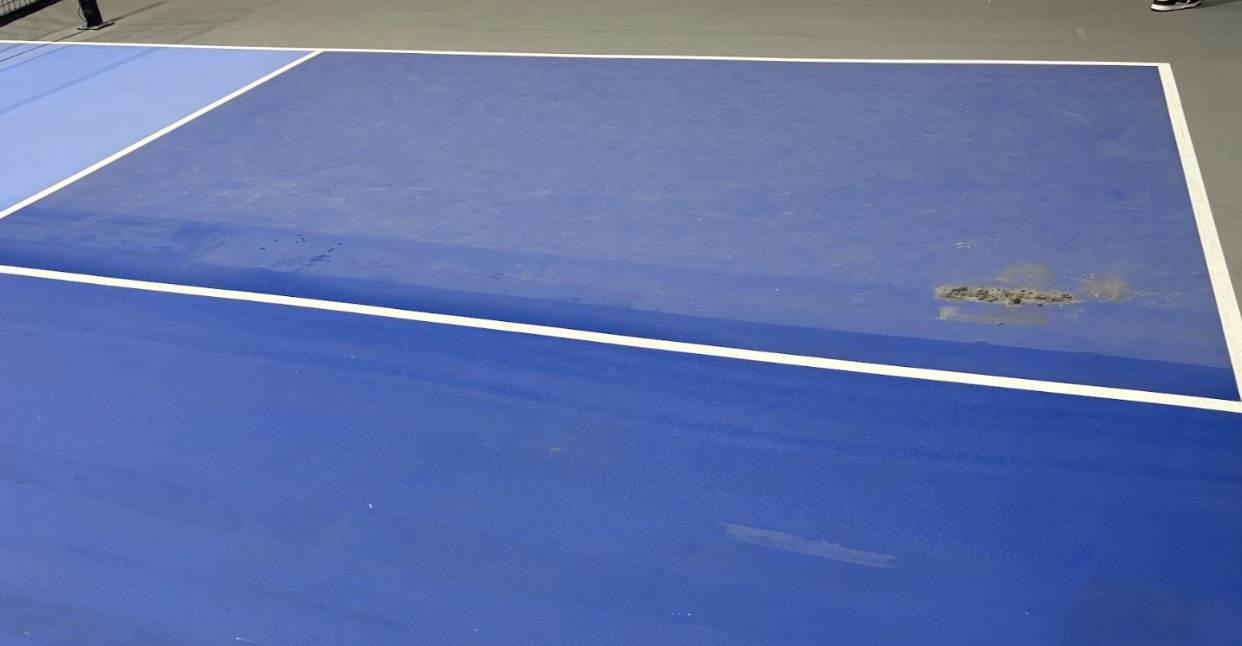
- Focus on the “always dirty” areas: gates, corners, bench sides
The 90-second “court reset” your staff can actually do
This is designed for real life: leagues running late, lessons overlapping, and staff juggling a million things.
90-second court reset SOP
- Remove hazards (cups, branches, trash)
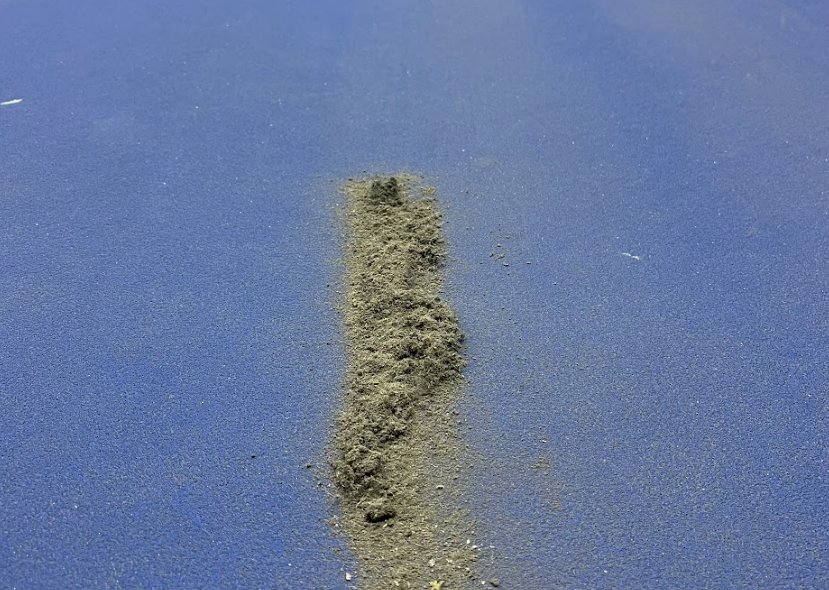
- Gate zone sweep (20 seconds): soft broom or small blower pass
- Baseline + kitchen lines pass (40 seconds): quick blow-down to keep grit from building
- Shaded corner check (10 seconds): if damp + dirty, mark it for monthly spot treatment
- Spill rule (20 seconds): if you see it, clean it promptly with mild detergent + soft brush + rinse when possible
Why this matters: Algae/mildew thrives in damp, low-traffic areas, and prevention is easier than fixing discoloration later.
The staffing model that keeps it fair (and consistent)
High-traffic clubs don’t “assign cleaning.” They assign ownership windows.
Option A: The rotating reset (works for 8–16 courts)
- Every hour, one staff member is “Reset Lead”
- Their only job: do micro-resets + log issues
- Next hour, it rotates
Option B: The block reset (works for smaller clubs)
- After leagues and after prime-time open play, run a 10-minute reset block:
- blow-down + gate zones
- quick hazard scan
- squeegee standing water
The missing ingredient: a log
Sport surface guidance often emphasizes that some issues (like low spots and resurfacing) require pro attention and planning (SportMaster, n.d.). Your log tells you when you’ve crossed that line.
Use a basic log:
- Court #
- Issue type (debris, stain, mildew, low spot, wear)
- Action (cleaned now / scheduled / pro)
Section 4: Resurfacing and longevity—plan it before it becomes urgent
If you run a busy facility, your surfacing is an asset you should plan for like equipment.
A common guideline for acrylic sport surfaces is a resurfacing cycle of about 5 to 8 years, depending on conditions and wear (SportMaster, n.d.). You don’t need to scare yourself with timelines—but you do want to avoid surprises.
The “no surprises” plan
- Keep monthly photo logs of wear areas
- Mark recurring “birdbaths” (low spots) early
- Schedule an annual inspection to evaluate surface condition, drainage performance, and wear patterns (SportMaster, n.d.)
Quick Answers (For Busy Owners)
Q: What does “game-ready” actually mean operationally?
A: Courts are consistently debris-free, traction-safe, and reset in small increments throughout the day.
Q: What’s the fastest reset between reservations?
A: A 90-second routine: hazards, gate sweep, blow-down pass, shaded corner check.
Q: How often should we do full sweeping or power blowing?
A: Weekly is a common routine maintenance frequency (California Sports Surfaces, 2022).
Q: How do we handle spills safely on acrylic?
A: Mild detergent + soft brush, rinse well; clean promptly (ASBA, 2023 Rev.).
Q: Why do shaded corners always look worse?
A: Damp shade promotes algae/mildew; prevention focuses on reducing growth conditions and staying clean (ASBA, 2023 Rev.).
Q: When do we need a professional?
A: For pavement repairs, resurfacing, recurring low spots, or drainage issues (SportMaster, n.d.).
Q: What’s a typical resurfacing cycle for acrylic sport surfaces?
A: Often cited as about 5–8 years depending on wear and conditions (SportMaster, n.d.).
Conclusion: The best clubs don’t clean harder—they clean smarter
If you want courts that feel “effortlessly premium,” don’t chase perfection with occasional deep cleans. Build a workflow: micro-resets, weekly sweeps, monthly spot treatment, and simple issue logging.
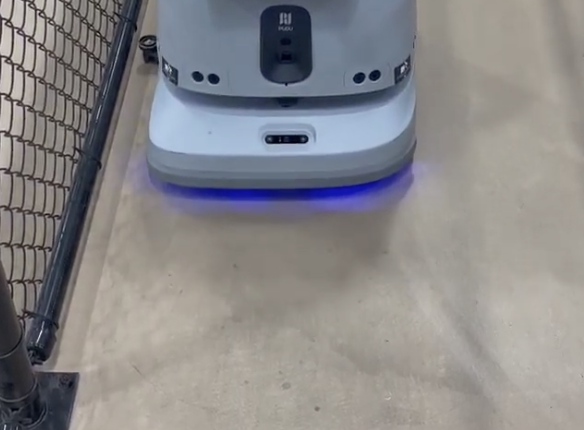
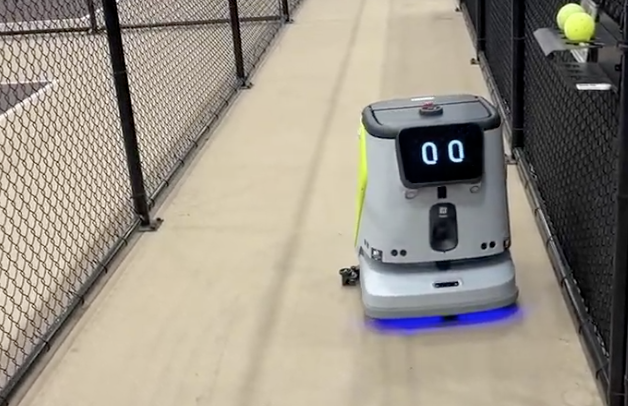
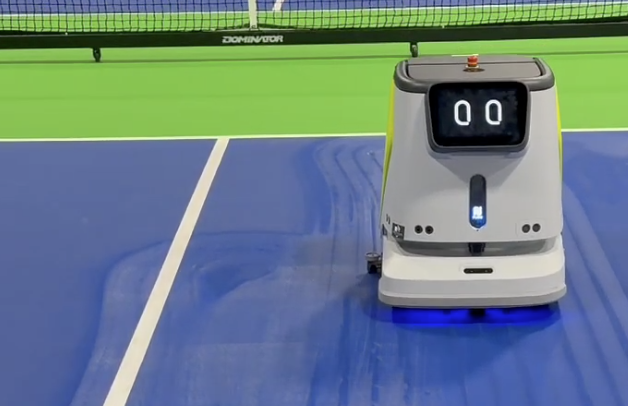
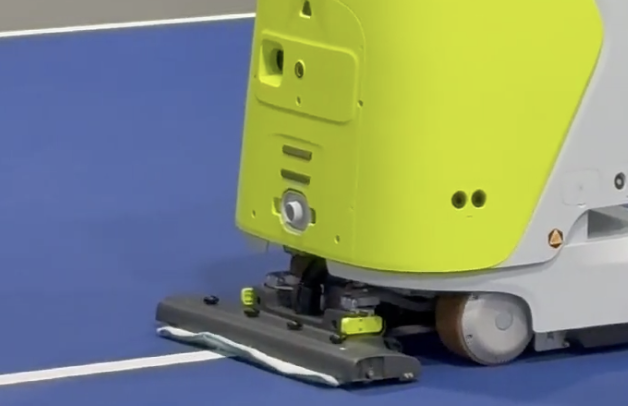
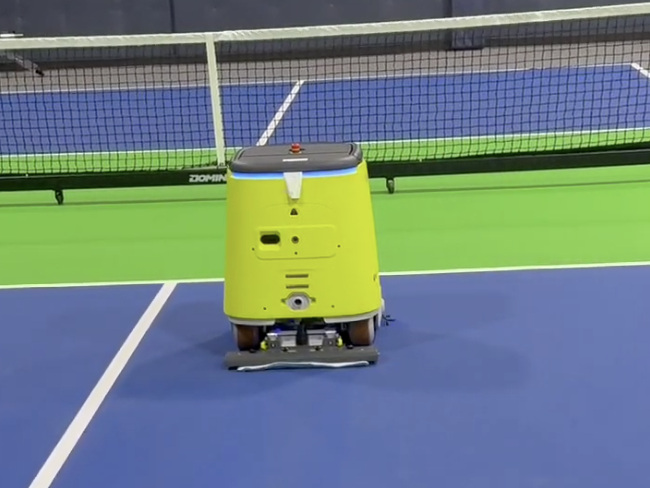
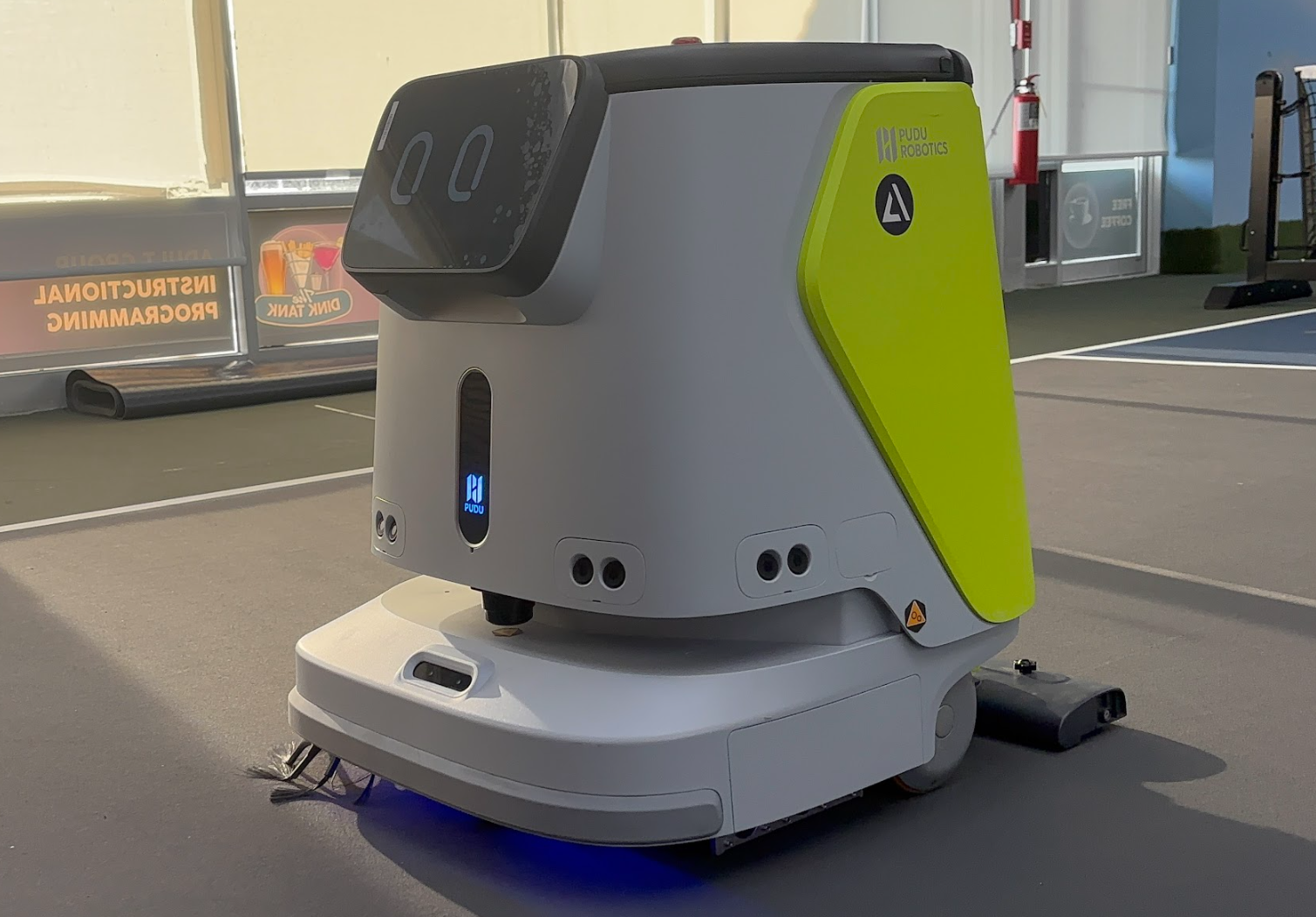
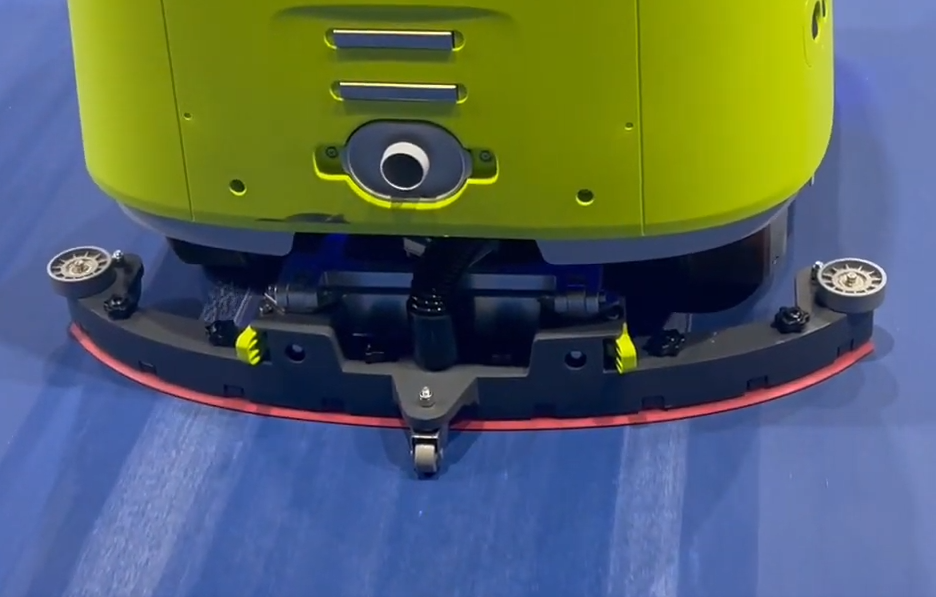
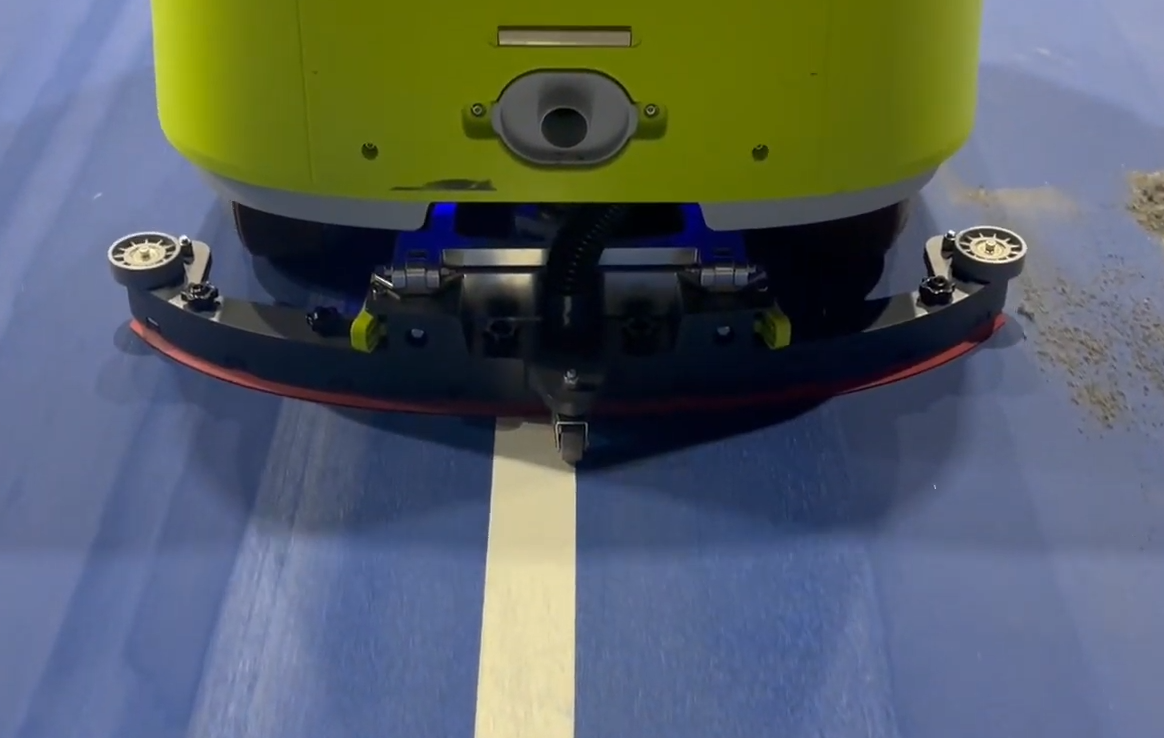
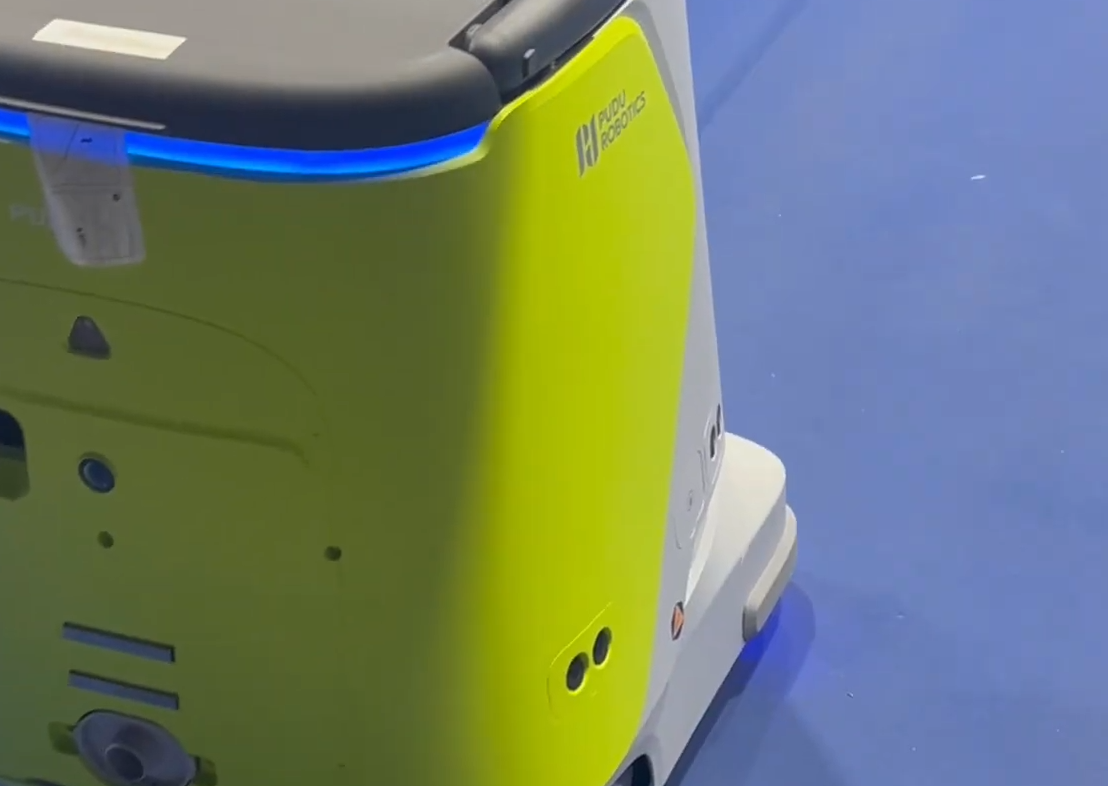
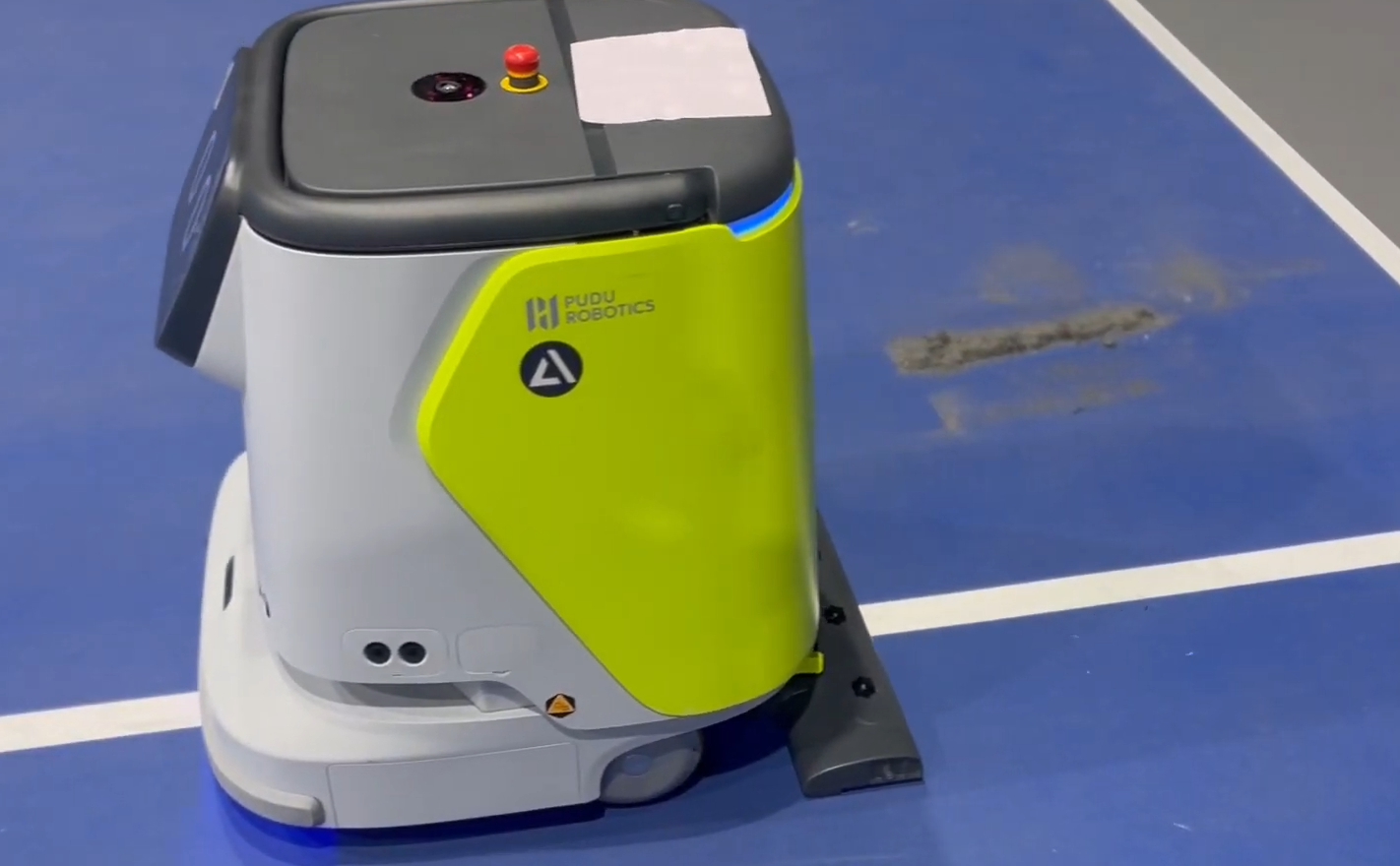
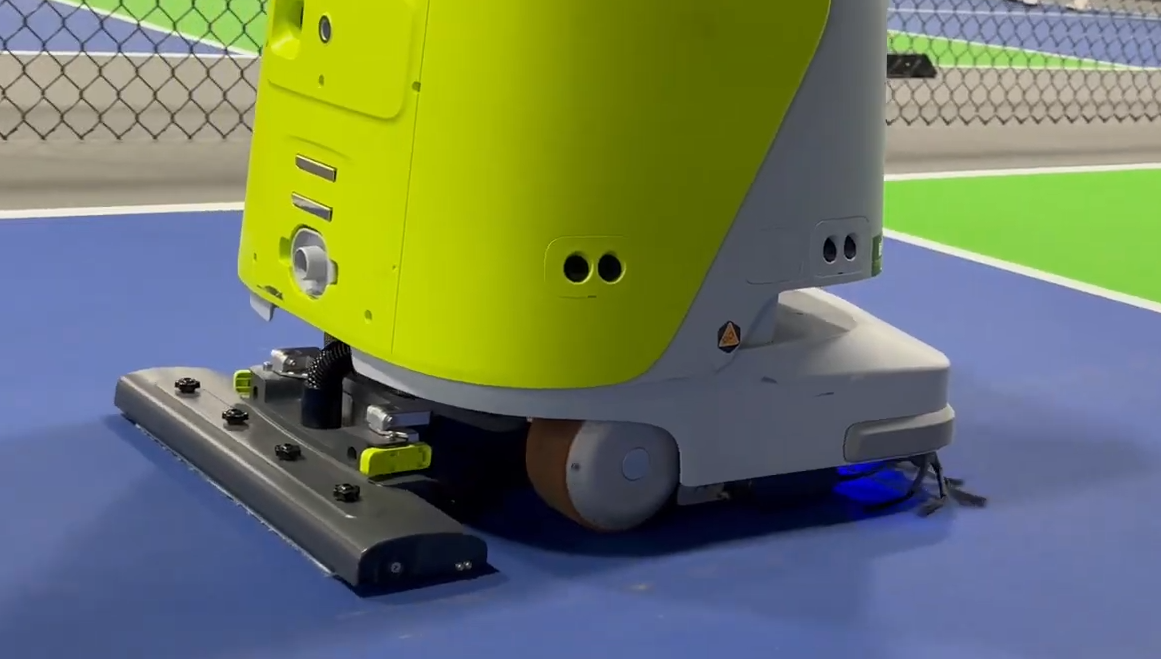
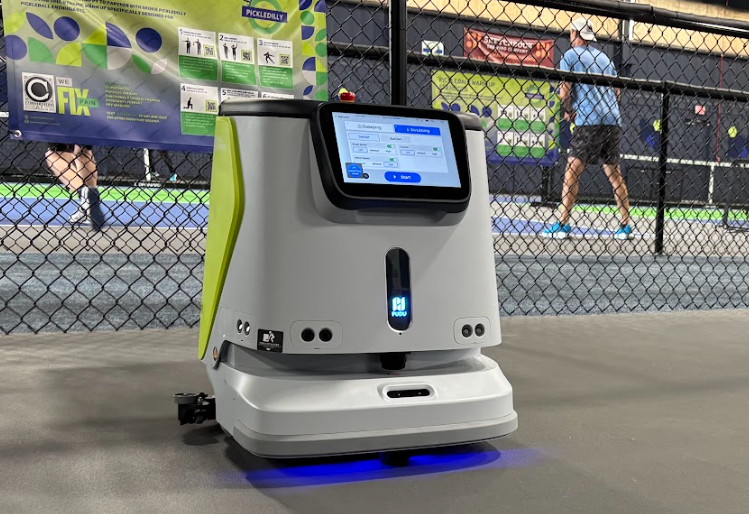
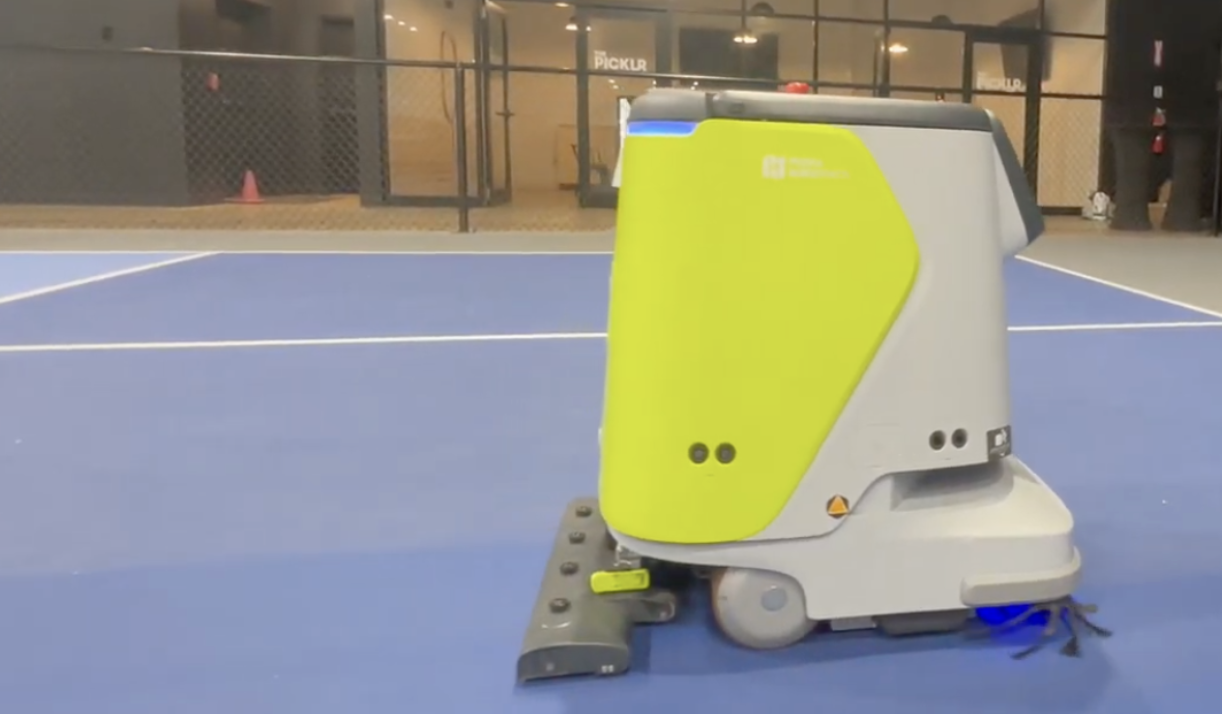
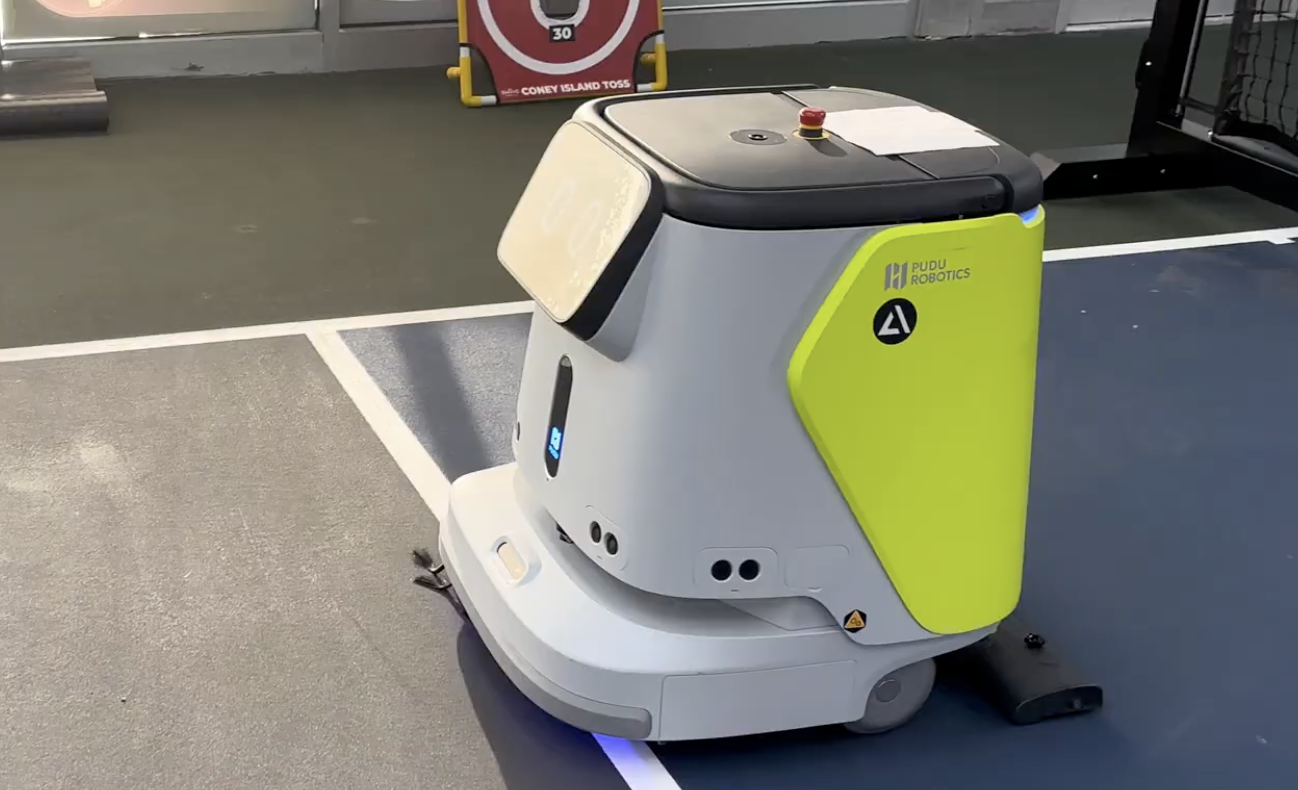
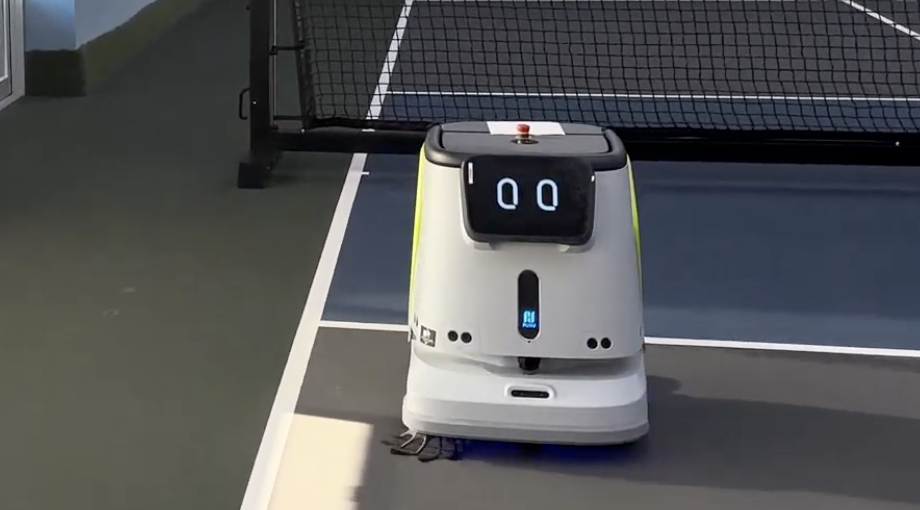
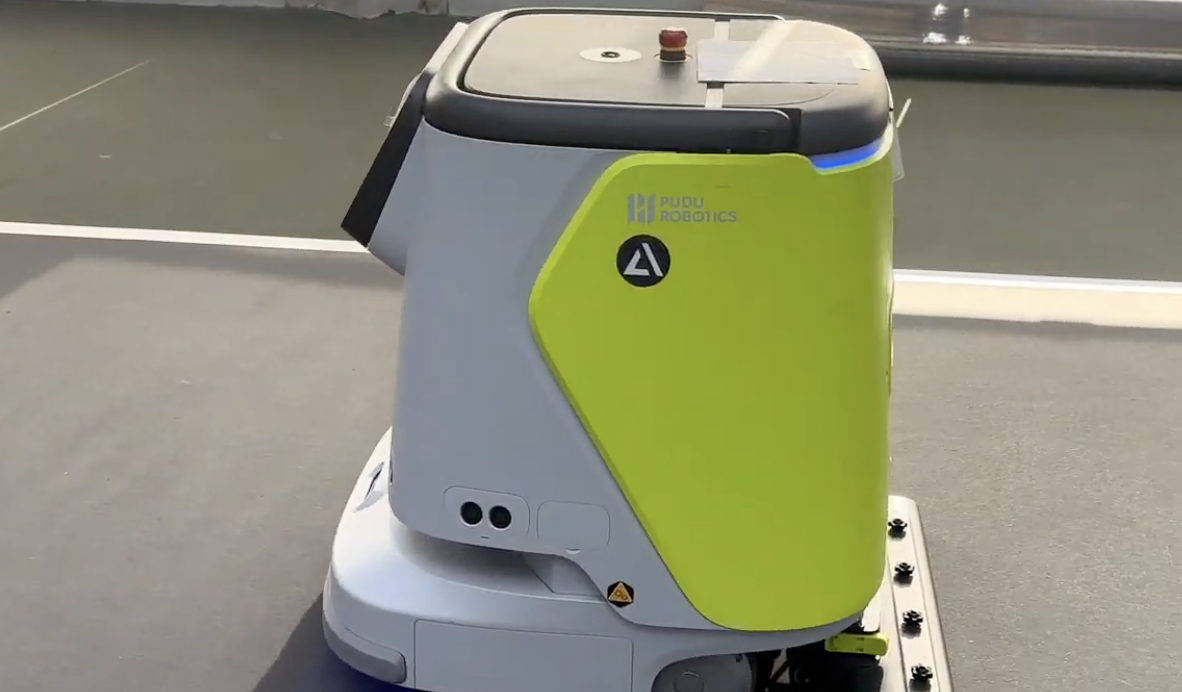
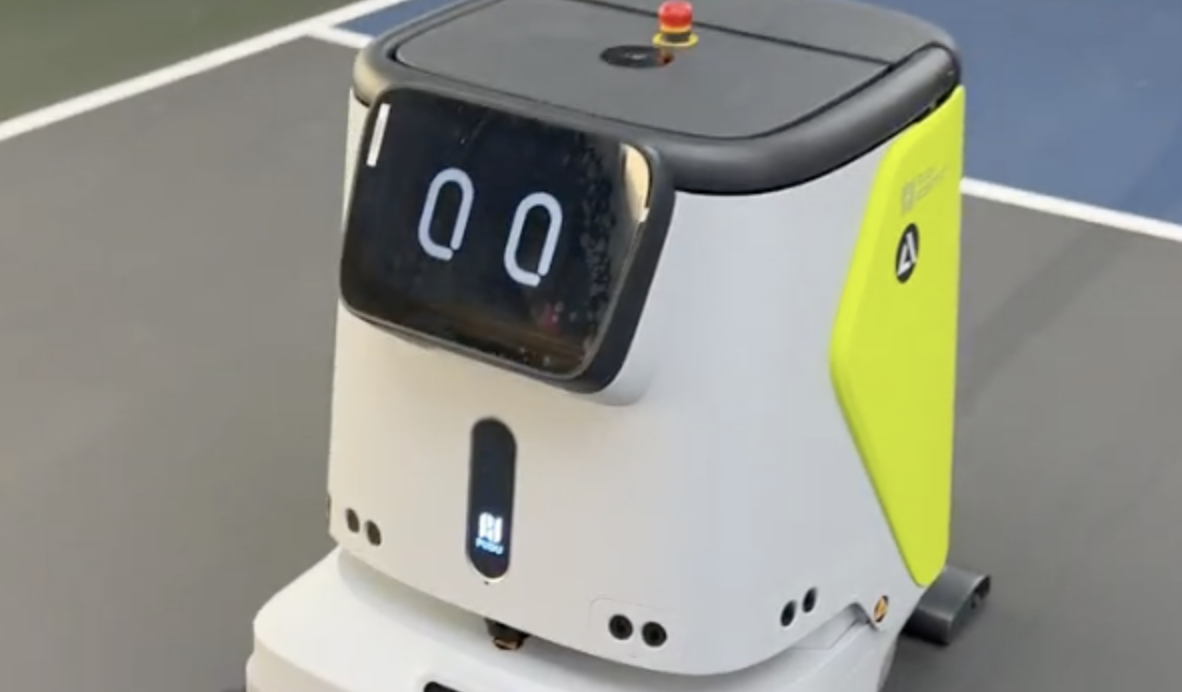
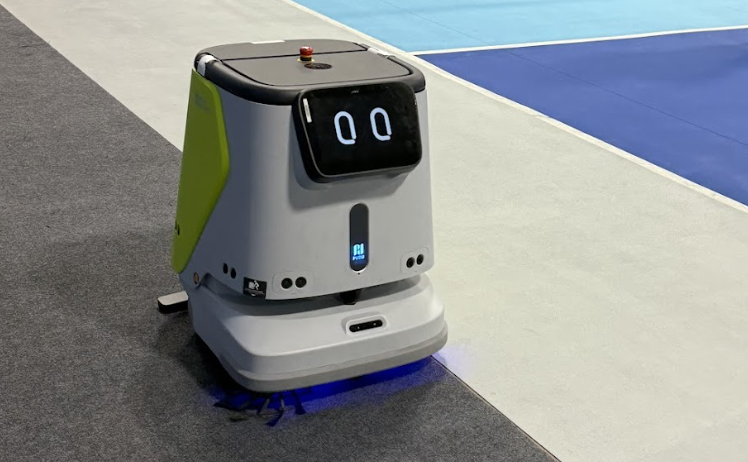
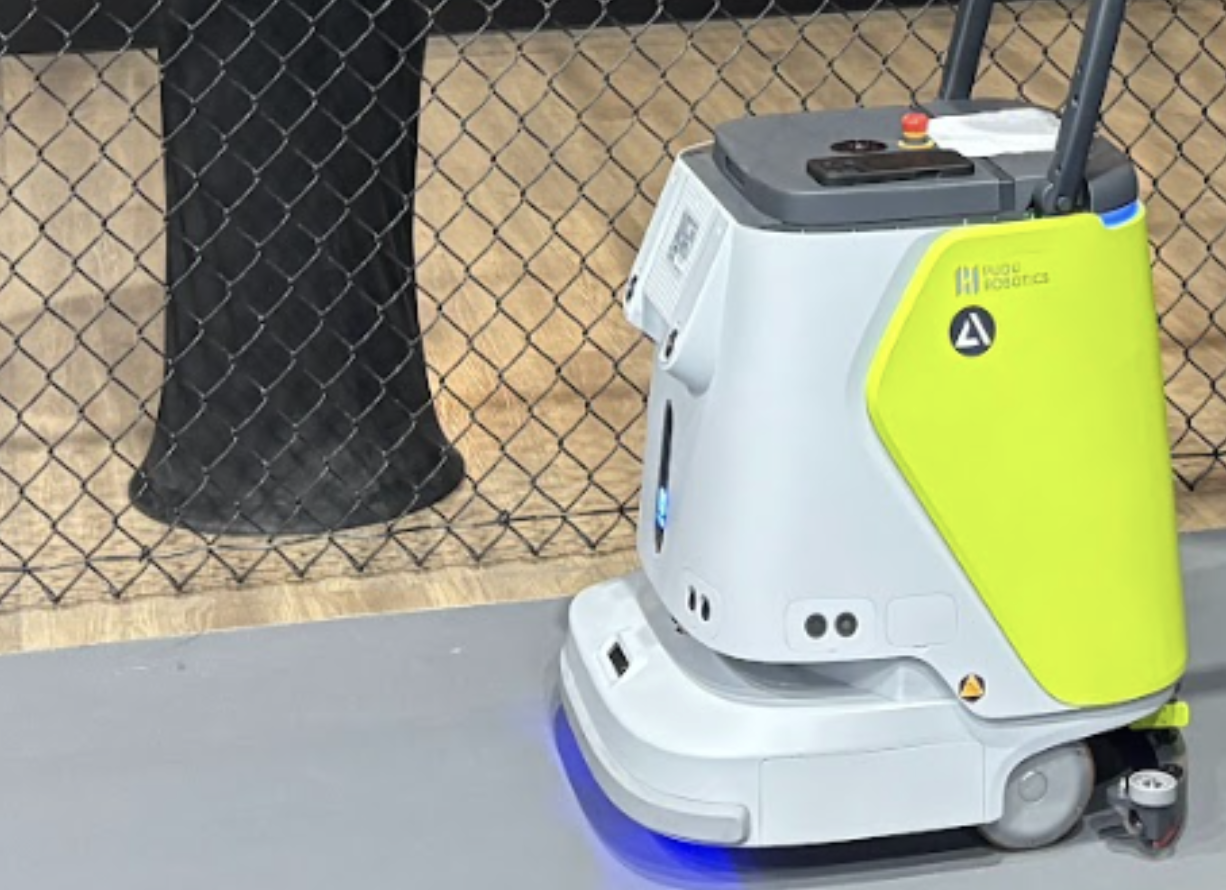
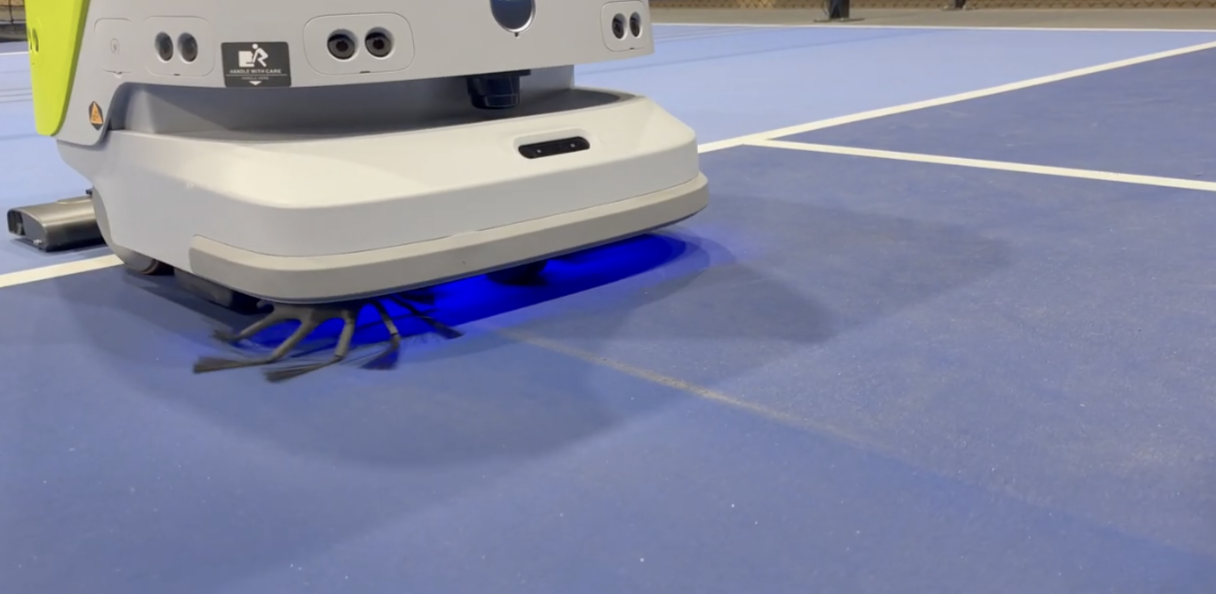
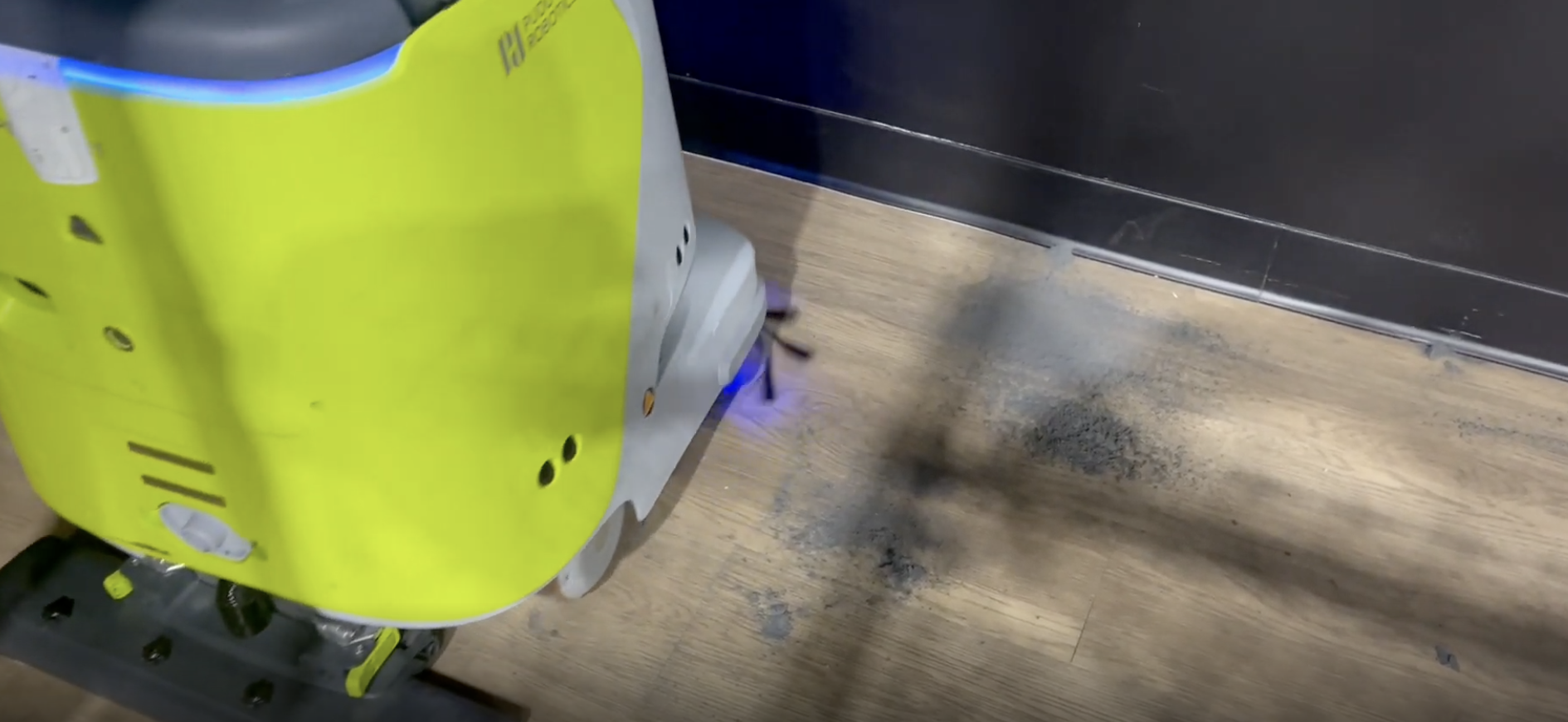
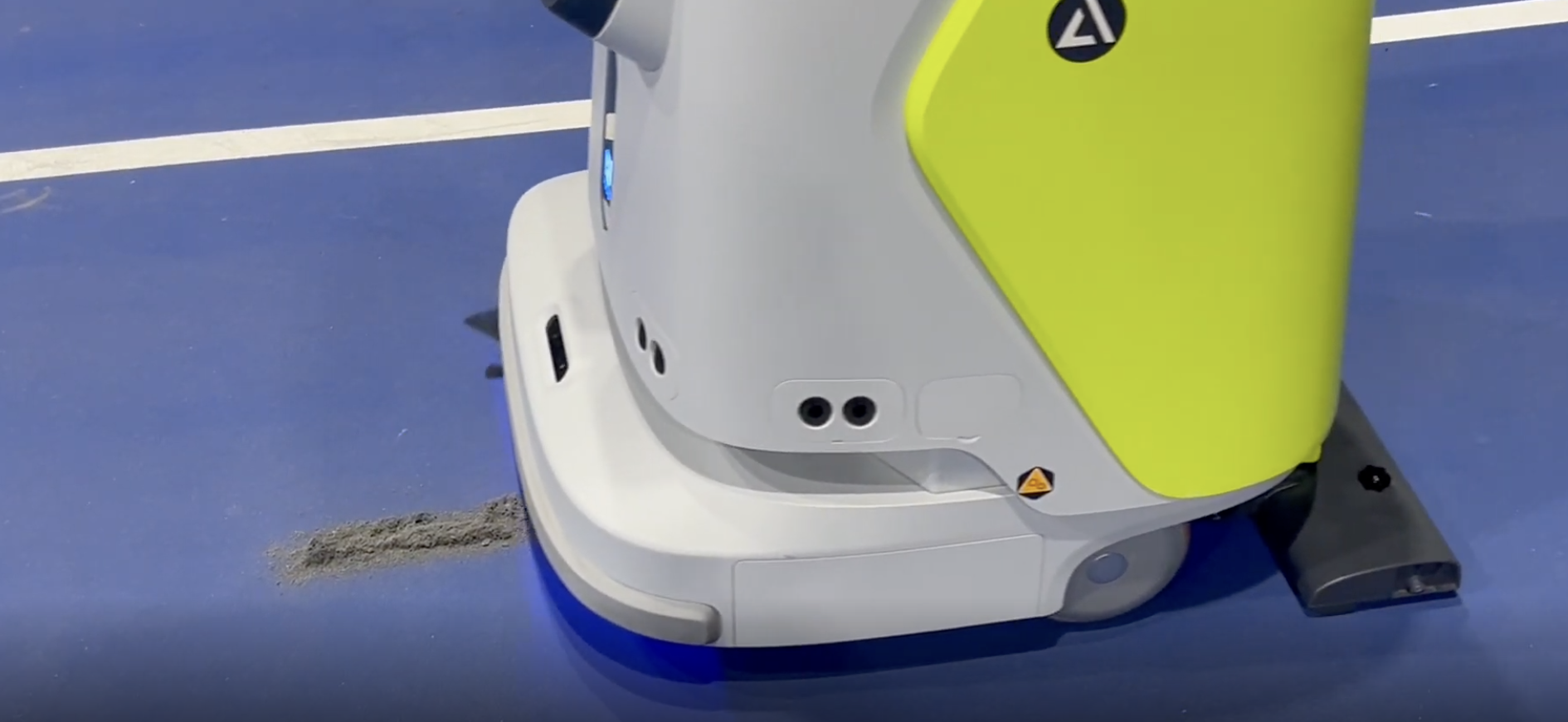
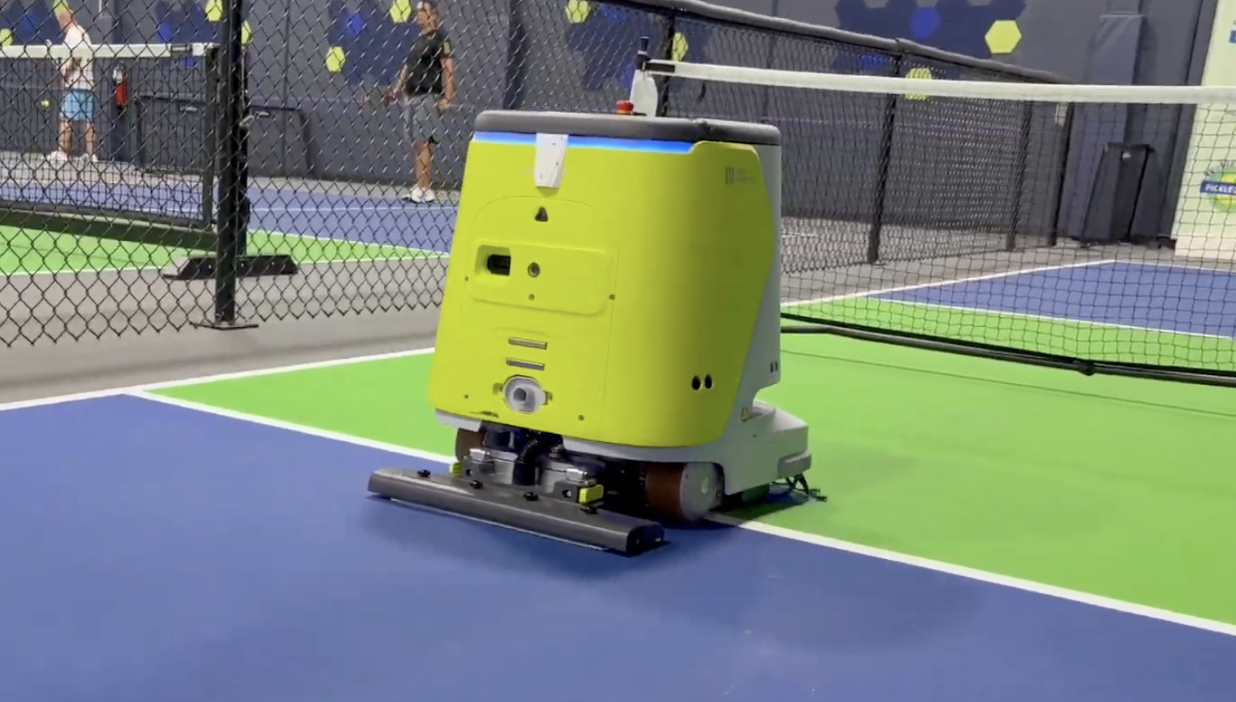
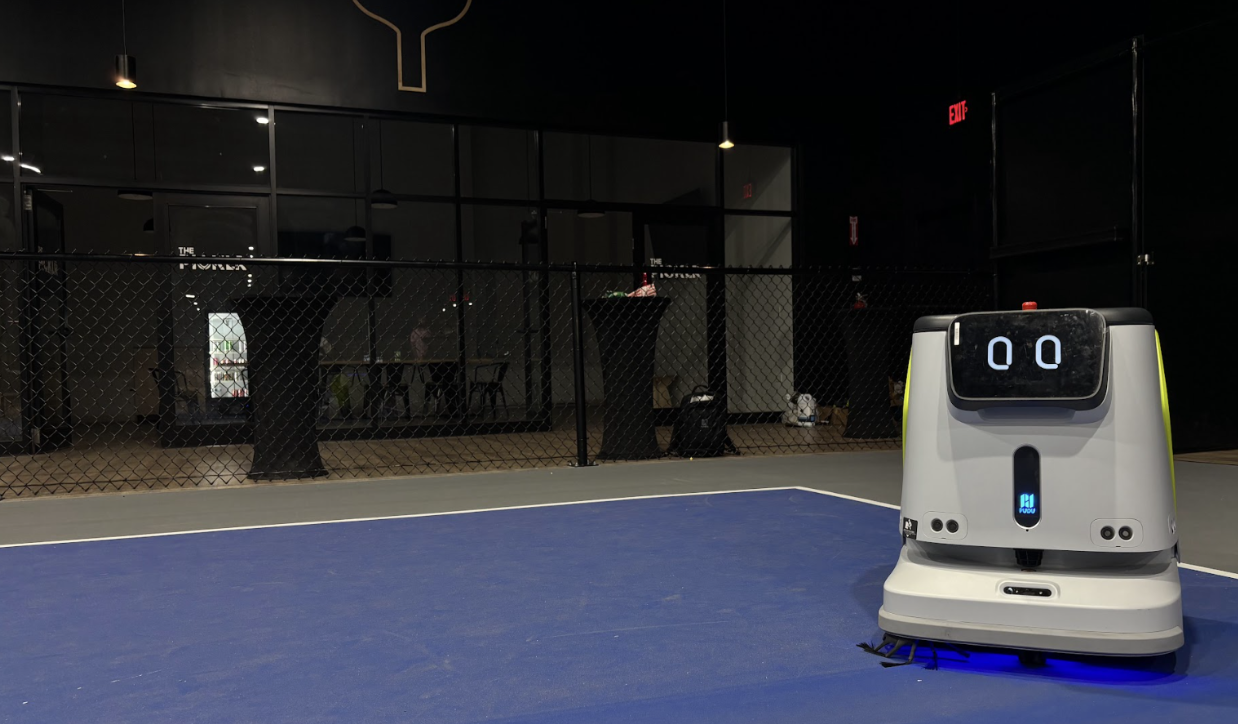
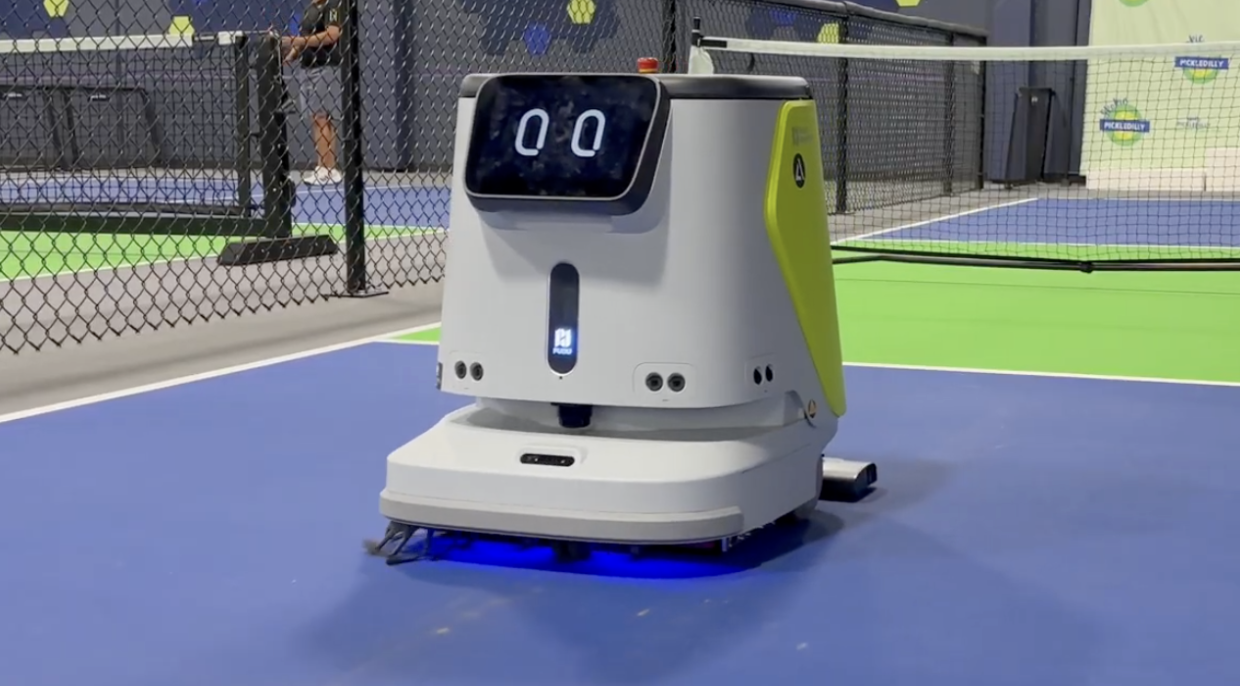
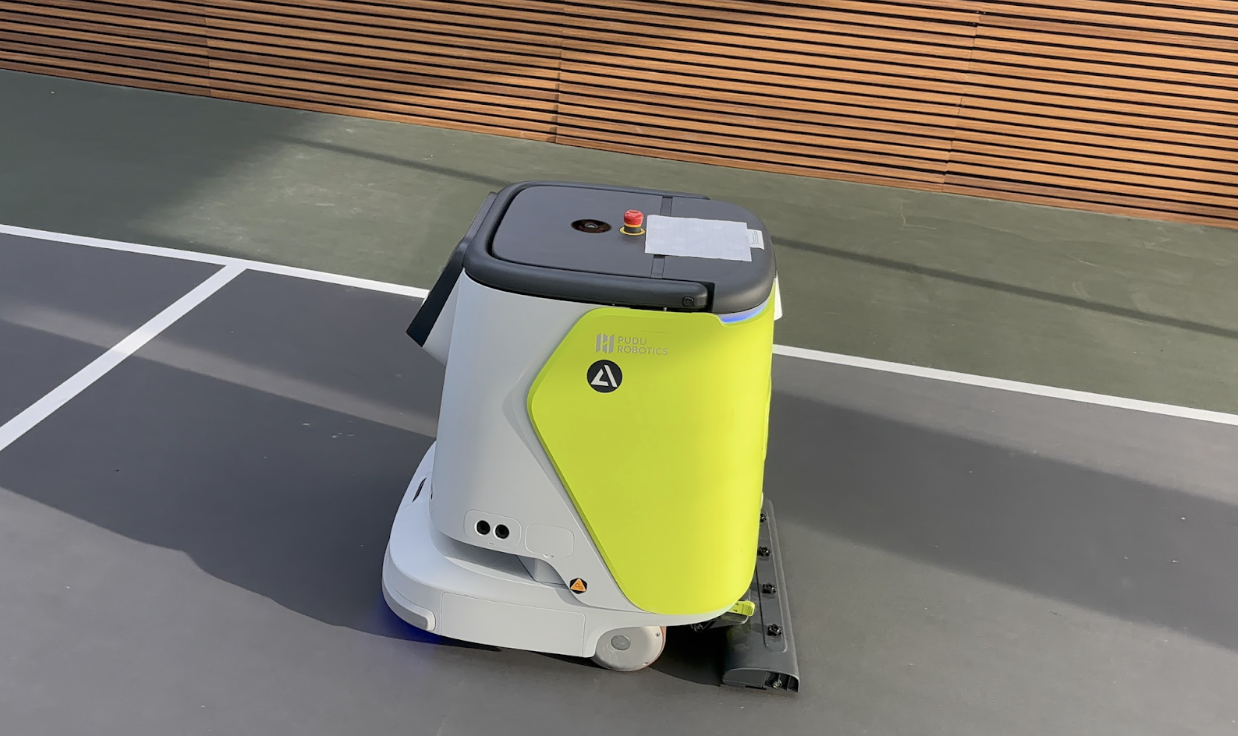
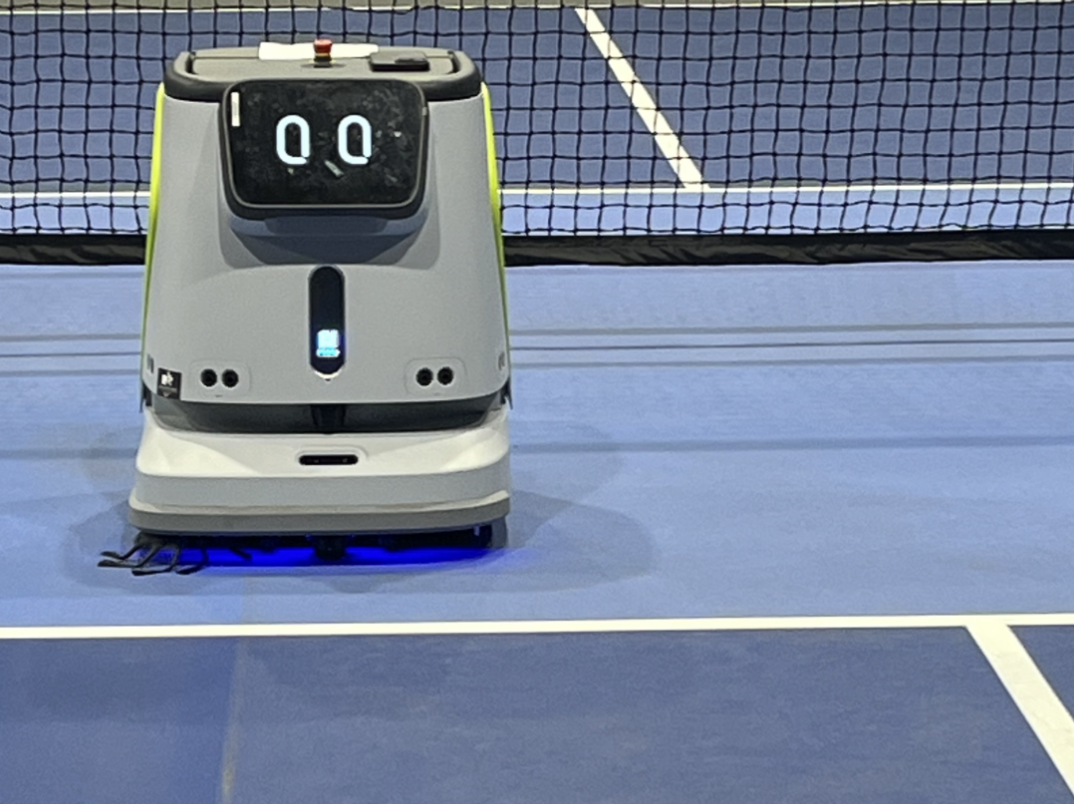
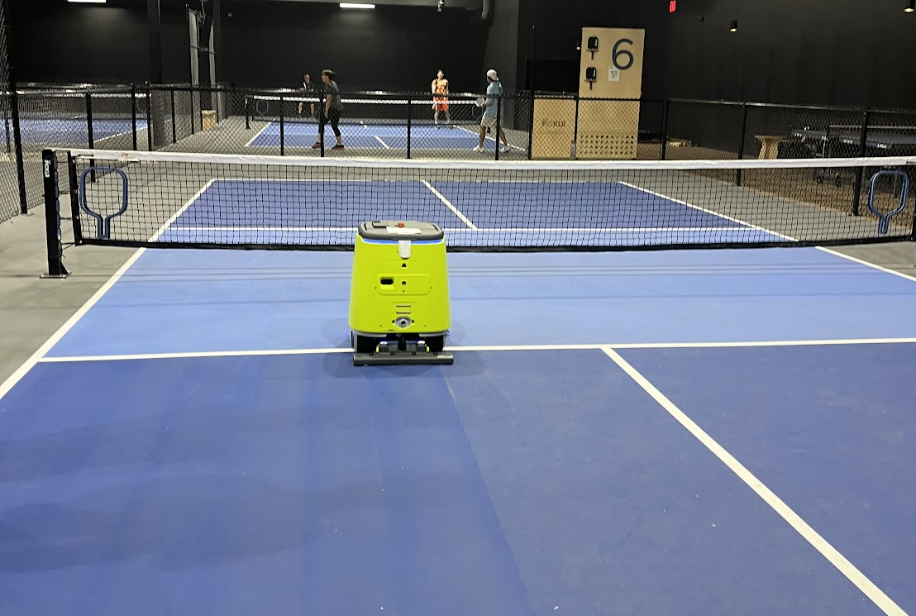
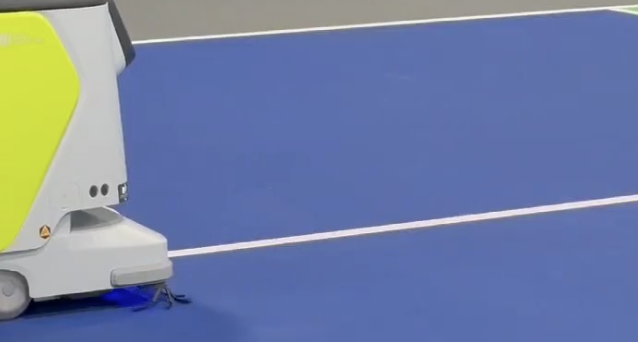
Autopilot’s CC1 Pro (“CeCe”) fits right into this: it helps you maintain the repetitive consistency that’s hardest to staff—so your team can focus on the walkthrough, the fixes, and the member experience.
Want a “Game-Ready Courts” one-page ops playbook you can hand to your staff—and a sample workflow showing where CeCe runs each day?