Indoor Pickleball Court Cleaning: The Dust-Control System That Keeps Courts Looking (and Playing) Premium


Indoor Pickleball Court Cleaning: The Dust-Control System That Keeps Courts Looking (and Playing) Premium
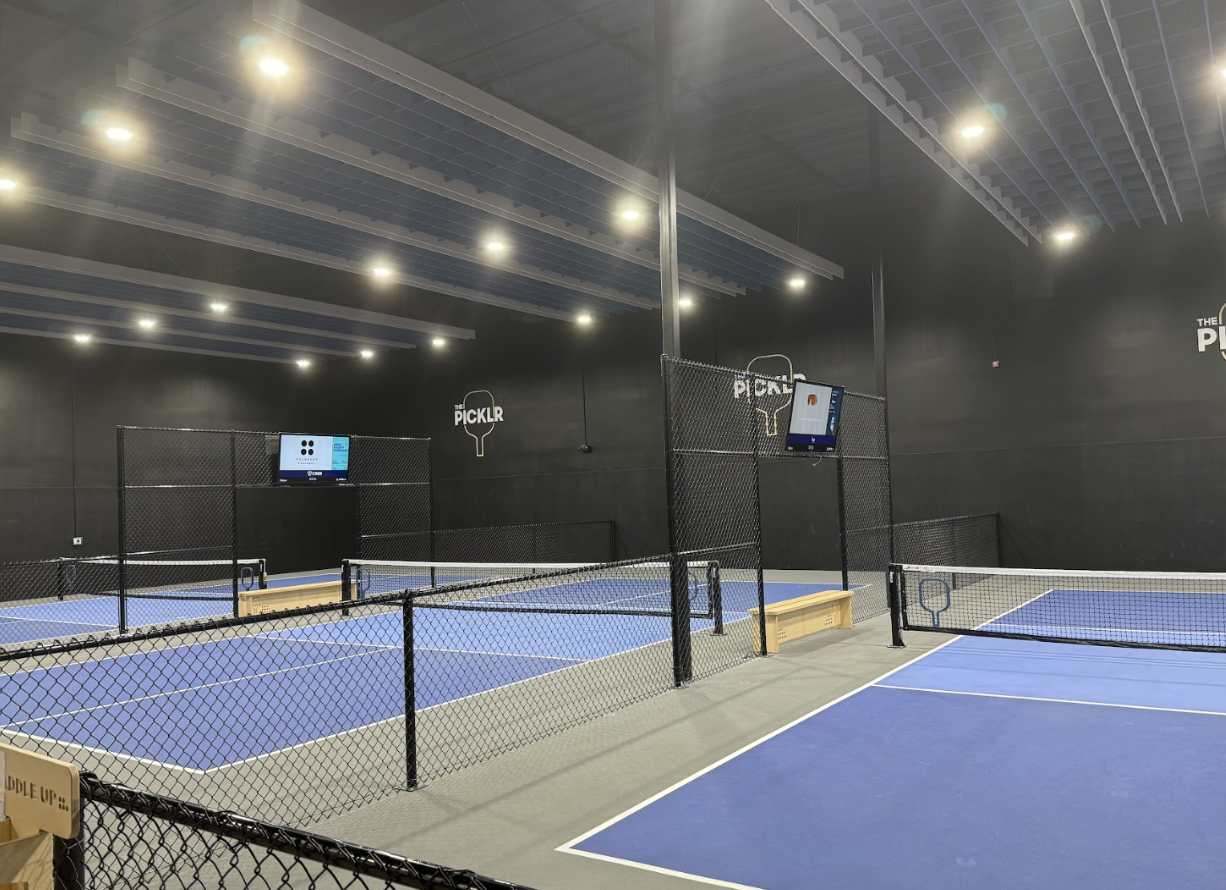
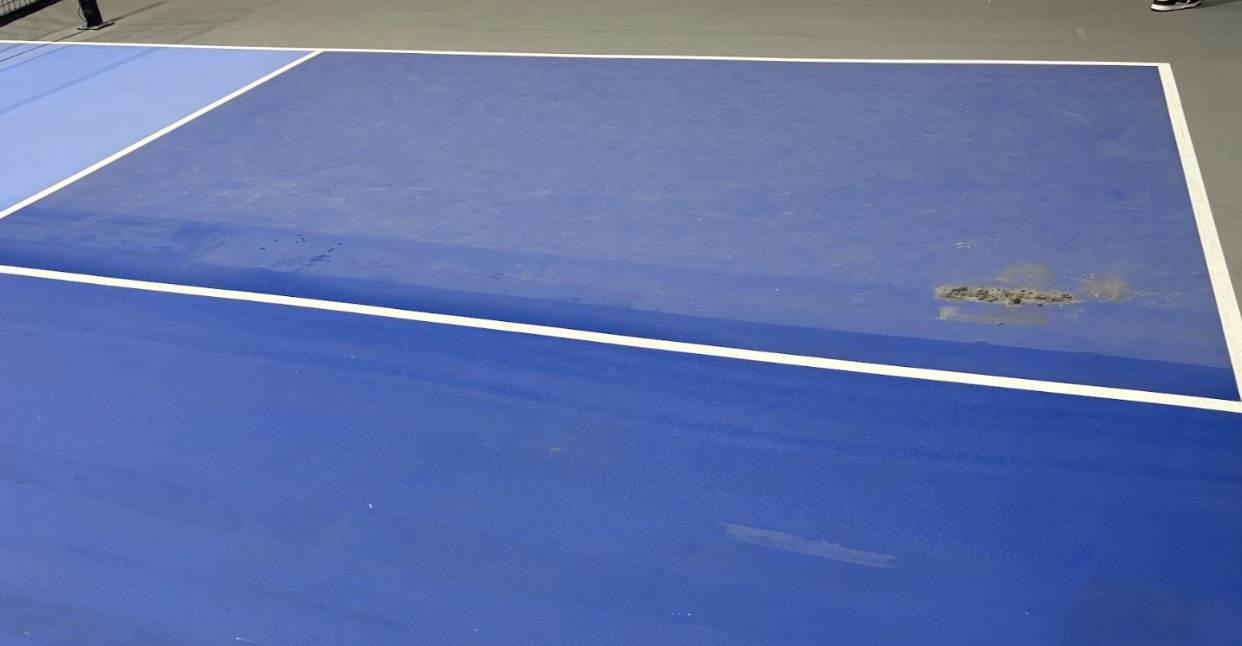
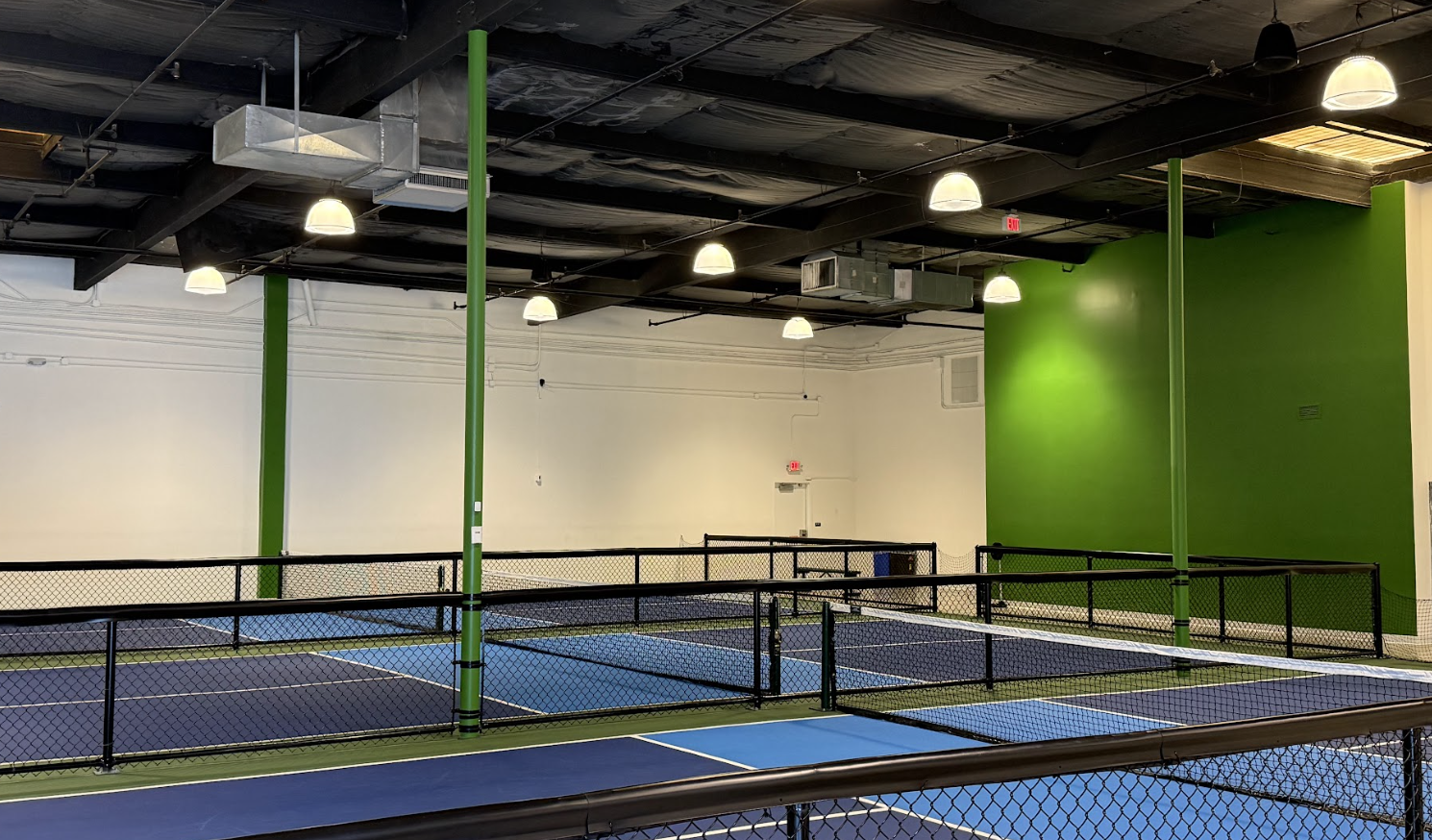
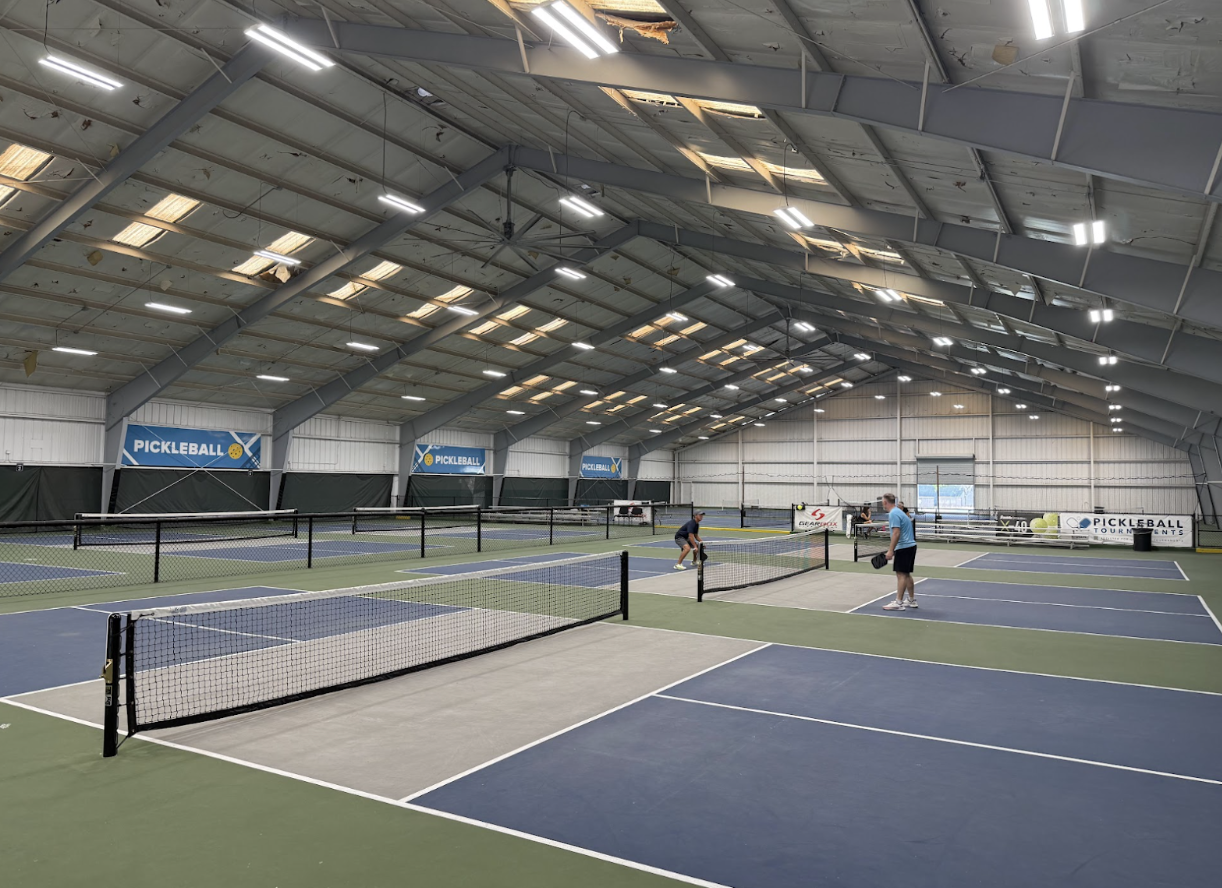
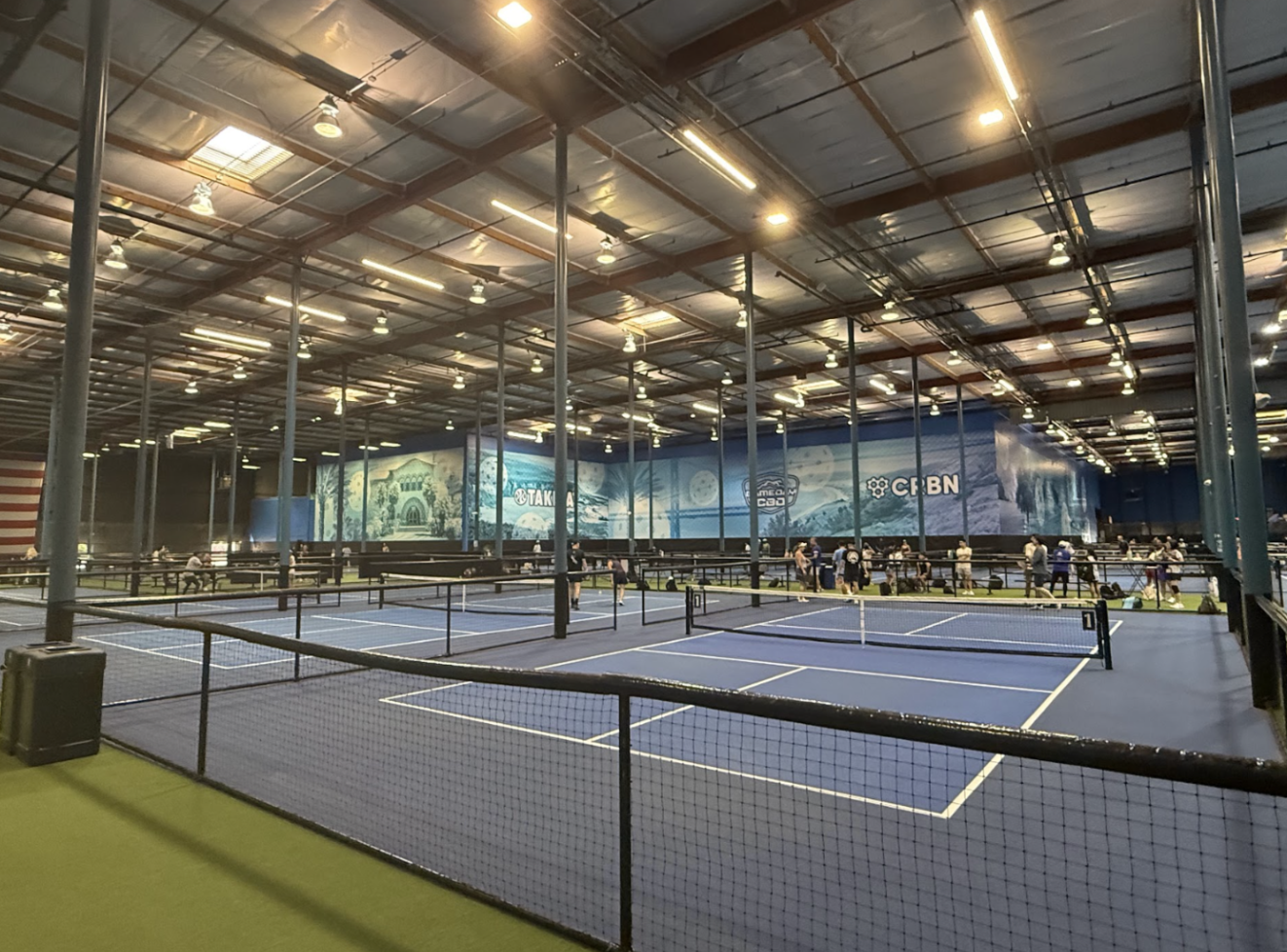
Indoor courts don’t get “dirty”—they get dusty (and dusty becomes slippery)
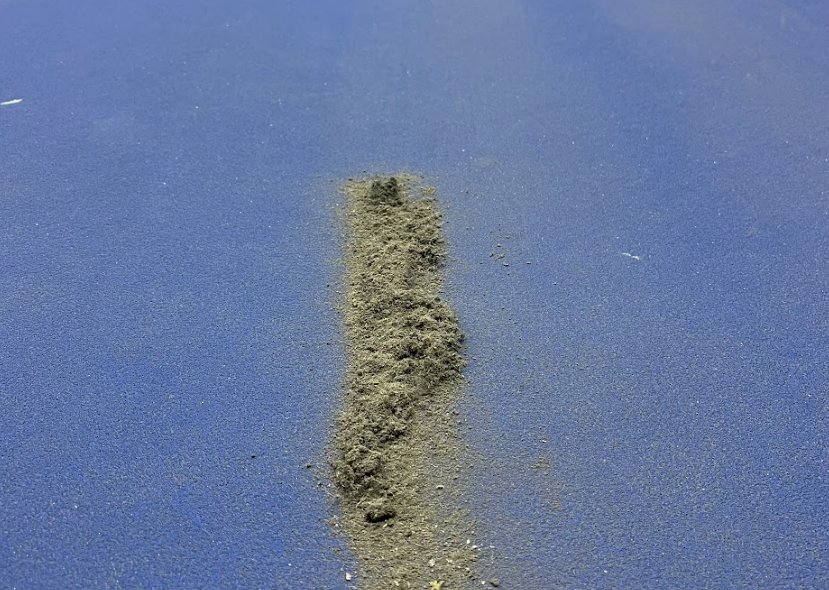
Outdoor courts have leaves and rain. Indoor courts have something sneakier: fine dust that settles, gets pushed into a film, and makes traction feel inconsistent. The result is that weird vibe where courts look clean… but play “gritty” or slightly slick.
The best indoor clubs don’t “deep clean.” They run a dust-control system.
Why indoor dust is an operations problem
Indoor dust comes from:
- Shoes and traffic (especially near doors and entryways)
- HVAC circulation
- Adjacent walkways, fitness areas, and retail spaces
Once dust is on the surface, it’s easy to spread. Manufacturer guidance notes indoor courts typically need frequent vacuuming and at least an annual wet cleaning using mild detergent and soft-bristled equipment. That implies a real operations truth:
You can’t win with occasional cleaning. You win with cadence.
The 90-second playbook (indoor version)
This is designed to fit between lessons, leagues, and open play blocks.
90-second indoor reset
- Entry zone first (20 sec): vacuum/sweep the first 10 feet inside gates/doors (mirrors common gate-zone accumulation patterns).
- Baseline + kitchen lines pass (40 sec): quick vacuum lane or microfiber dust pass to remove the film layer.
- Corners and edges (20 sec): dust collects along fence lines/walls—hit the perimeter quickly.
- Spill rule (10 sec): clean immediately with mild detergent + soft brush + rinse/neutral wipe per surface guidance.
Pro tip: If you use blowers indoors, you often just relocate dust. If your facility can support it, vacuuming tends to remove dust rather than redistribute it.
Your indoor dust-control checklist (facility innovation that actually works)
These are low-drama upgrades that reduce cleaning labor.
Decision checklist: what to implement first
Tier 1 (do these this week)
- Add entry mats at doors leading to courts (wide enough to actually catch debris)
- Assign a “Reset Window” every hour during peak play
- Store tools at point-of-use (near entrances)
Tier 2 (big impact, still simple)
- Create a “shoe hygiene” cue: signage + benches that make it easy to wipe shoes
- Microfiber lane pass at mid-day and close (fast, consistent)
Tier 3 (system-level)
- Track dust hotspots: court # + location + time of day (HVAC patterns and traffic flow are often repeat offenders)
- Annual wet-clean cadence using mild detergent and soft-bristled tools
Common indoor mistakes (and how to fix them)
Mistake 1: Cleaning only at close
- Fix: dust spreads all day. Add micro-resets during peak hours.
Mistake 2: Blowing dust across courts
- Fix: vacuum where possible to remove dust rather than move it
Mistake 3: Ignoring gate/door zones
- Fix: gate areas collect dirt fast—make them the first stop every reset.
Mistake 4: Overusing harsh cleaners
- Fix: mild detergent + soft brush is a common recommended approach; rinse/wipe thoroughly.
Quick Answers (For Busy Owners)
Q: What’s the #1 indoor court cleaning priority?
A: Dust control—frequent removal beats occasional deep cleaning.
Q: Vacuum or blower for indoor courts?
A: Vacuuming typically removes dust; blowers can redistribute it (SportMaster, 2024).
Q: How often should we clean indoor courts during peak times?
A: Do quick micro-resets hourly plus a mid-day pass.
Q: What’s the fastest indoor reset routine?
A: Entry zone → baselines/kitchen lane → perimeter edges → spill rule.
Q: What cleaner is safest for routine spot cleaning?
A: Mild detergent with soft-bristled tools; rinse/wipe thoroughly (ASBA + USA Pickleball, 2023).
Q: Where does dust build up first?
A: Entry/gate zones and along edges (California Sports Surfaces, 2022).
Q: What’s a realistic annual “deep clean” expectation?
A: At least one annual wet cleaning is commonly advised for indoor surfaces (SportMaster, 2024).
Conclusion: Premium indoor courts are a dust system, not a cleaning hero
If your indoor courts feel inconsistent, don’t blame the surface. Build the dust-control workflow: entry management, vacuum-based resets, and simple cadence.
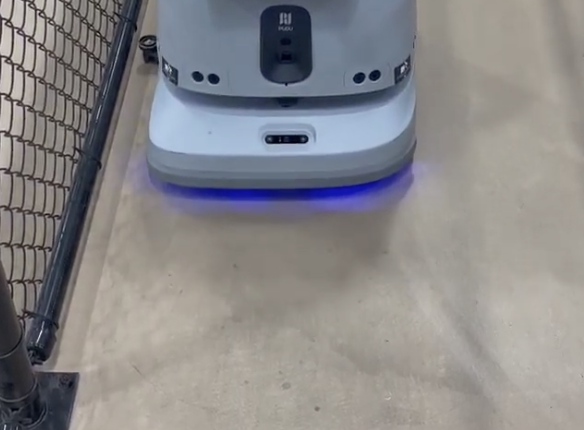
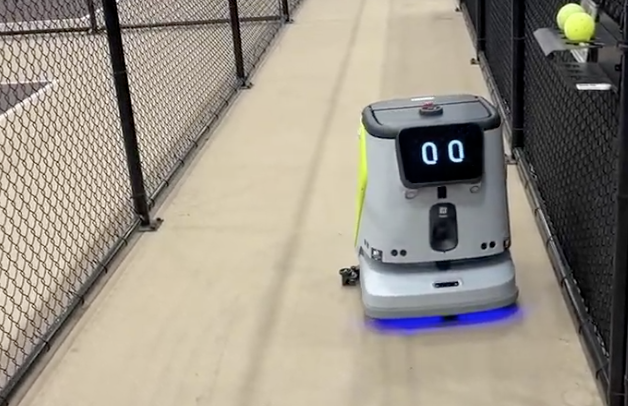
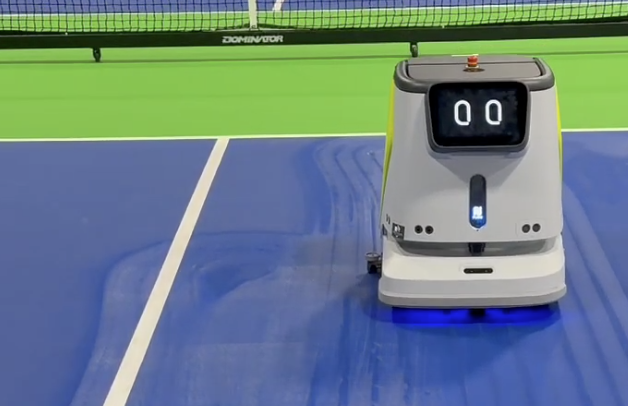
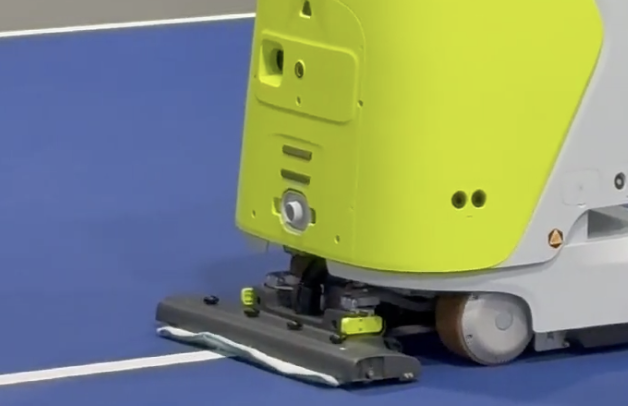
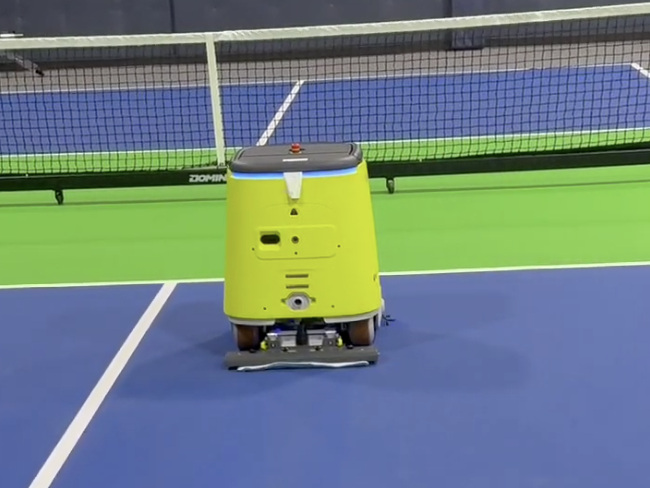
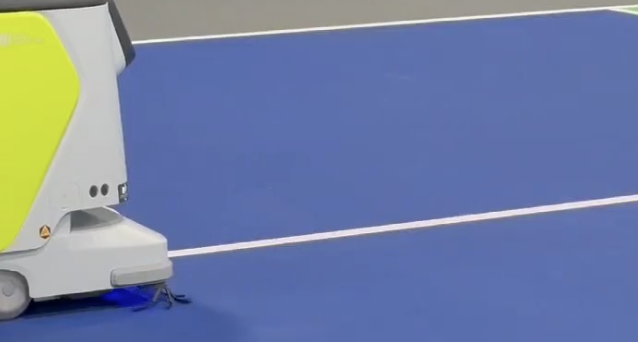
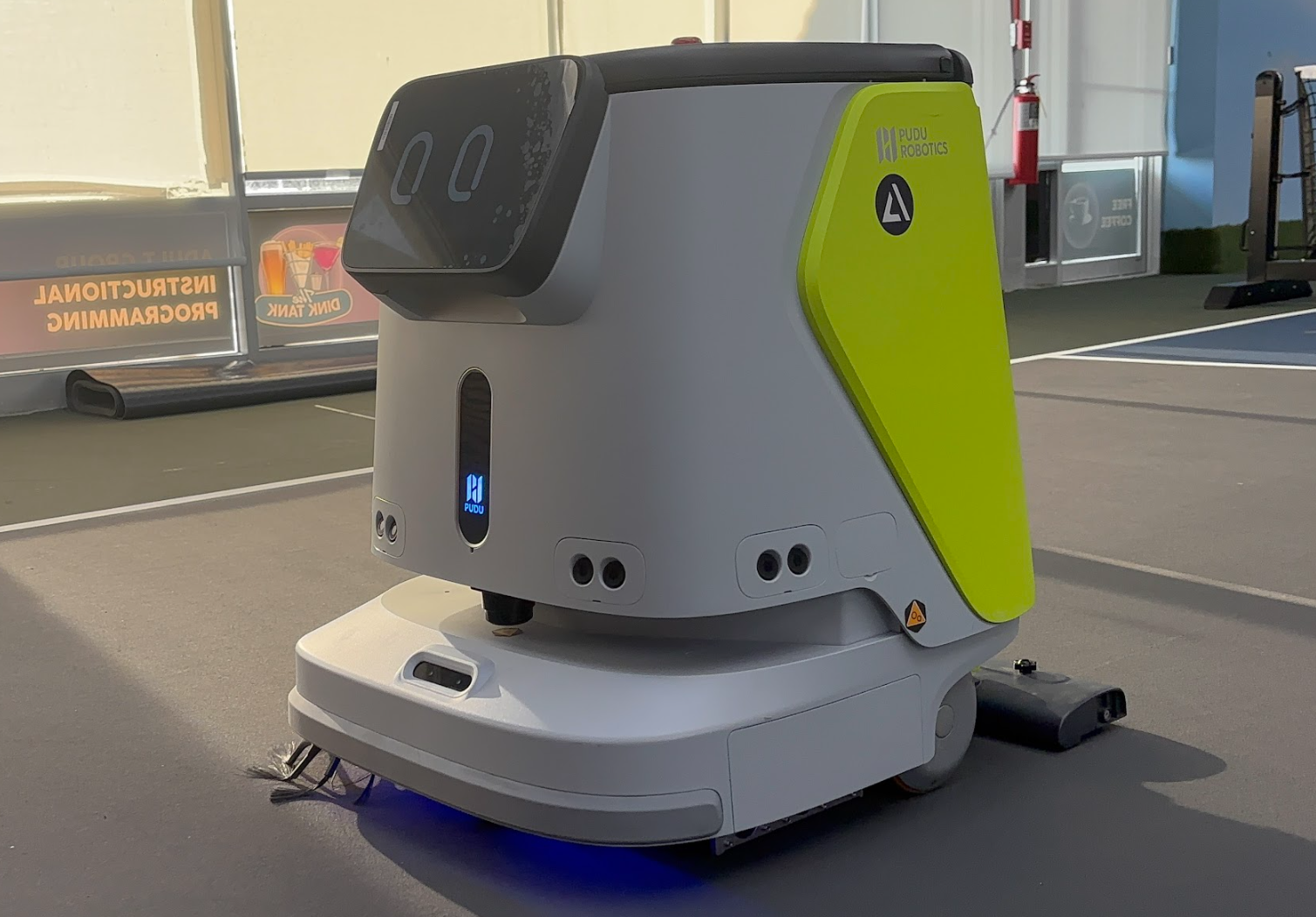
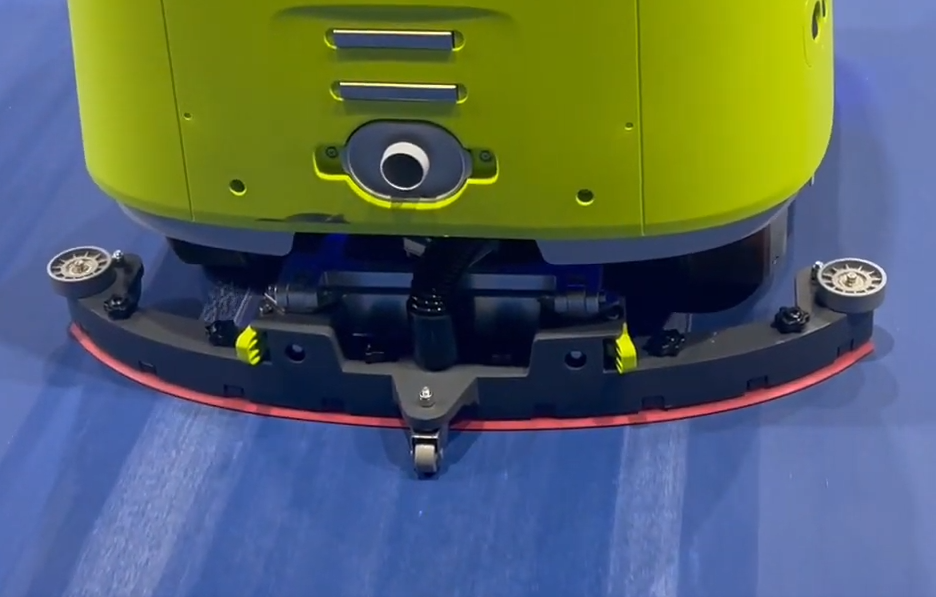
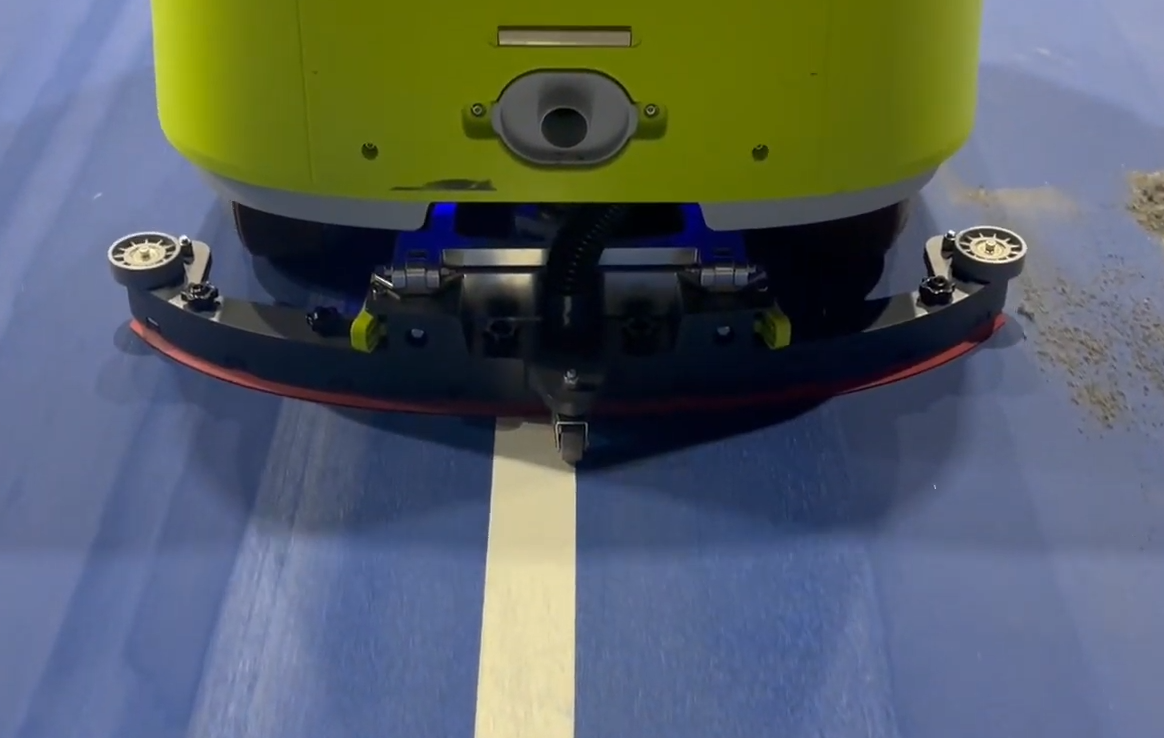
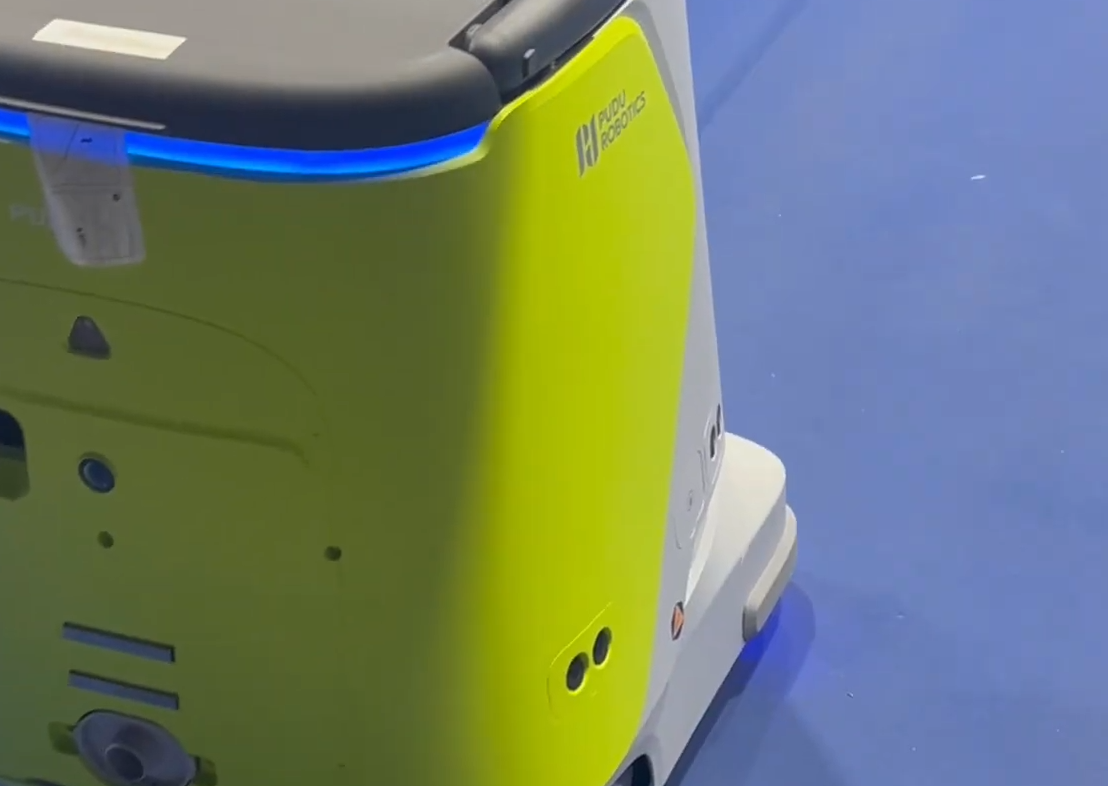
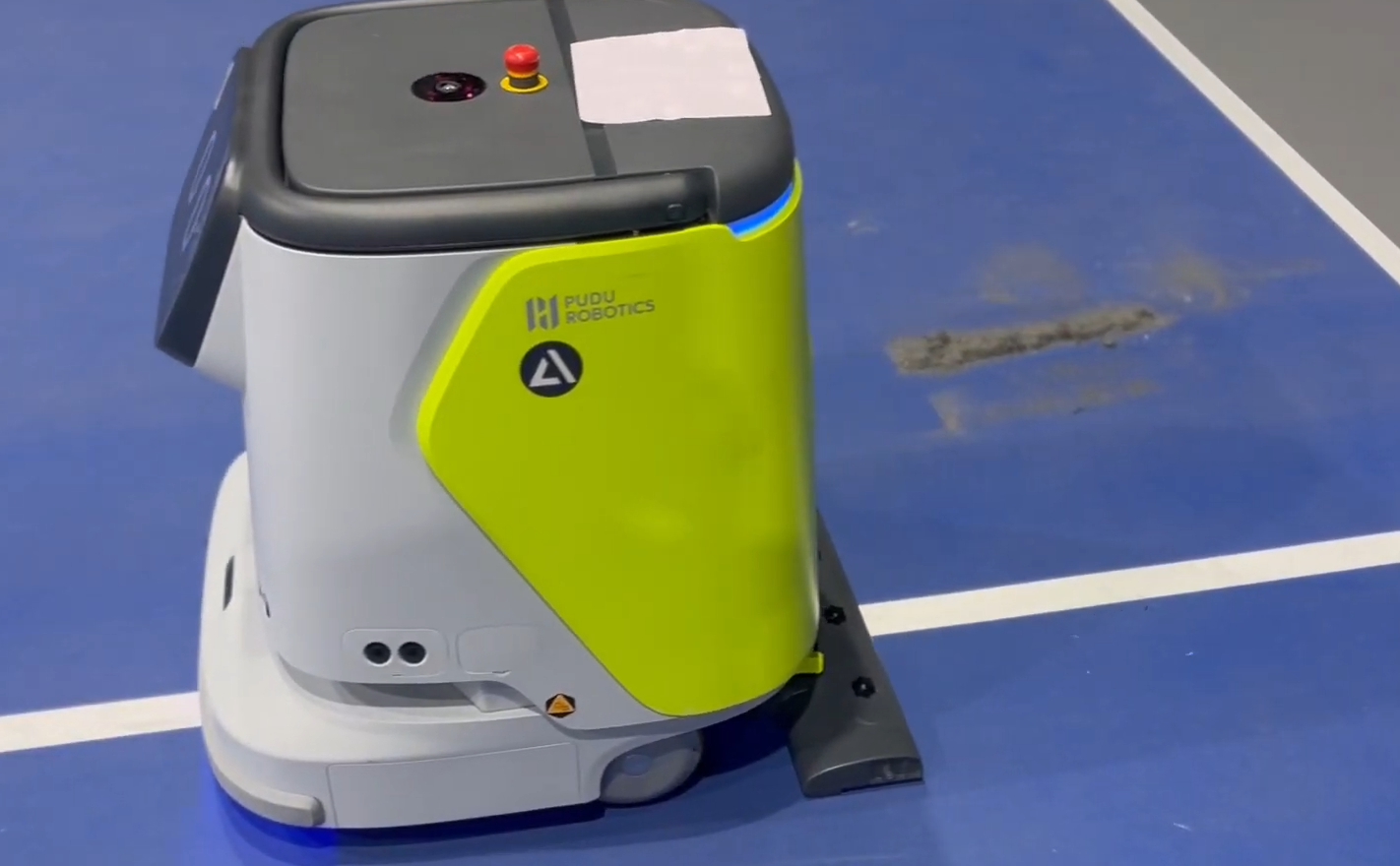
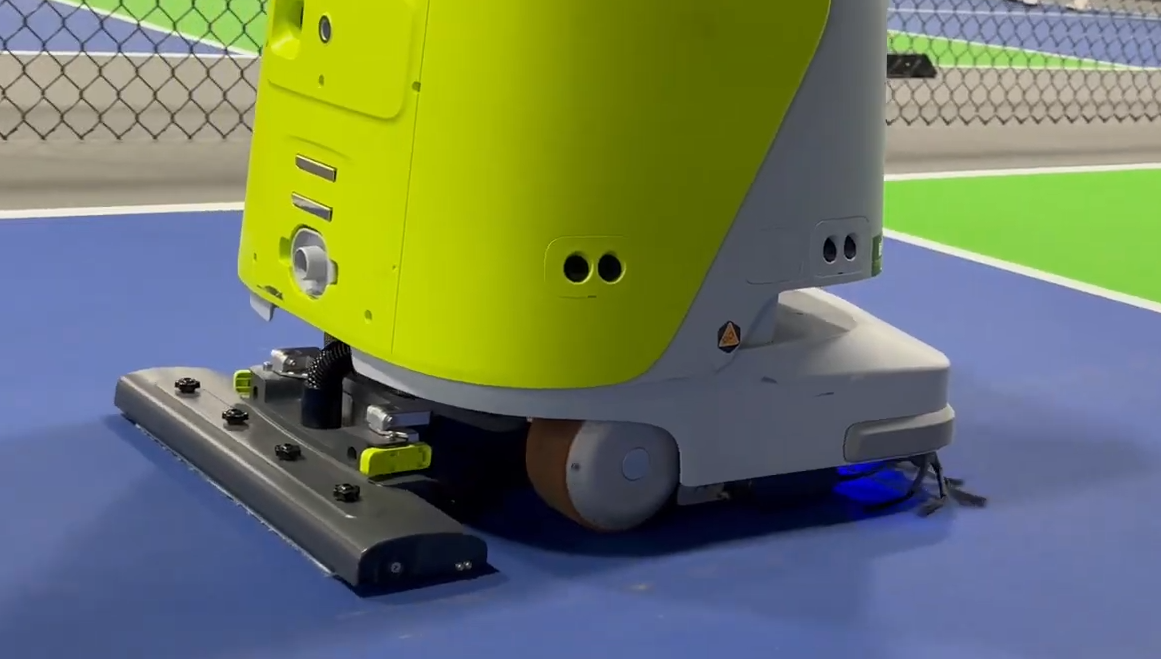
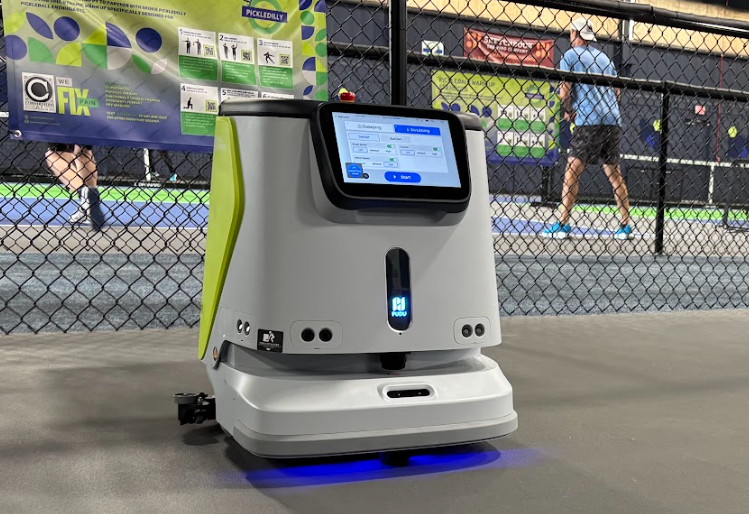
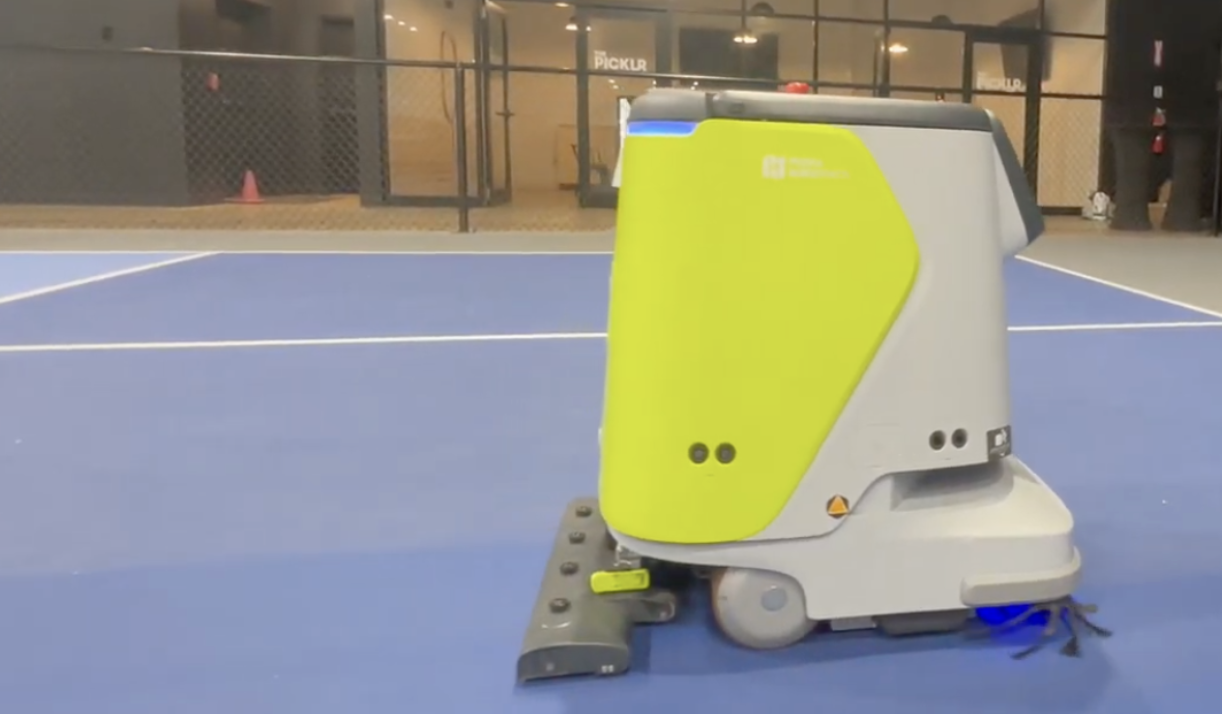
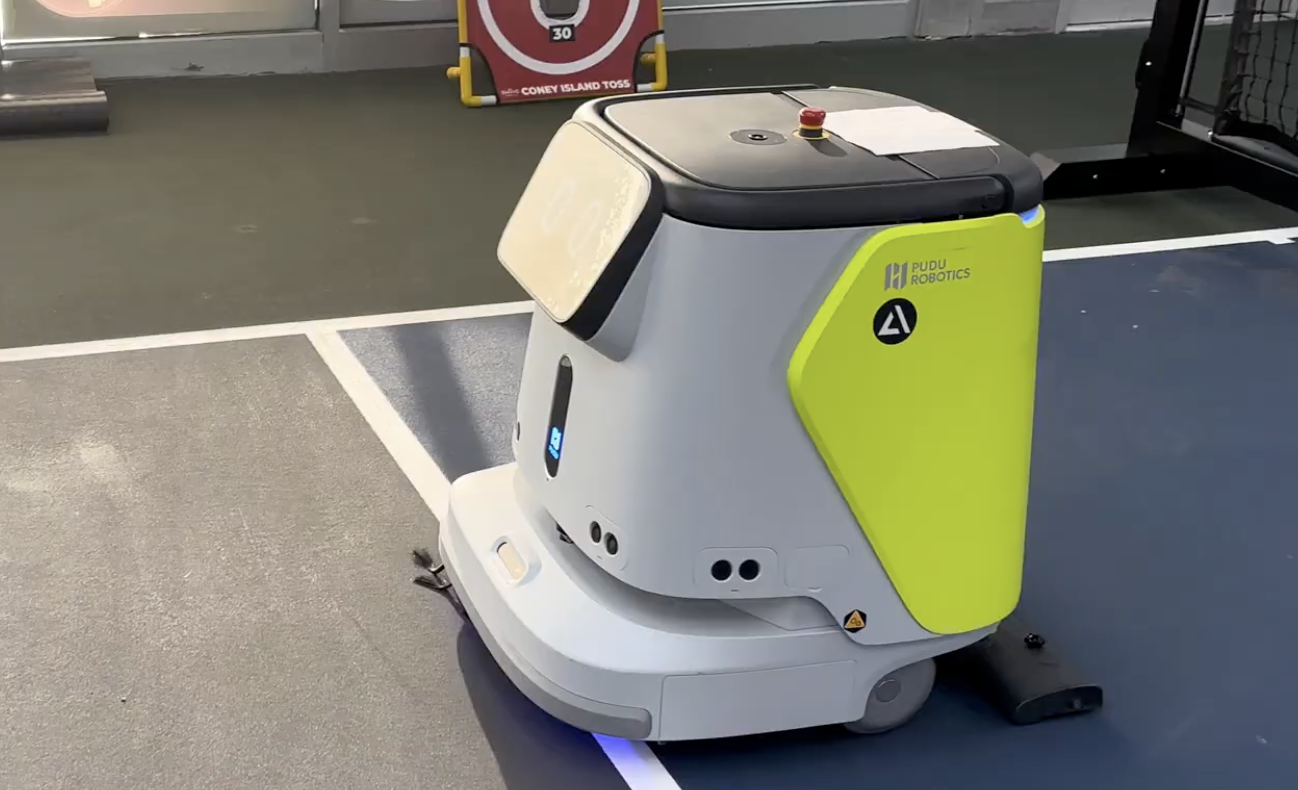
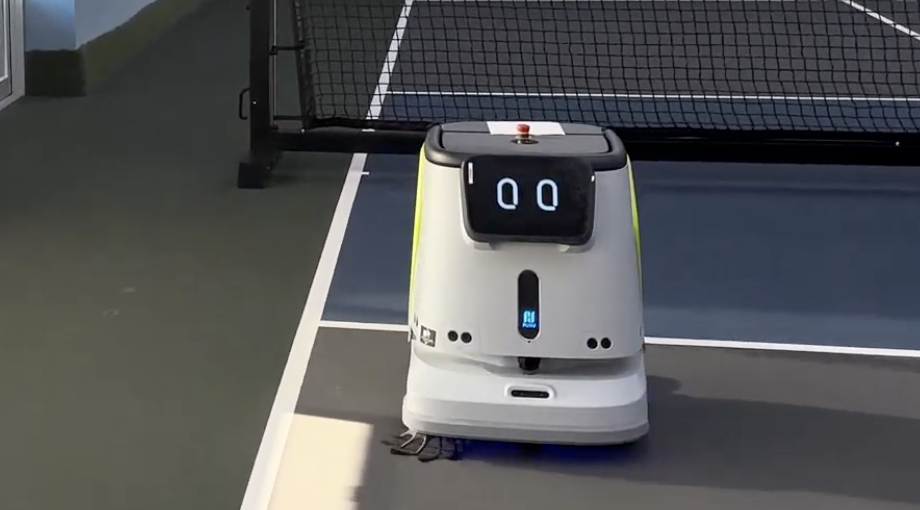
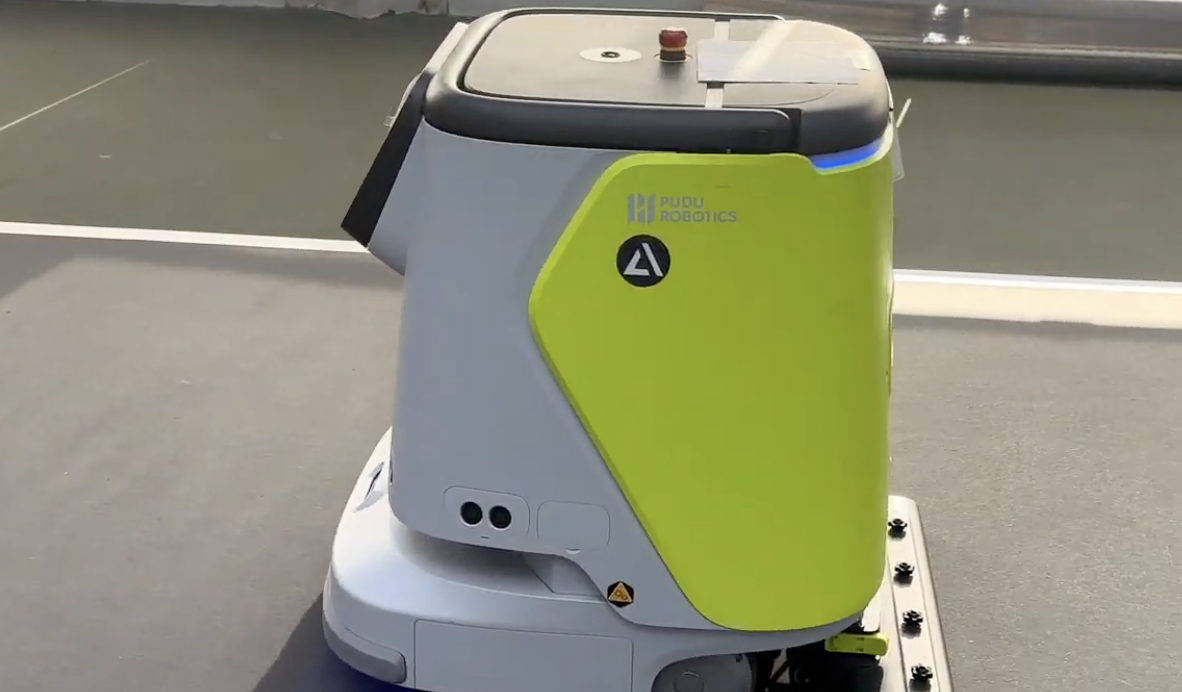
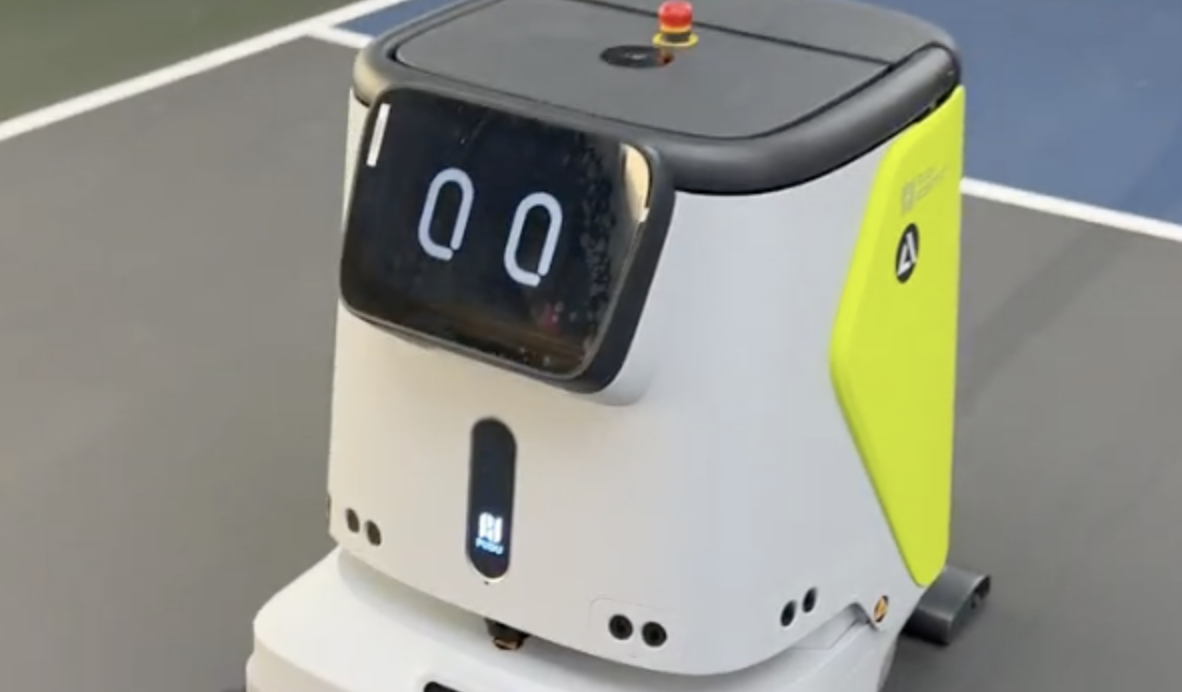
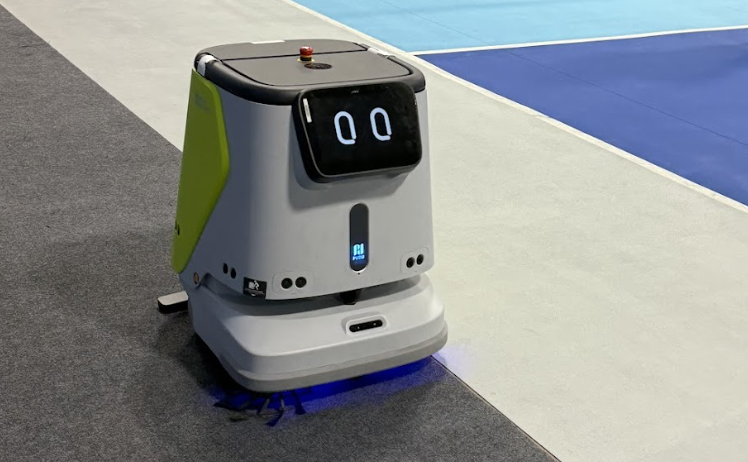
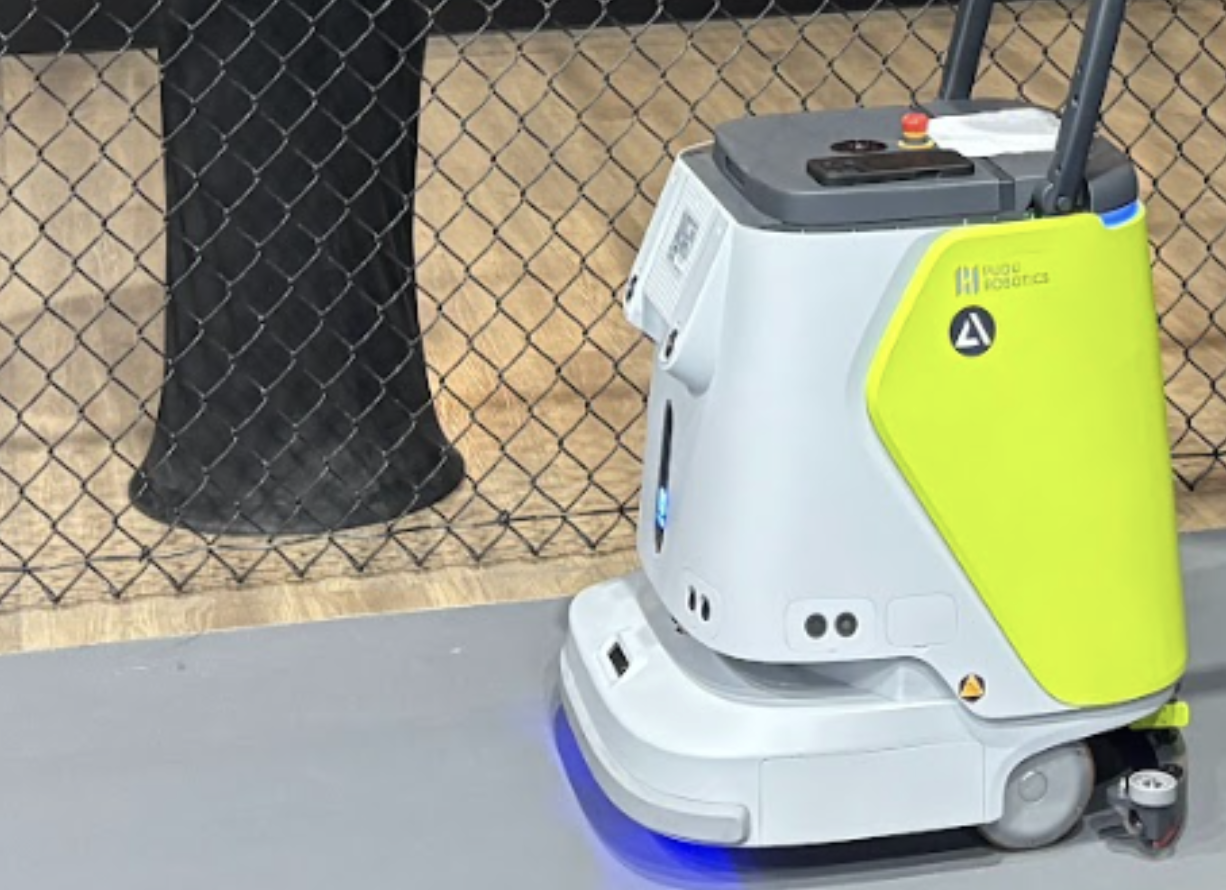
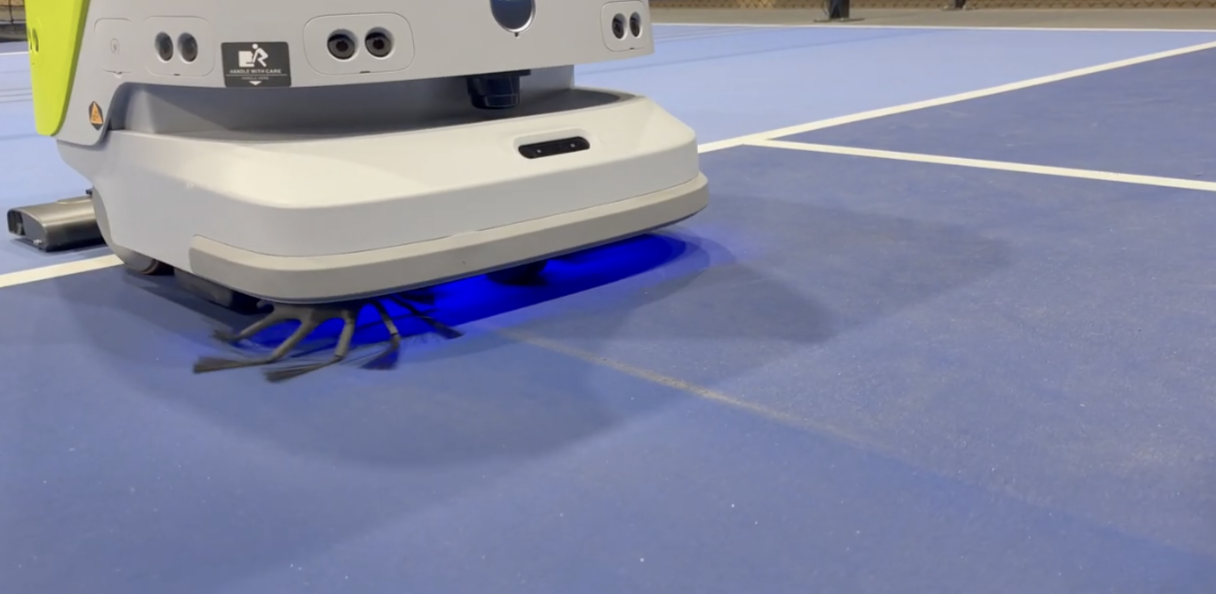
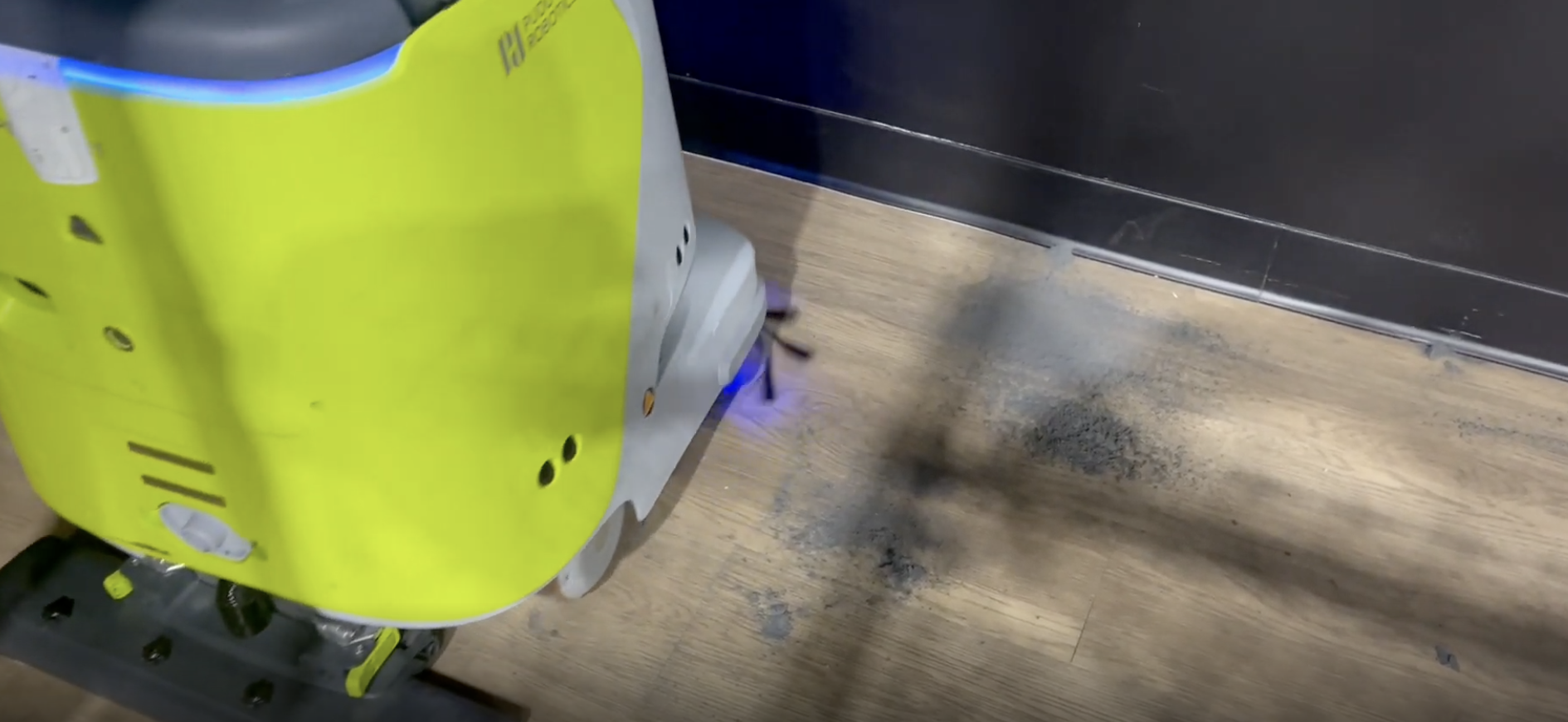
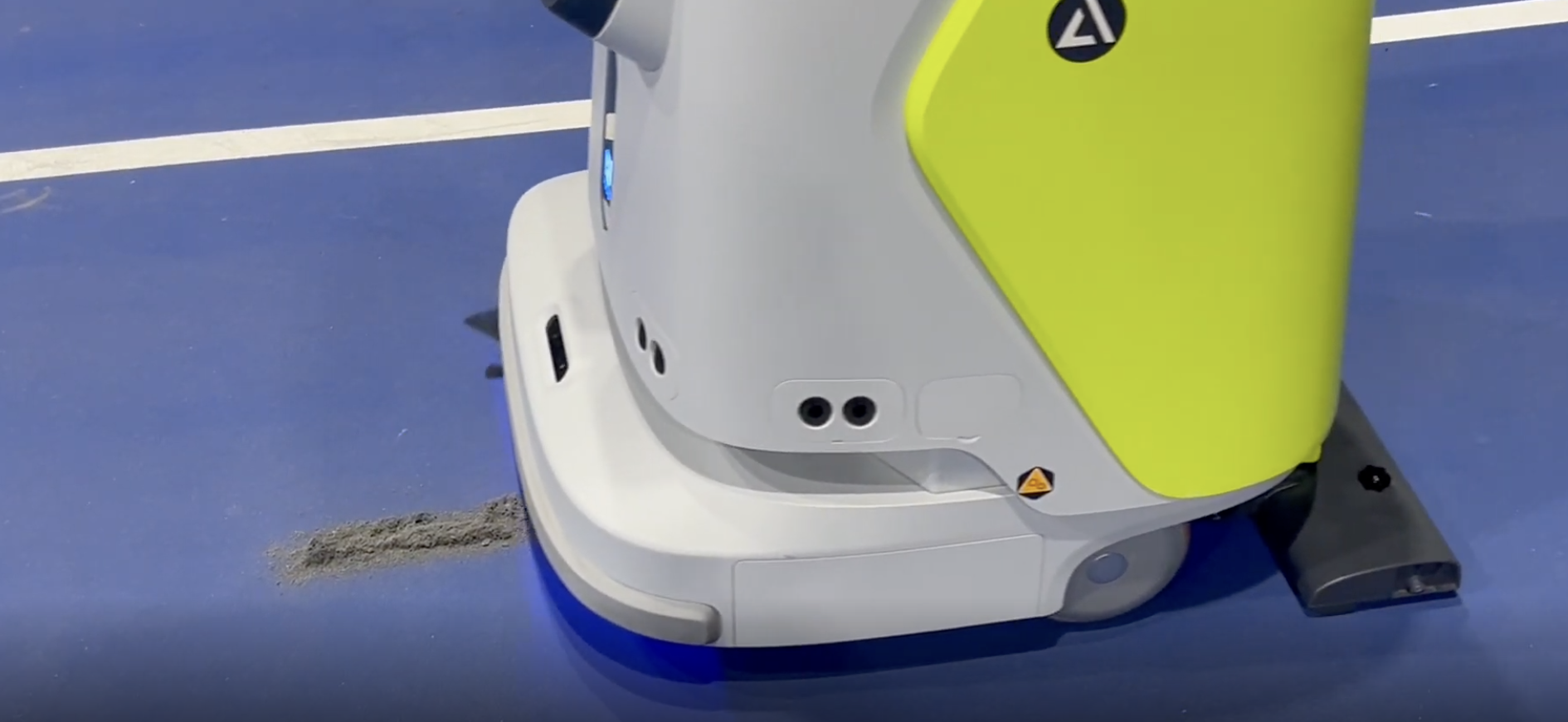
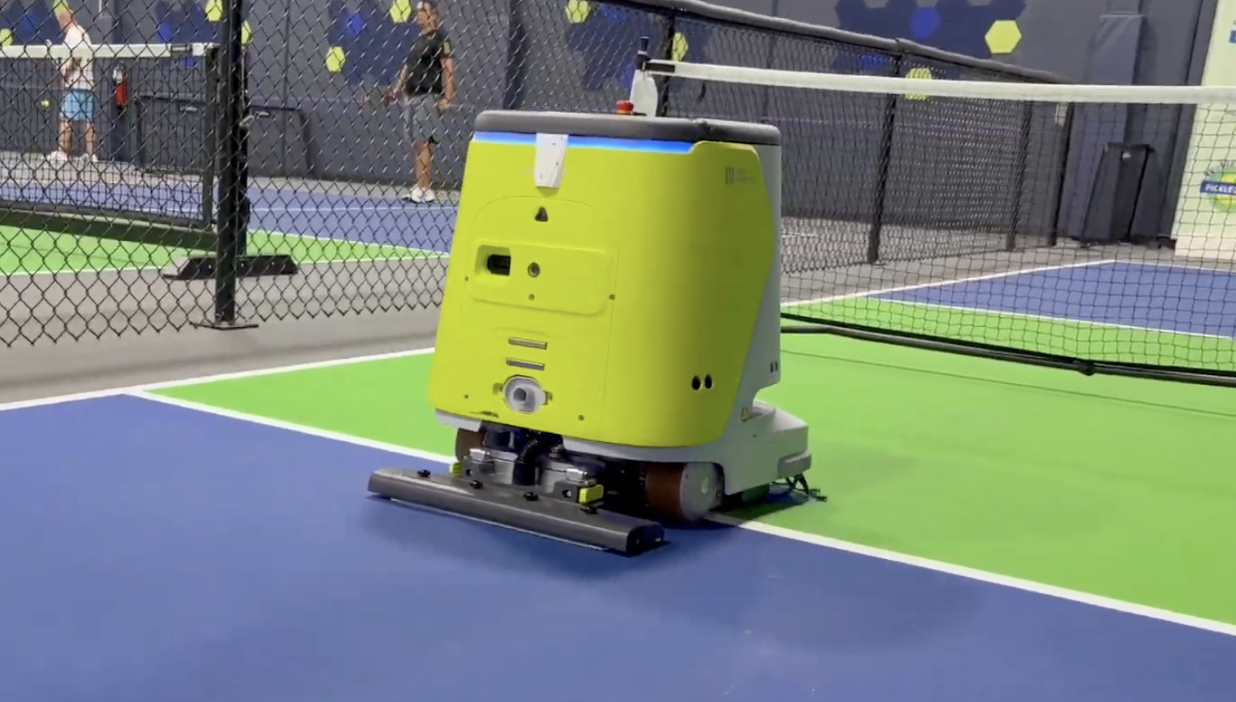
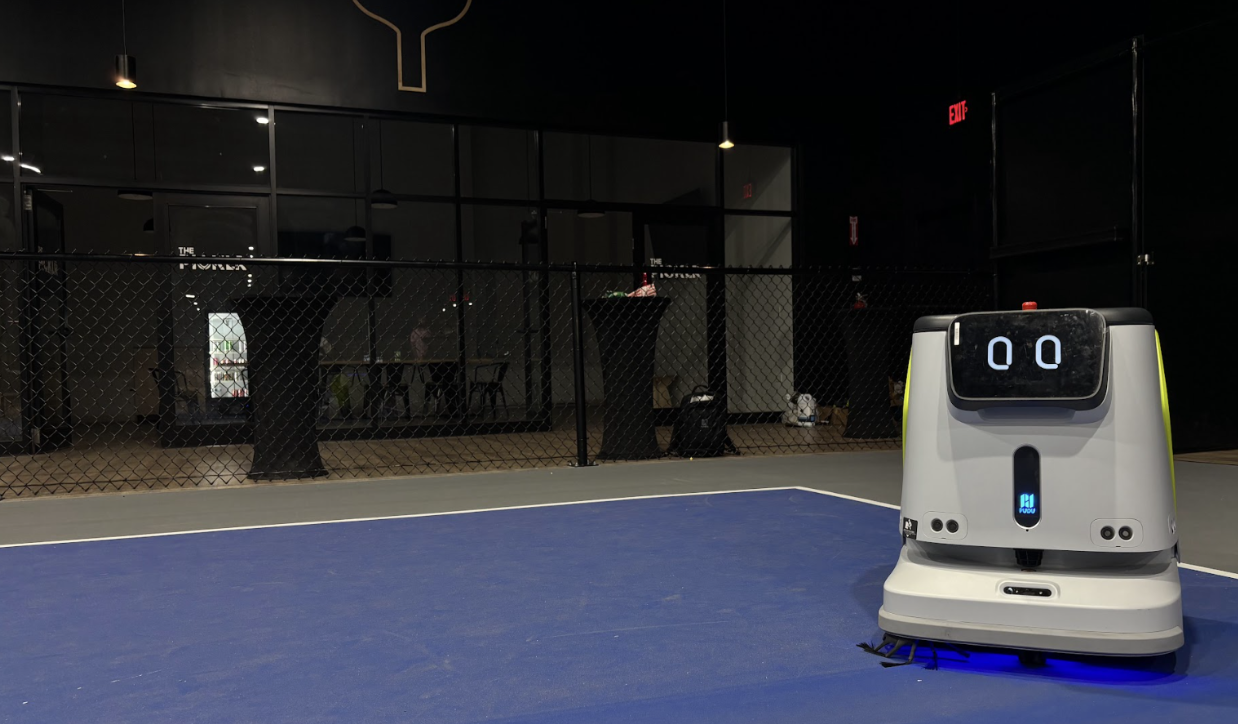
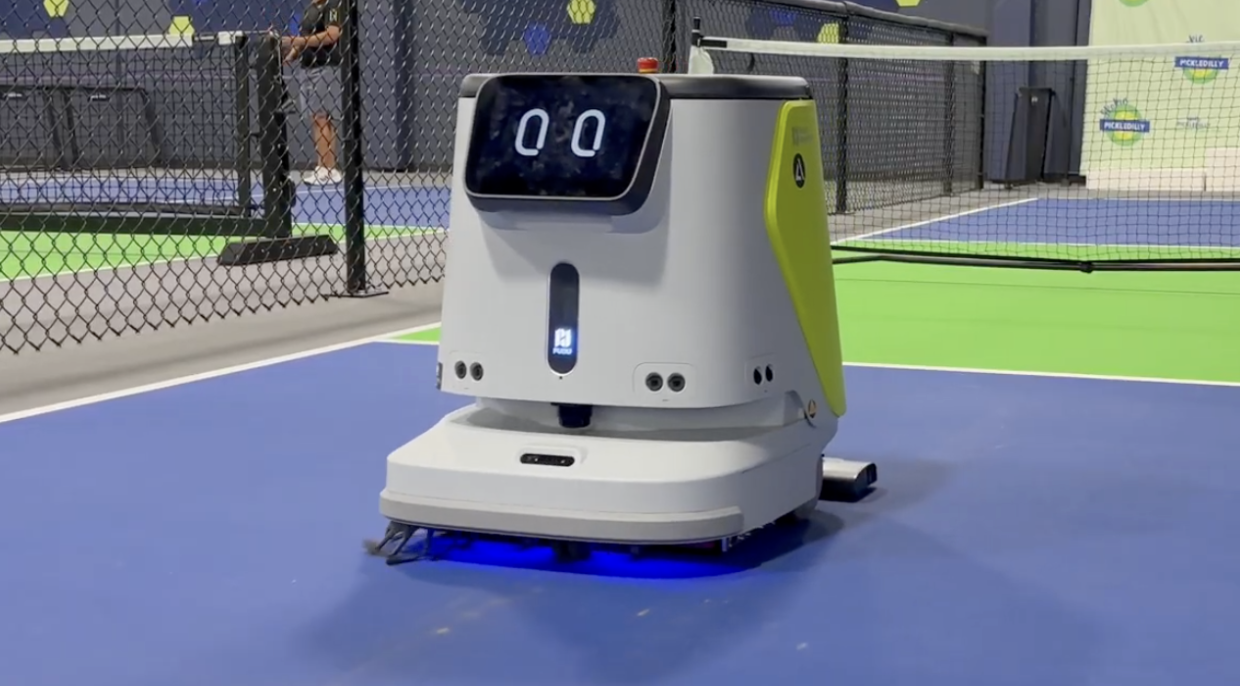
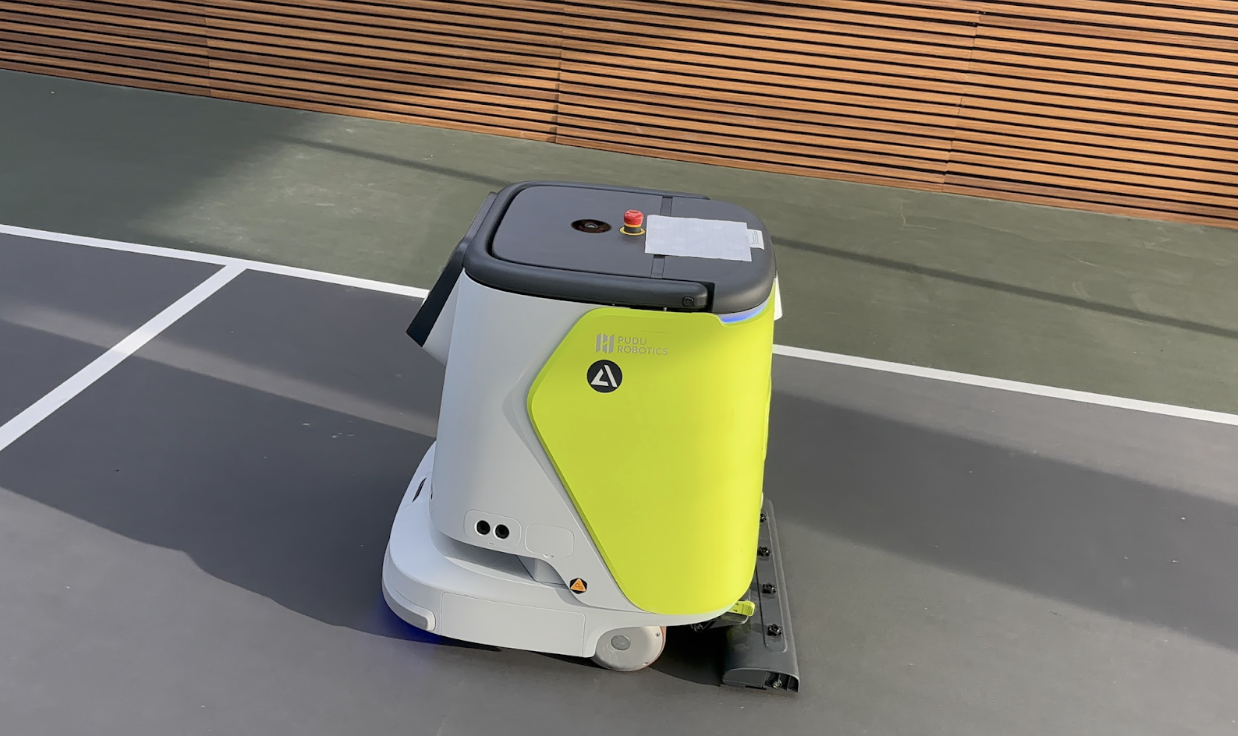
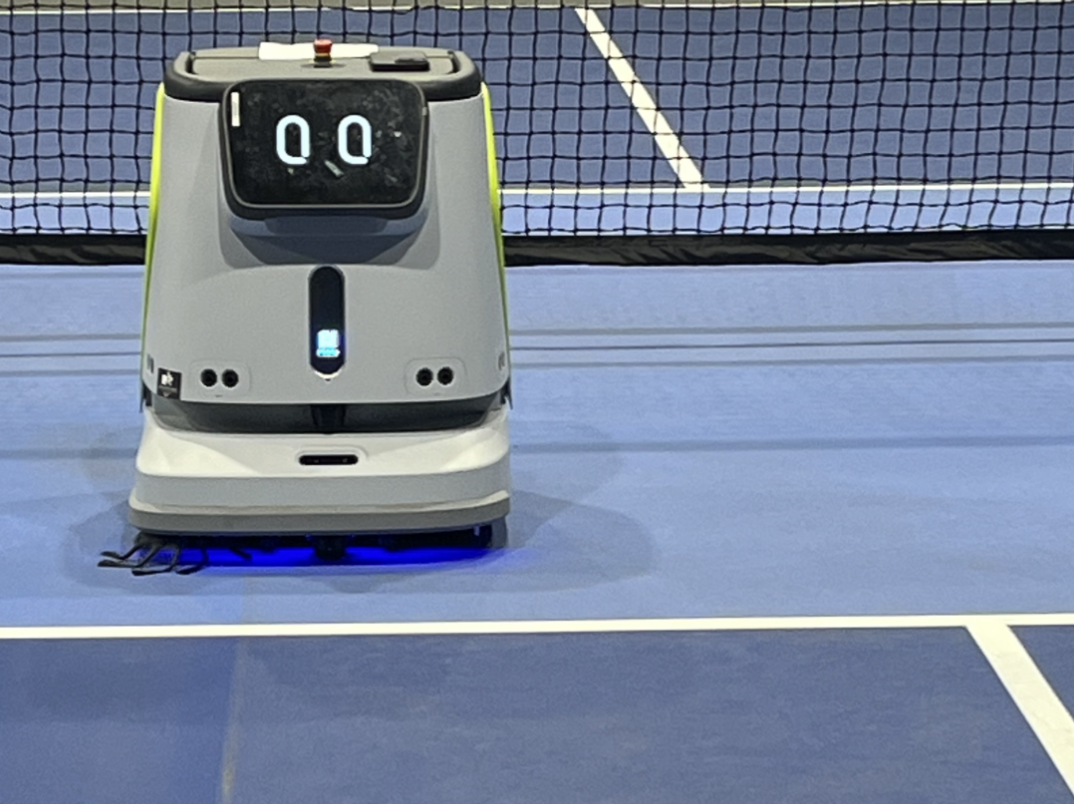
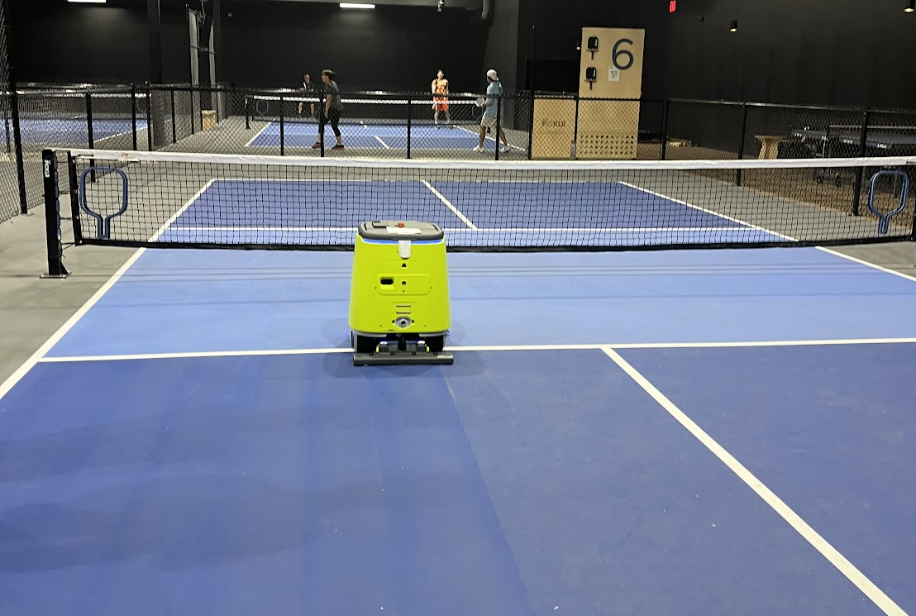
Autopilot’s CC1 Pro (“CeCe”) fits into this modern ops toolkit by helping keep cleaning consistent—especially those repetitive passes that are hardest to staff during peak play.
Want an indoor dust-control SOP (with hourly reset assignments) and an example workflow showing where CeCe handles routine passes?