Pickleball Club Growth That Doesn’t Break Ops: Lessons From Real Facility Case Studies

Pickleball Club Growth That Doesn’t Break Ops: Lessons From Real Facility Case Studies
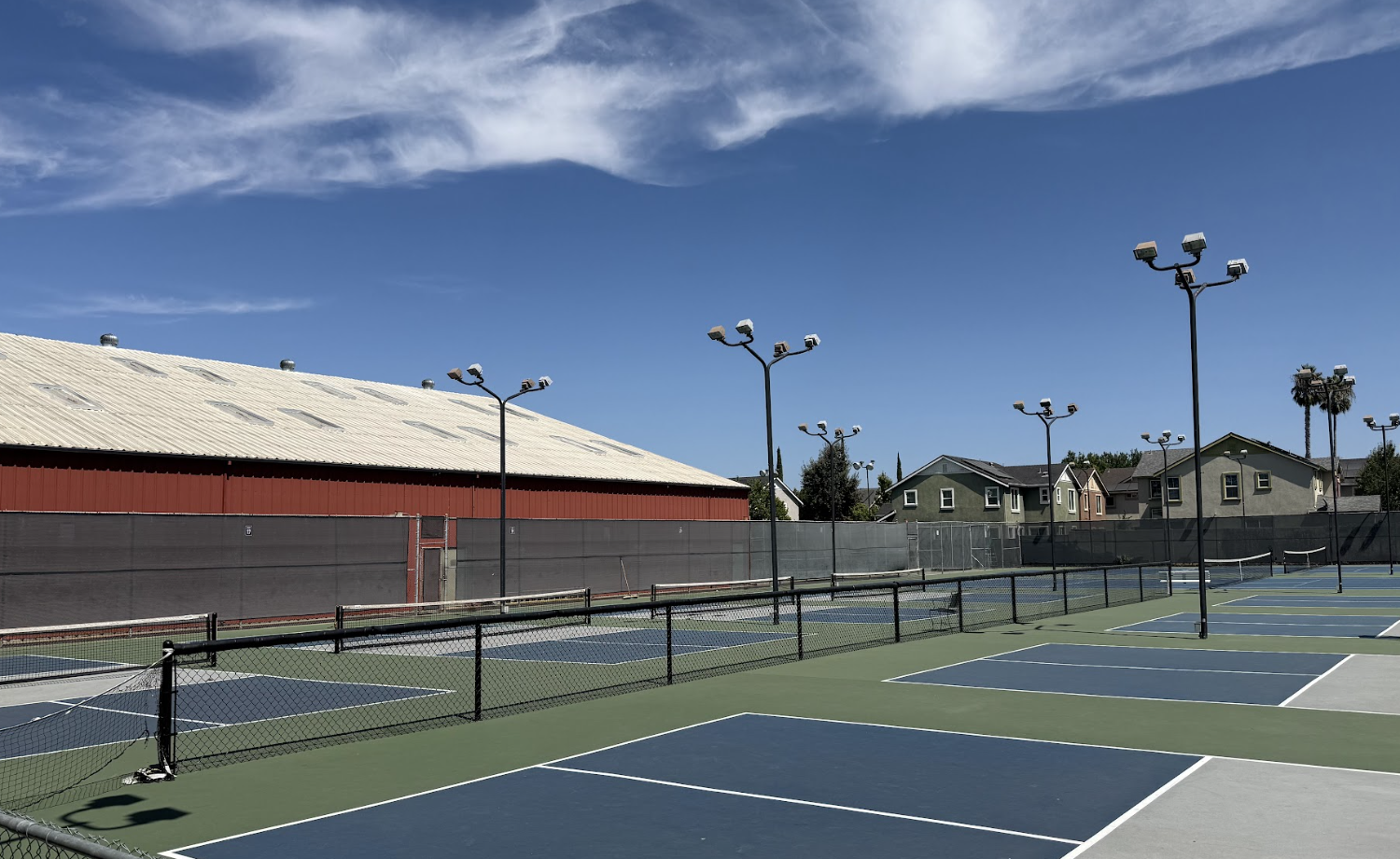
The hard part isn’t building courts—it’s building courts that run smoothly
Facilities don’t fail because the lines are wrong. They fail because ops gets overwhelmed:
- demand exceeds scheduling capacity
- noise/neighbor issues create conflict
- maintenance becomes inconsistent
- “who owns what” is unclear (staff vs volunteers vs city vs club)
What operators need is a repeatable planning pathway that bakes operations into the facility from day one.
Pickleball Canada published a Facility Guidebook with surveys and case studies collected from across the country, specifically to help communities plan and implement facilities ]. Even if you’re a private club owner in the U.S., the operational lessons are universal: plan with data, align stakeholders early, and design for flow.
Here are the most useful, operator-friendly takeaways you can apply right now.
Start with demand and barriers (not vibes)
In its guidebook, Pickleball Canada describes surveying clubs to understand participation barriers and facility needs—highlighting shortage of facilities as a major barrier and documenting court needs data from affiliated clubs. The key ops lesson:
If you don’t quantify demand and constraints early, you’ll pay for it later in scheduling chaos.
90-second playbook: your “demand snapshot”
You can do this in one meeting:
- Peak hour demand: list your top 3 busiest windows
- Primary bottleneck: court availability, staffing, cleaning, or scheduling rules
- User groups: lessons/leagues/open play/events (and their priority)
- Maintenance capacity: who resets courts and when
- Growth plan: what happens if demand doubles?
This snapshot becomes your baseline for every operational choice.
Use a phased planning path (feasibility → concept → business plan → implementation)
One of the most practical elements of the Pickleball Canada guidebook is how it organizes facility development into steps—feasibility study, concept plan, business plan, planning/development, and implementation guidance. The ops takeaway:
Phases prevent rework. If you skip feasibility, you discover operational problems after the concrete is poured.
A simple operator-friendly phase checklist
Phase 1: Feasibility (answer before spending big)
- Where will players come from (members, drop-ins, leagues)?
- What are the operating hours and staffing realities?
- What’s the cleaning plan for peak hours?
- What are the noise / neighbor constraints (especially outdoors)?
Phase 2: Concept plan (design for flow)
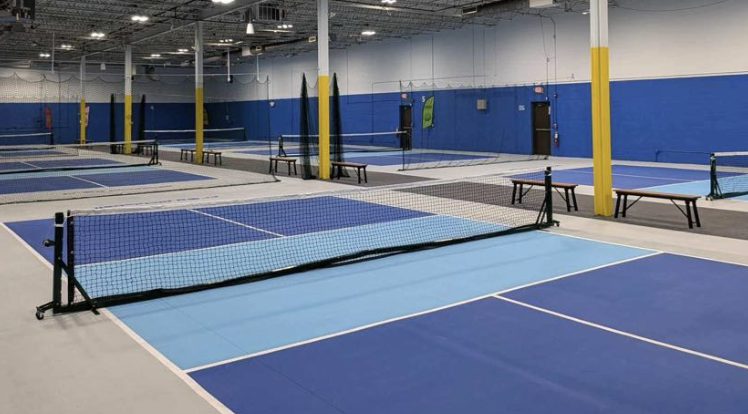
- Where do bags go?
- Where do people queue?
- Where do staff store cleaning tools?
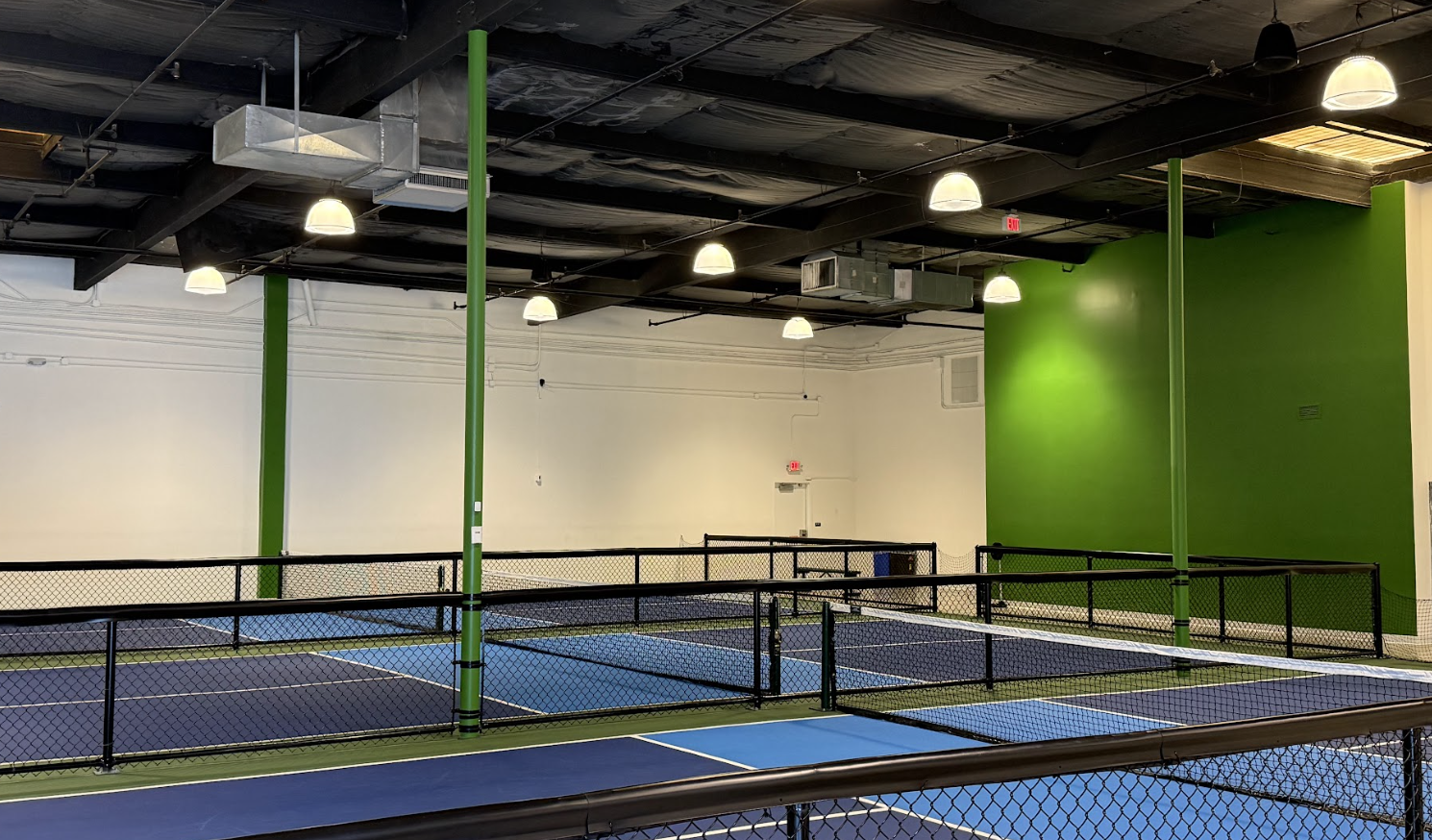
- How does traffic move from parking → check-in → courts?
Phase 3: Business plan (ops in numbers)
- What’s the staffing model during peaks?
- What’s your maintenance budget and cadence?
- What’s the plan for court resurfacing over time?
Phase 4: Implementation
- Who owns scheduling rules?
- Who handles daily resets?
- How do you handle conflicts?
If you’re already operational, you can still use this framework as a retrofit checklist.
Operational design choices that pay off immediately
Even a strong facility can become a headache if ops flow is wrong. Here are three “design for operations” choices that reduce daily friction:
1) Build for predictable maintenance
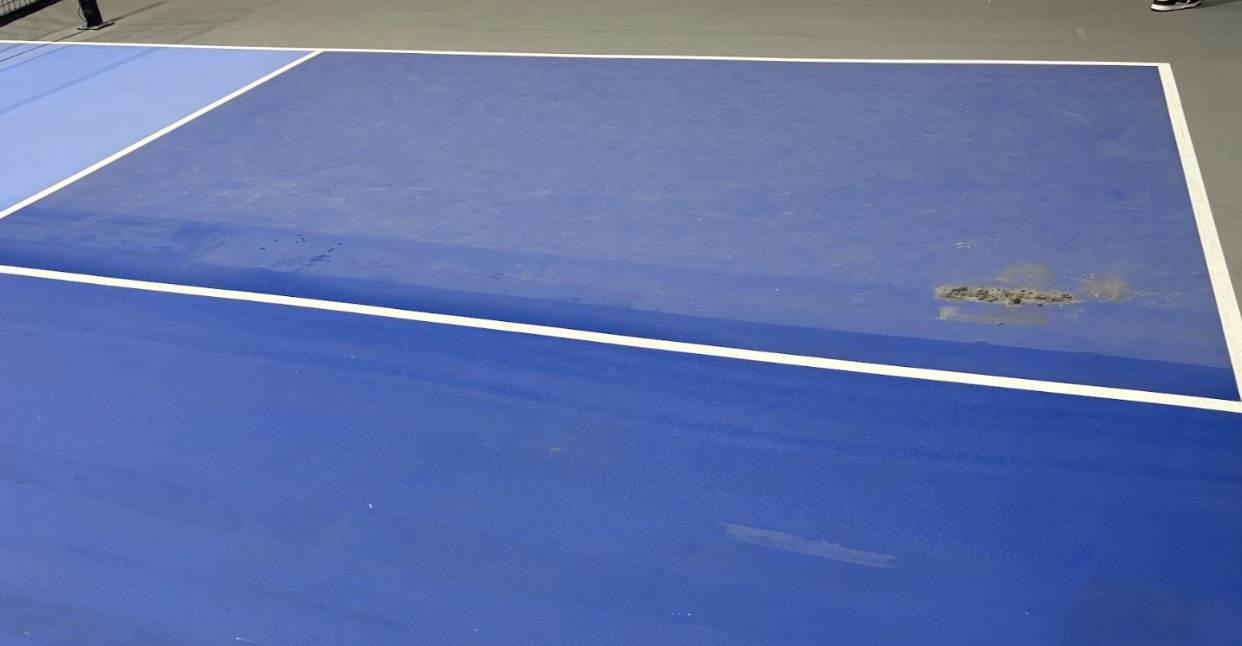
Court maintenance guidance emphasizes prompt cleanup of spills and debris removal to prevent staining and growth issues. That only happens if:
- tools live at point-of-use
- reset time is built into the schedule
- responsibilities are clear
Operator move: schedule micro-reset windows after high-traffic blocks (lessons/leagues).
2) Put community conflict on rails (rules and expectations)
Pickleball is social—and that’s great—until it isn’t. Facilities that rely on informal norms often end up in daily conflict mode.
Create three clear rule layers:
- Reservation rules: who can book what, when
- Open play rules: rotation format, time caps
- Conflict protocol: who decides and how quickly
Even a one-page policy sheet reduces front-desk stress.
3) Plan communications like an ops system
If a court is closed for cleaning or maintenance, how do players find out?
- signage at gate
- app/booking note
- text/email blast for league captains
The smoother your communication, the fewer in-person escalations.
The “community story” principle (why people adopt—and protect—good operations)
Pickleball Canada also describes collecting case study stories by asking members to submit court construction experiences and narrowing them to case studies representing regions. The operator lesson:
People support what they feel they helped build.
Whether you’re private, municipal, or a hybrid model:
- involve ambassadors / captains in rules
- publish a simple “how we keep courts great” routine
- celebrate volunteer or staff wins (clean courts, smooth tournaments, great sportsmanship)
This is how you protect court quality and culture at the same time.
Quick Answers (For Busy Owners)
Q: What’s the biggest operational mistake during facility growth?
A: Expanding courts without expanding the scheduling, staffing, and cleaning system.
Q: What’s a simple planning path that works?
A: Feasibility → concept plan → business plan → implementation (Pickleball Canada, 2025).
Q: Why should ops be part of concept planning?
A: Because flow (queues, bags, tools, resets) determines whether courts stay game-ready.
Q: What maintenance habit prevents long-term issues?
A: Remove debris and clean spills promptly with mild detergent + soft brush; rinse well (ASBA, 2010).
Q: How do you reduce daily conflict at busy facilities?
A: Clear rules for reservations and open play, plus a defined conflict protocol.
Q: How do community stories help operations?
A: People protect what they feel ownership over—ambassadors help enforce norms.
Q: What’s the fastest thing I can do this week?
A: Create a one-page “court rules + reset responsibilities” sheet and post it at check-in.
Conclusion + CTA (Autopilot Integration)
Facility growth is exciting—but ops debt is real. The facilities that thrive are the ones that plan in phases, design for flow, and bake maintenance into daily routines.
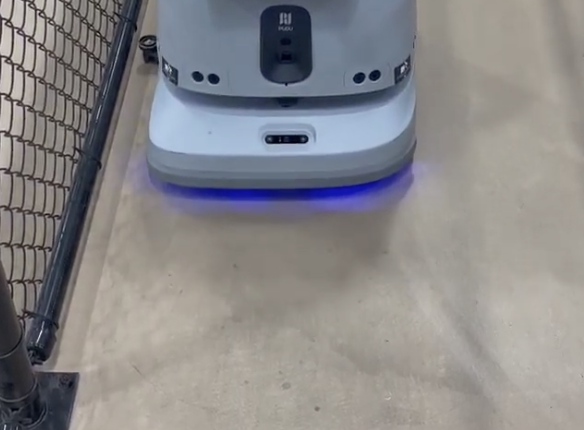
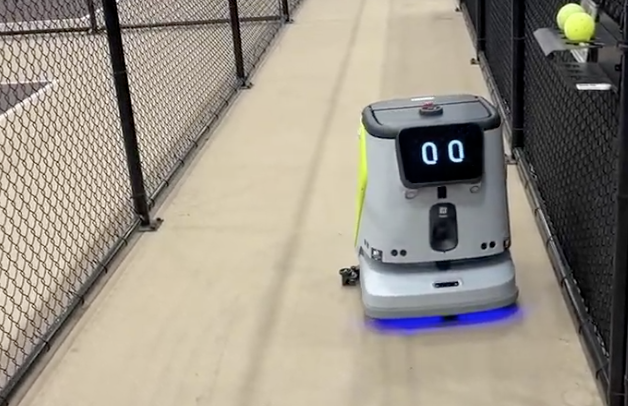
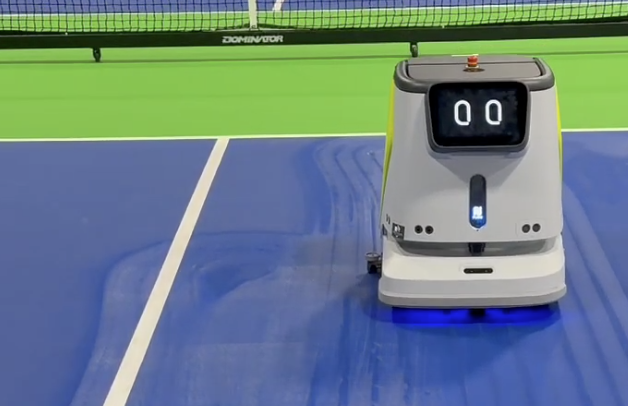
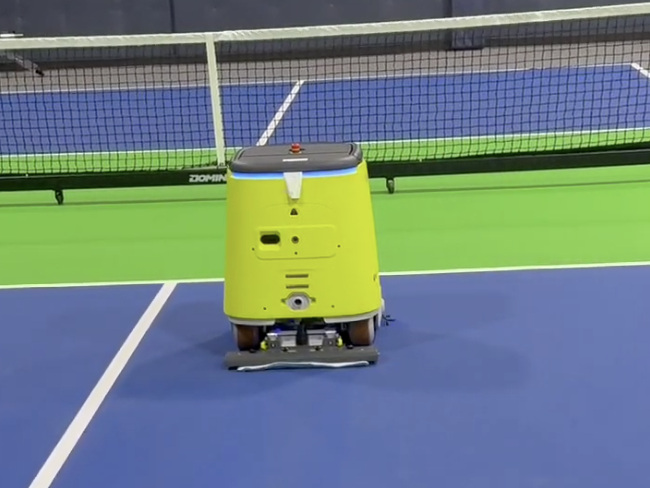
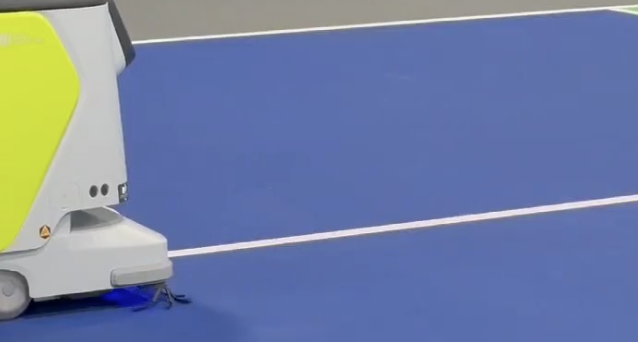
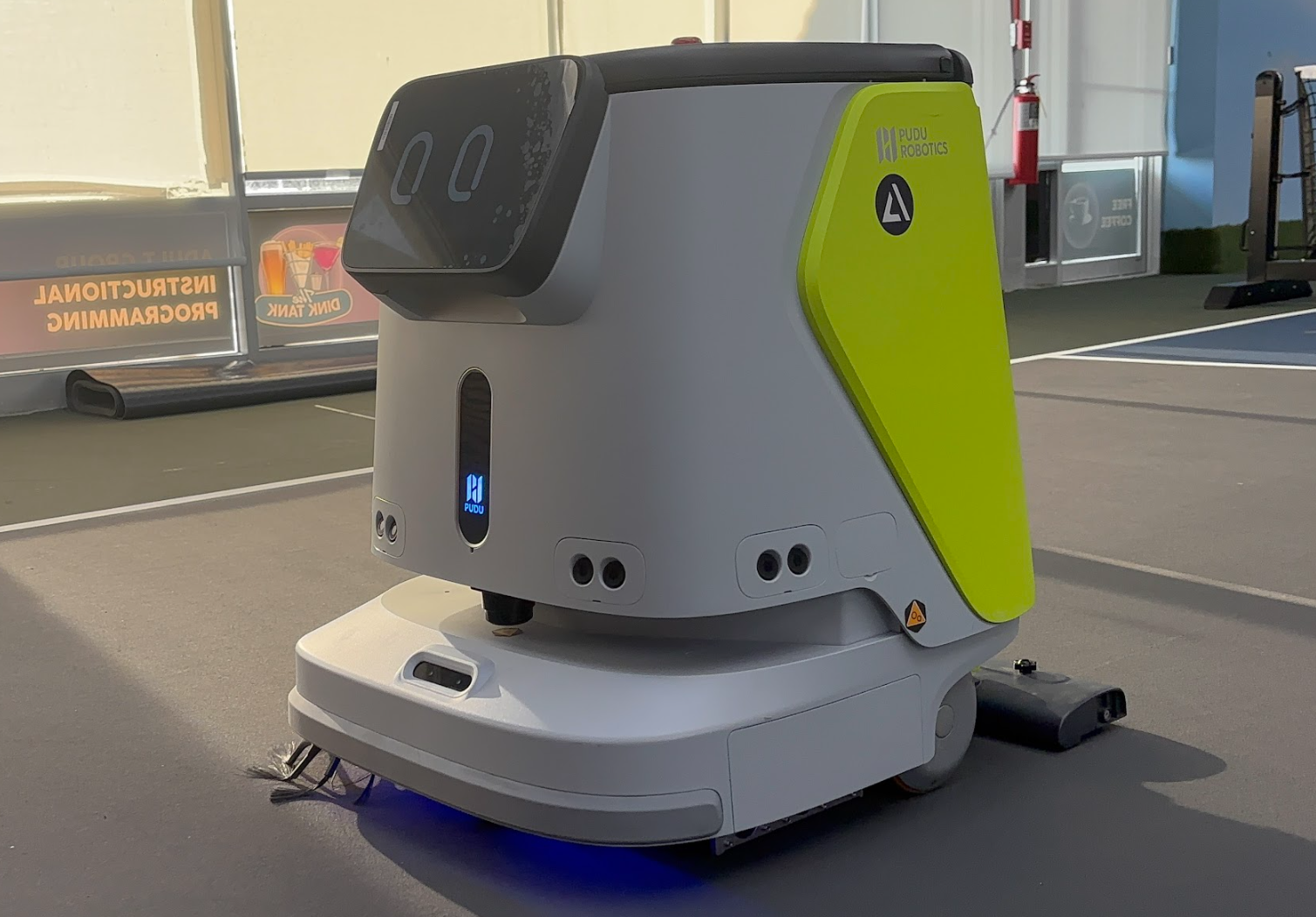
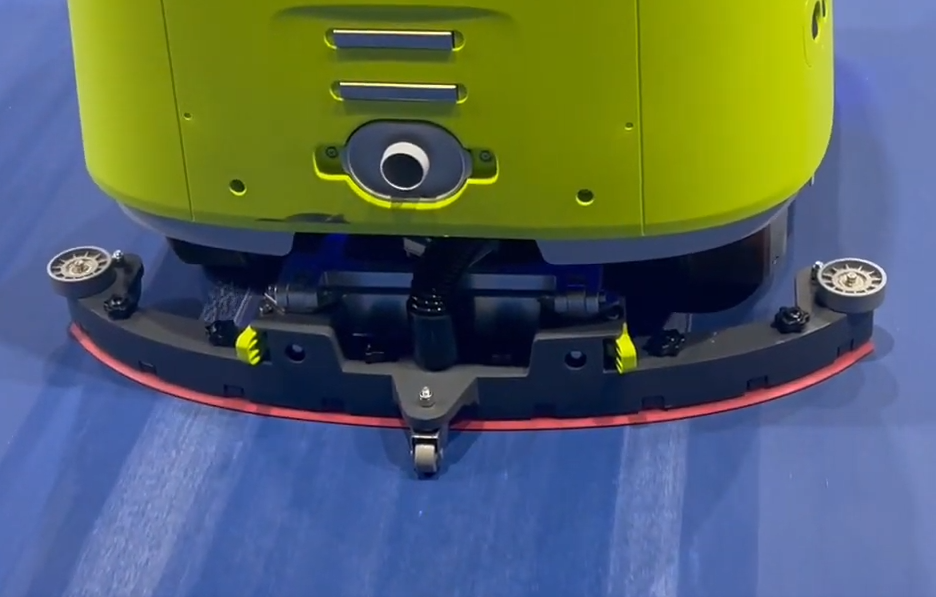
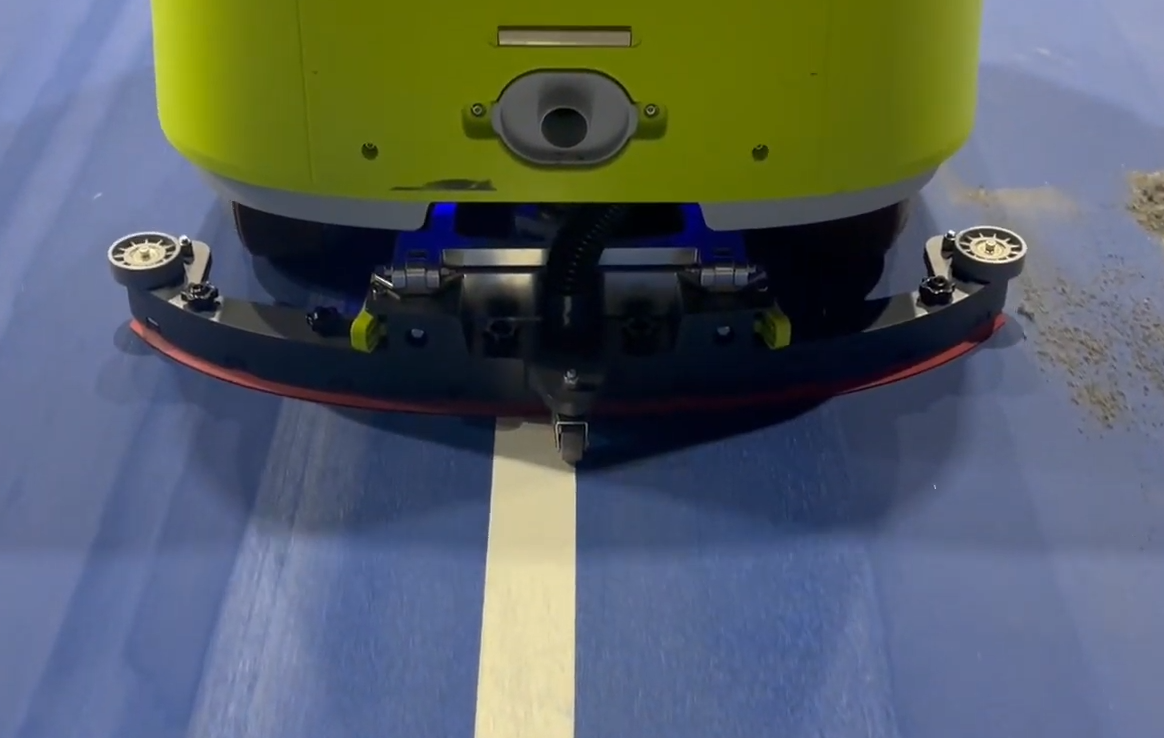
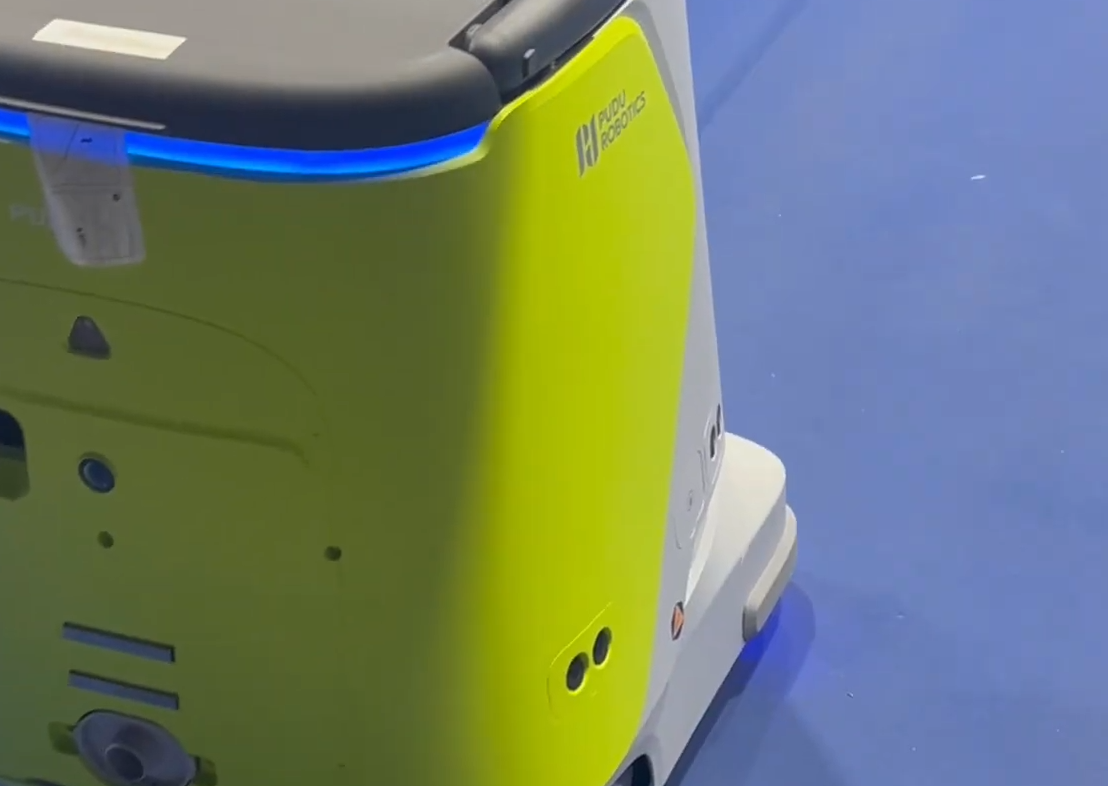
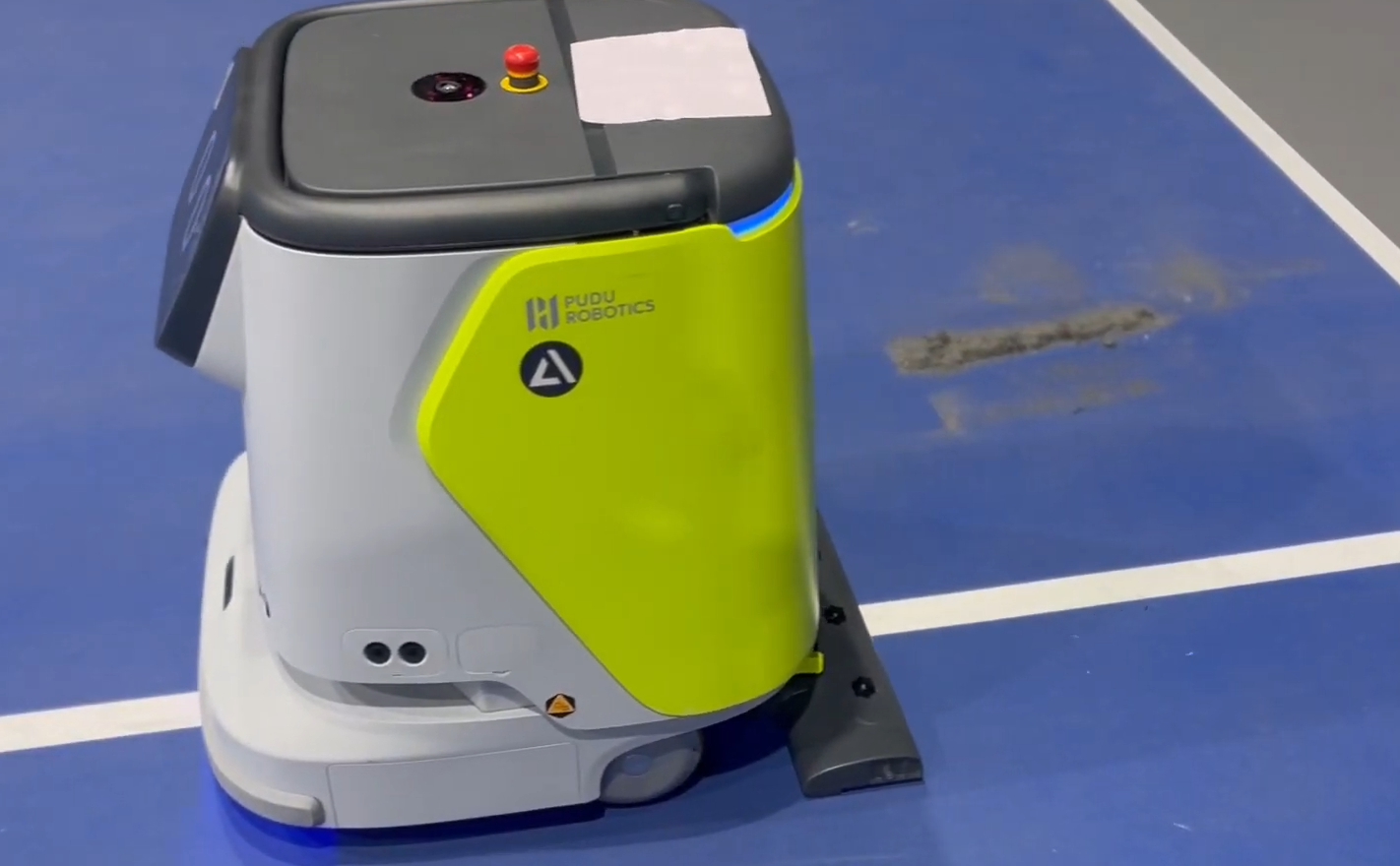
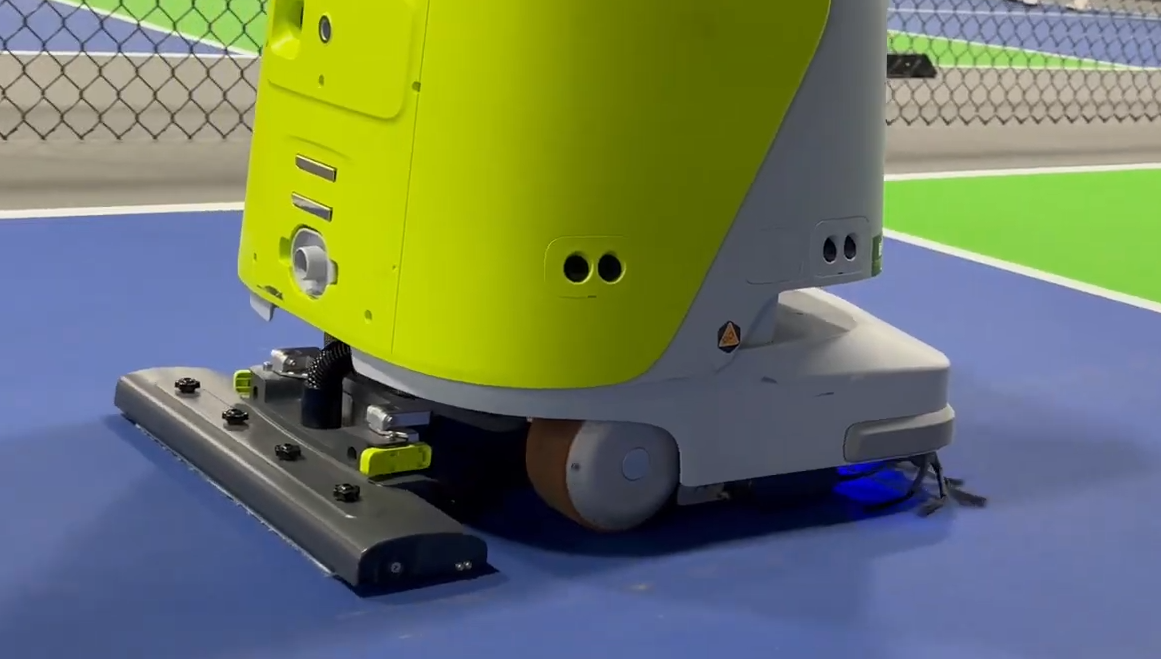
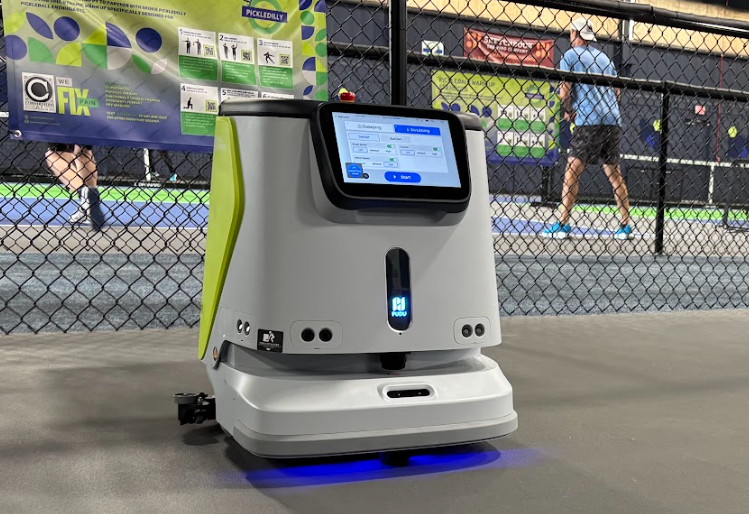
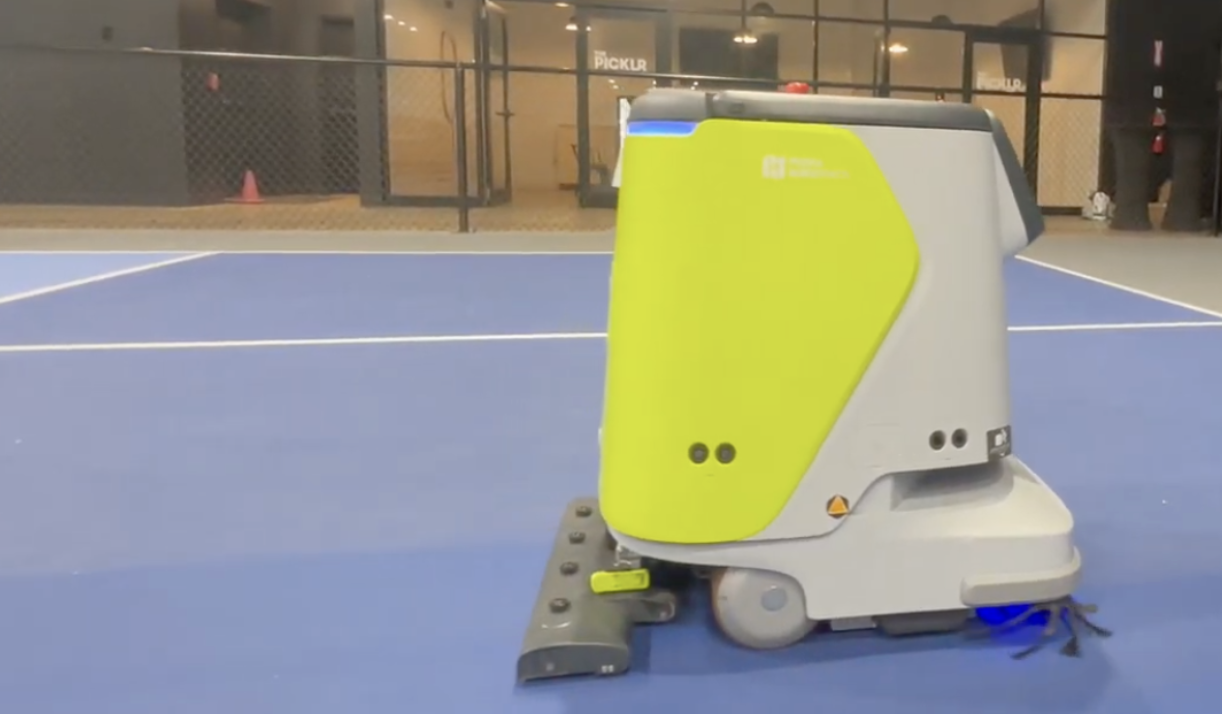
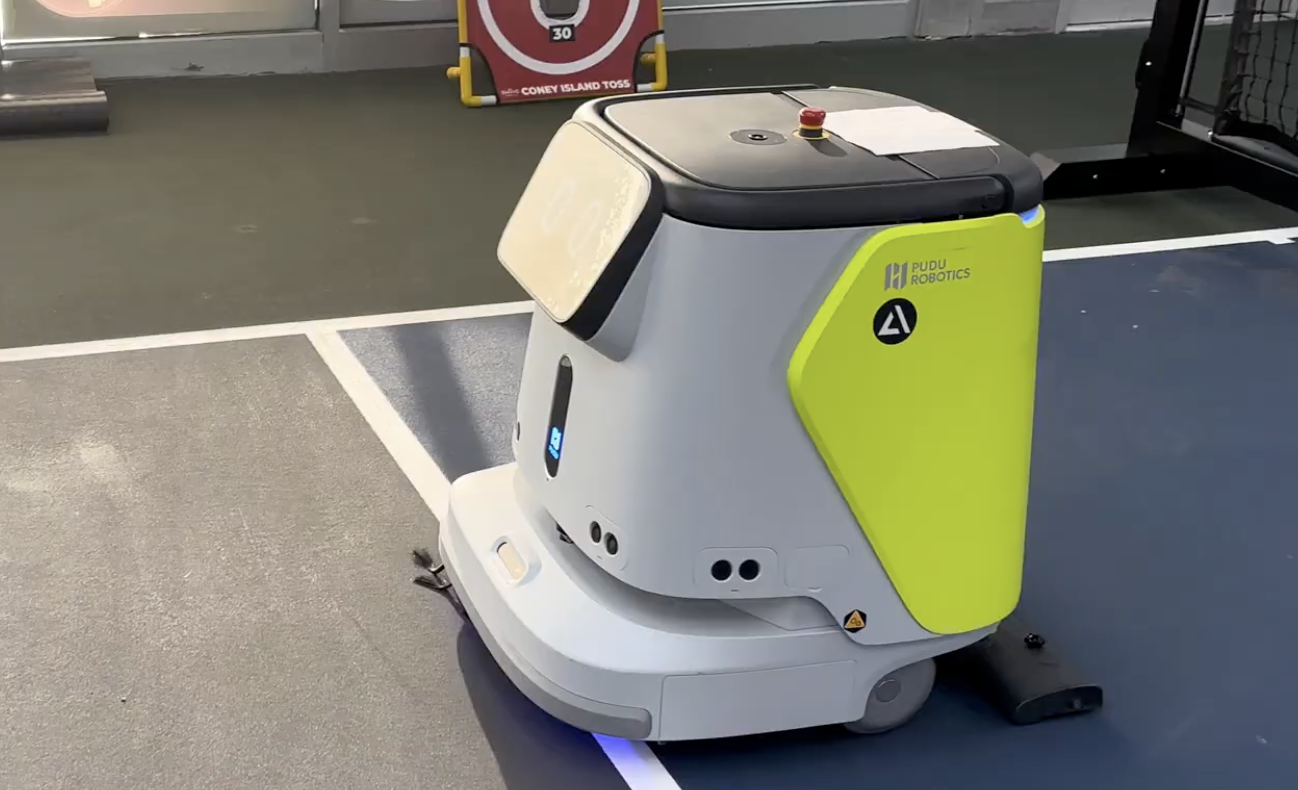
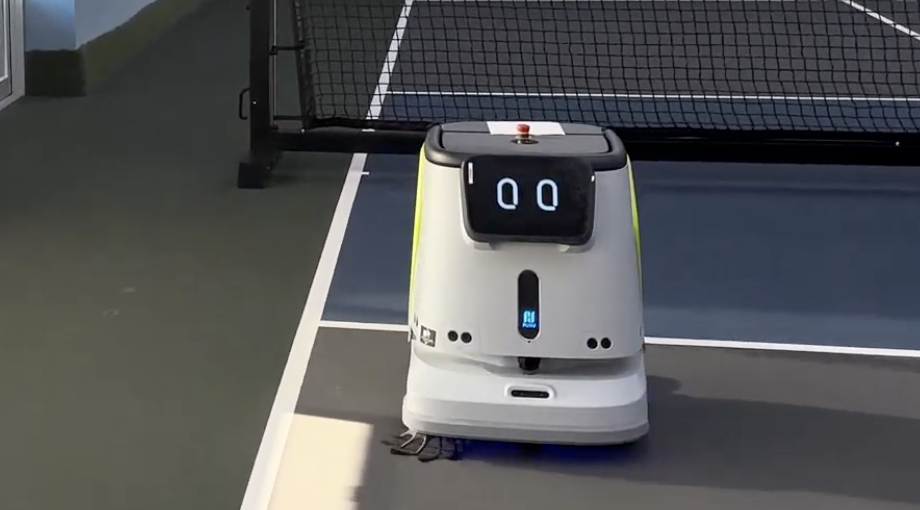
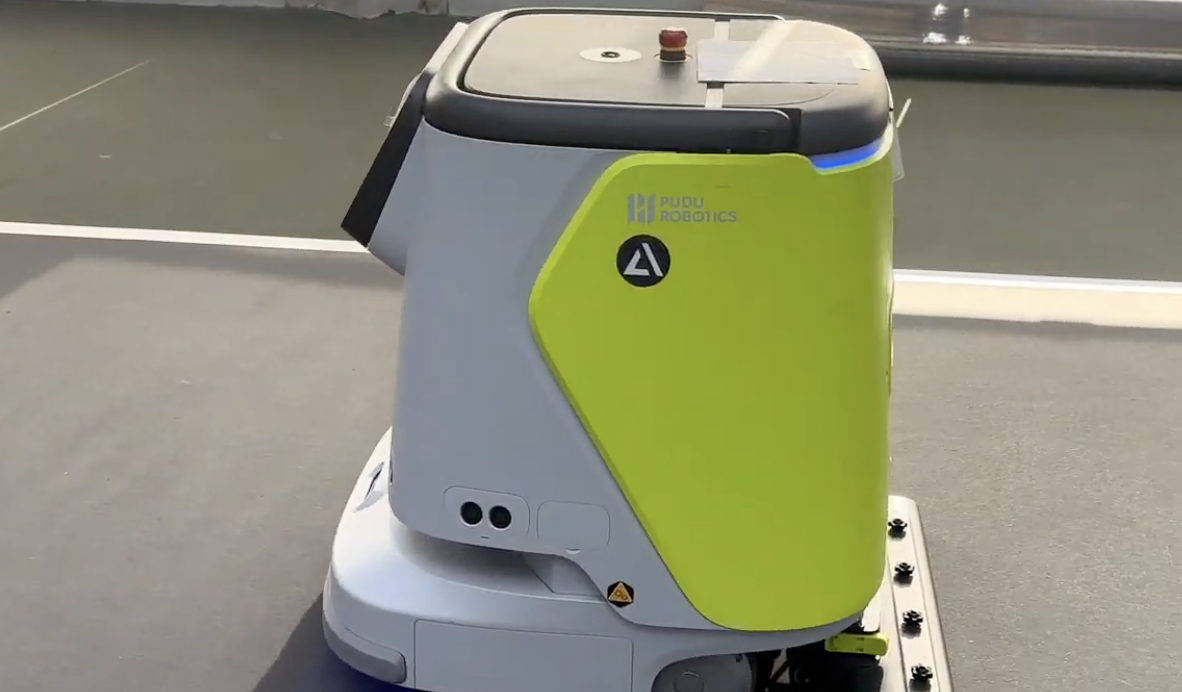
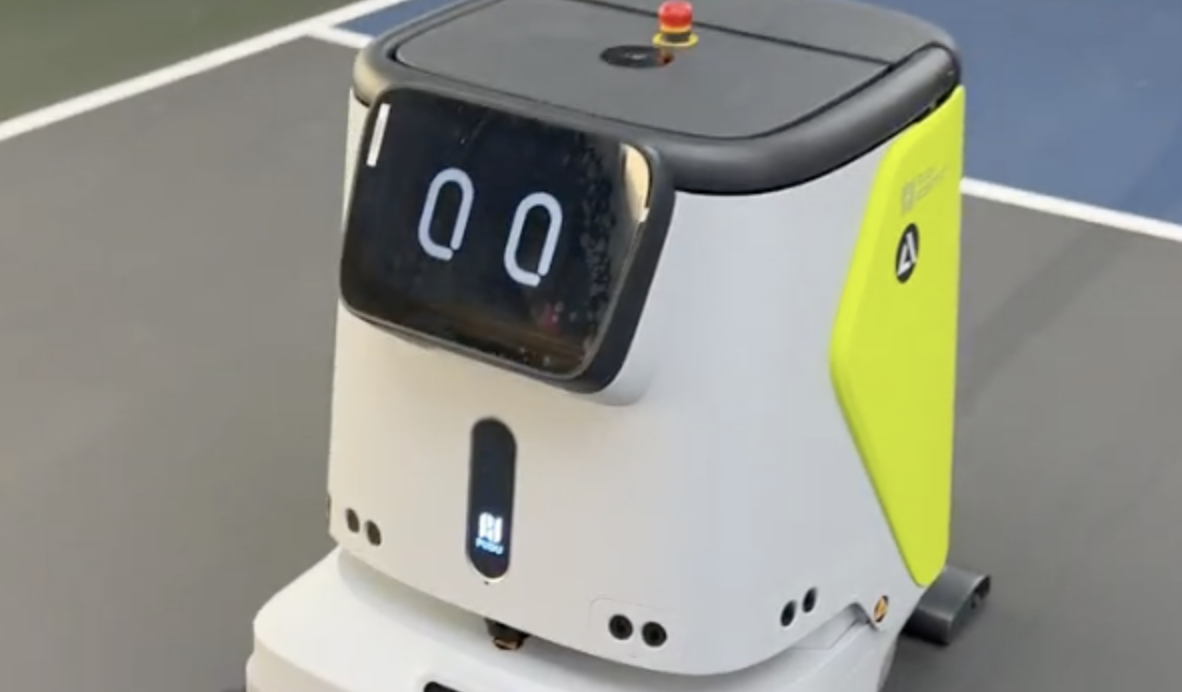
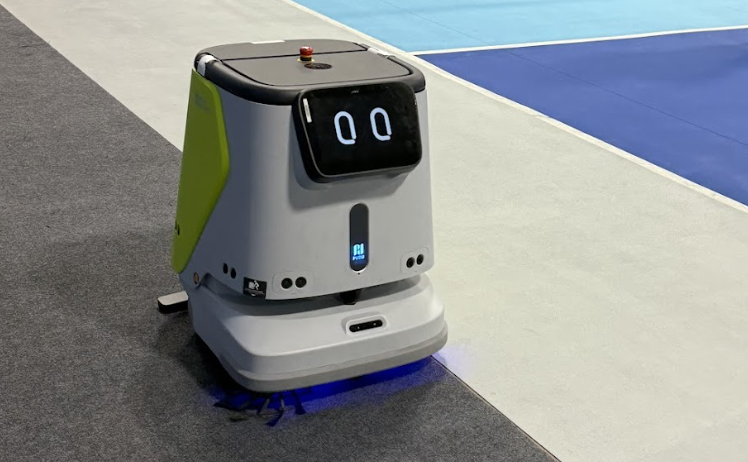
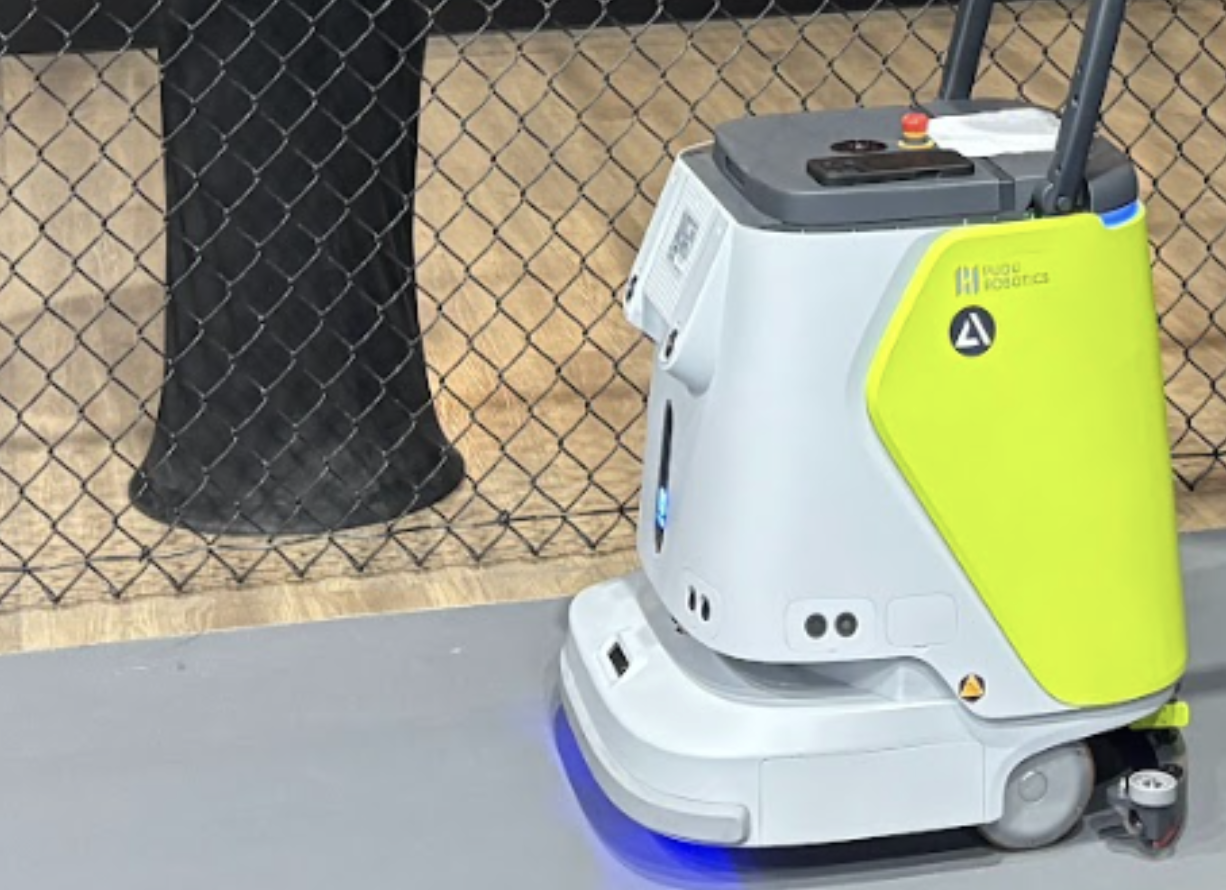
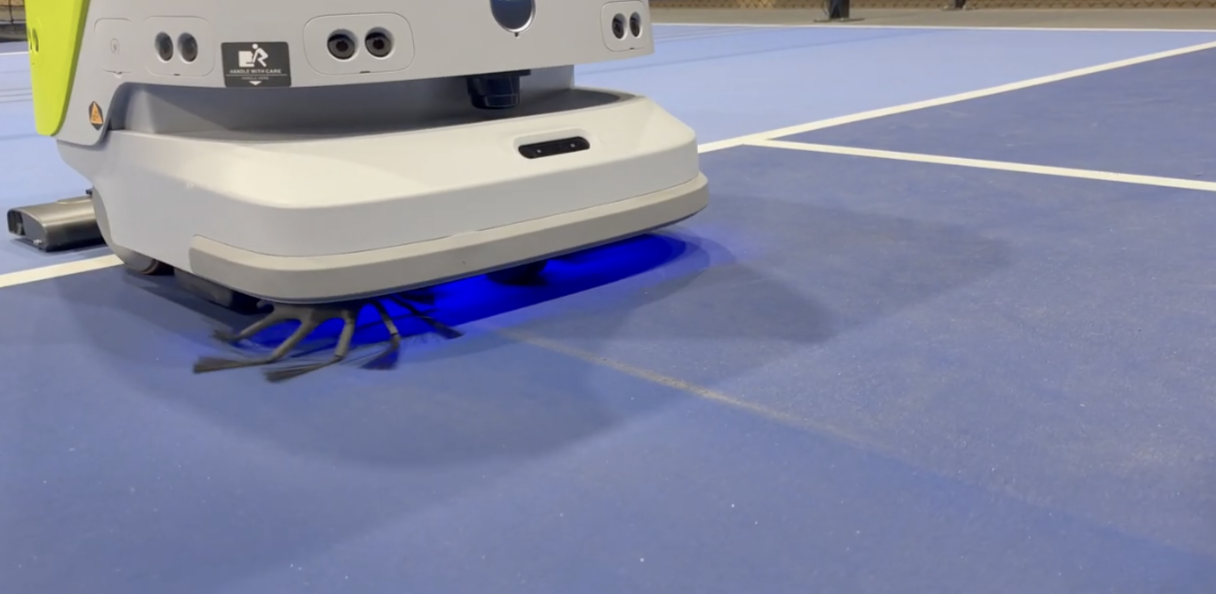
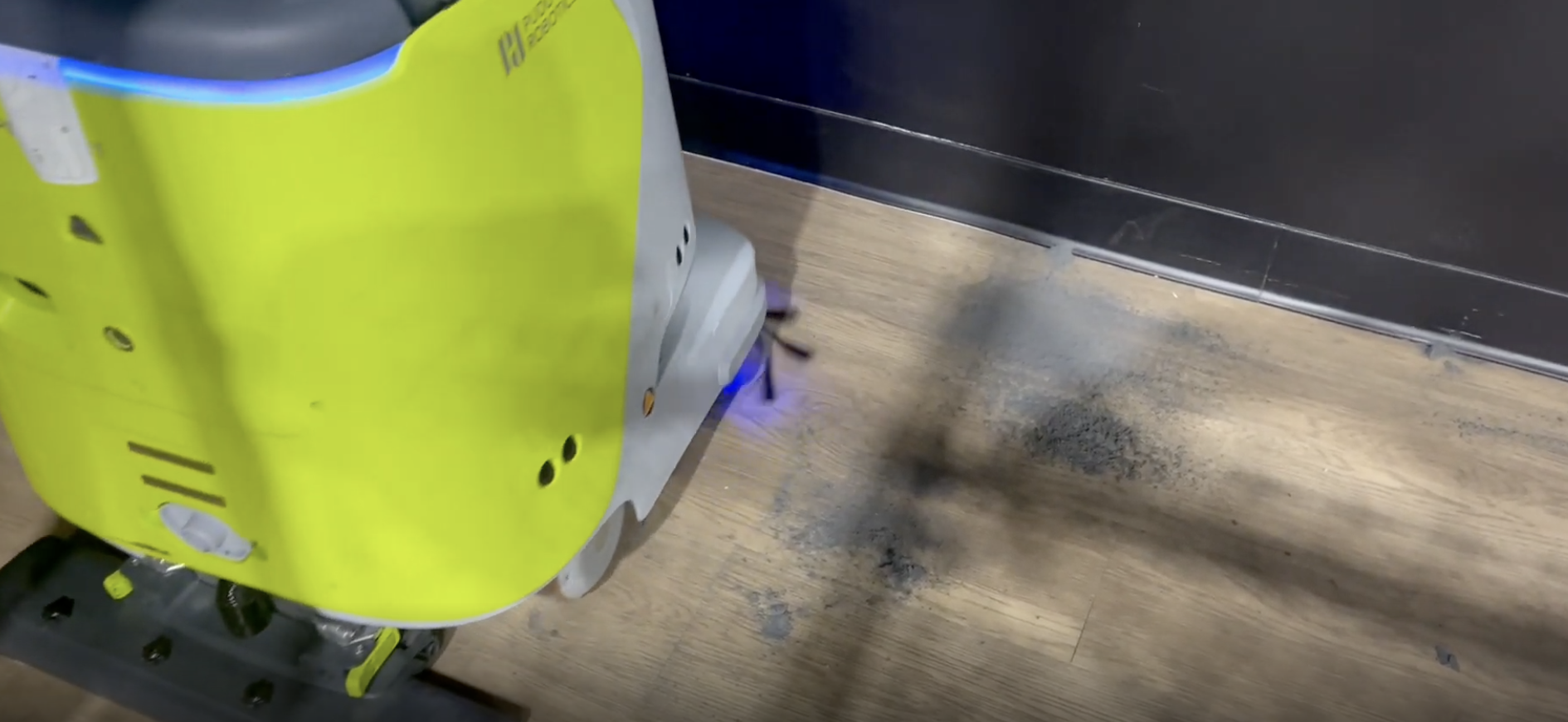
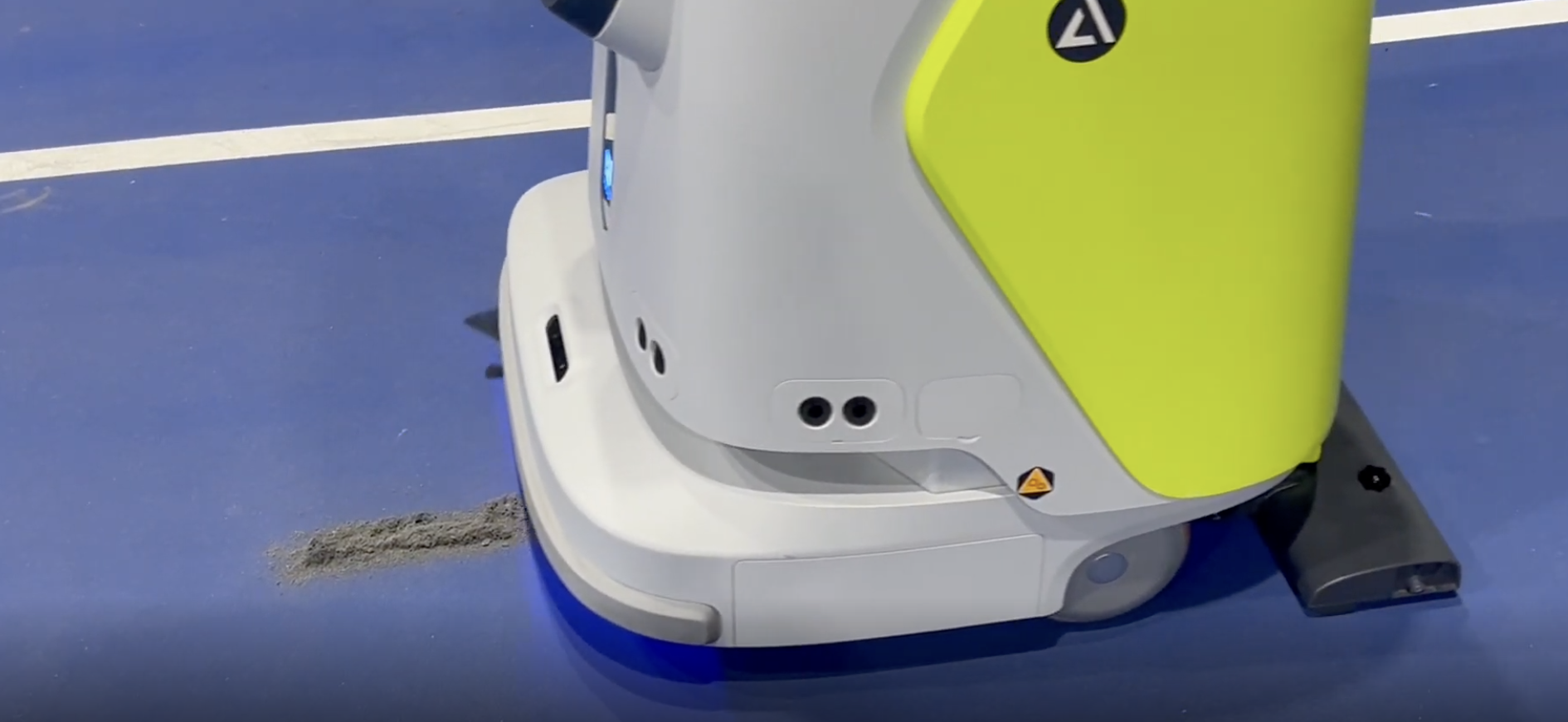
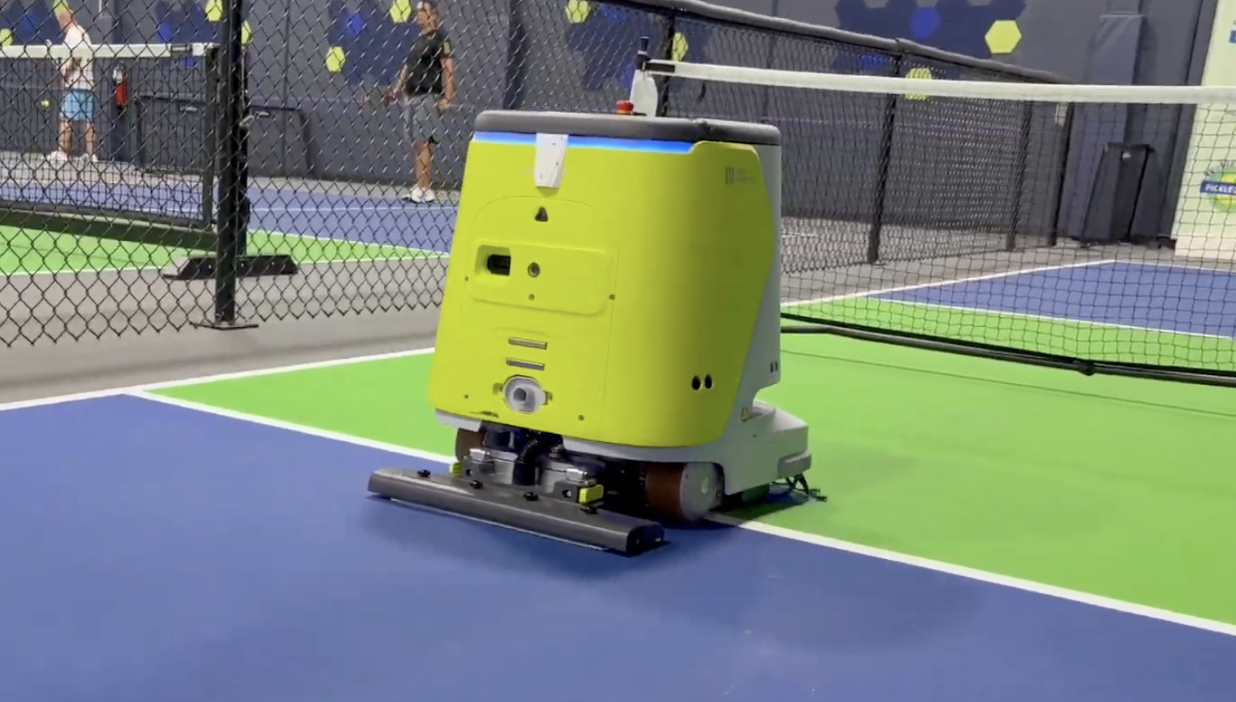
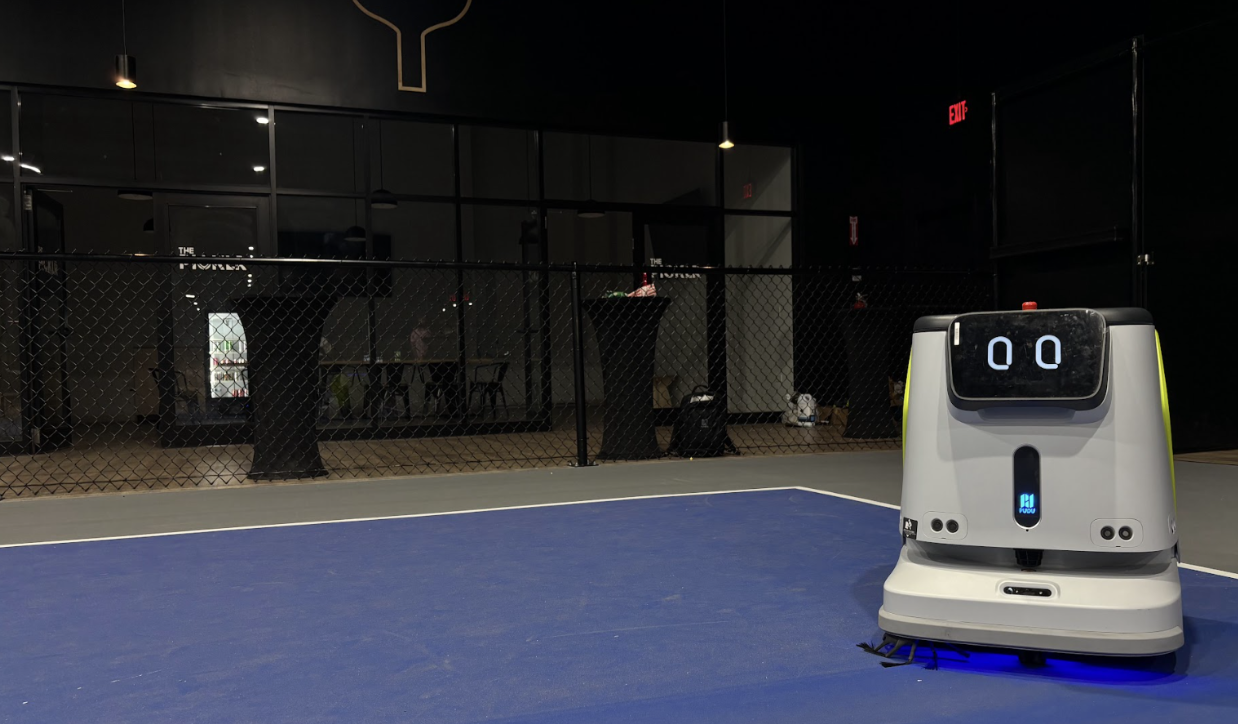
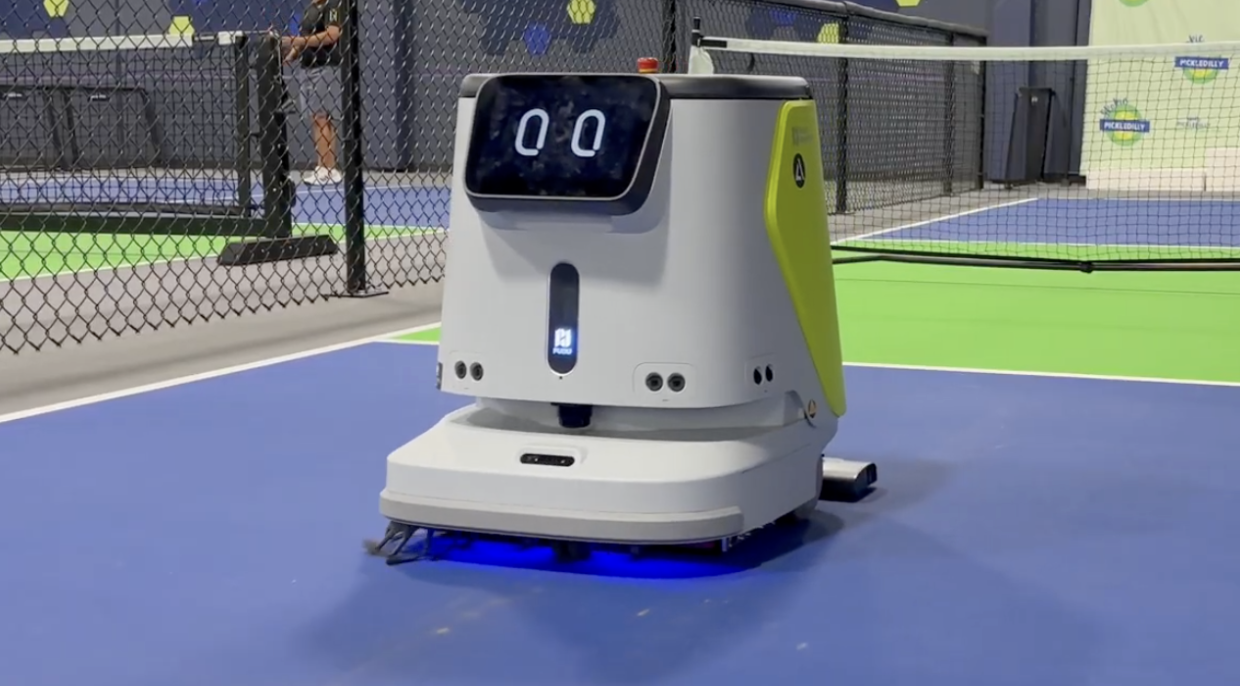
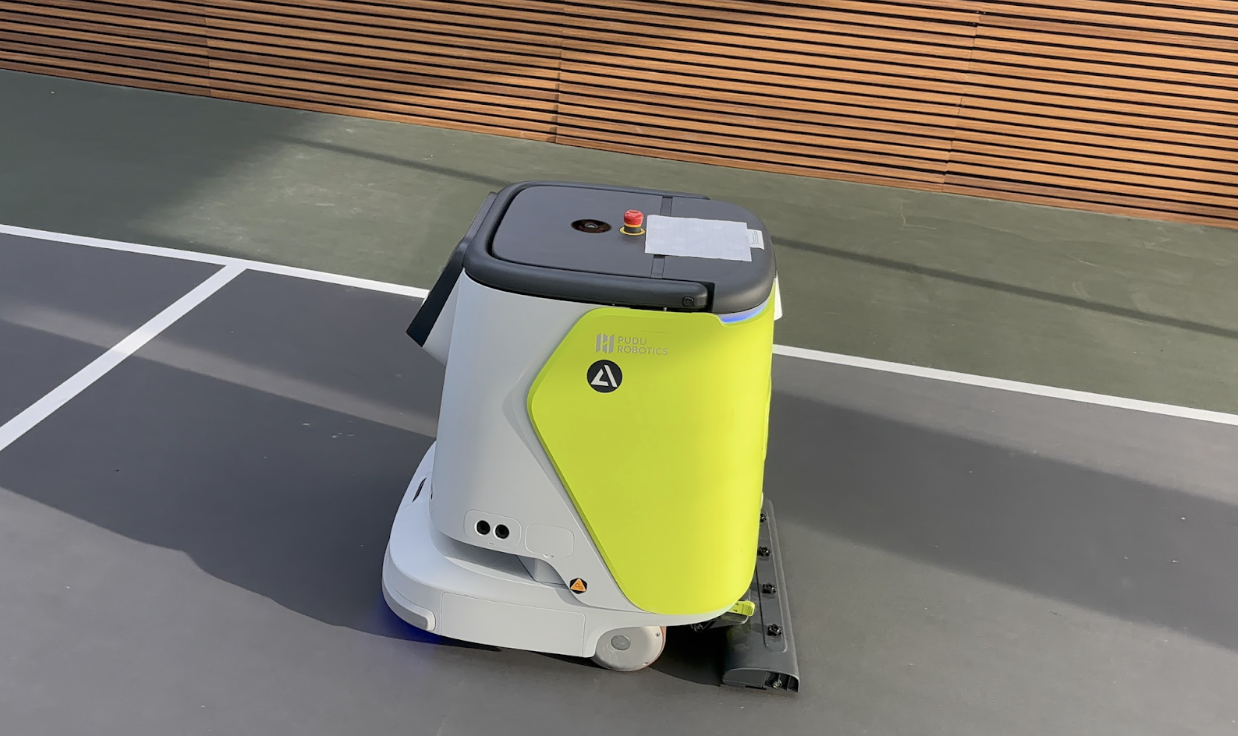
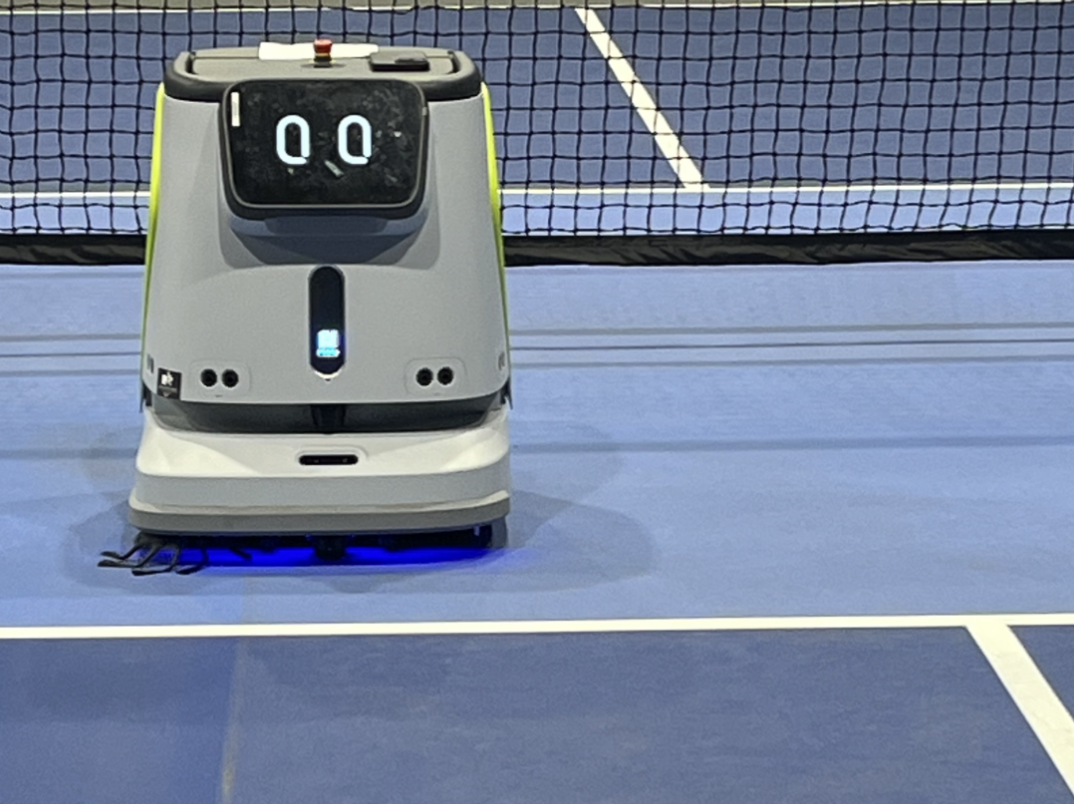
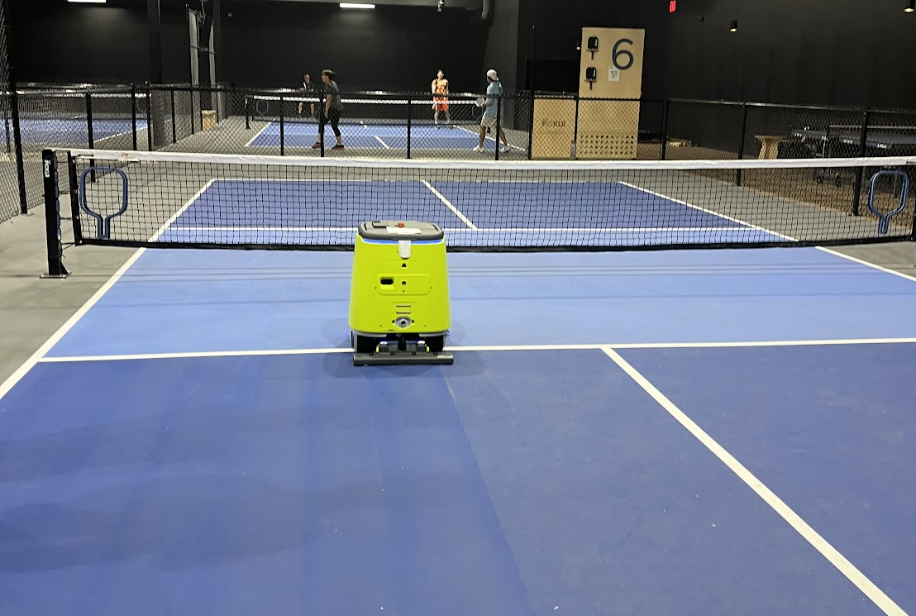
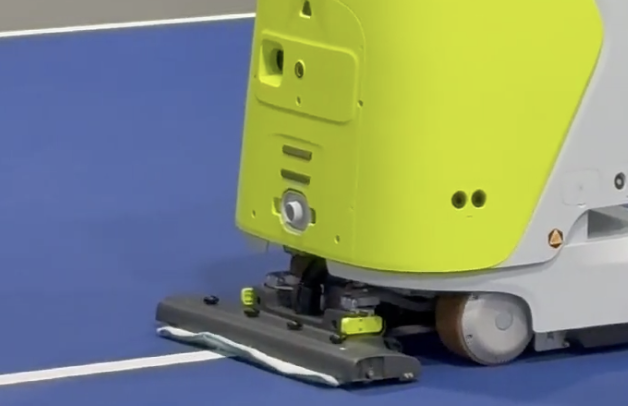
Autopilot’s CC1 Pro (“CeCe”) supports that modern operations approach by helping keep court cleaning consistent—especially during peak hours—so your staff can focus on scheduling, customer experience, and the human side of a thriving pickleball community.
Want a one-page “Facility Ops Readiness Checklist” (phases + staffing + cleaning) and a sample “where CeCe fits” daily plan?