The Pickleball Court “Dirt Trap” Setup: Entryway Fixes That Cut Cleaning Time (and Complaints)


The Pickleball Court “Dirt Trap” Setup: Entryway Fixes That Cut Cleaning Time (and Complaints)
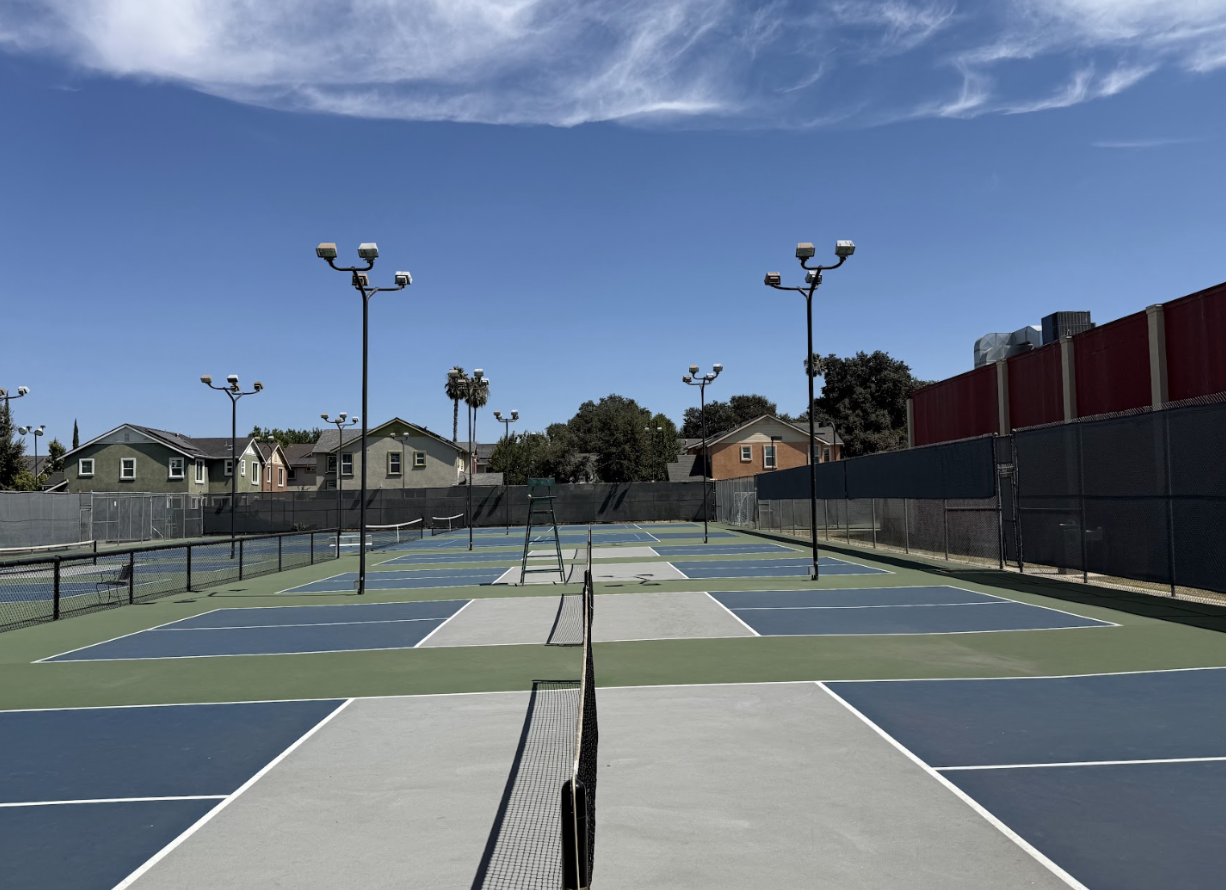
Your courts aren’t getting dirty evenly—your entryways are doing the damage
If Court 4 always looks worse, it’s usually not the surface. It’s the traffic pattern.
Most court grime starts the same way:
- Shoes track grit through the gate.
- Grit spreads into baselines and kitchen lines.
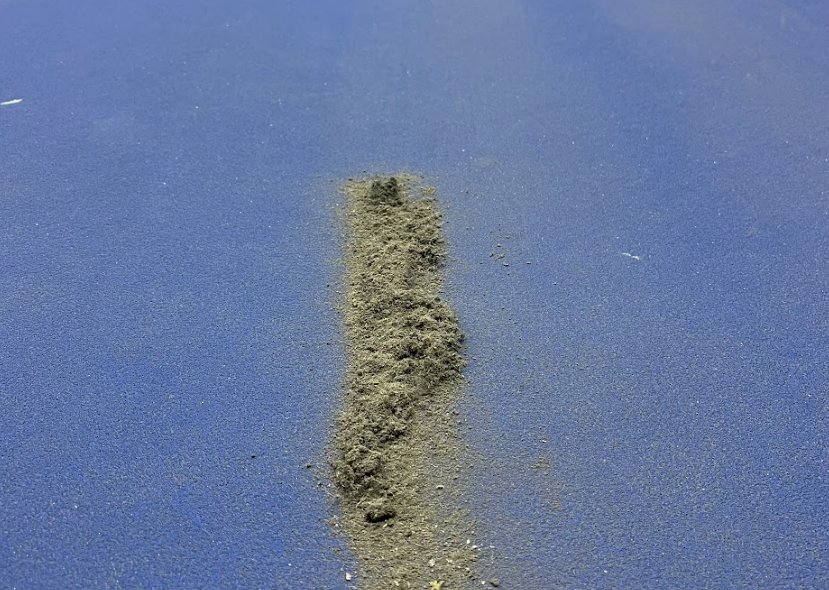
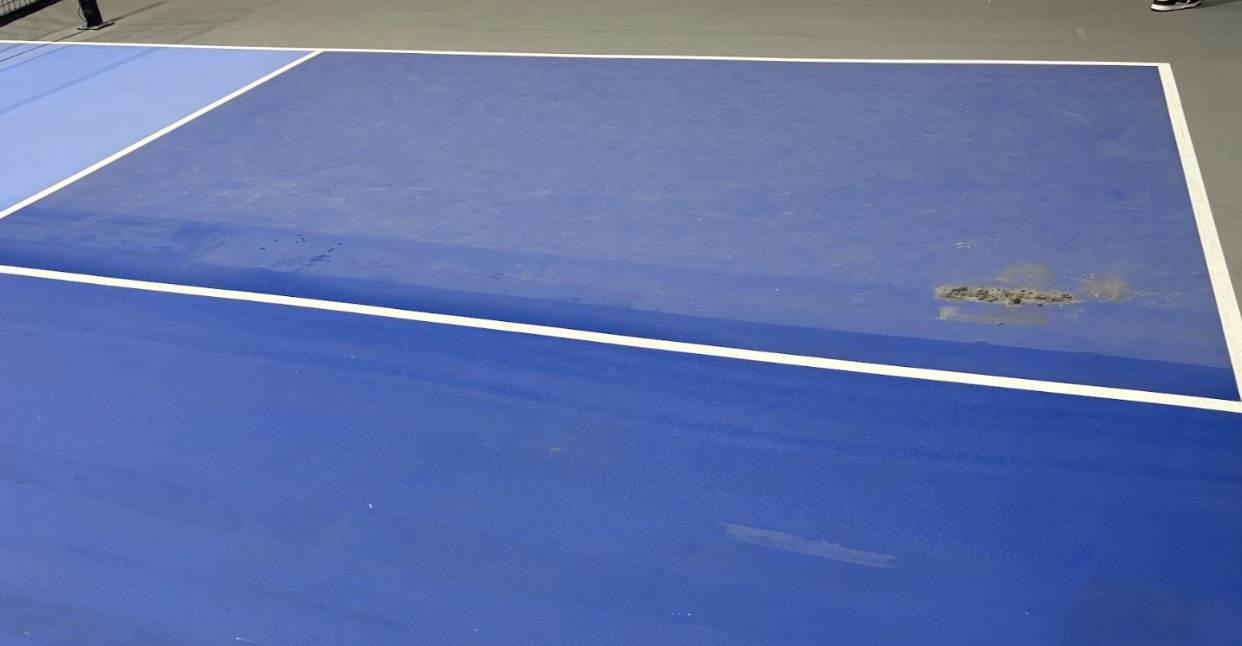
- Dust + residue turns into a thin film that feels “off” underfoot.
Surface care guidance repeatedly emphasizes removing debris early and cleaning spills promptly because clean surfaces don’t support growth and because grit accelerates wear. Translation: if you fix the entry, you fix the court.
This post is a practical “dirt trap” setup you can implement this week.
The gate zone is the highest-leverage cleaning zone in your facility
Most operators spend time cleaning the whole court, when the real problem is the first 10 feet inside the gate.
Why gate zones matter:
- They collect tracked-in grit first.
- They’re where players stop, pivot, and set down bags.
- They’re the first place a drink spill happens.
When debris sits—especially organic debris like leaves, sap, bird droppings—maintenance guidance recommends removing it quickly and cleaning spills with mild detergent and a soft brush, then rinsing thoroughly. If you let it linger, it can stain, get ground in, and (in damp shade) contribute to algae/mildew conditions.
The goal: keep gate zones so clean that grit doesn’t migrate.
The 90-second “Dirt Trap” playbook (between reservations)
This is the smallest routine that creates the biggest difference.
90-second playbook
- Gate sweep/blow (25 seconds)
Do a focused pass on the first 10 feet inside the gate and along the fence edge. Debris removal first prevents grit from becoming abrasion - Bag/bench perimeter pass (20 seconds)
Wherever people set things down becomes a dirt island. One quick perimeter pass removes the “crumb layer.” - Baseline + kitchen line pass (35 seconds)
Two quick lanes: one along baselines, one through the kitchen line area. - Spill rule (10 seconds)
If you see a spill: mild detergent + soft brush + rinse (don’t wait until later).
Make it stick: put the blower/soft broom at the gate with a hook and label it “RESET TOOL.” Convenience beats signage.
The physical entryway setup that reduces dirt by design
You don’t need an expensive renovation—just friction in the right places.
Entryway checklist (implement in this order)
1) Two-zone mat system (outside + inside)
- Outside mat: catches big debris before shoes reach the gate
- Inside mat: catches fine grit and moisture on entry
You’re trying to prevent grit from ever touching the court surface.
2) A “shoe pause” space
Place a bench or small shelf before people step onto the playing area. If players have to stop naturally, they’ll wipe shoes and set bags down off-court.
3) A bag parking zone
Mark a simple rectangle near the gate (tape or paint outside the fence line) so bags don’t migrate to baselines.
4) Debris control outside the fence
The best court cleaning is the debris you never bring in:
- Keep landscaping trimmed back from gates and corners.
= Watch the windward side—if leaves collect there, your reset routine should start there.
5) Shade awareness (especially for outdoor courts)
Algae/mold/mildew are most common in damp, low-traffic areas and shade can create a cool, damp environment that promotes growth. If your gate corner is shaded and damp, it deserves extra attention.
Section 4: Common mistakes (and the fast fixes)
Mistake 1: Cleaning the center first
- Fix: Clean the gate zone first. If entry grit keeps flowing, you’re mopping while the faucet runs.
Mistake 2: “We’ll deep clean on Mondays”
- Fix: Replace deep-clean thinking with micro-resets. Consistency is what prevents film buildup.
Mistake 3: Letting spills “dry out”
- Fix: Clean promptly with mild detergent and a soft brush, rinse well.
Mistake 4: Ignoring shaded, damp corners
- Fix: Prevention is easiest—clean promptly and repeatedly if needed; reduce growth conditions where possible.
Quick Answers (For Busy Owners)
Q: What’s the #1 place to focus cleaning effort?
A: The first 10 feet inside the gate—stop grit before it spreads.
Q: What’s the fastest routine between reservations?
A: Gate zone → bag/bench edge → baseline + kitchen lanes → spill rule.
Q: What cleaner is safest for routine spills?
A: Mild detergent + soft brush + thorough rinse (ASBA, 2010).
Q: Why do certain courts get dirty faster?
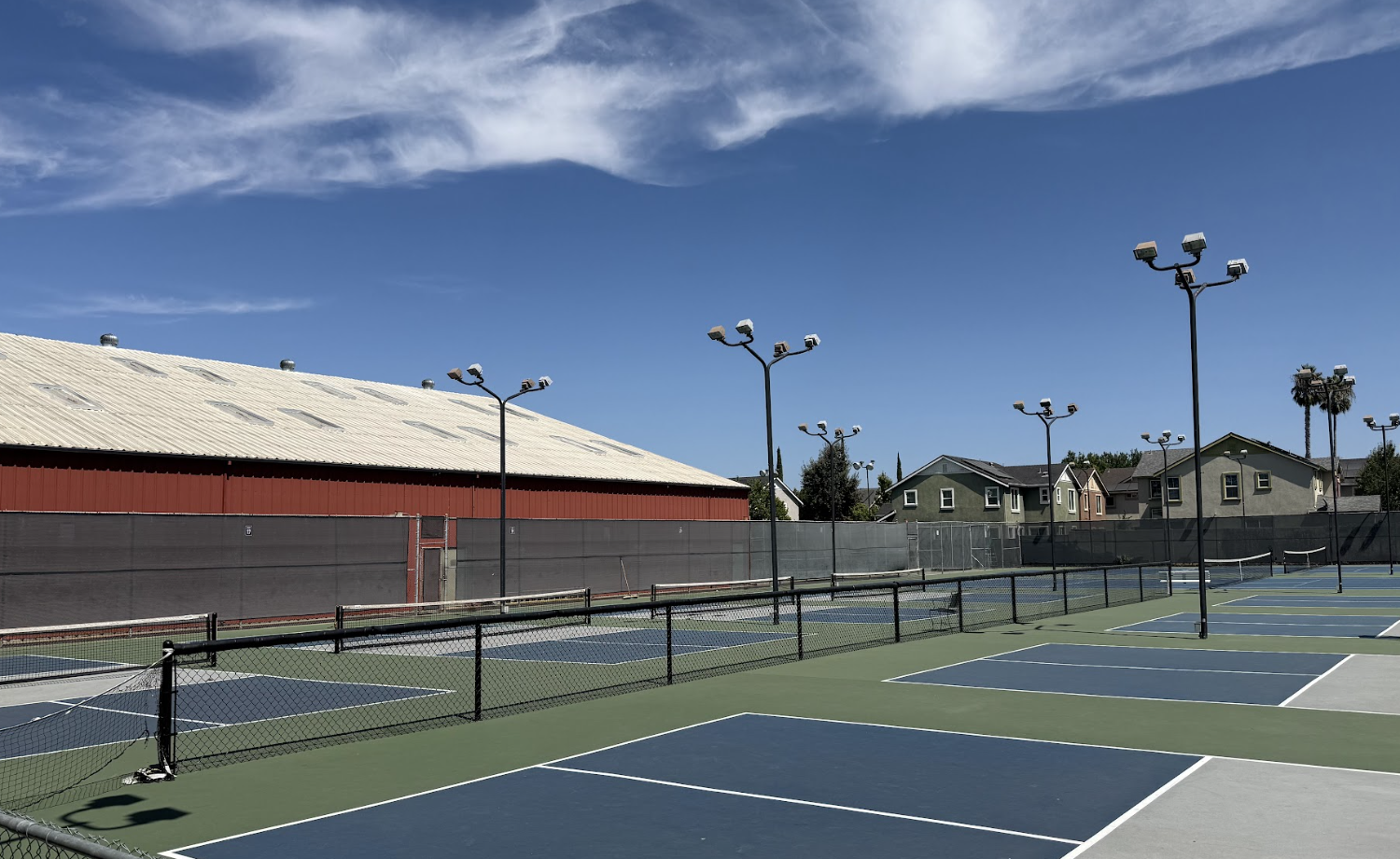
A: Traffic flow + wind direction + gate placement create predictable debris patterns.
Q: How do we reduce slippery “film” on courts?
A: Remove debris early and keep gate zones from feeding grit into play areas (California Sports Surfaces, 2022).
Q: Do trees near courts matter?
A: Yes—shade can promote damp conditions that support algae/mildew growth (ASBA, 2010).
Q: What’s the easiest facility upgrade with big impact?
A: A two-zone mat setup (outside + inside) plus a defined bag/bench parking zone.
Conclusion + CTA (Autopilot Integration)
Entryways decide court cleanliness more than most operators realize. If you build a simple dirt-trap setup and pair it with a 90-second reset routine, you’ll reduce complaints, protect traction, and keep courts looking premium without adding labor.
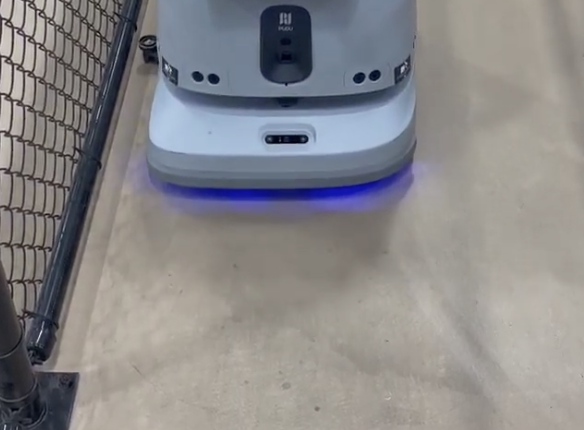
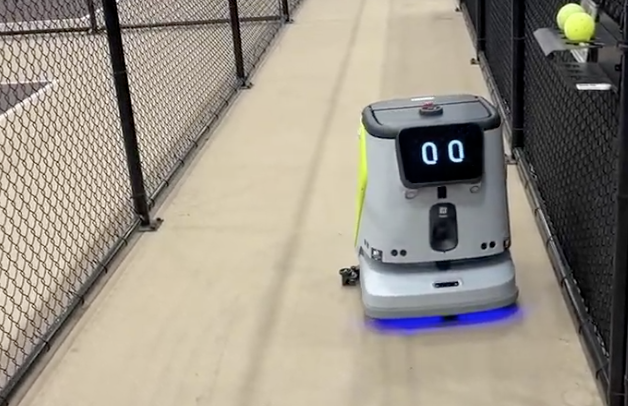
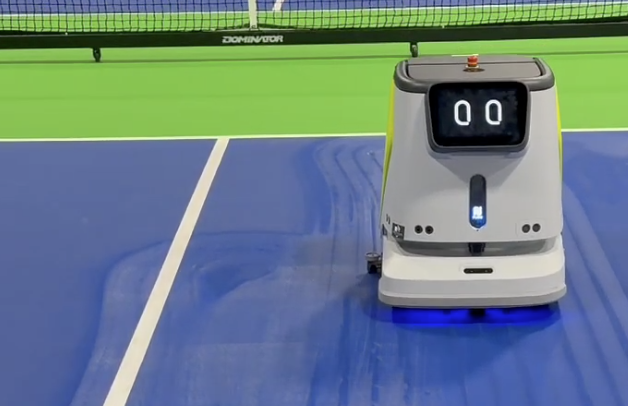
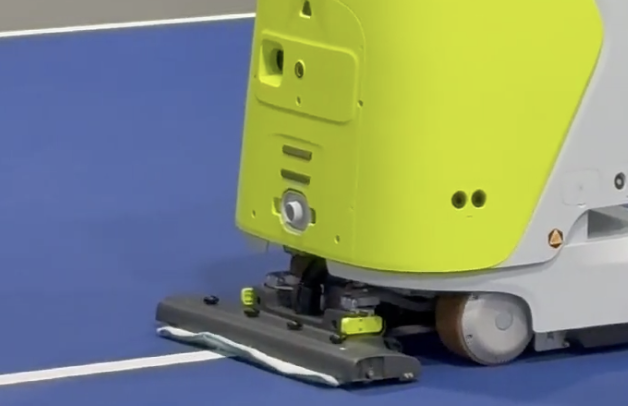
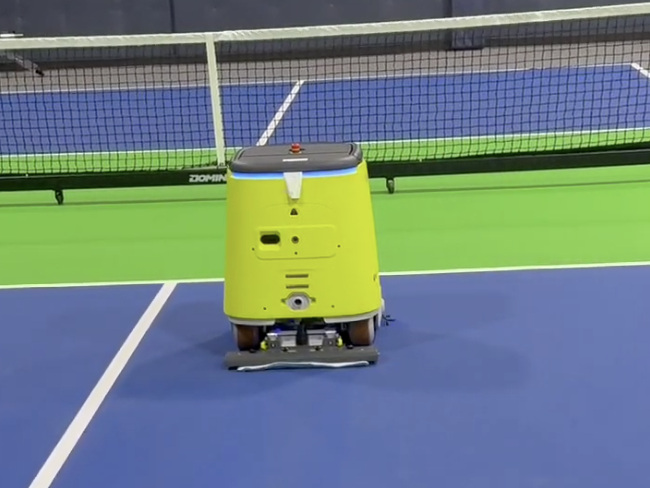
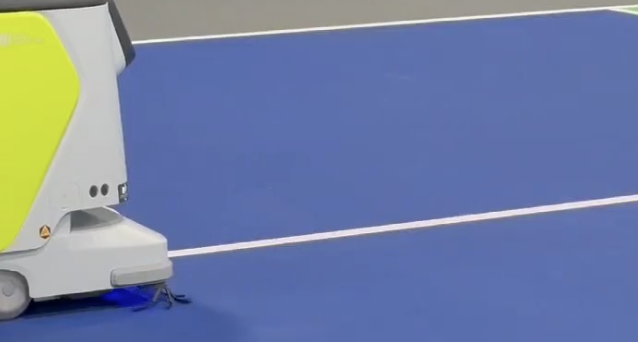
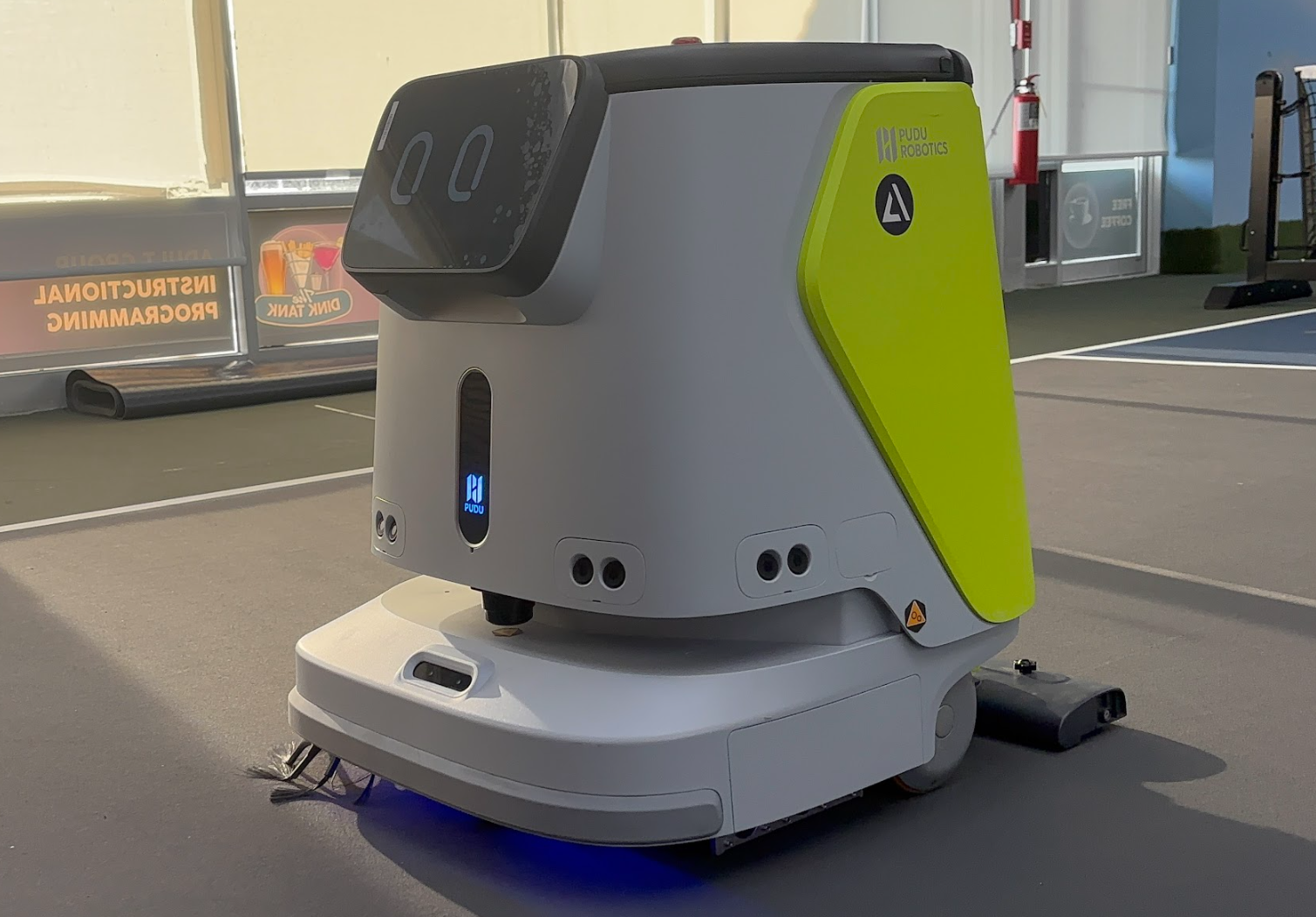
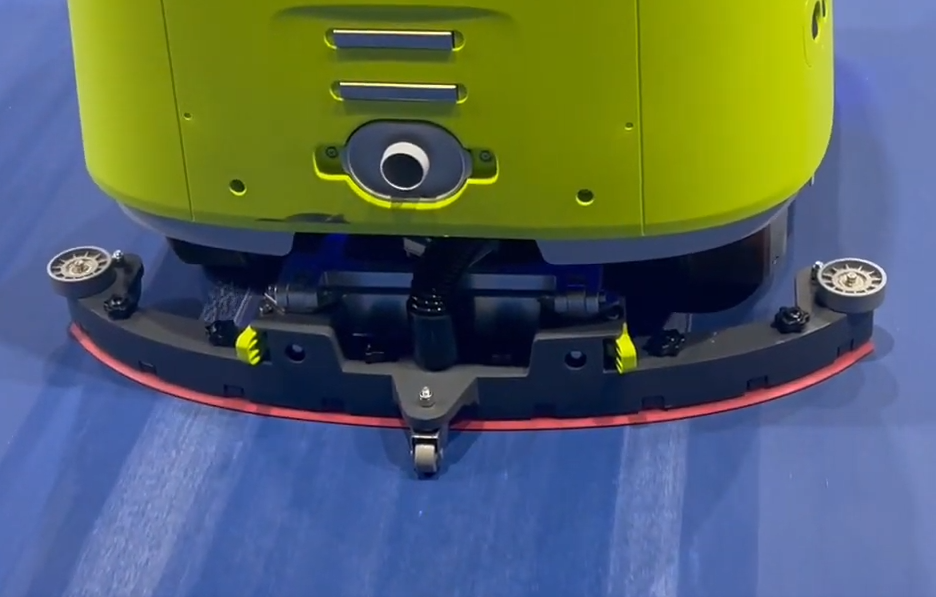
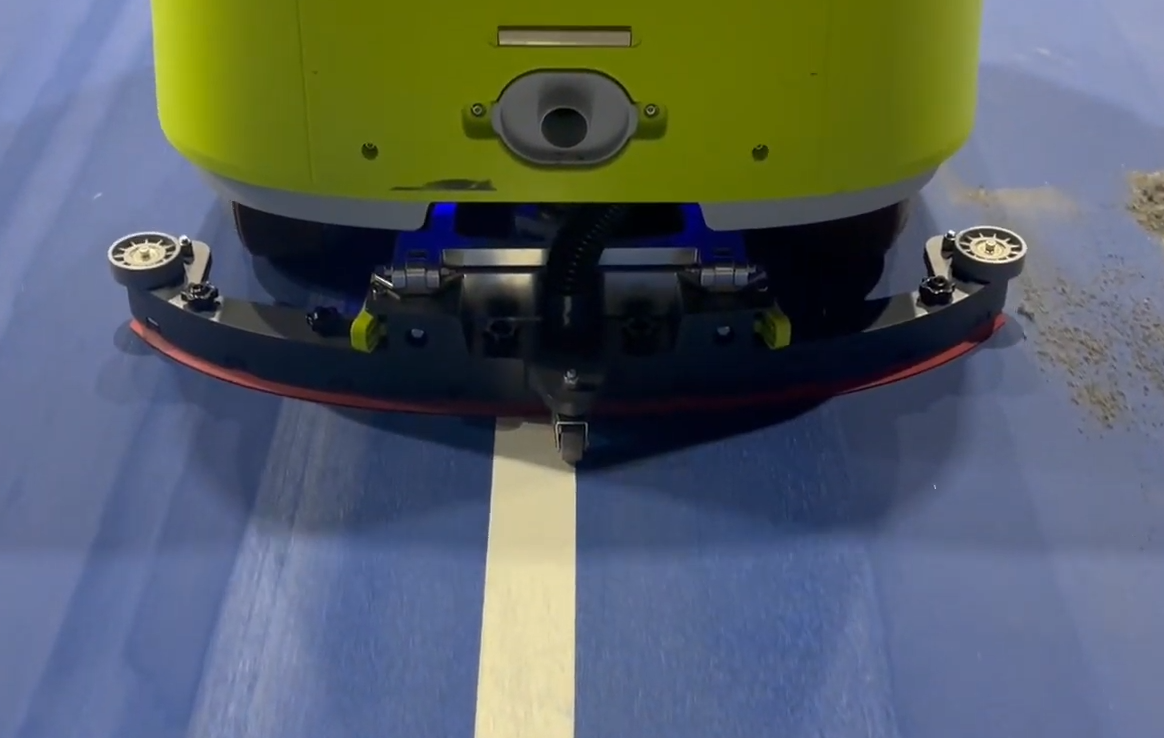
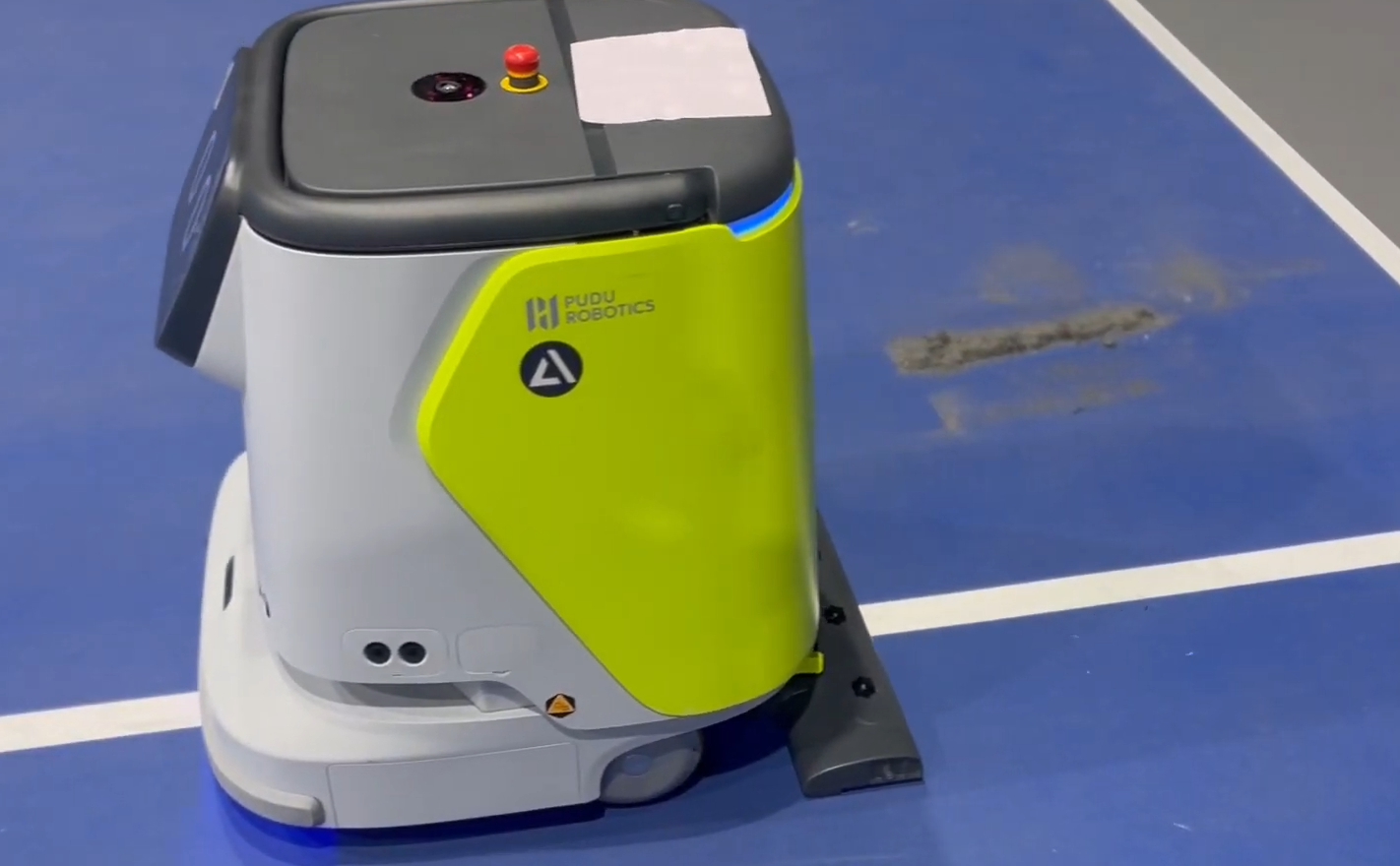
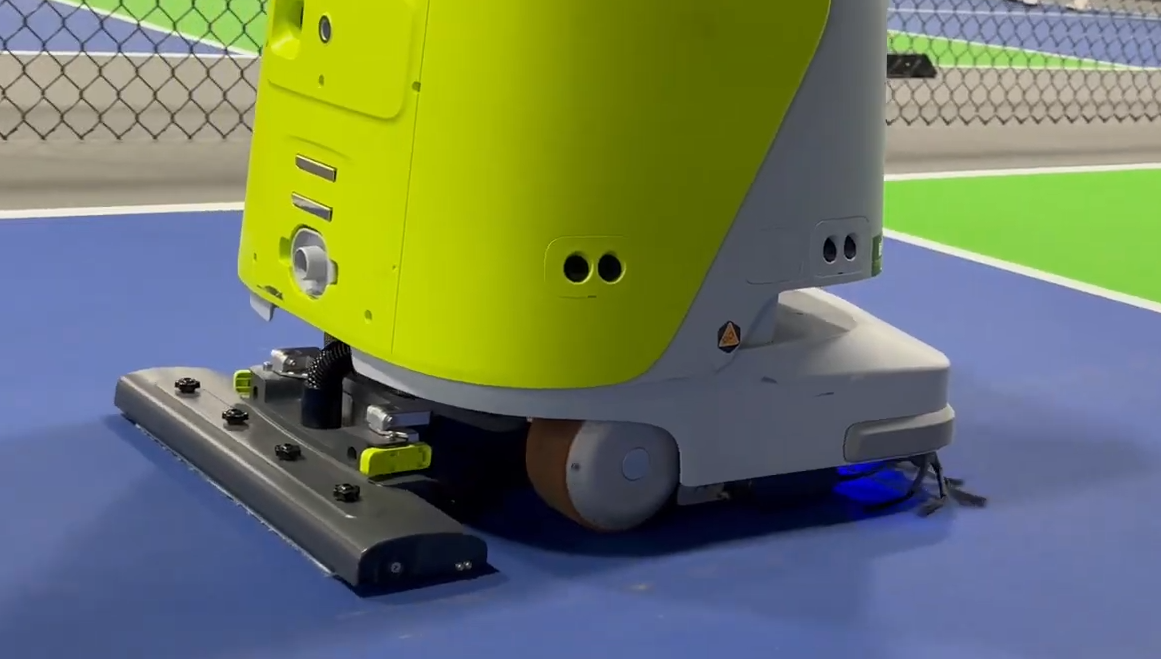
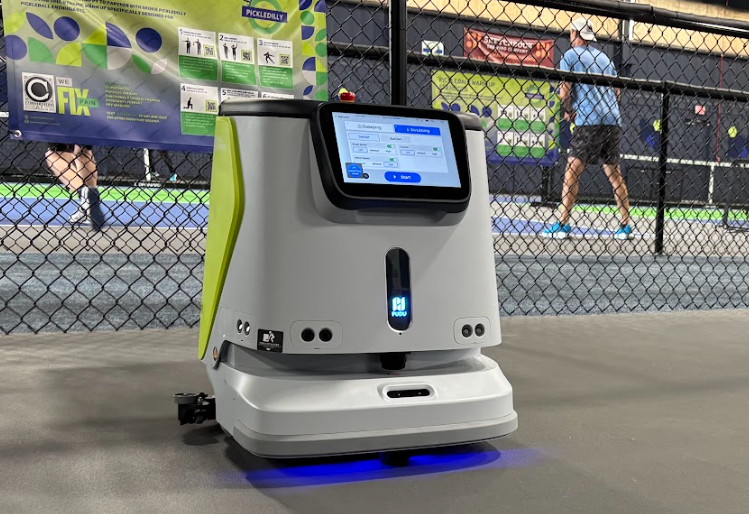
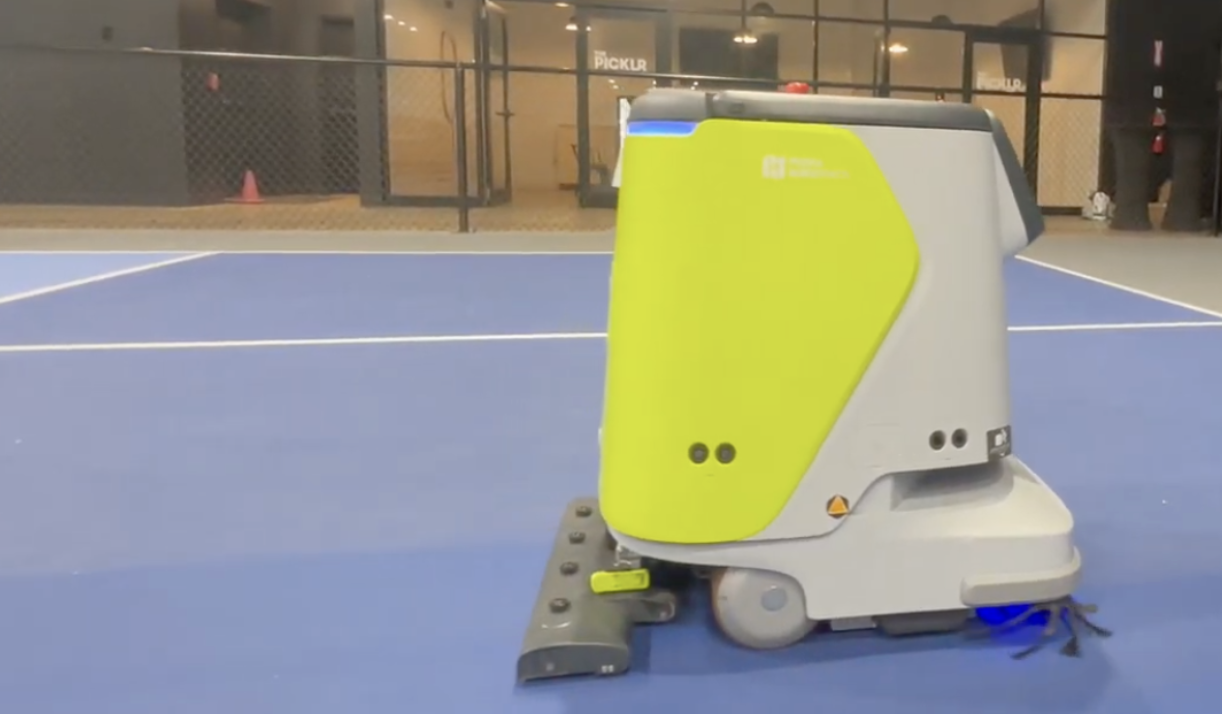
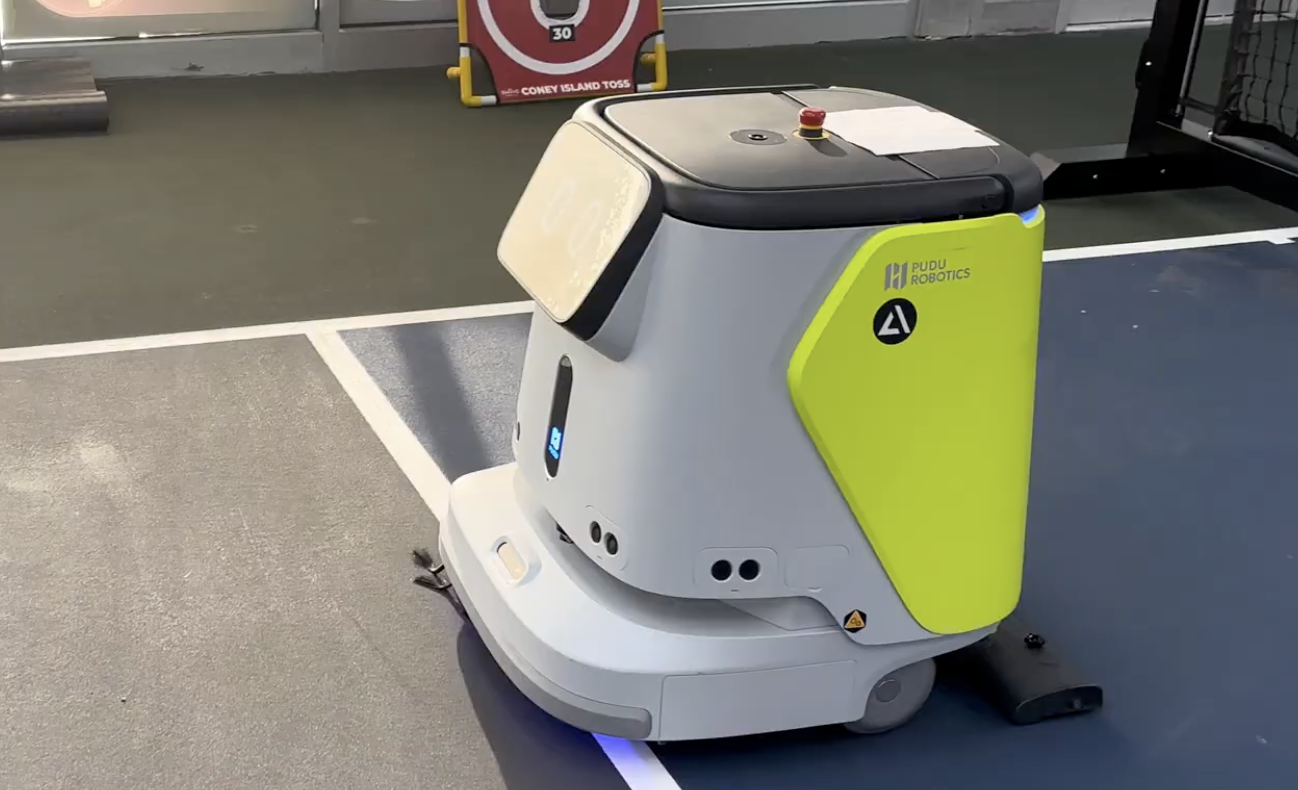
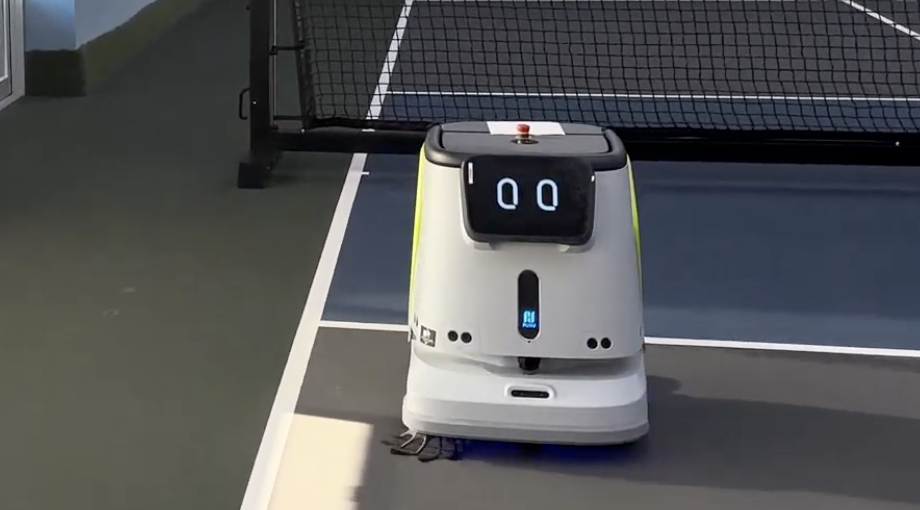
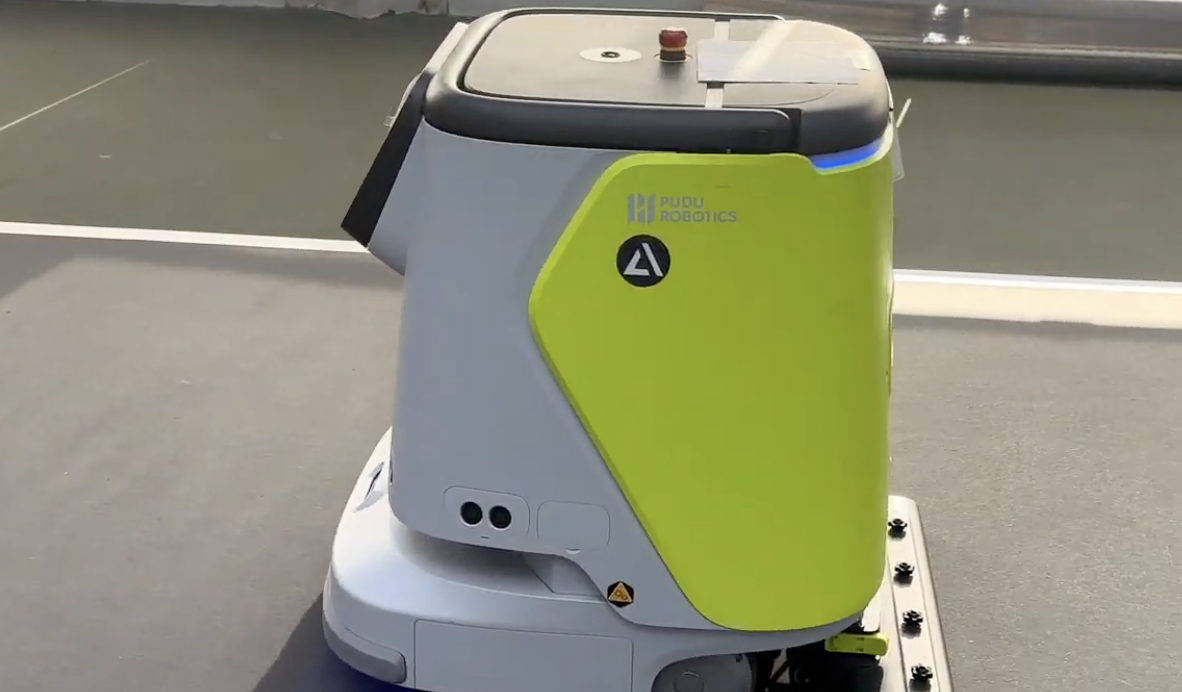
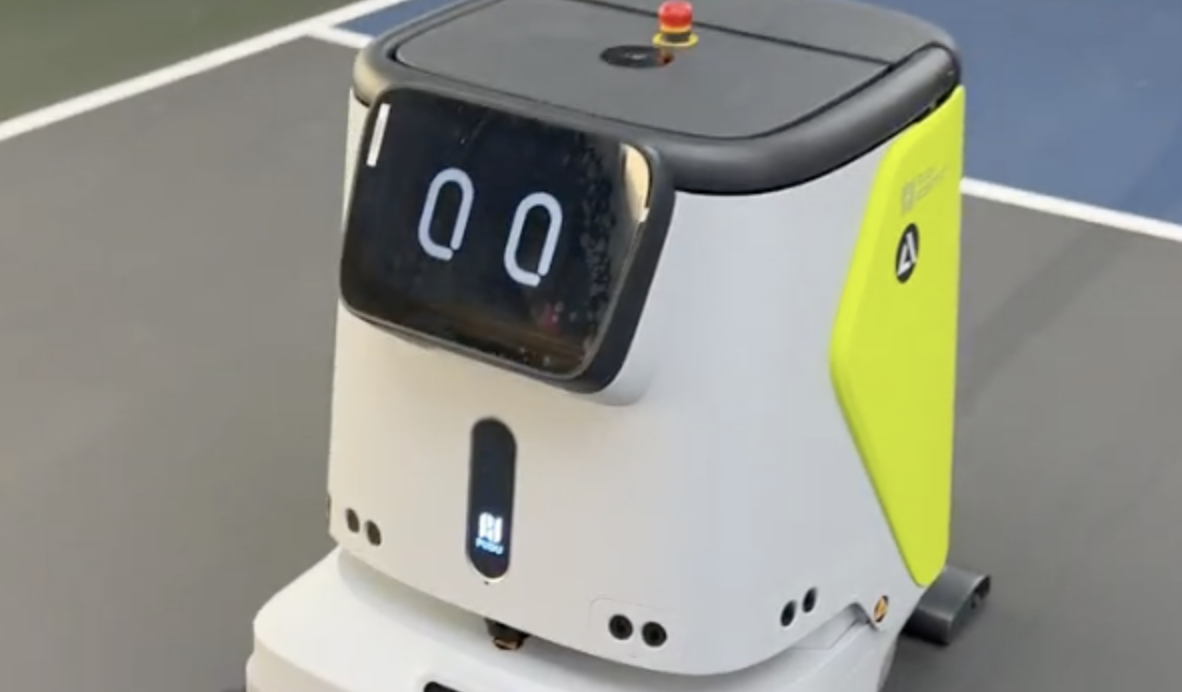
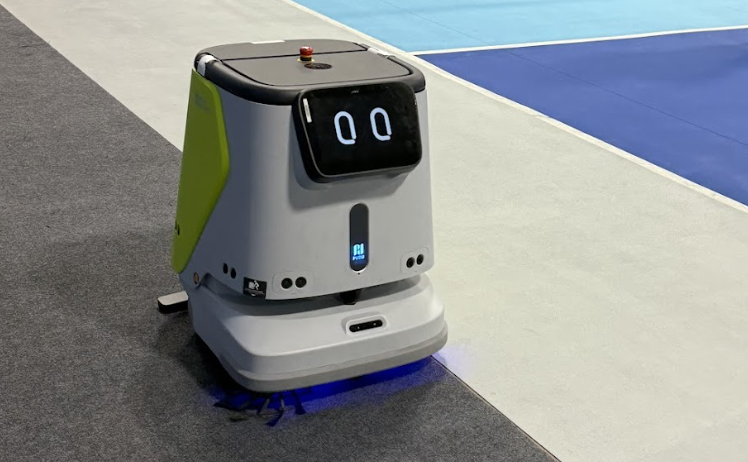
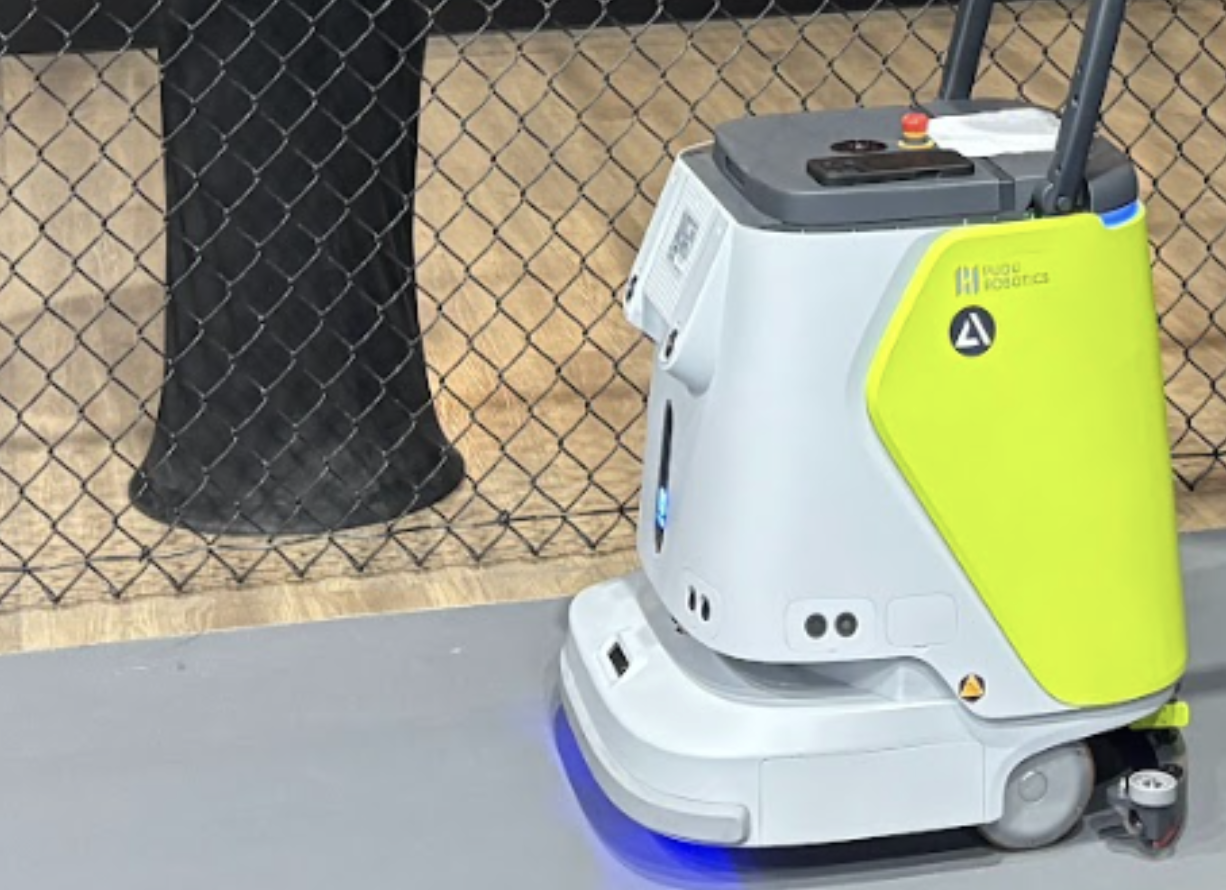
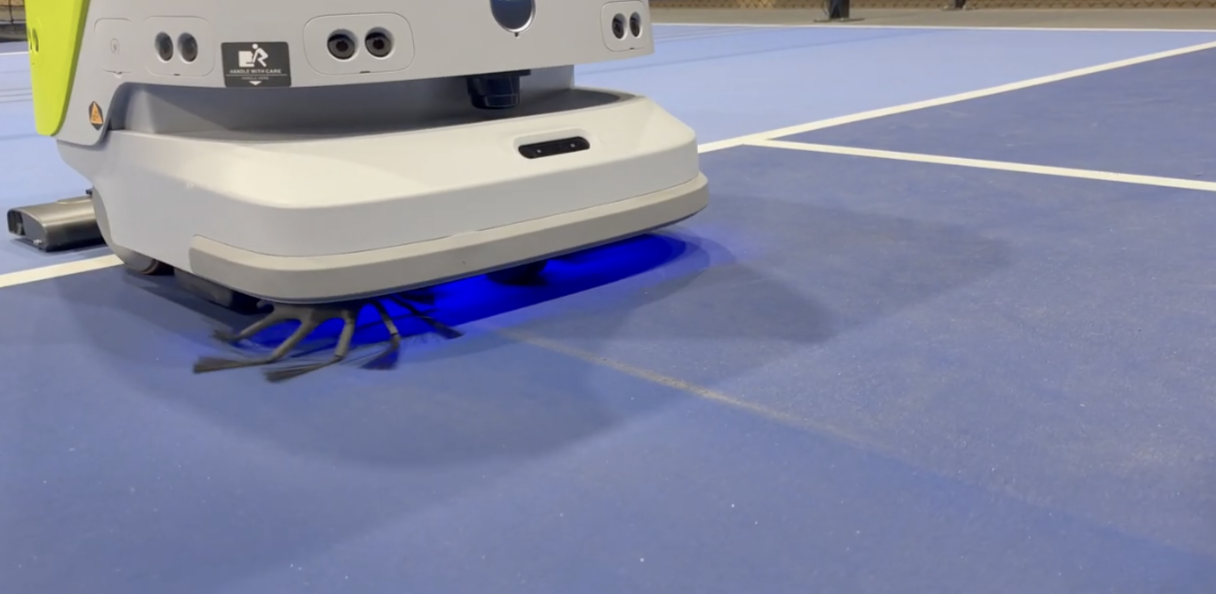
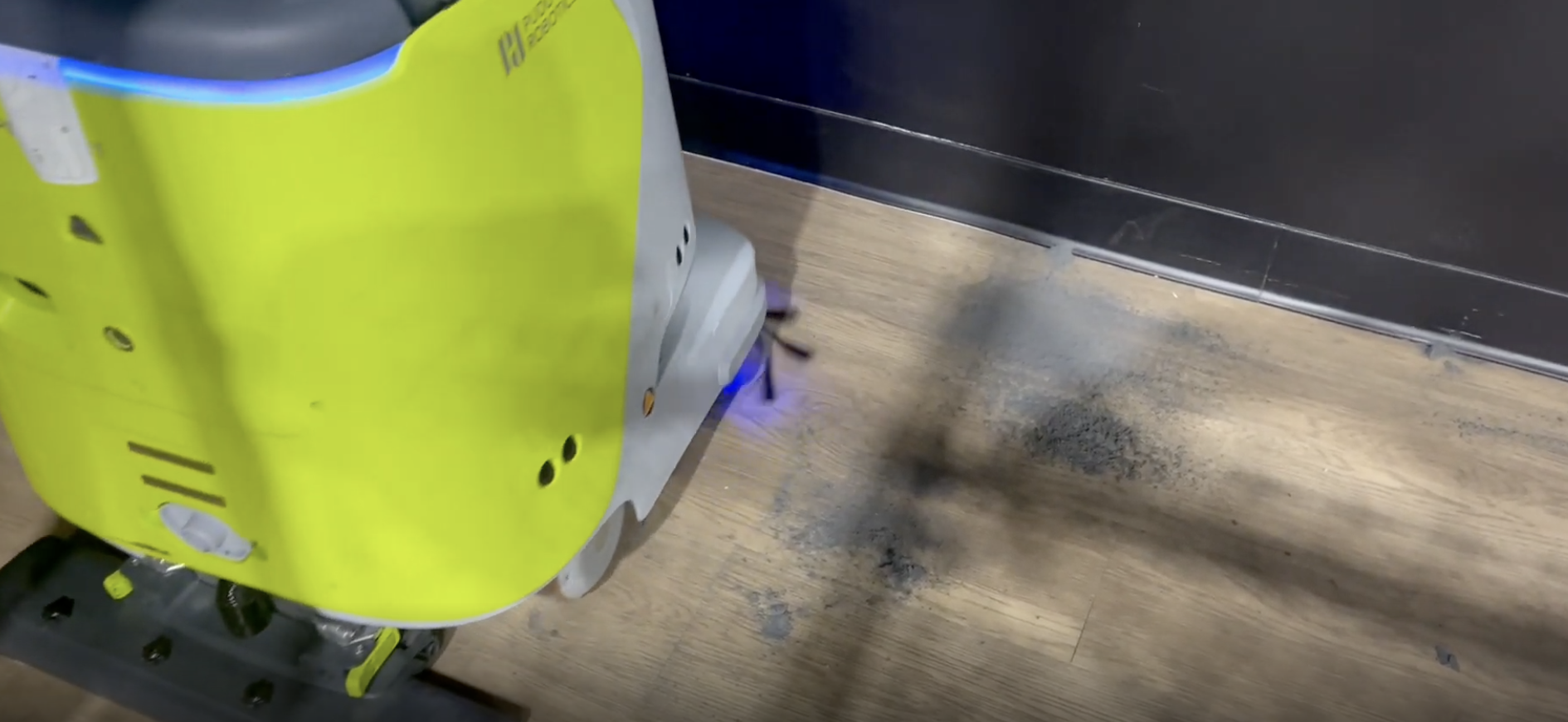
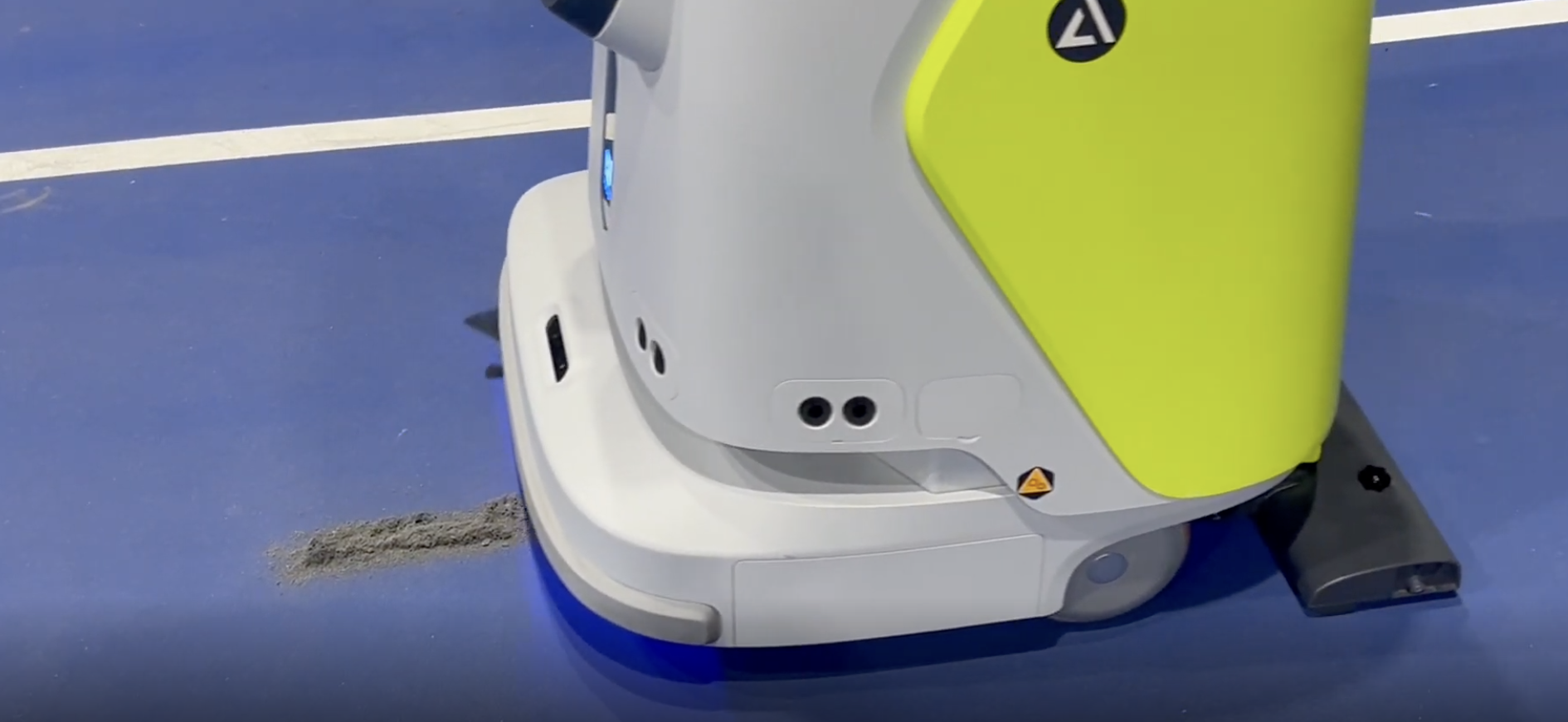
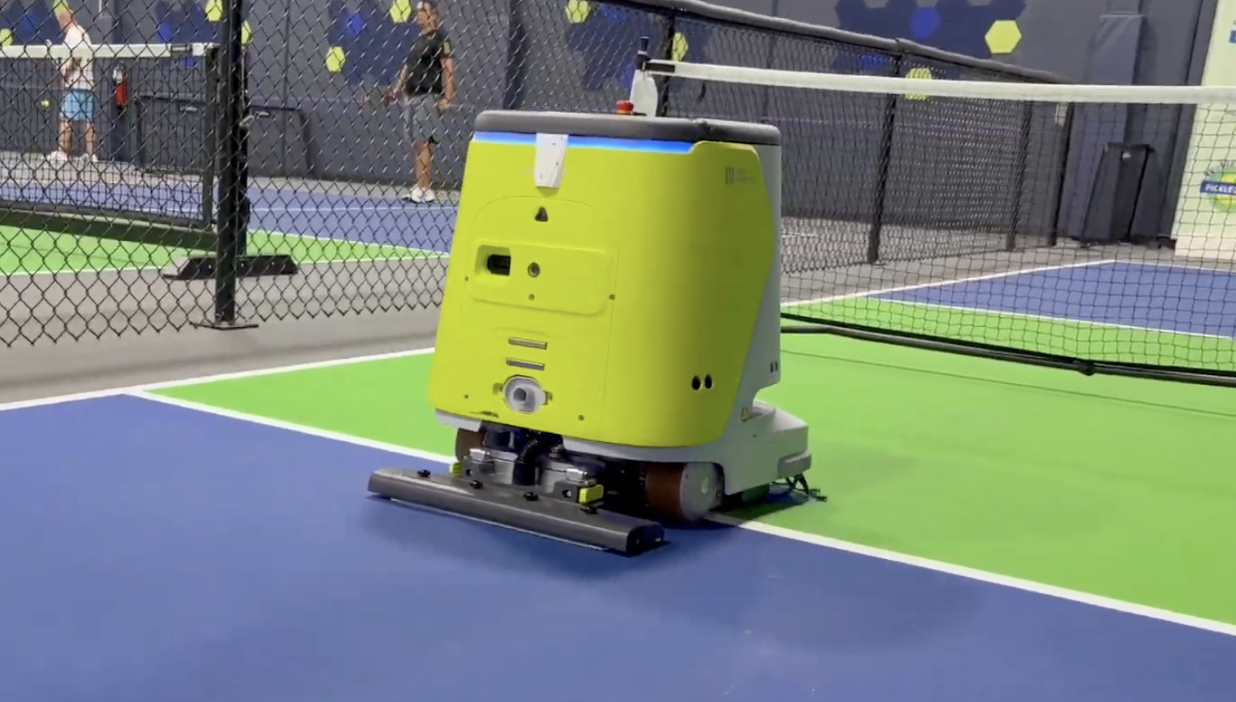
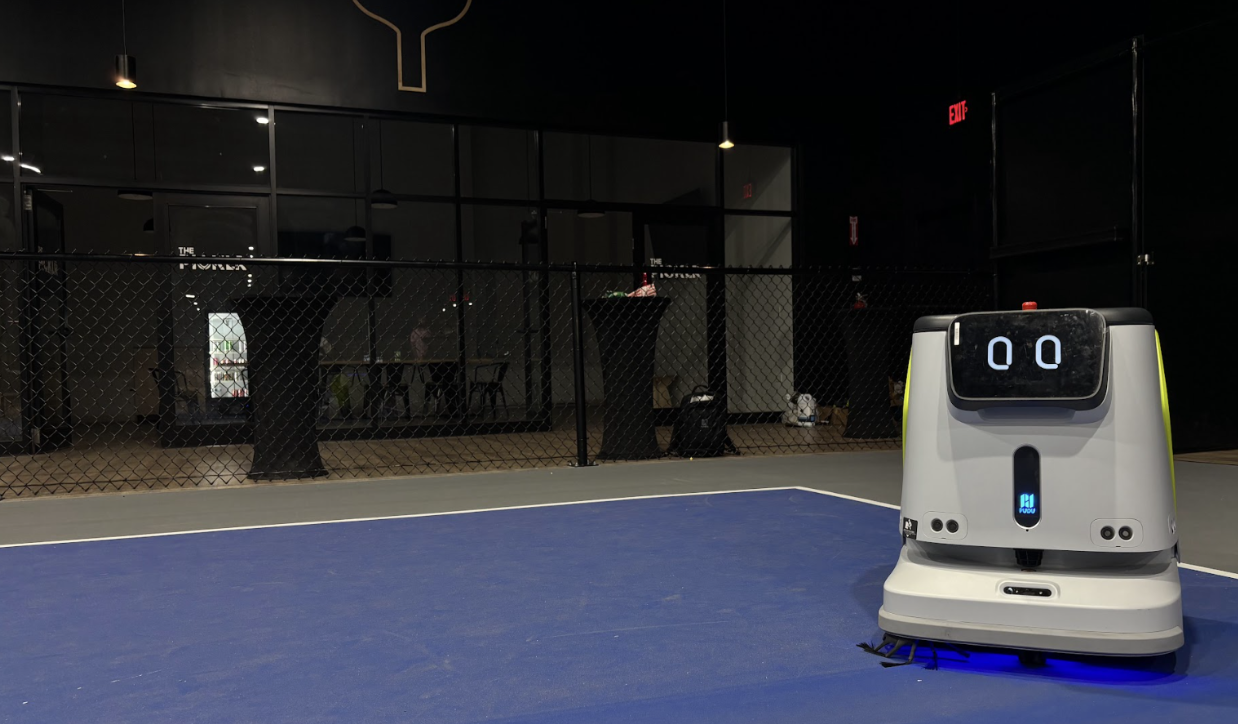
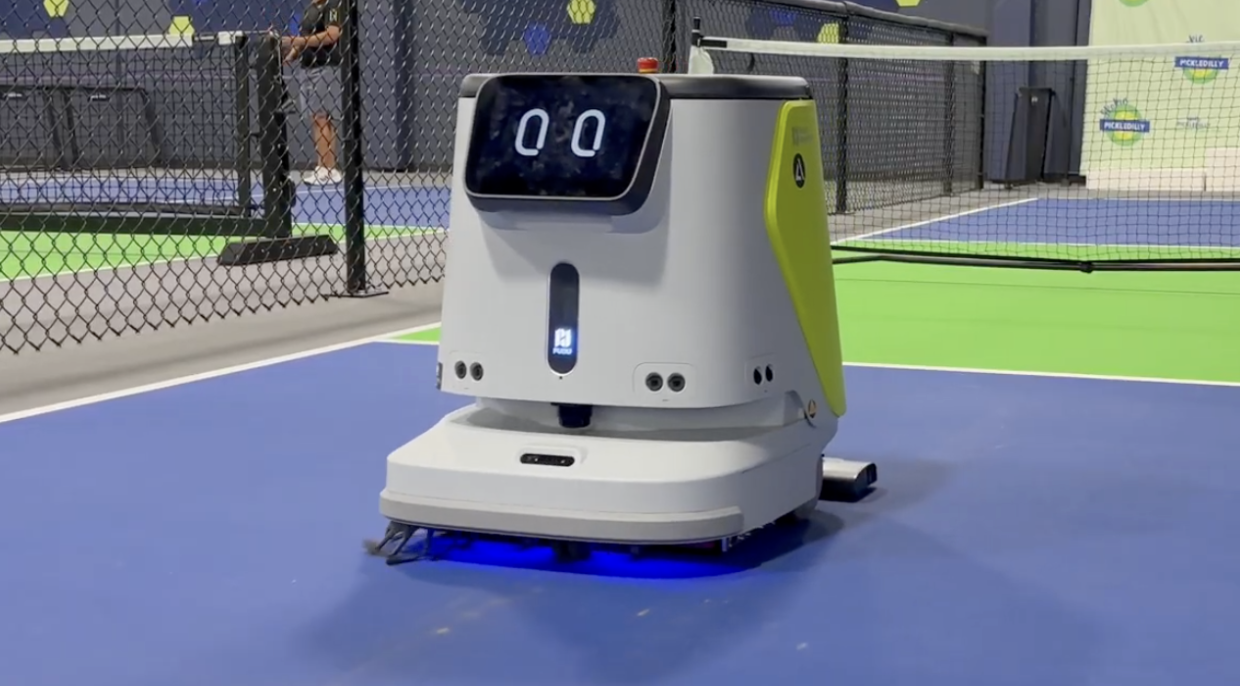
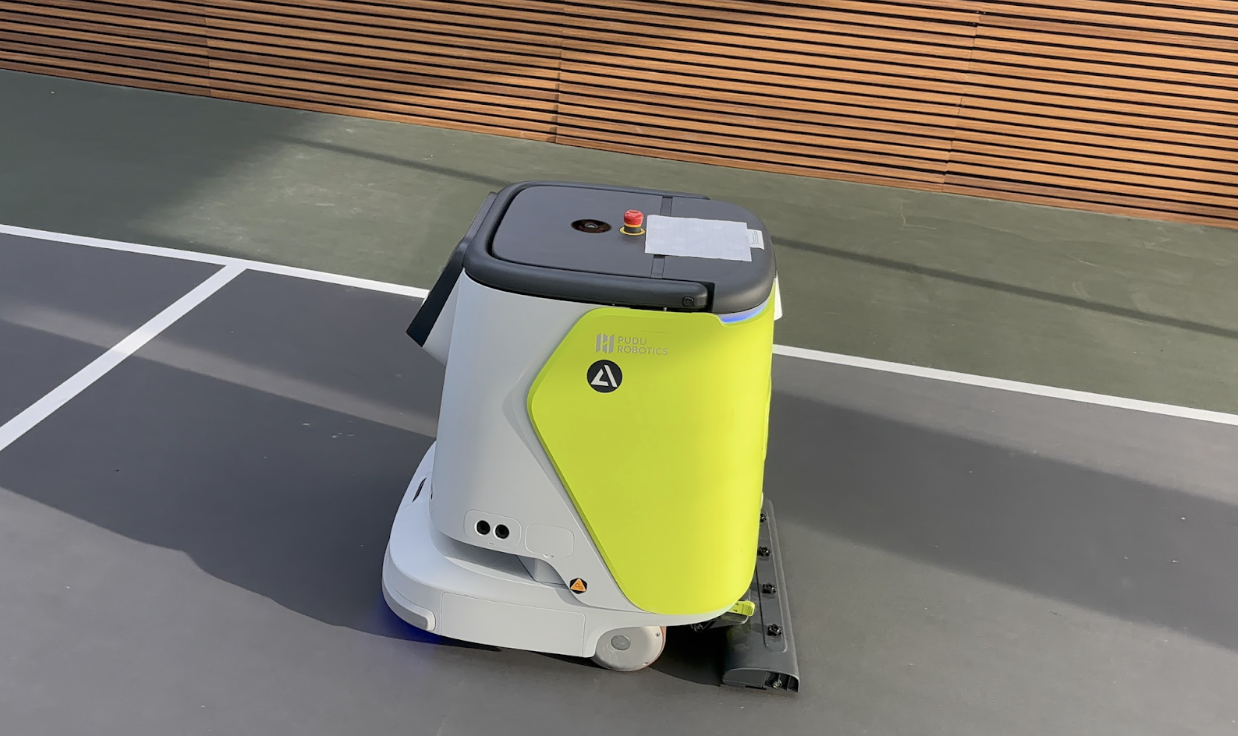
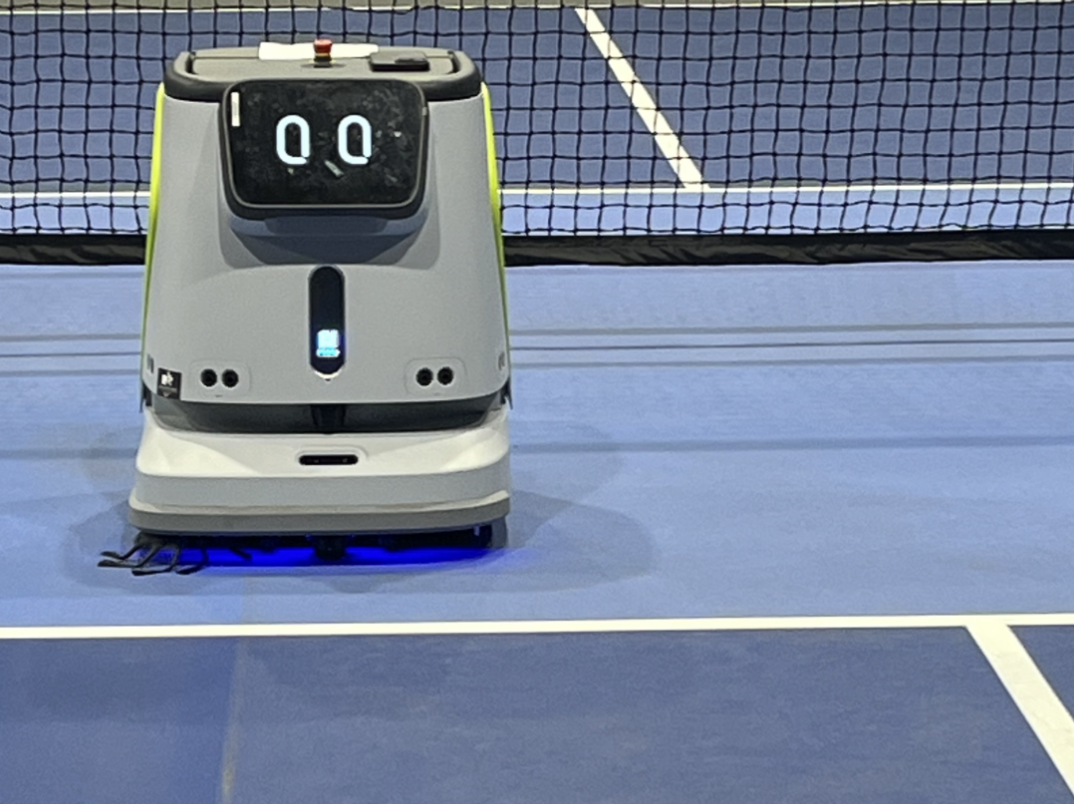
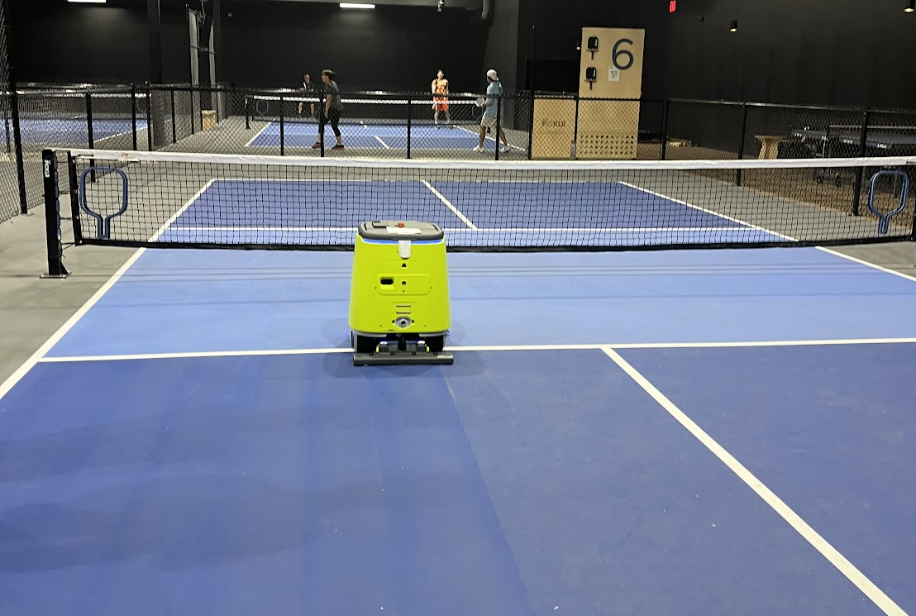
And when staffing is tight, Autopilot’s CC1 Pro (“CeCe”) fits into a modern operations toolkit by handling consistent, repeatable cleaning passes—especially during peak hours—so your team can focus on the quick gate checks, spot spills, and member experience.
Want a printable “Entryway Dirt Trap” checklist (mat layout + reset SOP) and an example of where CeCe fits into the daily flow?