Winter Safety on Pickleball Courts — Reducing Slip Risk Without Killing Court Uptime

Winter Safety on Pickleball Courts — Reducing Slip Risk Without Killing Court Uptime
When most people hear “dirty court,” they imagine leaves, visible trash, or big debris you can spot from the gate. Winter is different.
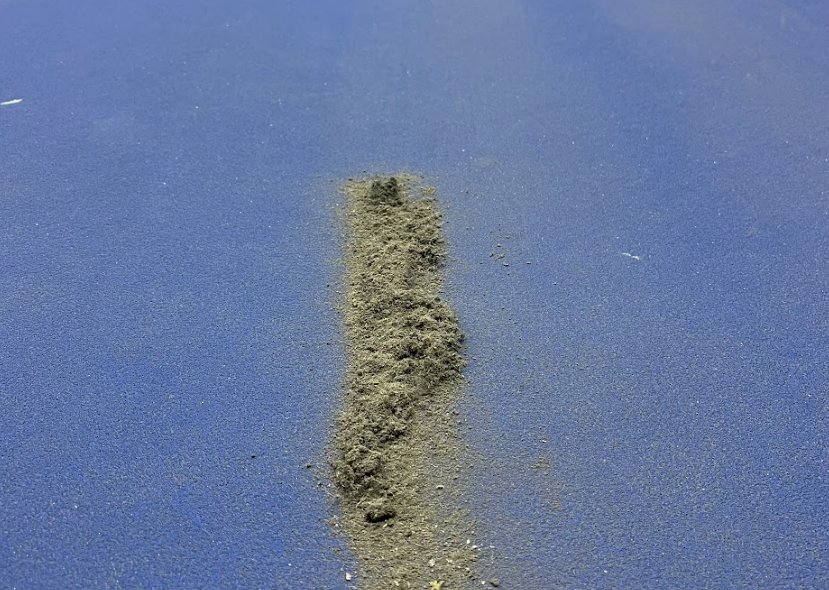
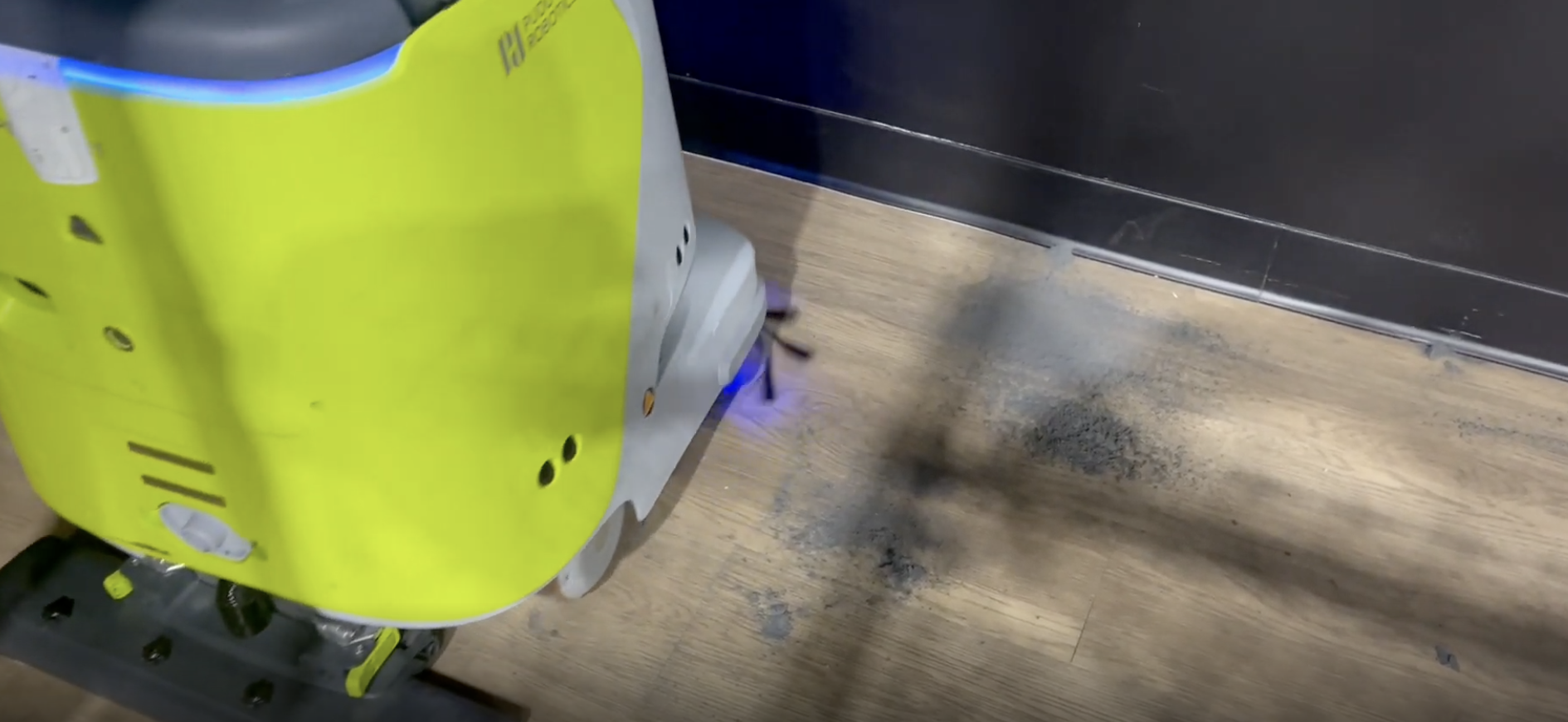
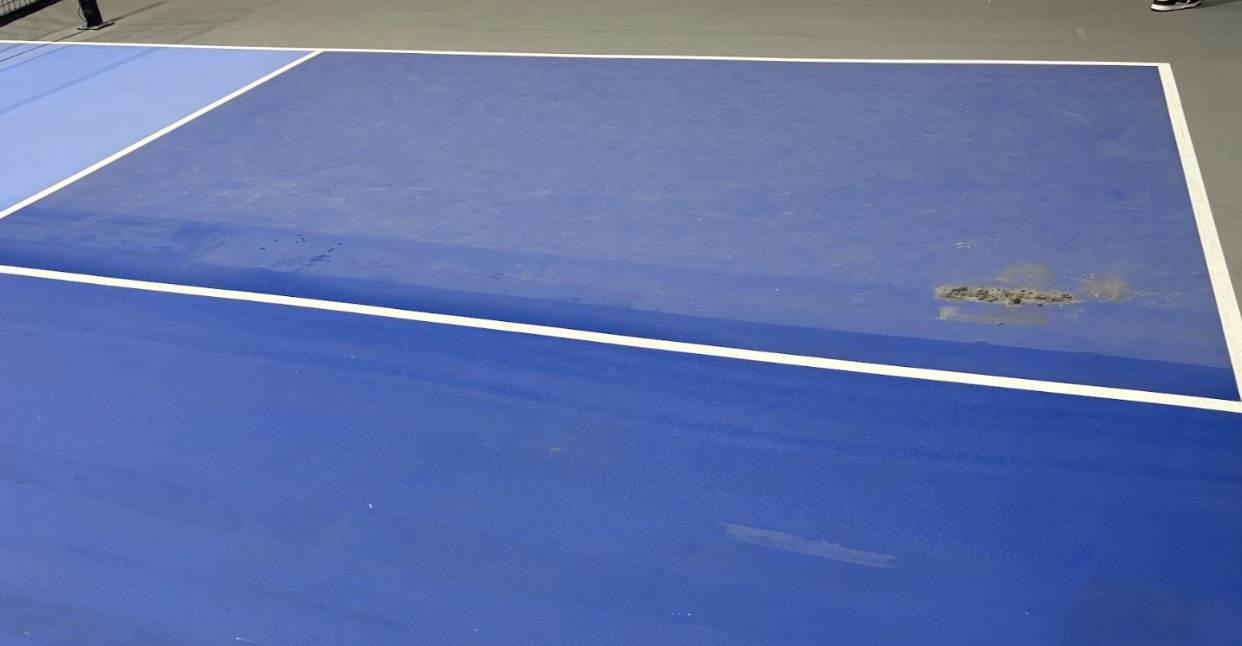
Winter court problems are usually caused by the stuff you barely see:
- fine grit tracked in from parking lots and sidewalks
- dust and micro-debris pushed by wind
- salt/sand residue from winter walkways
- moisture that turns tiny particles into slick patches
That’s why a court can look “mostly fine” and still feel unsafe or inconsistent.
What actually accumulates in winter (and why it matters)
1) Tracked-in grit (the #1 culprit)
In winter, players carry in material from:
- parking lots (sand, salt, gravel dust)
- sidewalks and entry mats
- damp shoes where particles stick more easily
Why it matters: grit changes traction first, aesthetics second. It also tends to collect in predictable places (more on that below).
2) Wind-driven micro-debris
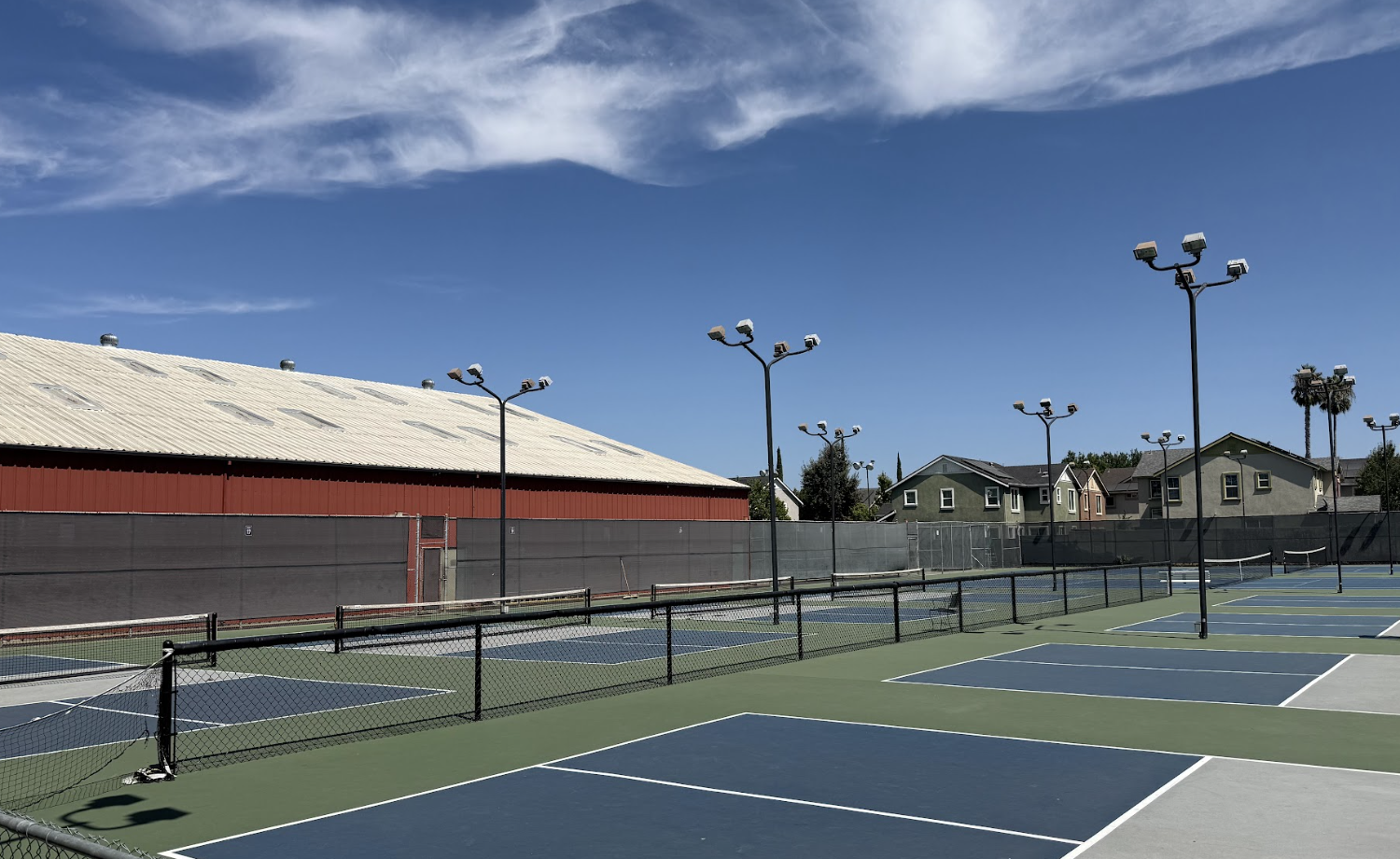
Outdoor courts get constant “background” dust and light debris — and winter winds can make it worse.
Why it matters: this debris redistributes unevenly, so one side of a court can feel noticeably different than another.
3) Moisture-assisted slick zones
Moisture doesn’t have to be obvious to be dangerous. Light dew, melt-off from shoes, or shaded dampness can make fine particles behave like a lubricant.
Why it matters: your highest slip-risk zones often look normal until someone makes a quick lateral stop.
Where winter debris hides (your “hotspot map”)
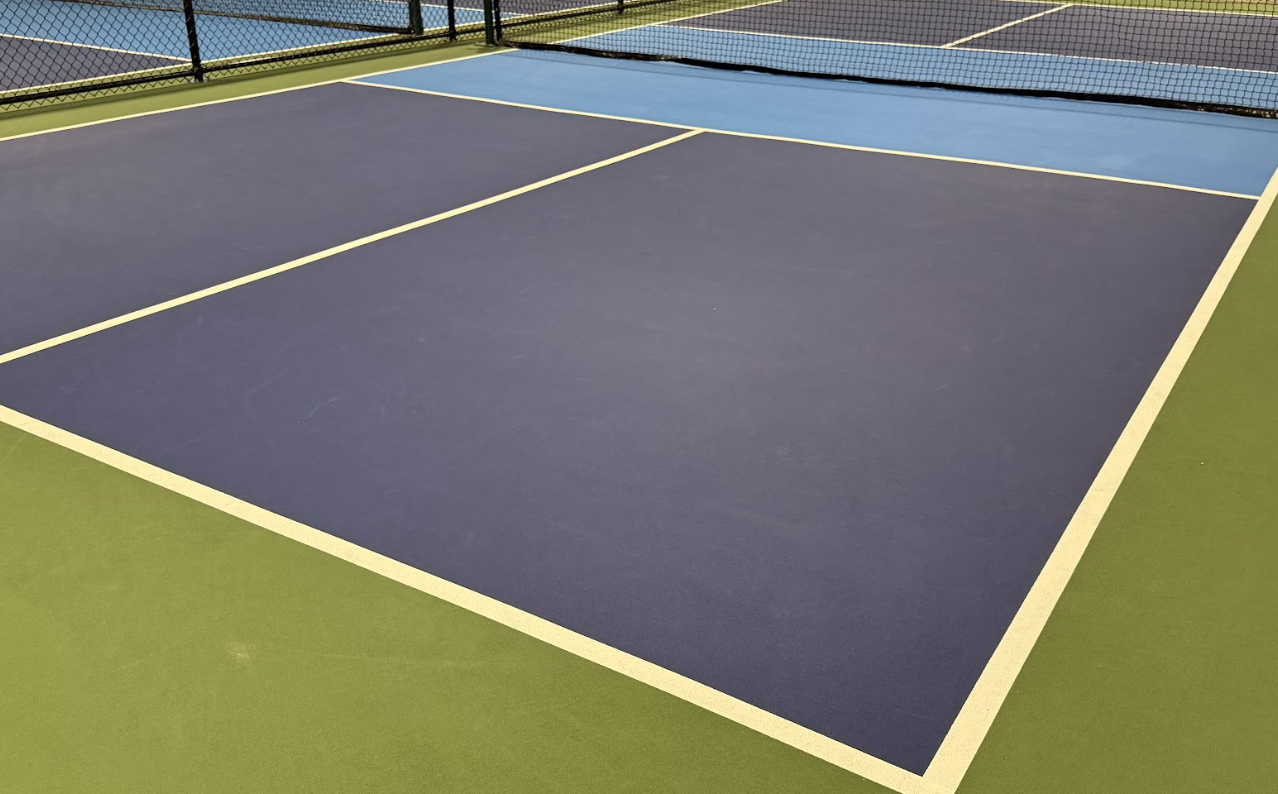
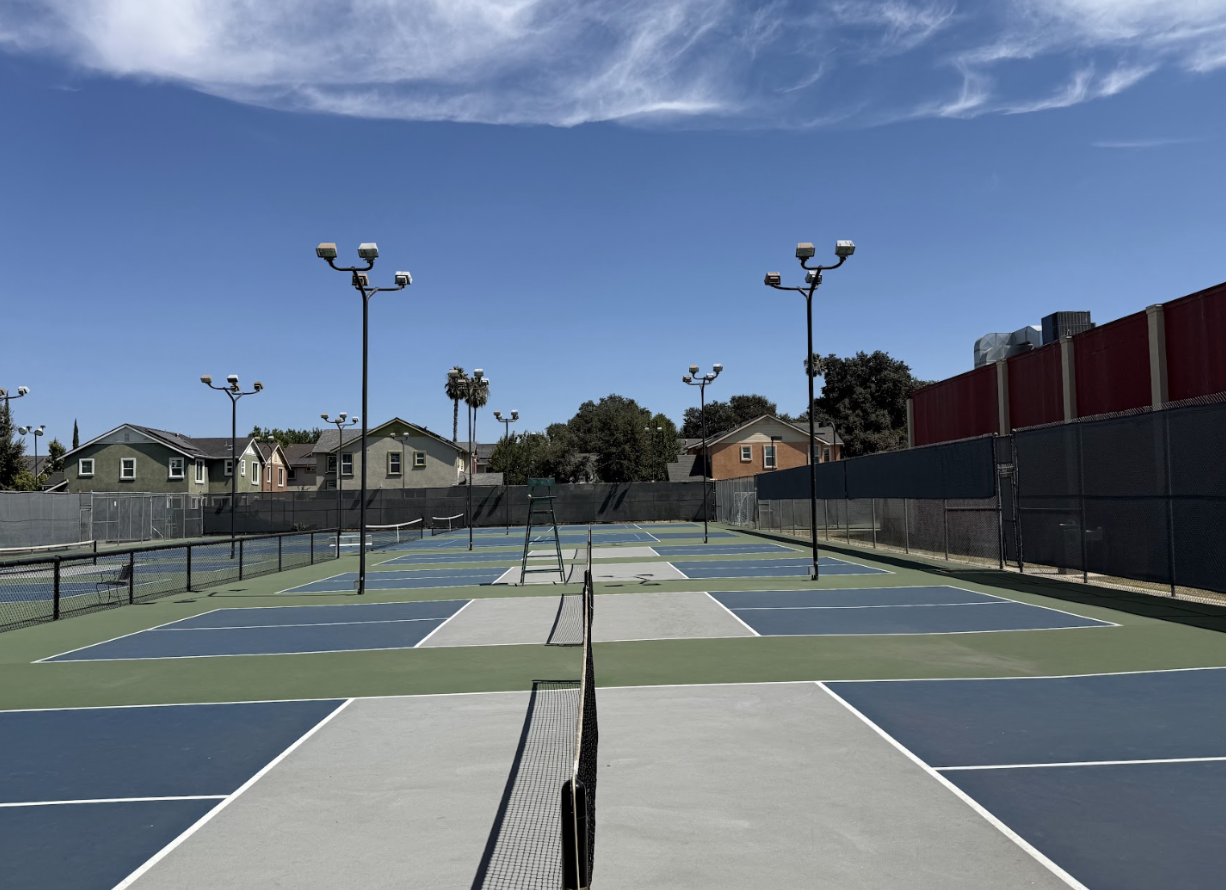
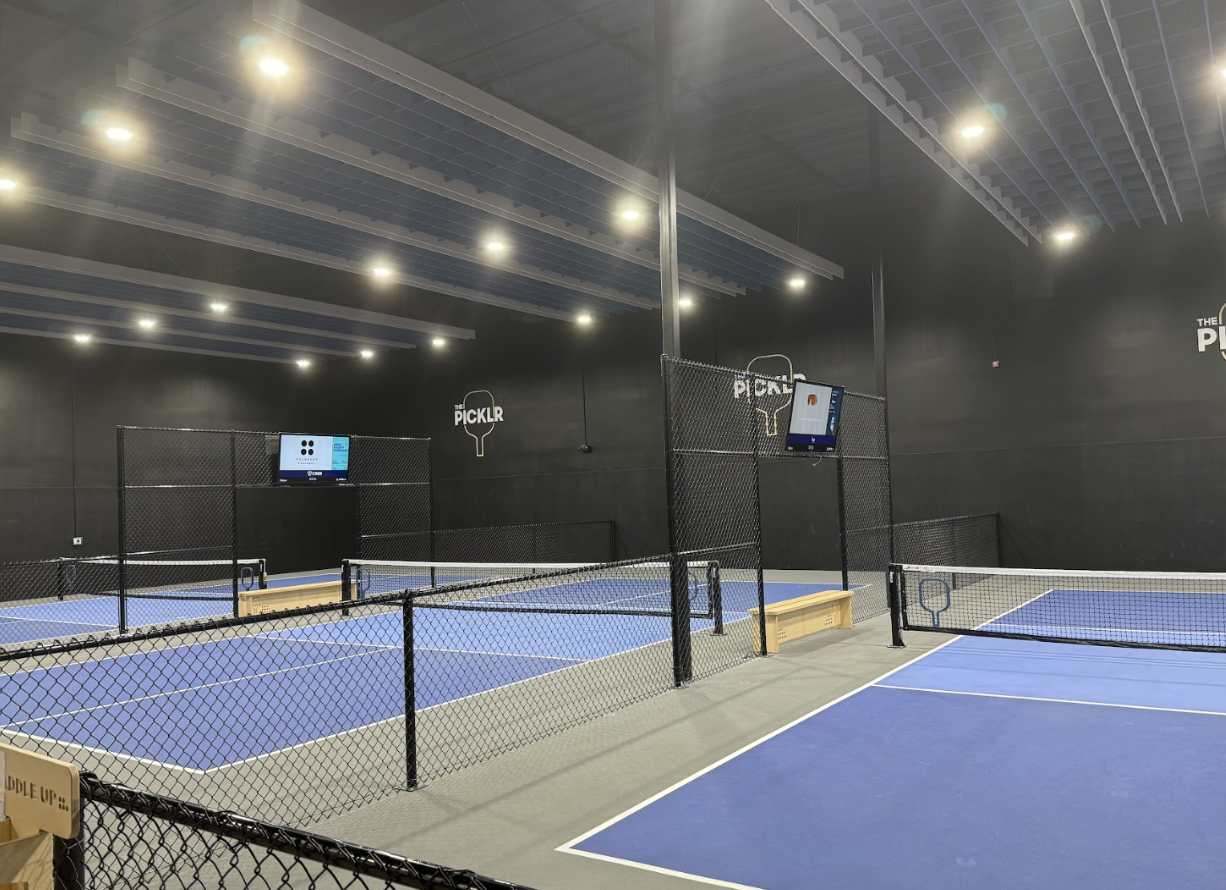
Most courts don’t get dirty evenly. If you only have time for targeted cleaning, prioritize these:
- Gates and entrances: the main transfer point for grit and moisture
- Bench and bag zones: players stomp, shuffle, and set gear down
- Corners: wind and fencing create natural collection zones
- Baseline-to-kitchen lanes: highest movement, lots of quick footwork
- Sidelines: pivot and stop zones
Operator tip: take 3 minutes, walk a court edge-to-edge, and you’ll almost always find the same hotspots recurring. That’s not a failure — it’s a pattern you can design around.
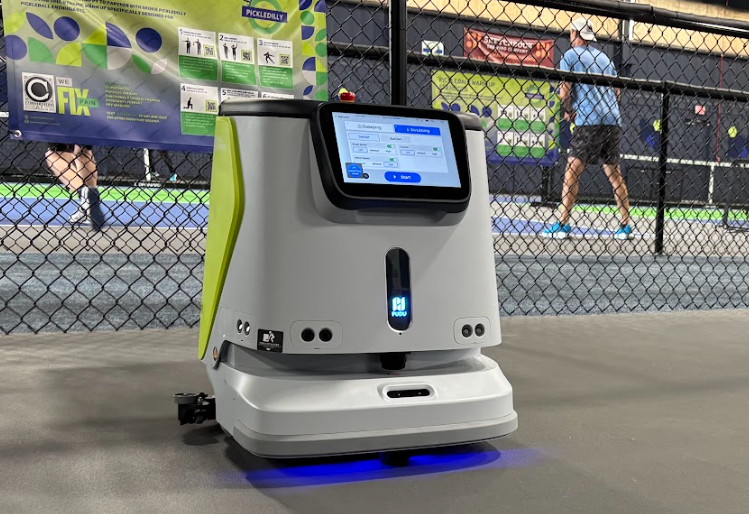
Where robots fit (without changing your entire operation)
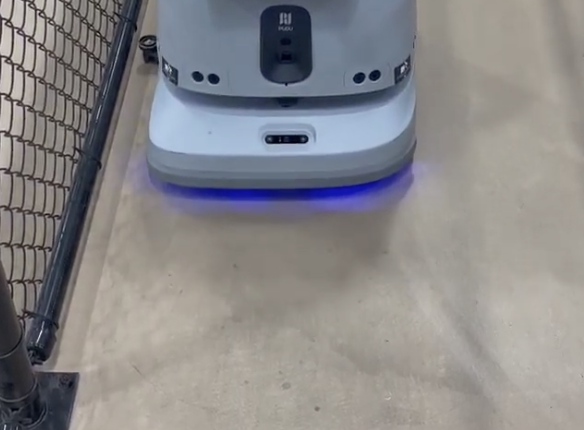
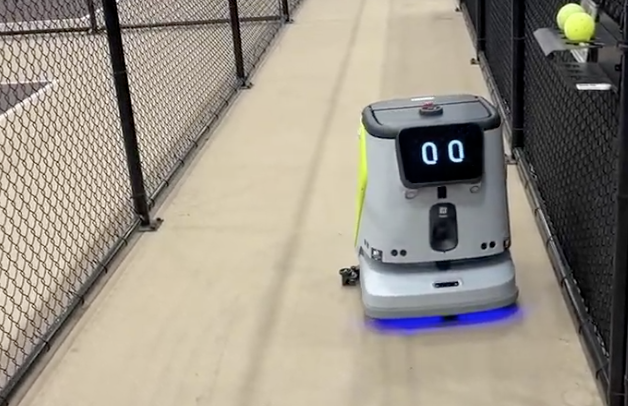
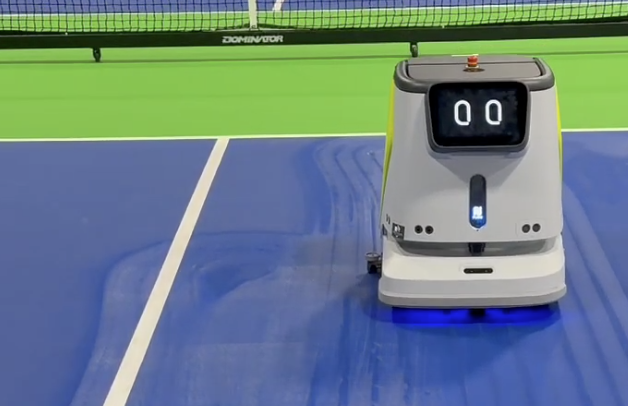
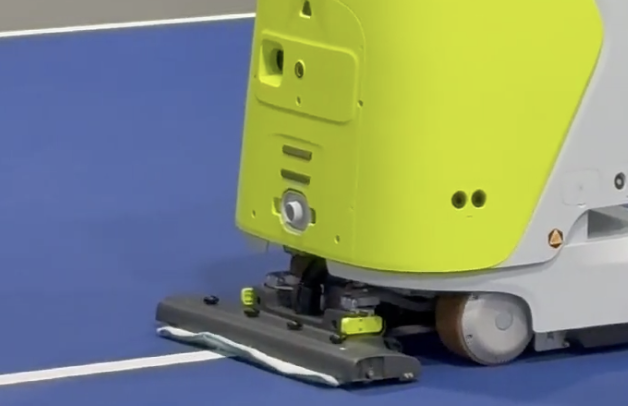
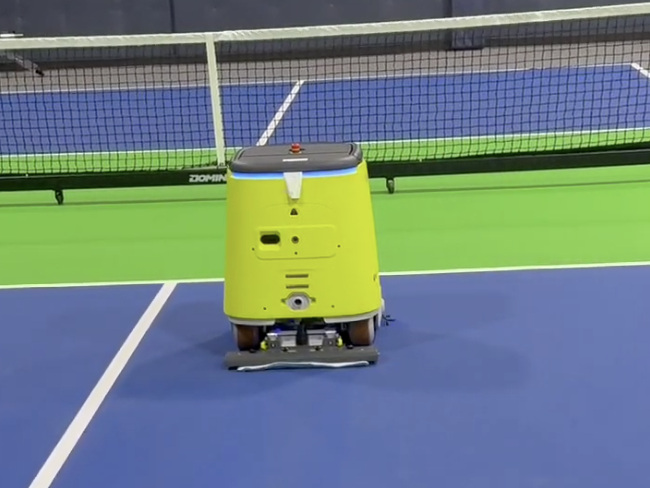
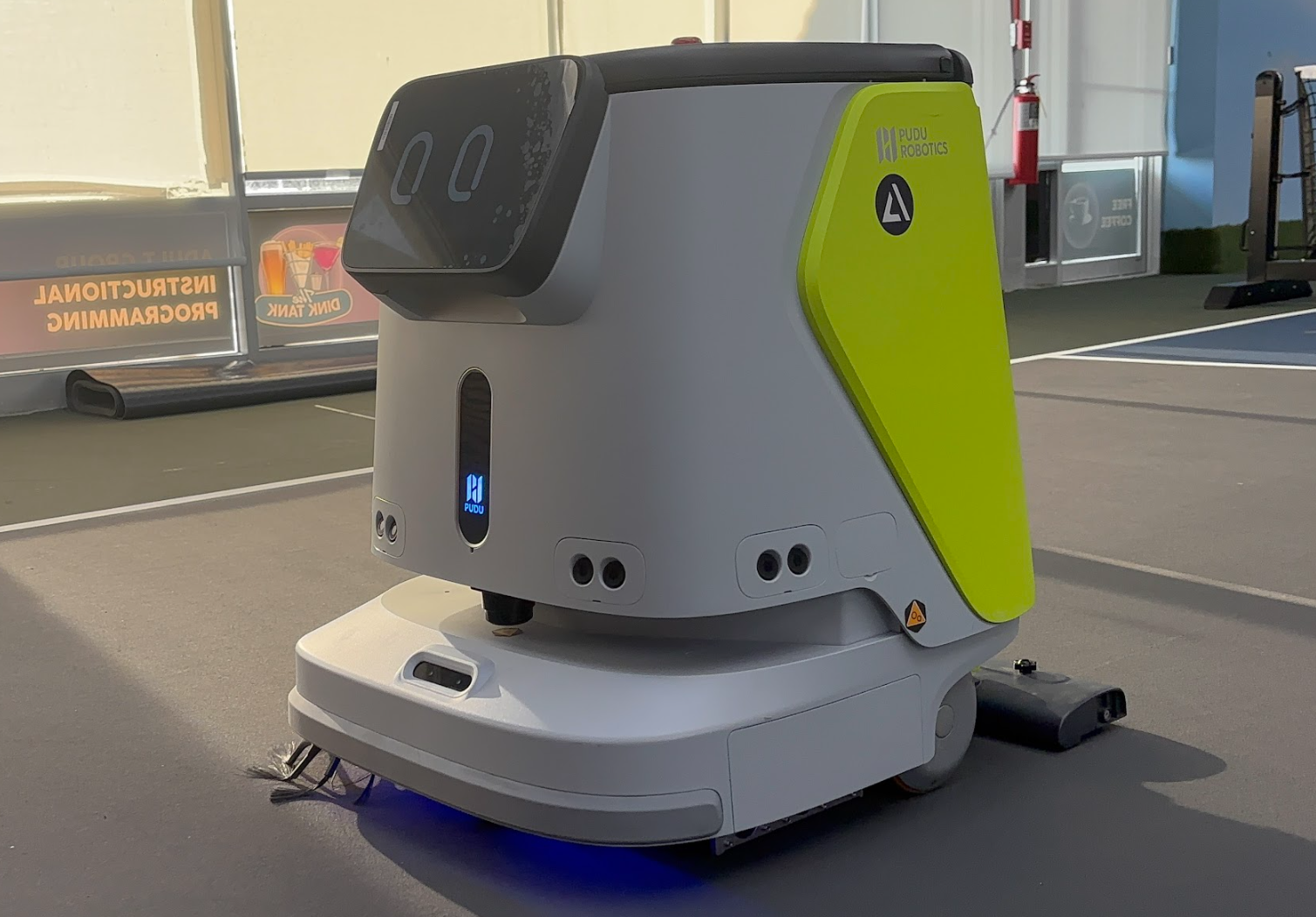
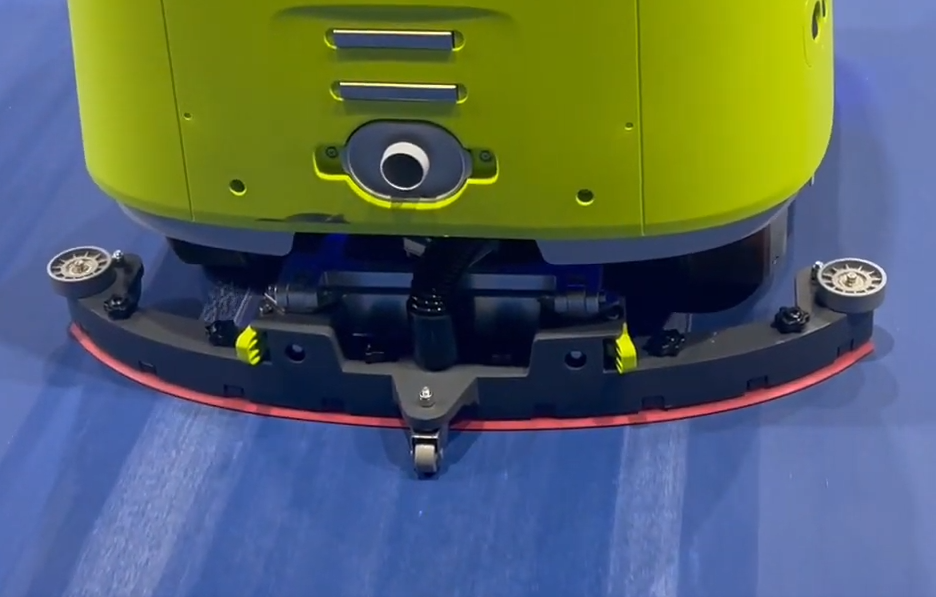
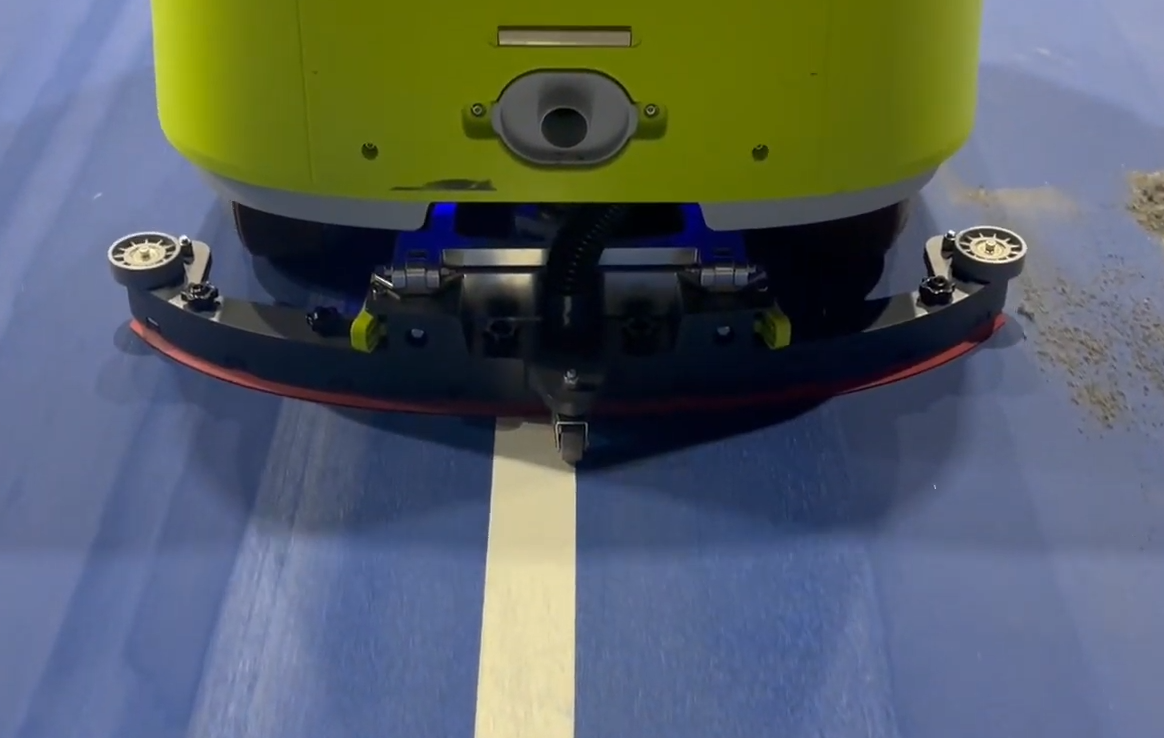
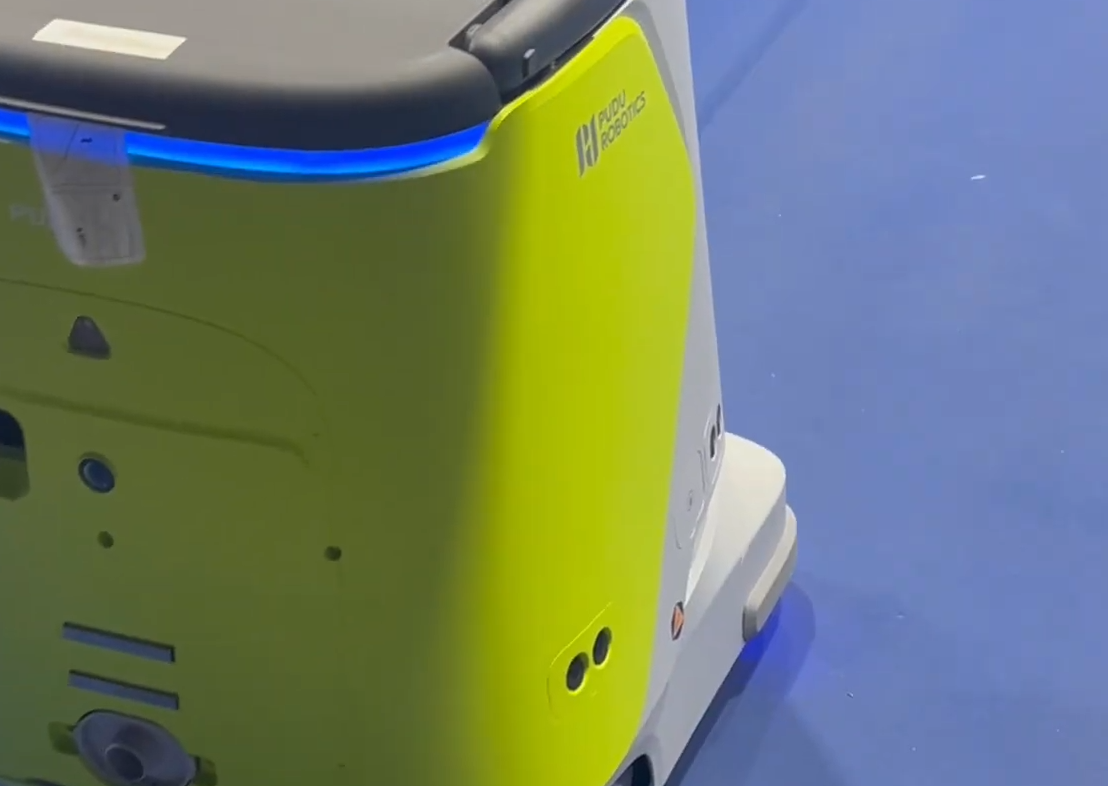
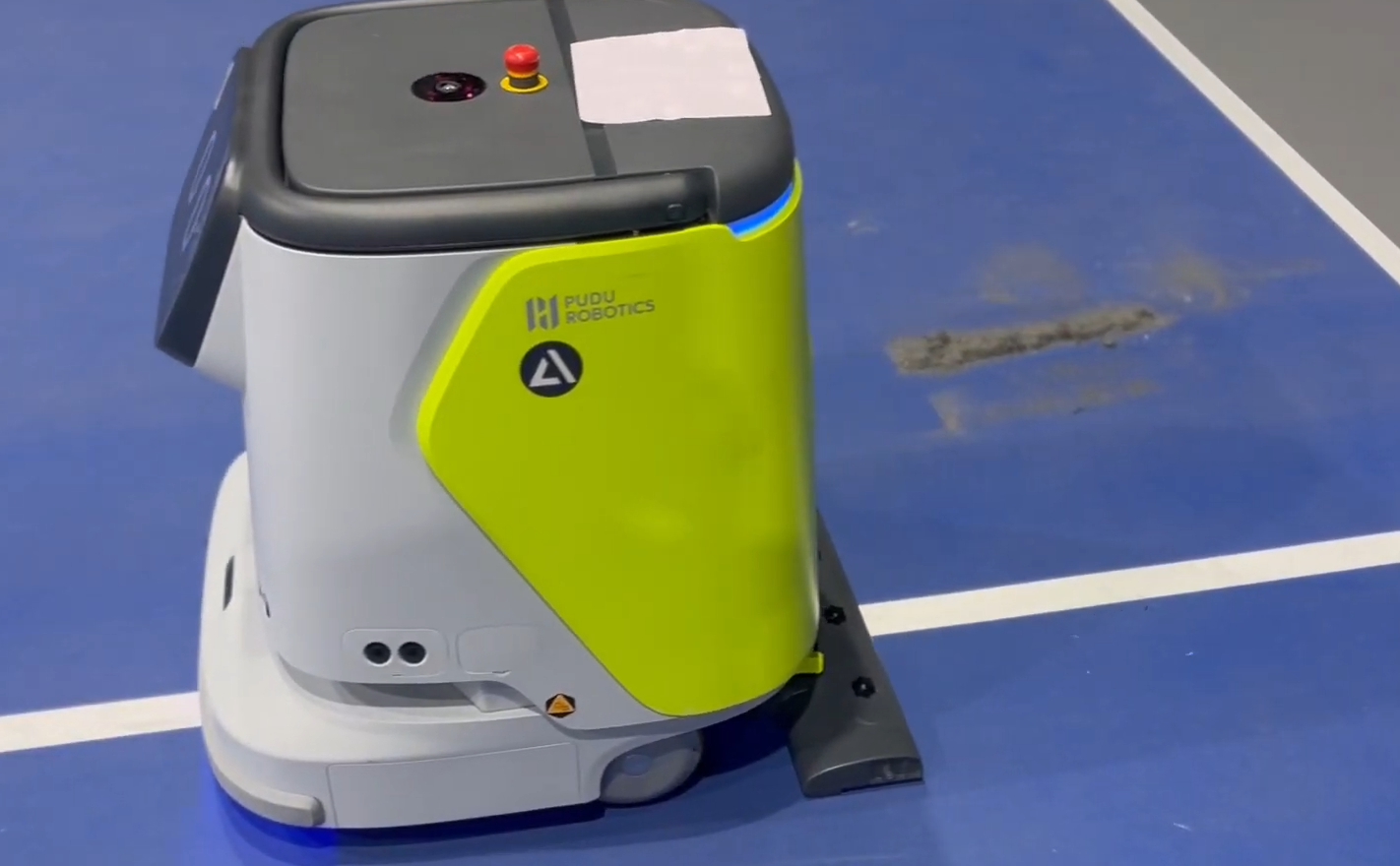
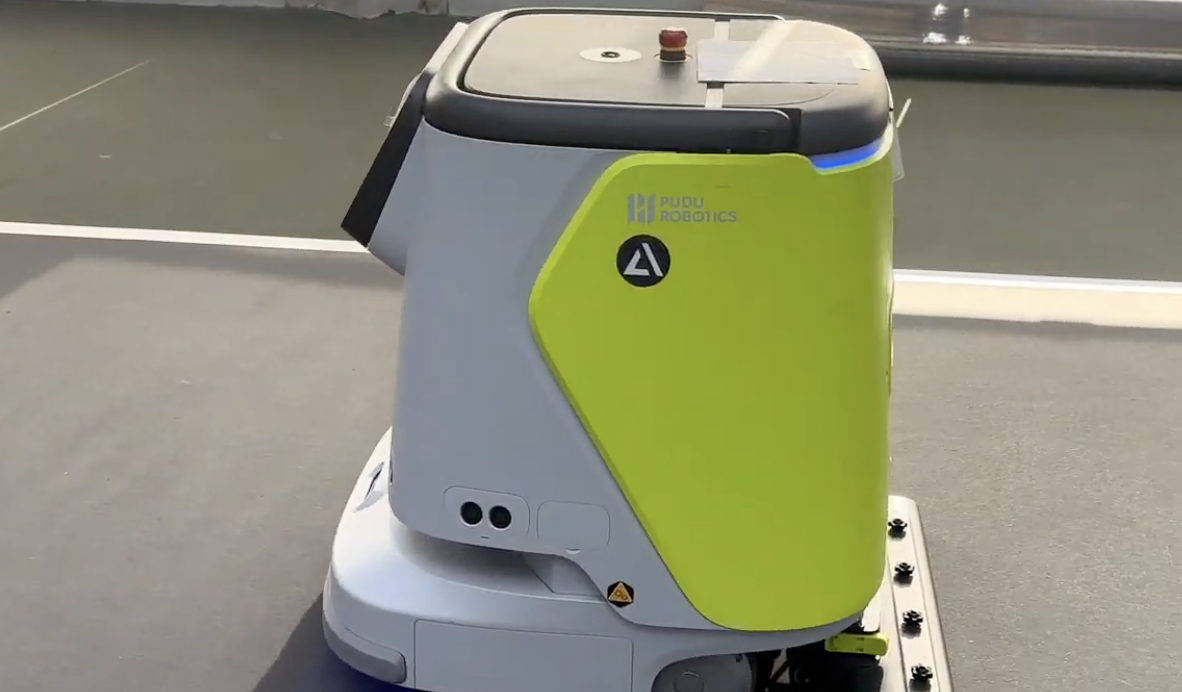
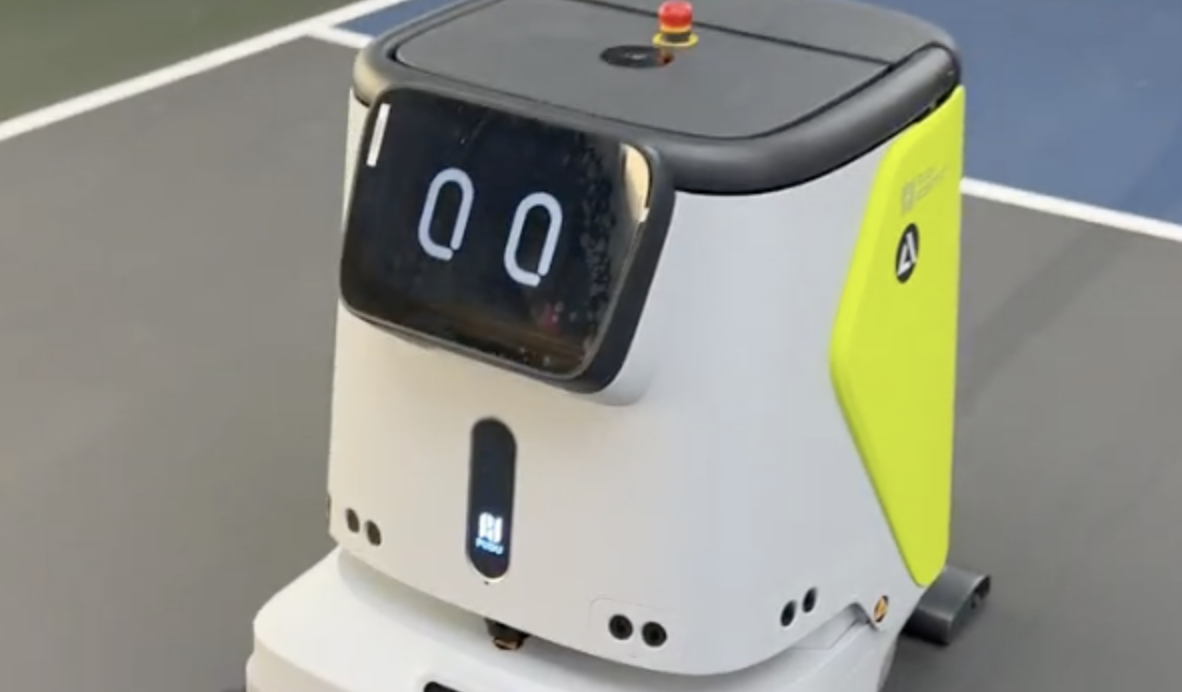
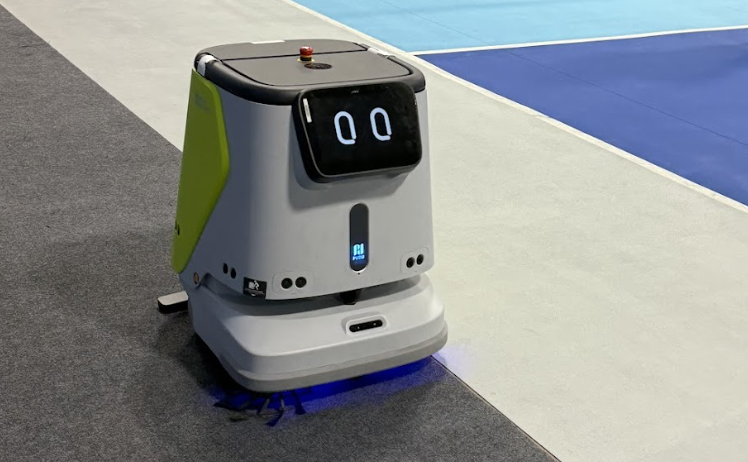
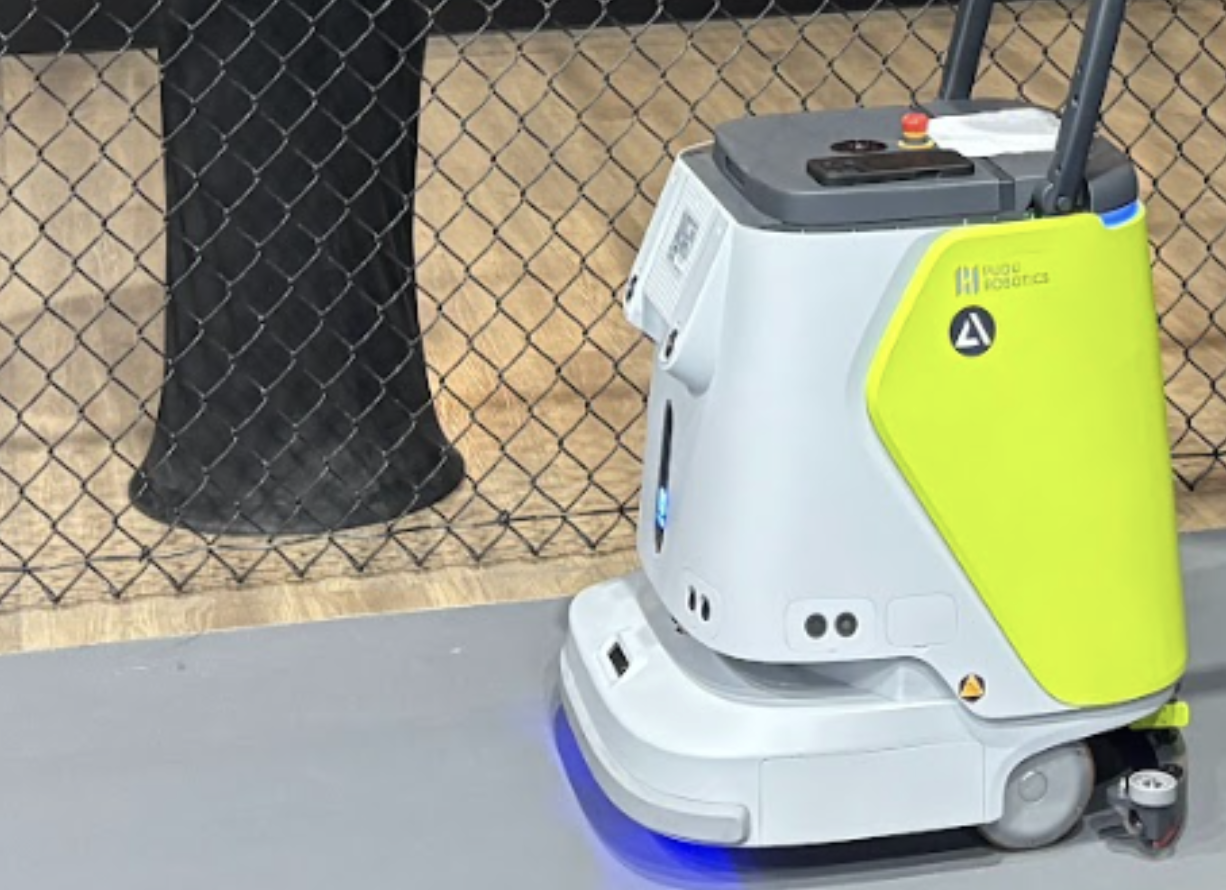
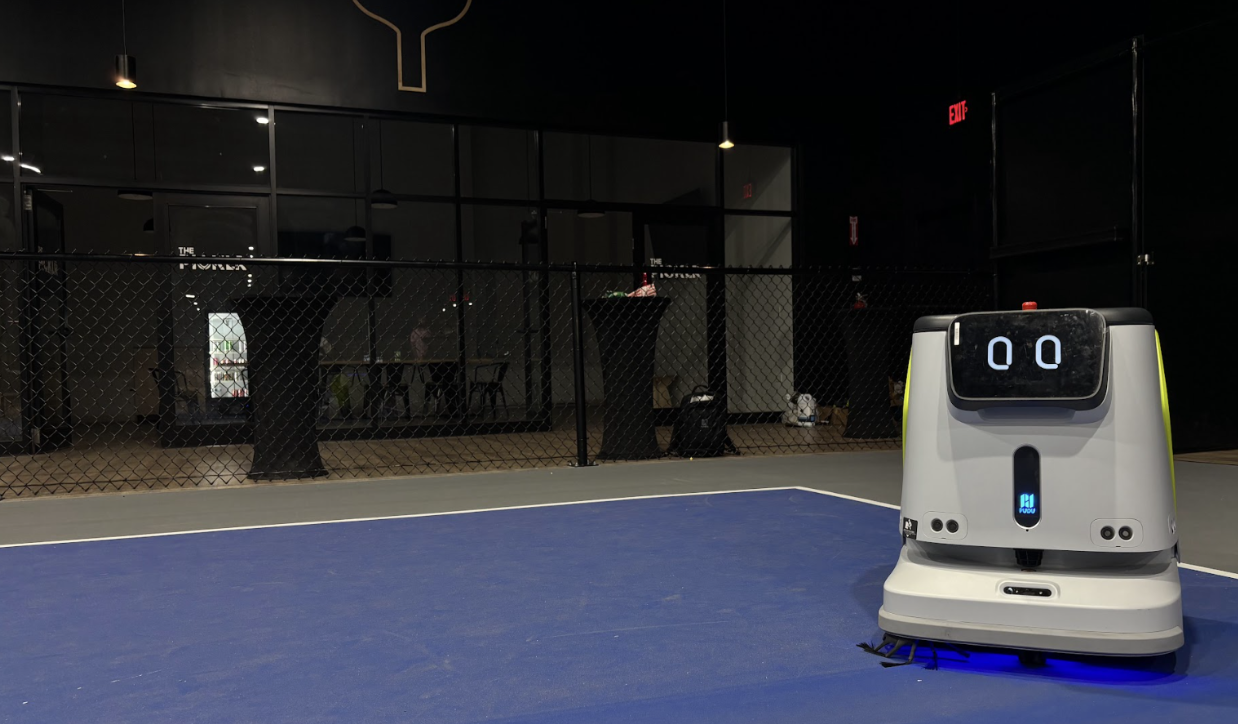
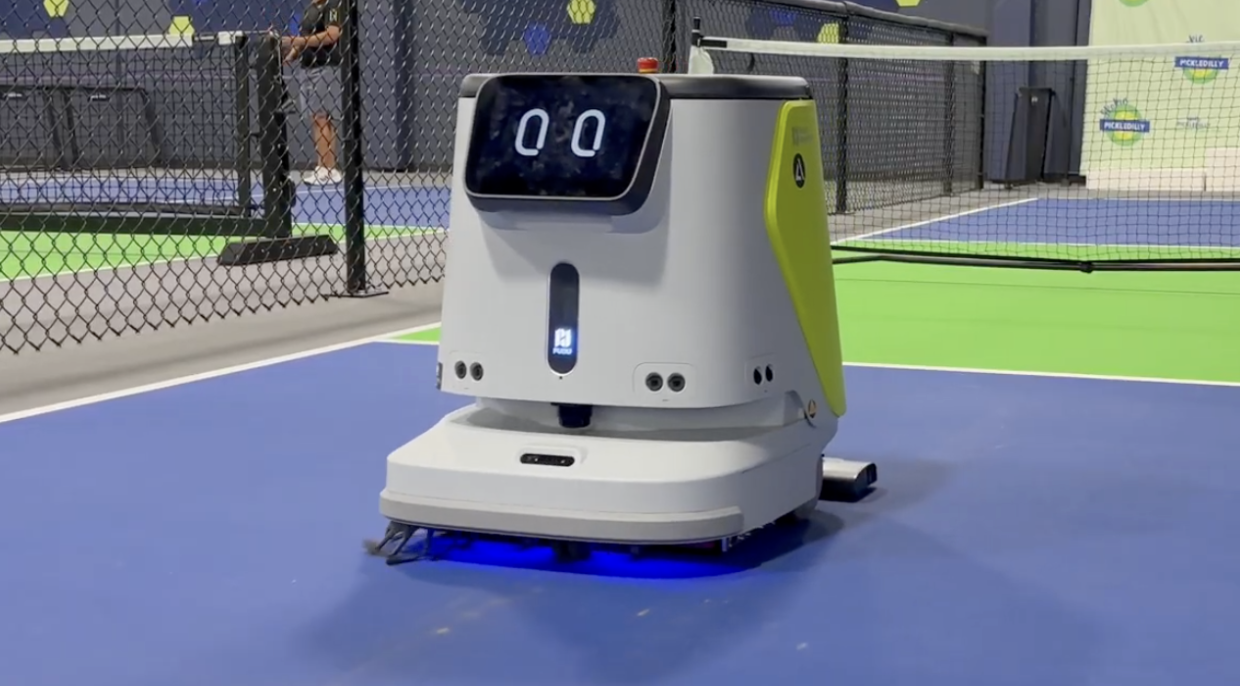
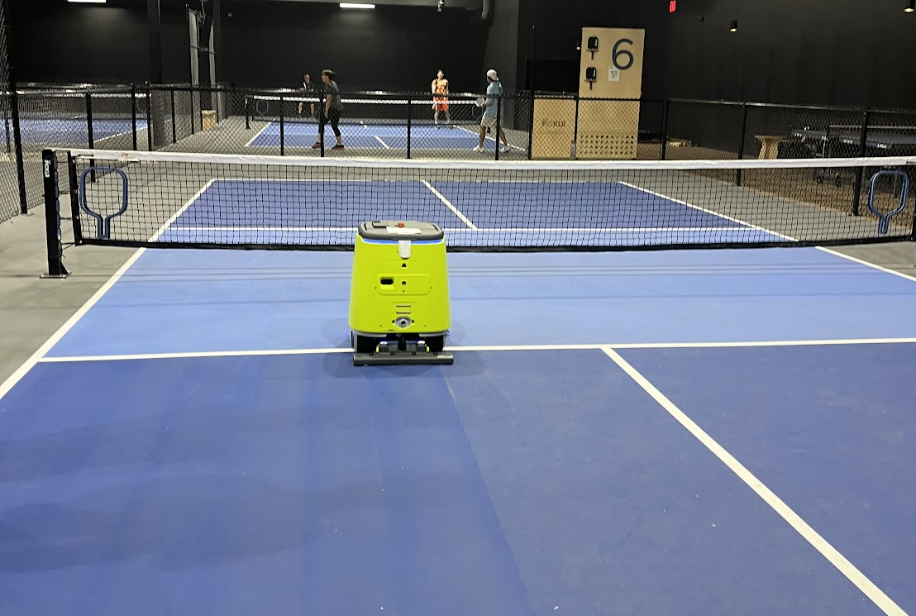
Robots help most with the hardest part of winter court care: consistency.
Manual cleaning breaks down when:
- play is back-to-back
- staff is covering front desk + leagues + maintenance
- weather shifts daily
- the facility is busy at the exact times courts need attention
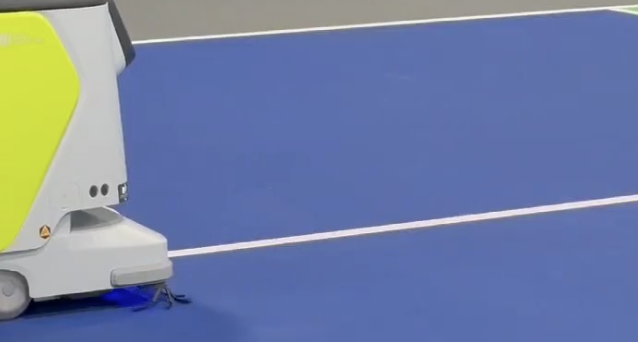
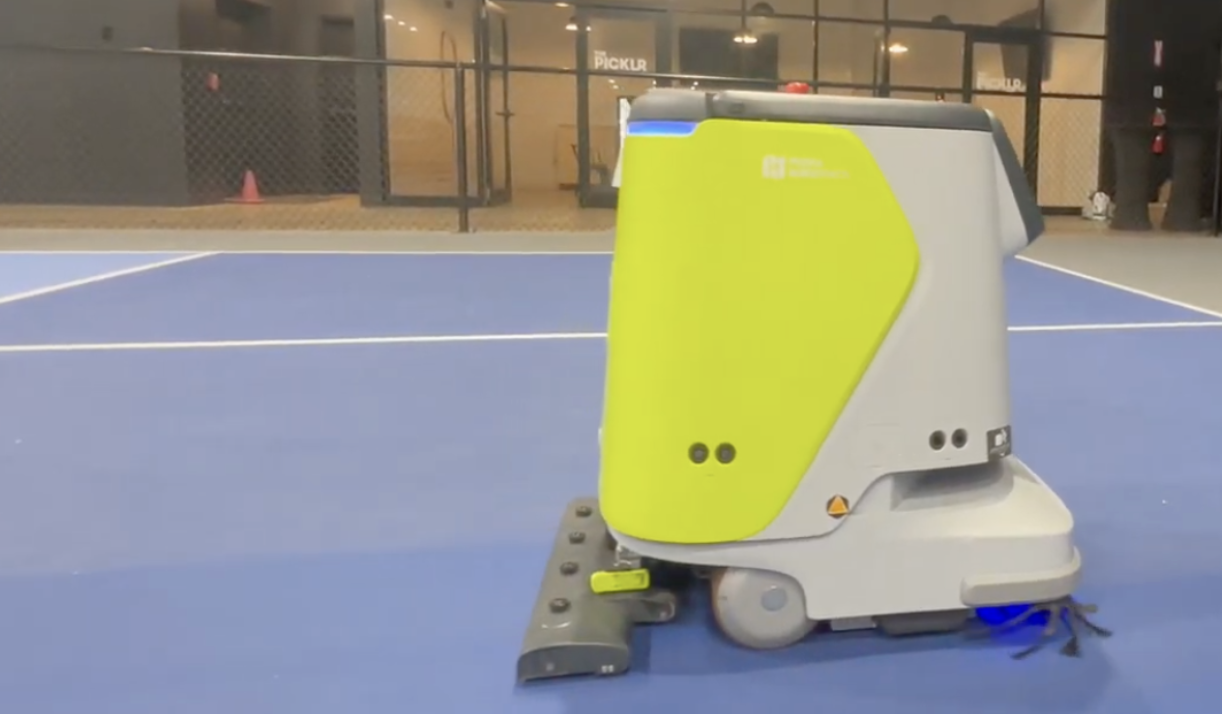
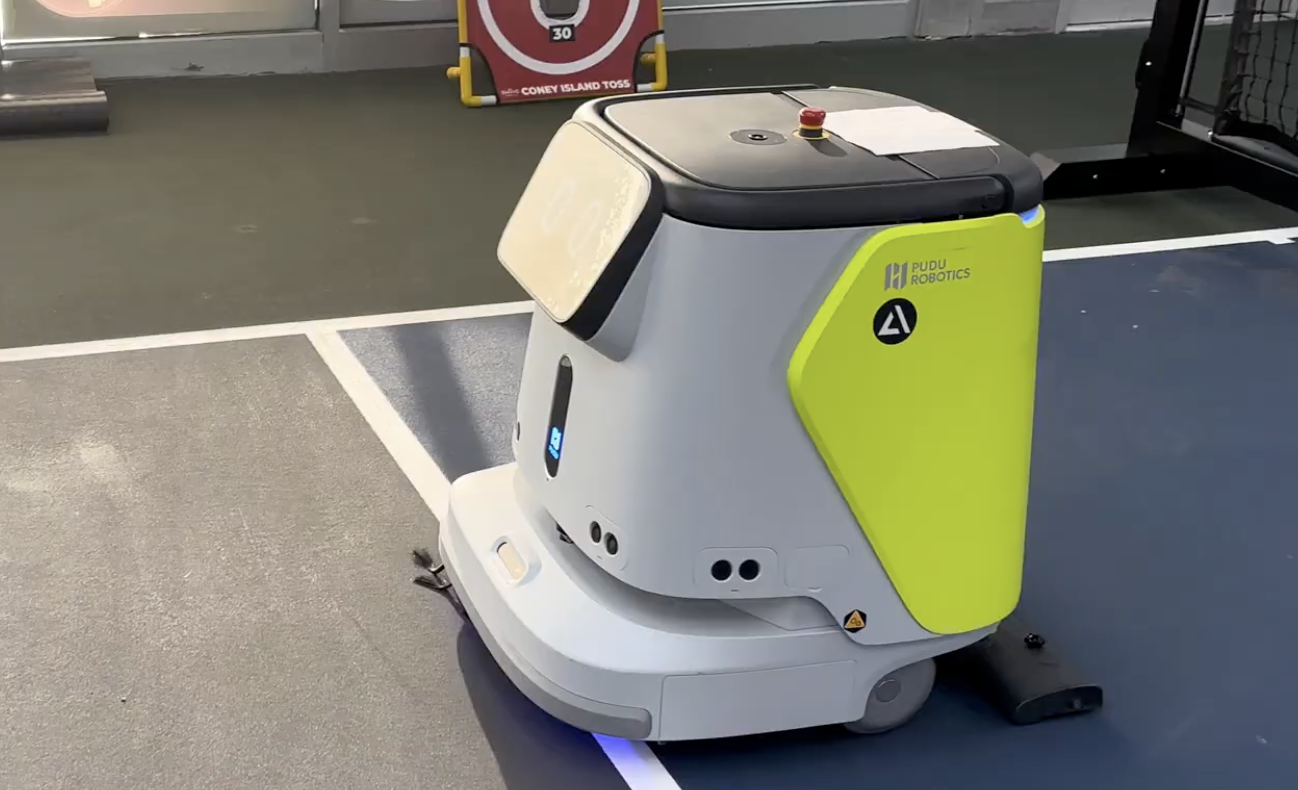
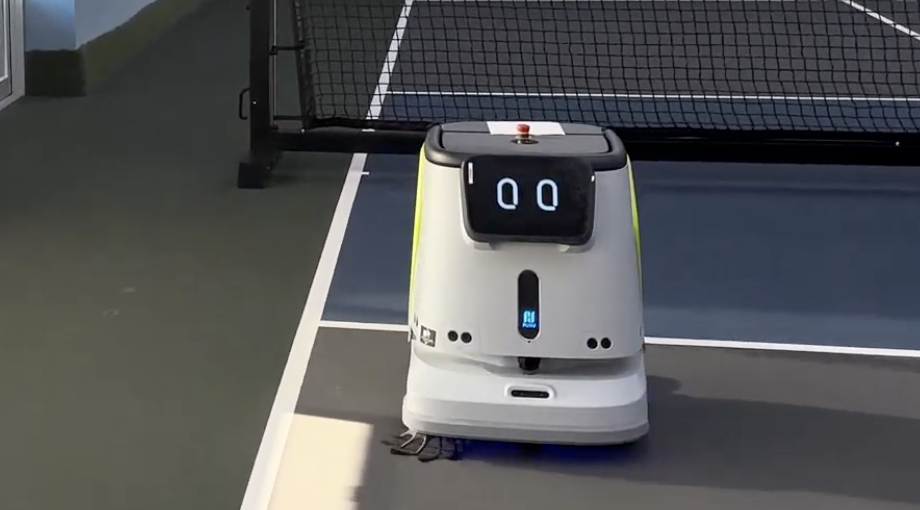
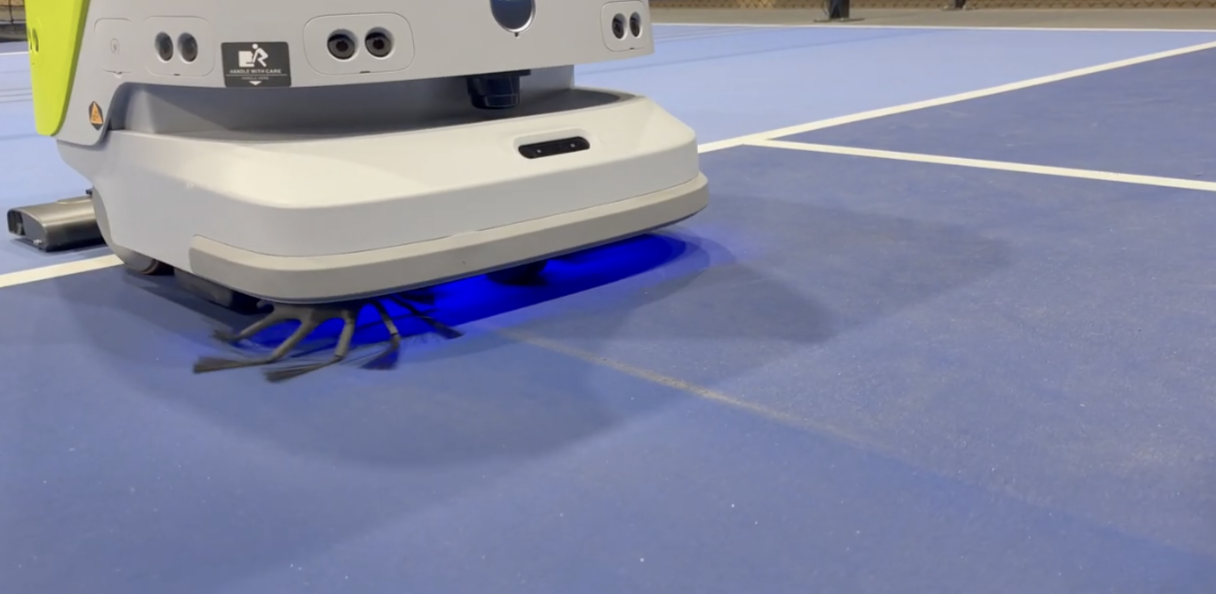
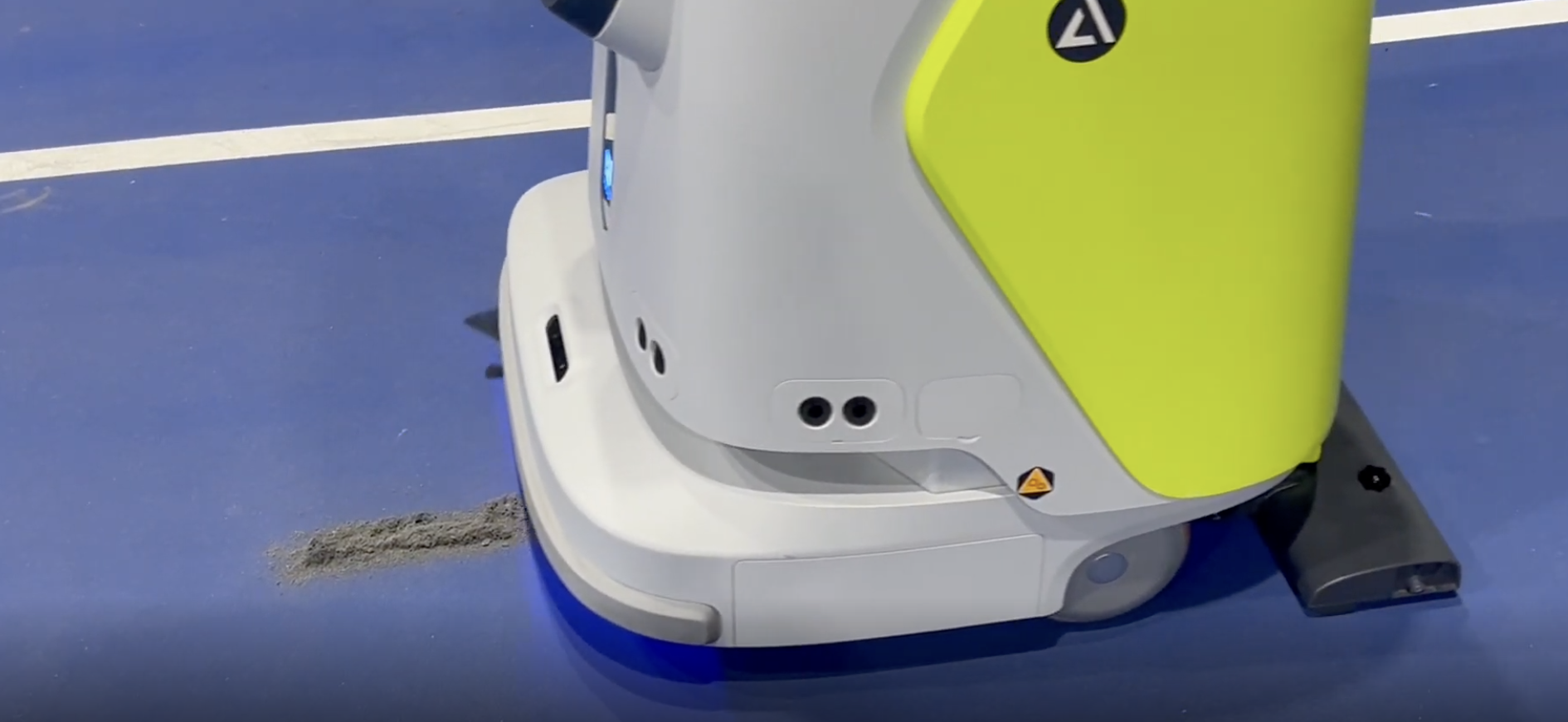
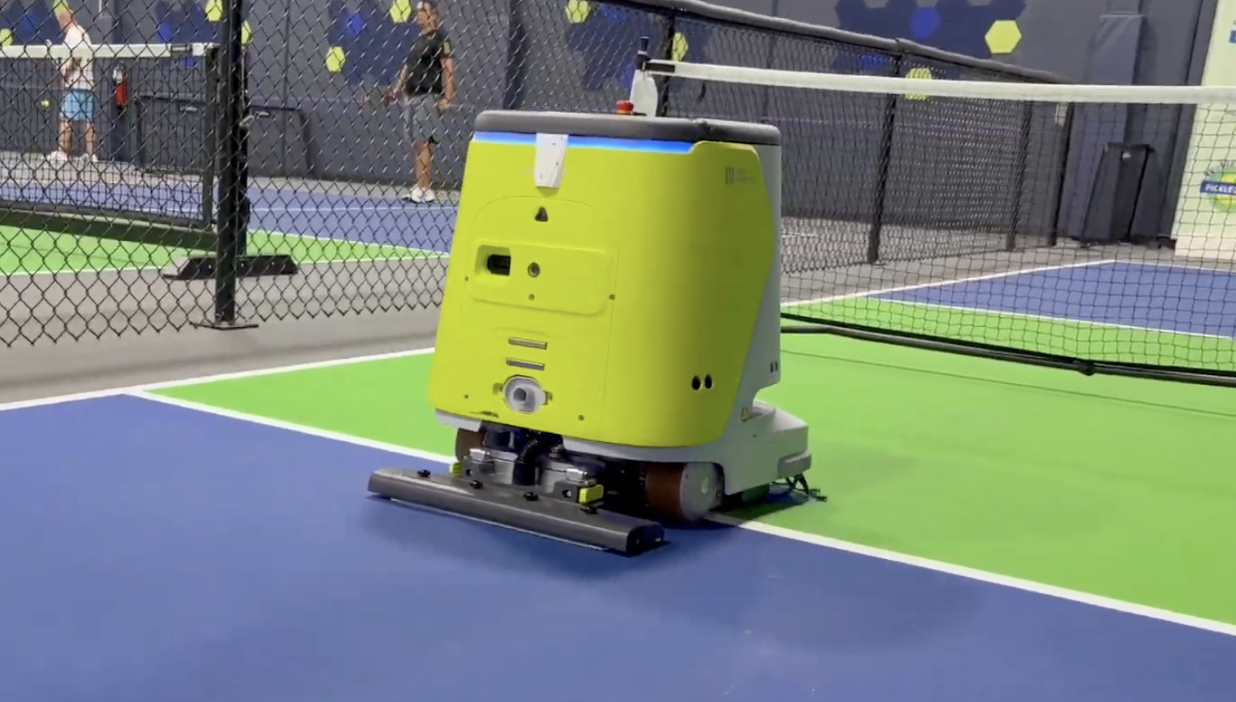
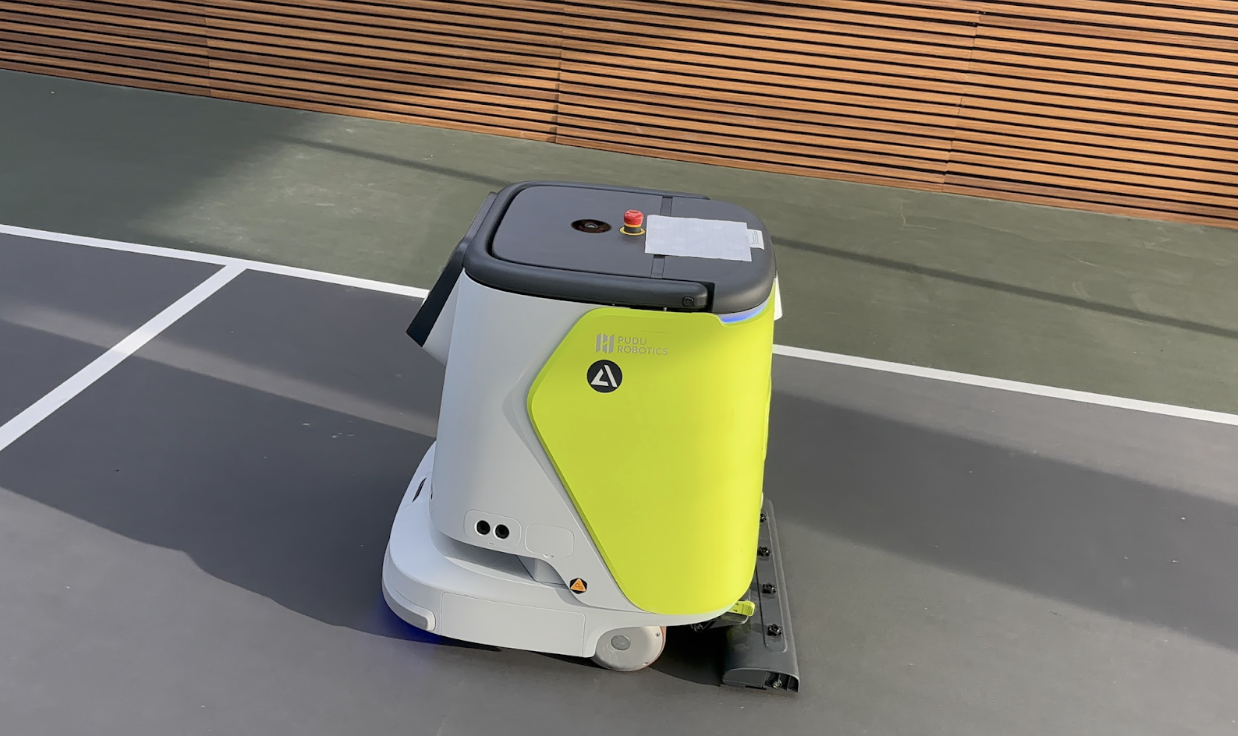
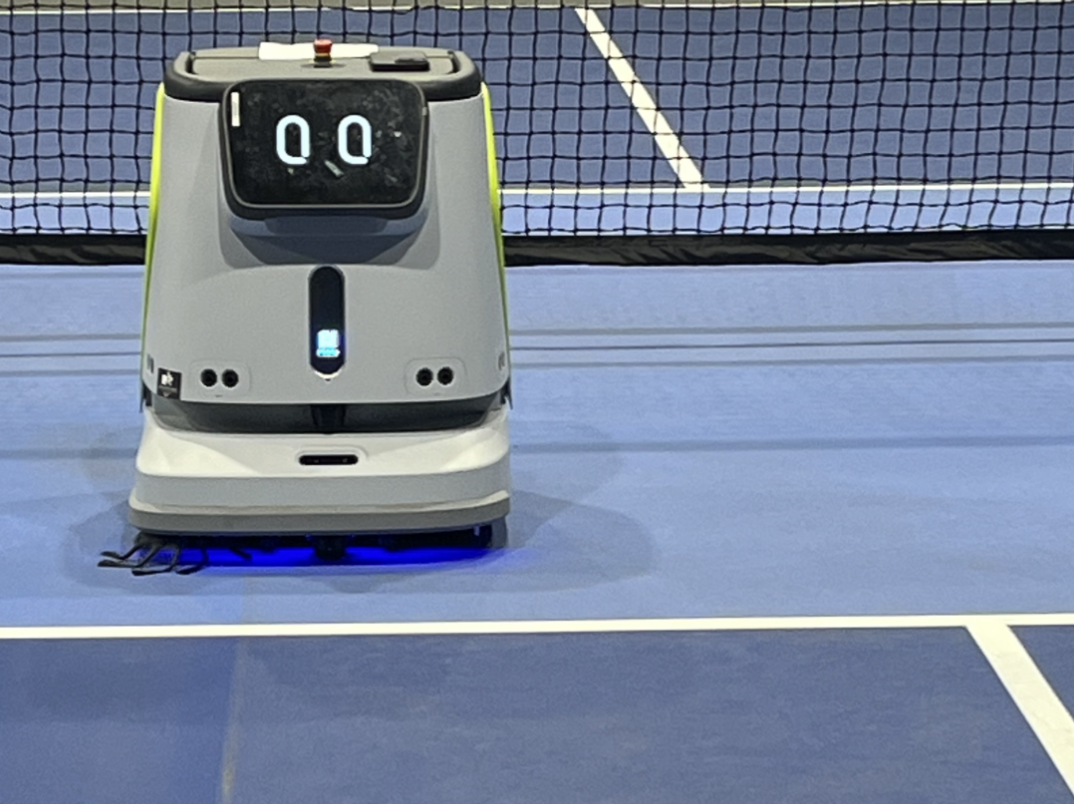
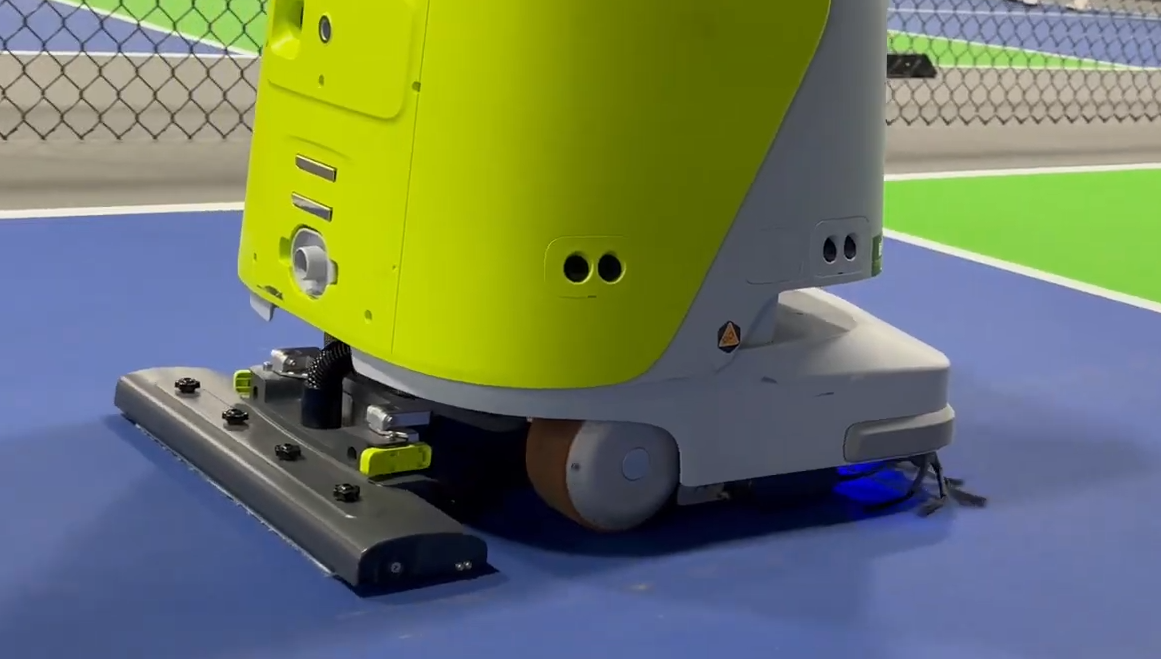
A robotic cleaning workflow can:
- run repeatable passes on a schedule
- hit hotspots consistently (the areas that matter most)
- reduce “we forgot” failures during peak times
- keep court conditions more uniform across courts
In other words, robots aren’t about replacing people — they’re about making your standard dependable, even in winter.
Talk with our team to see how you can keep your courts consistently clean this season.