A practical guide to choosing court cleaning tools—blowers, brooms, vacuums, scrubbers, and autonomous options—plus checklists and routines.


A practical guide to choosing court cleaning tools—blowers, brooms, vacuums, scrubbers, and autonomous options—plus checklists and routines.
The fastest way to waste money on court cleaning? Buying “stronger” tools instead of the right system
Most clubs don’t have a court cleaning problem—they have a court reset consistency problem.
You can buy a pricey machine and still have:
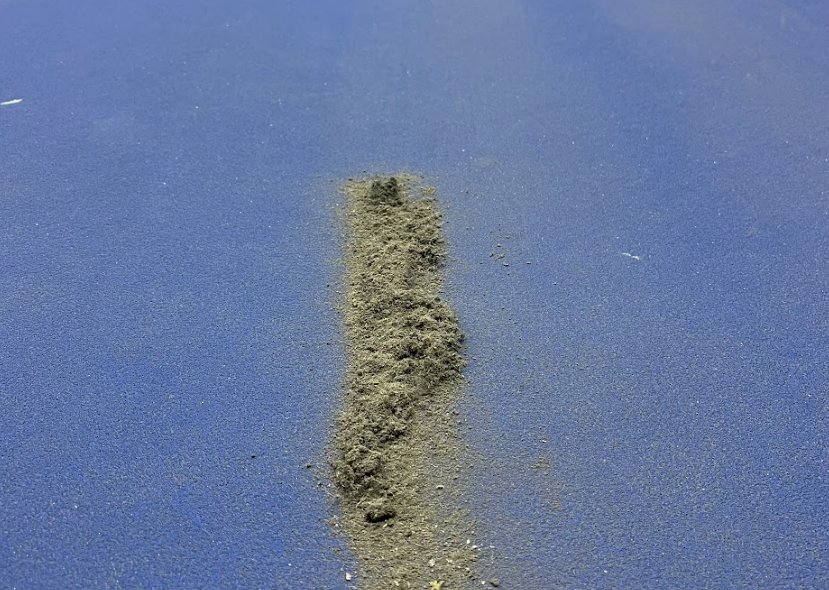
- grit piled at the gate,
- slippery “film” in corners,
- stains that set overnight,
- and staff who avoid cleaning because the tools are annoying to use.
The goal isn’t “cleaner someday.” It’s game-ready every hour.
Surface maintenance guidance keeps the fundamentals simple: remove debris regularly, clean gently, and avoid practices that can damage acrylic systems. This guide helps you choose equipment that supports those fundamentals—without overspending or overcomplicating.
Start with the only 3 jobs court cleaning tools need to do
Nearly every court-cleaning task falls into one of these categories:
- Dry debris removal (leaves, grit, dust)
- Spot cleaning (spills, sticky residue, bird droppings)
- Light washing / periodic cleaning (prevent film buildup and staining)
Manufacturers and court maintenance guidance emphasize routine debris removal and prompt cleanup of hazards/spills as daily/weekly basics. So your equipment should make those tasks easy enough to happen consistently.
The “buy this first” equipment stack (most clubs)
If you do nothing else, build this small stack. It covers 80% of needs.
1) Blower or broom (your daily workhorse)
Best for: outdoor debris removal, fast resets, gate zones
Why it works: daily guidance for acrylic systems includes removing debris and checking dirt accumulation at gate areas. A blower makes that realistic in peak hours.
Choose blower if:
you’re outdoors, debris is frequent (trees, wind), you need fast between-reservation resets.
Choose broom if:
noise is an issue, you’re in a facility that can’t tolerate leaf blowers, you can store/maintain a clean, soft-bristle broom at point-of-use.
Skip: stiff or abrasive brushes that can accelerate wear over time.
2) Soft spot-clean kit (the “spill rule” kit)
Best for: drinks, sticky residue, small stains
Court maintenance manuals commonly recommend mild detergent and soft-bristled tools for routine cleaning, with thorough rinsing.
Your kit
- mild detergent
- bucket
- soft hand brush
- microfiber towels
- cones/signage (“wet area”)
Operator tip: store this kit courtside. If staff have to go “find supplies,” spills will sit—and then become stain fuel.
3) Indoor: add a vacuum strategy (dust control)
For indoor surfaces, SportMaster’s maintenance guidance specifically notes indoor courts require frequent vacuuming and at least one annual wet cleaning with mild detergent and soft-bristled equipment. Translation: if you’re indoors, dust removal should be extraction, not redistribution.
Choose vacuum if:
- you’re indoor, dust film is your main traction complaint, you want consistent results without blowing dust into corners.
Blowers indoors: sometimes used, but they can move dust more than remove it. If you’ve got the option, vacuuming tends to be the cleaner operational choice.
The decision checklist (what equipment matches your facility?)
Use this to avoid buying the wrong thing.
Decision checklist
A) Surface + setting
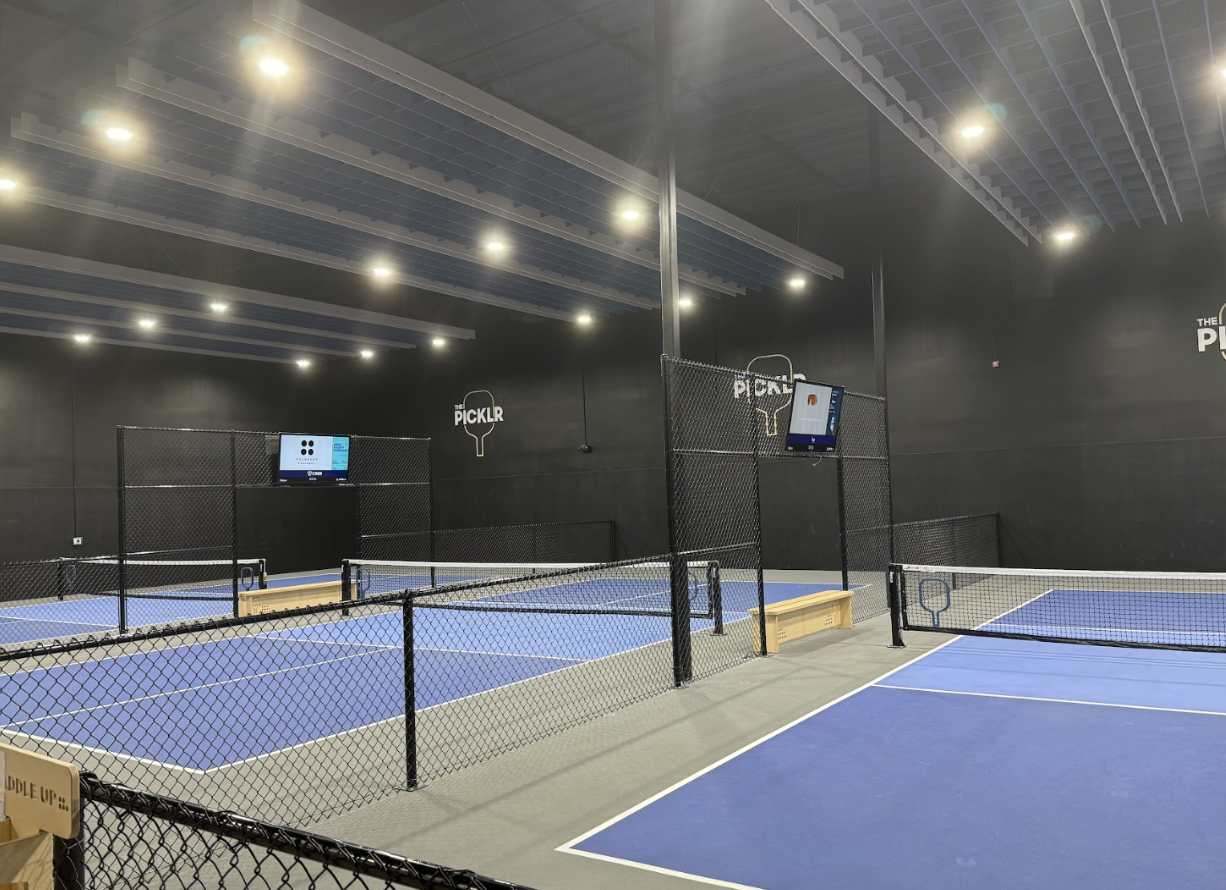
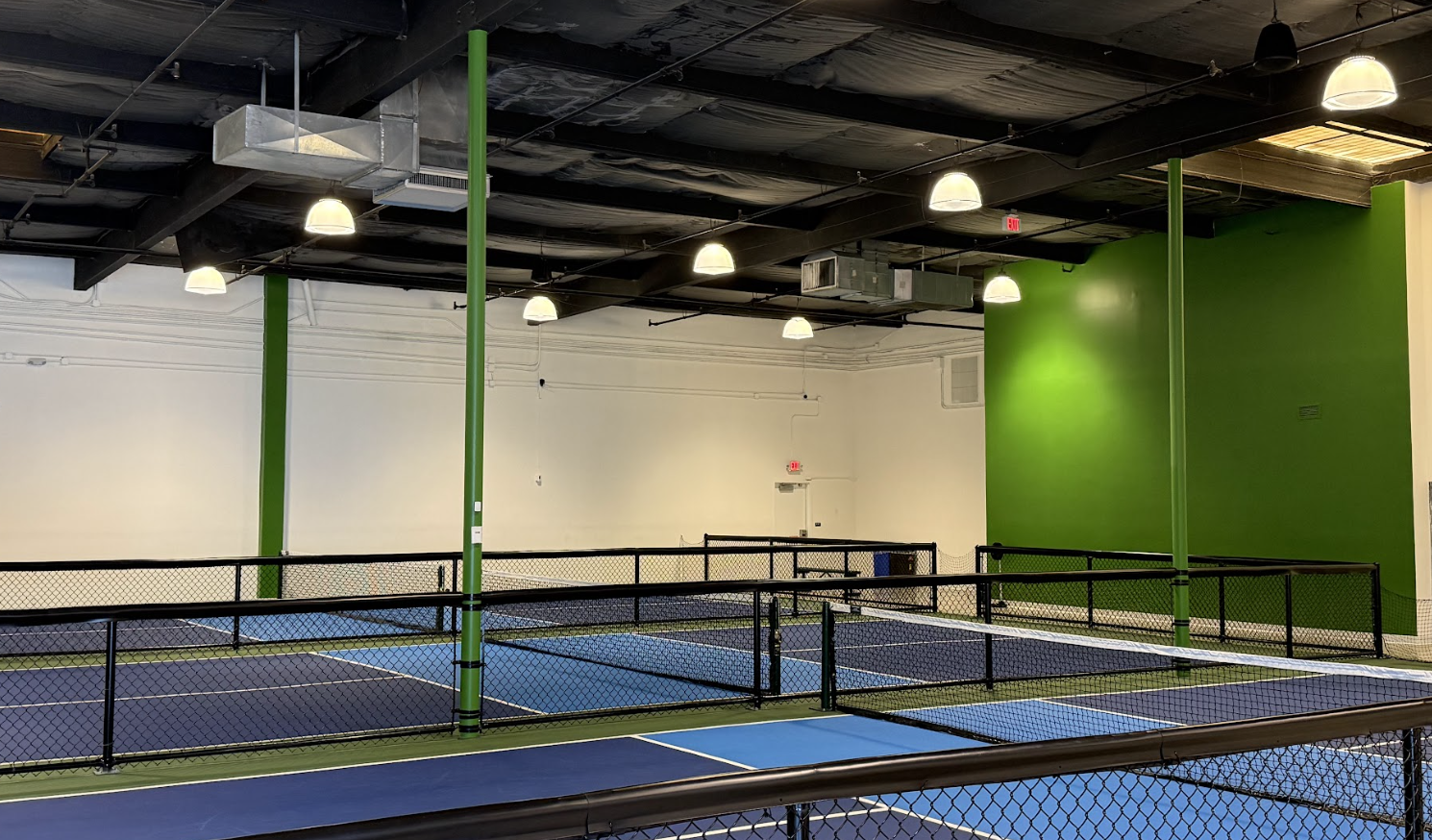
- Indoor (dust film) → prioritize vacuuming + microfiber
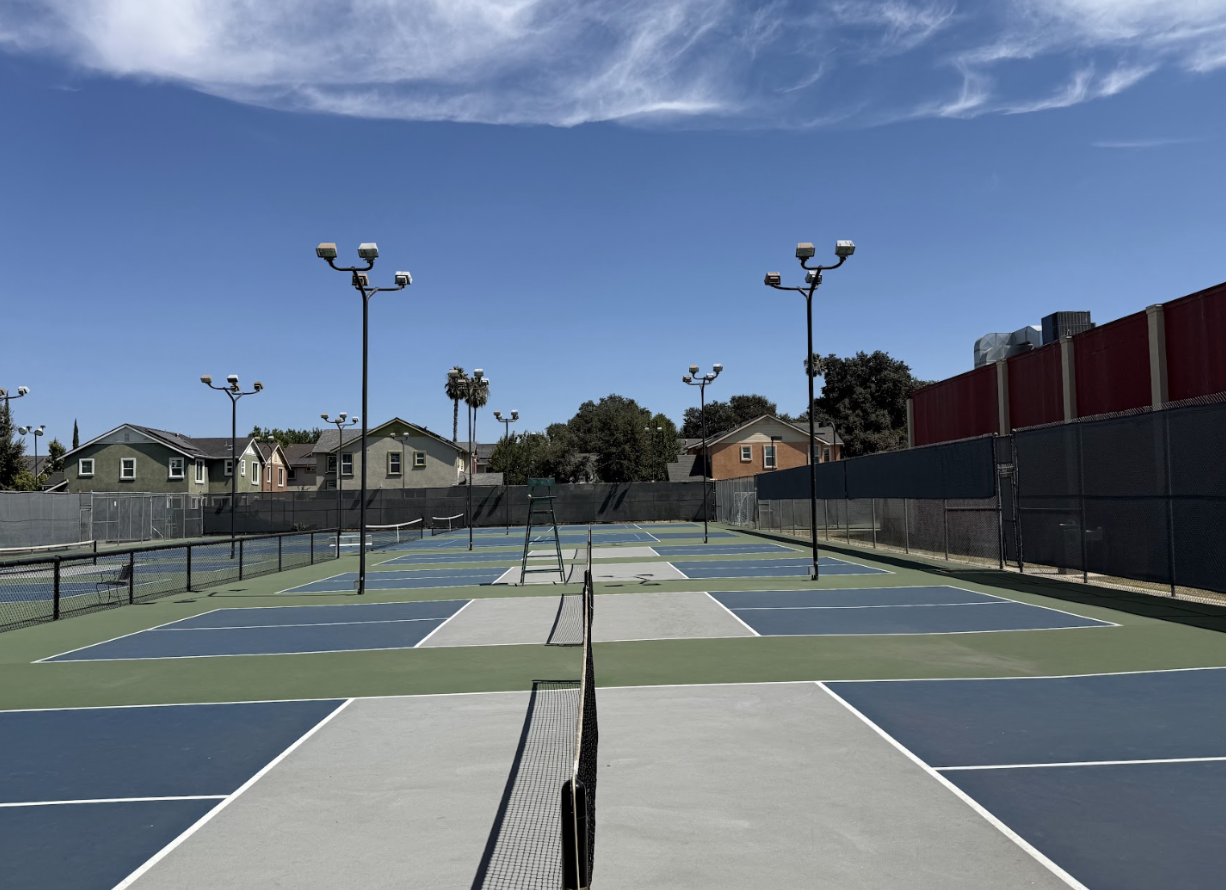
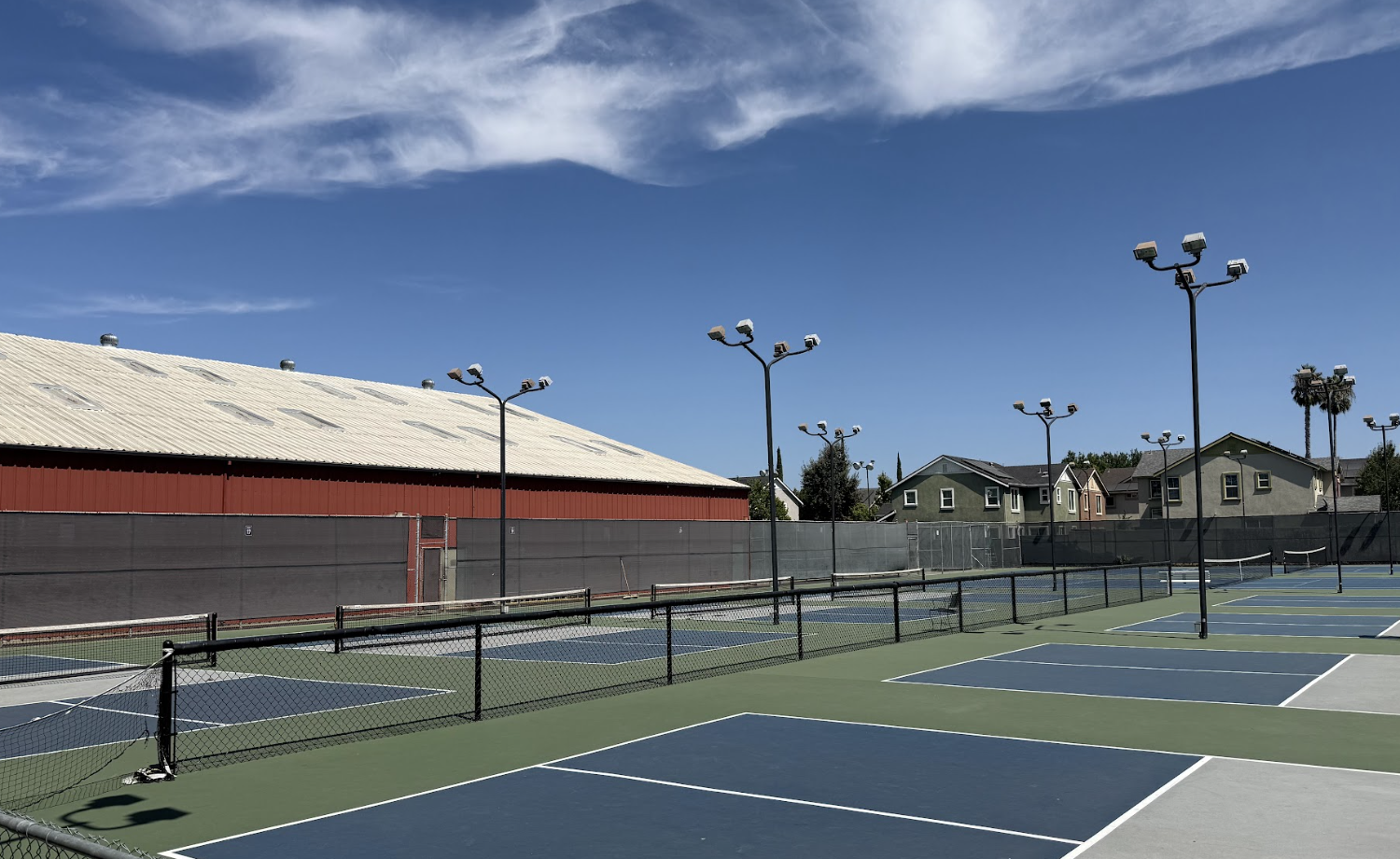
- Outdoor (leaves/grit) → prioritize blower + spot kit
B) Court count + staffing
- 1–6 courts, limited staff → tools must work in 90 seconds
- 8–16 courts → you need a reset workflow, not just tools (rotation roles + point-of-use storage)
C) Noise + member experience
- Noise-sensitive neighbors or indoor echo?
→ quieter electric tools, scheduled reset windows, signage to set expectations
D) “Problem hotspots”
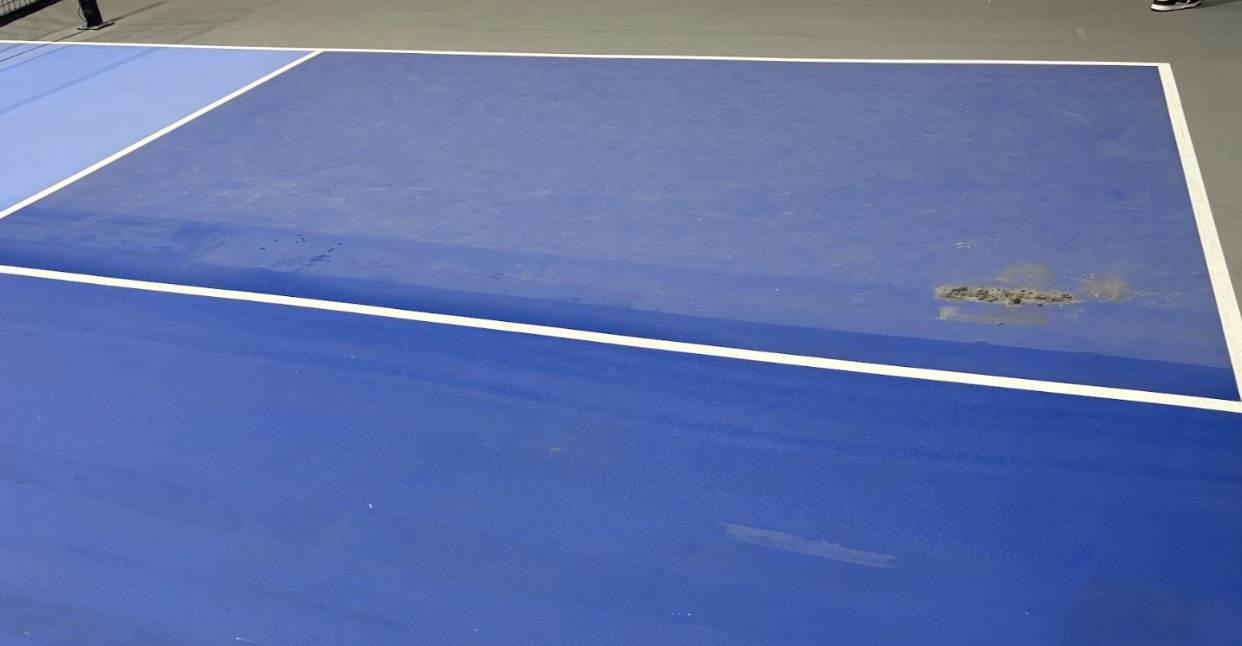
- Gate zones always dirty?
→ invest in entry control (mats, broom/blower at gate)
- Shaded corners dark/slippery?
→ increase frequency there; growth risk is higher in damp/shaded areas
E) Your maintenance cadence
If you can’t realistically do weekly maintenance, don’t buy gear that assumes you can. Choose tools that support small, frequent resets.
The 90-second playbook (how your equipment becomes a system)
This is the routine that makes your equipment actually matter.
90-second reset (per court or court pod)
- Hazard scan (15 sec): cups/branches/trash (trip hazards are explicitly called out in routine maintenance guidance).
- Gate zone pass (25 sec): blower/broom the first 10 feet inside entry.
- Baseline + kitchen lanes (40 sec): quick pass where fine grit turns into “mystery slickness.”
- Spill rule (10 sec): mild detergent + soft brush; rinse/wipe as appropriate.
Why it works: it matches what surface guidance actually recommends—regular cleaning and fast response—without relying on heroics.
Where autonomous cleaning fits (and when it’s worth it)
Autonomous cleaning becomes interesting when you have either:
- high utilization (courts need resets all day), or
- labor constraints (you can’t spare staff for constant passes), or
- consistency issues (cleaning happens “when someone remembers”).
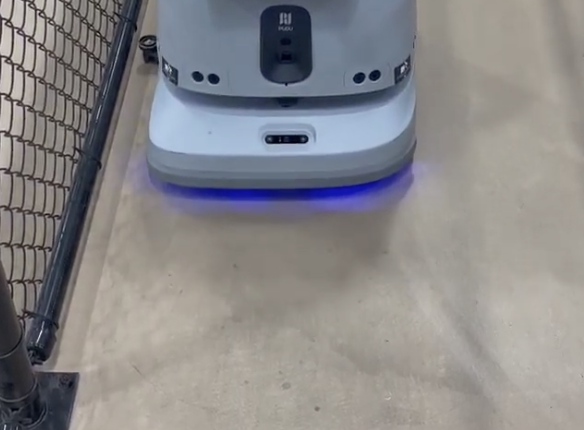
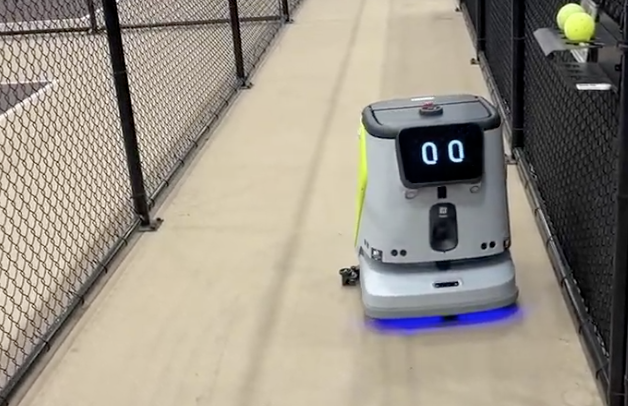
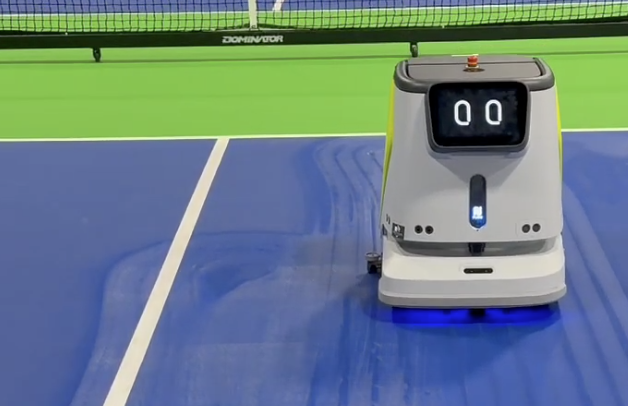
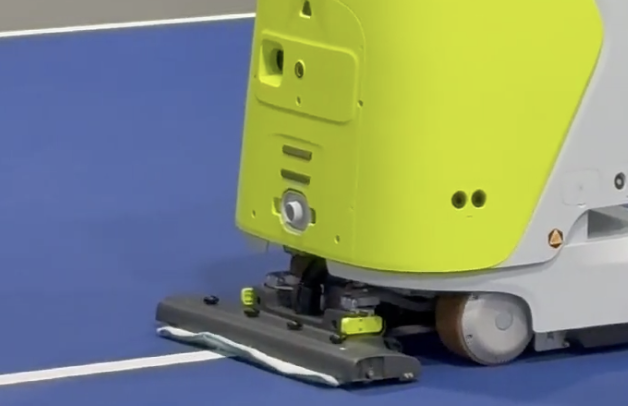
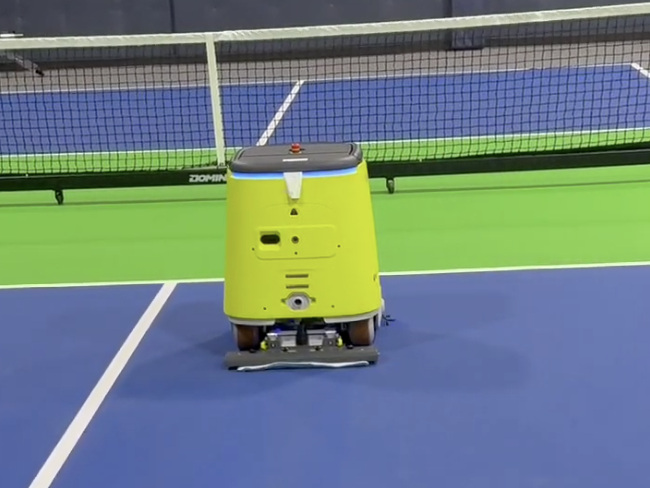
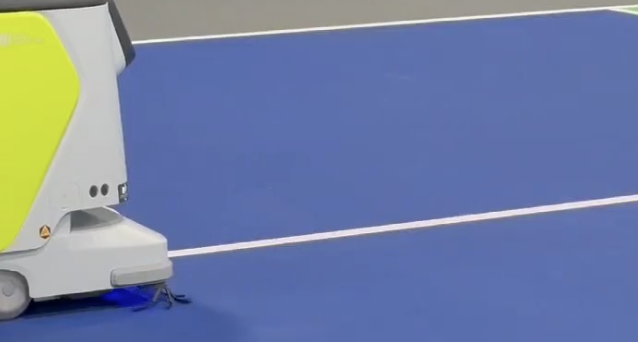
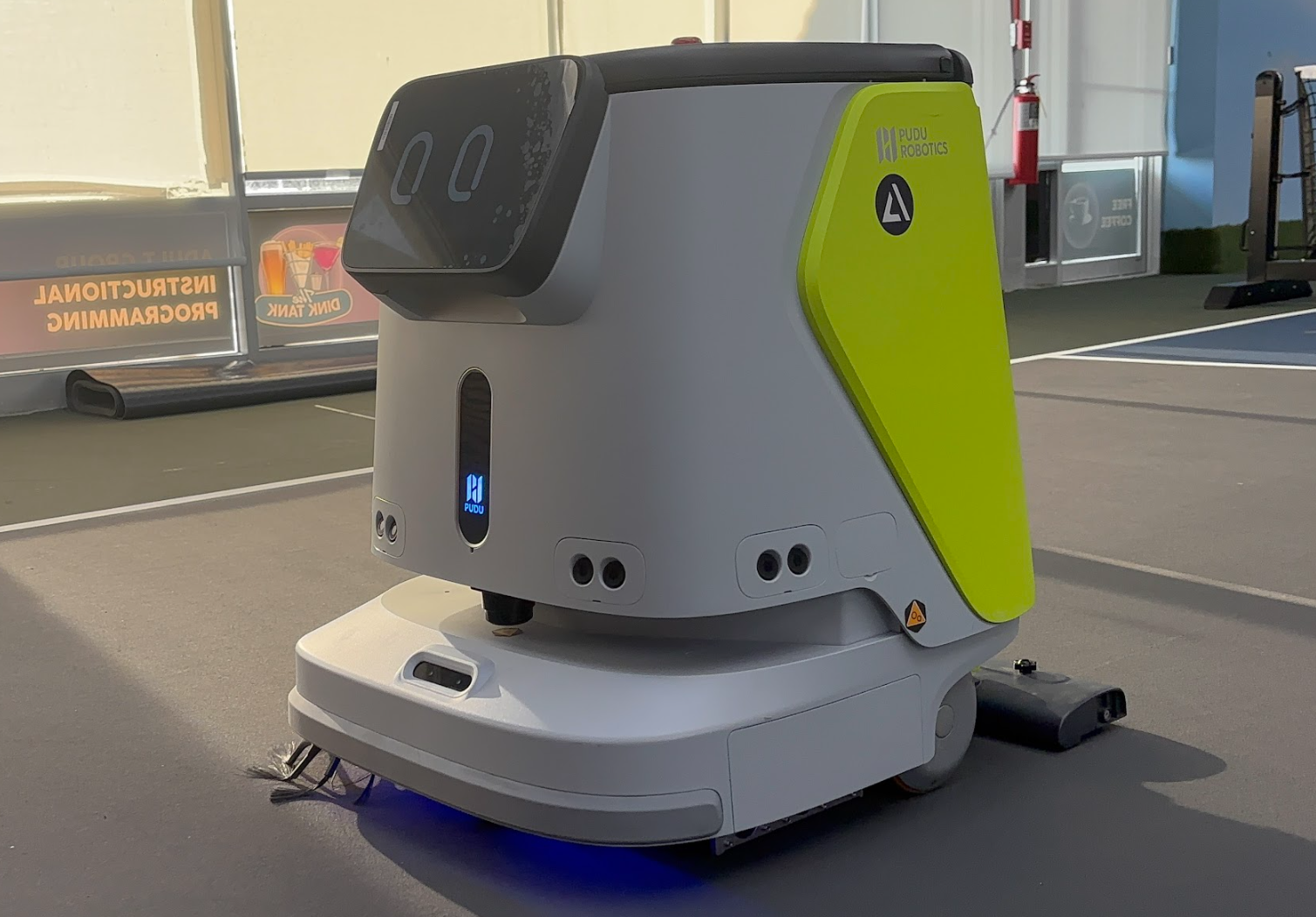
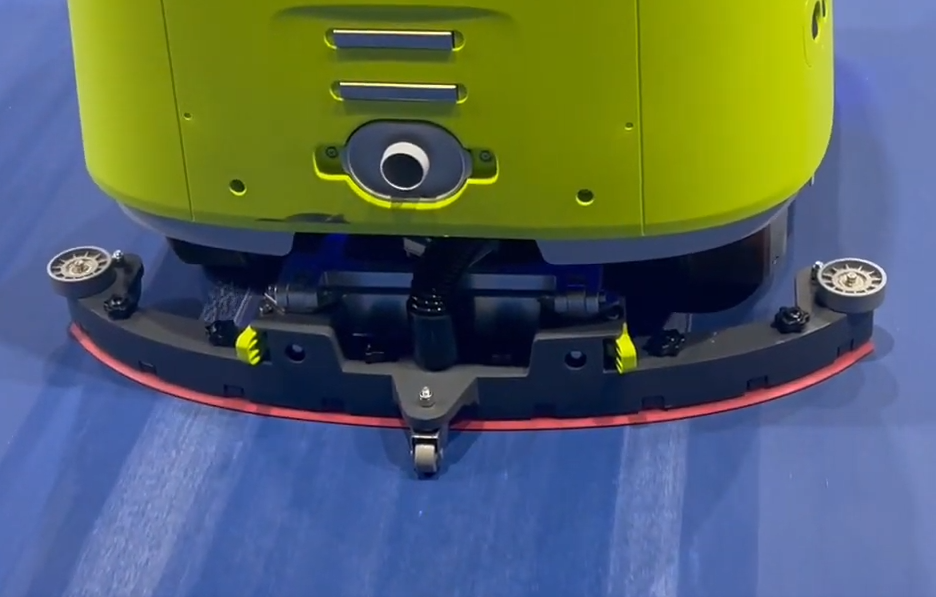
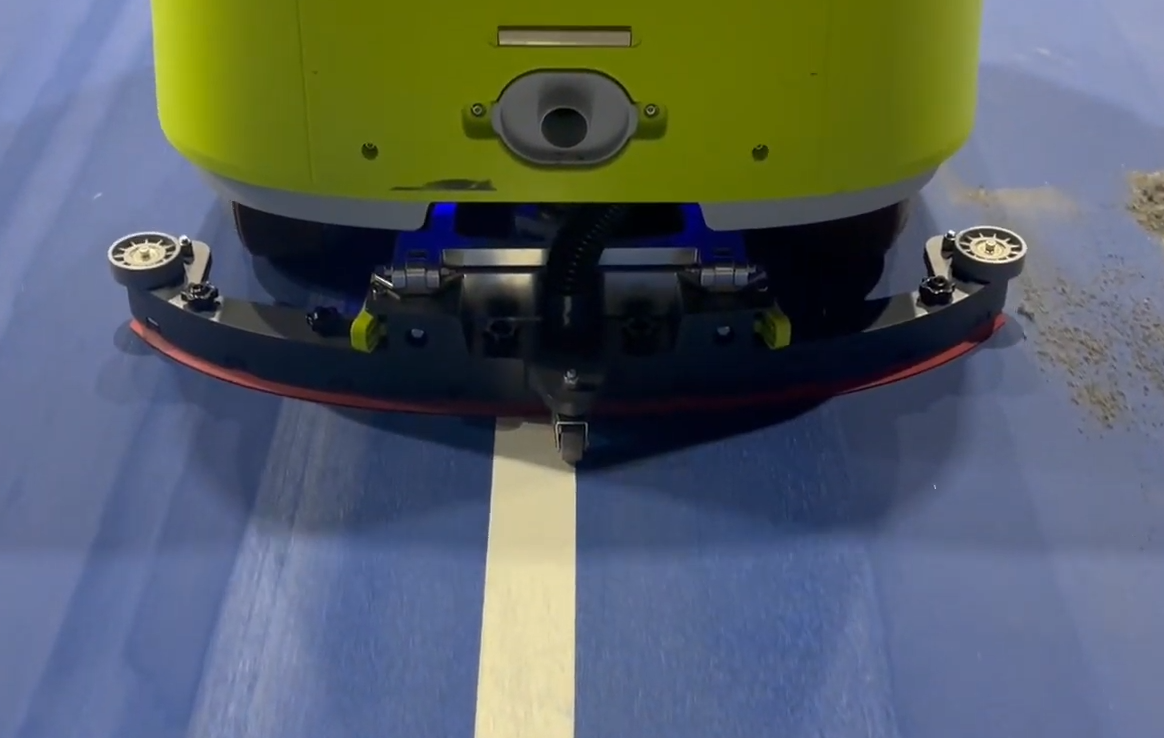
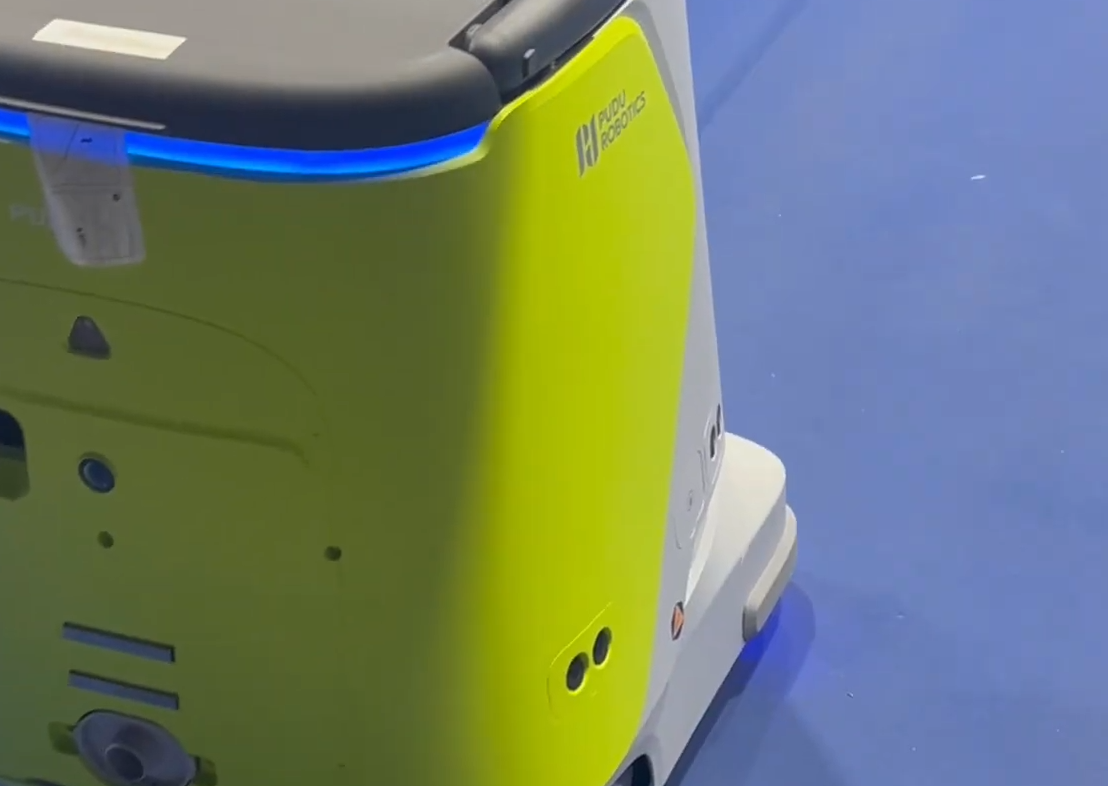
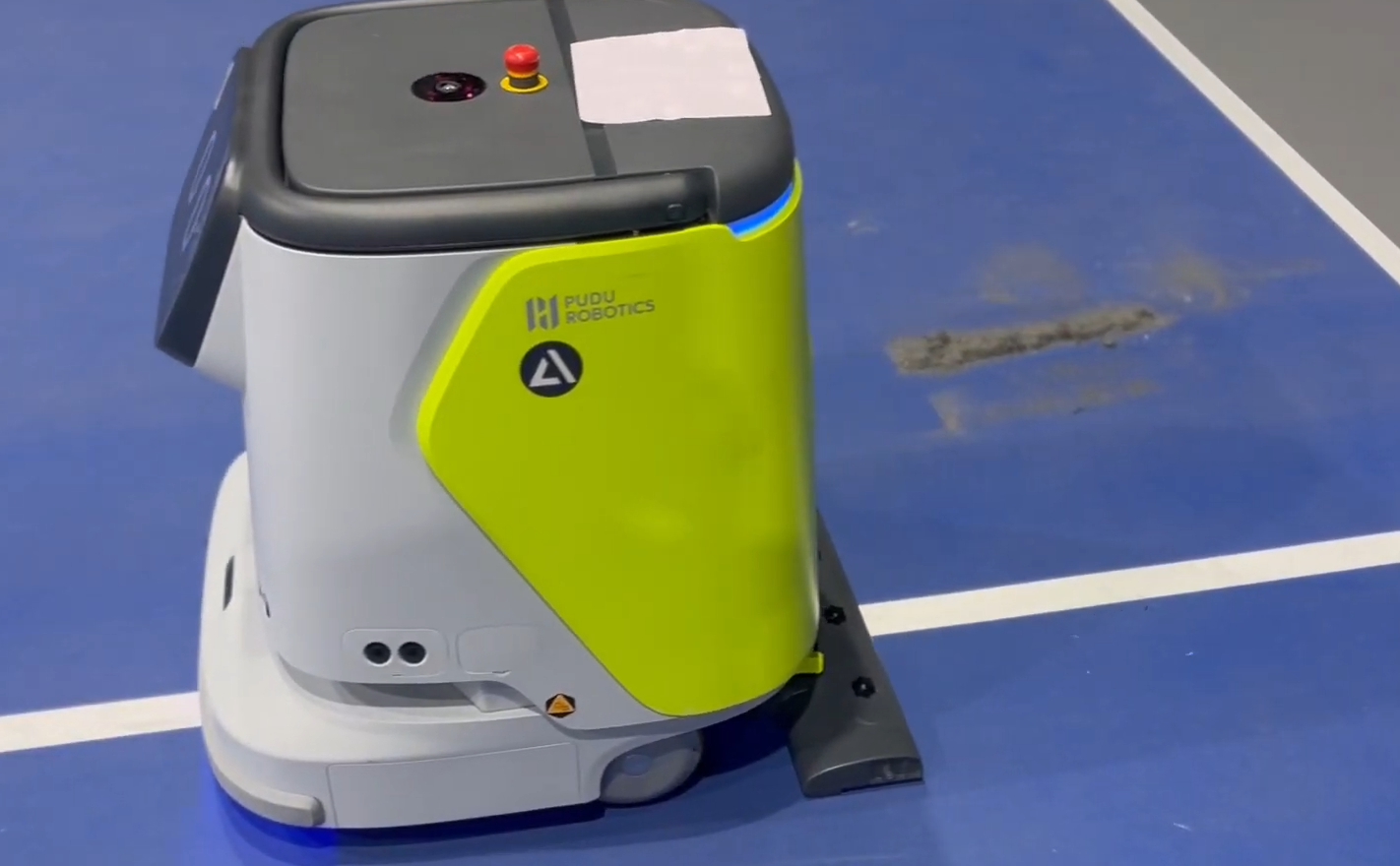
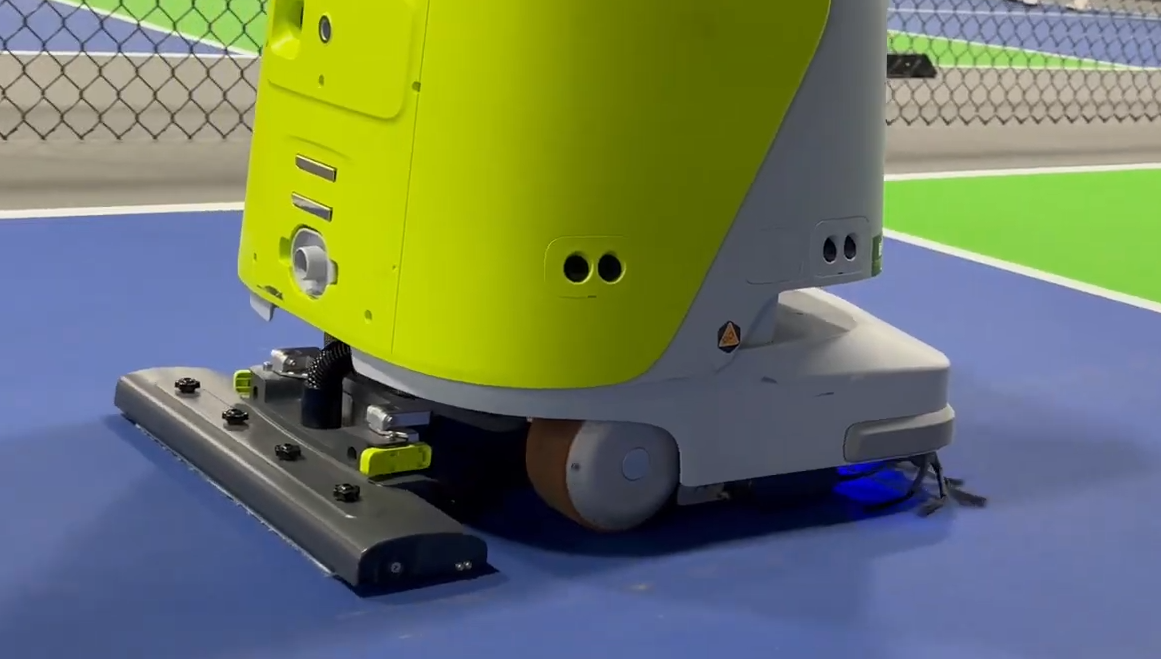
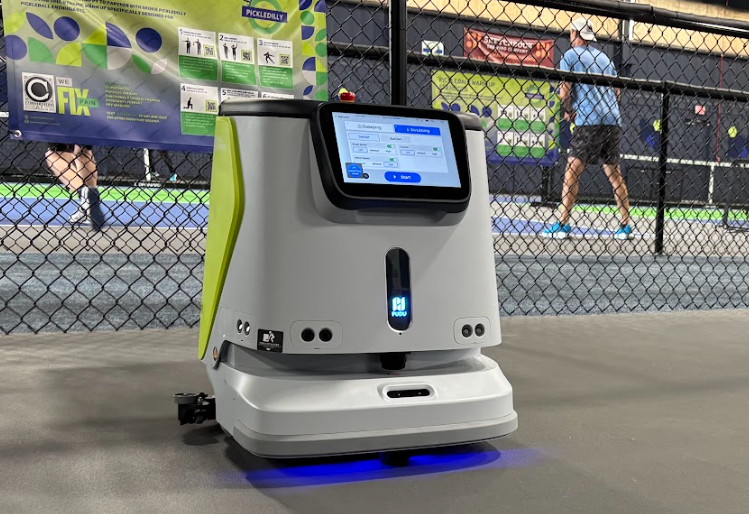
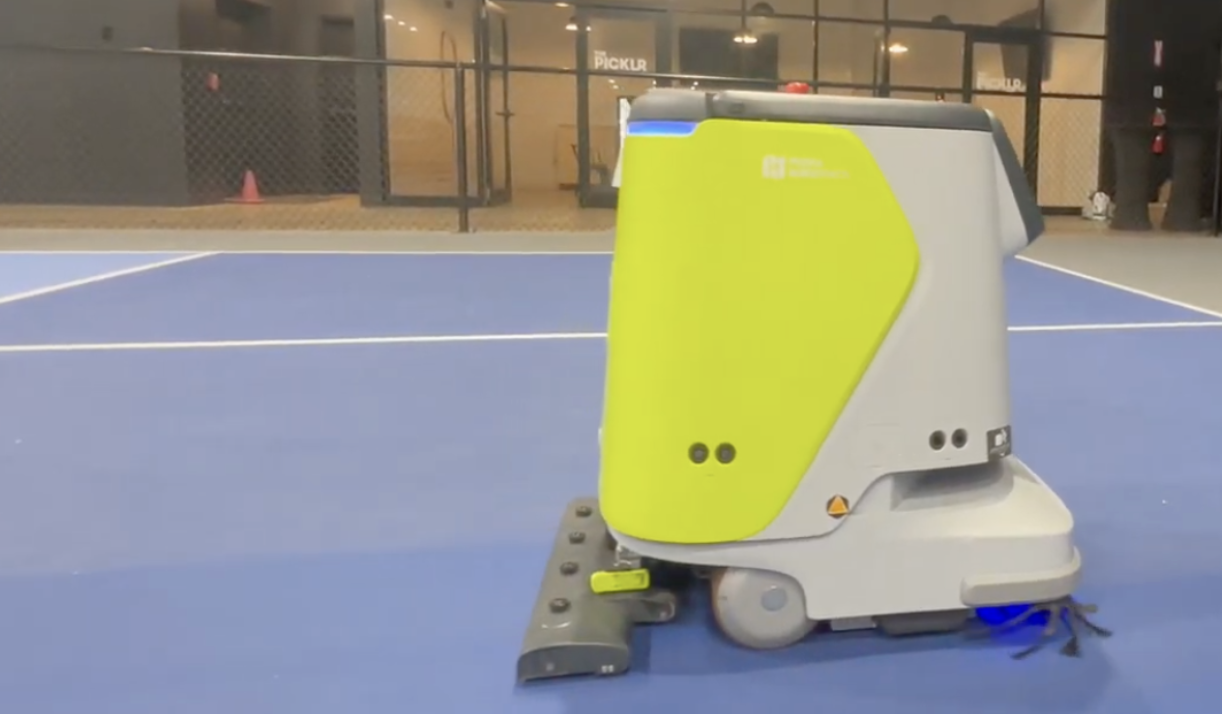
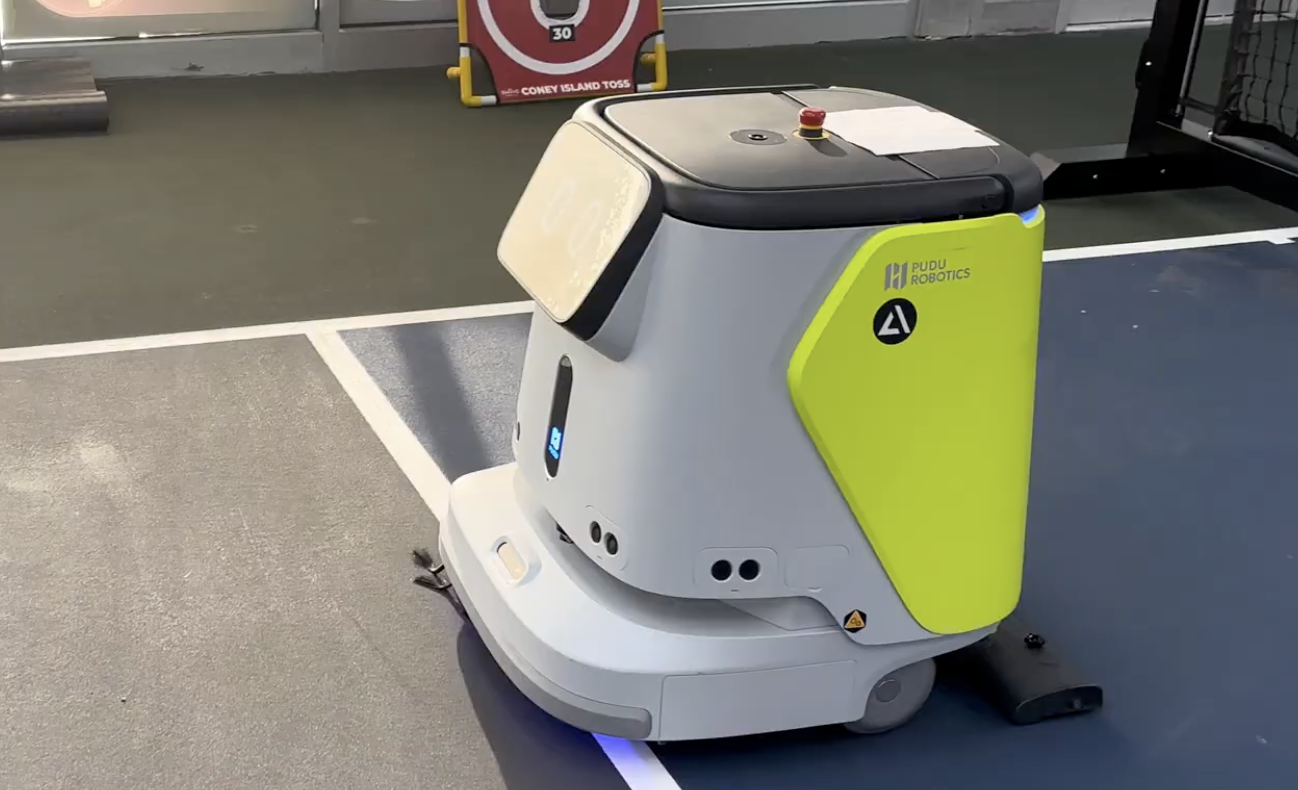
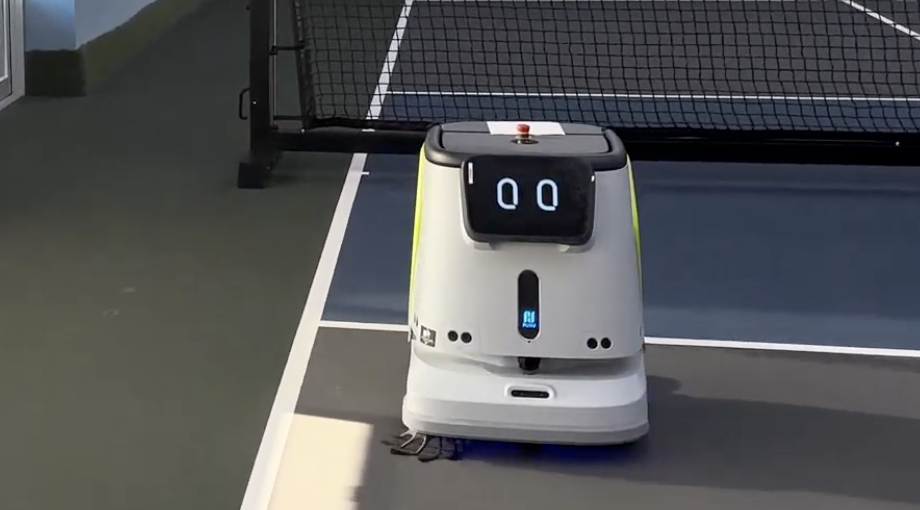
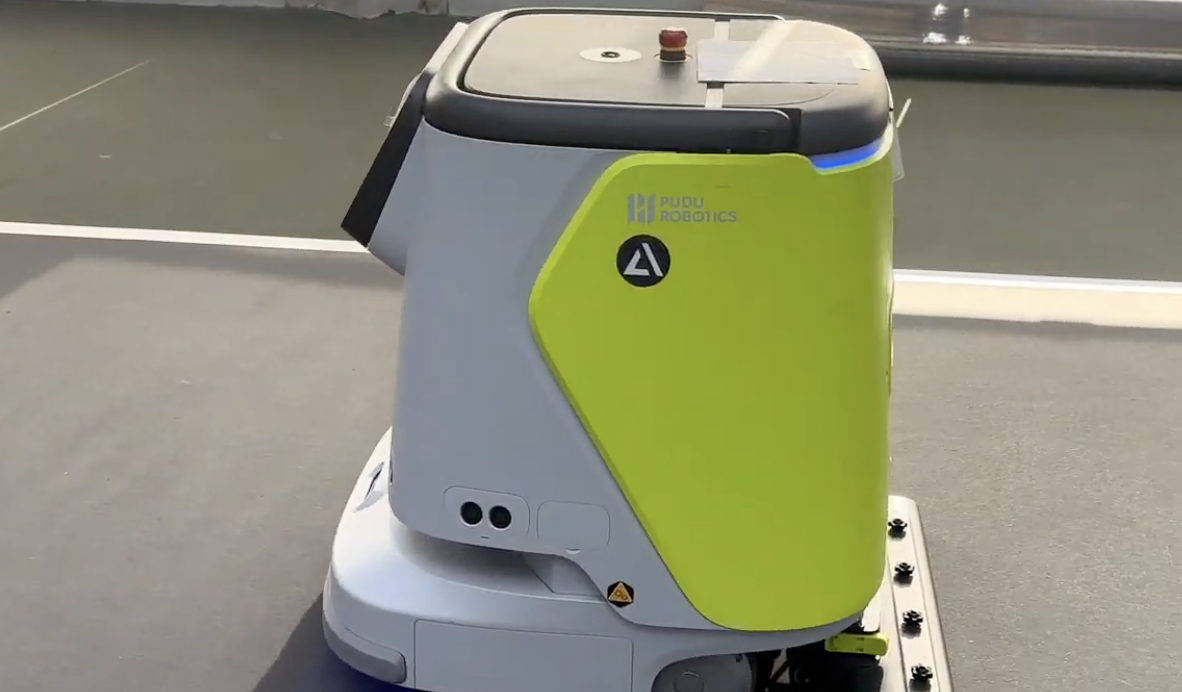
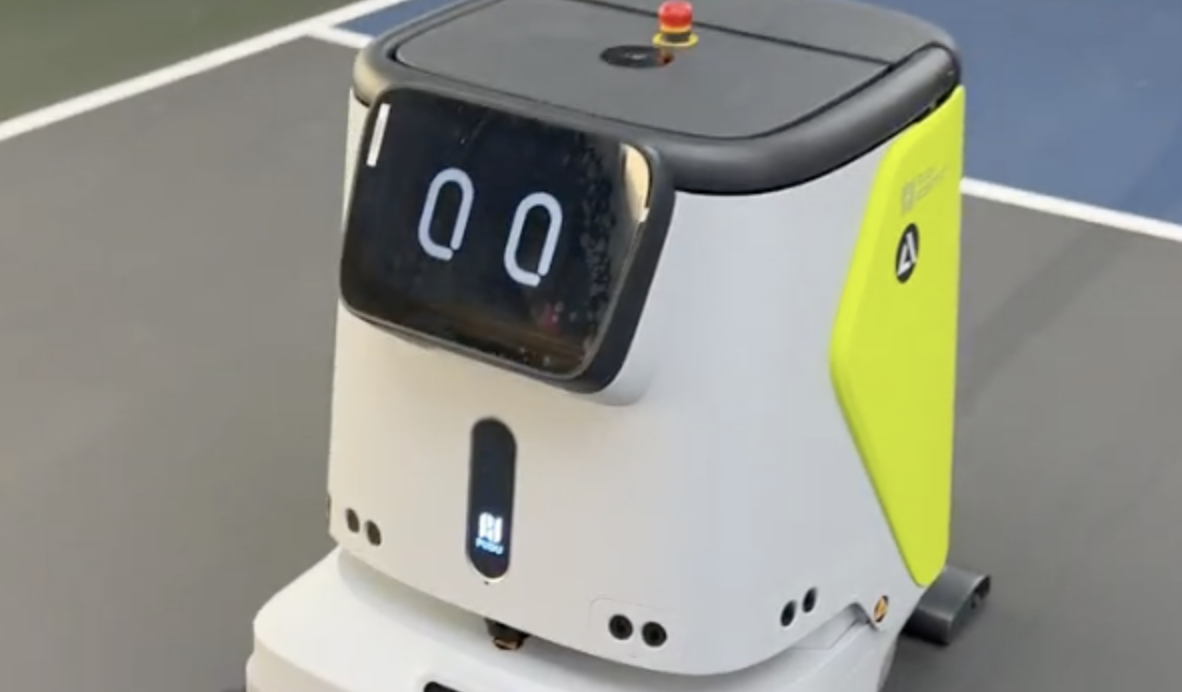
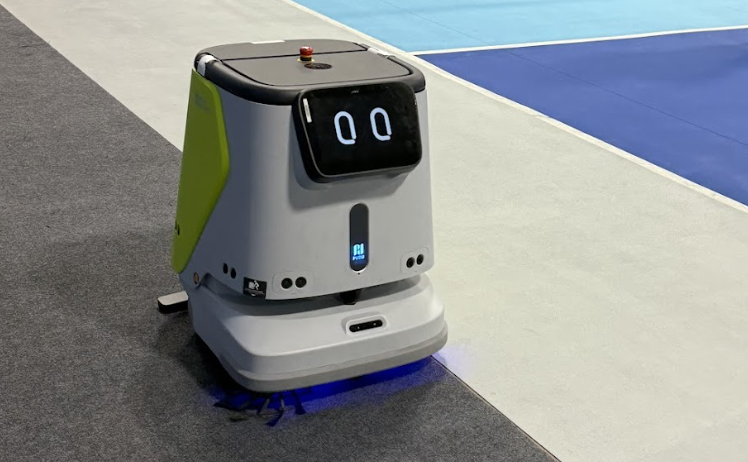
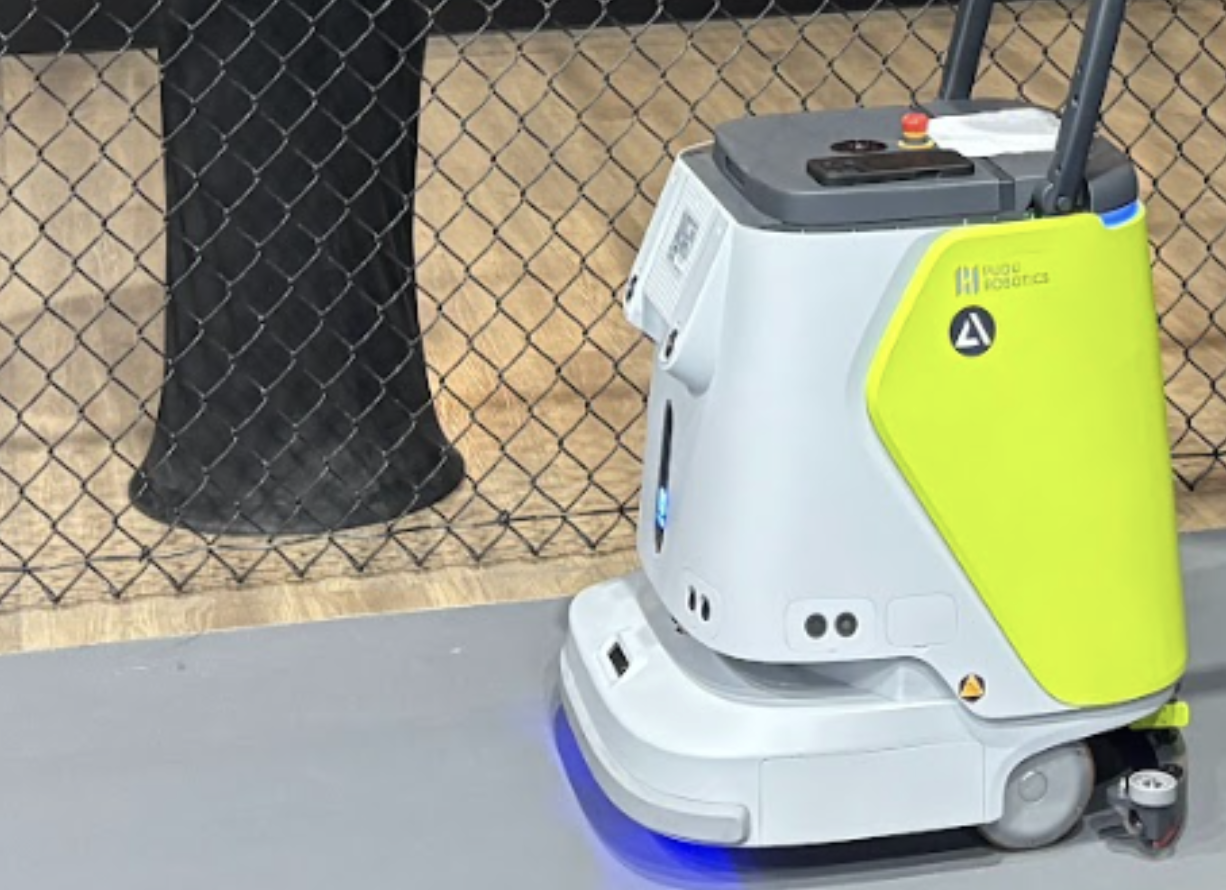
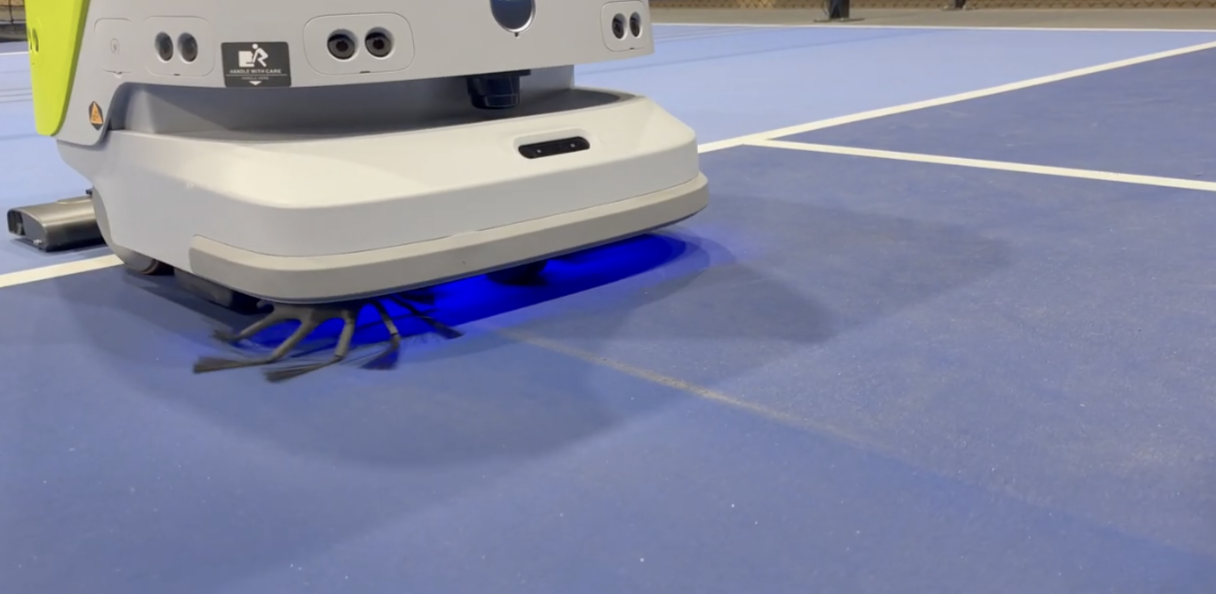
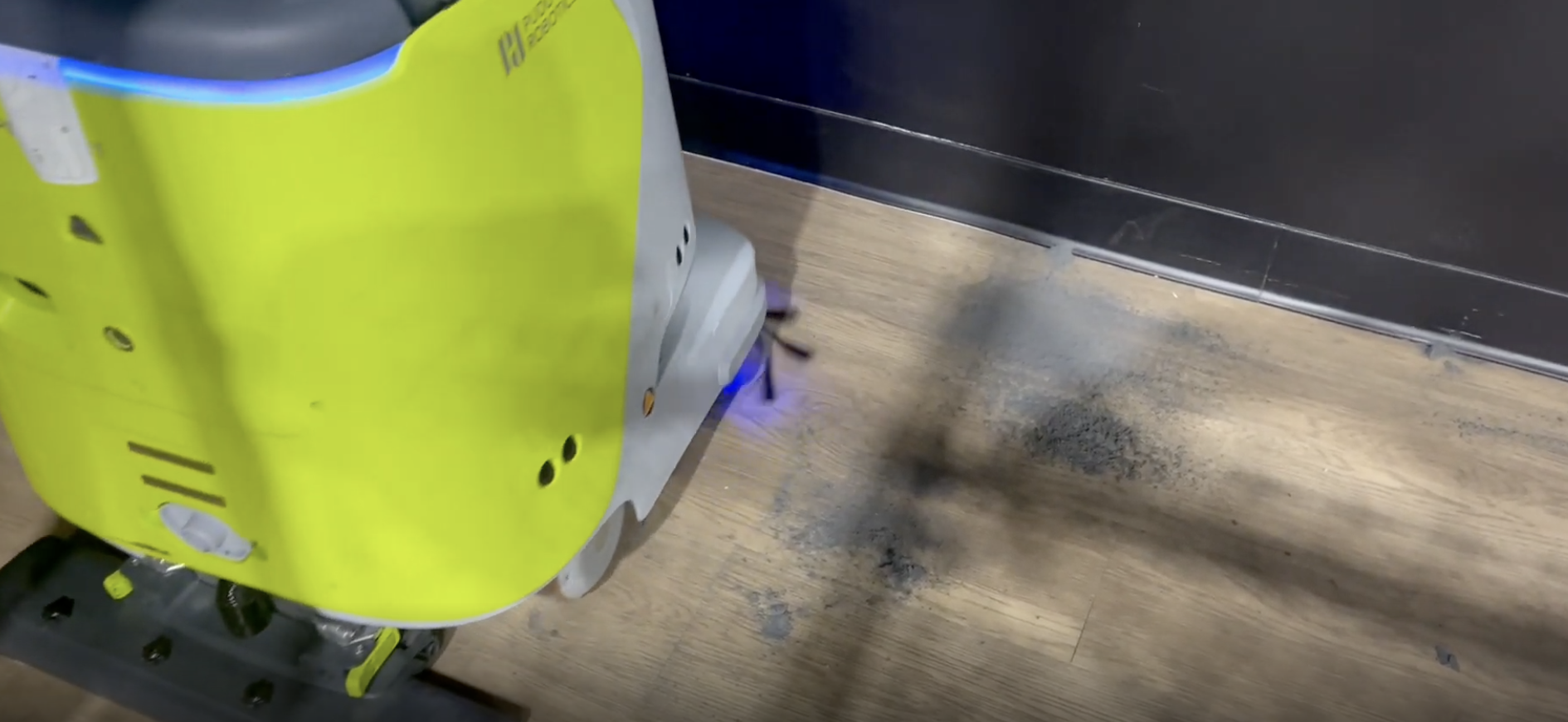
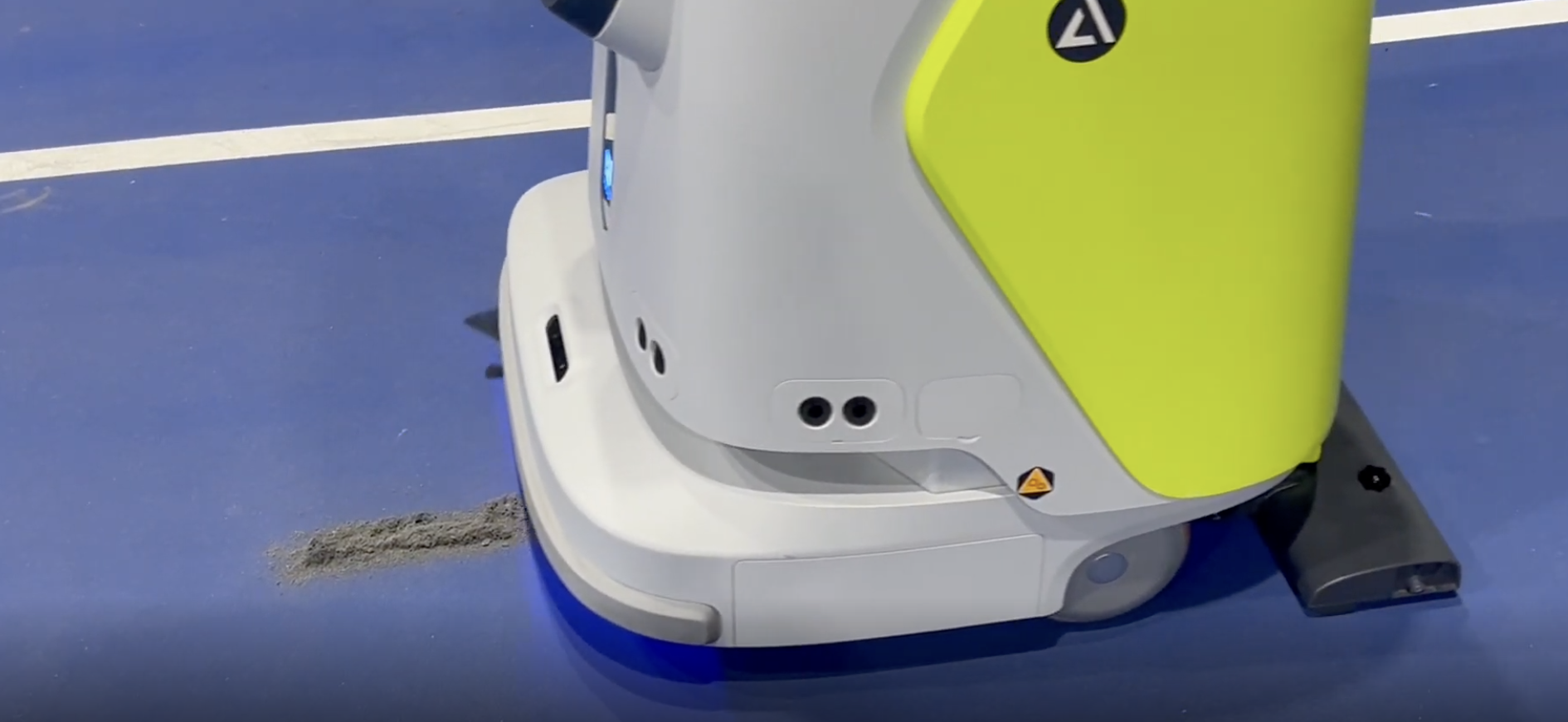
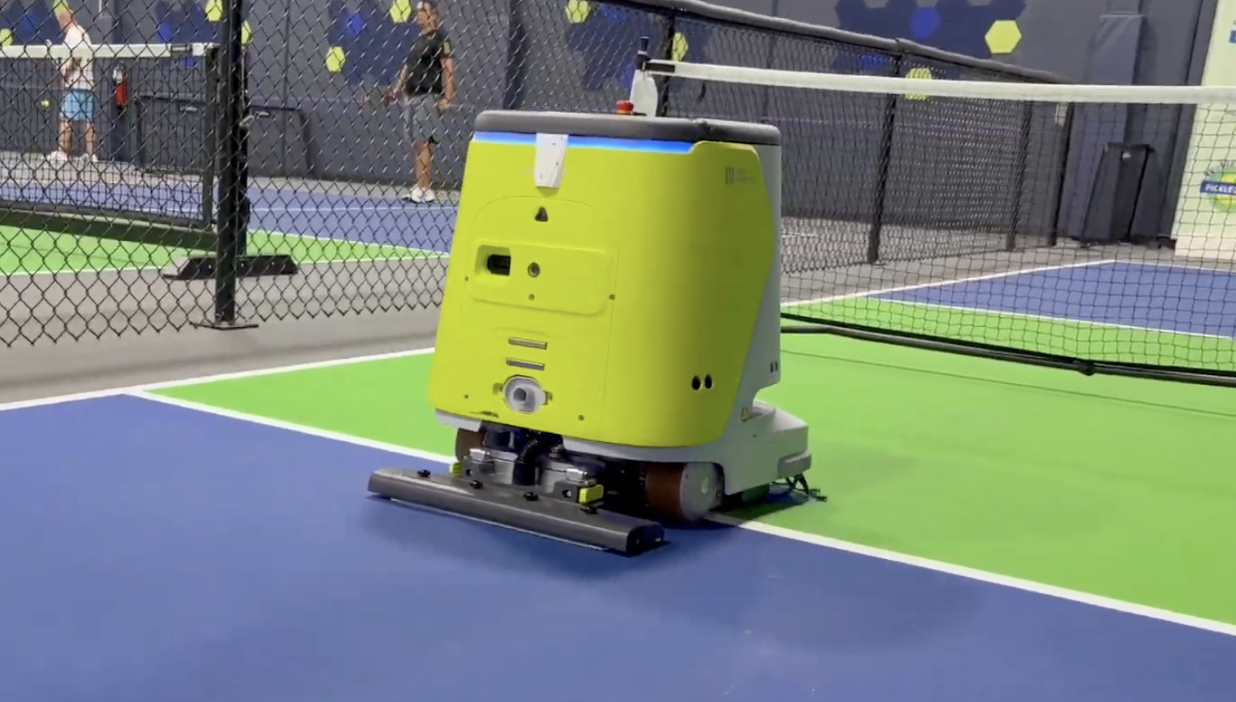
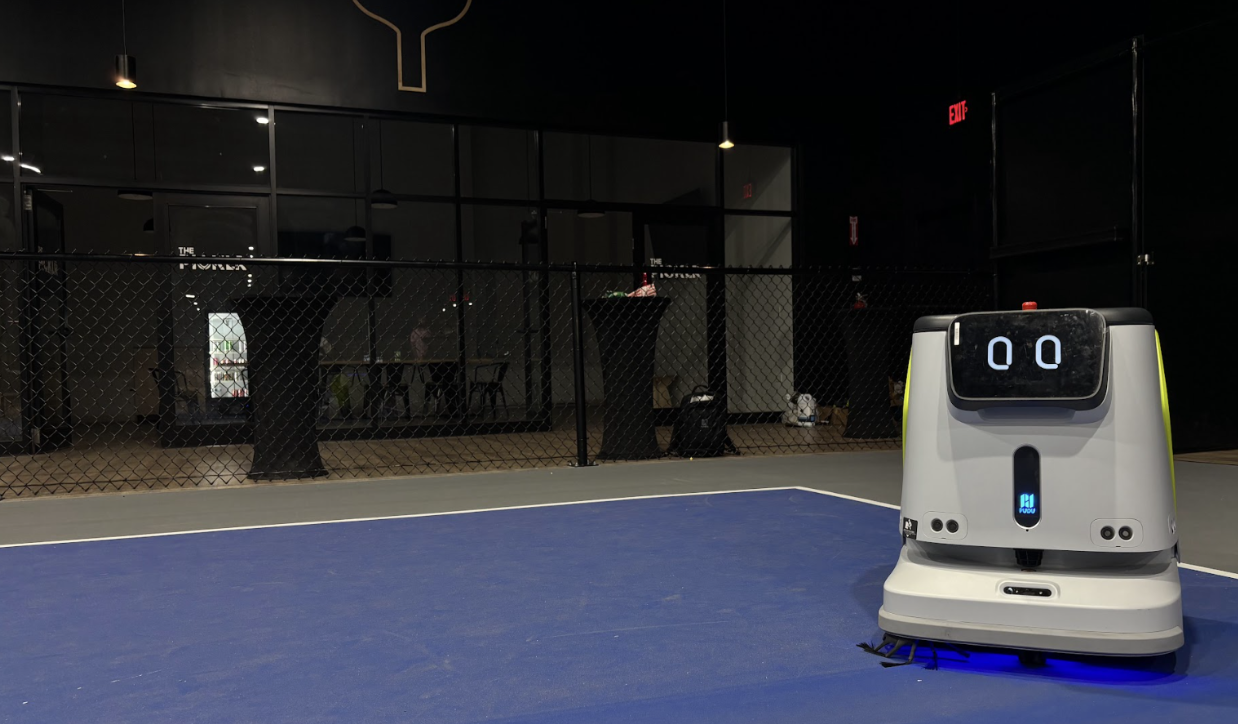
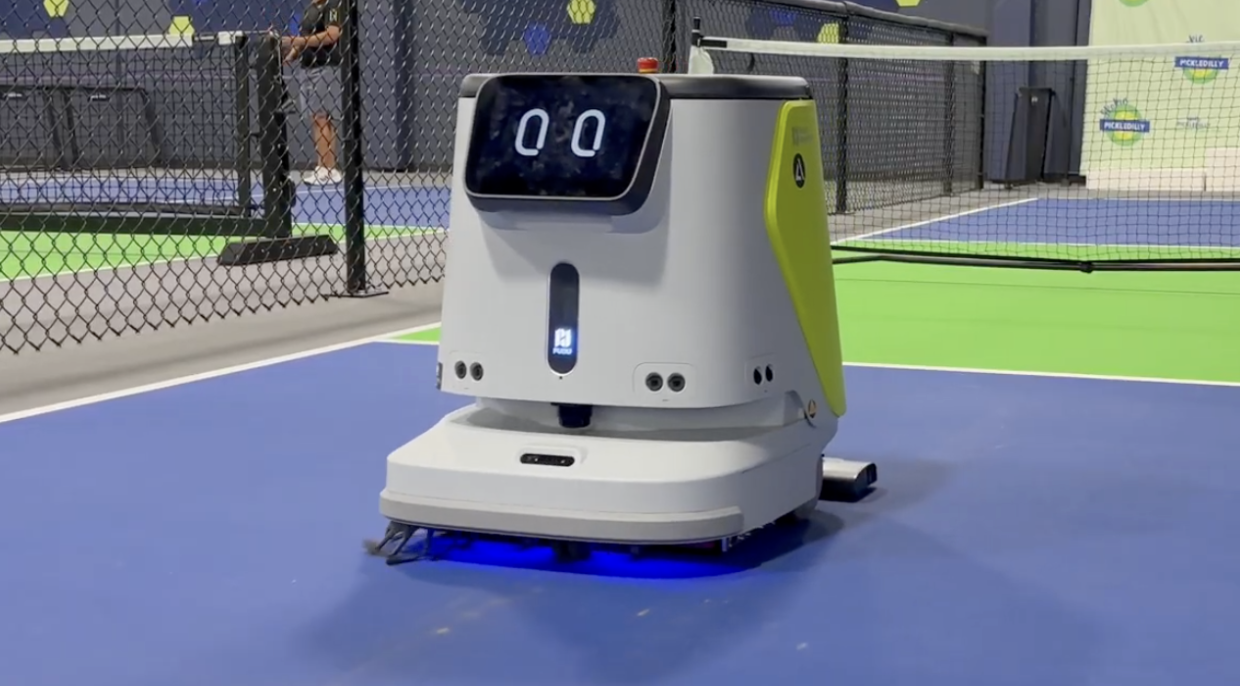
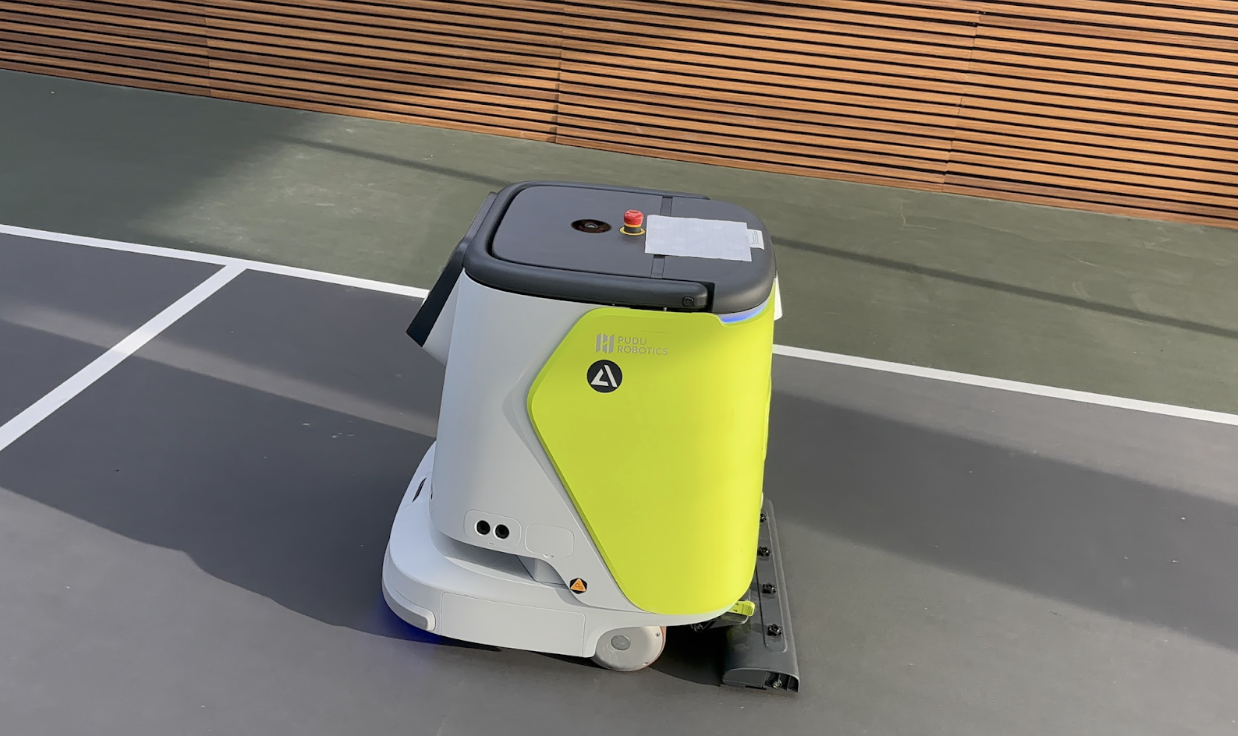
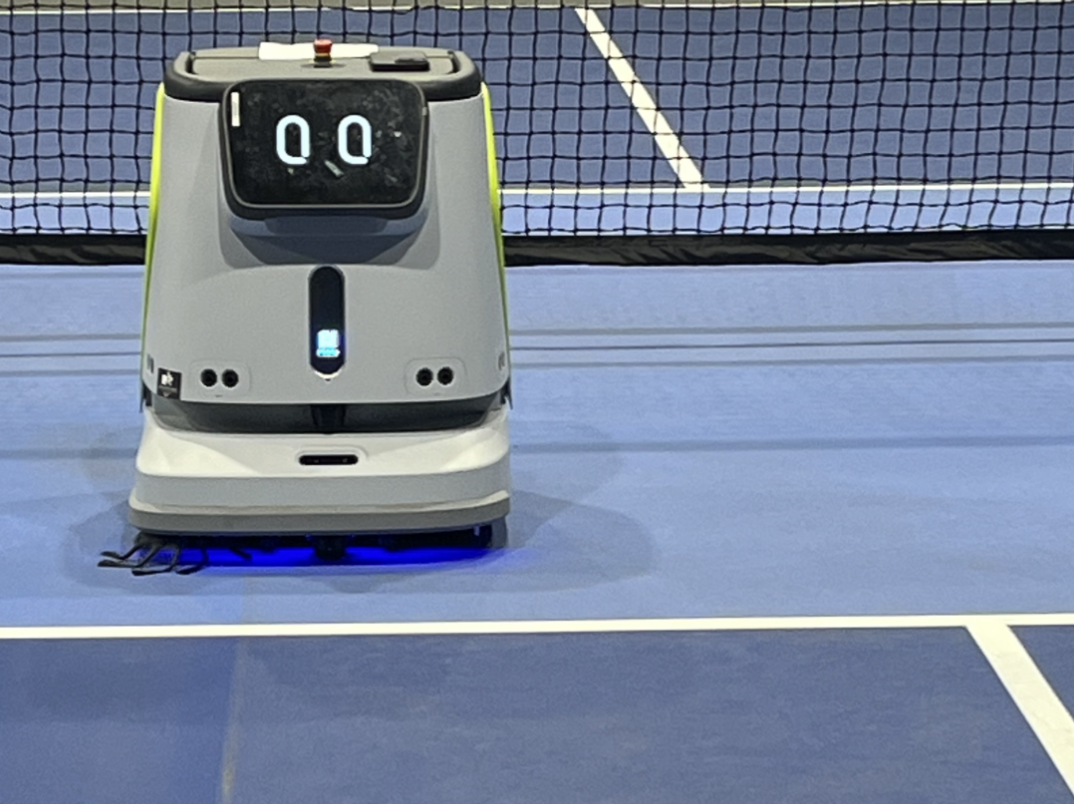
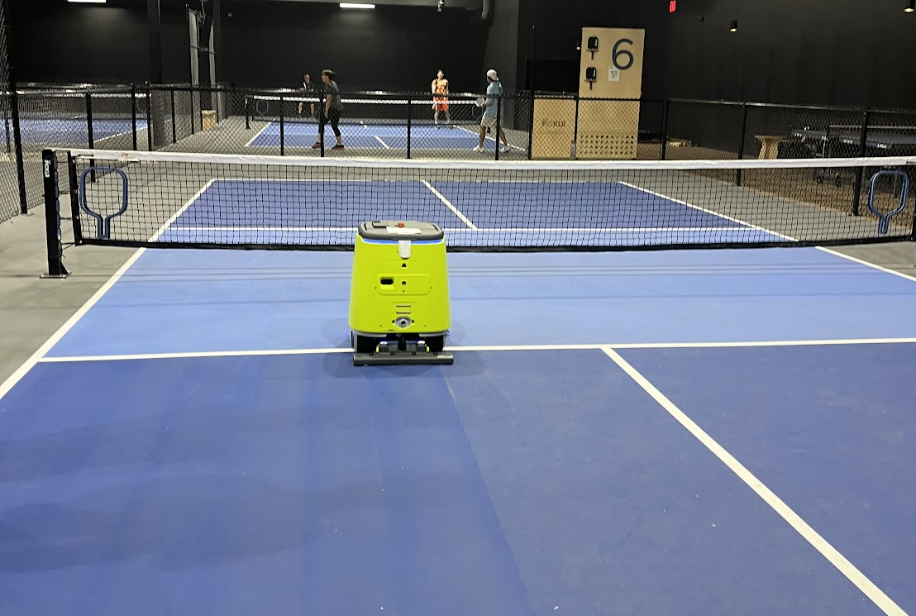
That’s exactly where Autopilot’s CC1 Pro (“CeCe”) fits the modern toolkit: it helps you run consistent cleaning passes that are hard to staff during peak windows—while your team handles the human tasks (spot spills, inspections, member experience).
Practical decision rule
- If you’re frequently fully booked and still get traction/cleanliness complaints, you don’t need a stronger broom—you need more consistent cycles.
Quick Answers (For Busy Owners)
Q: What’s the minimum equipment stack every club should have?
A: Blower or soft broom + a mild-detergent spot kit. Indoor clubs should add a vacuum strategy.
Q: What does daily court maintenance typically include?
A: Remove debris/trip hazards and check gate-area dirt accumulation.
Q: What’s the safest default for spot cleaning acrylic courts?
A: Mild detergent + soft-bristled tools, then rinse thoroughly.
Q: Vacuum or blower for indoor courts?
A: Vacuuming is commonly recommended for indoor courts to remove dust rather than move it.
Q: Why are gate zones always the dirtiest?
A: They’re the main entry point for tracked-in grit and debris—routine maintenance guidance calls gate areas out specifically.
Q: When does autonomous cleaning make sense?
A: When staffing can’t keep up with frequent resets and consistency becomes your #1 problem—especially during peak demand.
Q: What should we avoid?
A: Harsh methods or overly aggressive cleaning approaches that can damage acrylic systems; stick with routine debris removal and gentle cleaning.
Conclusion + CTA (Autopilot Integration)
Court cleaning equipment should reduce thinking, not create it. If your tools aren’t easy enough for 90-second resets, they won’t get used consistently—and court quality will drift.
Start with the essentials (debris removal + spot kit + vacuum strategy indoors), then build a workflow. And if your club is high-traffic or labor-tight, Autopilot’s CC1 Pro (“CeCe”) helps keep cleaning cycles consistent so courts stay game-ready without leaning on perfect staff timing.
Want a one-page “Cleaning Equipment + Reset SOP” you can hand to staff, plus a sample daily plan showing where CeCe runs during peak hours?