Pickleball Court Cleaning 101: A Weekly Routine That Keeps Courts Safe (Without Damaging Acrylic)


Pickleball Court Cleaning 101: A Weekly Routine That Keeps Courts Safe (Without Damaging Acrylic)
A The 2-minute problem that becomes a 2-week headache
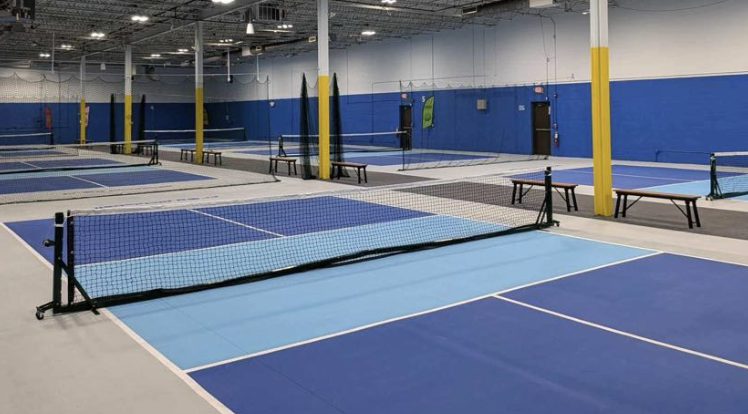
If your courts look “fine” today, that’s exactly when problems sneak in. A few leaves at the gate, a dusty baseline, or a sticky drink spill turns into traction issues, complaints, and ugly staining—especially on acrylic sport surfaces. Most operators don’t need a bigger cleaning effort. They need a repeatable routine that protects the surface.
Below is a simple system you can implement this week—without accidentally scrubbing your coating off.
The “court-safe” cleaning mindset (so you don’t cause damage)
Acrylic sport surfaces are durable, but they’re not invincible. Manufacturers and court maintenance guidance consistently point to the same idea: remove debris early, clean gently, rinse well, and avoid harsh methods.
Court-safe rules of thumb
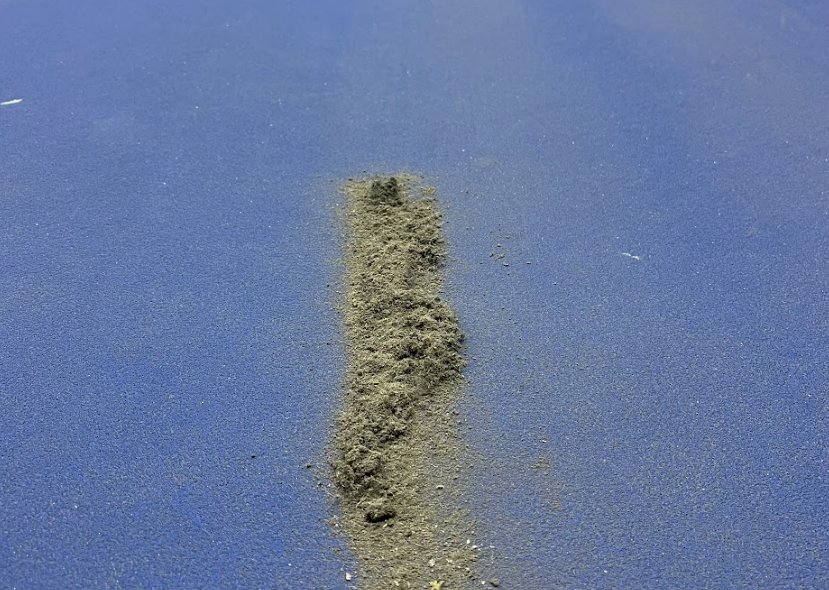
- Start dry: Blow/sweep first to remove grit before you introduce water.
- Use mild detergent + soft brush: Spills and grime should be cleaned promptly with a mild detergent solution and a soft brush, then rinsed.
- Pressure washing is last-resort + low setting: If you use it, go low-pressure and treat it like a careful rinse—not paint removal.
- Don’t “sand” your surface: Grit + aggressive brushing = accelerated wear.
Tool list you actually need
- Backpack blower (or quiet electric blower if noise-sensitive)
- Soft-bristle push broom (not wire, not stiff deck brush)
- Bucket + hose + mild dish detergent
- Soft scrub brush for spots (especially around gates/benches)
- Squeegee (for standing water after rinse)
The 90-second playbook (what to do between reservations)
This is the “keep it playable” routine. It prevents slips and keeps dirt from becoming stains.
The 90-second playbook
1. Gate zones first (20 seconds):
Check for dirt buildup at entrances and along high-traffic edges. Quick sweep or a small power blower pass.
2. Hazard scan (20 seconds):
Remove trip hazards (cups, branches, broken balls, tape).
3. Fast blow-down (40 seconds):
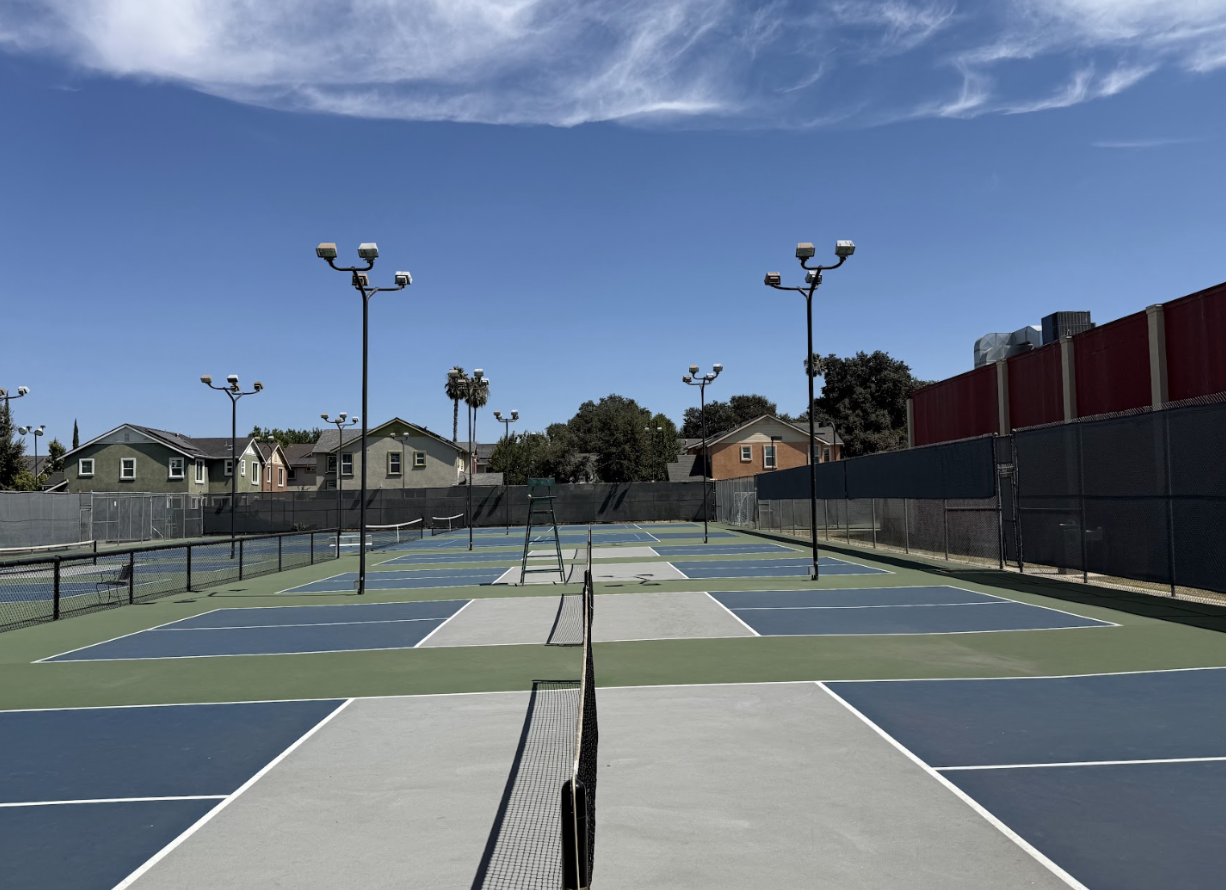
One lap around the court perimeter + a quick pass across the baselines and kitchen lines.
- Focus on where grit collects: windward fence line, corners, bench areas.
4. One-spot fix (10 seconds):
If there’s a spill: mark it, and wipe it up ASAP with mild detergent + rinse later.
Operator tip: Put the blower on a hook near the court entrance with a “Reset After Peak Hours” sign. Behavior follows convenience.
Your weekly/monthly schedule template (copy/paste this into SOPs)
A simple schedule beats a “deep clean” that never happens.
Weekly schedule (15–30 minutes per court)
- Power blow or sweep the full surface.
- Inspect and clean drain areas + perimeter paths so debris doesn’t wash back onto courts.
- Check shaded corners for early algae/mildew conditions.
Monthly schedule (30–60 minutes per court)
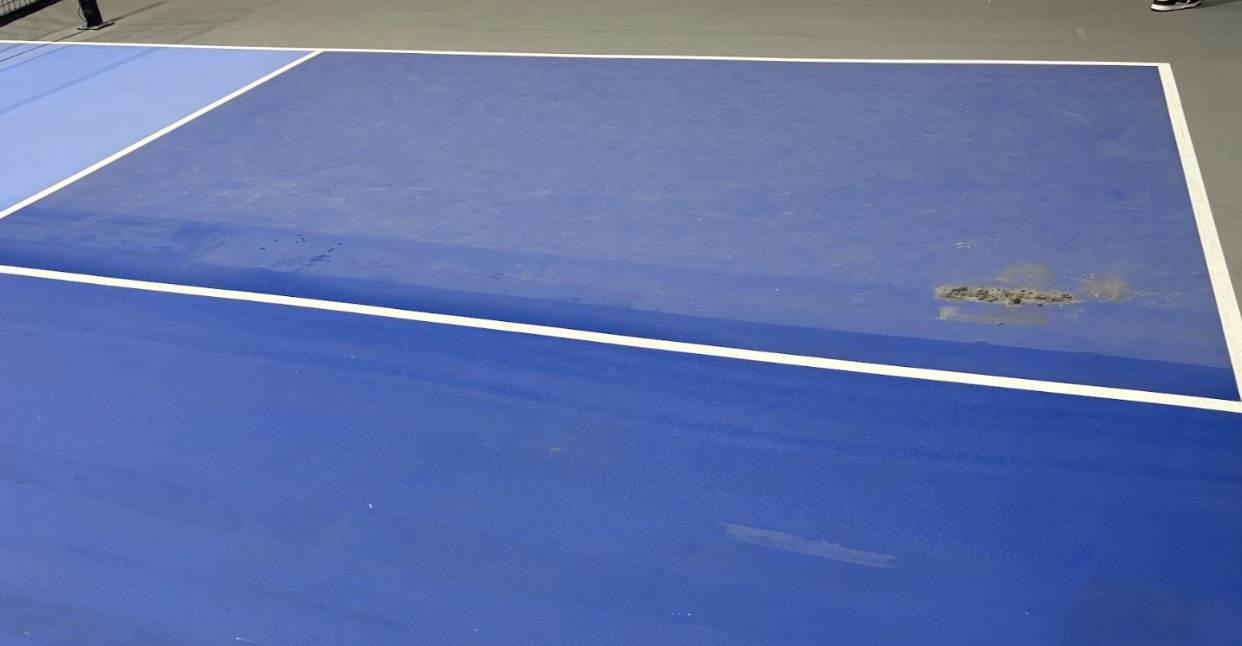
- Mist + spot treat stains with common dish detergent and a soft brush; rinse well .
- Look for “birdbaths” (low spots holding water) and track them for repair planning .
- Document issues (photos + note location) so you can tell if problems are growing.
Annual schedule (plan it like an inspection day)
- Professional or formal inspection of surfacing, drainage performance, and wear areas is commonly recommended to catch issues before they become expensive .
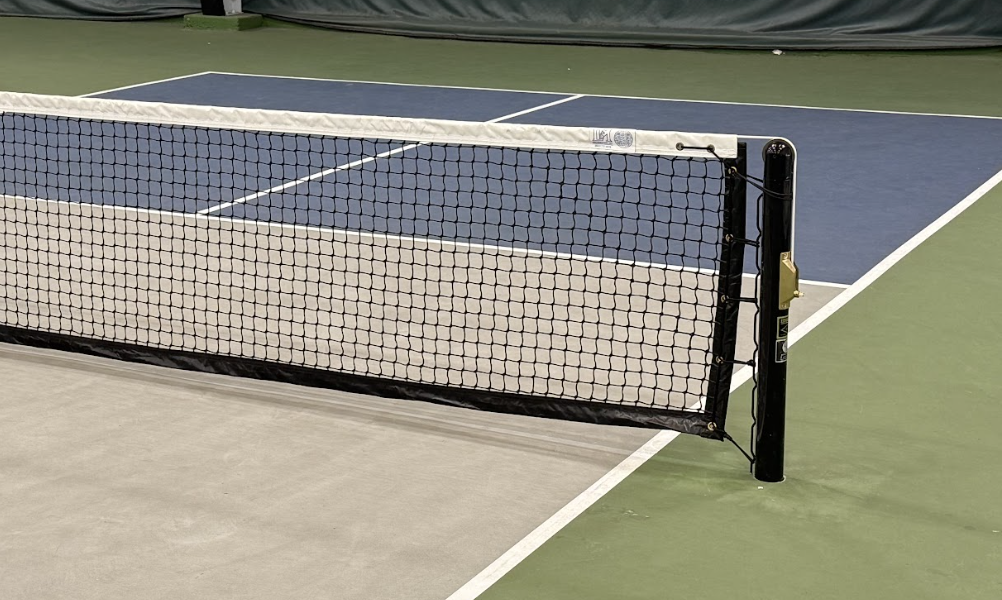
- Inspect fixtures (nets, posts, gates) and replace worn parts.
Common mistakes (and the fast fixes)
These are the cleaning “shortcuts” that create resurfacing problems.
Mistake 1: Waiting until it looks dirty
- Fix: Treat debris removal as daily hygiene, not a cosmetic task. Growth and staining get harder over time.
Mistake 2: Using harsh chemicals or mystery cleaners
- Fix: Use mild detergent unless your surface manufacturer approves something else. Rinse thoroughly after spot cleaning.
Mistake 3: High-pressure washing like it’s a driveway
- Fix: If you pressure wash, keep it low setting and start from the court’s high point to avoid forcing water into bad areas.
Mistake 4: Ignoring shade + damp corners
- Fix: Shade + dampness is where algae and mildew thrive. Remove debris early and clean promptly to prevent discoloration.
Quick Answers (For Busy Owners)
Q: How often should I sweep or blow off pickleball courts?
A: At minimum weekly, and ideally quick blow-downs daily during peak use.
Q: What’s the safest cleaner for acrylic courts?
A: Mild dish detergent + soft brush, then rinse well.
Q: Can I pressure wash pickleball courts?
A: Yes, but only on low settings and as a careful rinse; aggressive pressure can damage the surface.
Q: Why do my courts get slippery even when they look clean?
A: Fine dust, pollen, and early organic growth reduce traction—especially in shaded, damp zones.
Q: What areas should staff focus on first?
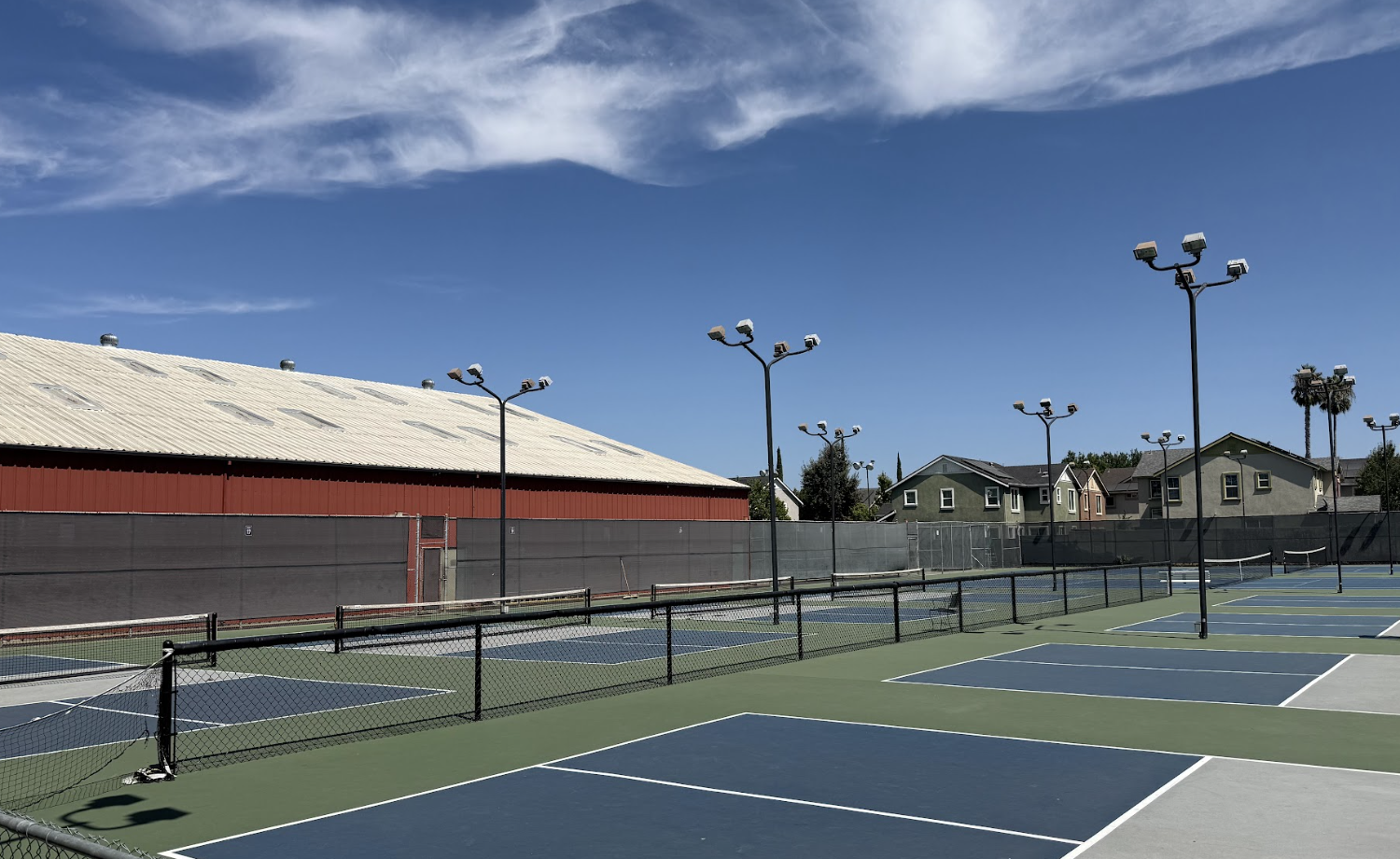
A: Gate zones, corners, bench areas, and windward fence lines where debris collects.
Q: How do I prevent stains from tree sap or spills?
A: Clean spills promptly with mild detergent + soft brush and rinse; don’t let organic debris sit.
Q: How often do acrylic sport surfaces typically need resurfacing?
A: A common guideline is roughly every 5–8 years, depending on wear and conditions.
Conclusion: Consistency beats intensity (and your members will feel it)
Court quality is mostly the result of repeatable micro-actions—not heroic deep cleans. When you run a simple daily/weekly/monthly routine, you protect traction, reduce staining, and extend the life of your surfacing.
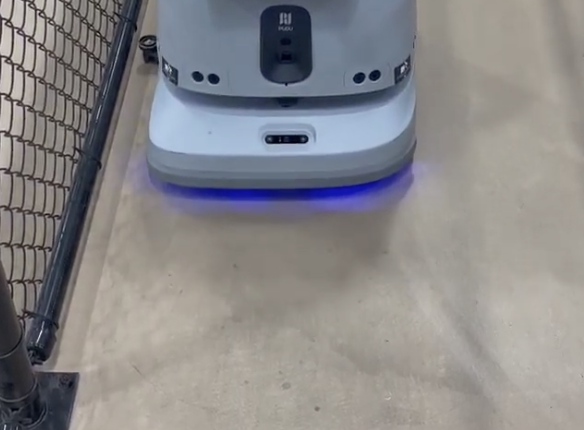
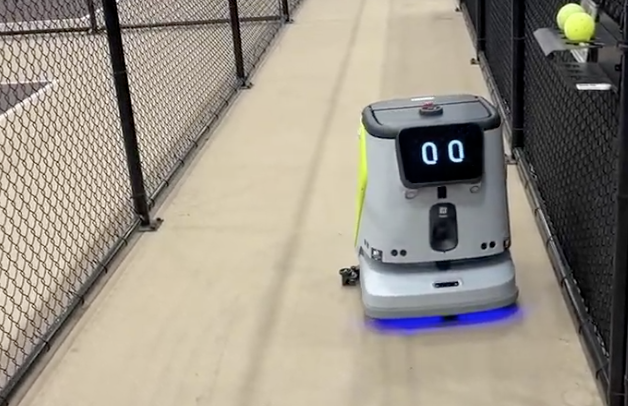
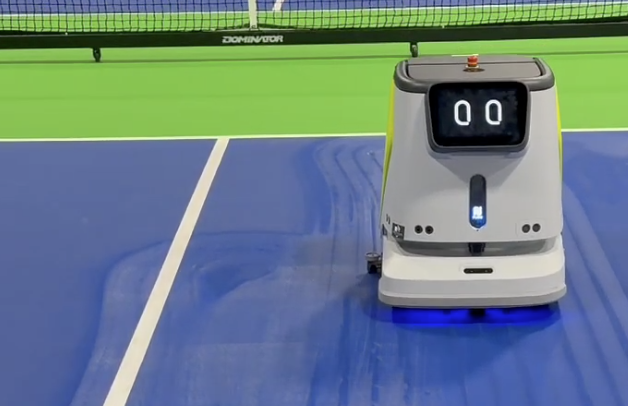
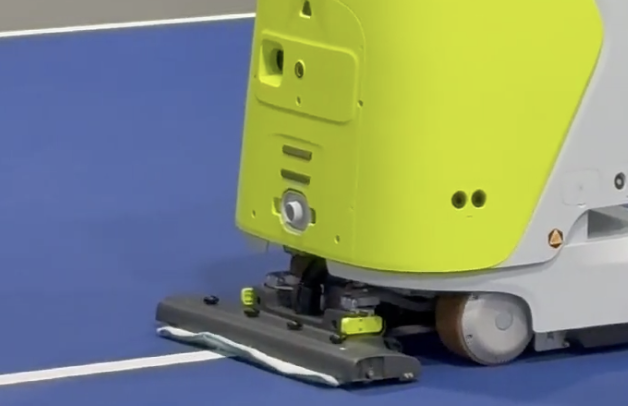
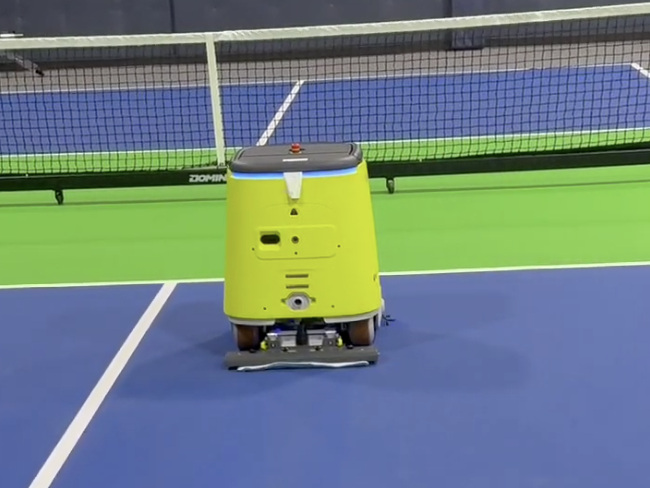
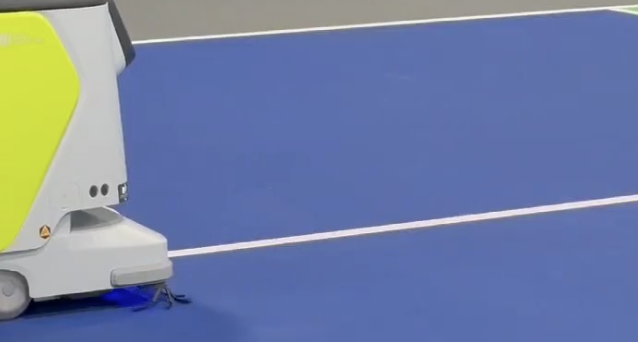
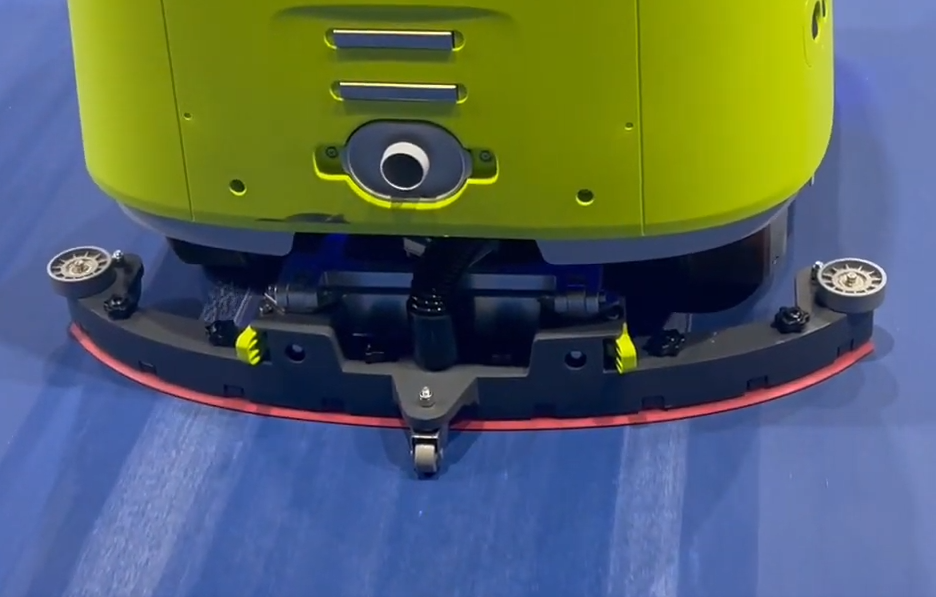
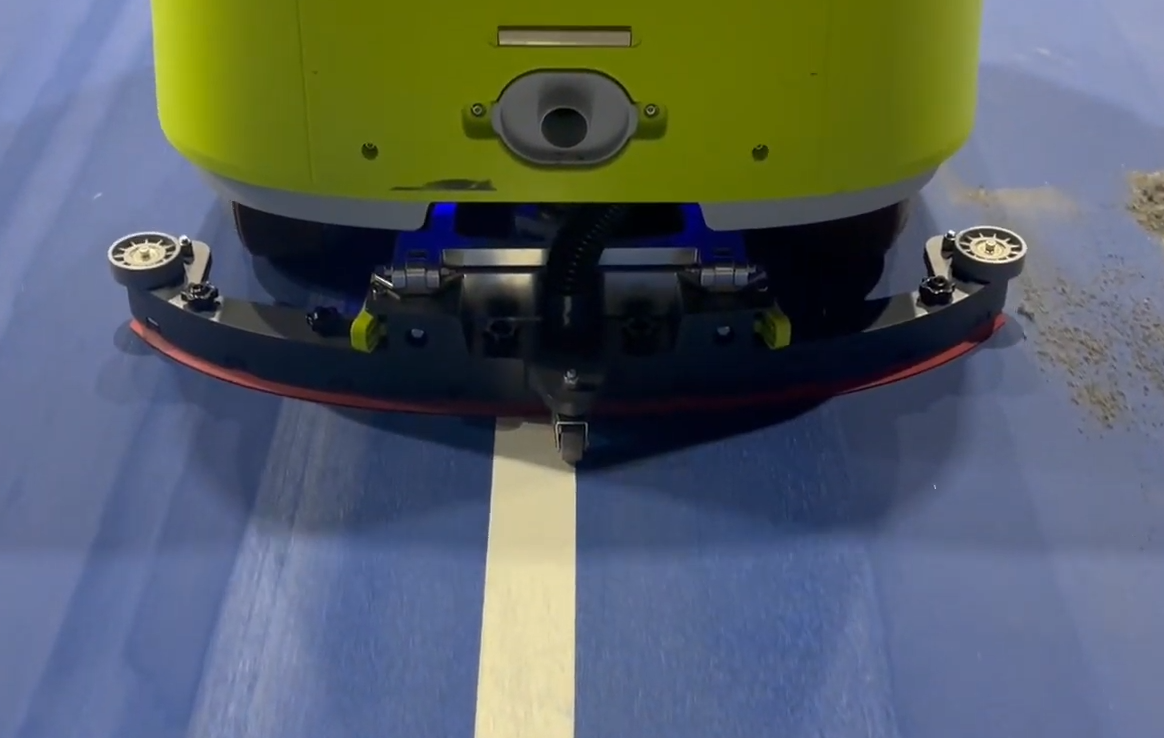
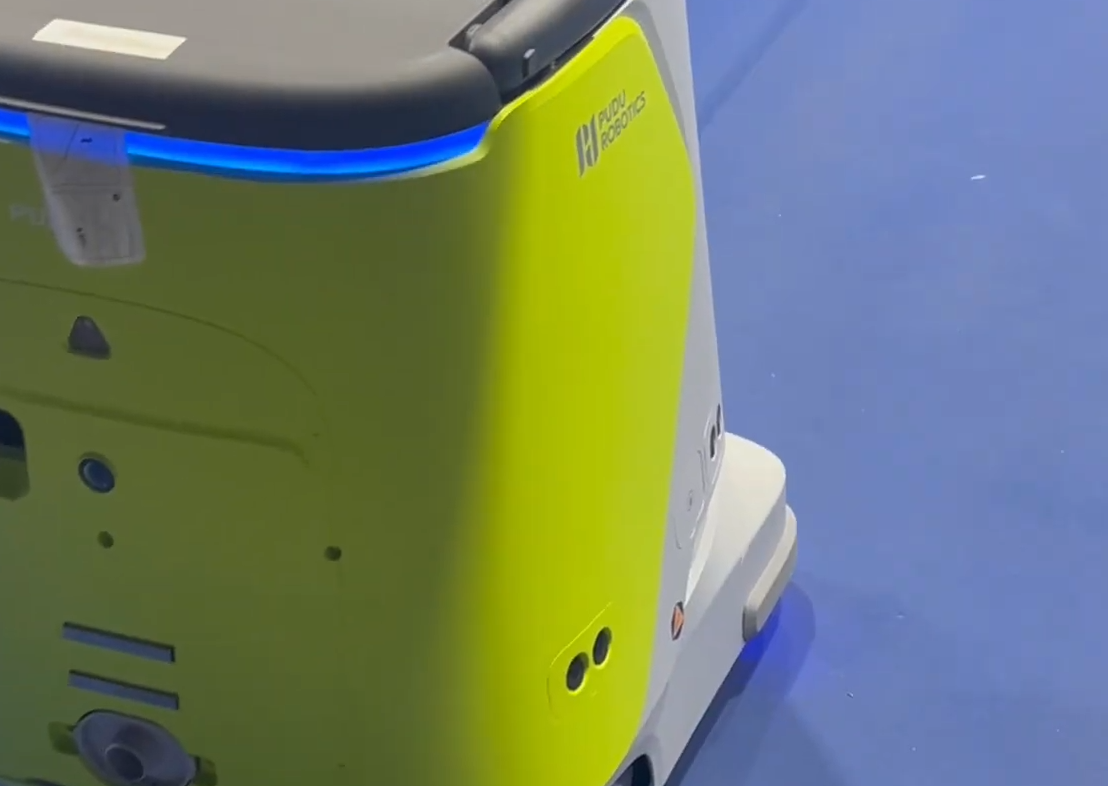
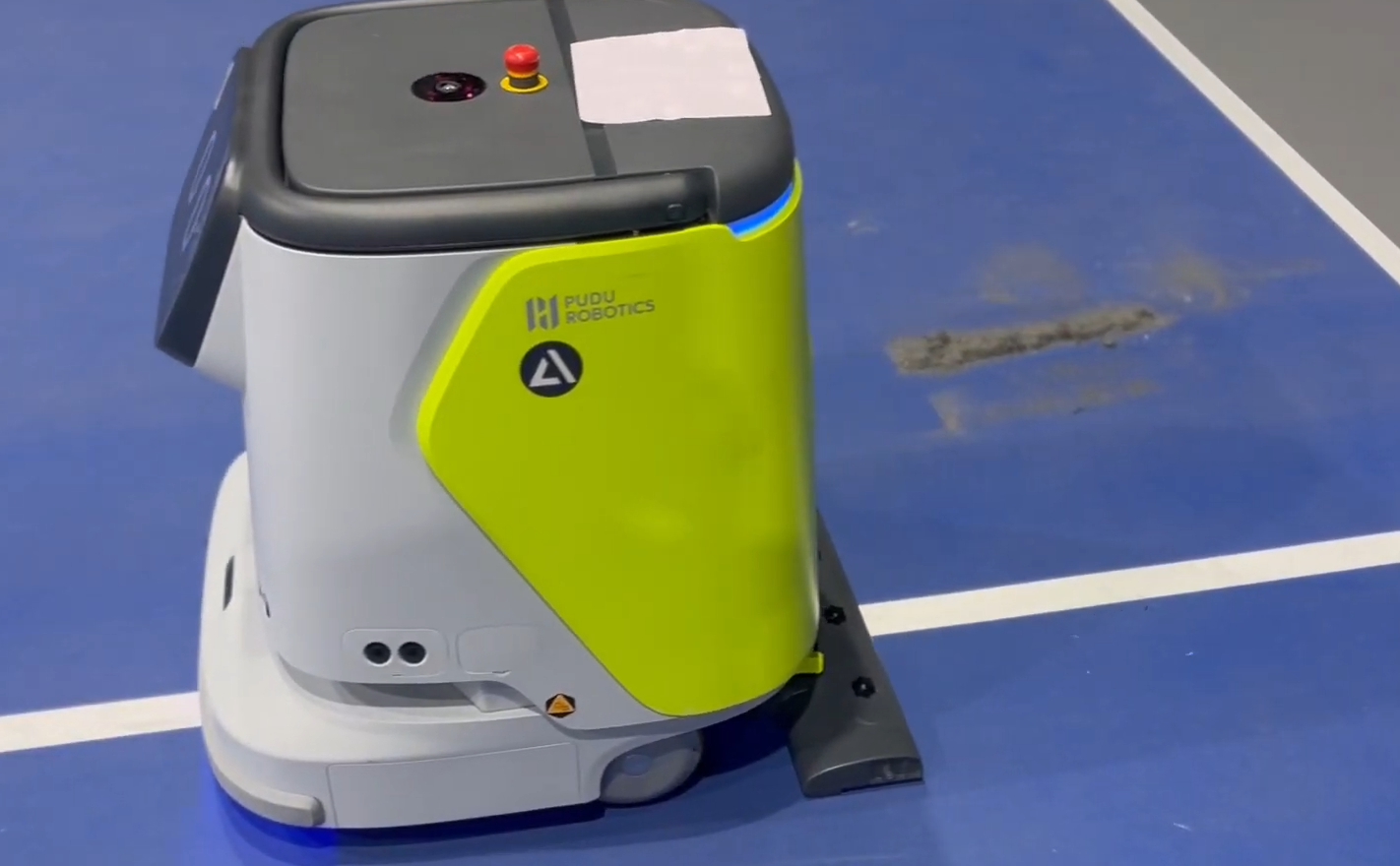
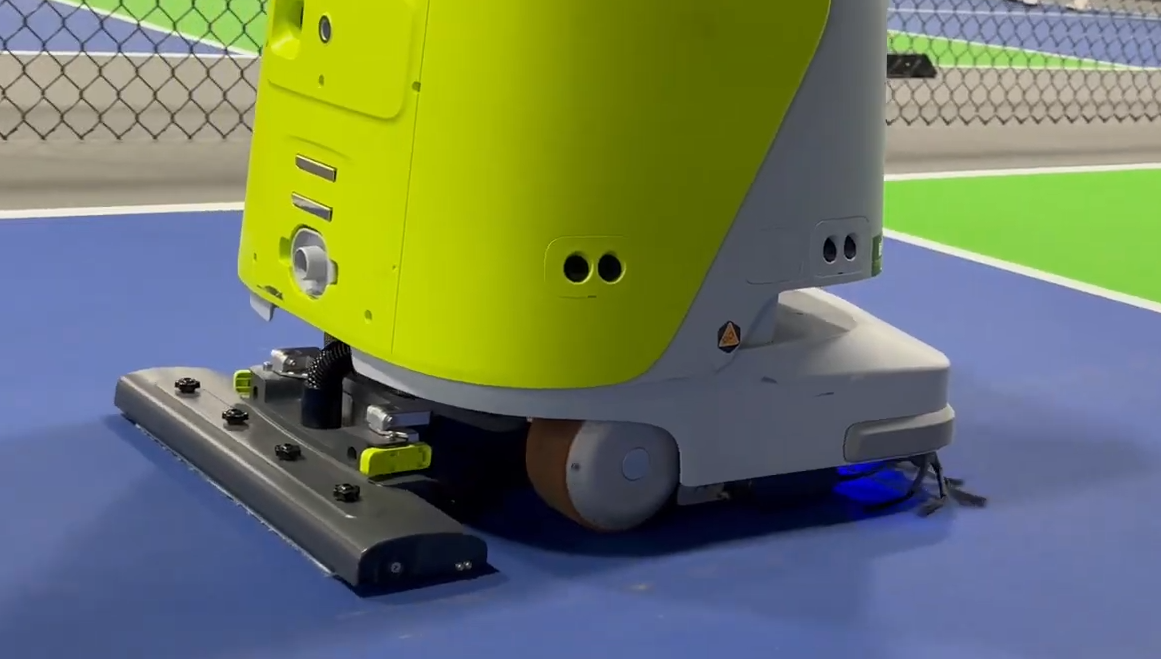
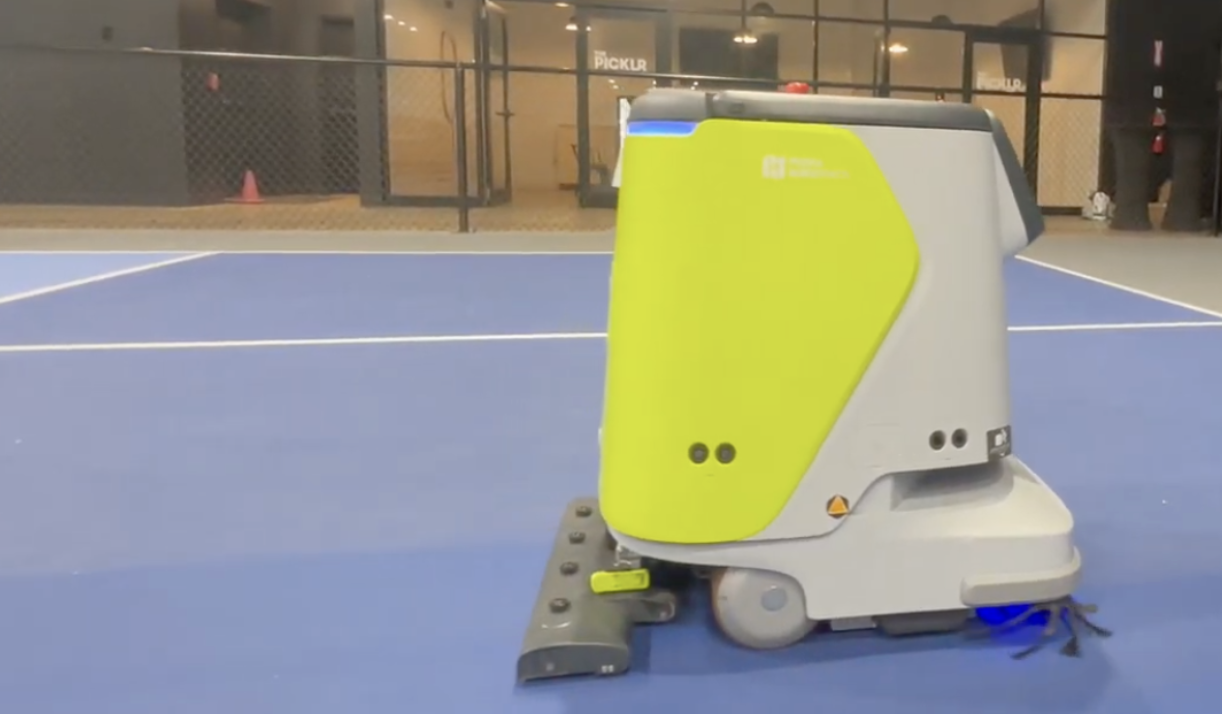
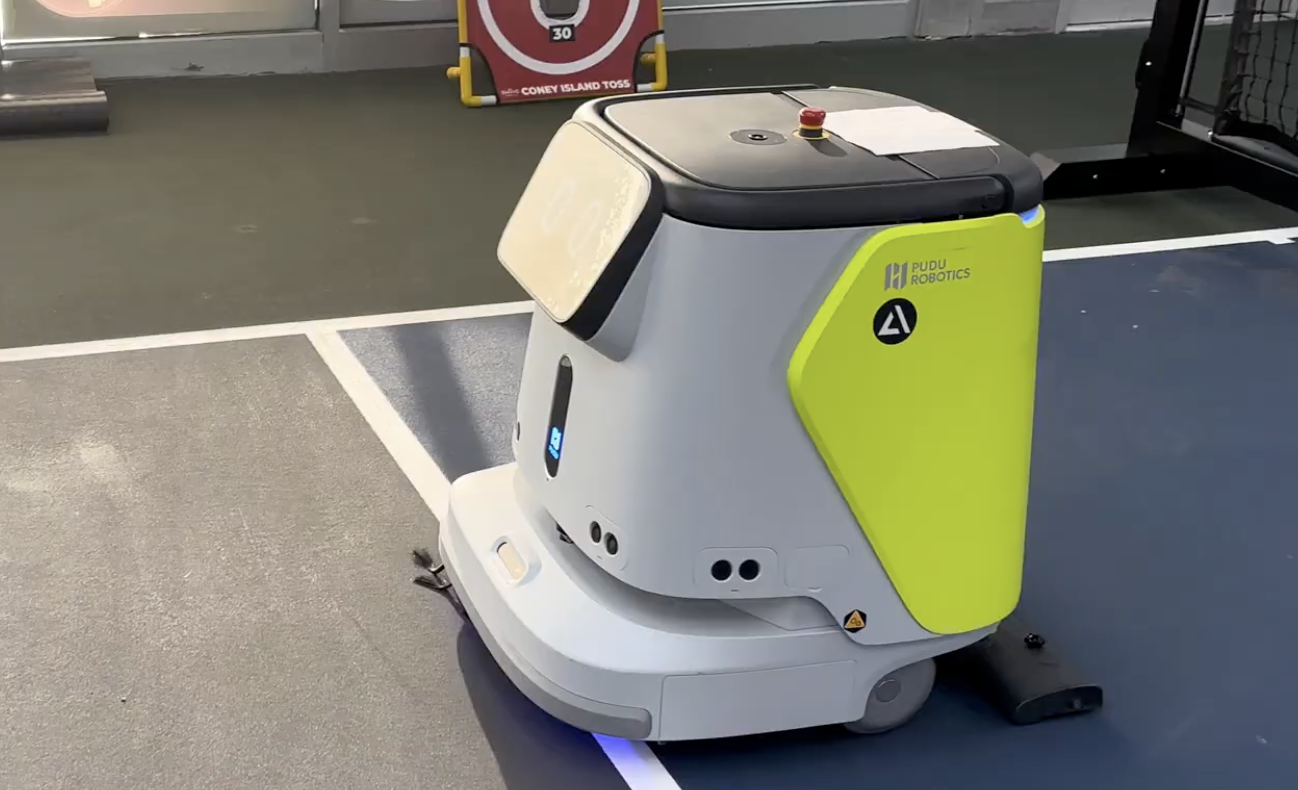
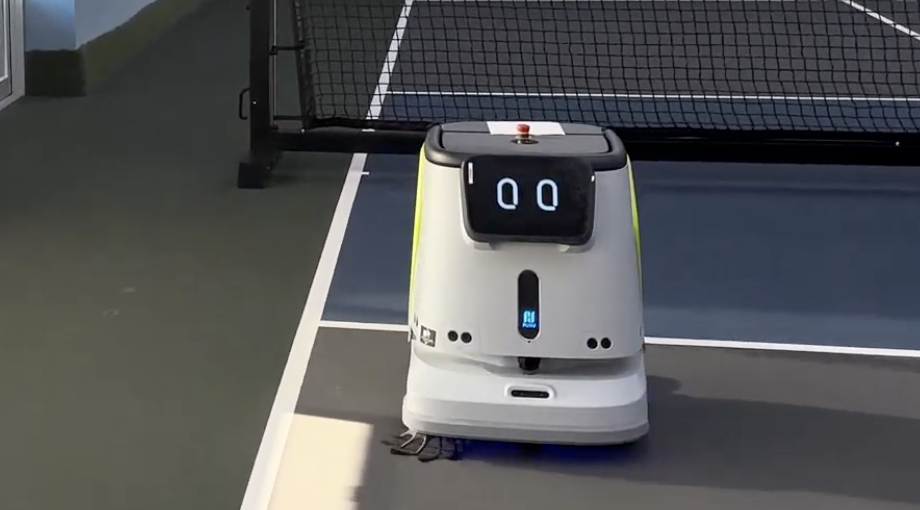
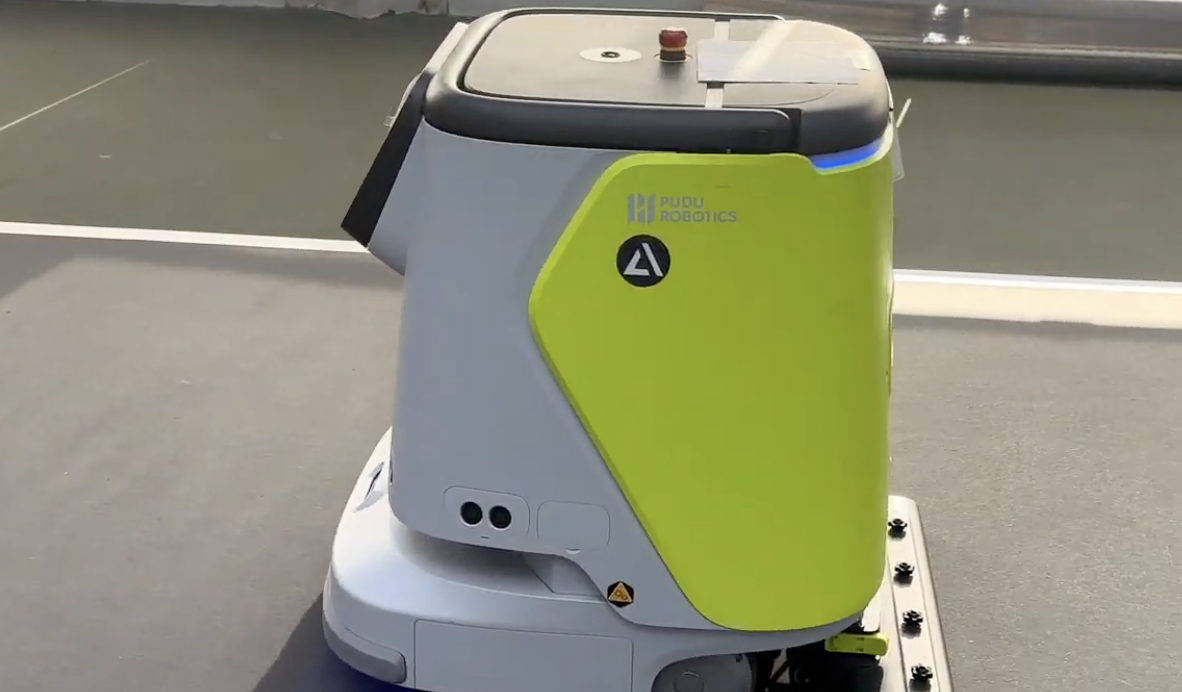
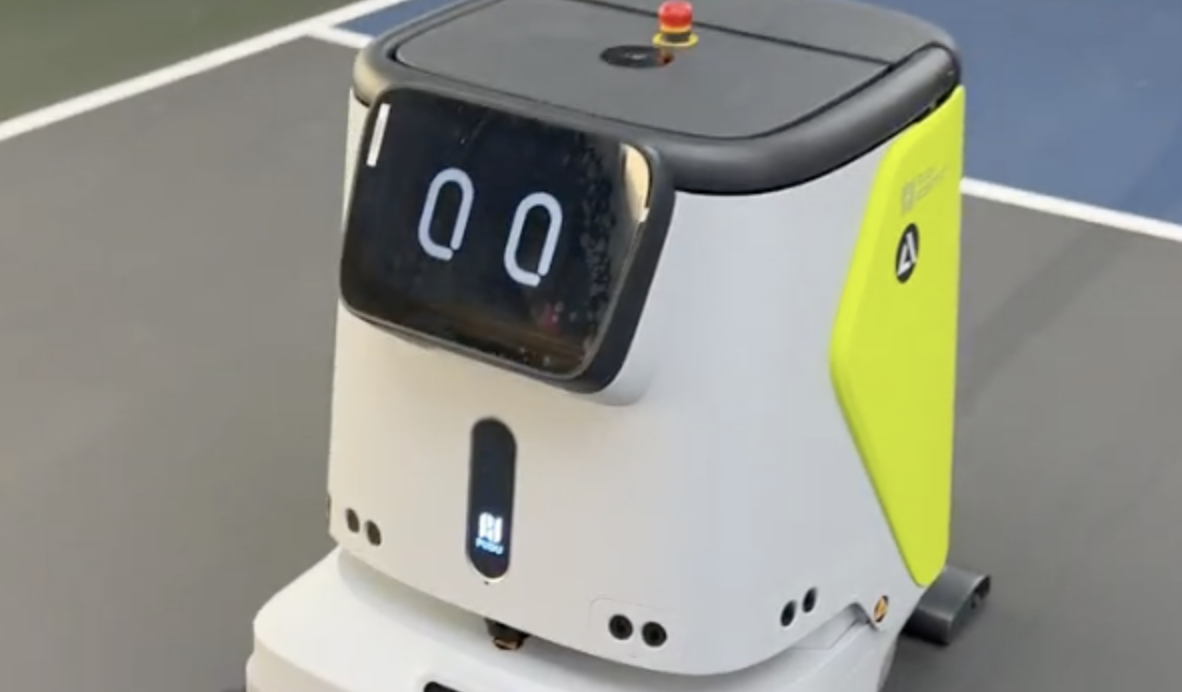
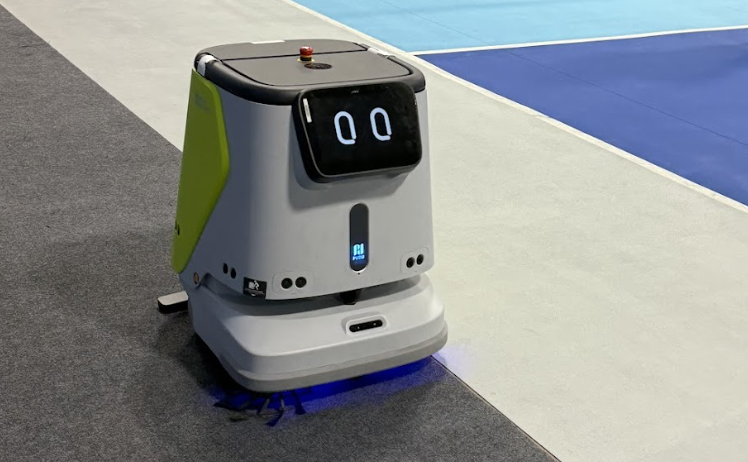
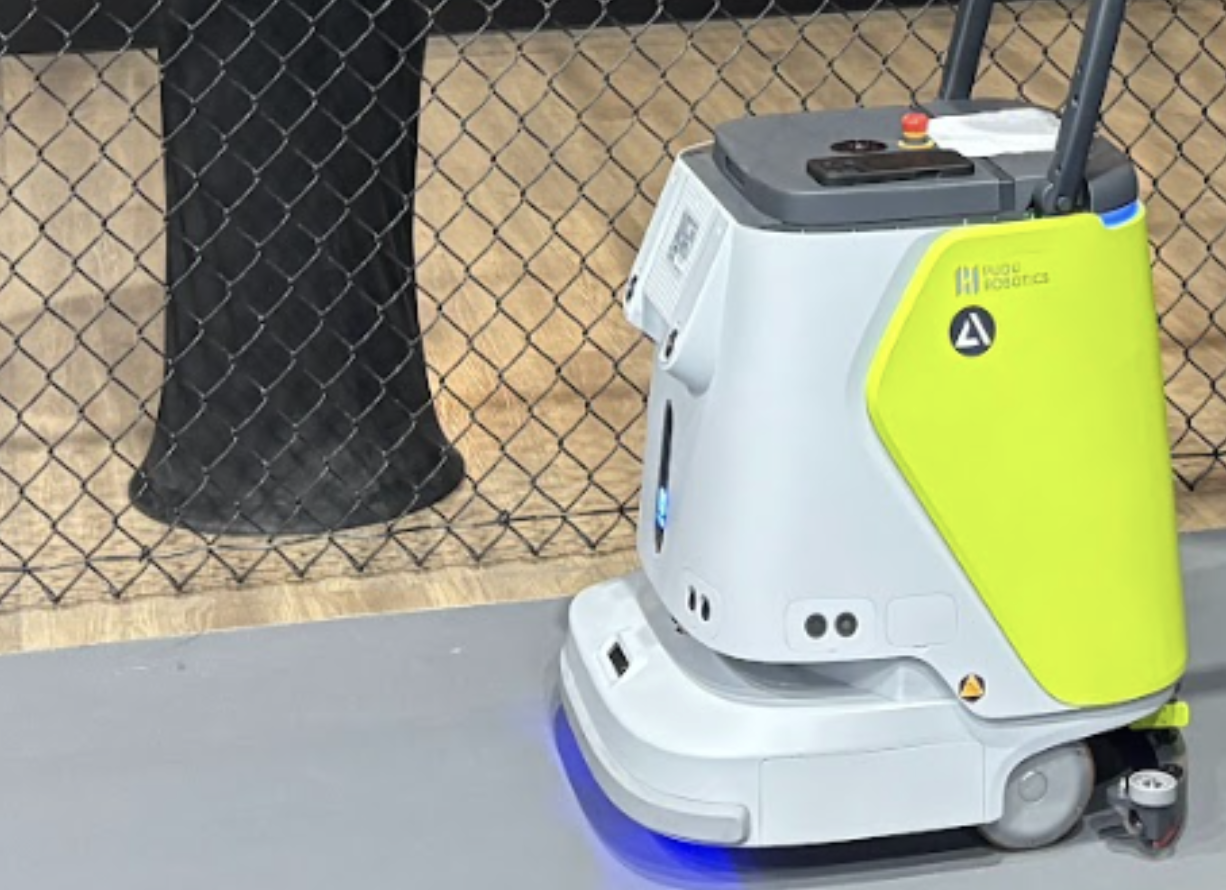
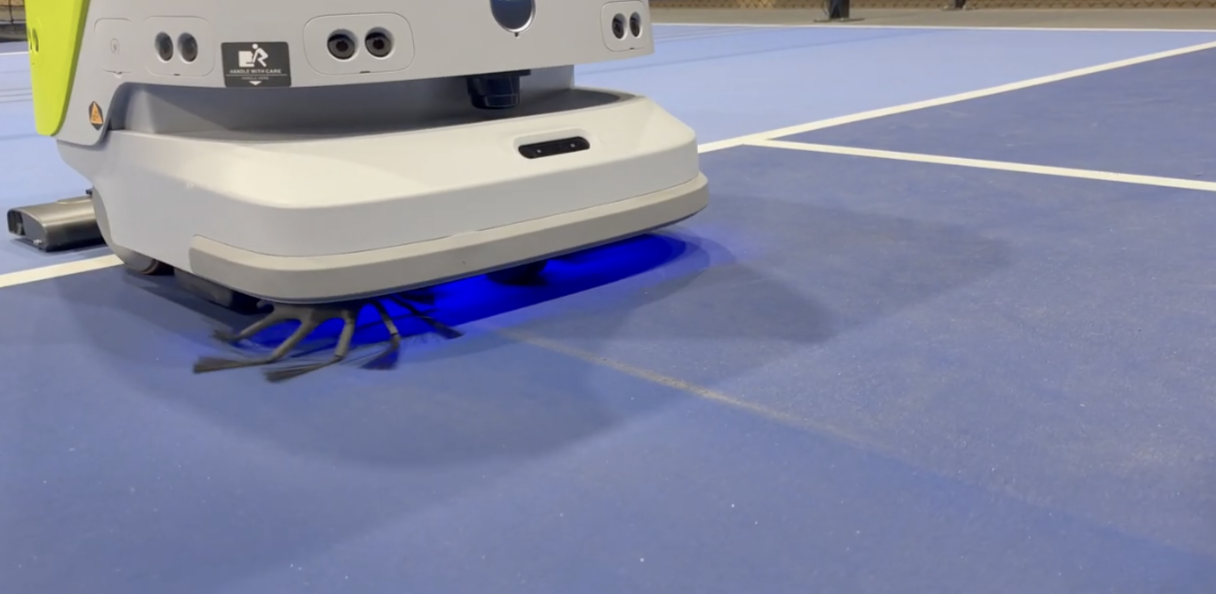
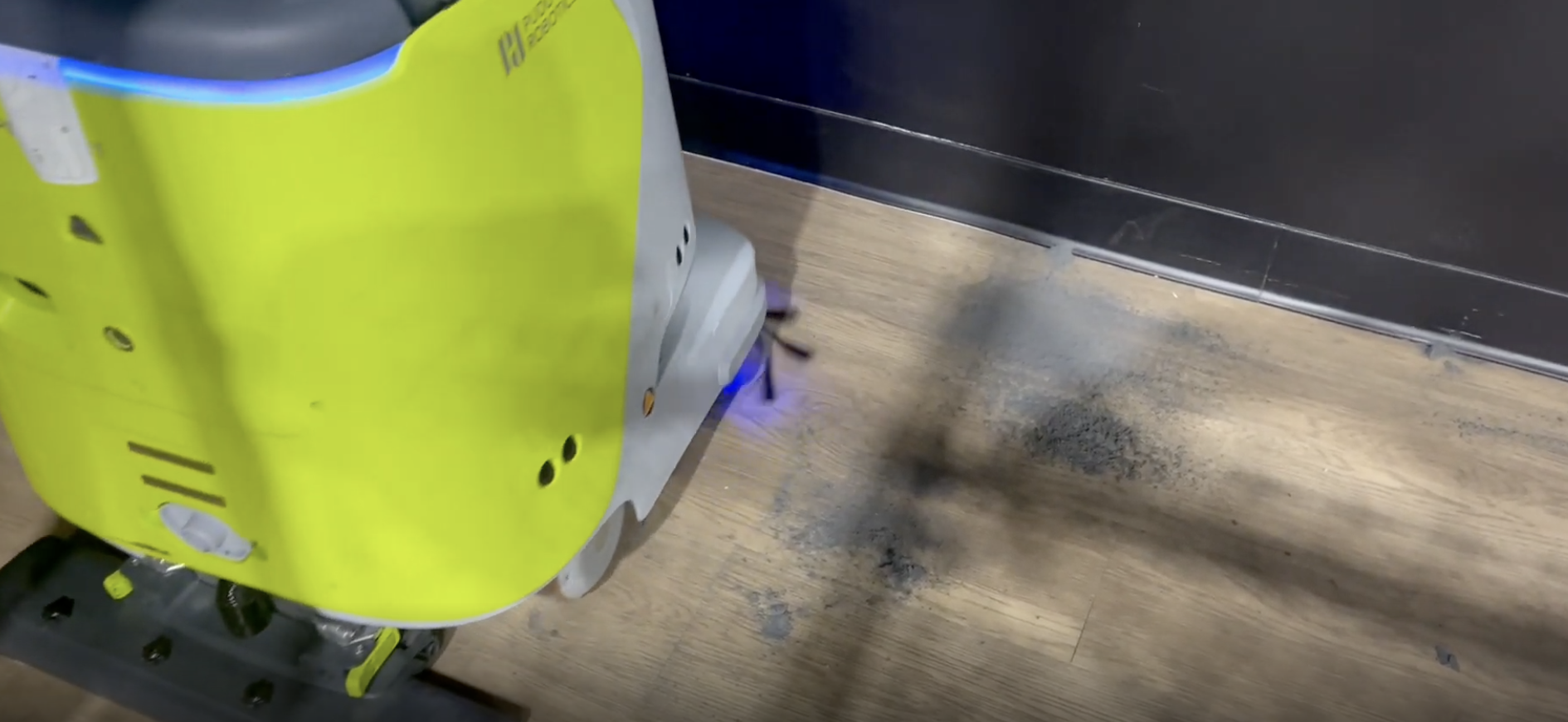
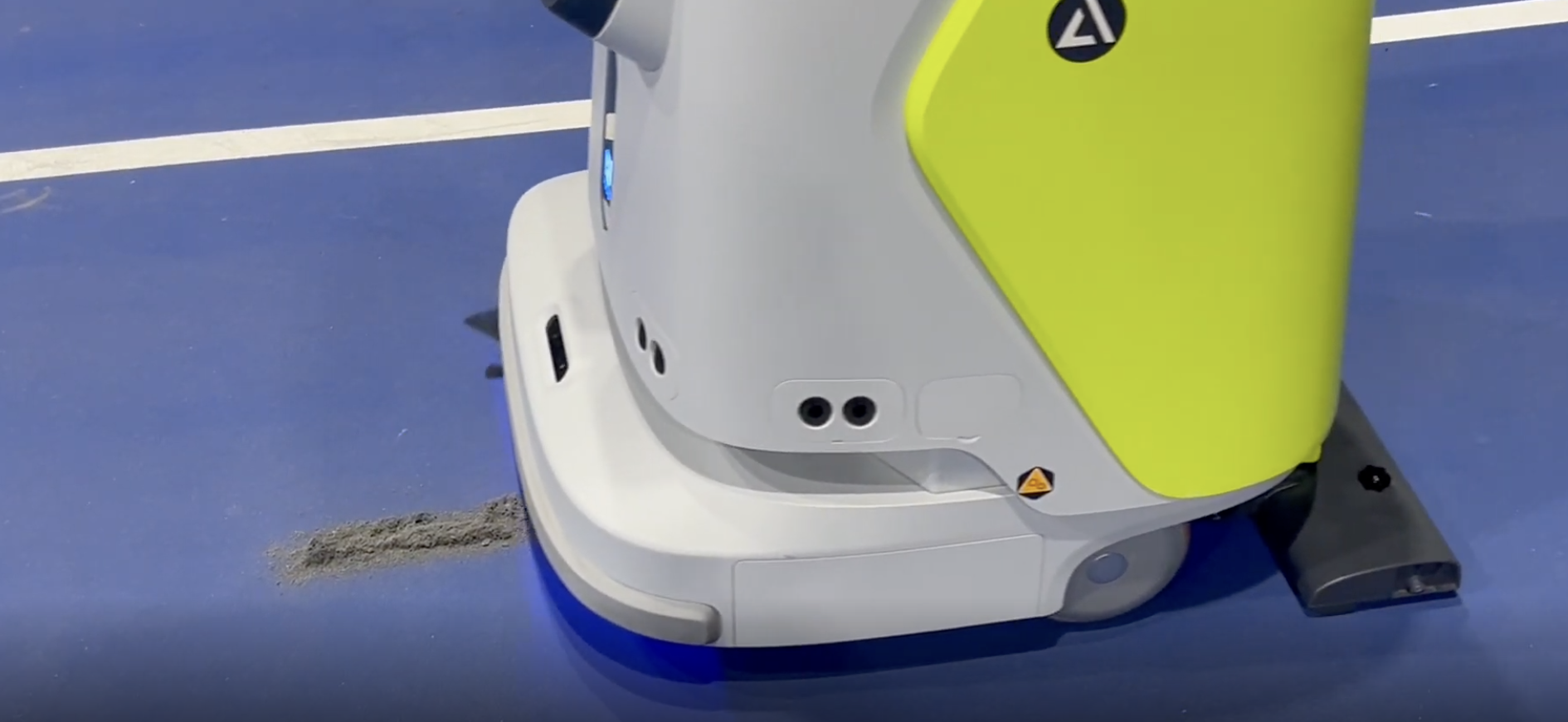
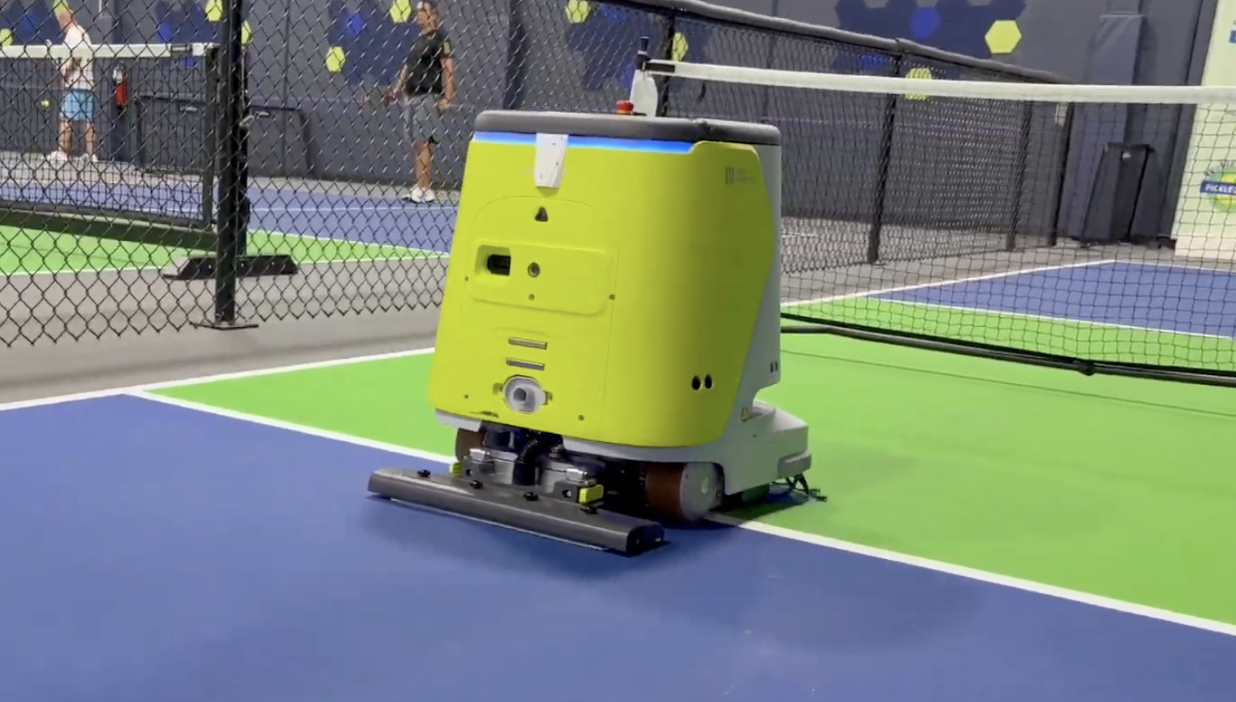
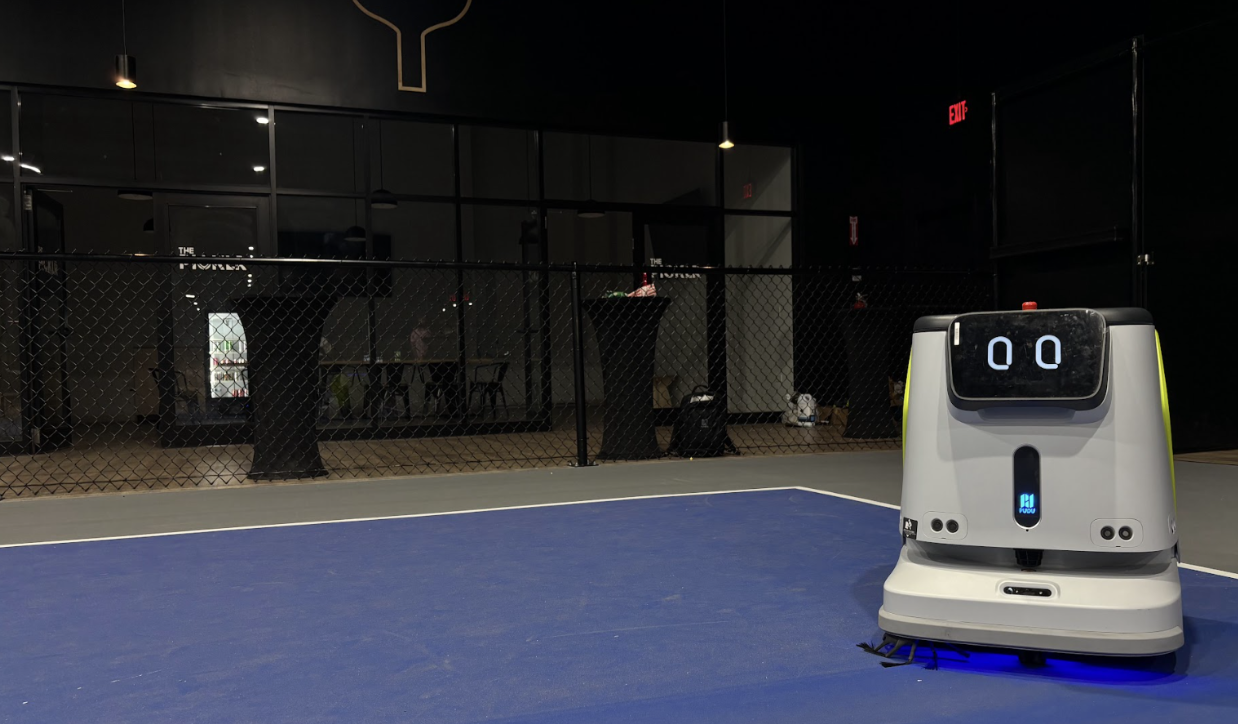
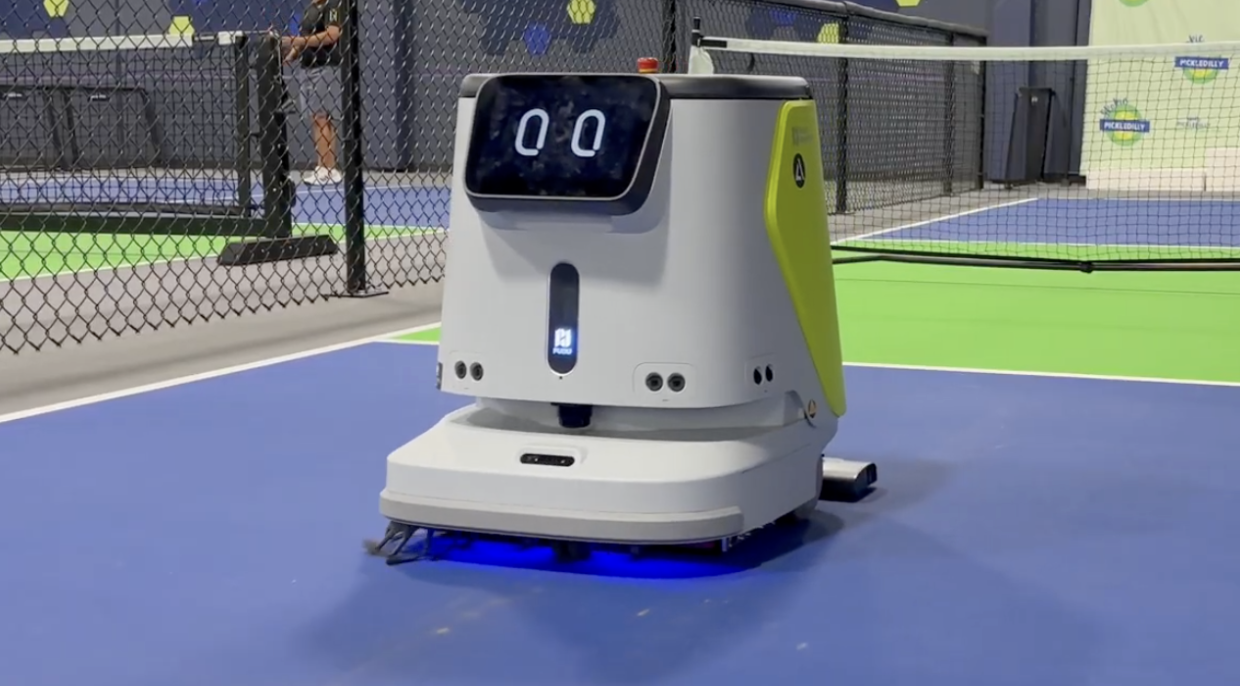
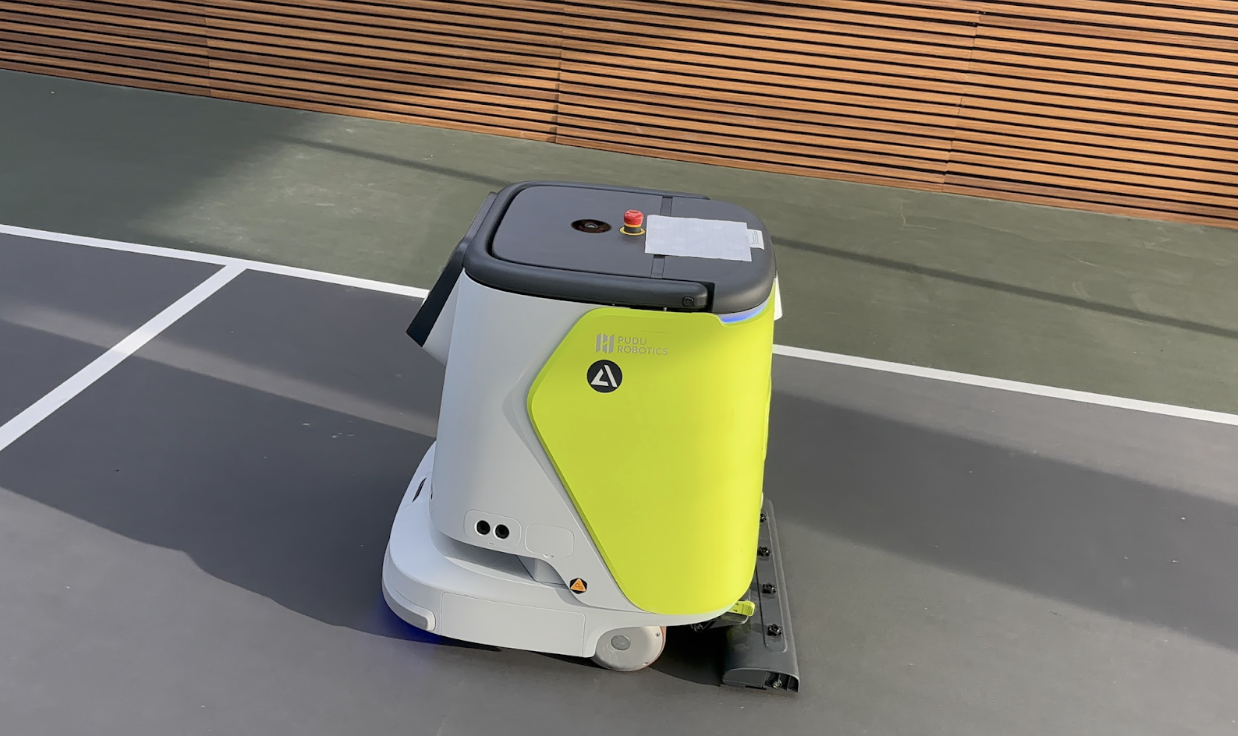
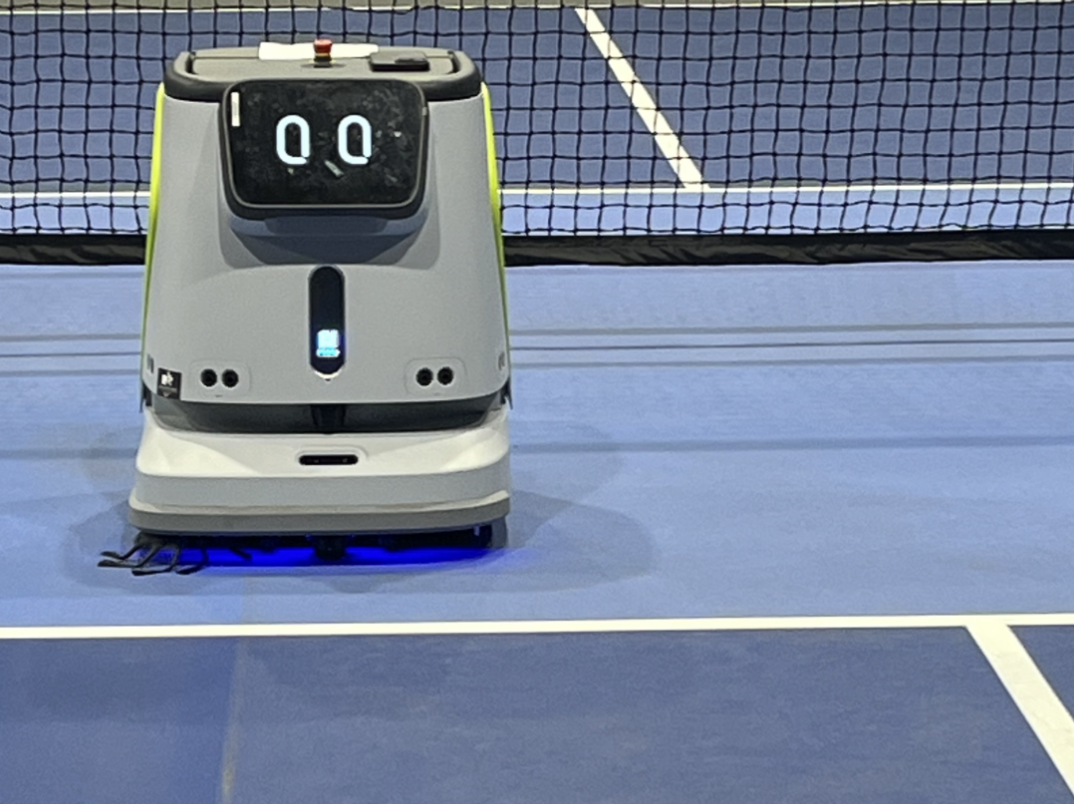
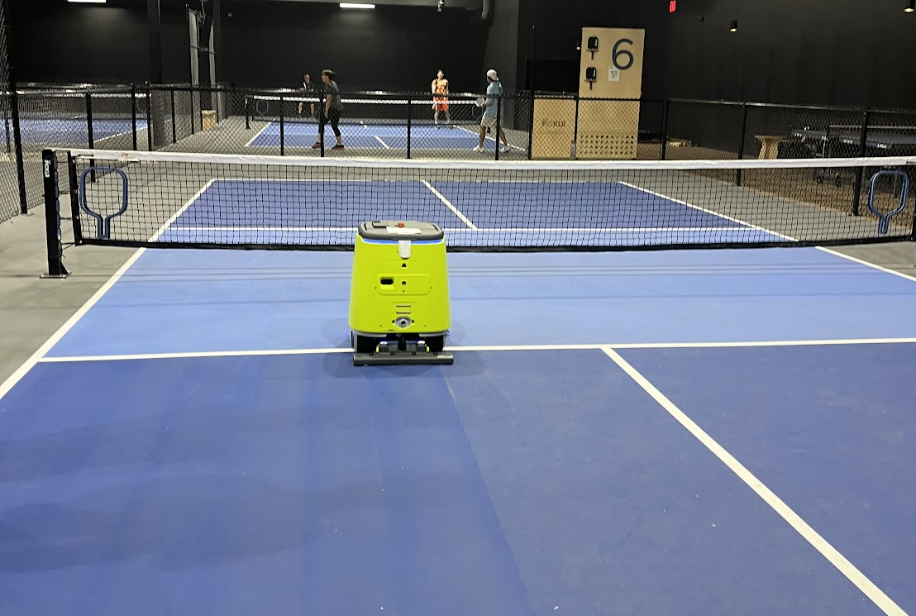
And if labor is tight, Autopilot’s CC1 Pro (“CeCe”) fits into a modern operations toolkit by helping you keep cleaning consistent—especially during peak hours—so courts stay “game-ready” without relying on perfect staff timing.
Want a one-page court-cleaning SOP you can hand to staff? I can format this routine into a printable checklist—and show where autonomous cleaning (CeCe) can take over the repetitive laps.