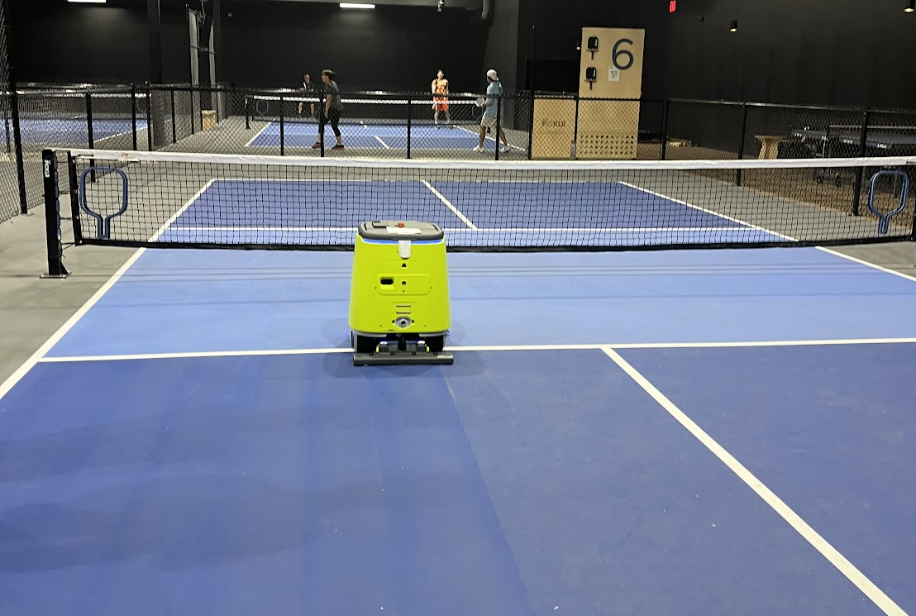
“Do We Really Need This in Winter?” — A Straight Answer to the Most Common Objections About Robotic Court Cleaning

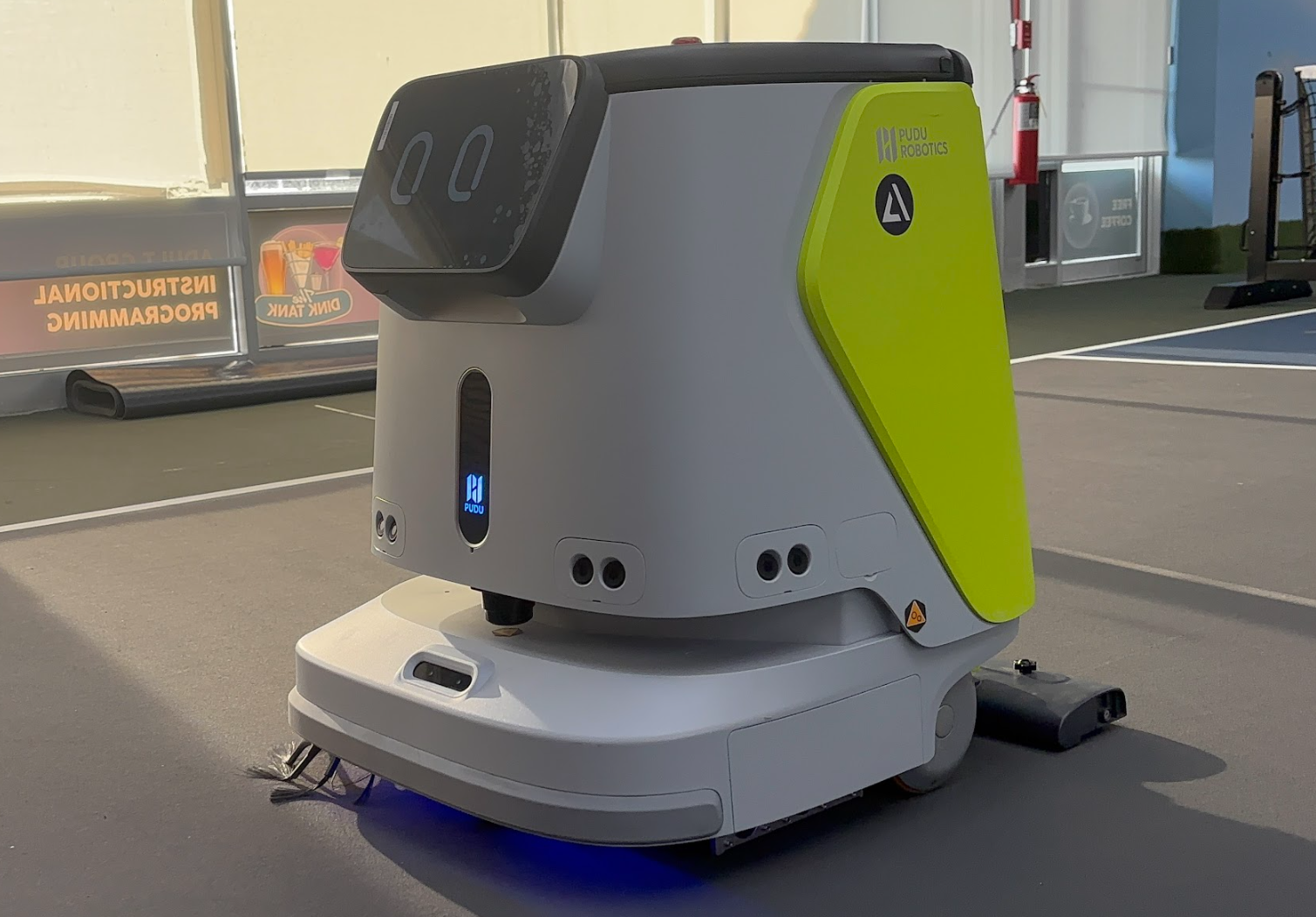
“Do We Really Need This in Winter?” — A Straight Answer to the Most Common Objections About Robotic Court Cleaning
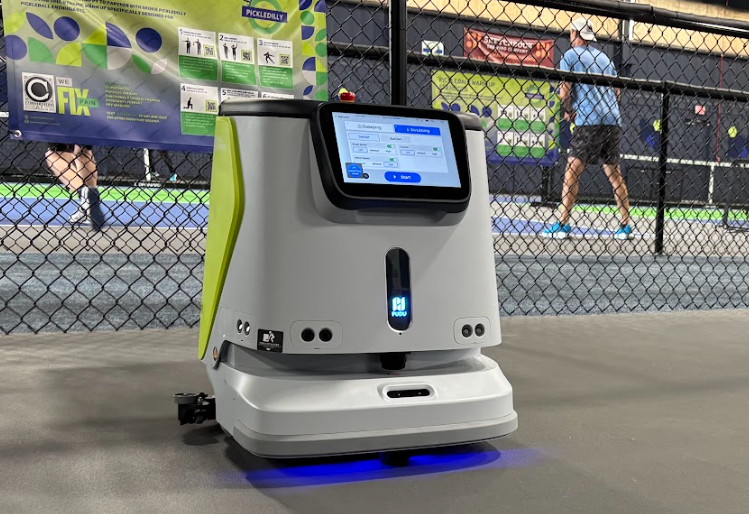
Robotic court cleaning is one of those topics that can attract hype. Court owners don’t want hype—they want something that makes operations simpler, safer, and more consistent.
Winter is when these conversations come up the most, because winter exposes the pain points:
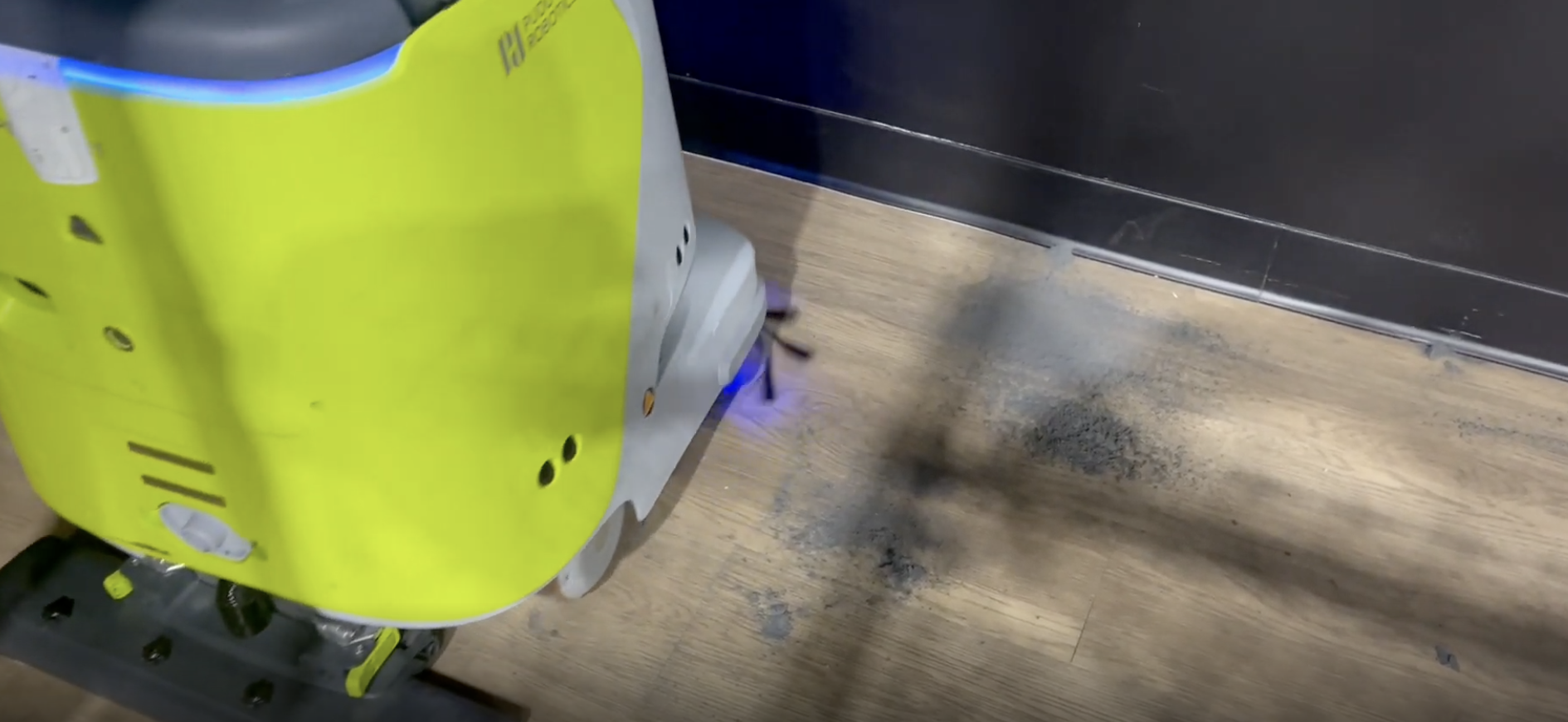
- more grit and moisture tracked in
- more variability across courts
- tighter peak hours
- more complaints about traction and “court feel”
Below are the most common objections owners raise—and the practical, grounded answer to each.
Objection 1: “Our staff already cleans.”
That’s a good sign—you’re ahead of many facilities.
The winter question isn’t “do you clean?” It’s:
Can you keep conditions consistent during peak hours without disruption?
Even great teams struggle when:
- leagues are back-to-back
- staff is pulled to the desk
- a single busy night breaks the routine
Robots help most when they support the routine you already have—so quality doesn’t collapse on the busiest days.
Objection 2: “We’re not a huge facility.”
Smaller facilities often benefit more because you have less slack.
If you run a lean team, winter means:
- one call-out can derail operations
- one busy night can leave courts neglected
- one bad week can drive recurring complaints
Robots aren’t just for scale—they’re for reliability.
Objection 3: “I don’t want disruption or a complicated rollout.”
That’s the right instinct. Adoption succeeds when it’s simple.
The lowest-friction rollout looks like:
- deploy as one touchpoint first (pre-peak or close)
- define “game-ready” in one sentence
- pick one success metric (complaints, reactive cleaning time)
- assign one champion + one backup
If it feels like a big change, it will fail. If it slots into the schedule, it sticks.
Objection 4: “Will players actually care?”
Players care about outcomes:
- fewer slick spots
- fewer unpredictable corners
- more consistent play
- fewer delays and court switches mid-league
They might not say “wow, great cleaning strategy,” but they will say:
- “This place is well run.”
- “Courts feel great.”
- “We should come here more.”
That’s the business outcome owners actually want.
Objection 5: “Winter is temporary. Why invest for a season?”
Winter is temporary, but its effects aren’t.
Winter is often when:
- reviews are formed (new indoor habits)
- leagues decide where to renew
- operational standards either hold or break
If winter is your hardest season, improving winter consistency improves your entire year.
A practical way to decide (no fluff)
Ask yourself two questions:
- How often do you hear court-condition complaints in winter?
If it’s weekly or more, you have a consistency problem—not a one-off. - How often does cleaning get skipped because staff is busy?
If “we try” is the honest answer, robotics may be worth exploring.
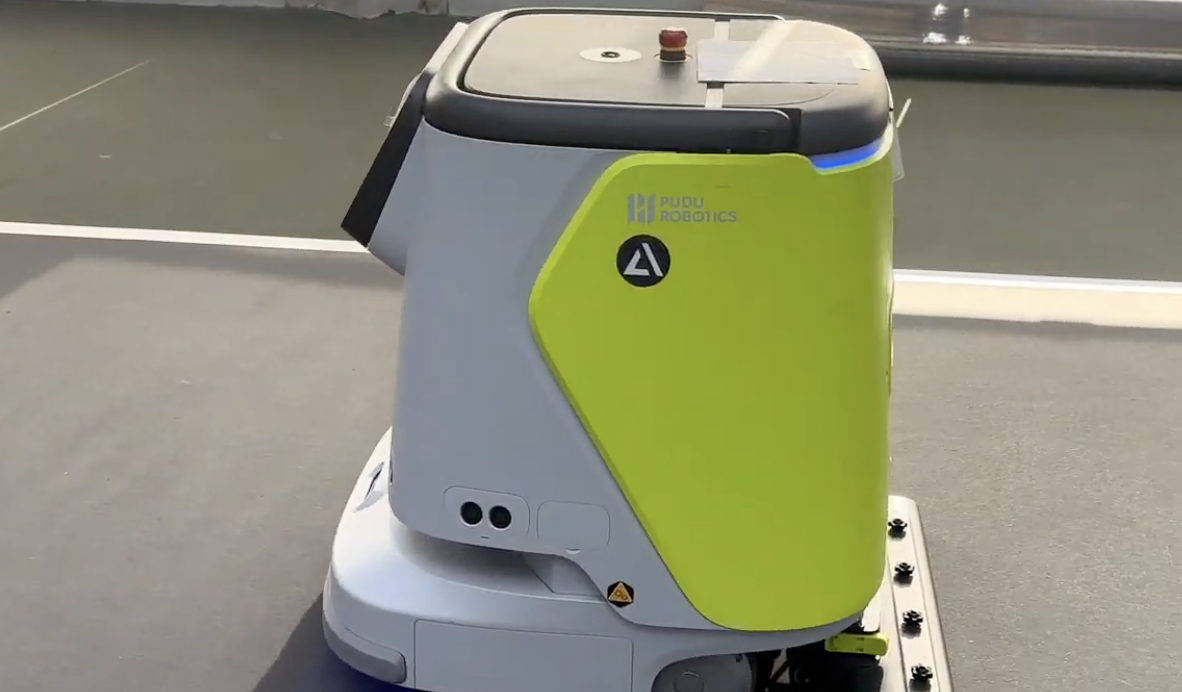
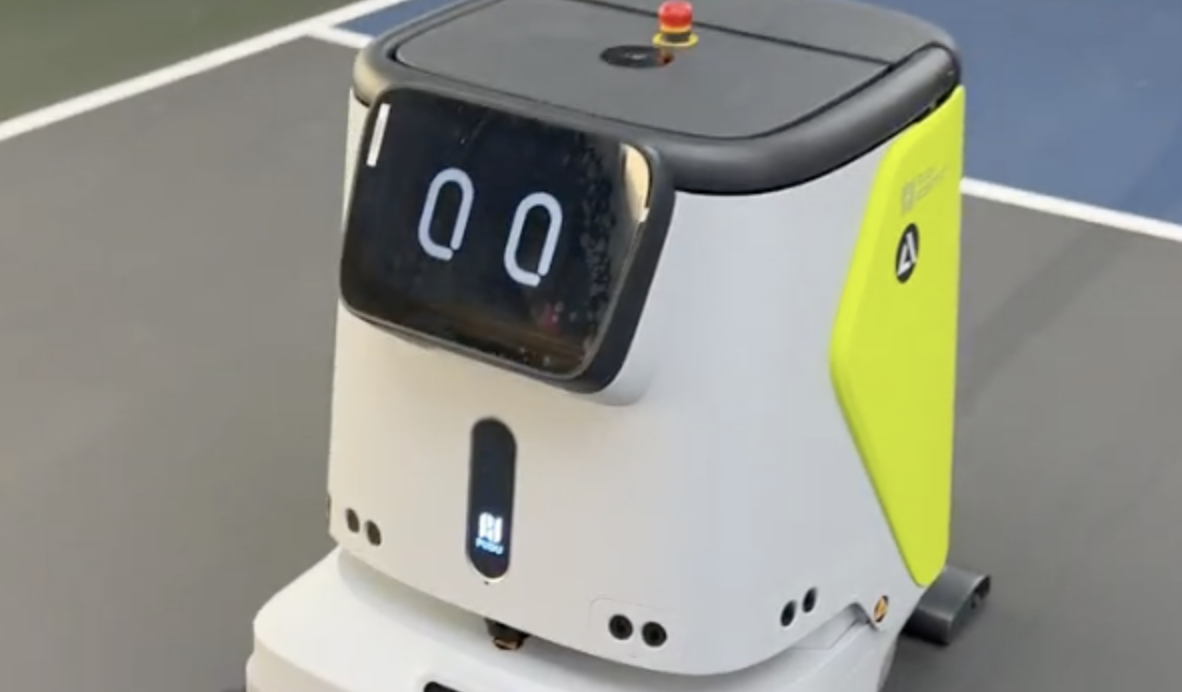
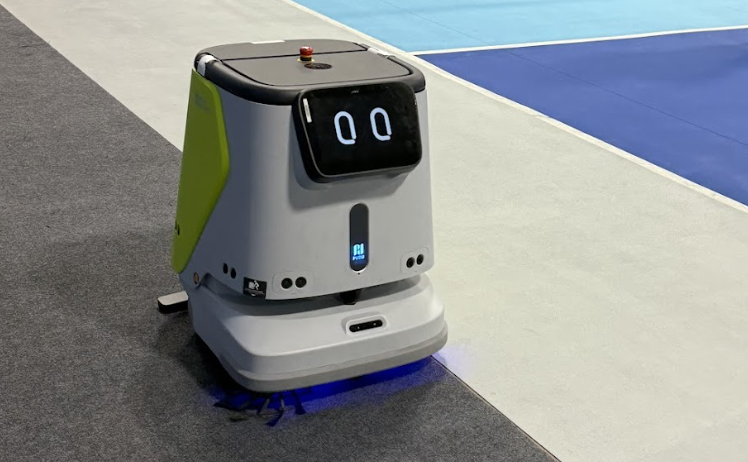
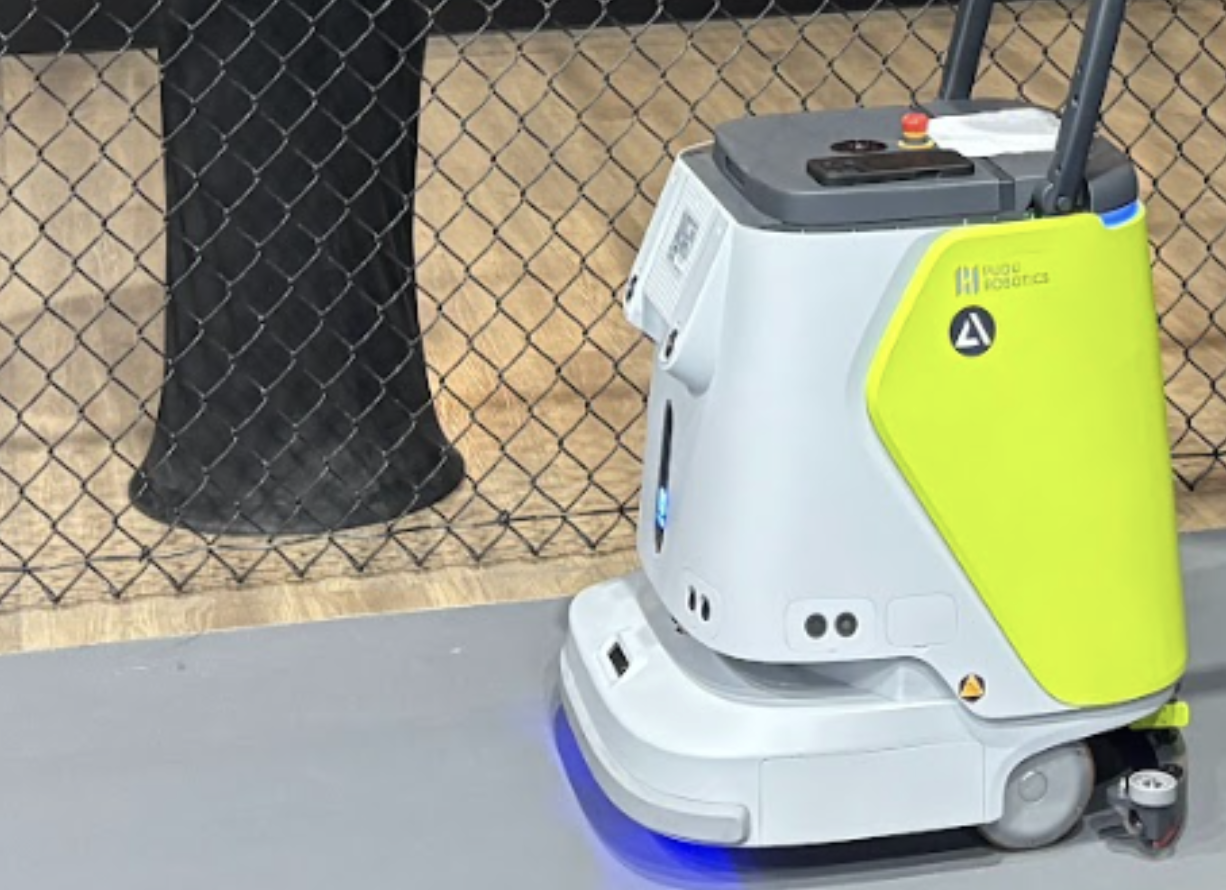
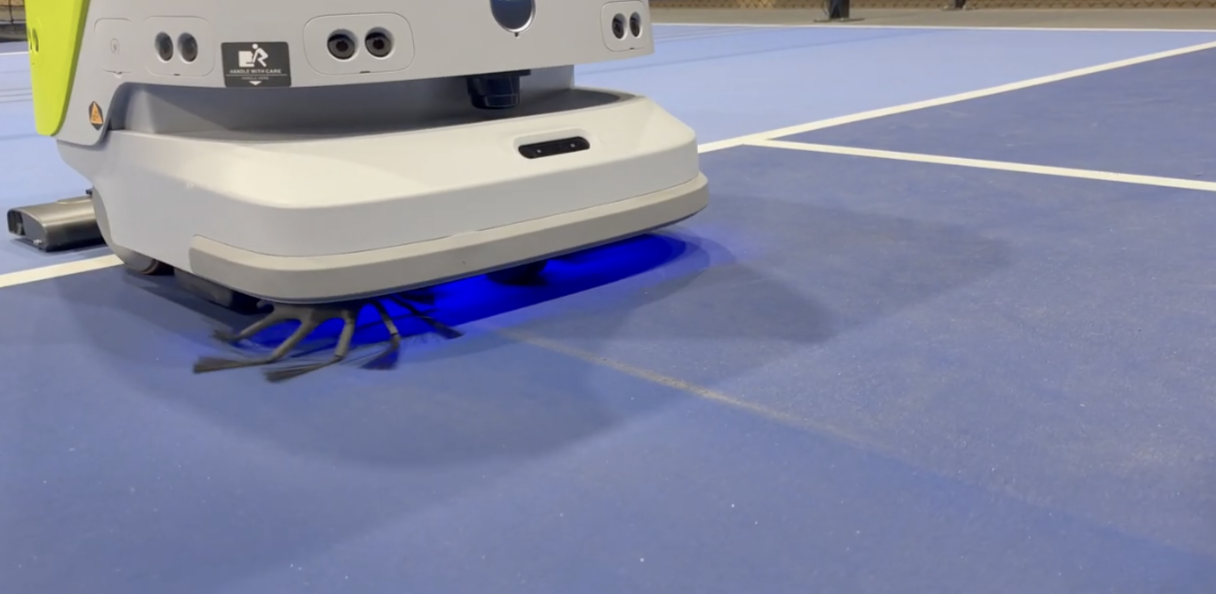
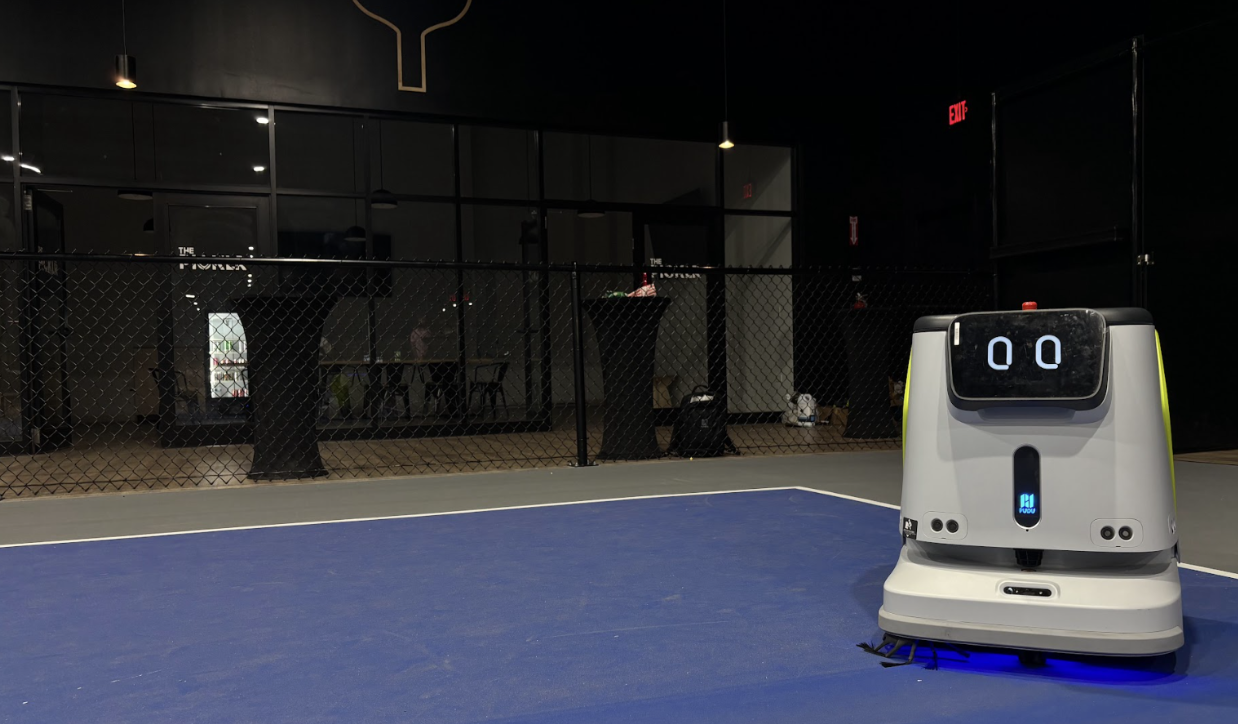
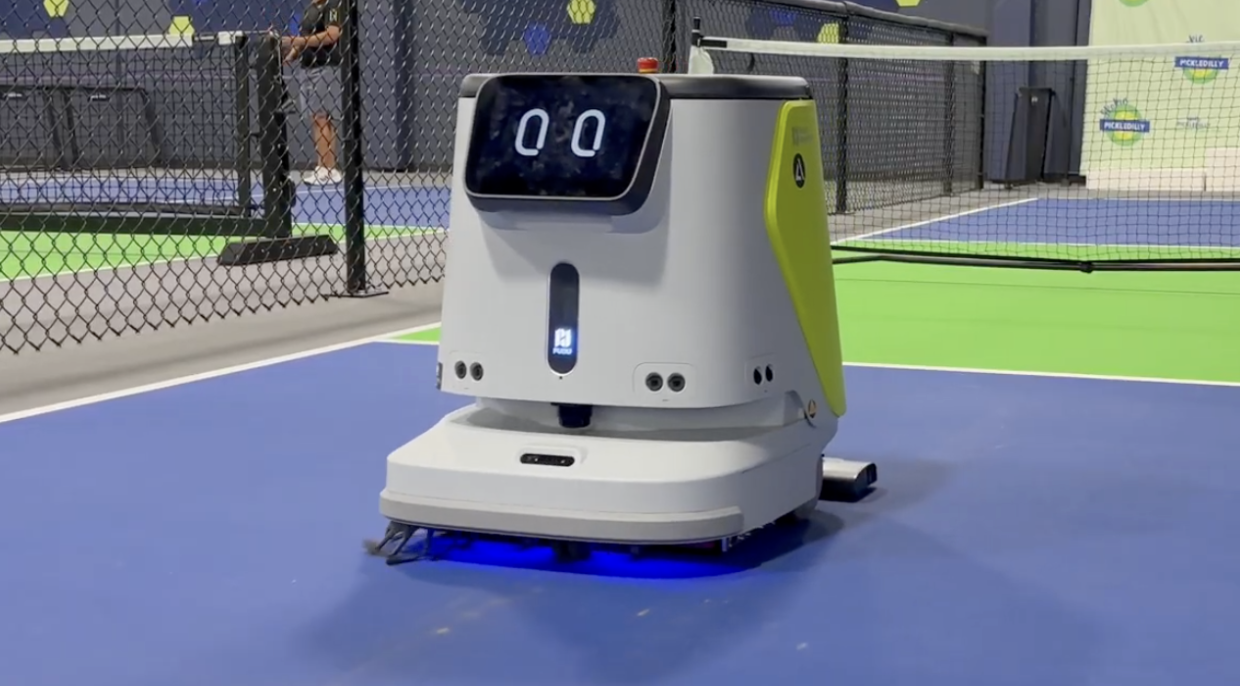
If you want a grounded, operator-first conversation about whether robotic court cleaning makes sense for your winter operation, Autopilot can share real deployment workflows and help you map one that fits your schedule. Reach out to explore options.