Ball Fuzz Is Real: The Hidden Gunk That Wrecks Indoor Courts

Ball Fuzz Is Real: The Hidden Gunk That Wrecks Indoor Courts
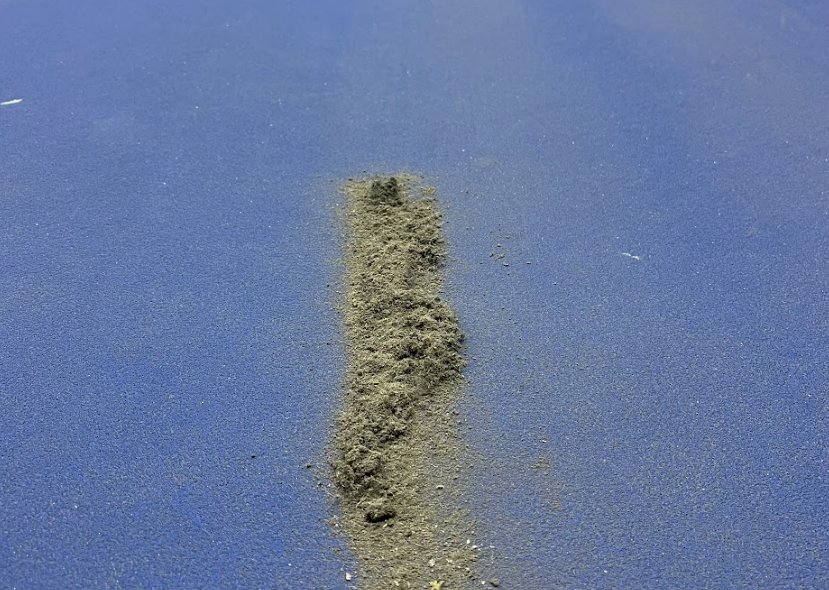
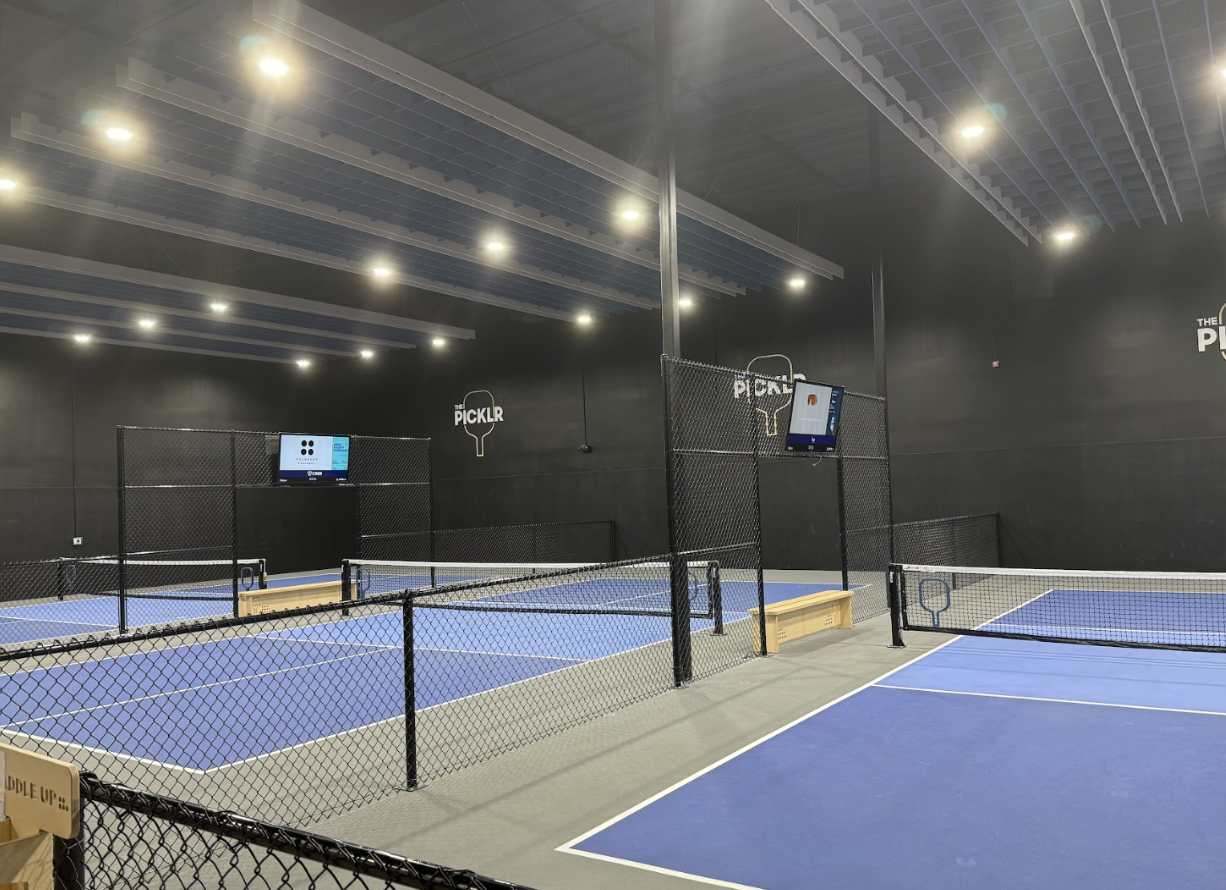
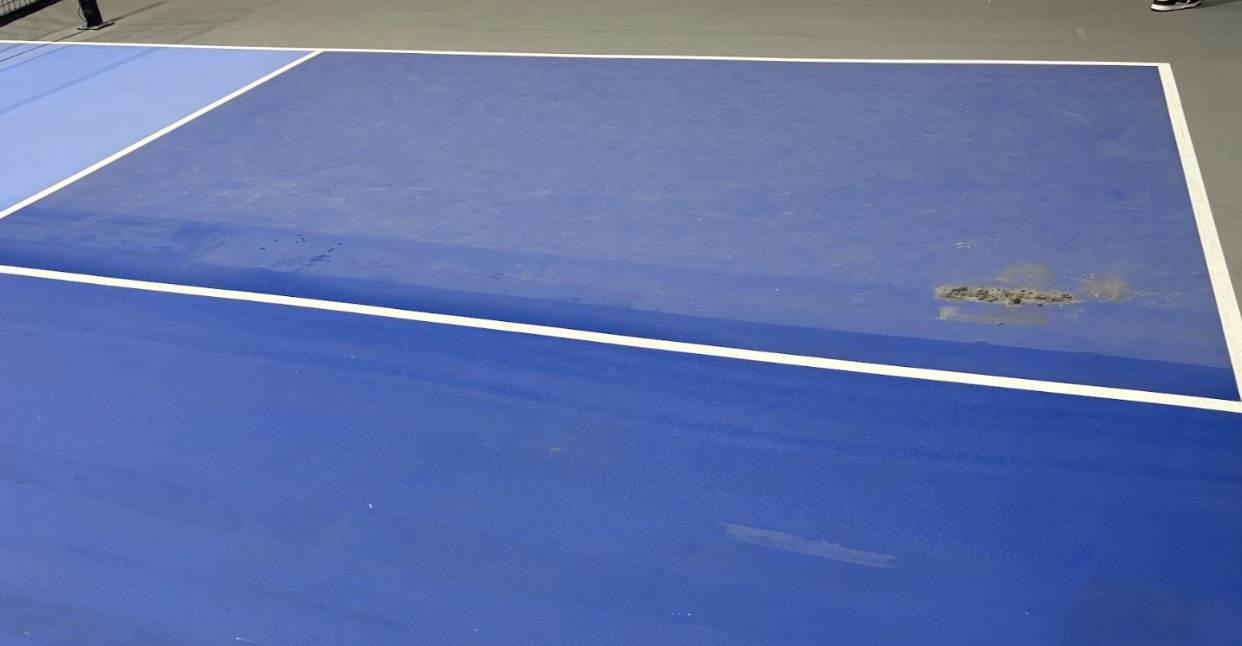
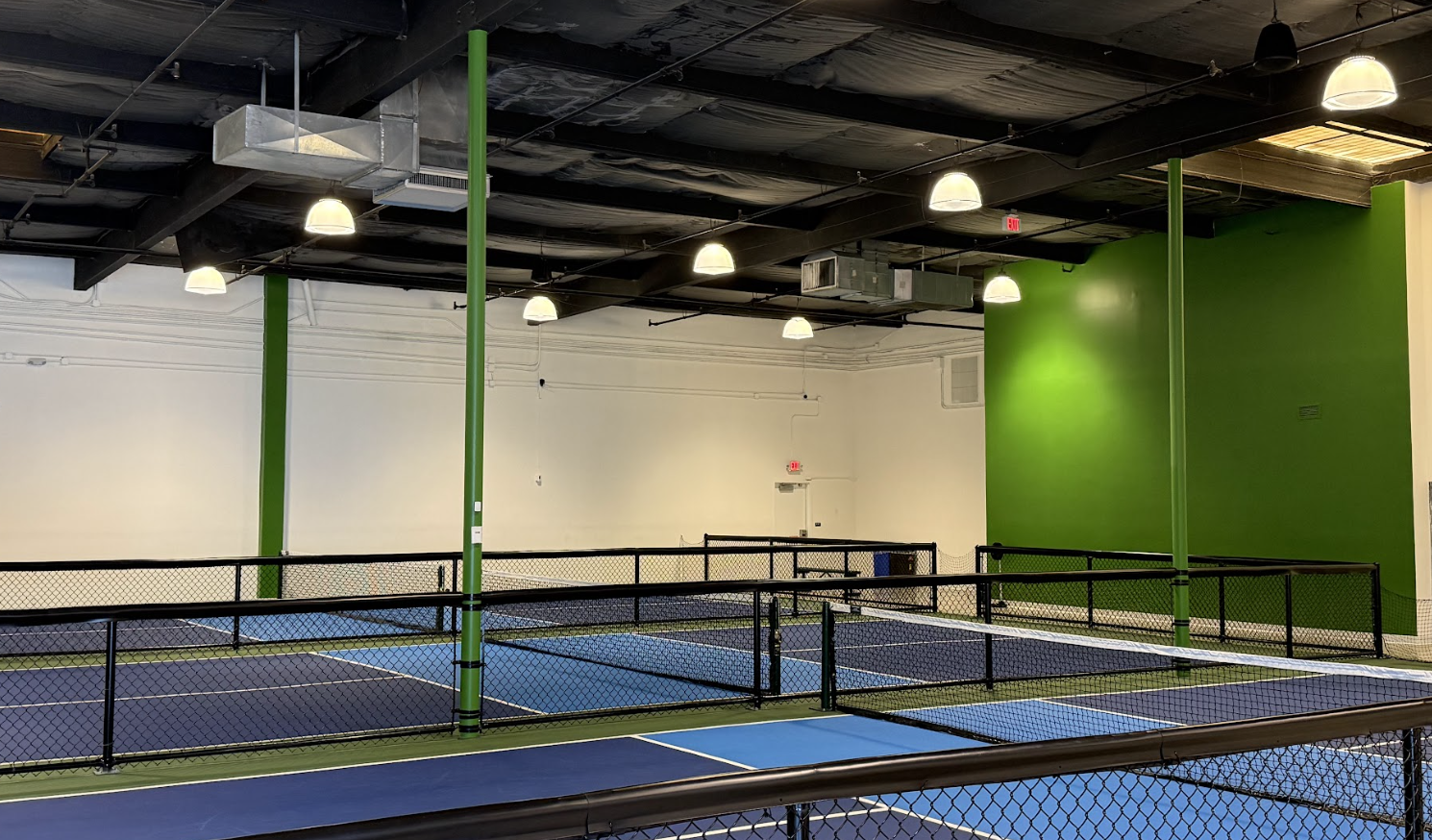
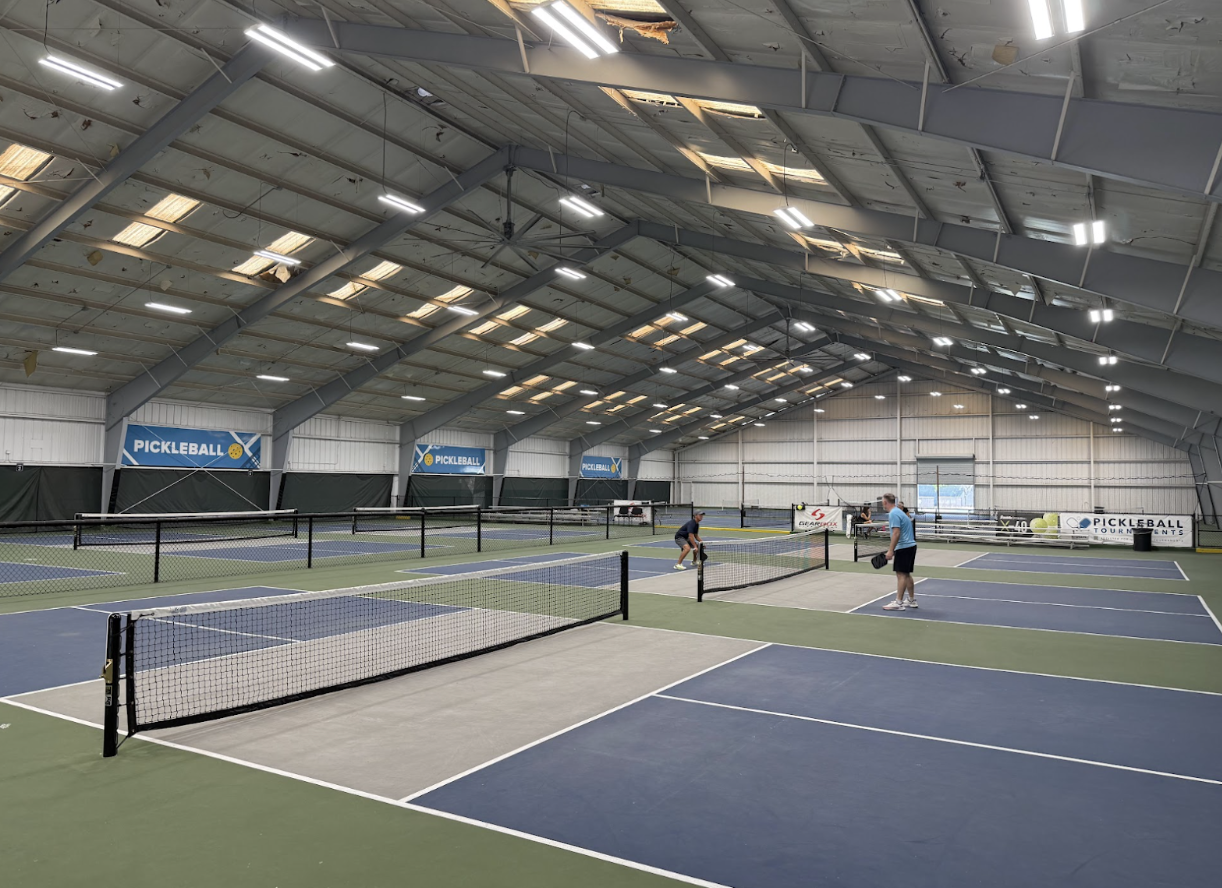
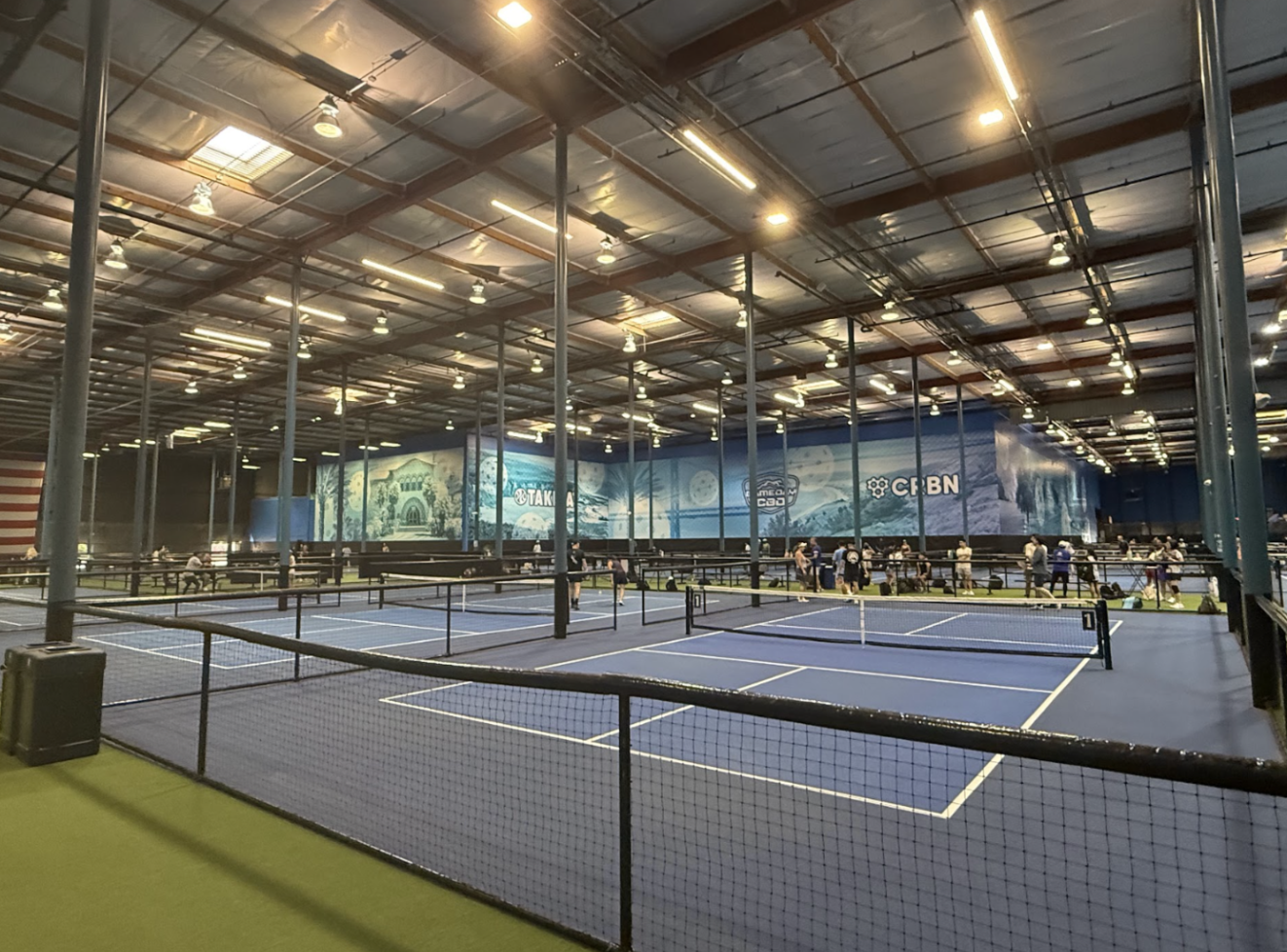
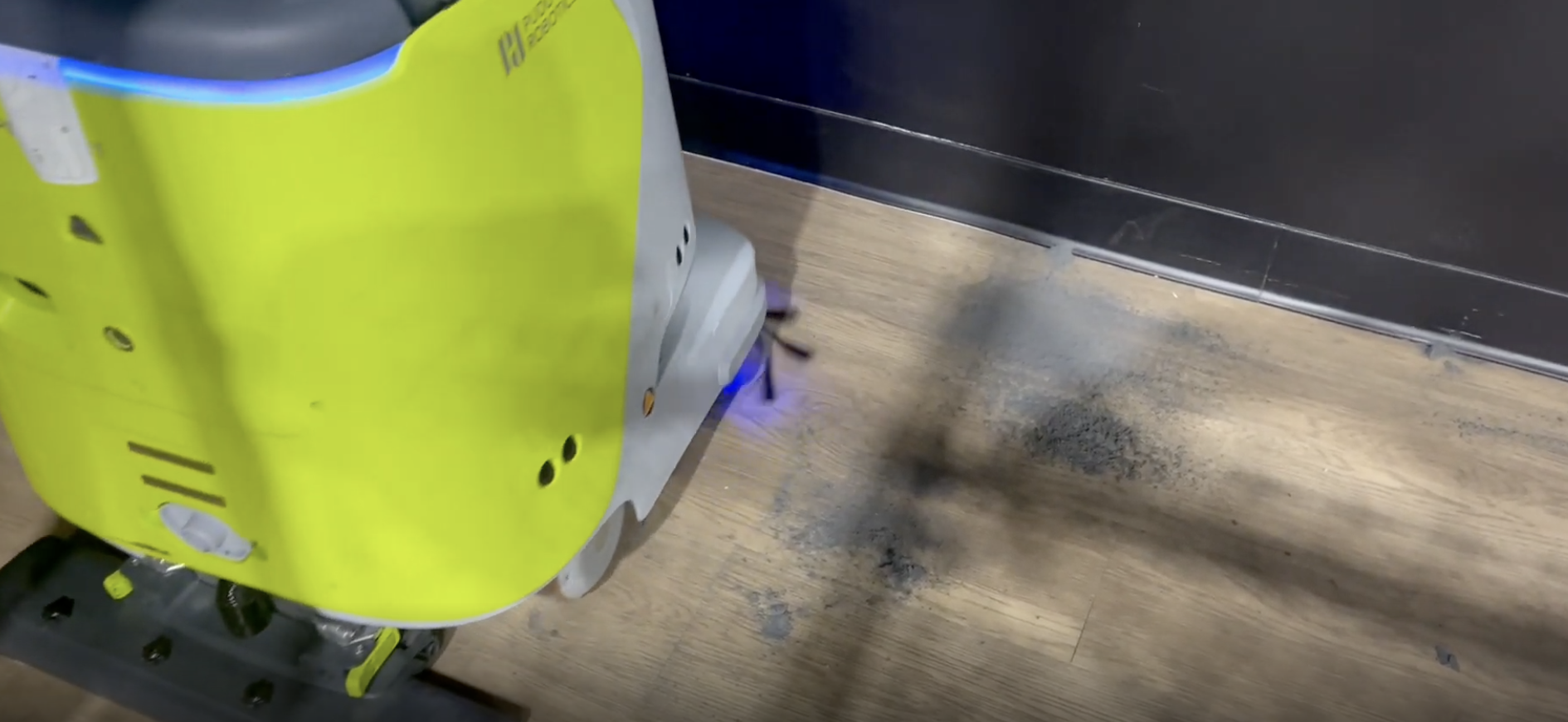
Indoor pickleball has a special kind of mess. Not the dramatic kind — the sneaky kind. If you run indoor courts, you know it: that ghost‑gray haze near the baselines, the fluffy tumbleweeds under nets, the stuff that makes balls skid like they’re on tiny rollerblades. Yep. Ball fuzz is real, and it matters.
The Problem
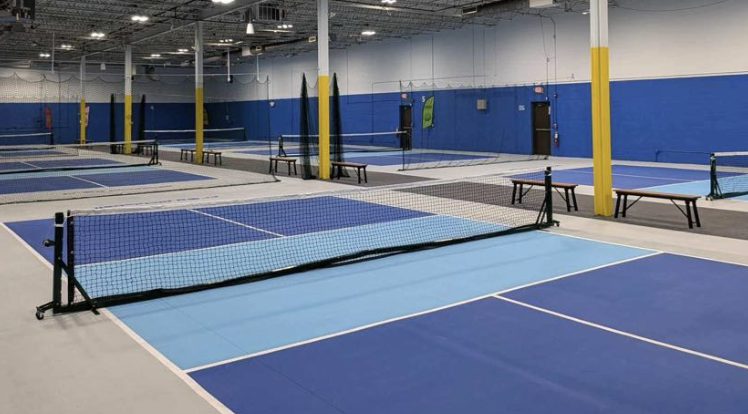
Indoor clubs collect debris differently than outdoor parks. Instead of leaves and grit, you get:
- ball fuzz shedding every rally
- microscopic dust from HVAC circulation
- worn shoe residue
- chalky film that reduces traction.
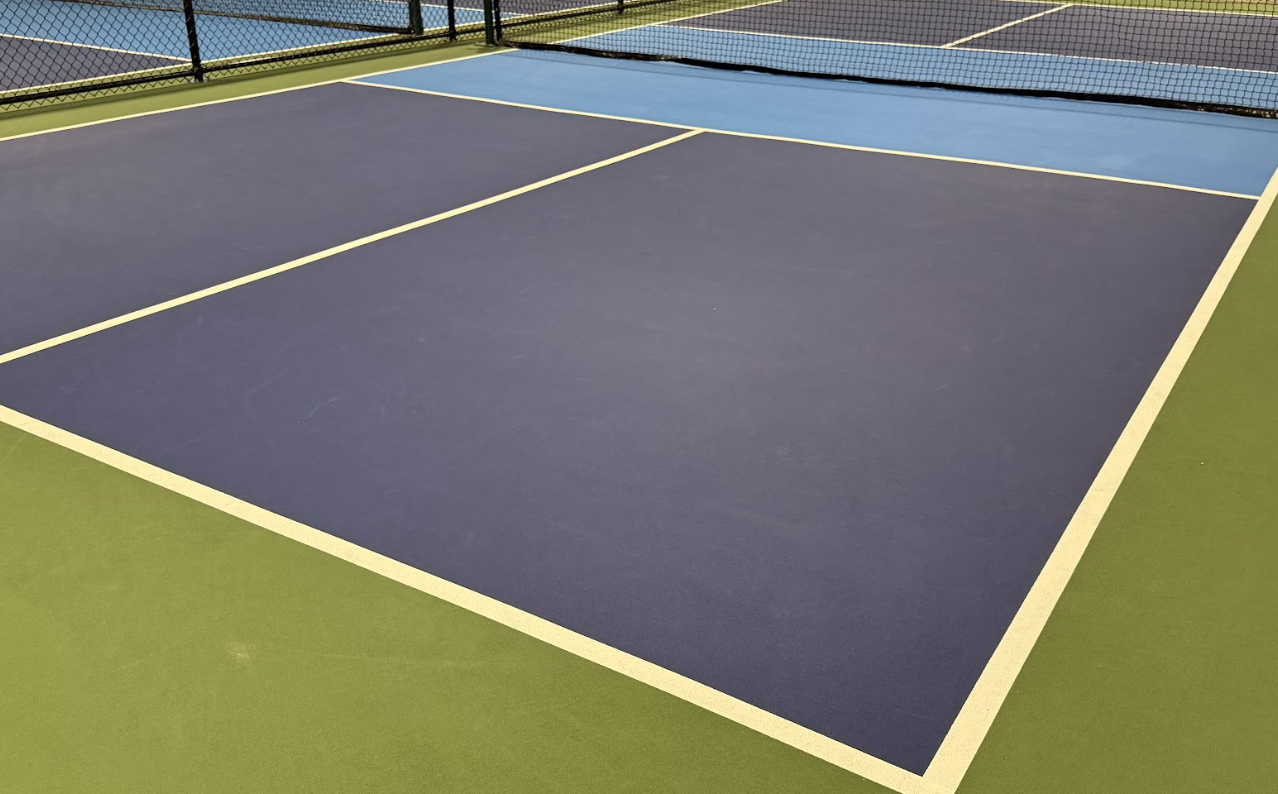
Over time, courts start to feel “draggy,” bounces go weird, and slip risk climbs. The worst part? Fuzz buildup is gradual, so staff often doesn’t notice until members do.
The Fix
Four ways clubs stay ahead of the fuzz:
1) Treat Fuzz Like Snow: Frequent Light Passes Beat Occasional Deep Clears
Weekly deep cleans help, but daily quick resets are what keep play consistent. Think “light, often.”
2) Sweep the Edges First
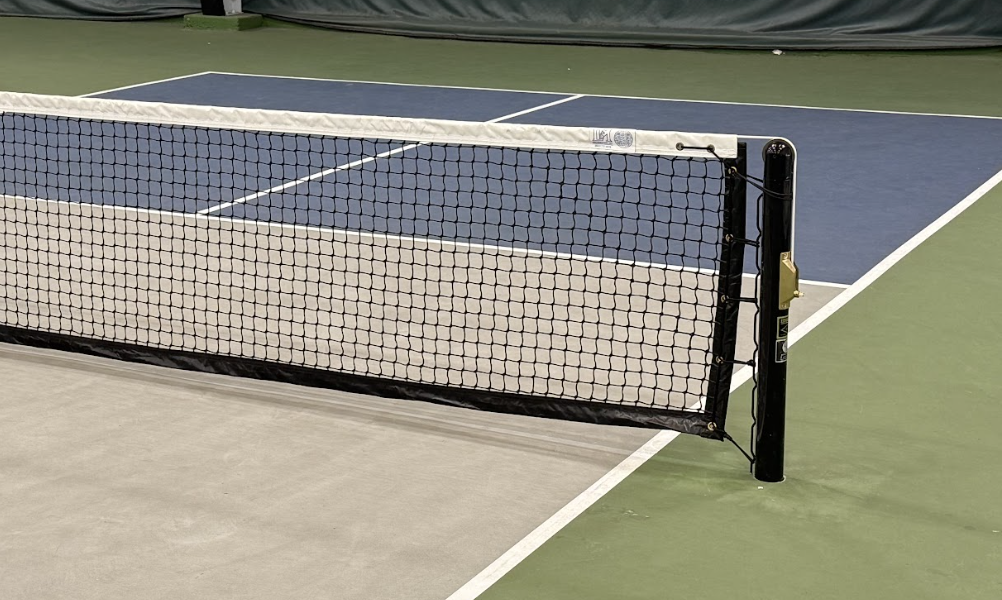
Indoor dust and fuzz settle in predictable zones: corners, baselines, net tracks, and entry lanes. Hit those areas in every reset and you cut buildup by half.
3) Make Entrances Anti‑Fuzz Zones
Add grit‑trap mats, shoe‑brush stations, and a one‑line sign that’s friendly but clear:
“Help us keep courts crisp — wipe shoes before play.”
Tiny habit, huge effect.
4) Don’t Forget the Air
If HVAC filters are overdue, you’re basically misting dust onto your courts all day. Pair surface care with air care: strict filter cadence, vents angled away from play zones when possible.
Takeaway
Indoor courts don’t just need cleaning — they need fuzz management. When surfaces stay crisp and predictable, members feel safer, play better, and trust your facility more.
How CeCe Helps Clubs Reclaim Their Time
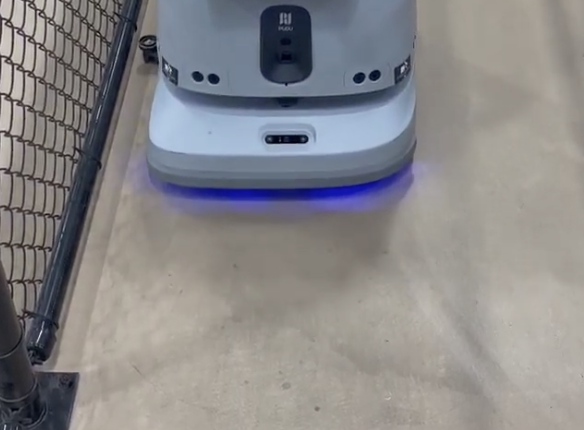
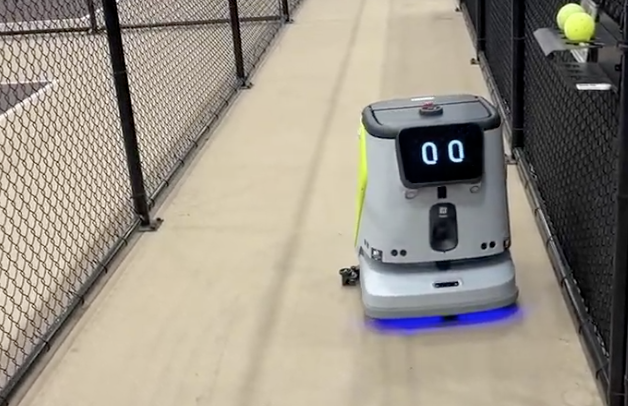
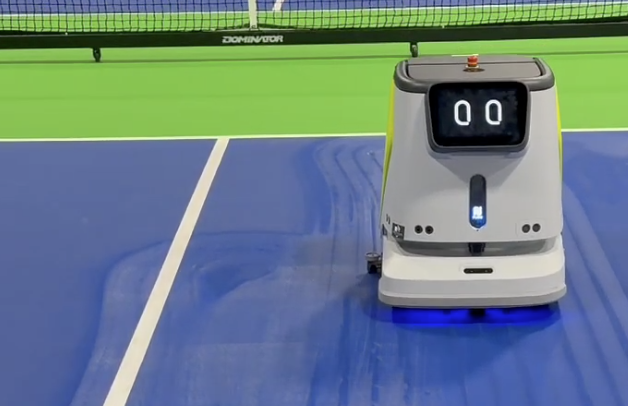
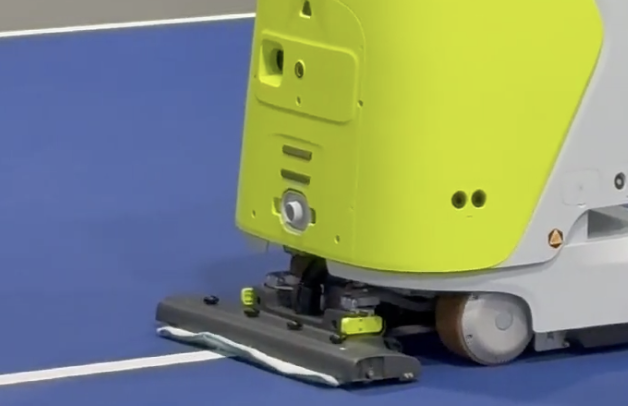
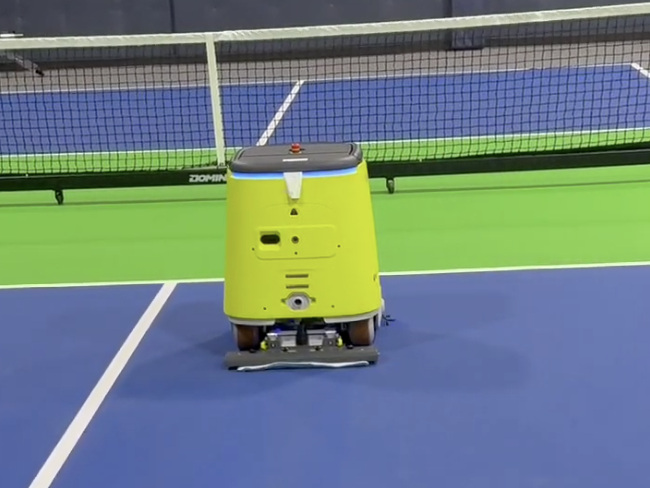
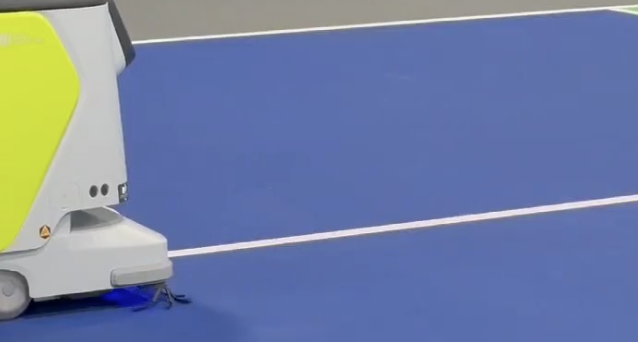
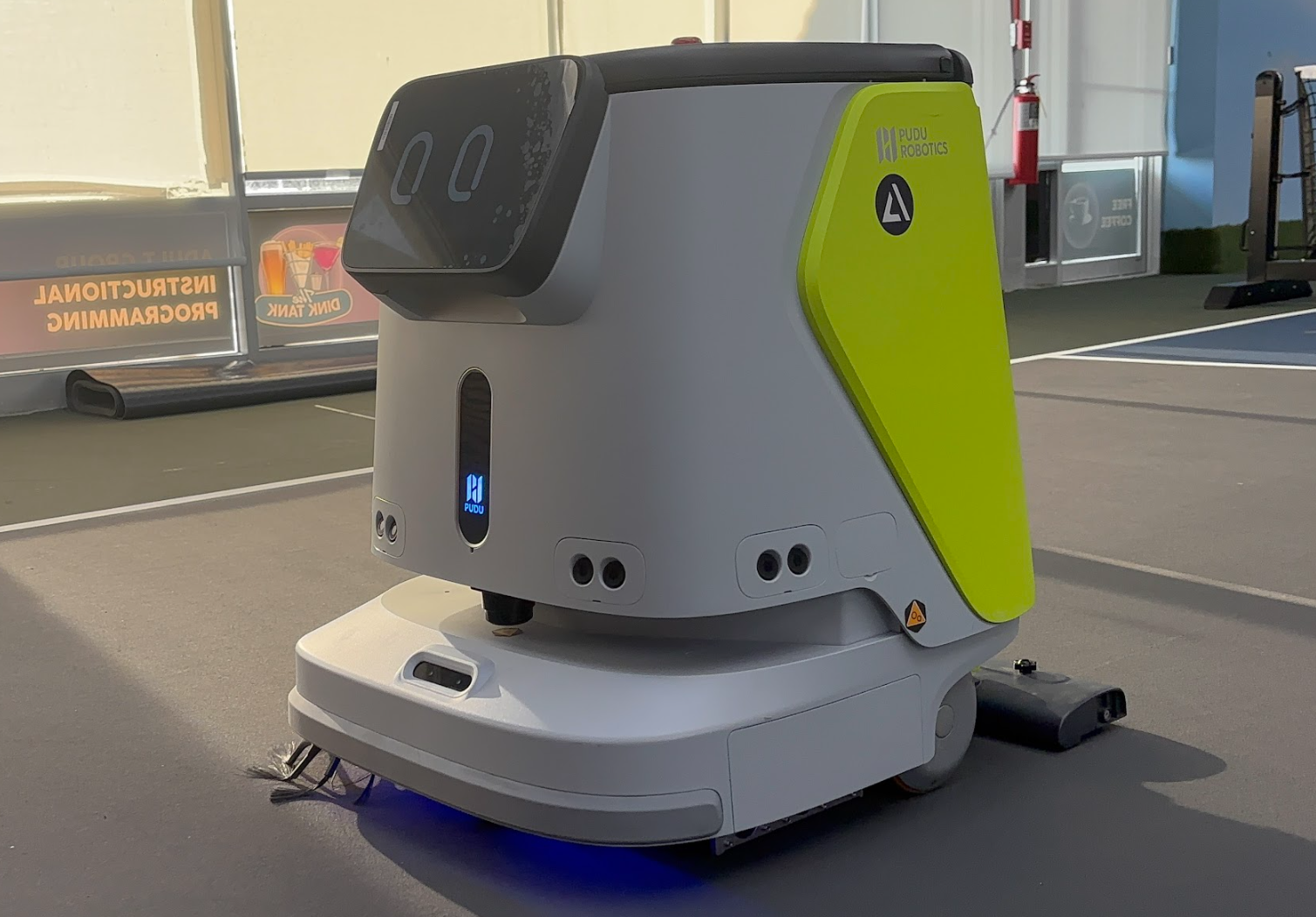
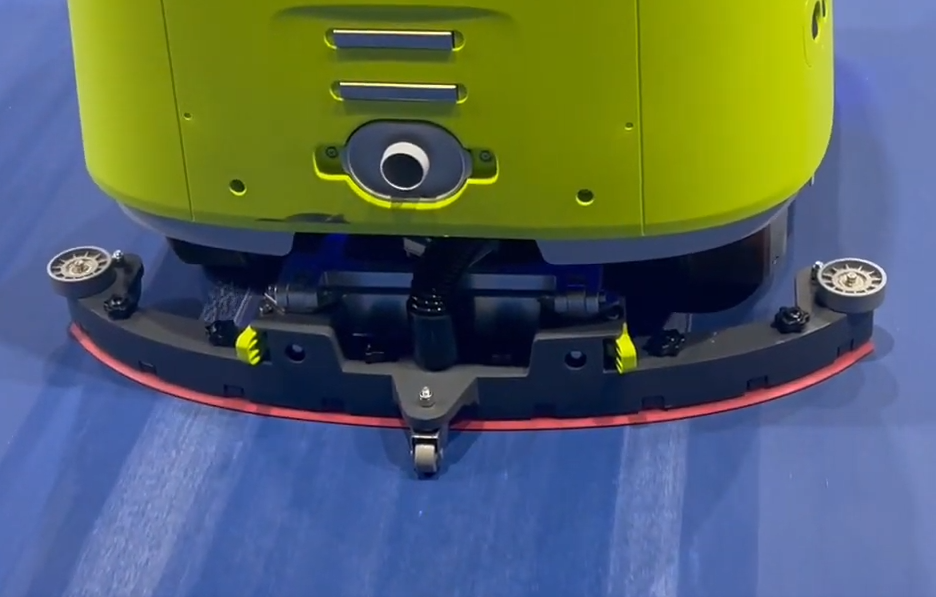
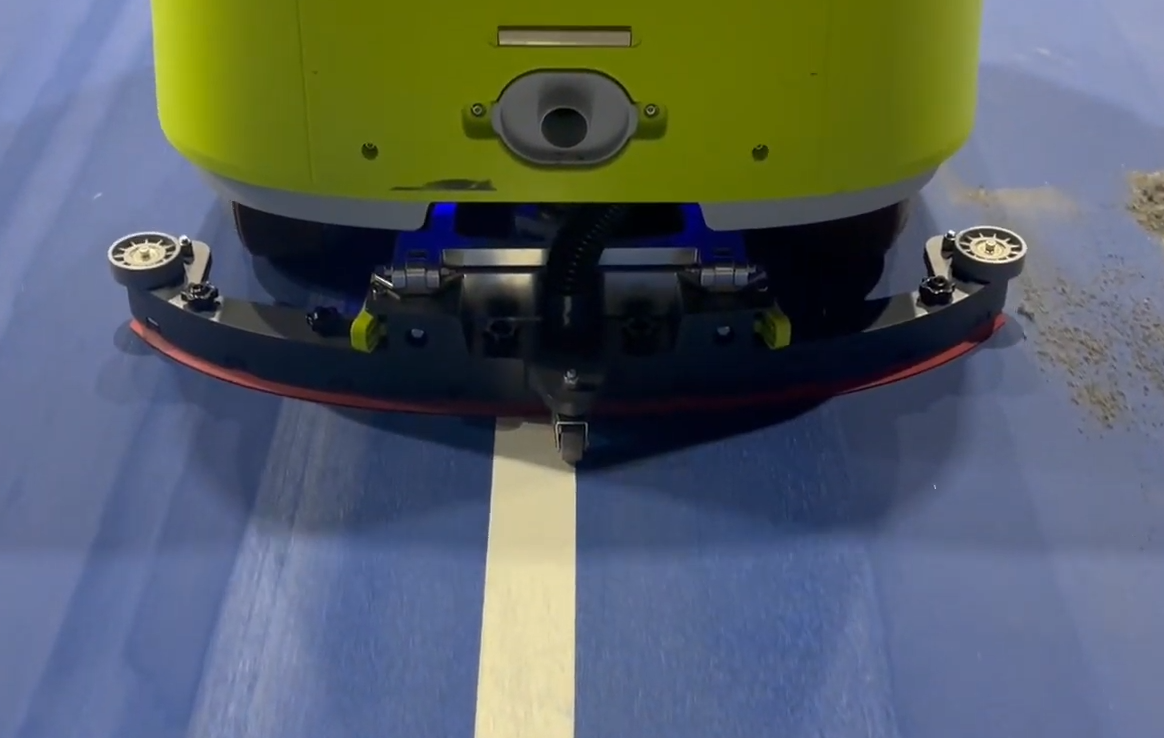
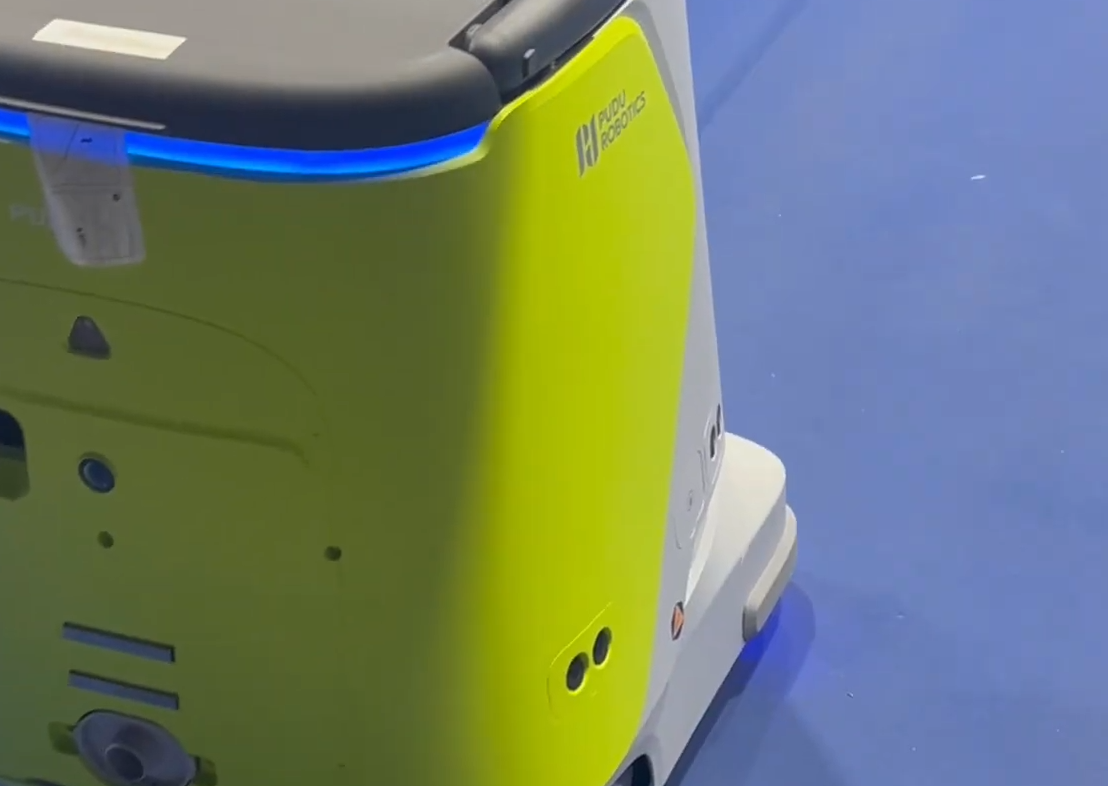
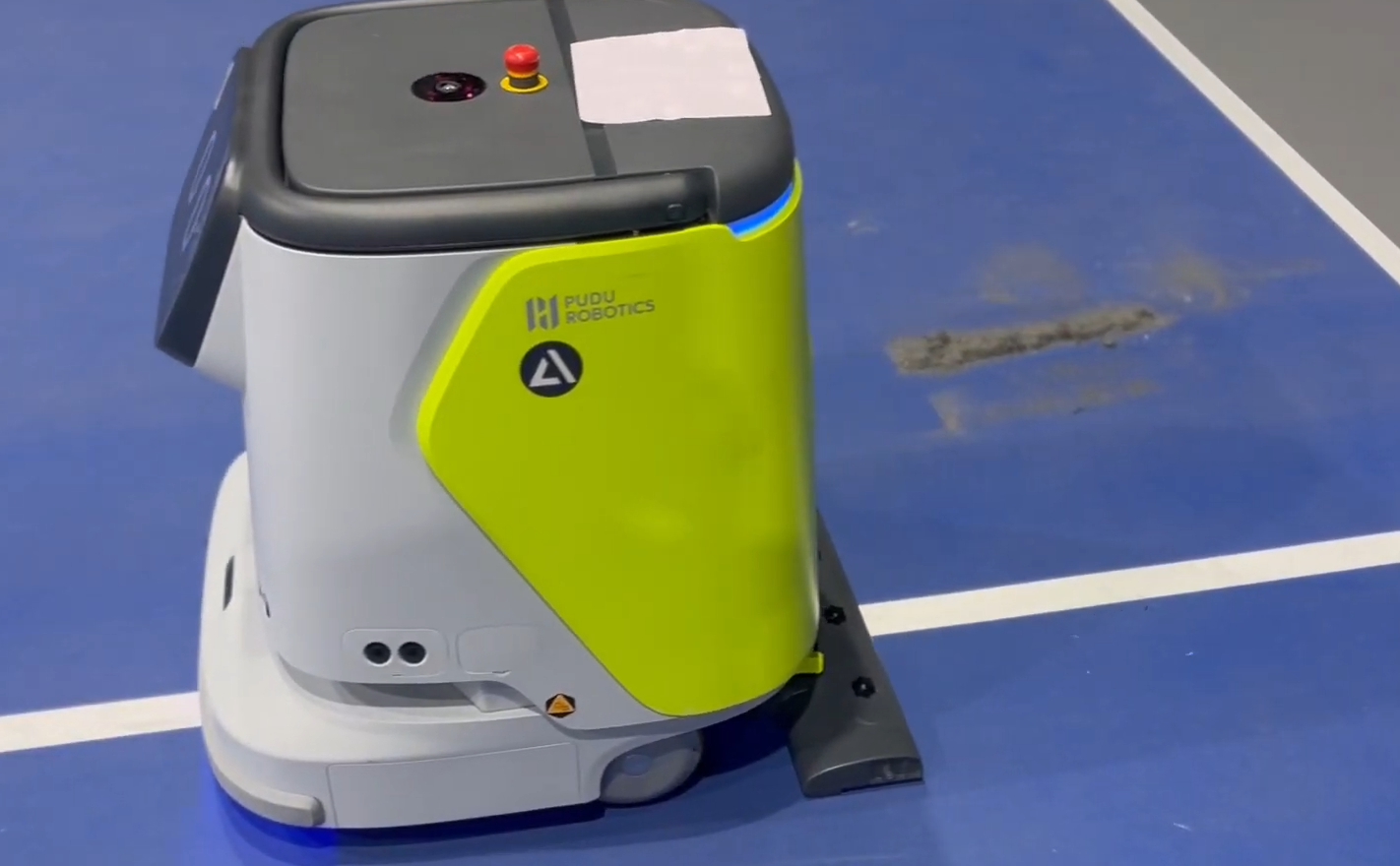
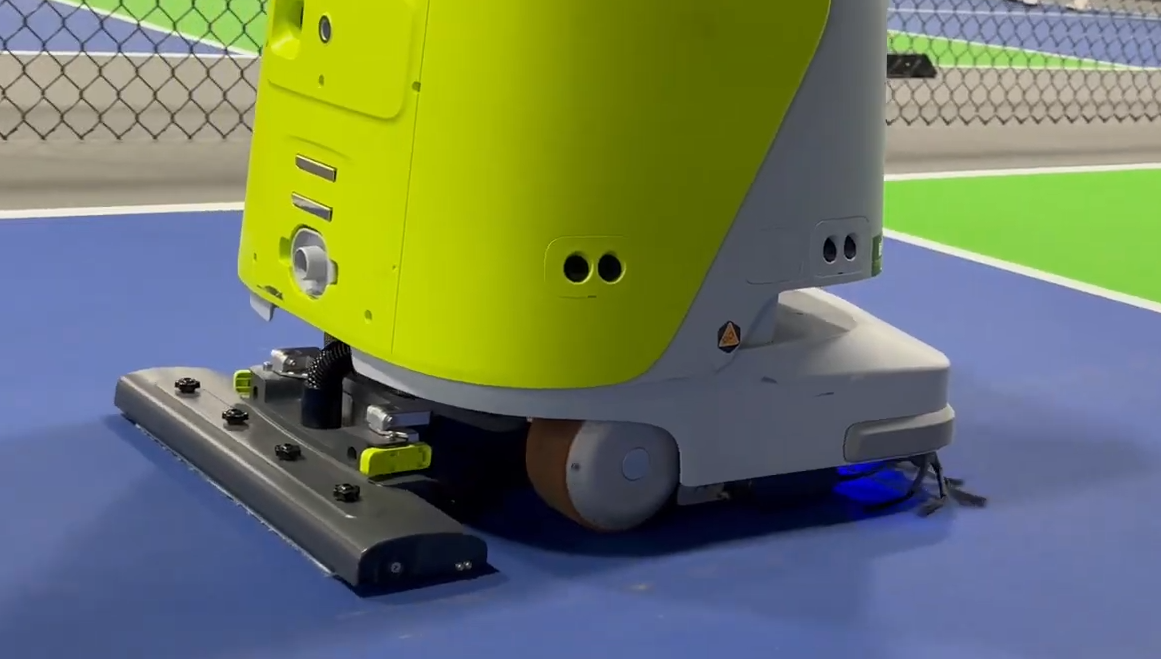
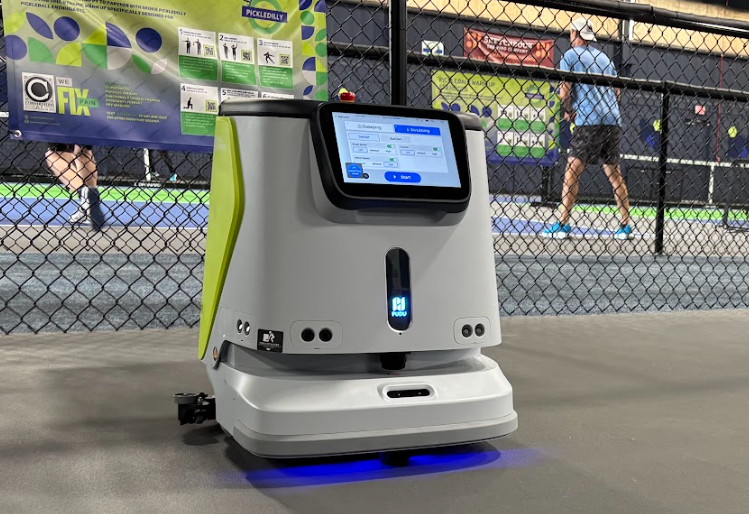
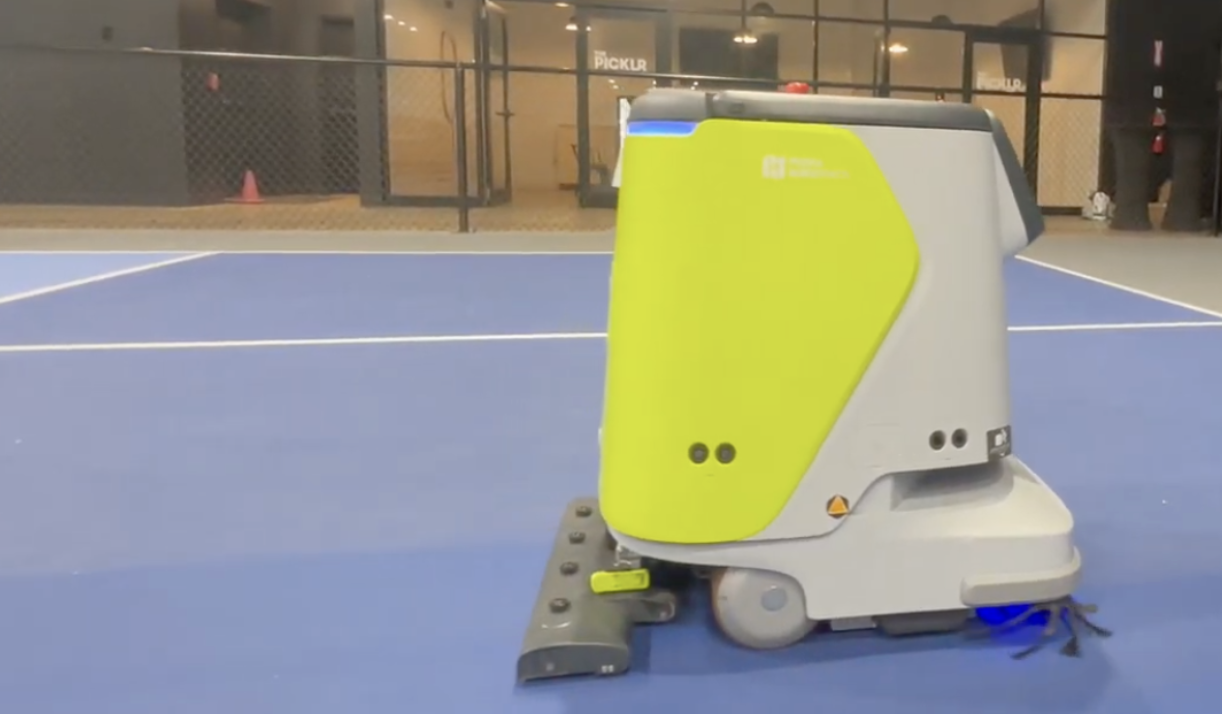
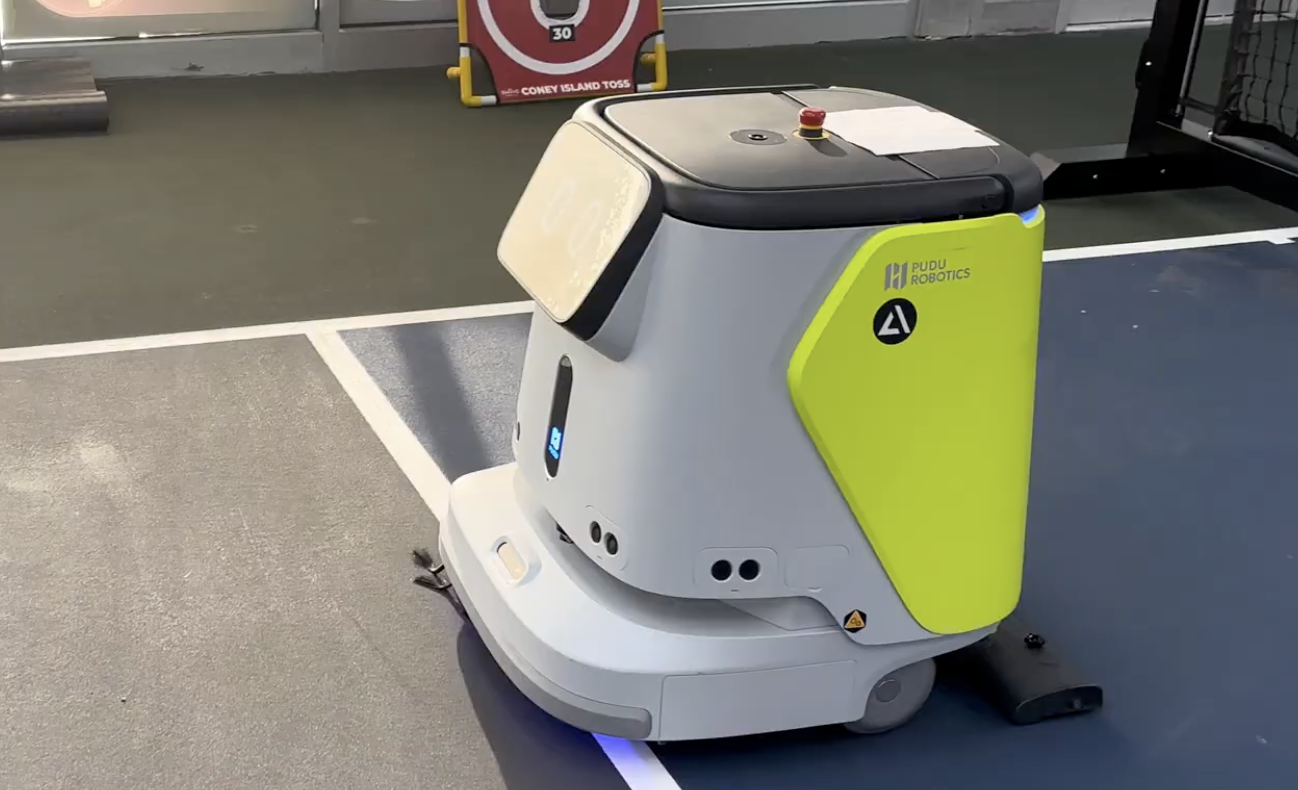
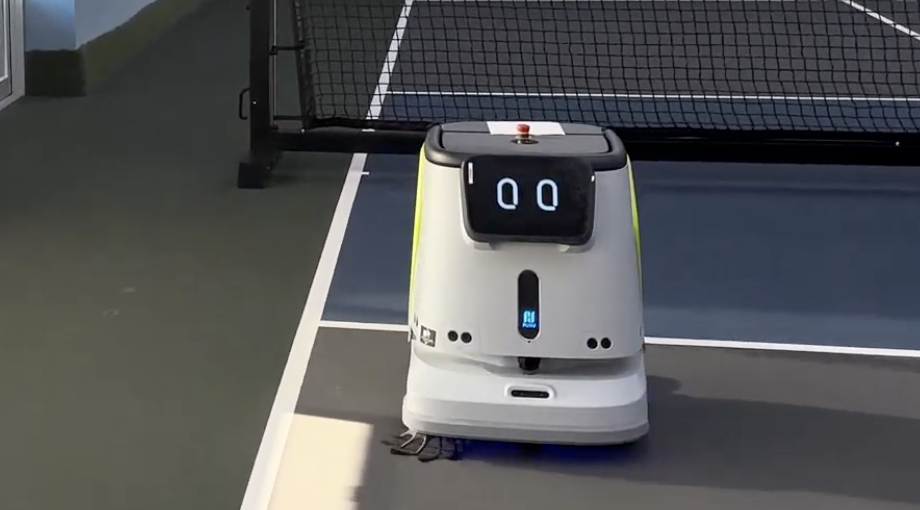
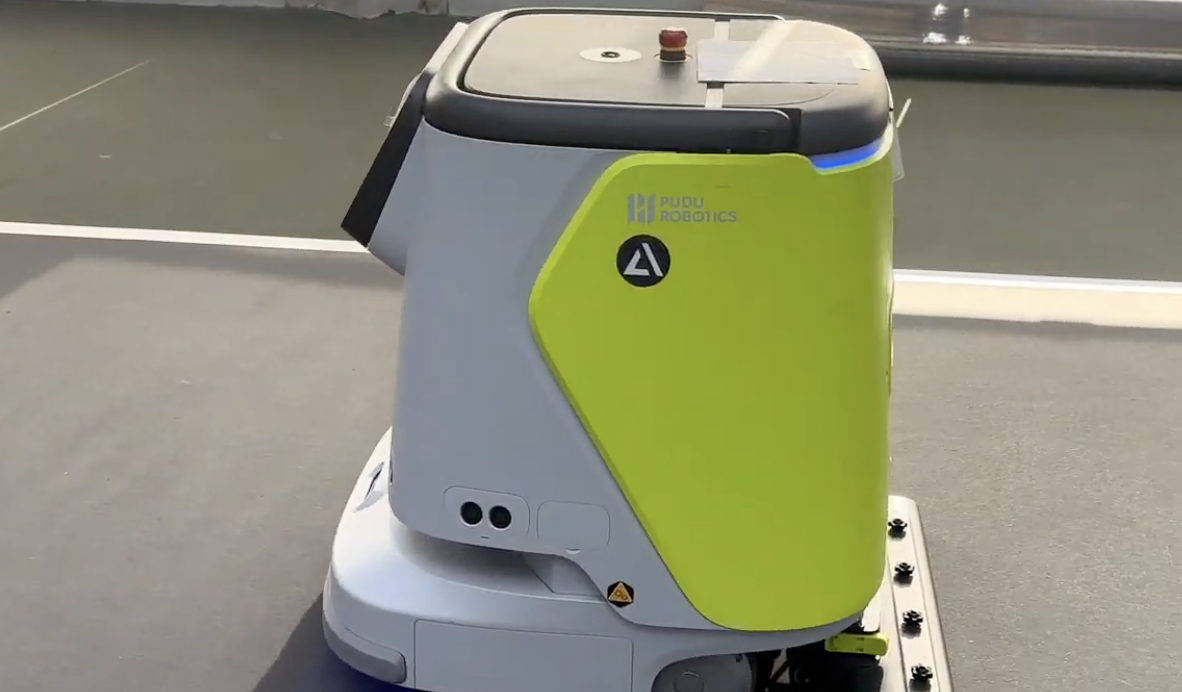
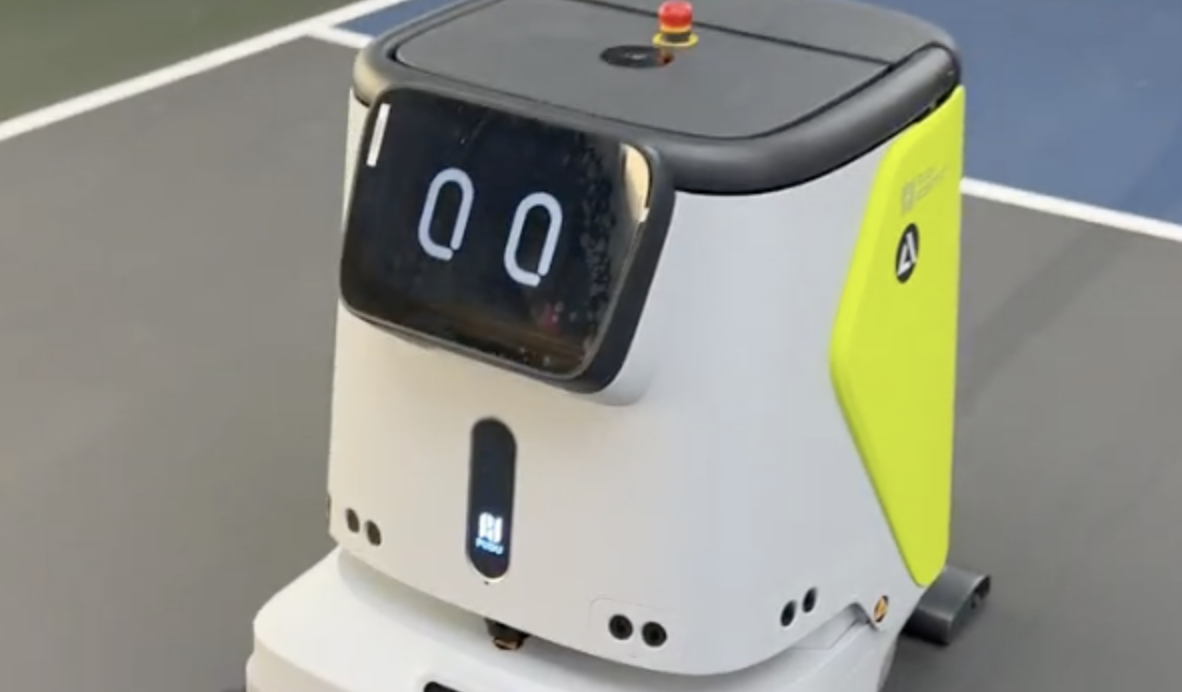
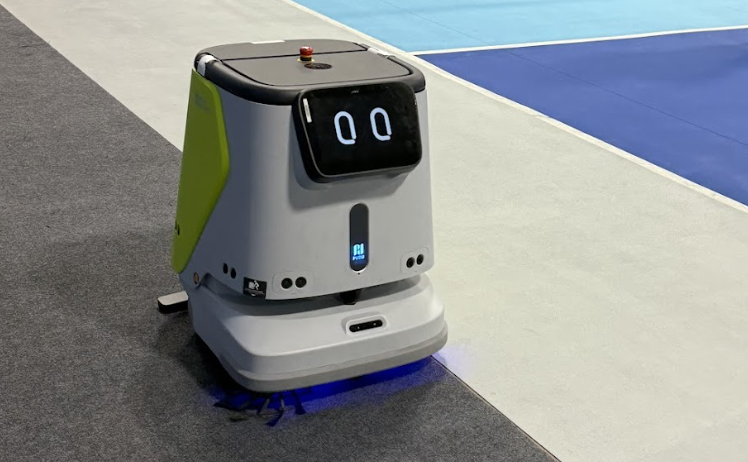
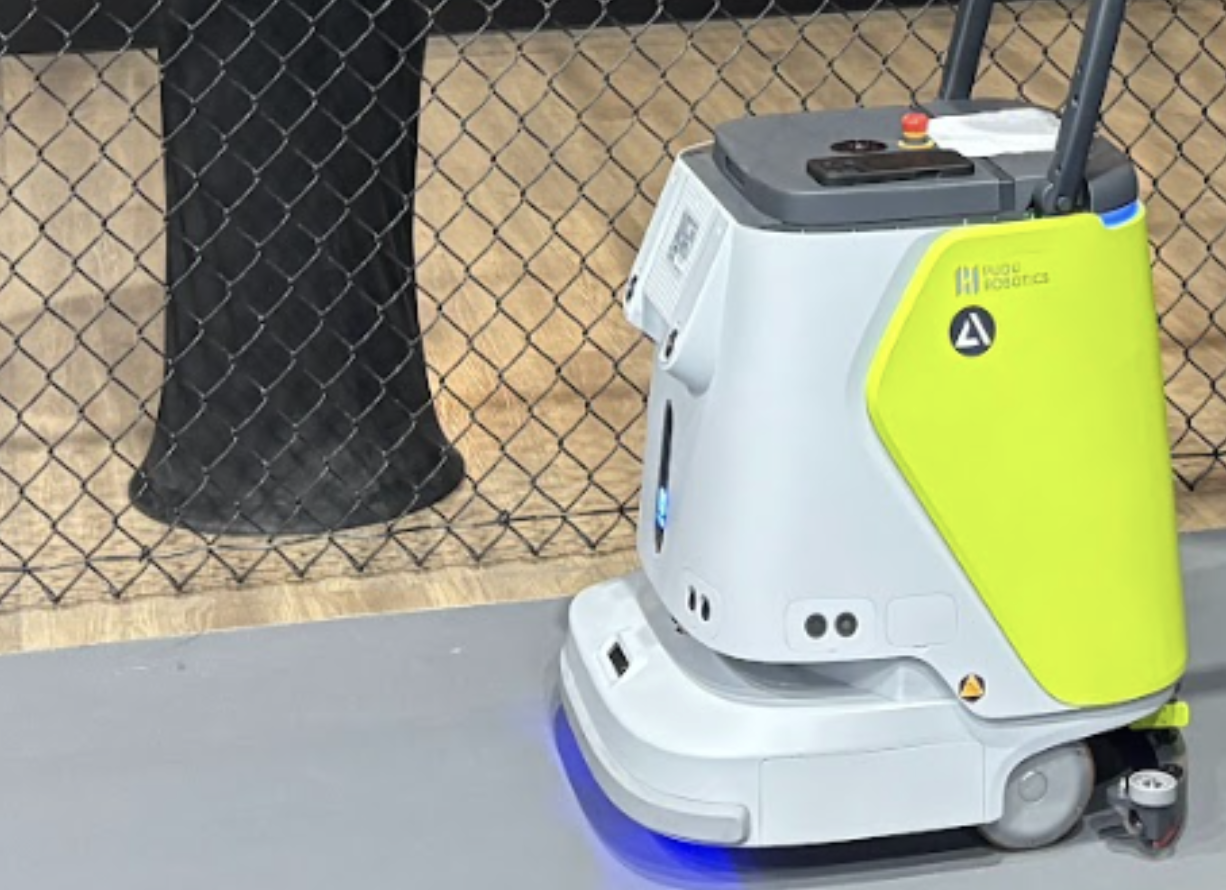
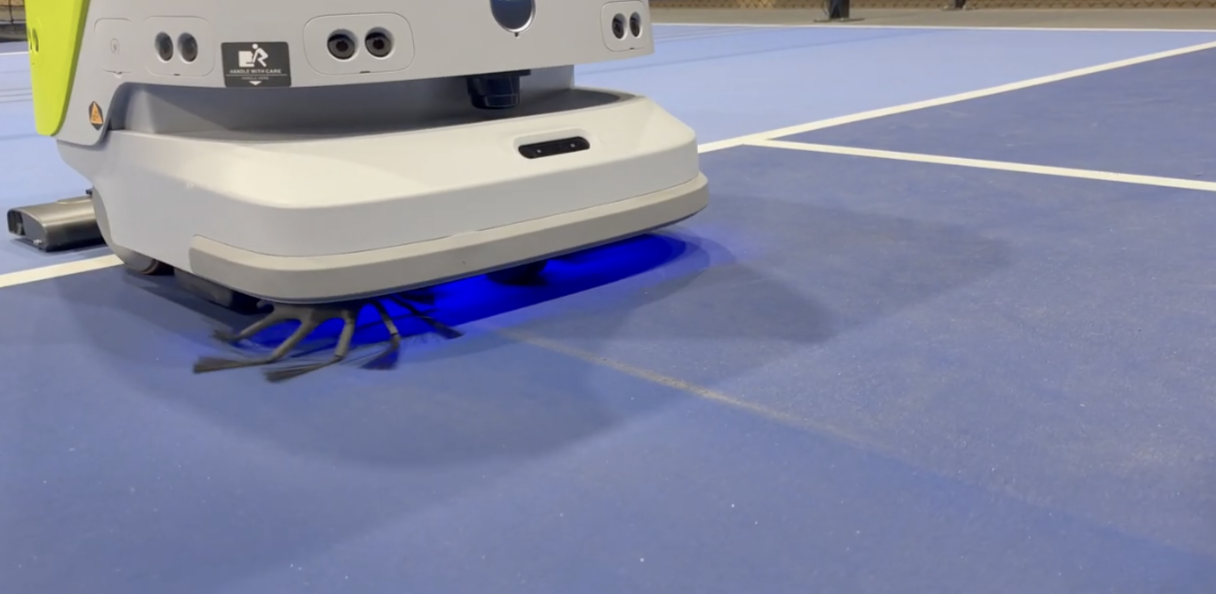
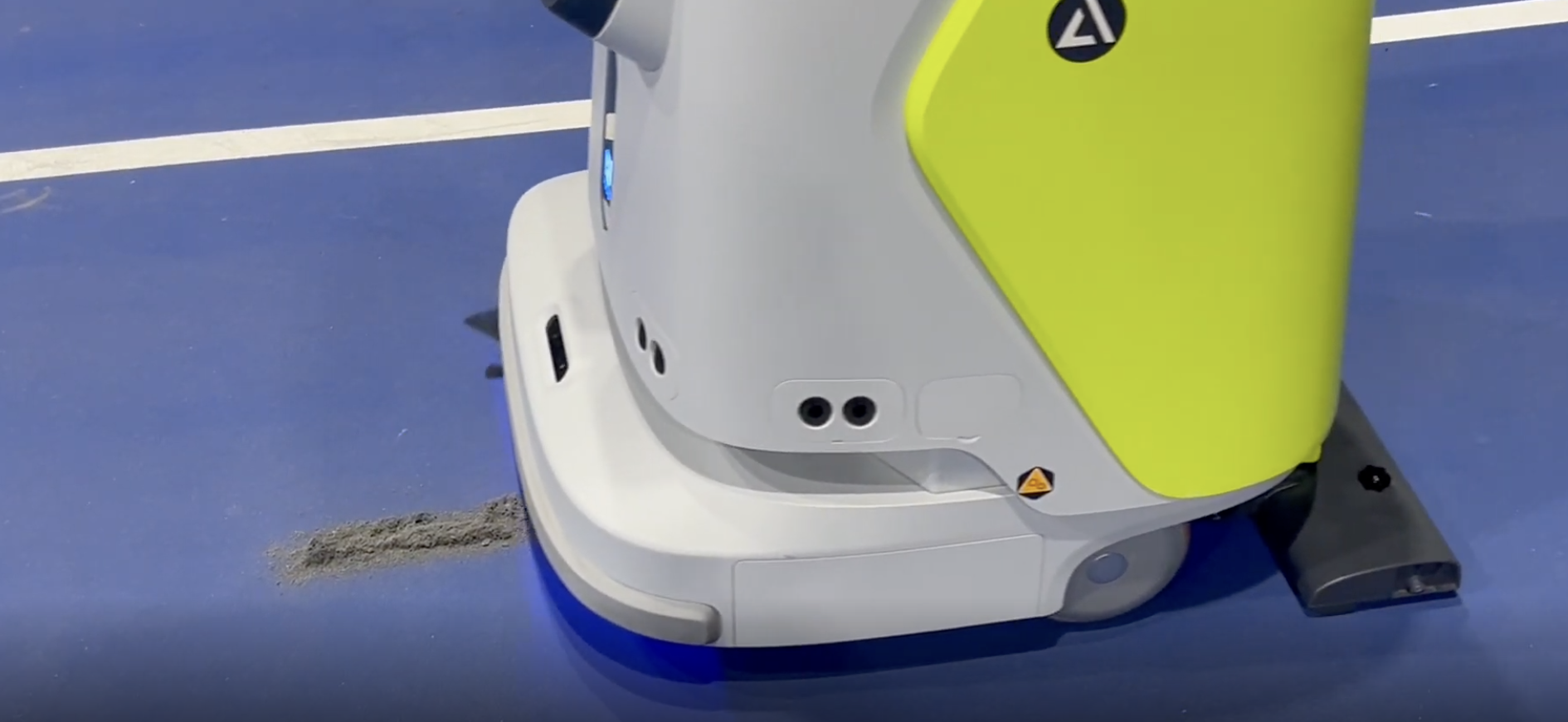
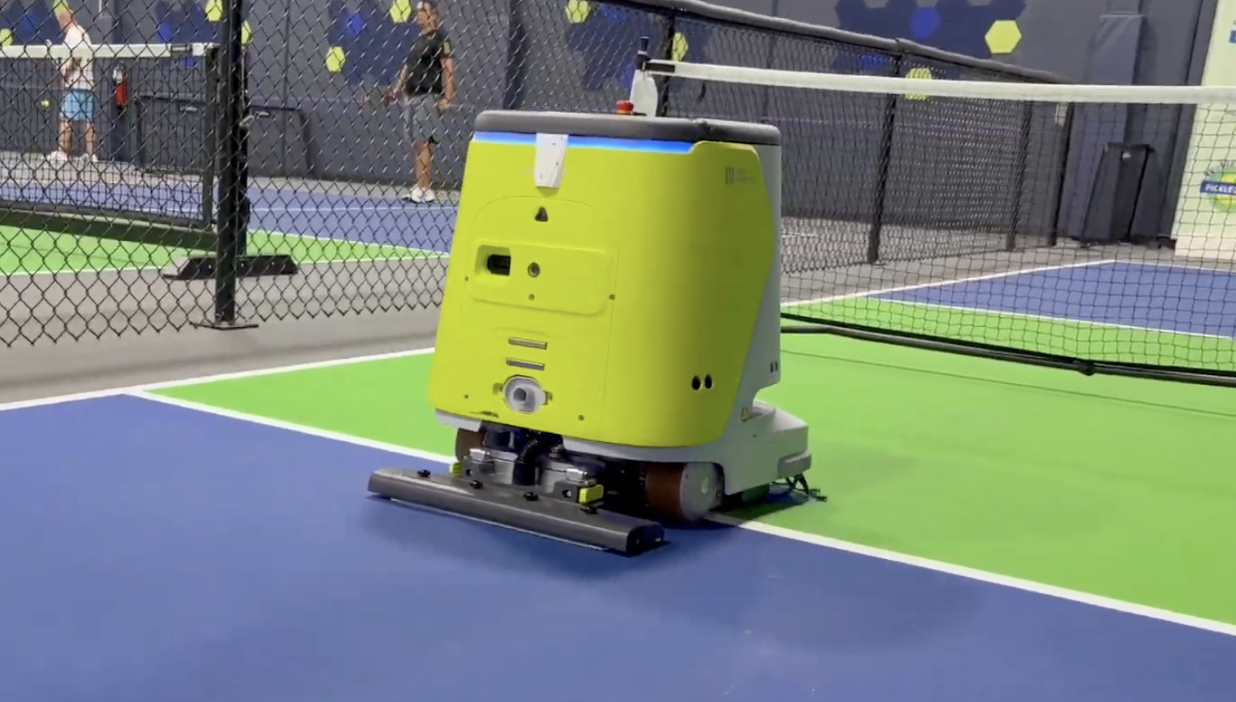
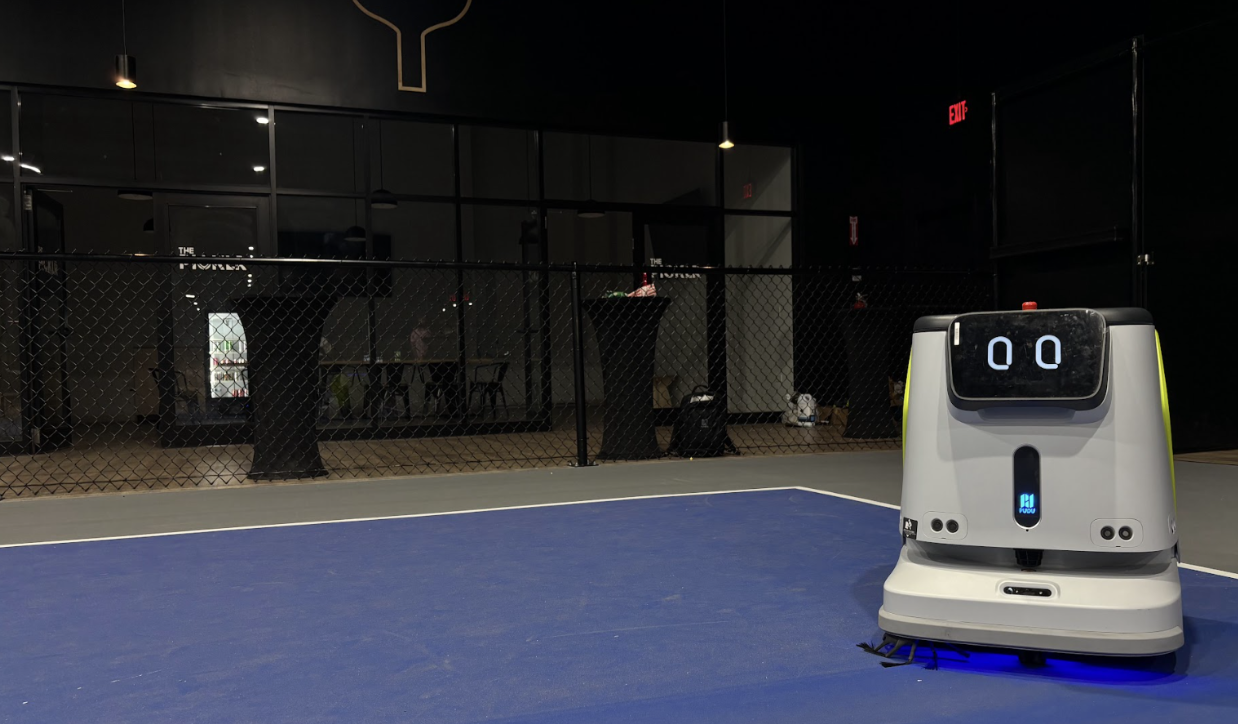
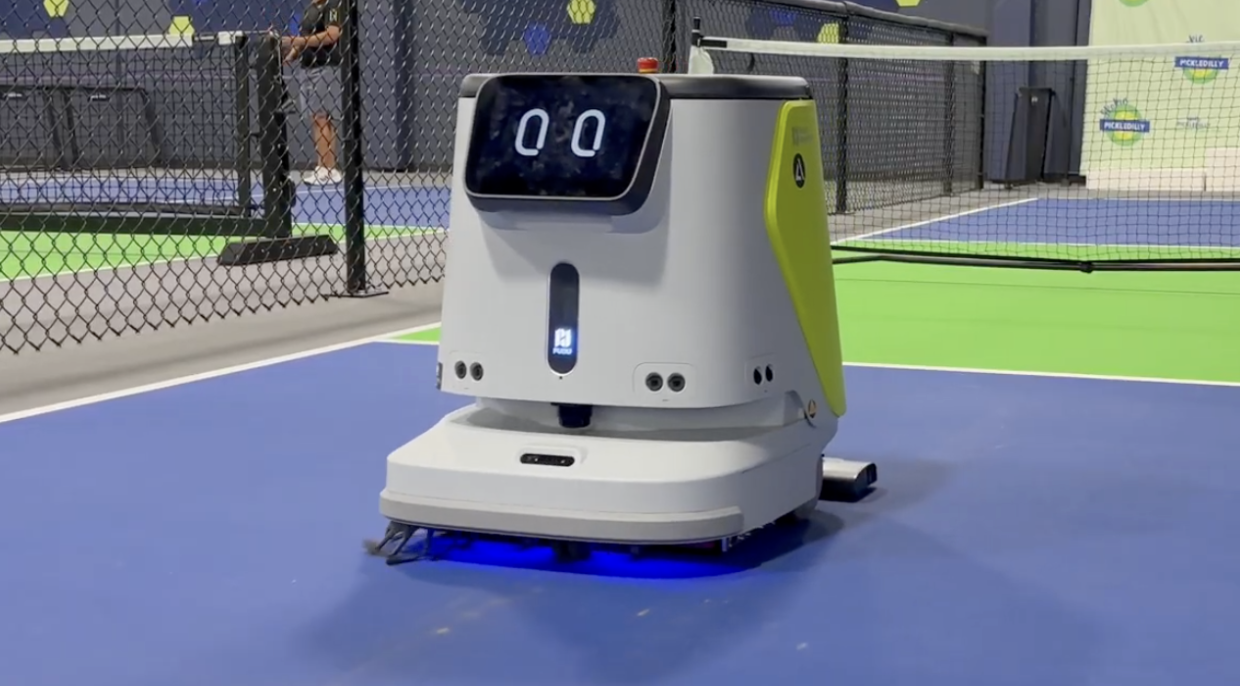
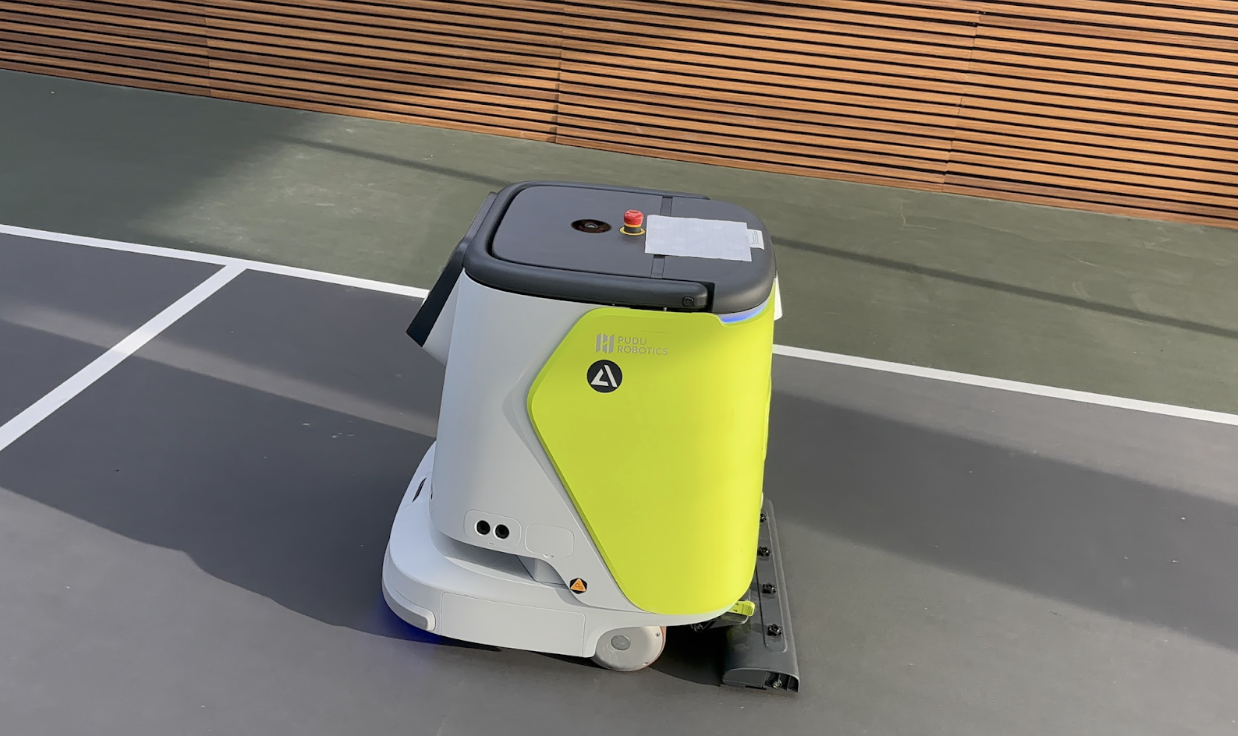
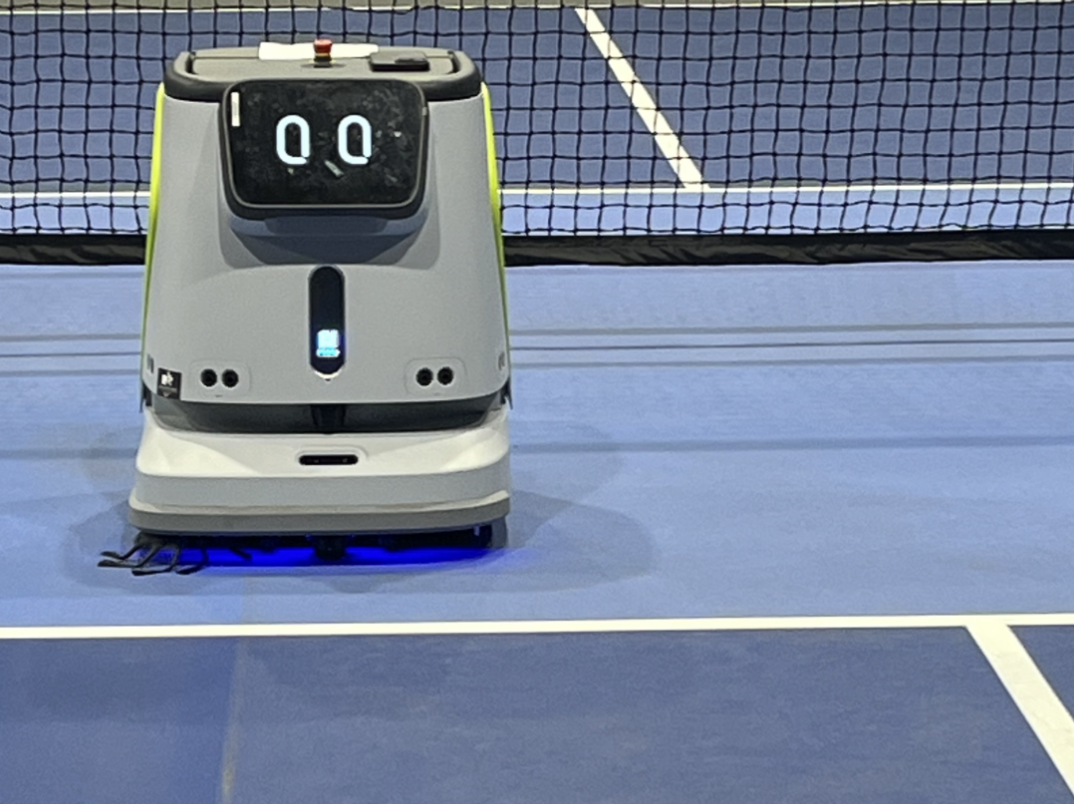
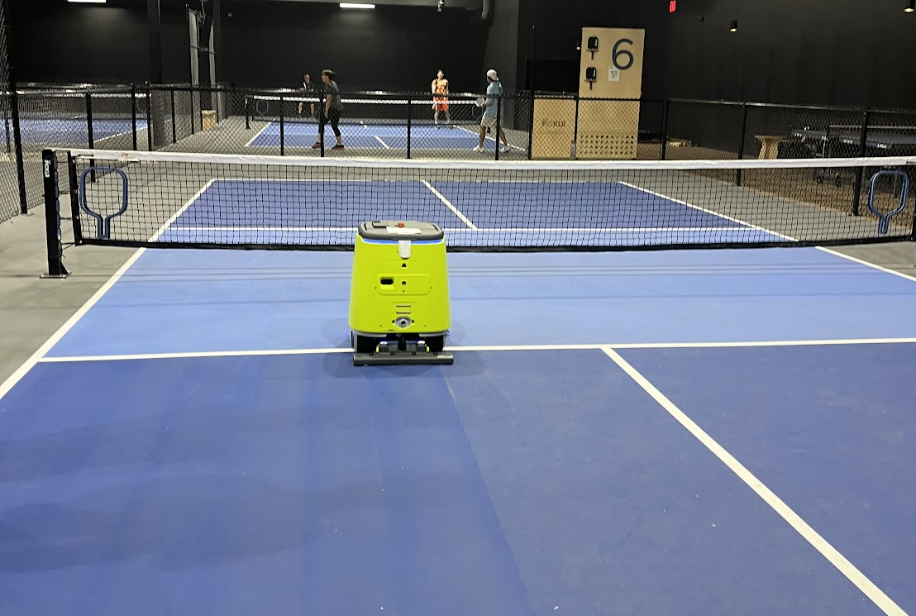
CeCe is basically fuzz’s worst enemy. Her autonomous sweep‑scrub‑vacuum routine removes fine debris that humans miss and does it consistently on schedule. That consistency protects traction, improves ball response, and extends court life — without adding staff hours.
Schedule a Call
Want to see how automation can streamline your operations and keep your courts tournament-ready every day?