How Pickleball Courts Are Built: From Dirt to Dinks

How Pickleball Courts Are Built: From Dirt to Dinks
The Subbase (Where Everything Starts)
Great courts start with stable soil and drainage. Contractors compact the subgrade and add 4–6 inches of crushed stone (well-graded aggregate) to create a flat, free-draining platform.
Asphalt vs. Post-Tension Concrete
- Asphalt: Faster/cheaper but can soften in heat and develop hairline cracks over time.
- Post-Tension Concrete: Higher upfront cost; steel tendons reduce cracking and keep lines straighter for longer.
Slope & Drainage
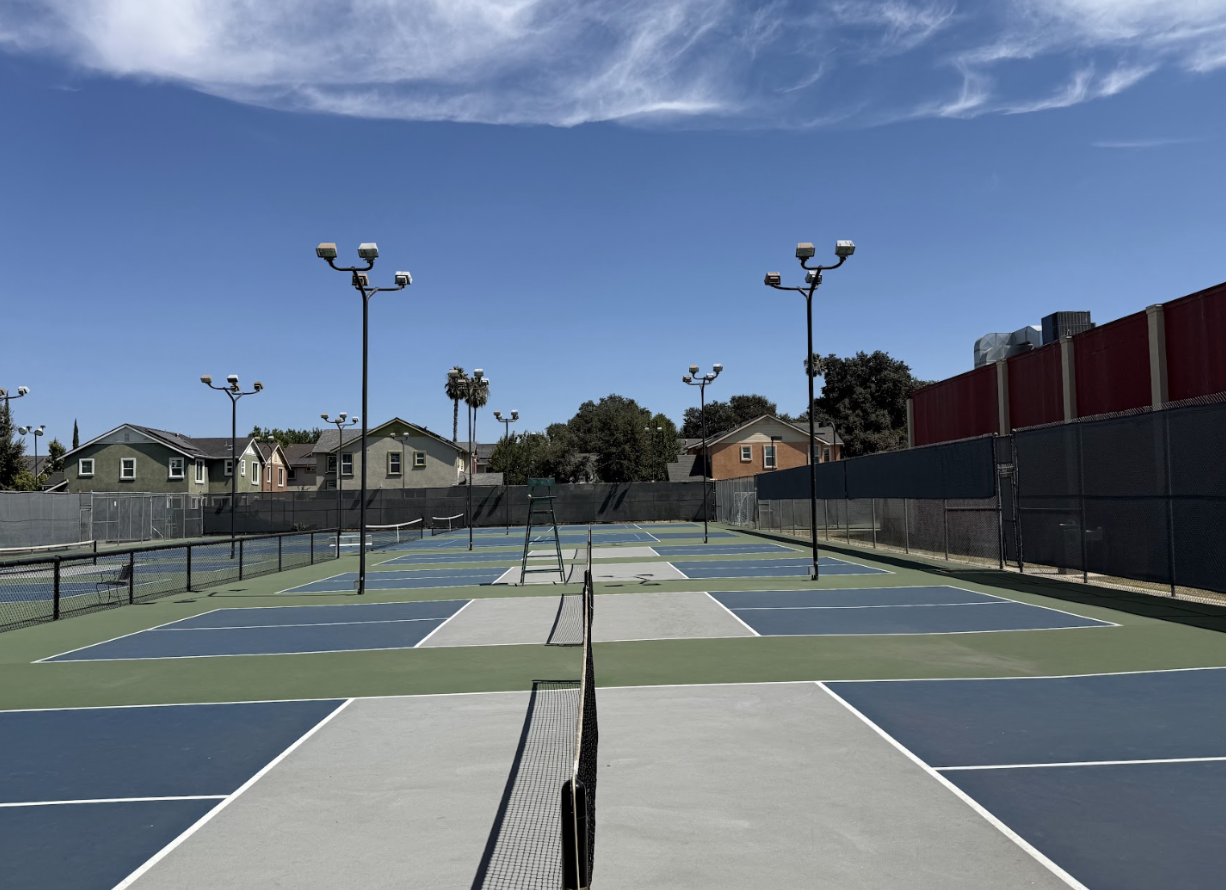
Outdoor courts need ~1% slope (about 1/8″ per foot) to shed water without feeling tilted. Keep surface water moving away from baselines and out of doorways.
Acrylic Cushion & Color Coats
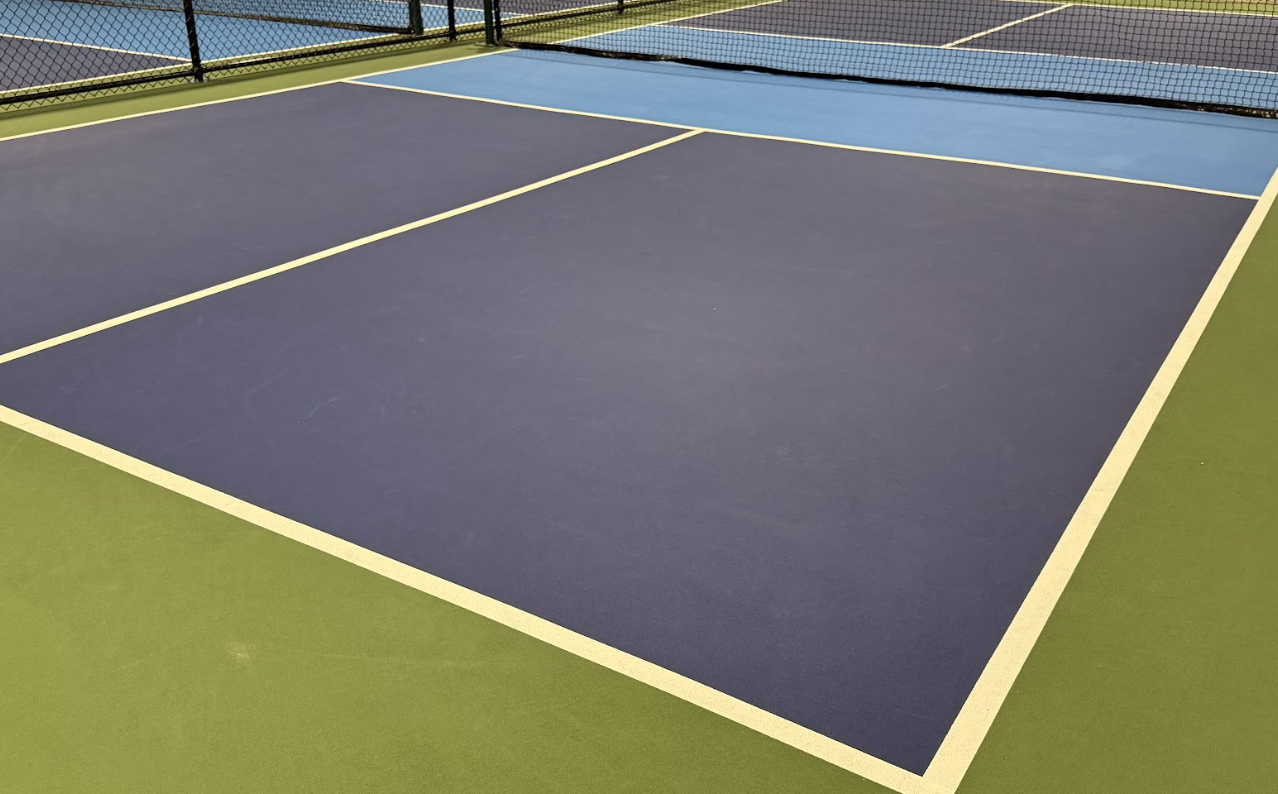
Acrylic resurfacing systems (with or without cushion layers) provide texture, color, and UV protection. Choose mid-tone colors for visibility and heat management; specify light texture for grip without chewing up balls.
Fencing, Lighting, and Lines
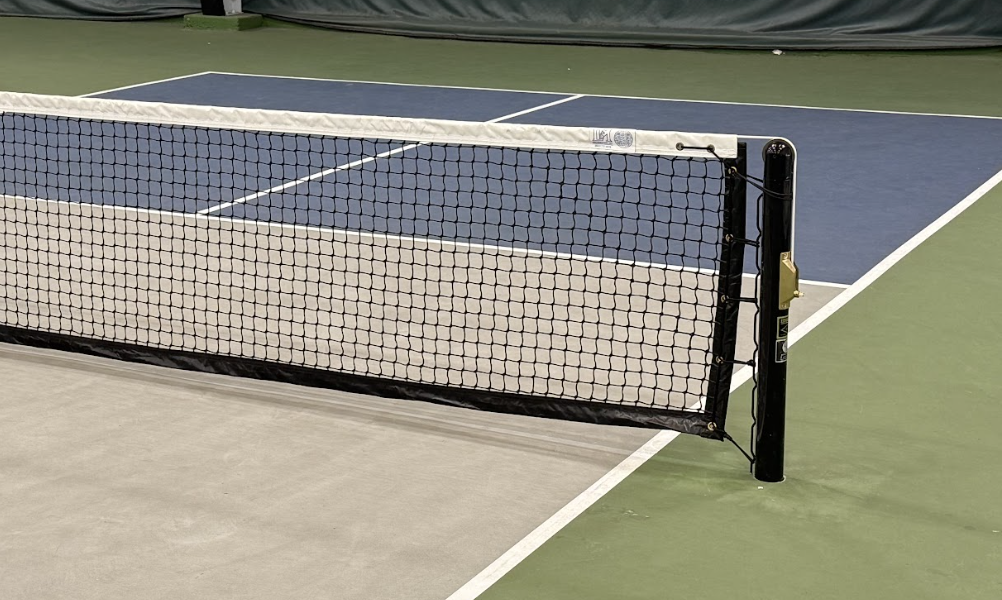
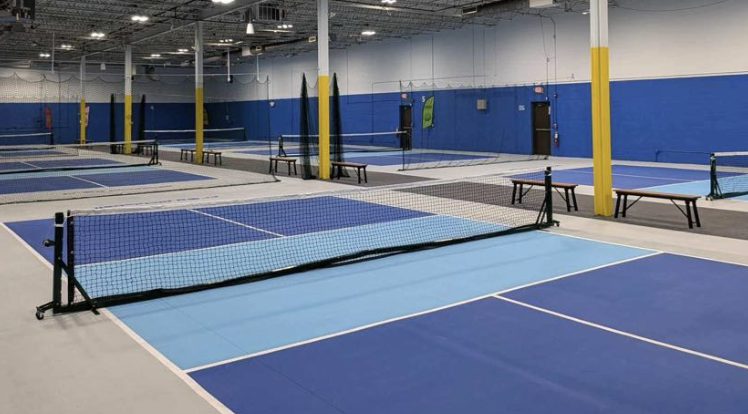
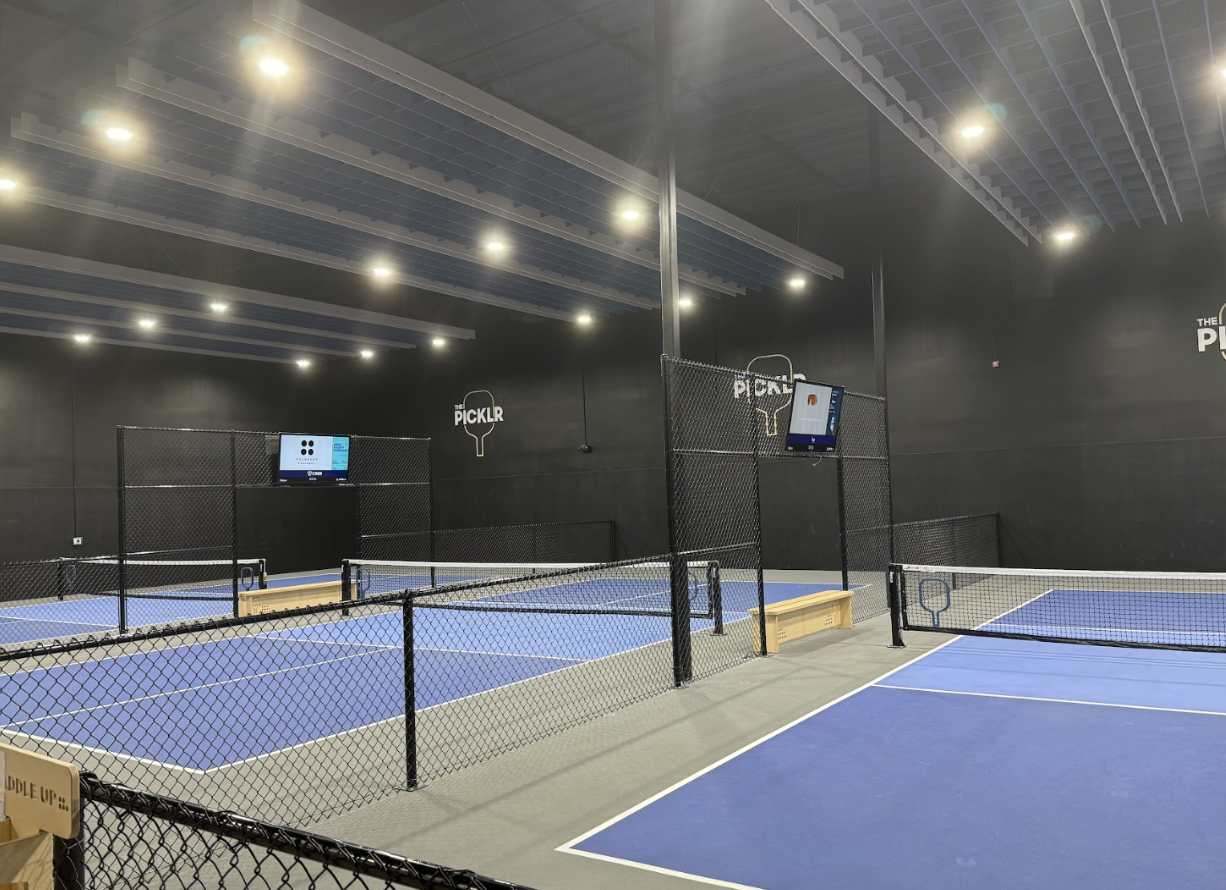
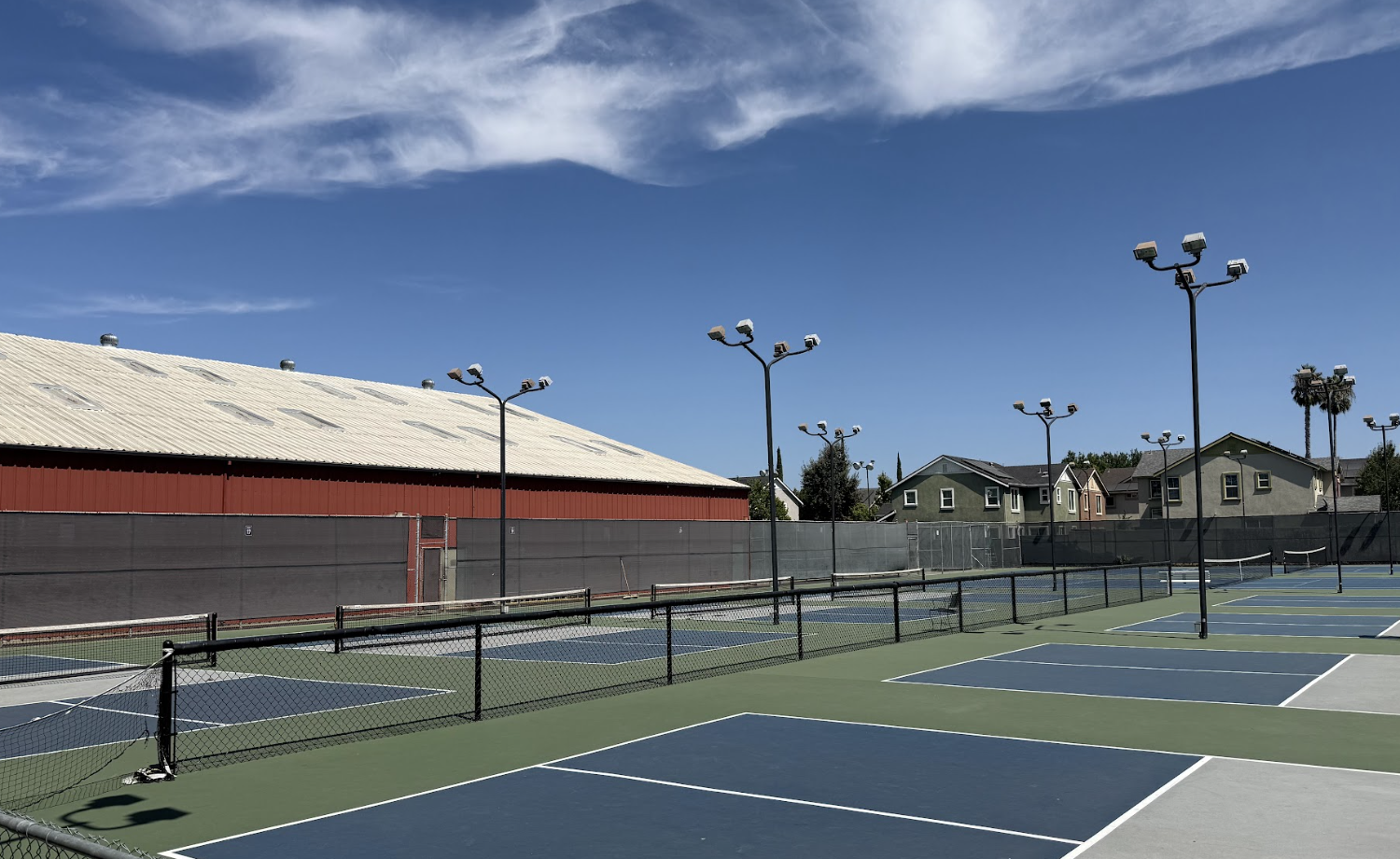
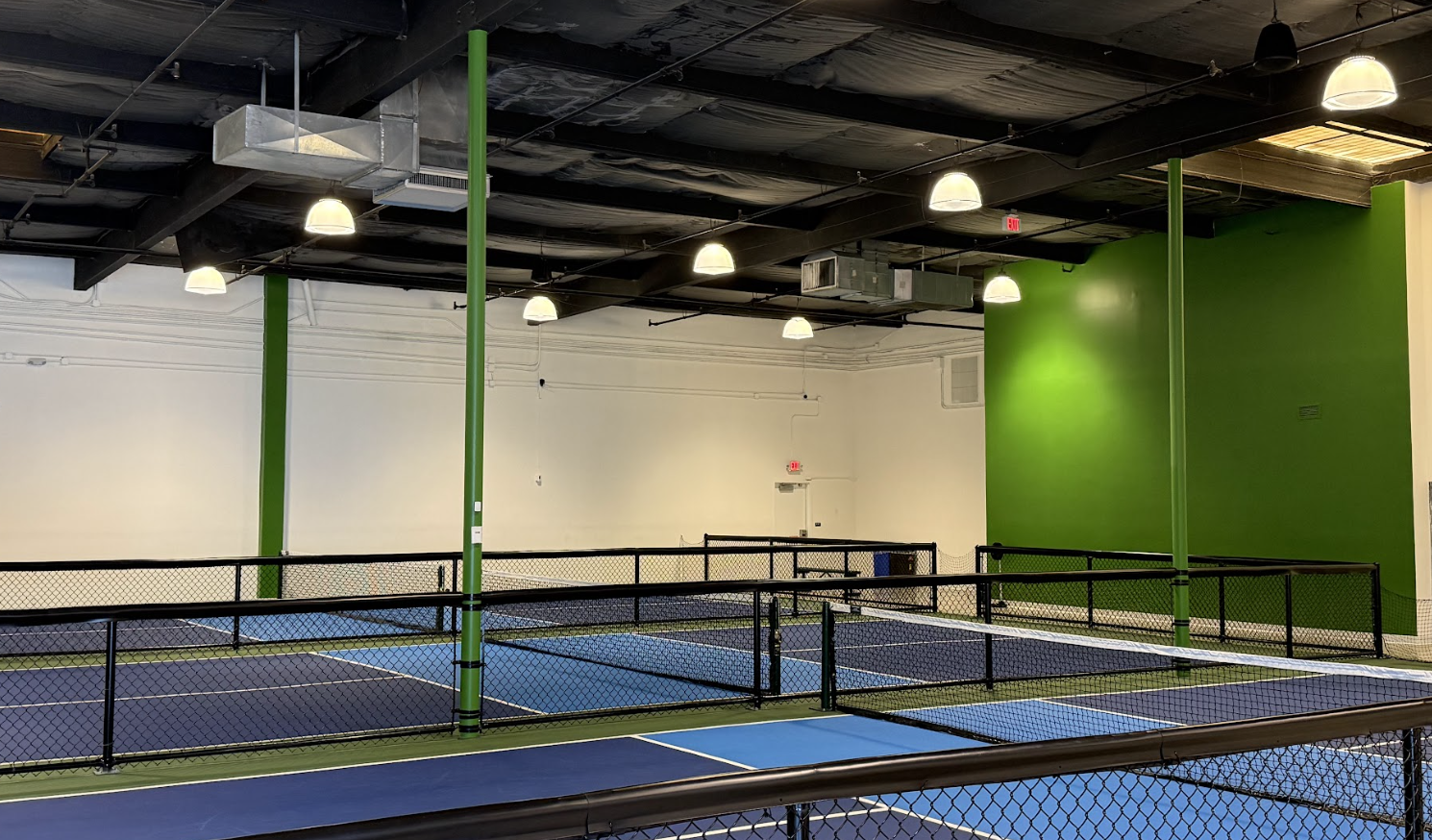
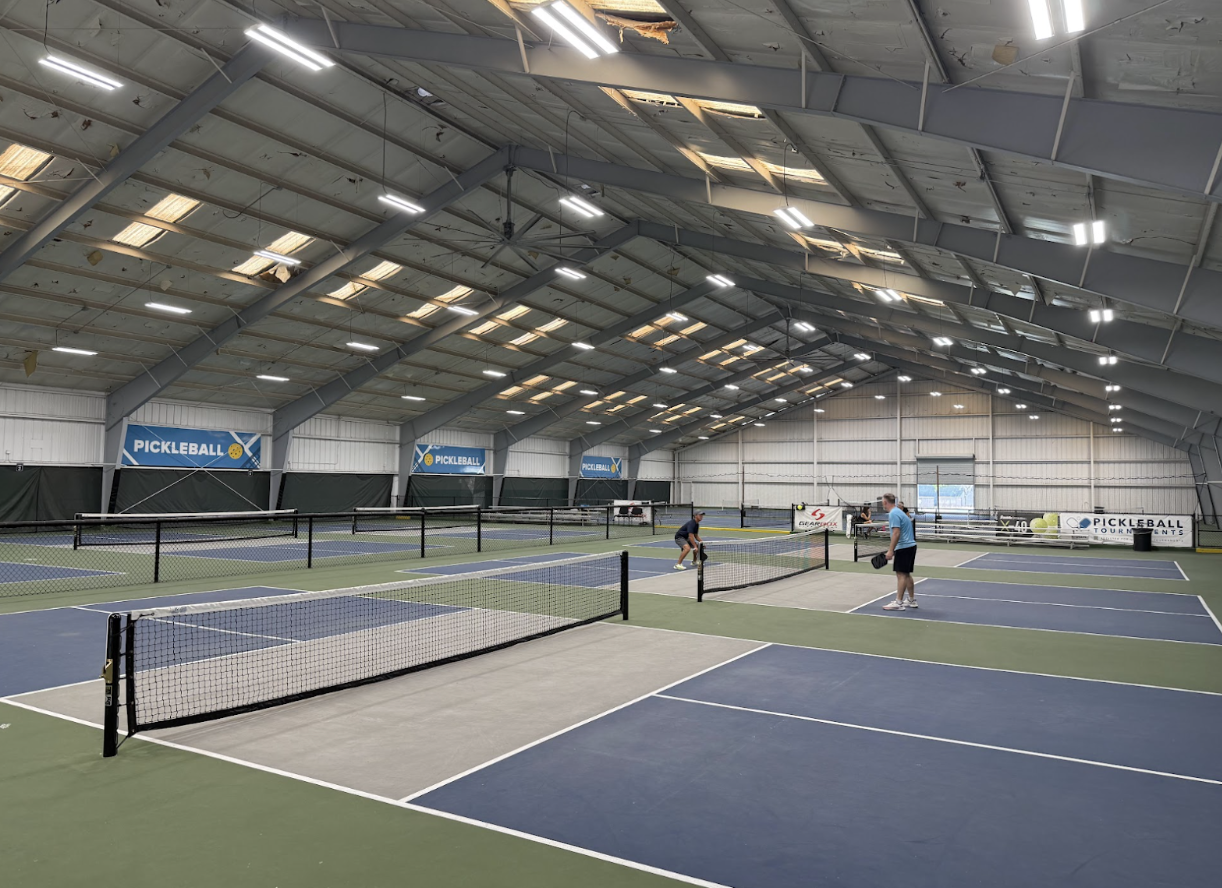
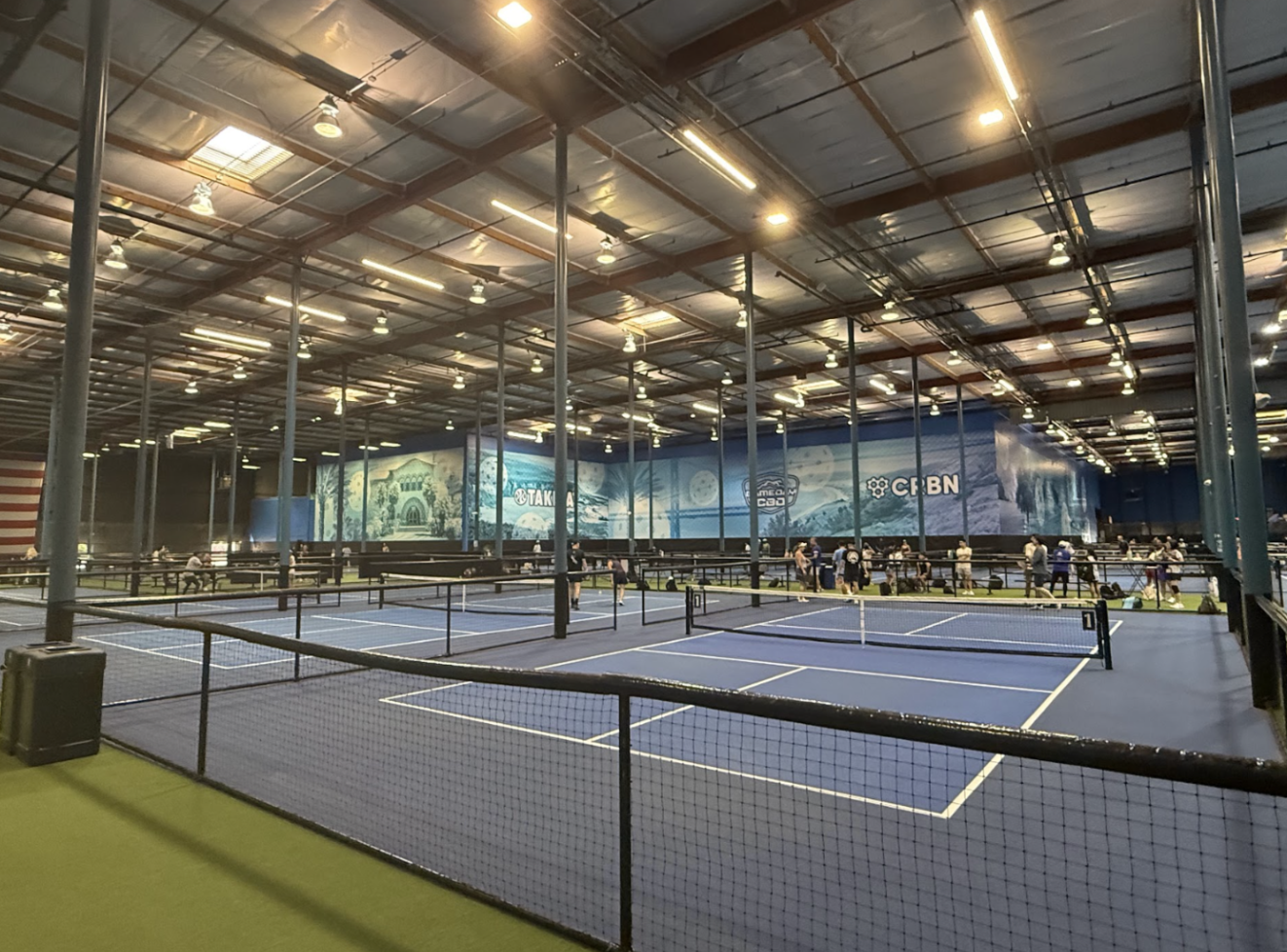
Wind-screened fencing reduces gusts and distraction. LED fixtures (indoor or outdoor) target 50–100 fc at the court with minimal glare. Lines are textured acrylic, not glossy paint, to preserve traction.
How CeCe Helps
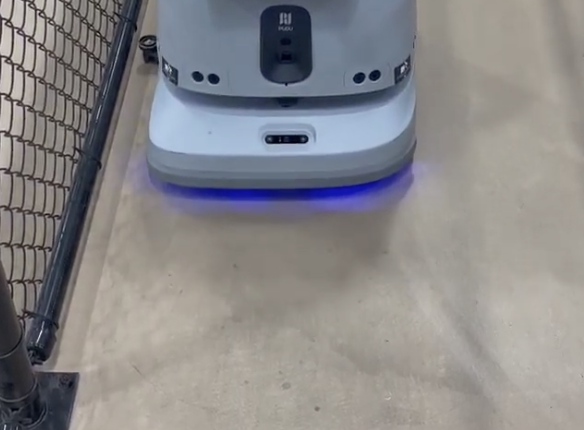
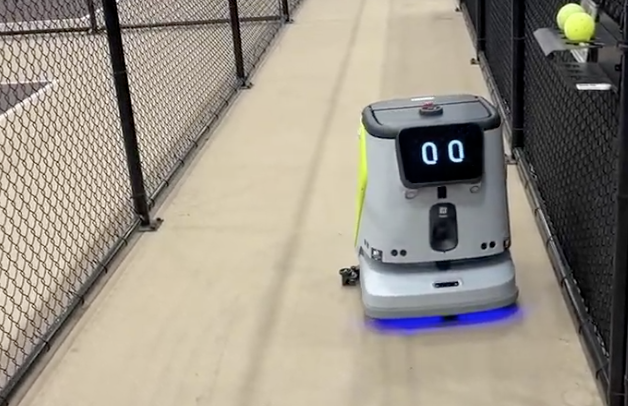
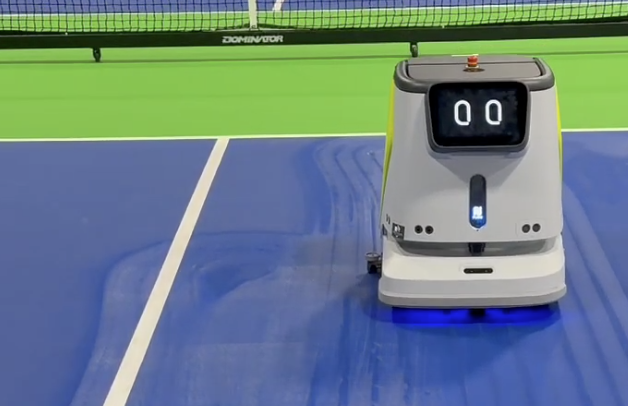
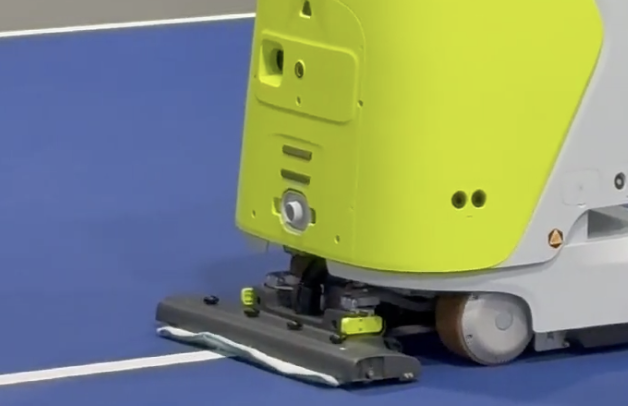
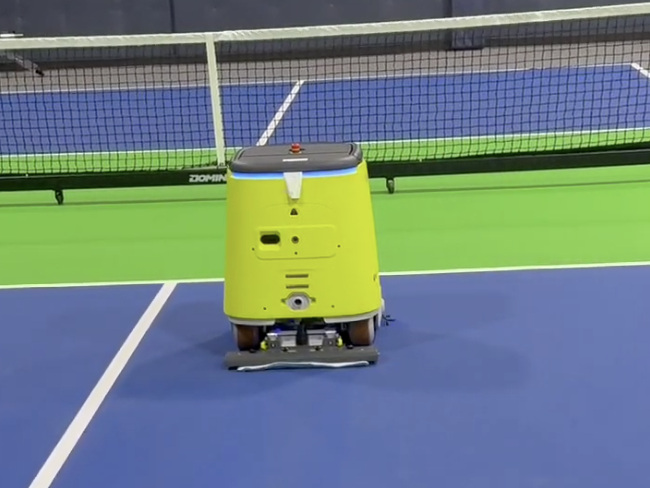
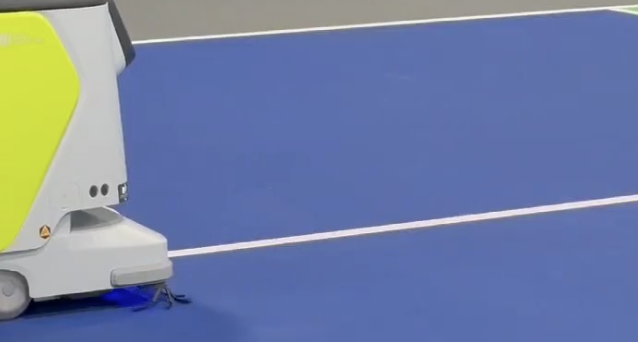
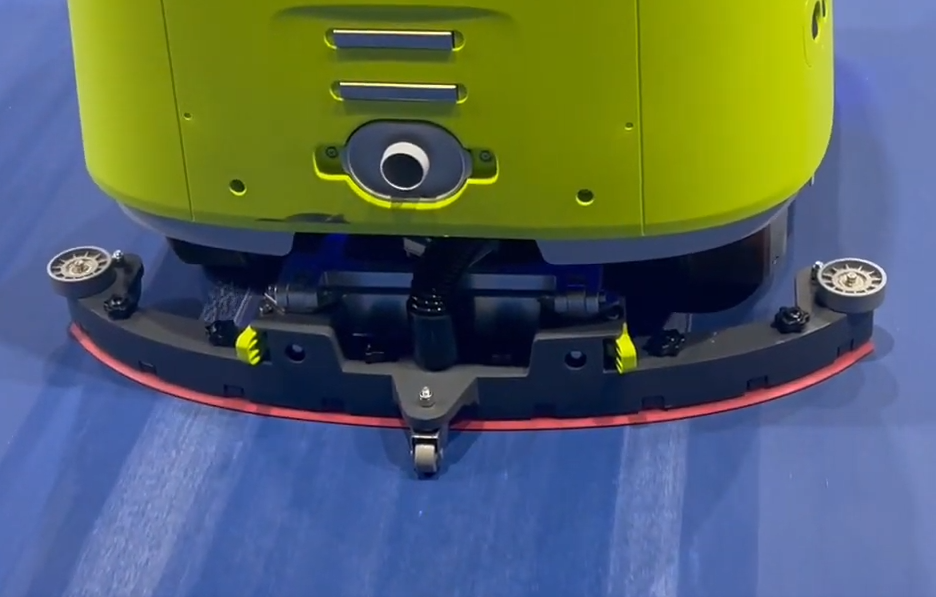
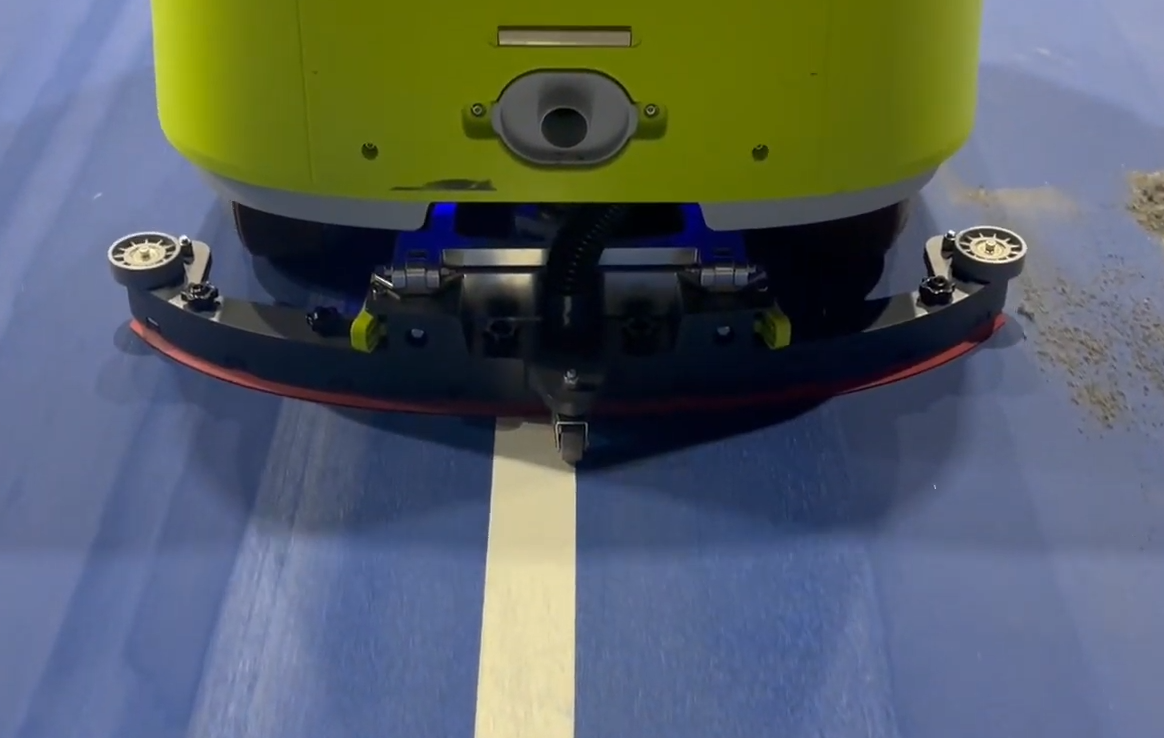
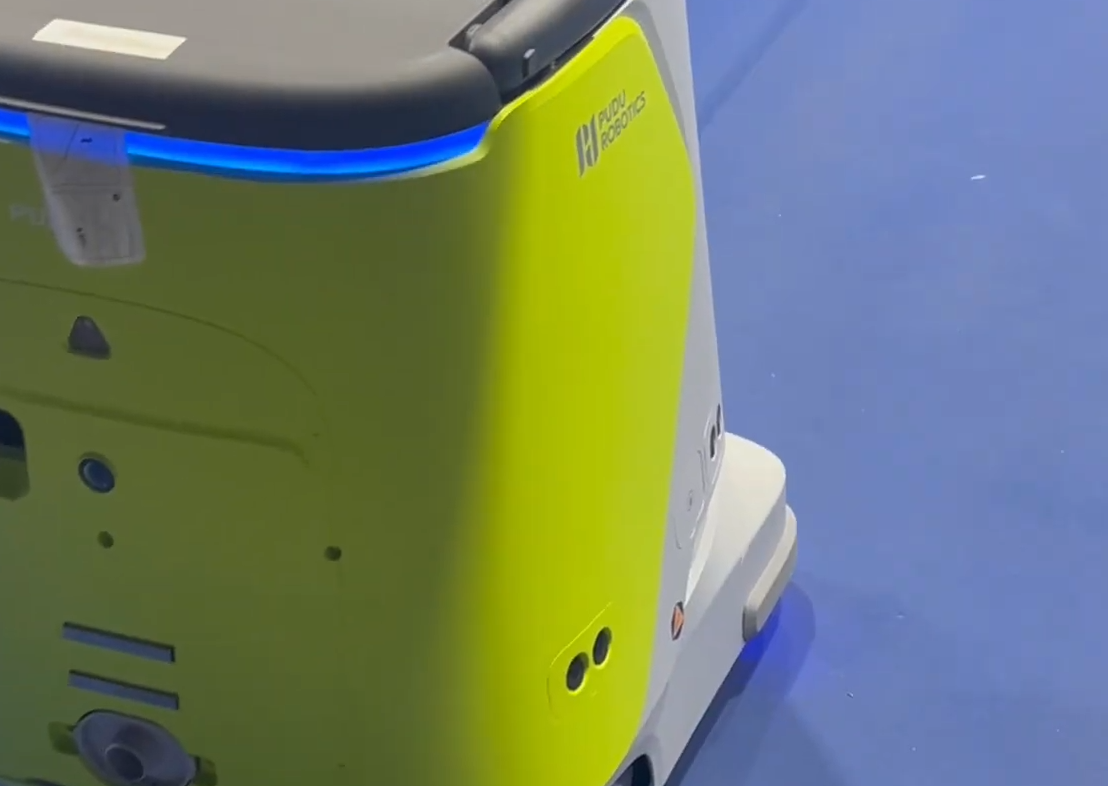
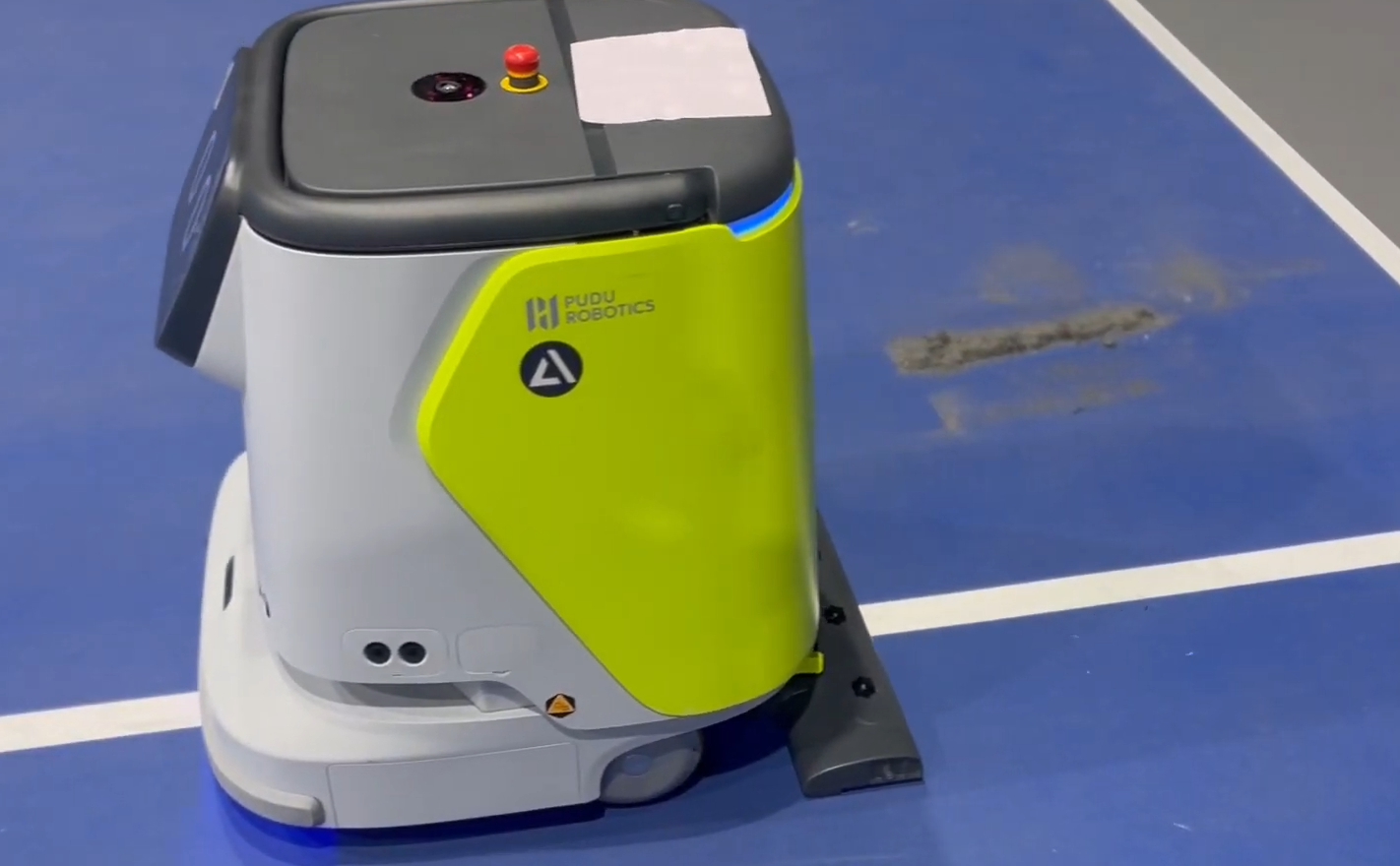
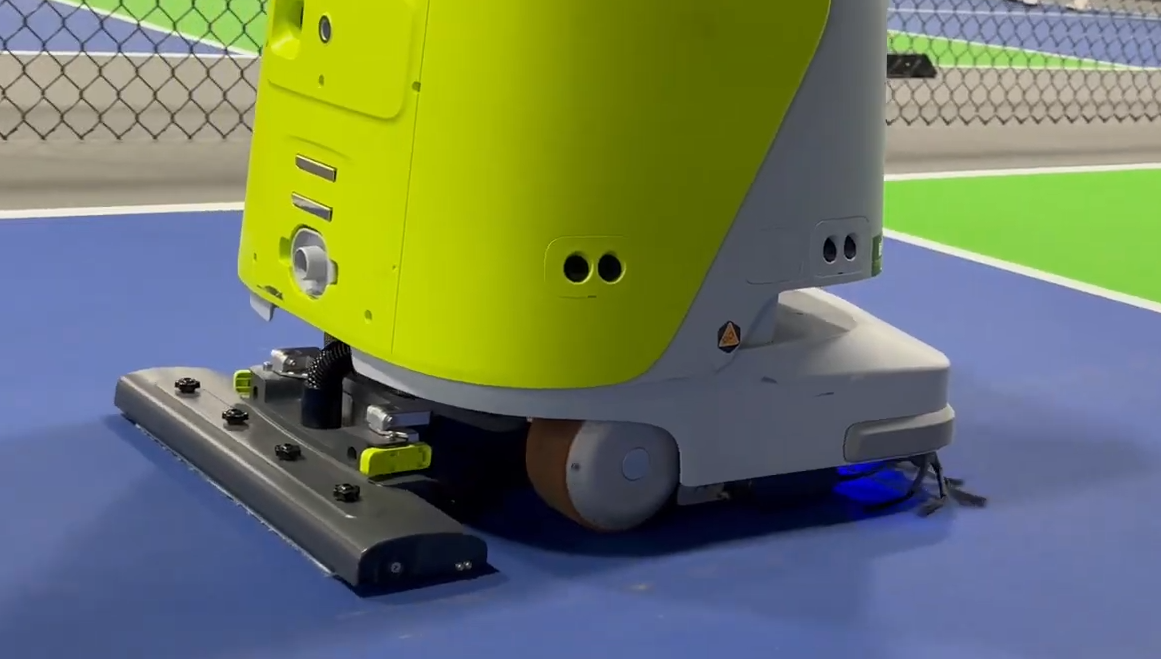
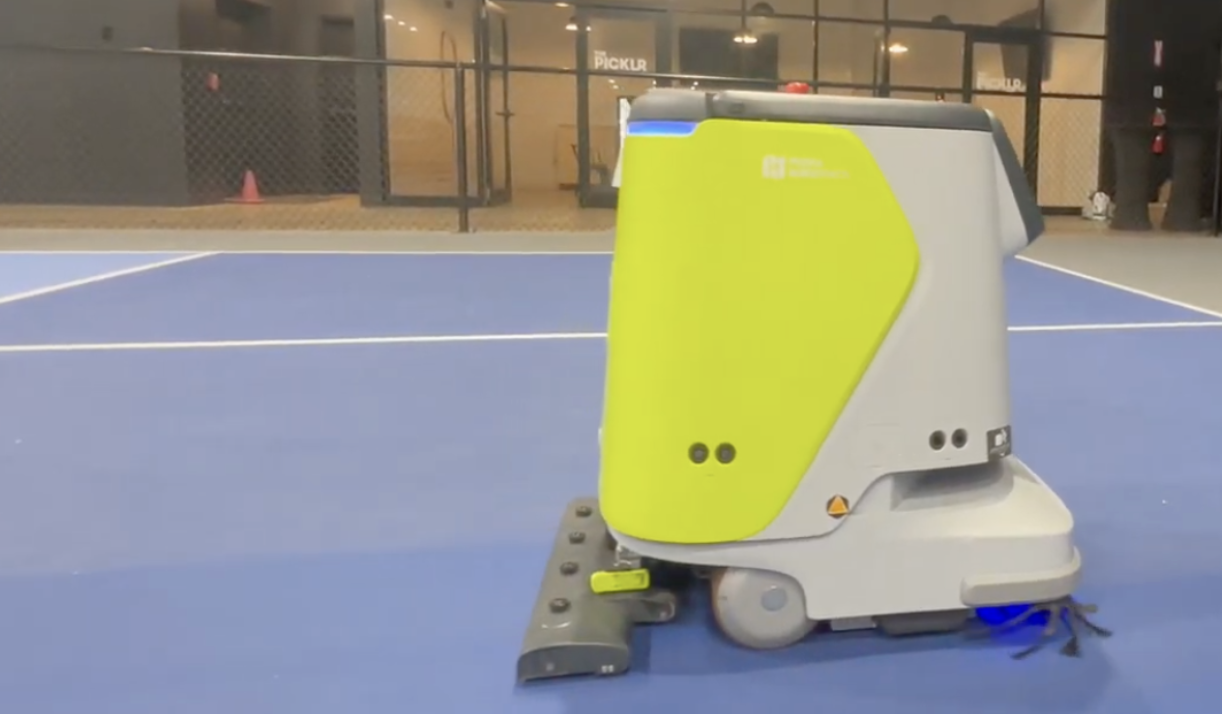
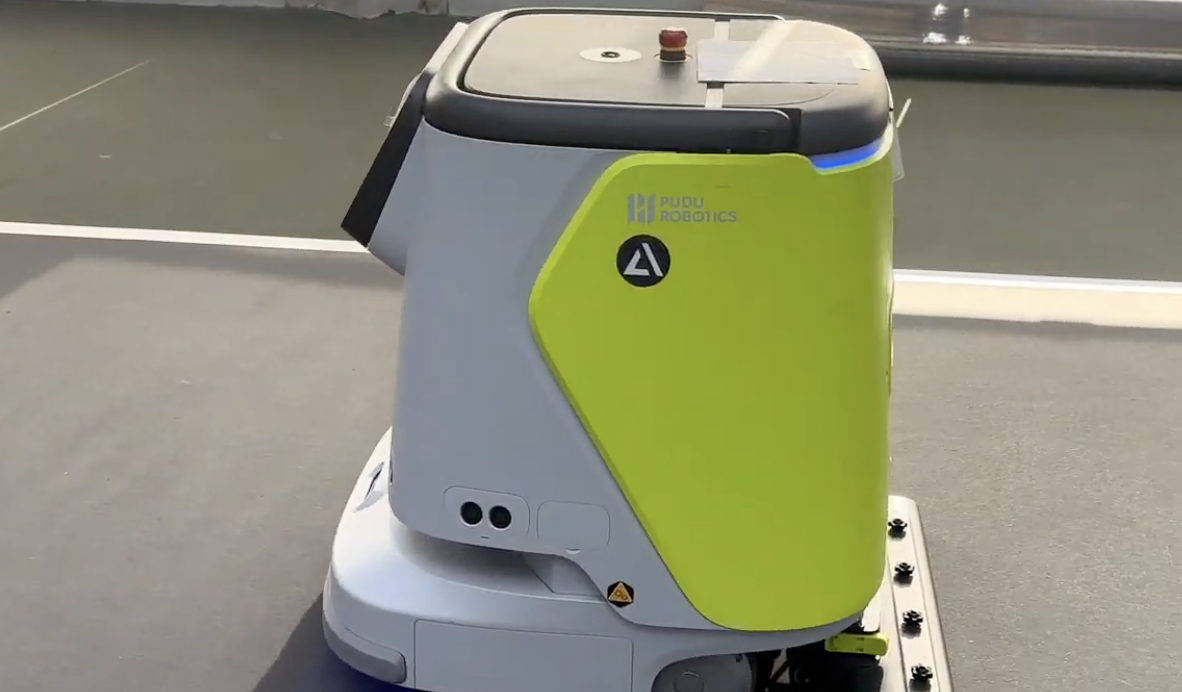
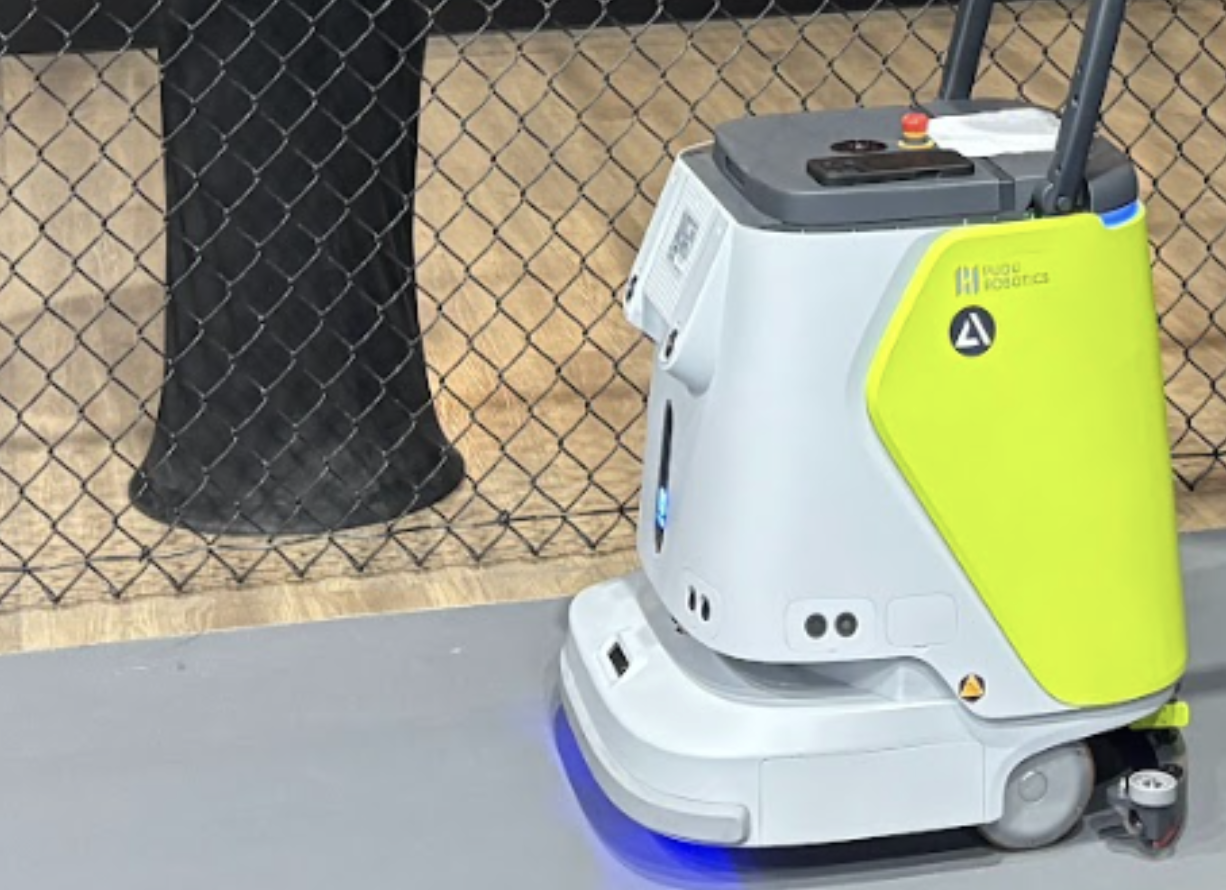
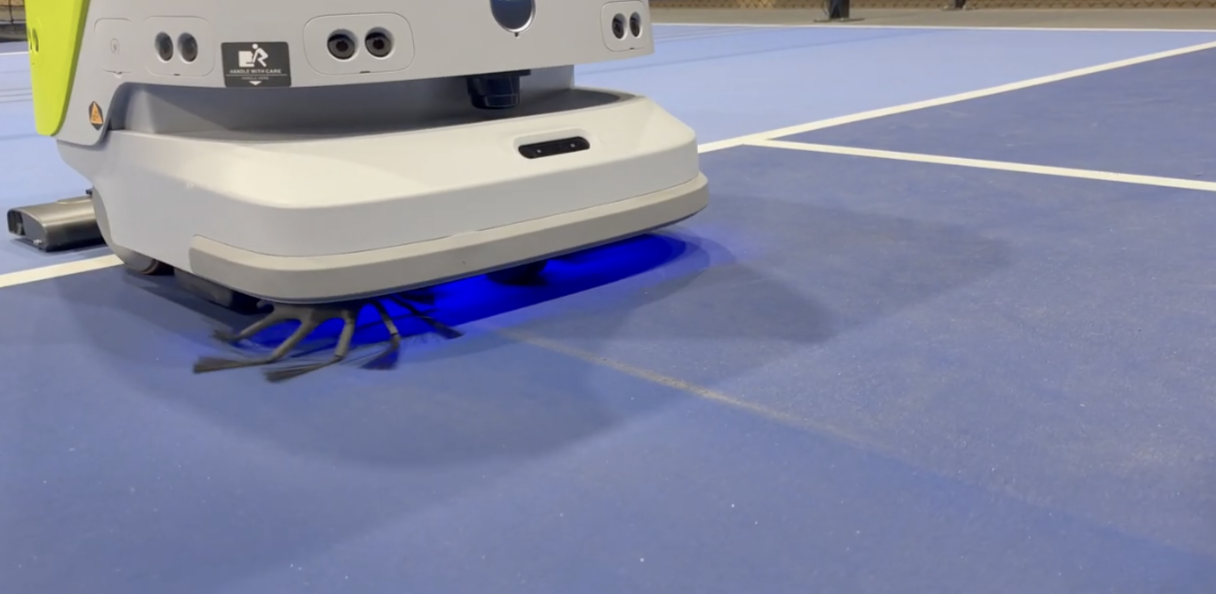
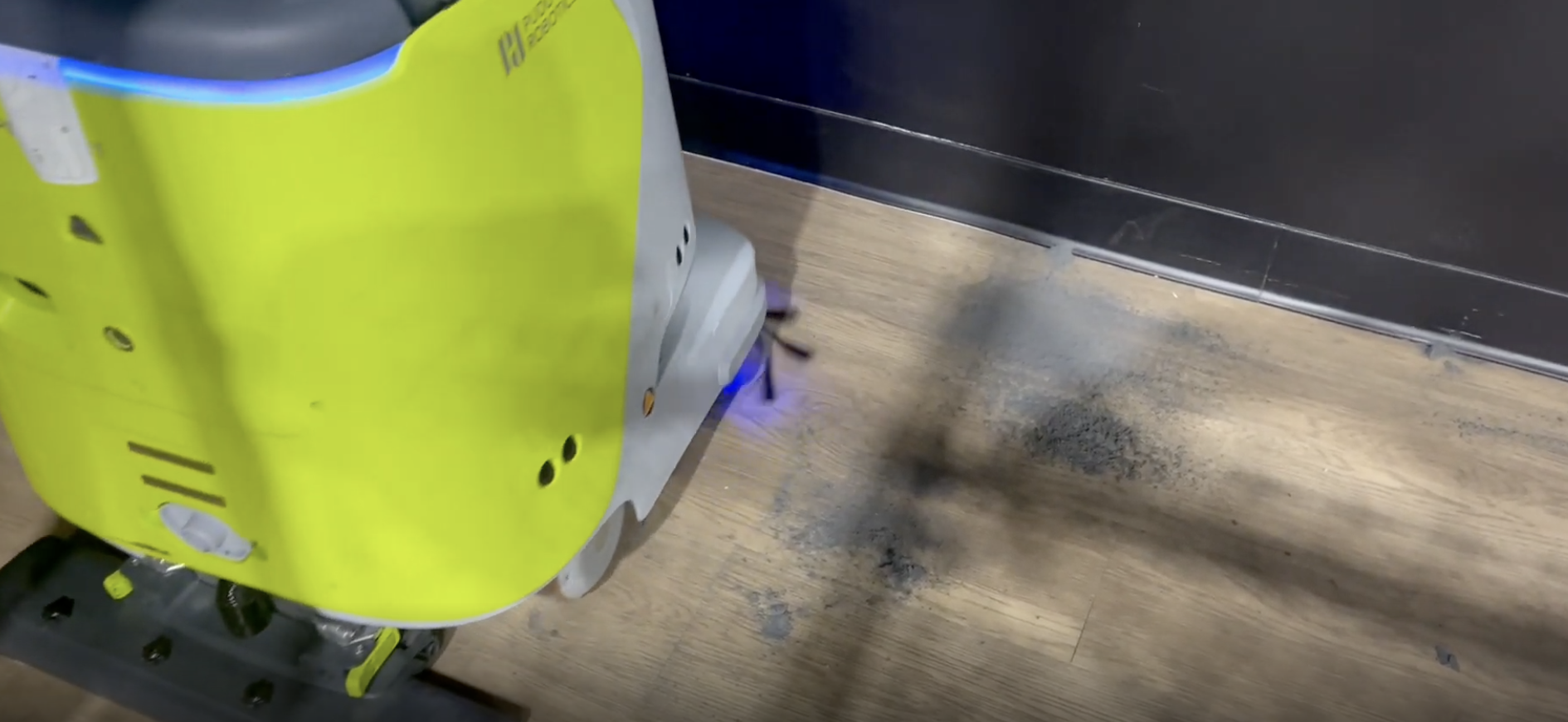
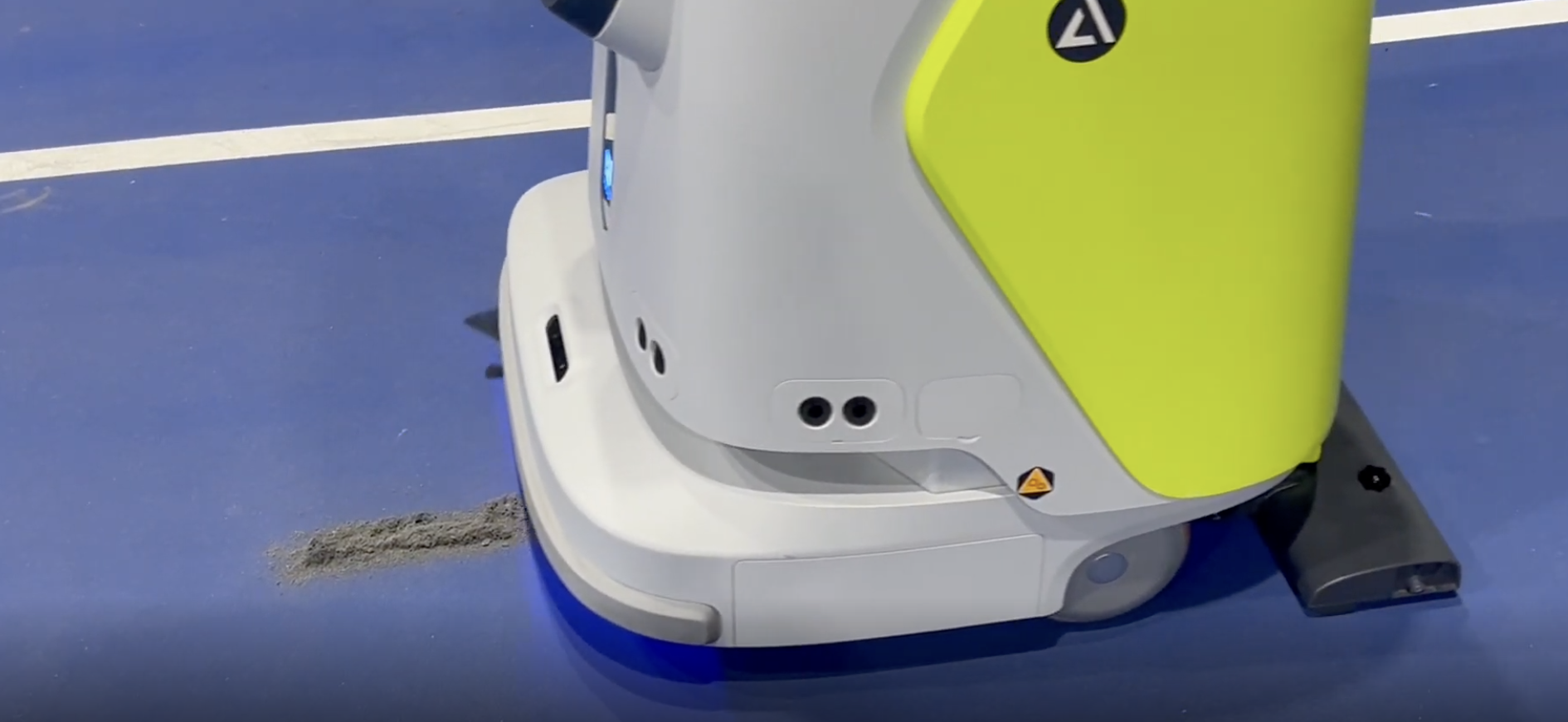
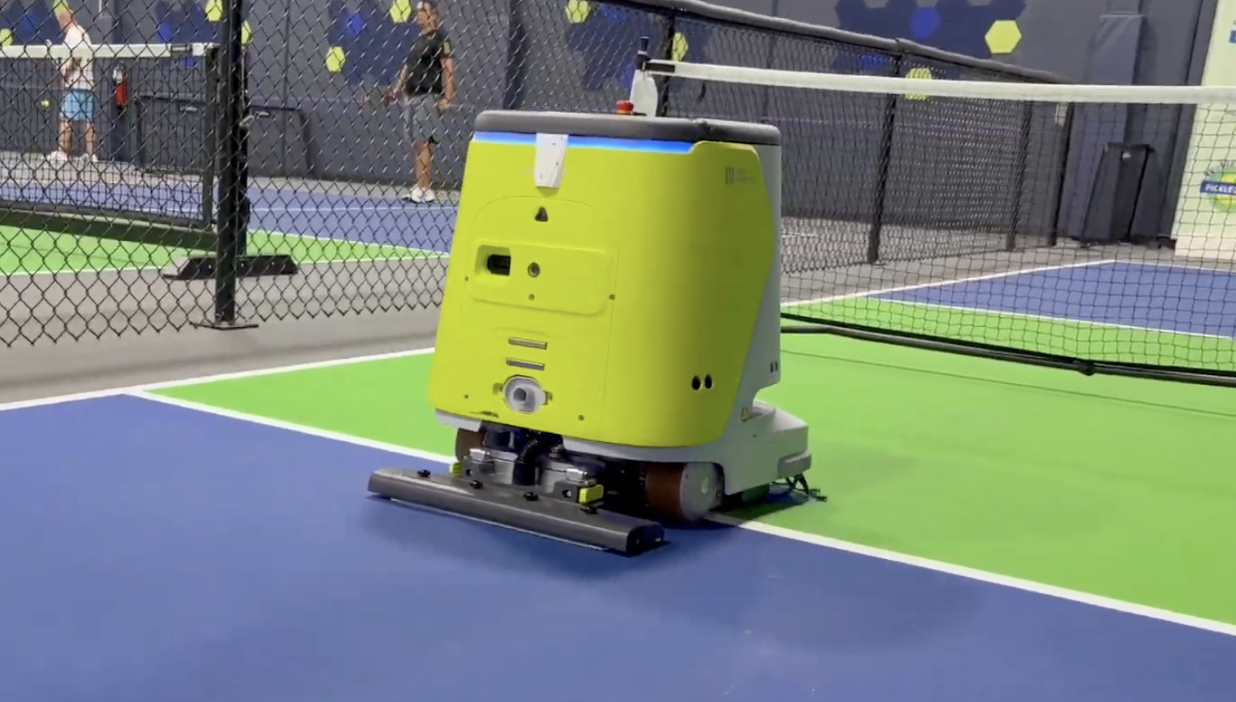
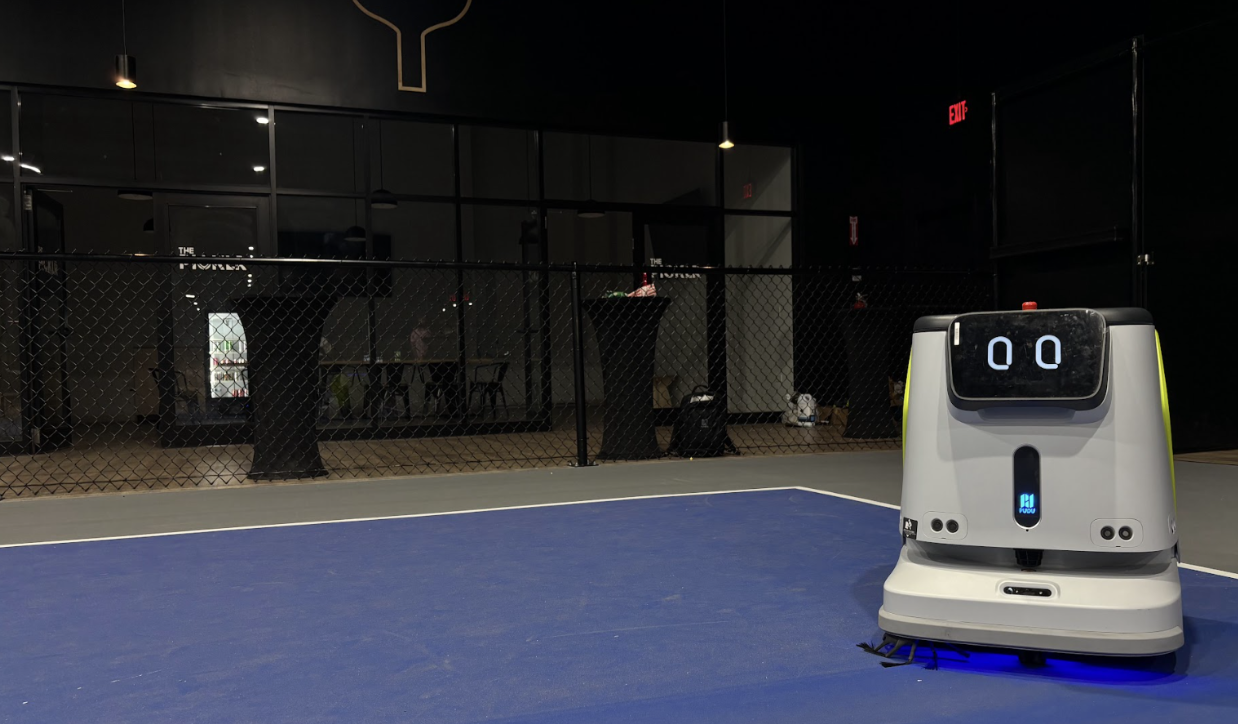
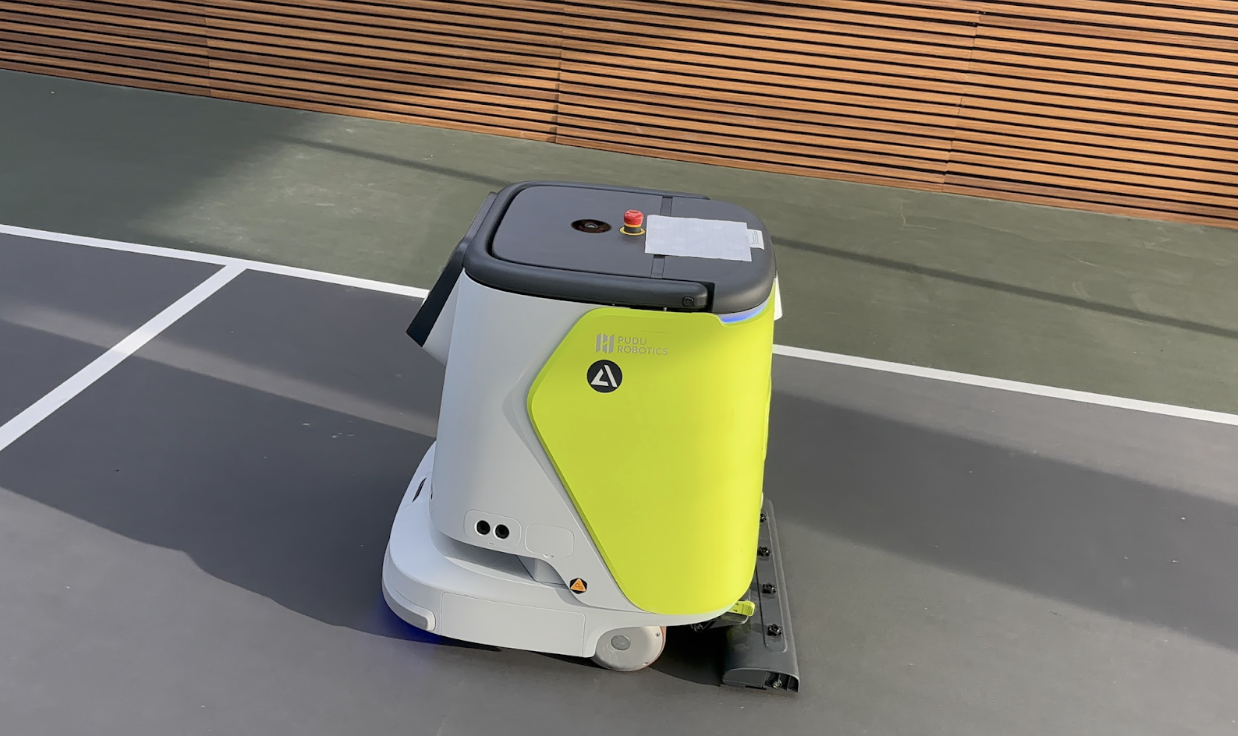
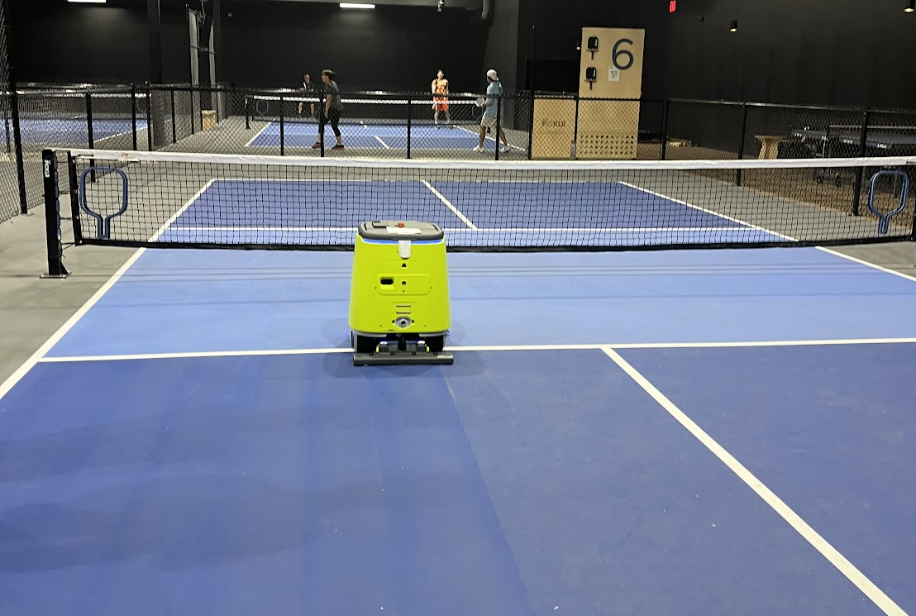
Once built, consistency is everything. CeCe runs scheduled sweep–scrub–vacuum passes that preserve texture, reduce residue, and prolong coating life—so your new court still feels “new” in month 36.