The “Clean, Then Confirm” System: A Safer Way to Prevent Slippery Pickleball Courts

The “Clean, Then Confirm” System: A Safer Way to Prevent Slippery Pickleball Courts
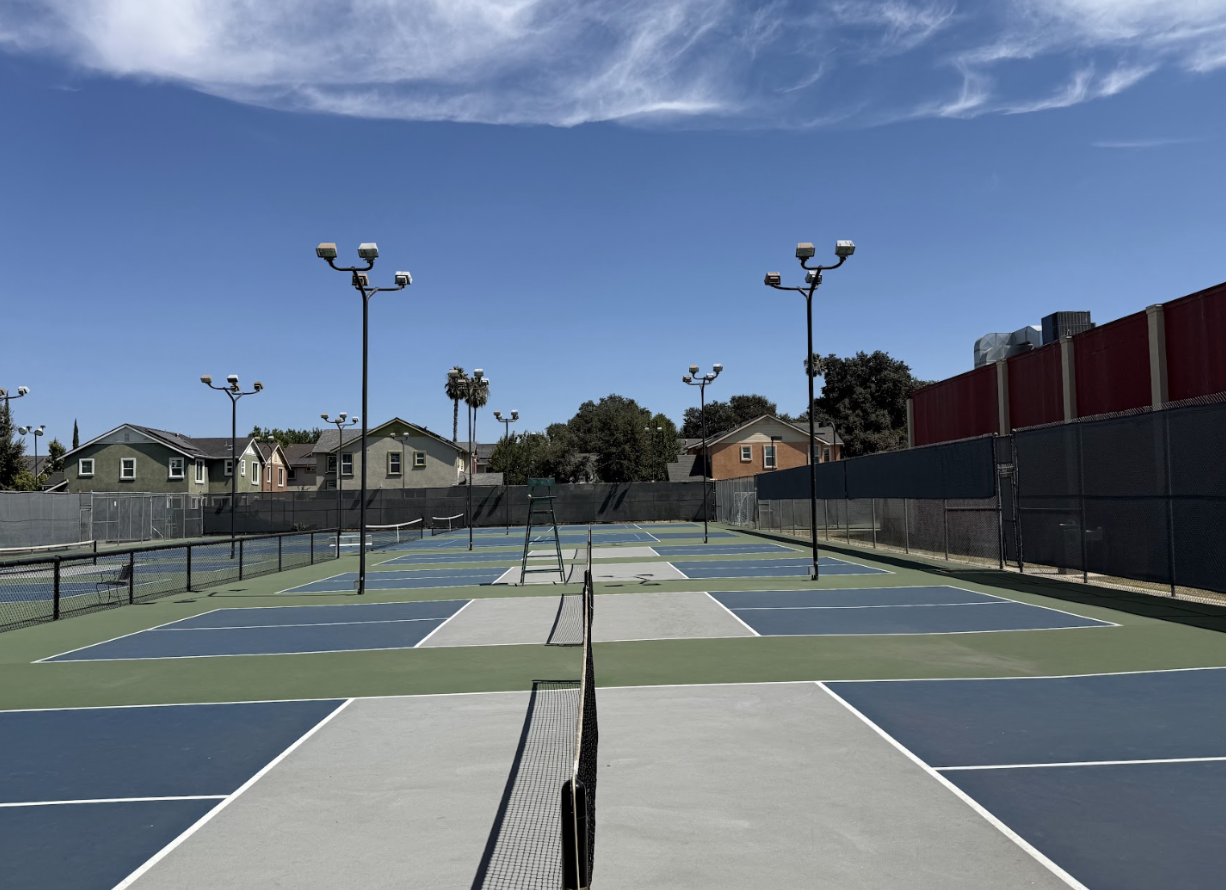
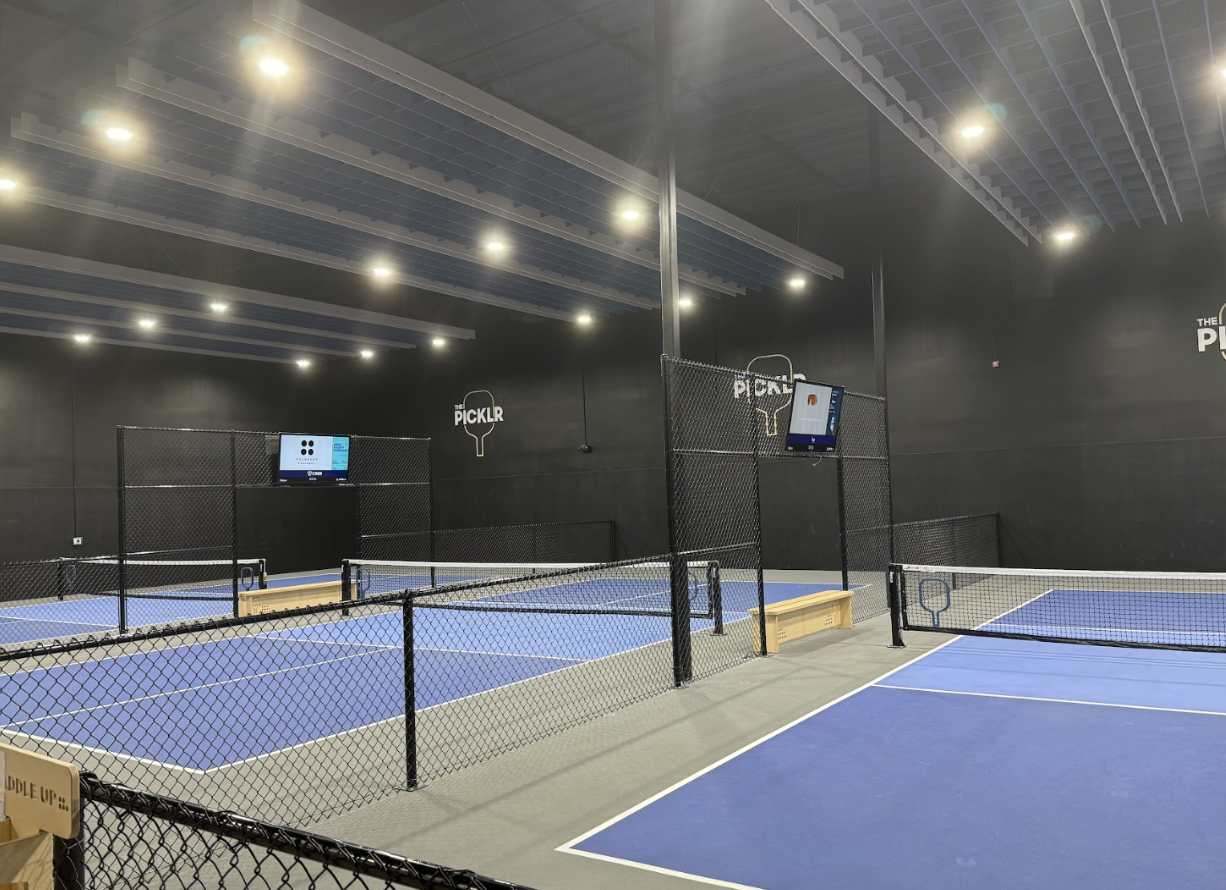
Slippery courts aren’t a “rain problem”—they’re a consistency problem
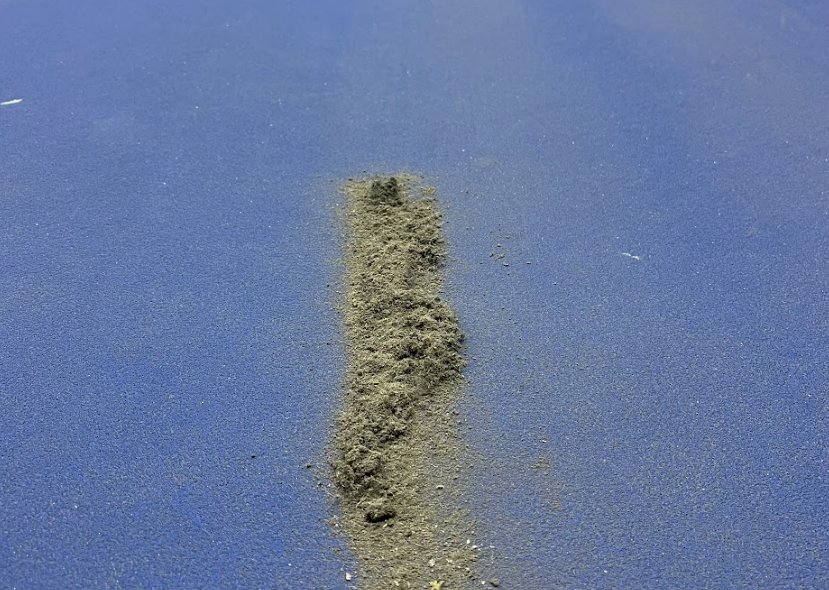
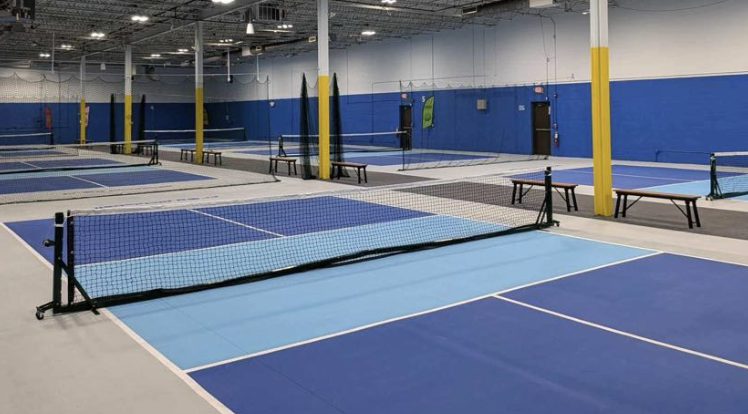
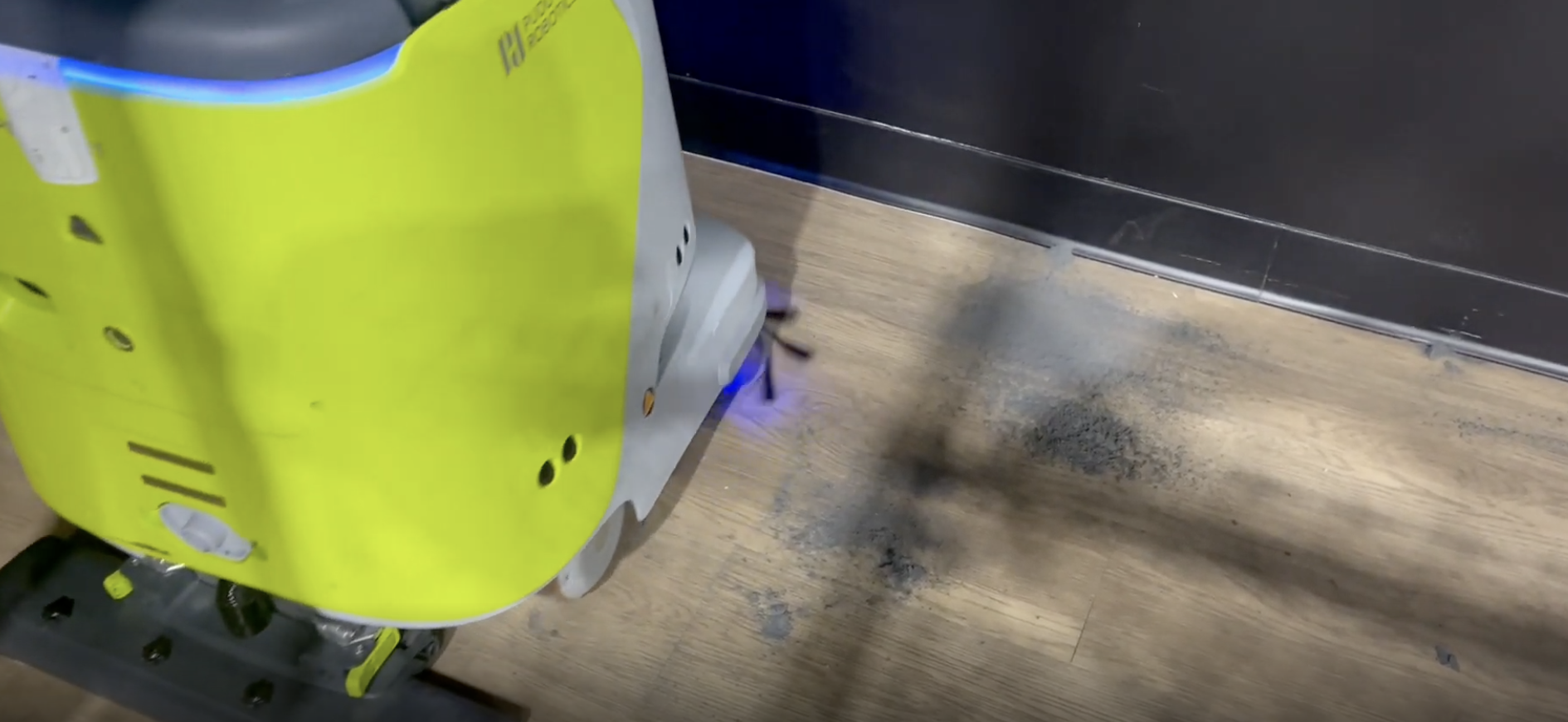
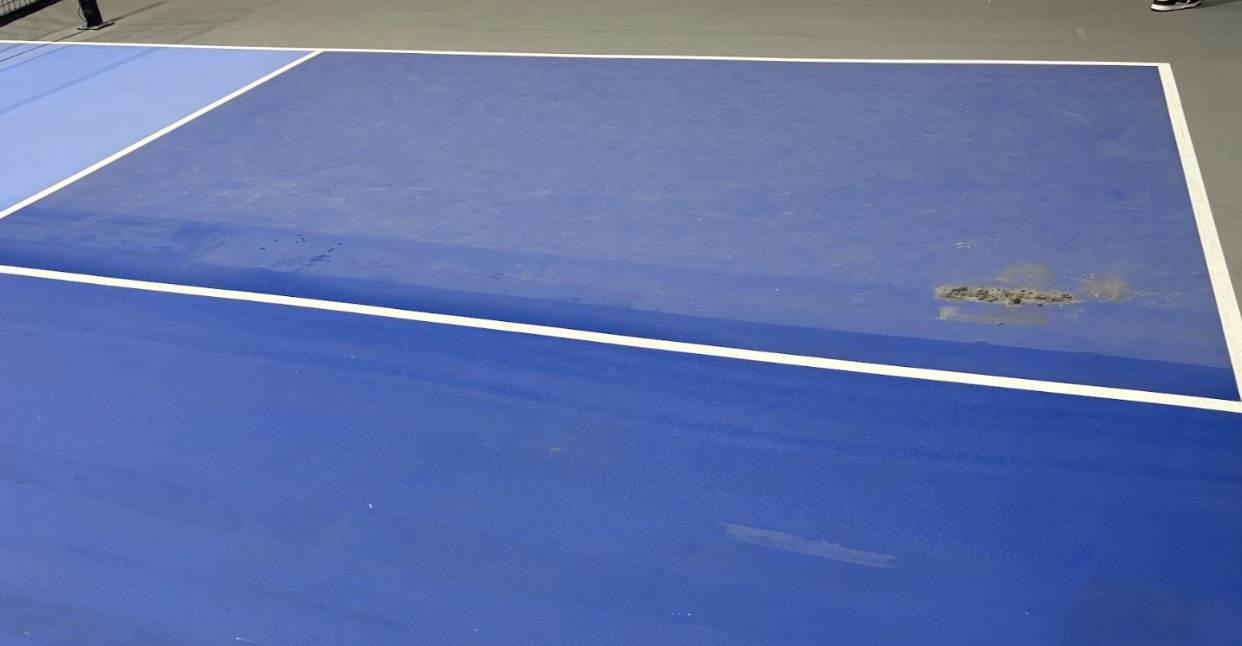
Most slips happen on courts that look fine. The danger is usually a thin layer of dust, pollen, drink residue, or early algae/mildew—especially in shaded, damp areas. The fix isn’t aggressive scrubbing. It’s a repeatable routine that removes film early and confirms the court is ready.
Here’s the simple system: Clean, then Confirm.
What actually makes pickleball courts slippery
If you want fewer incidents and fewer “Court 3 feels slick” complaints, focus on these common culprits:
- Fine dust + grit that builds up near gates and along windward fence lines.
- Organic growth (algae, mold, mildew) that thrives in damp, shaded, low-traffic zones—often starting in corners.
- Sticky residue from drinks/food that traps dirt into a film.
- Standing water patterns (low spots) that keep areas damp longer, raising growth risk.
Operator mindset shift: traction risk is usually thin and invisible. Treat it like hygiene, not cosmetics.
The 90-second playbook (Clean, then Confirm)
This is the between-reservations routine that prevents slick film from compounding.
90-second playbook
Step 1 — Clean the high-risk zones (60 seconds)
- Gate zone sweep/blow (20 sec): remove grit where shoes track it in.
- Corners + fence edges (20 sec): quick pass where debris collects.
- Baselines + kitchen lines (20 sec): remove the fine dust layer that creates “mystery slickness.”
Step 2 — Confirm traction (30 seconds)
Do a fast “traction confirmation” walk:
- Walk heel-to-toe for 5–8 steps in each shaded corner, plus one step near the gate.
- If it feels slick or looks dark/damp:
- tag it for spot-cleaning (mild detergent + soft brush + rinse).
- If it’s recurring, log it and bump it to weekly/monthly attention.
Small but powerful habit: if staff can’t confidently say “Court 2 is confirmed,” you don’t have a system—you have a hope.
Section 3: A weekly traction schedule template you can hand to staff
Use this as your baseline cadence.
Daily (peak days)
- Quick blow-down or sweep, especially gate zones and corners.
- Spot-clean spills promptly with mild detergent + soft brush + rinse.
Weekly (per court block)
- Full sweep/power blow of the surface.
- Prioritize shaded corners for early algae/mildew control.
- Inspect drainage paths and clear debris to reduce persistent damp zones.
Monthly
- Light wash/spot treatment using mild detergent; rinse thoroughly.
- Photograph and log any recurring slick zones so you can see patterns.
Section 4: Common mistakes that make traction worse
Mistake 1: “We’ll just pressure wash it.”
- Fix: aggressive pressure can damage surfaces; treat pressure washing as careful, low-pressure maintenance only when appropriate.
Mistake 2: Ignoring shade + damp corners
- Fix: algae/mildew prevention relies on reducing growth conditions and consistent cleaning in those zones.
Mistake 3: Using harsh chemicals
- Fix: stick with mild detergent cleaning unless your surface manufacturer specifies otherwise; rinse well.
Quick Answers (For Busy Owners)
Q: What’s the fastest way to prevent slippery courts?
A: Daily quick blow-down + a 30-second traction confirmation in shaded corners and gate zones.
Q: Why are shaded corners always worse?
A: They stay cooler and damper, which promotes algae/mildew growth.
Q: What should we use to clean spills on acrylic courts?
A: Mild detergent + soft brush, then rinse thoroughly.
Q: How often should we do a full sweep/blow?
A: Weekly full sweep/power blow is a common routine maintenance practice.
Q: Are recurring slick spots a drainage problem?
A: Often, yes—low spots and blocked drainage keep areas damp longer.
Q: Can pressure washing fix slick courts?
A: It can help in some cases, but use low pressure and treat it carefully to avoid surface damage.
Q: What do we log when a court feels slick?
A: Court number + exact location + whether it’s damp/shaded + action taken (spot-cleaned vs scheduled).
Conclusion: “Confirmed traction” is a premium experience
Players remember how a court feels underfoot. When you run Clean, then Confirm, you cut complaints, reduce slip risk, and protect your surface.
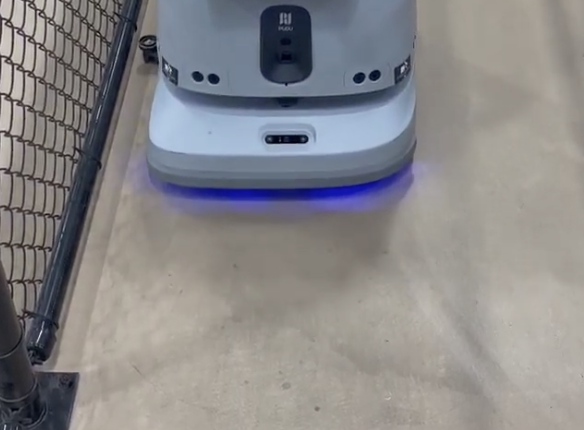
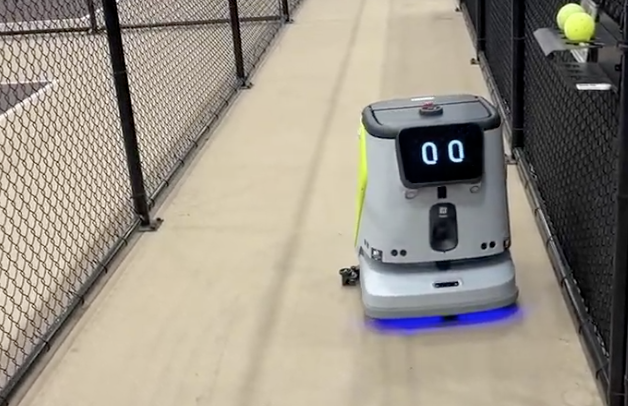
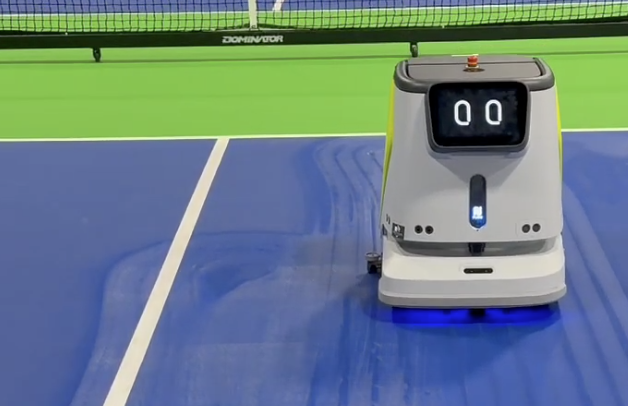
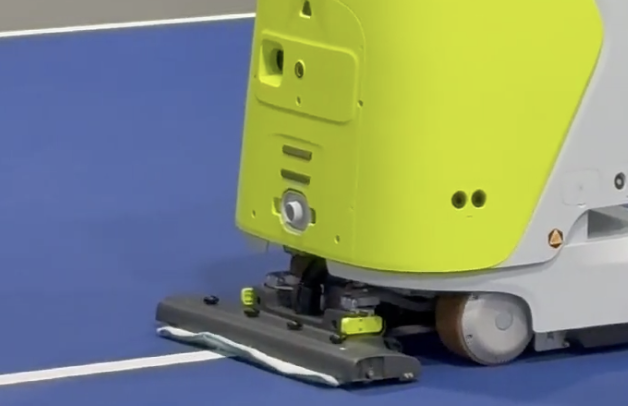
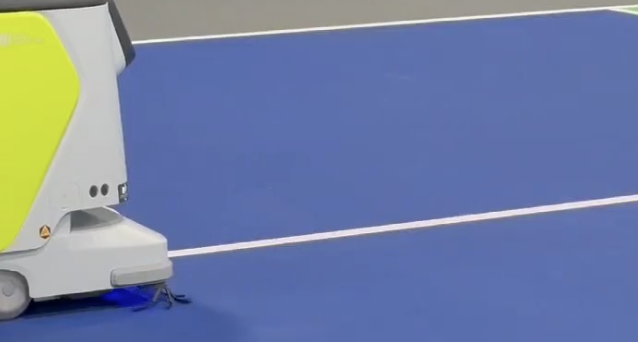
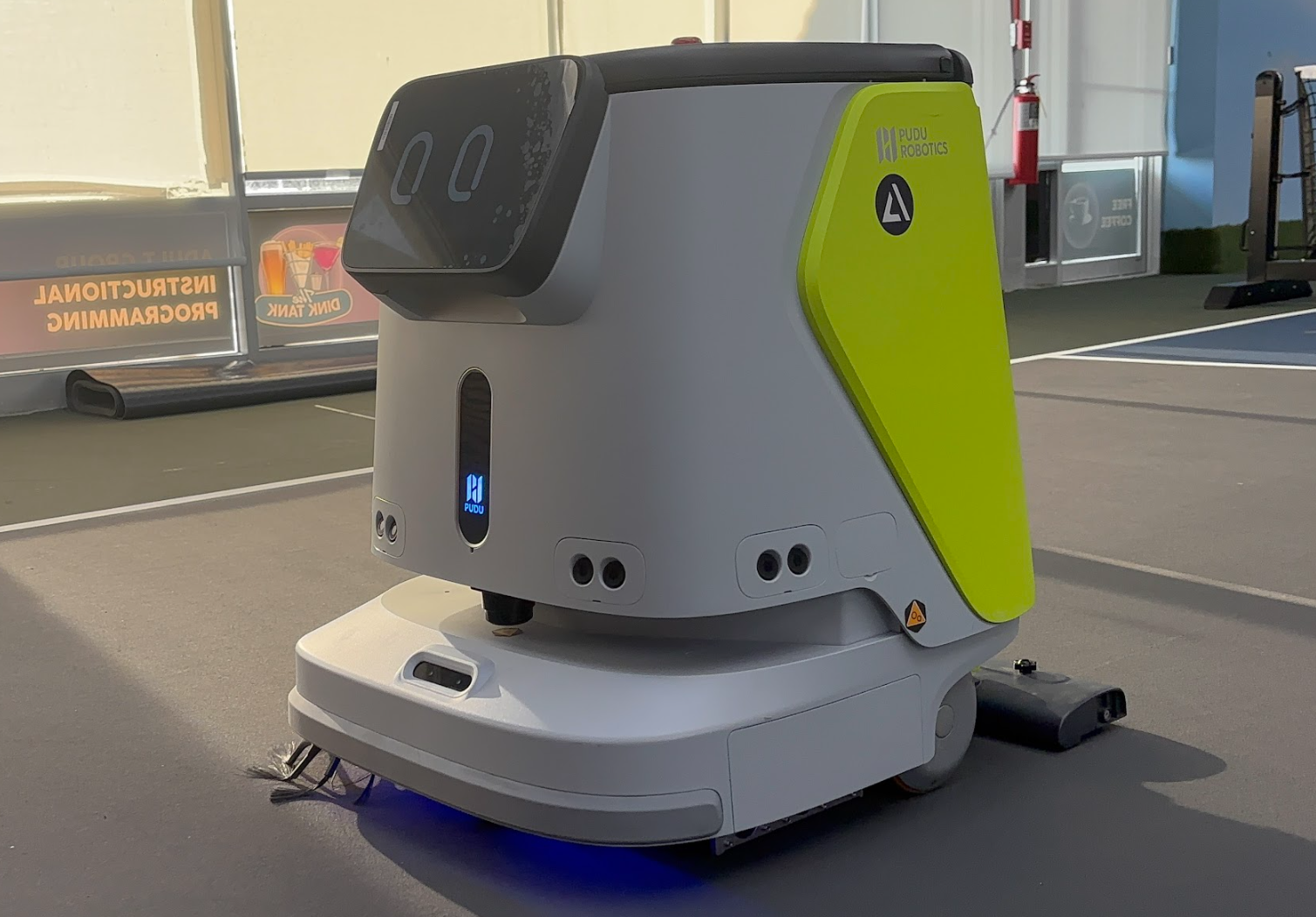
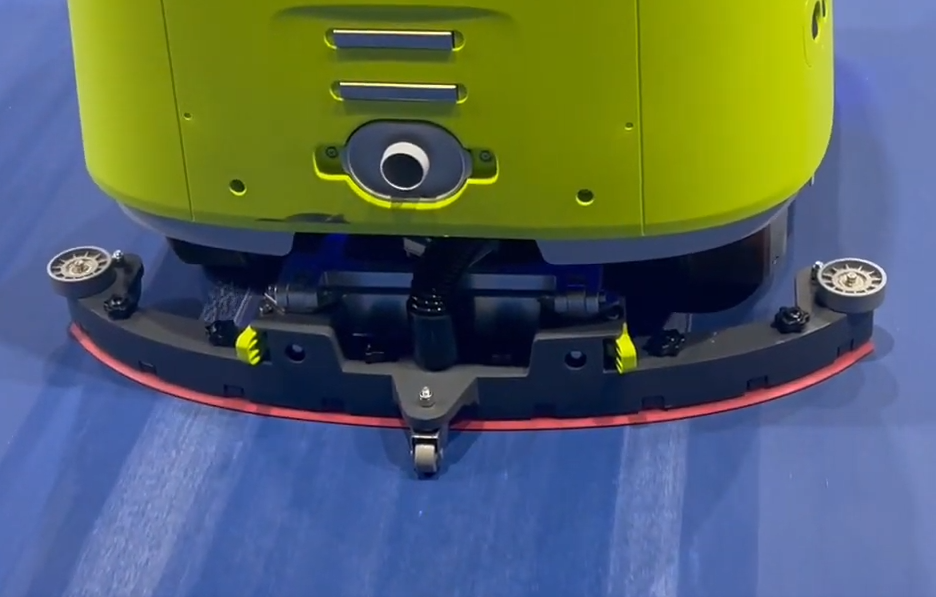
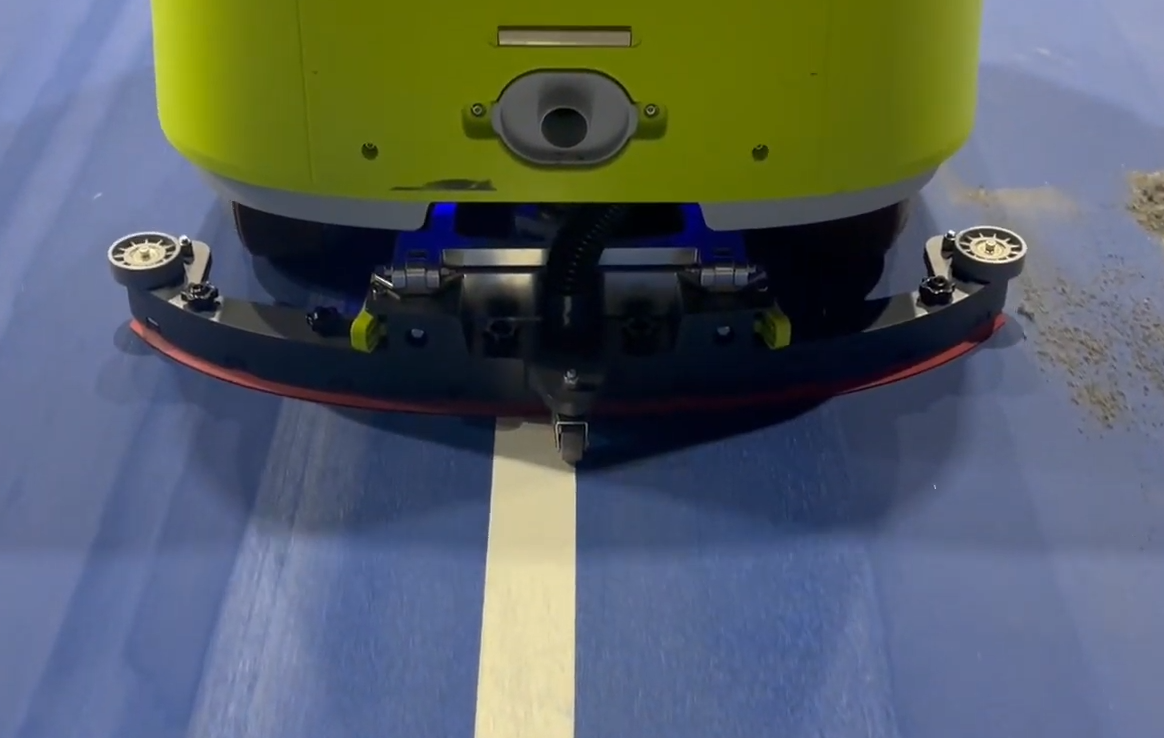
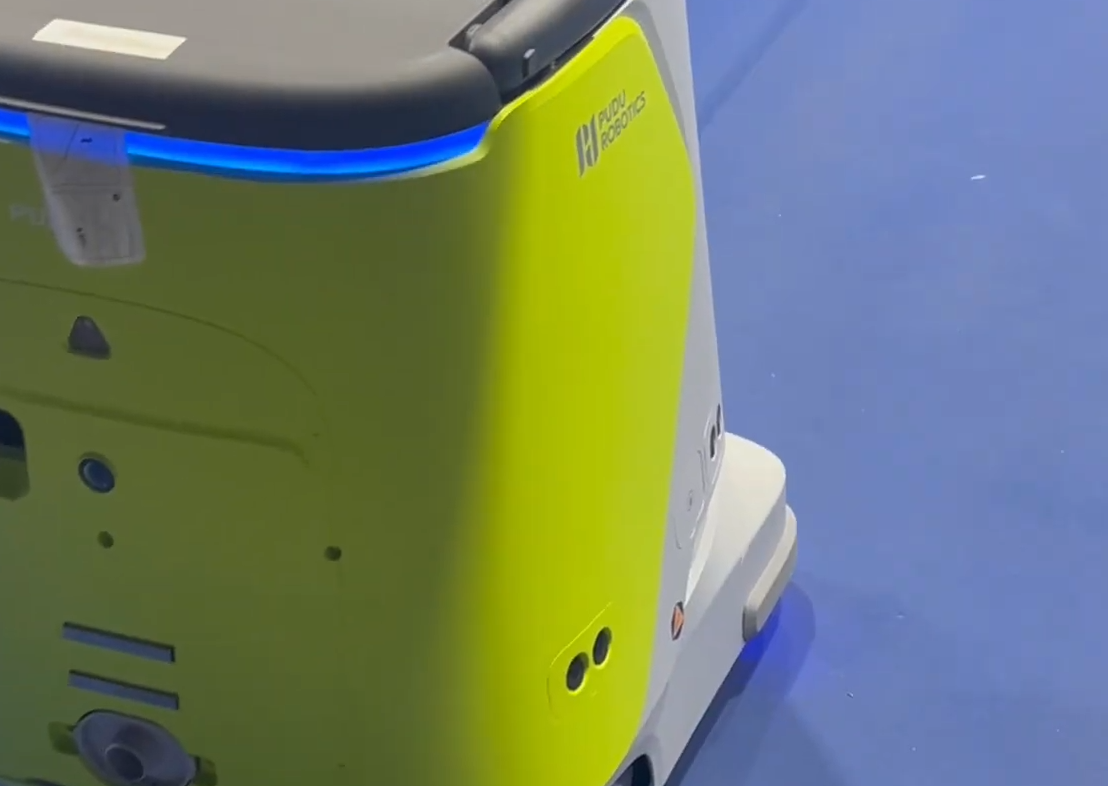
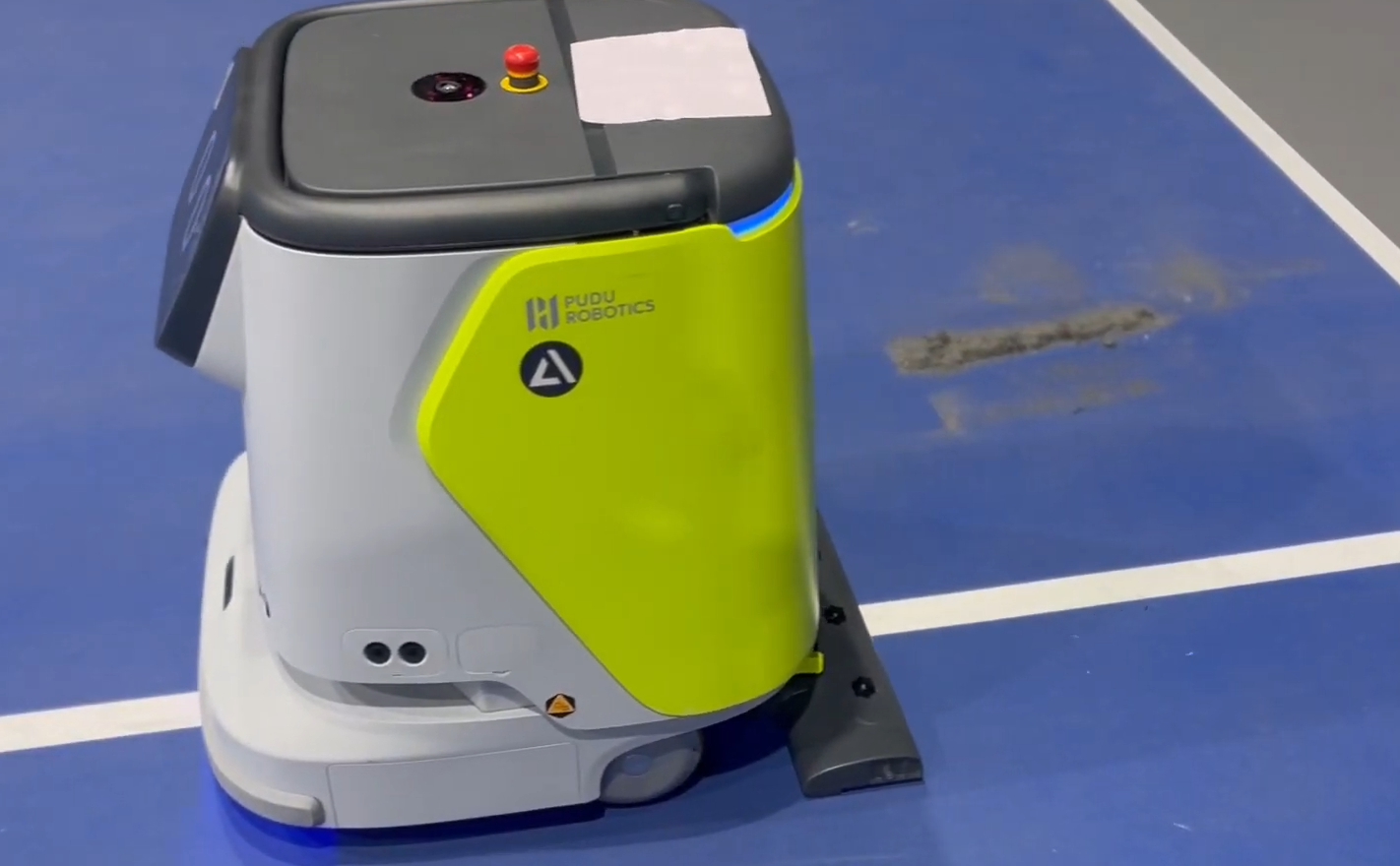
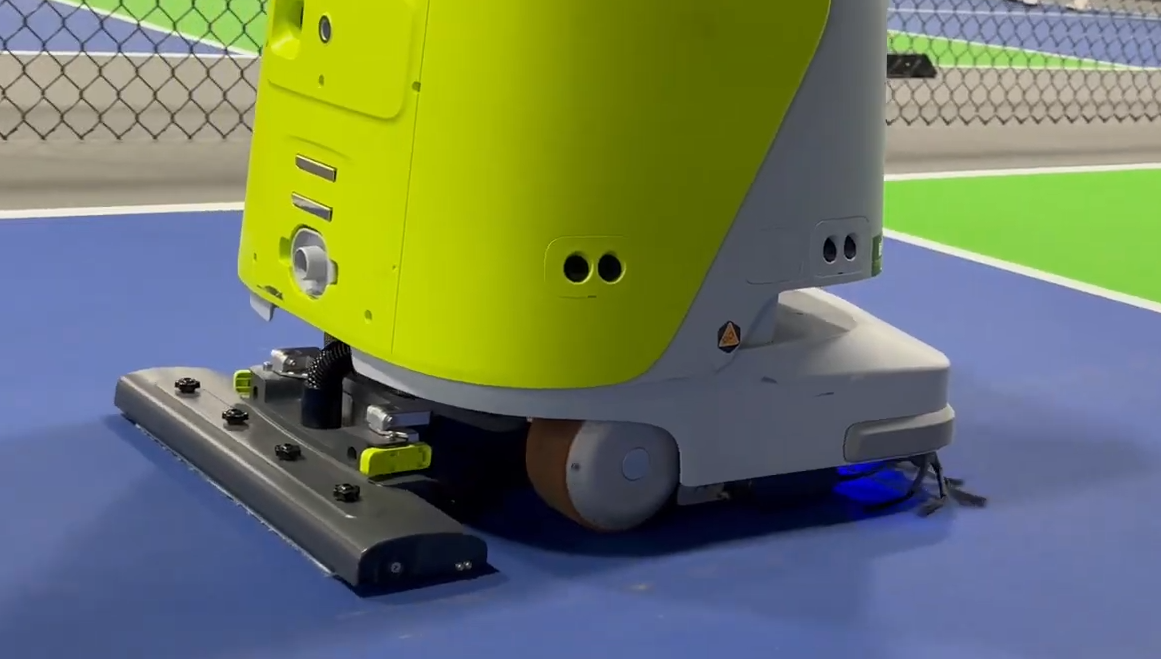
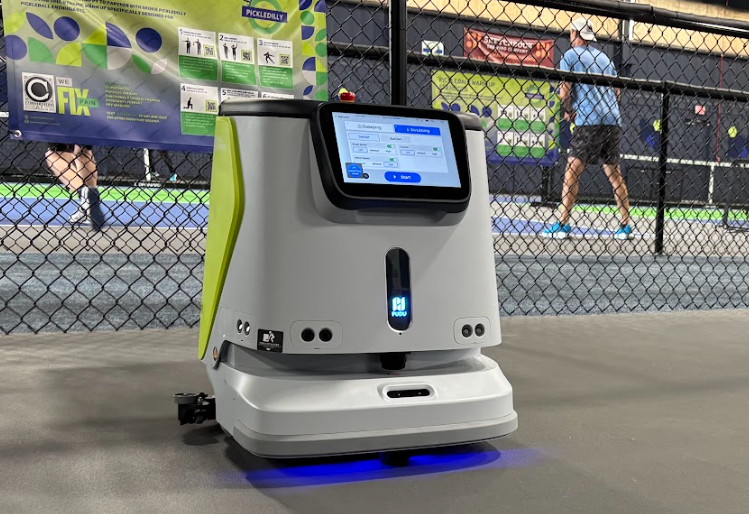
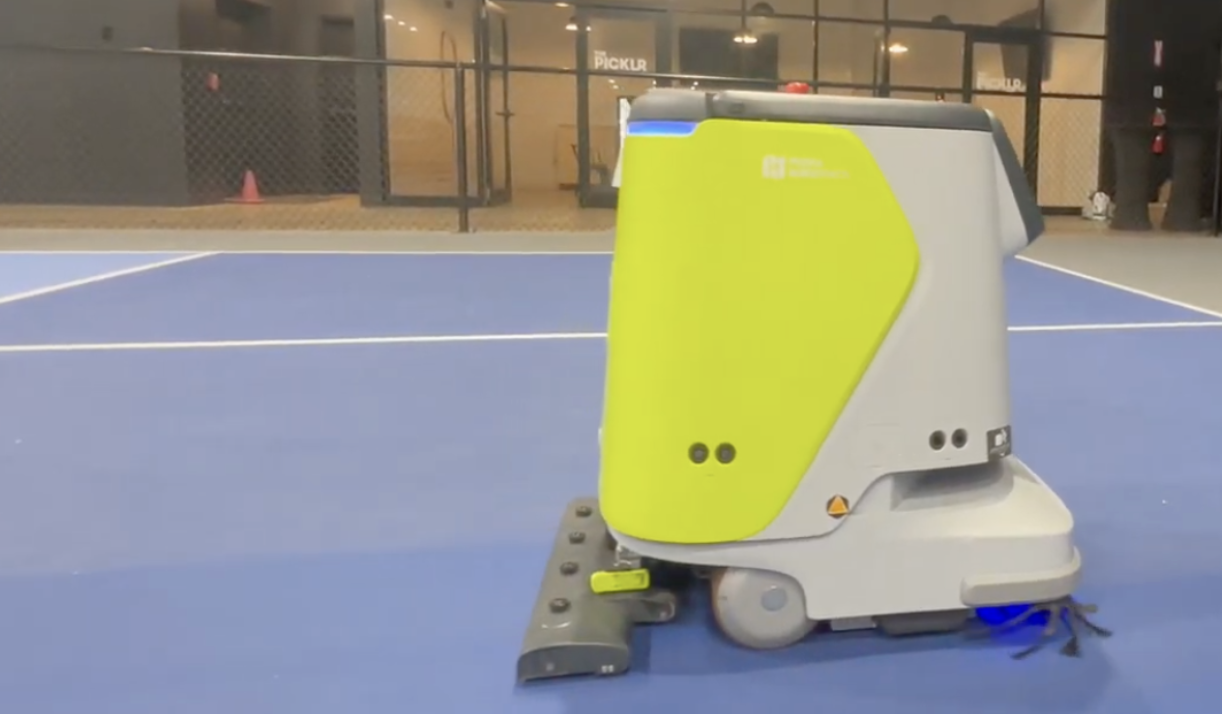
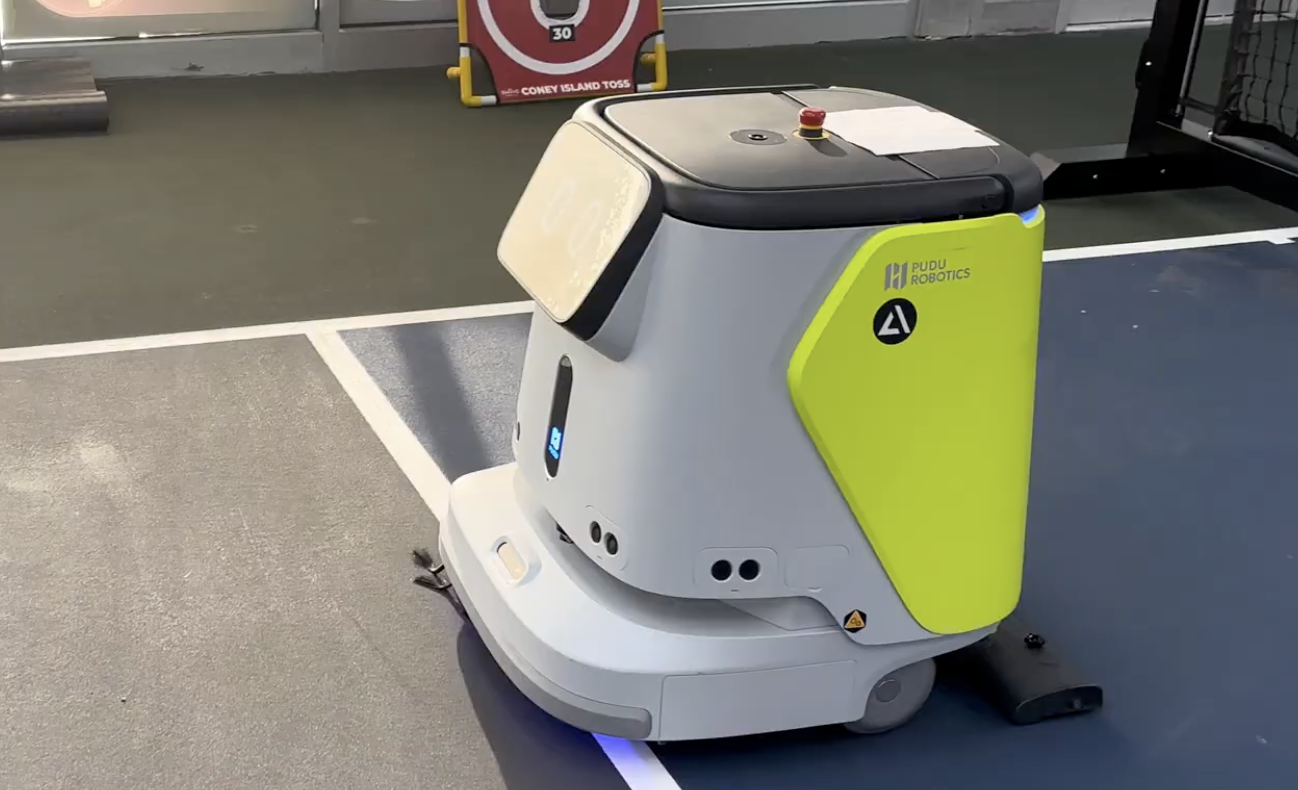
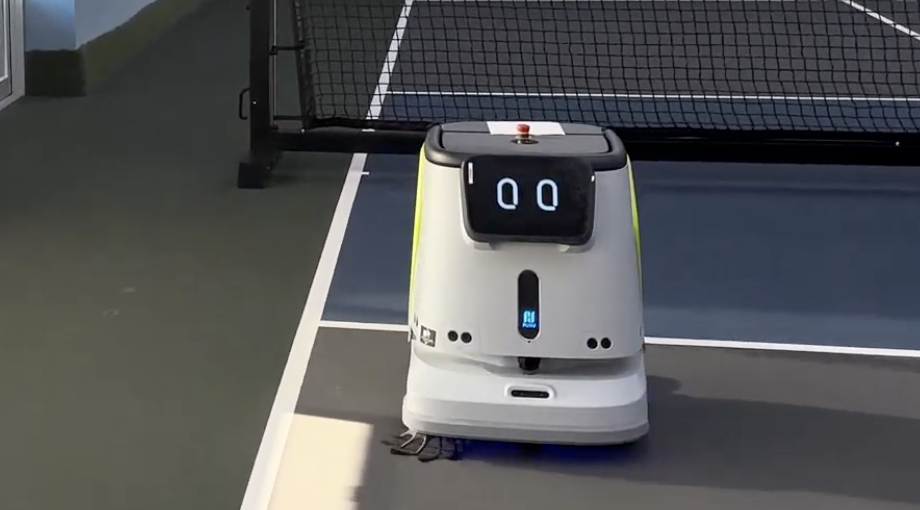
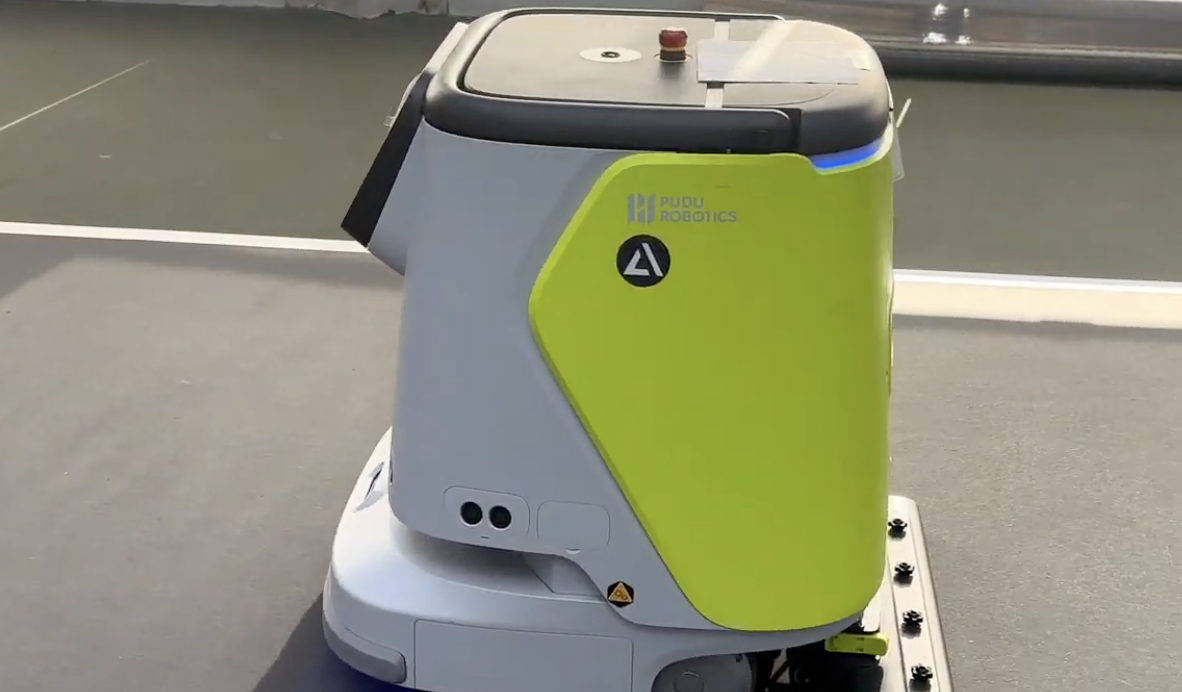
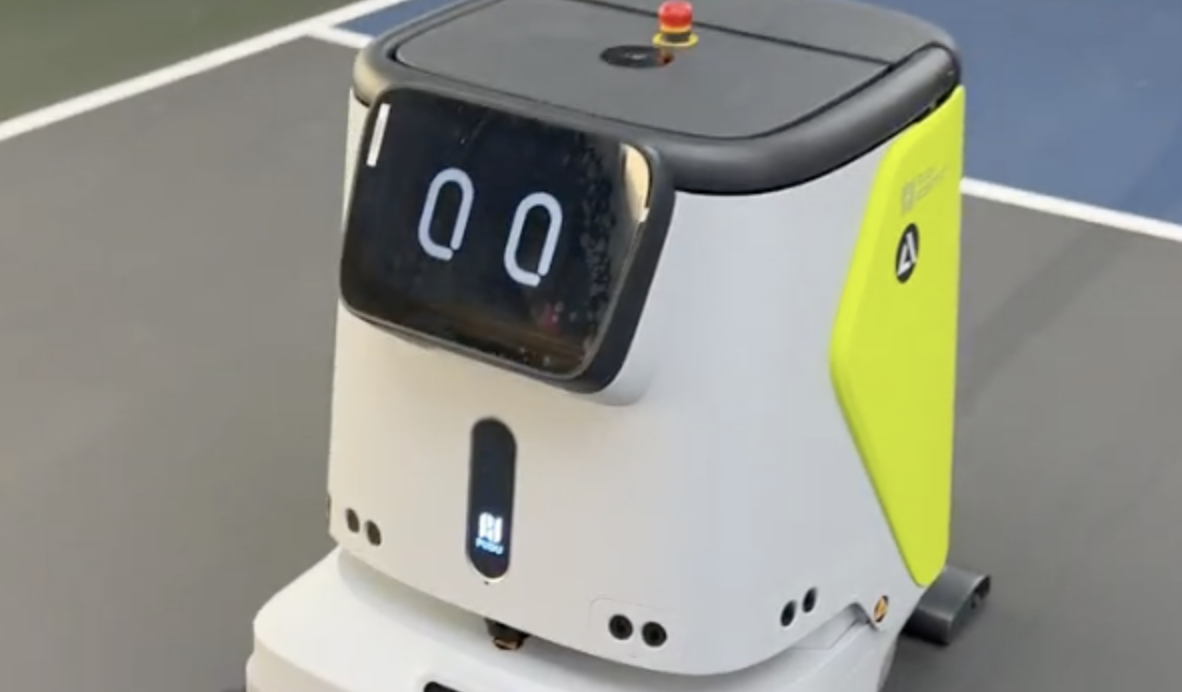
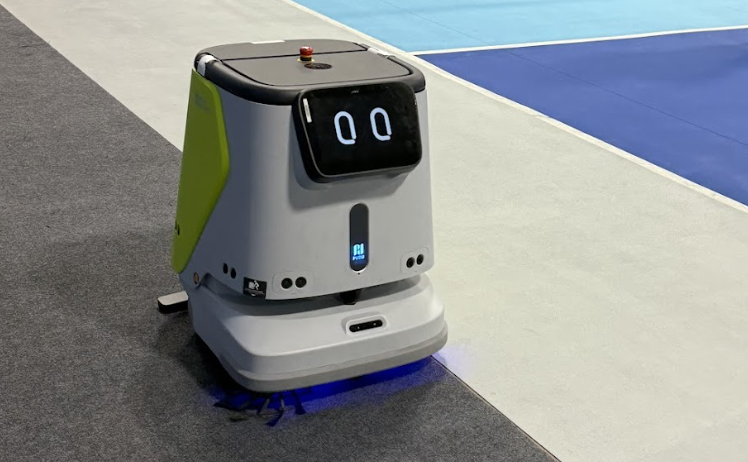
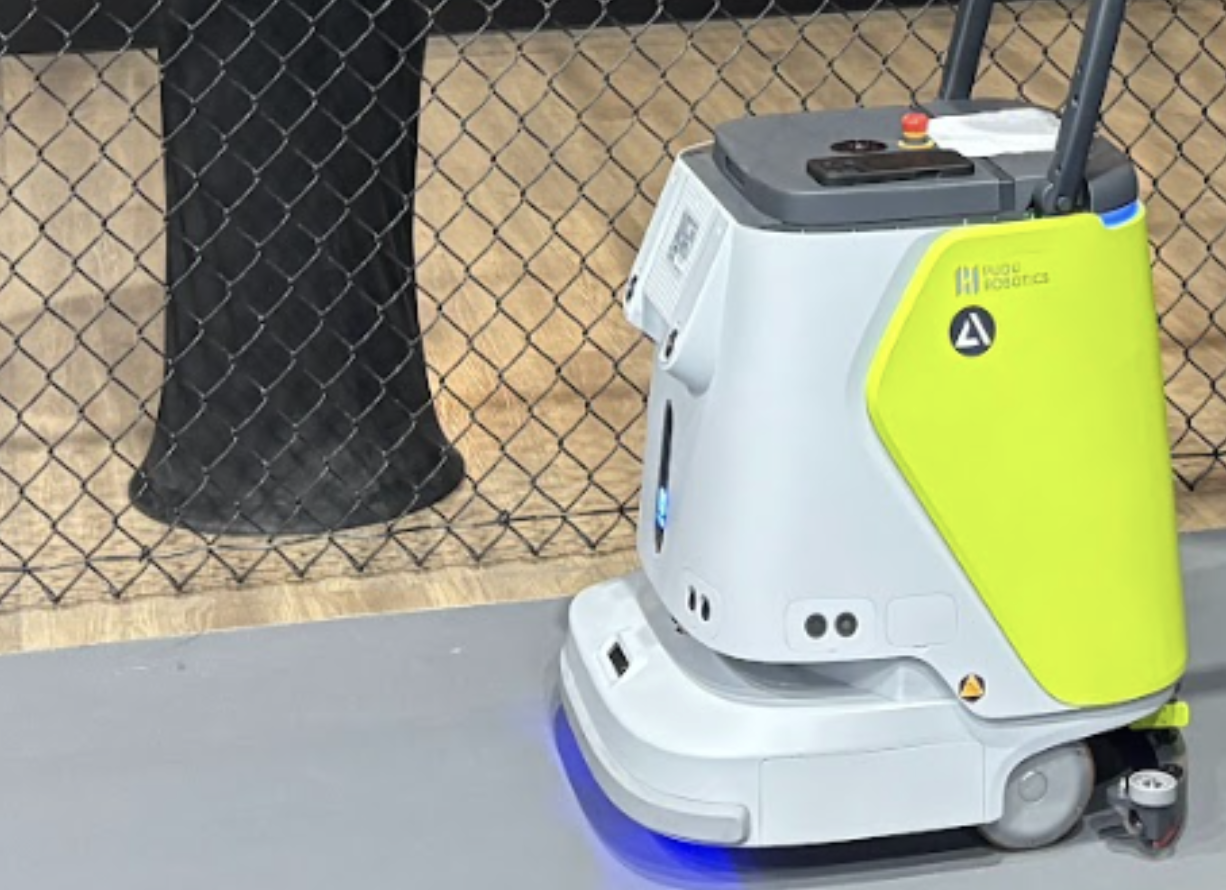
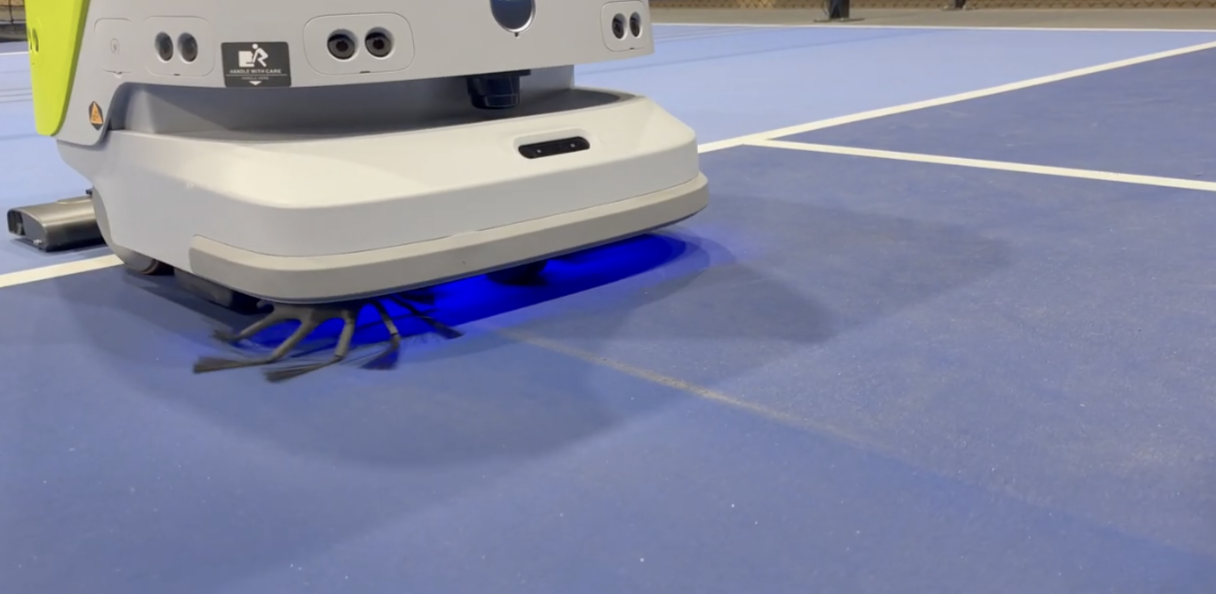
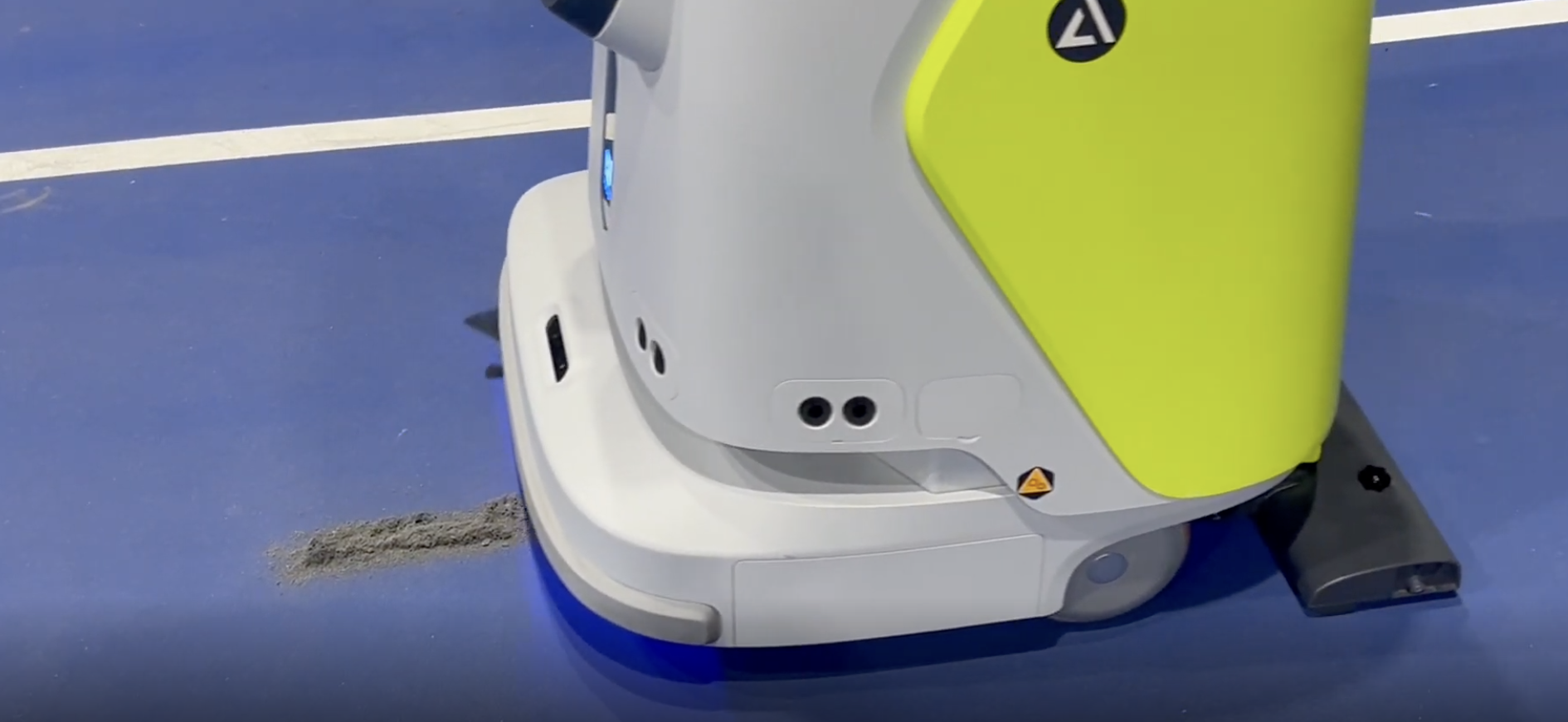
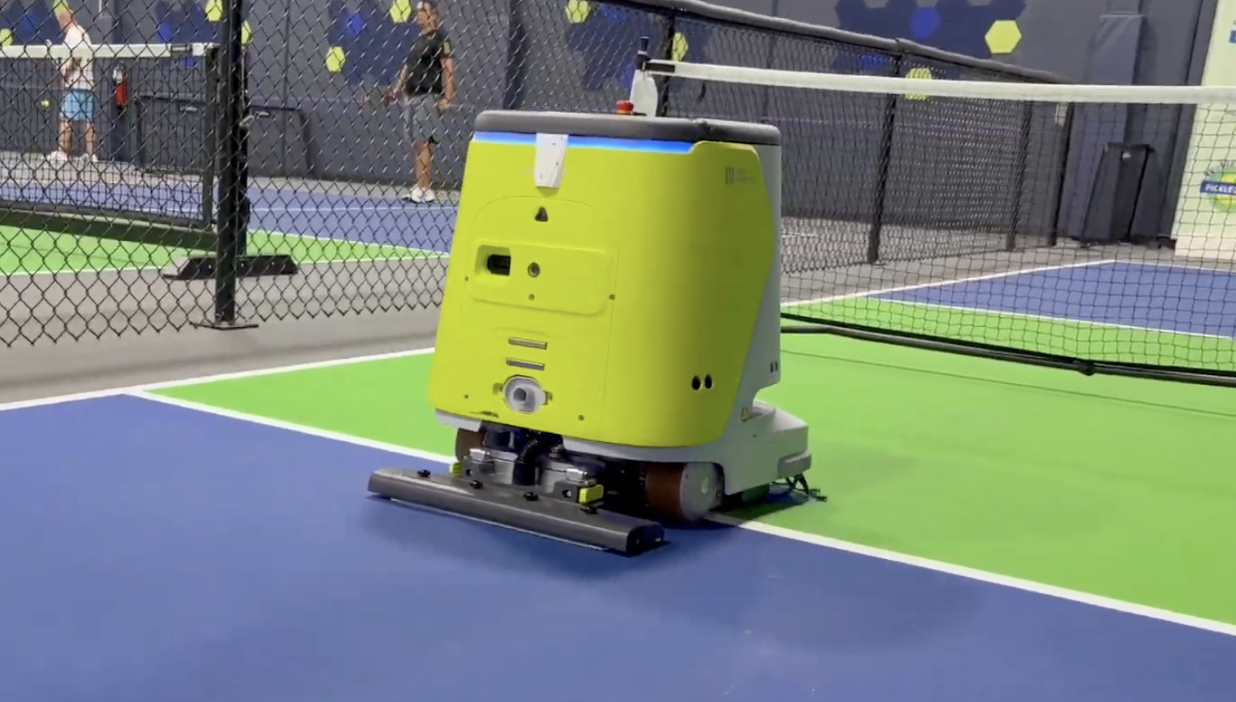
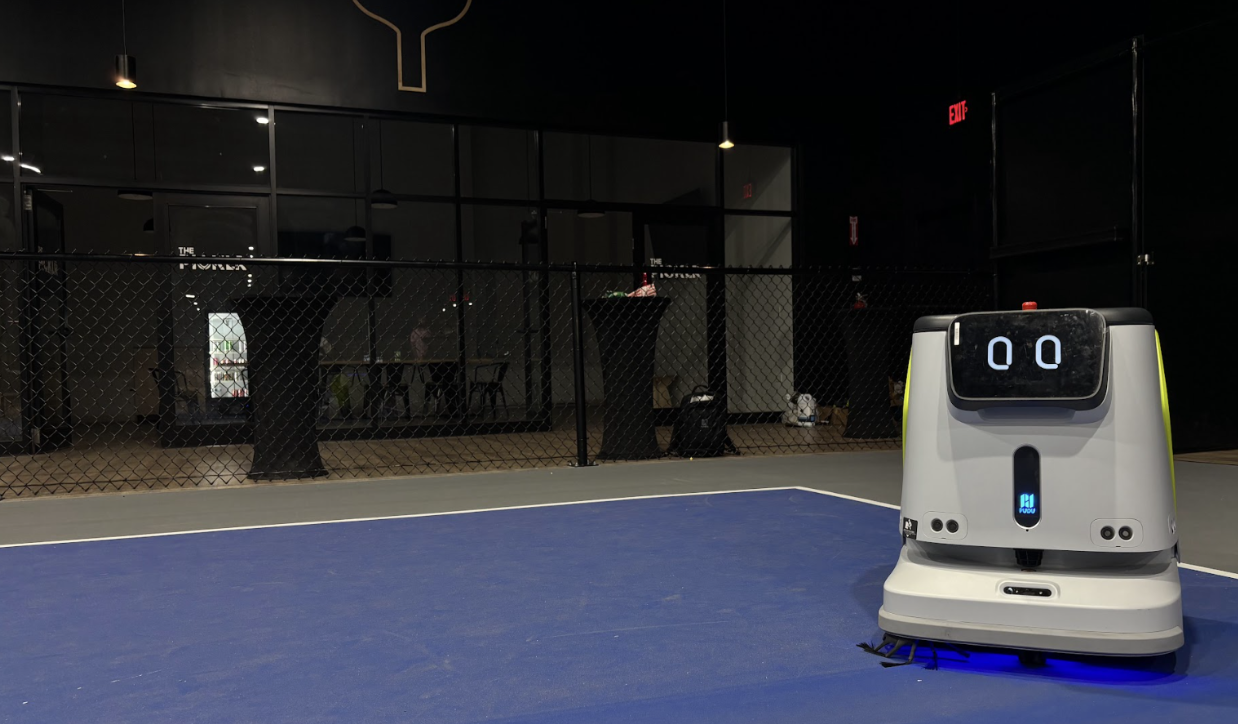
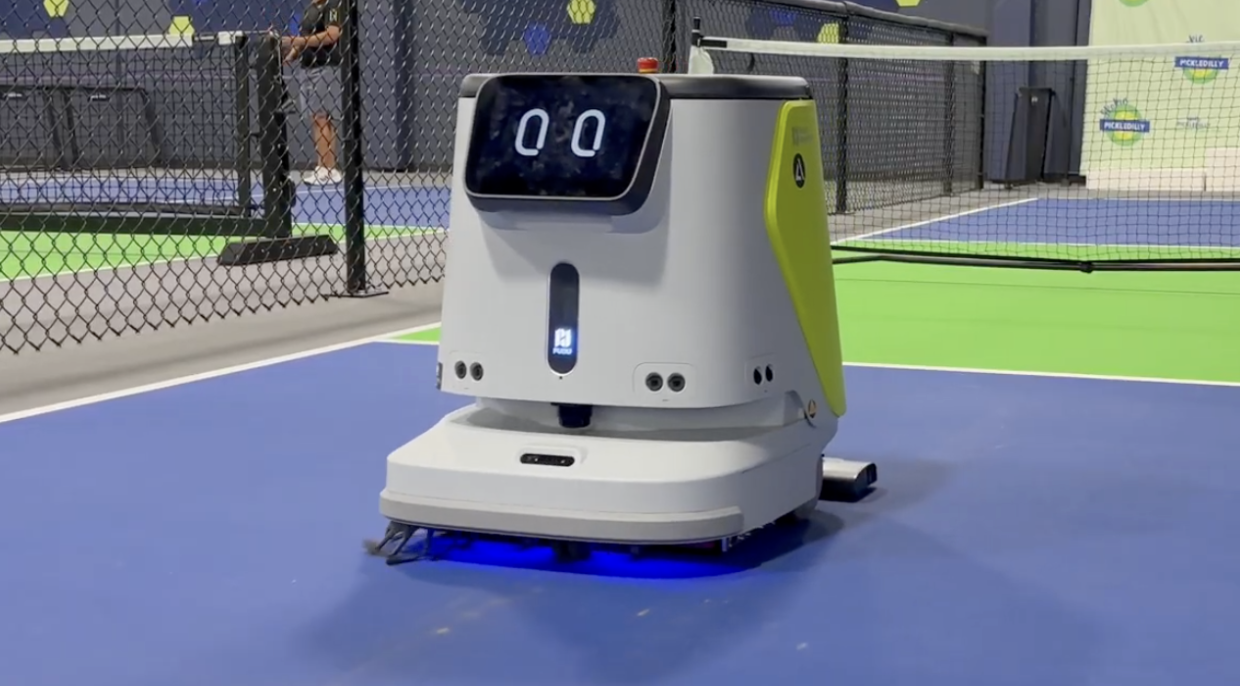
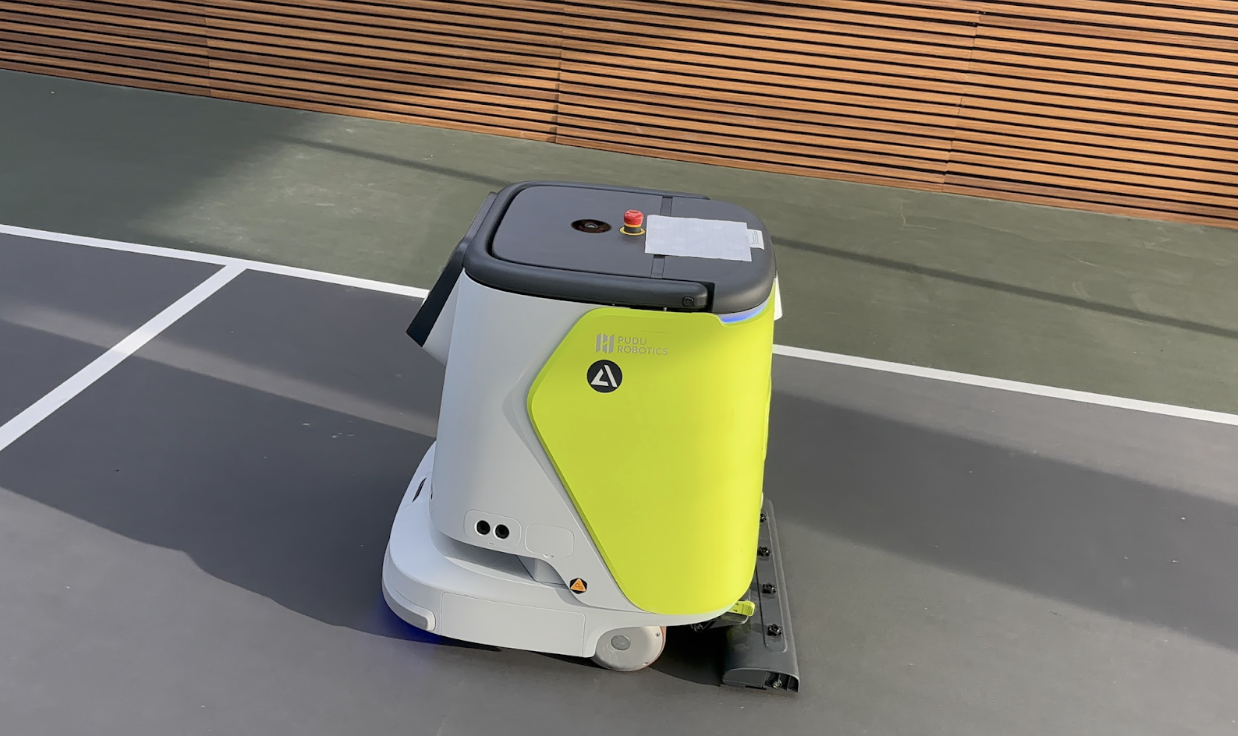
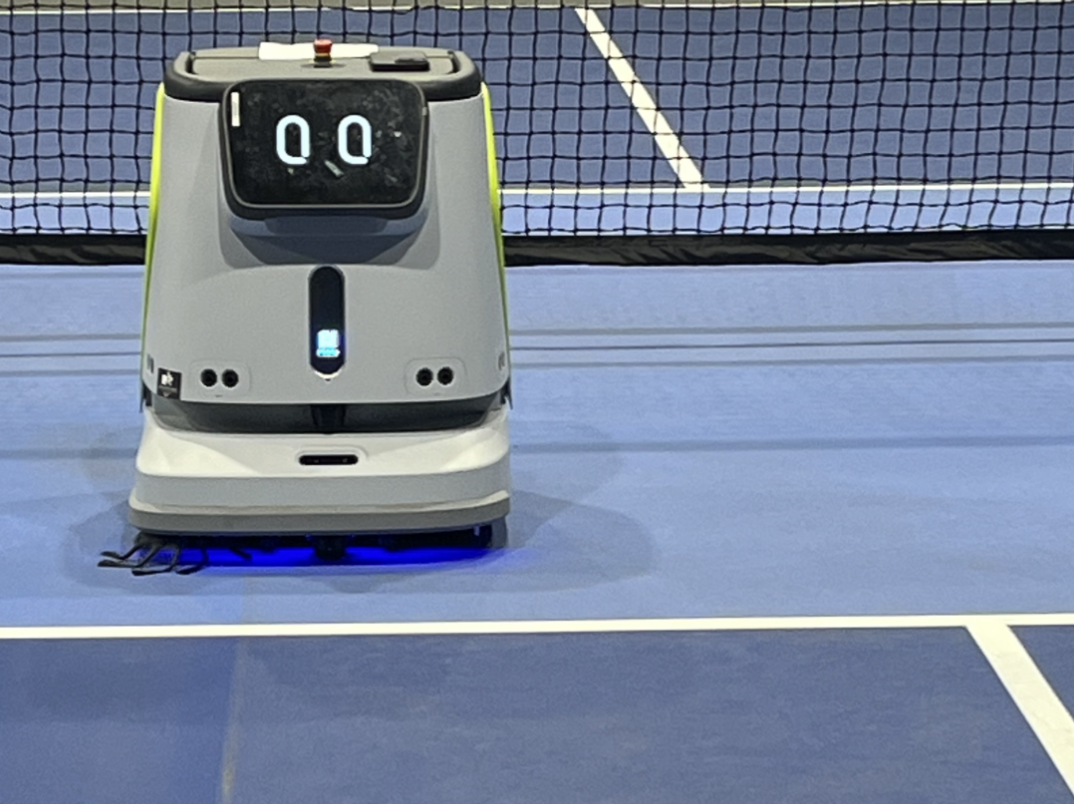
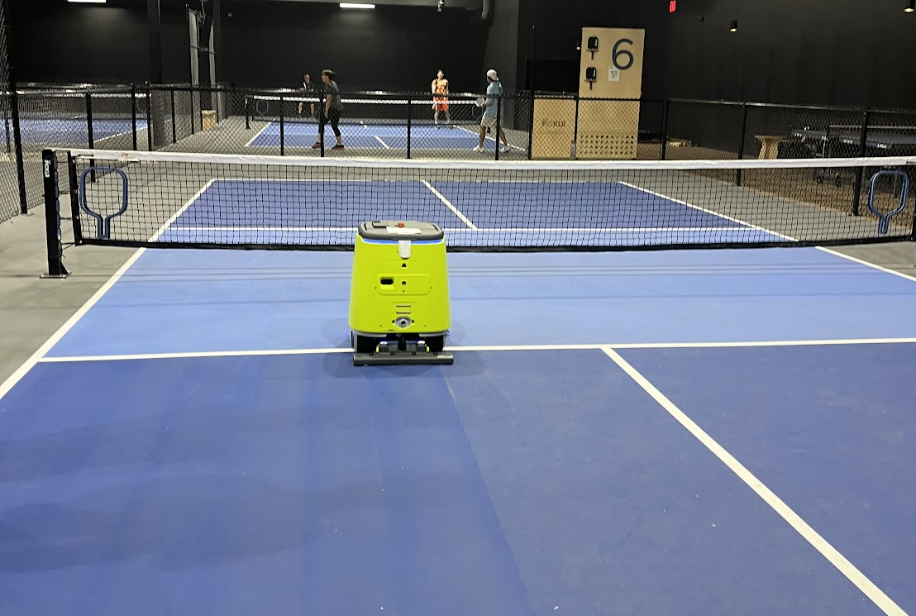
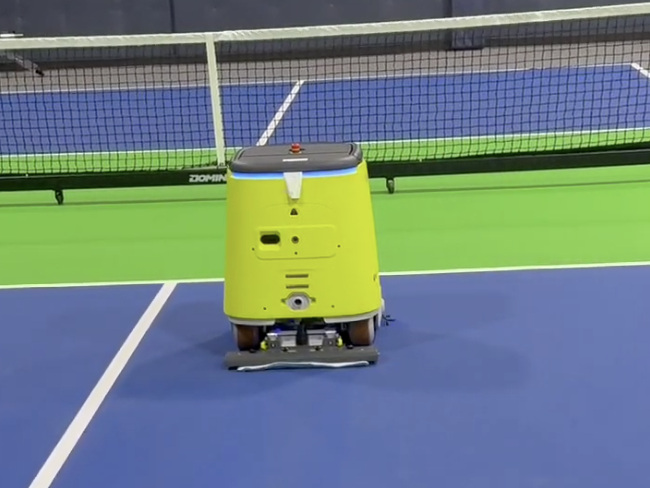
If staffing makes consistent resets hard, Autopilot’s CC1 Pro (“CeCe”) helps keep courts consistently clean during peak flow—so your team can focus on confirming traction and handling the few spots that need human attention.
Want a printable “Traction Risk Checklist” for staff and a sample schedule showing where CeCe runs each day?