Wind + Debris on Outdoor Pickleball Courts: The Fence-Line System That Keeps Courts Playable


Wind + Debris on Outdoor Pickleball Courts: The Fence-Line System That Keeps Courts Playable
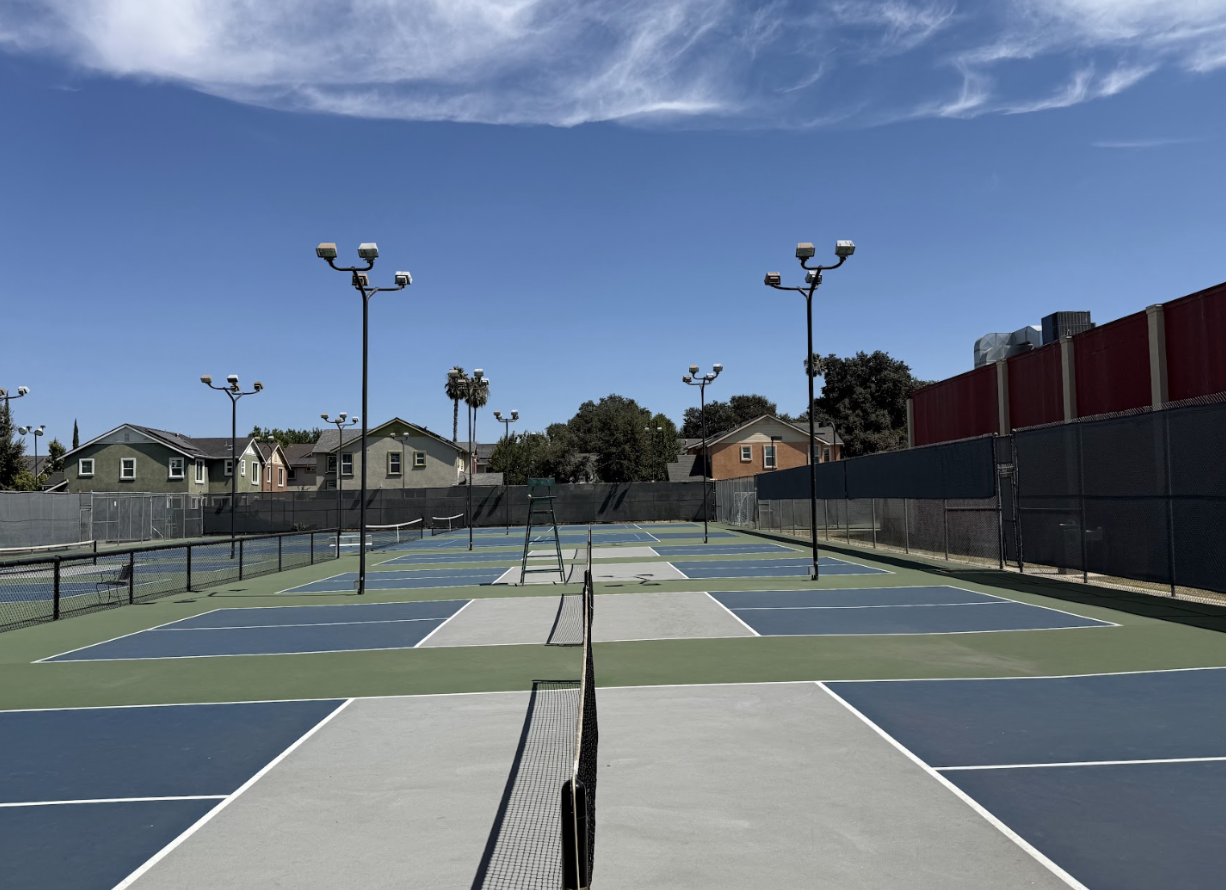
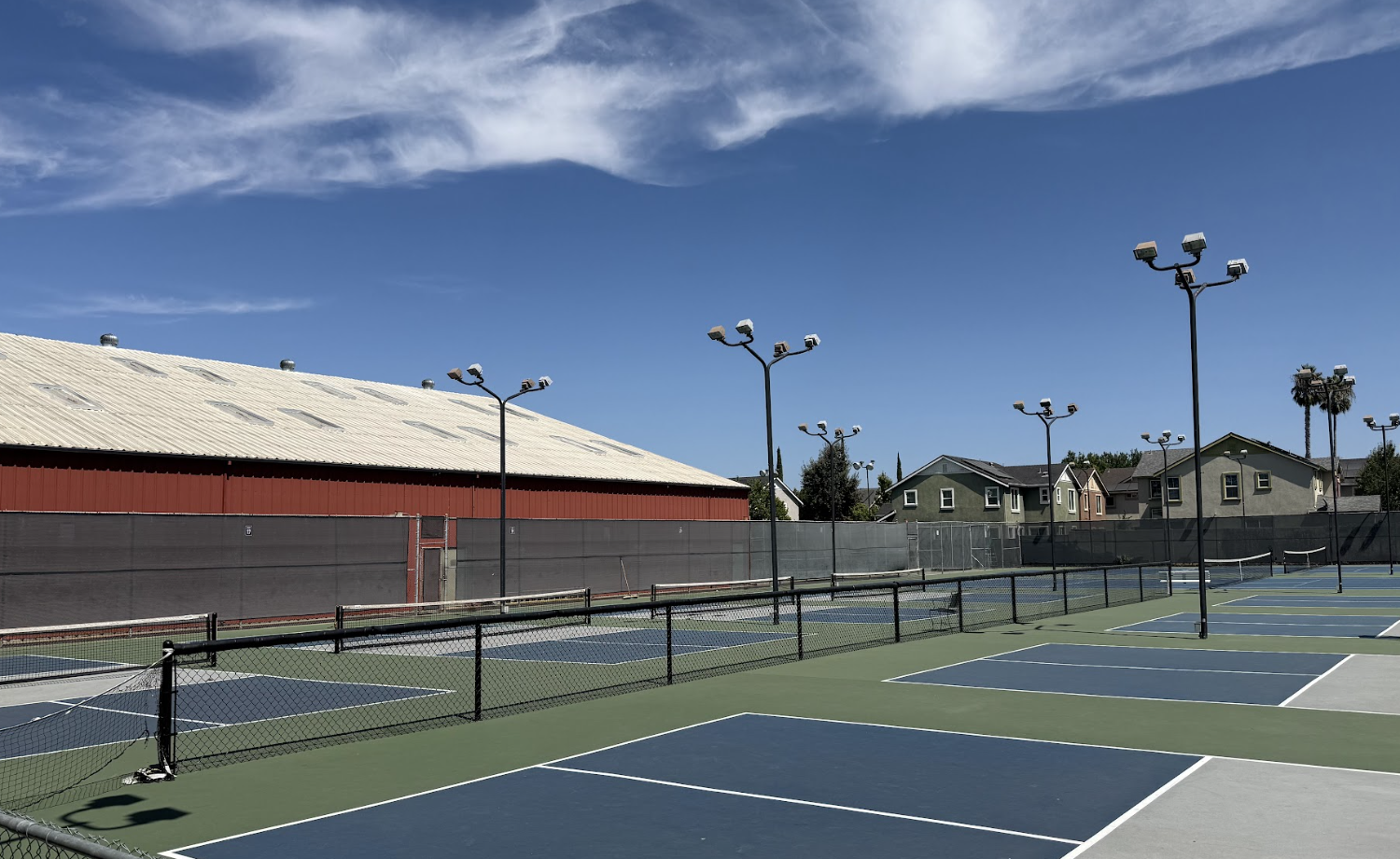
If your courts are always dirty, your wind pattern is “winning”
Outdoor court cleanliness is rarely random. It’s usually one of these:
- wind pushes debris into the same fence line every day
- landscaping drops leaves/sap into the same corner
- gate traffic tracks grit into the same first 10 feet
Court maintenance guidance emphasizes routine debris removal and practical upkeep to avoid premature wear and staining. The most efficient approach is to stop fighting the whole court and instead build a fence-line system that targets where debris actually lands.
The “windward edge” rule (the court will tell you where to clean)
Walk your facility once and you’ll find the truth:
- one fence edge has the leaf pile
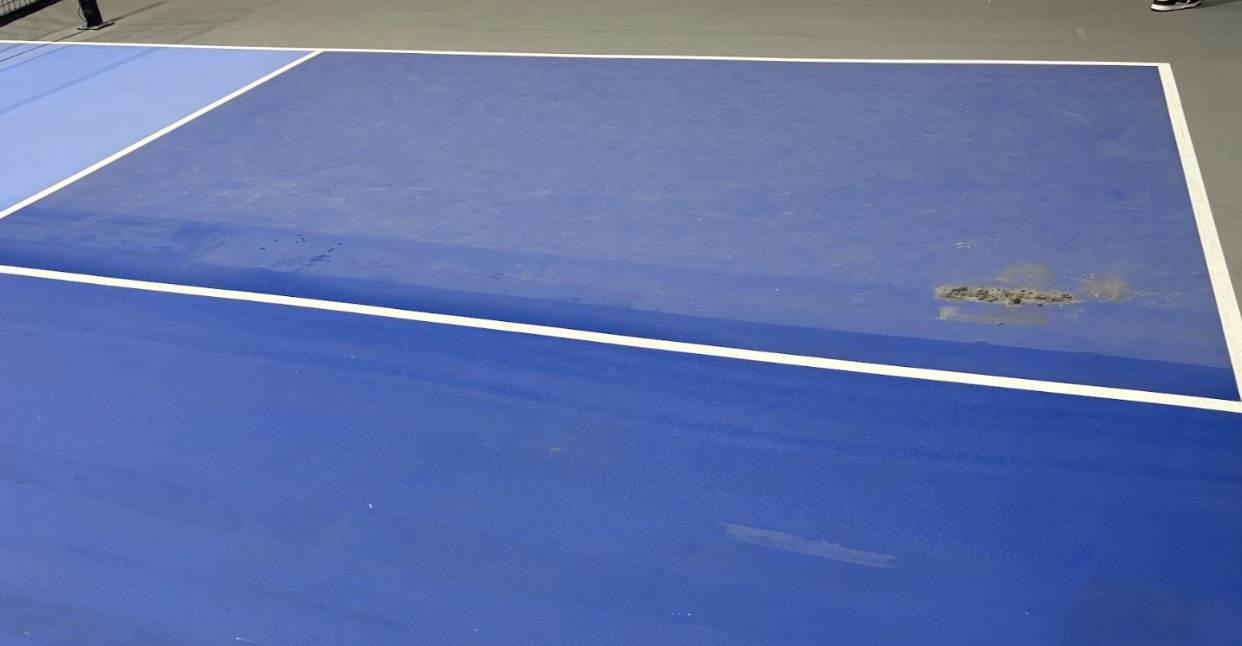
- one corner has the dust film
- one gate zone always looks gritty
Instead of “cleaning evenly,” treat the windward edge and gate zones as primary maintenance zones.
SportMaster notes that basic cleaning helps prevent premature wear and staining and supports extending surface life between resurfacing cycles. That’s why targeted, frequent debris removal matters.
The 90-second playbook (outdoor wind/debris edition)
90-second playbook
- Windward fence pass (30 sec):
One long pass along the fence line that catches debris first.
- Corner sweep (20 sec):
Corners collect everything—hit the two worst corners next.
- Gate zone pass (25 sec):
The first 10 feet inside the gate is where tracked grit begins.
- Baseline lane (15 sec):
Quick pass where players move most—fine grit here becomes traction complaints.
Key idea: if staff can do this between blocks, the court never reaches “gross” territory.
The fence-line toolkit (low-cost changes that reduce cleaning load)
This is where operations meets facility design.
Fence-line checklist
- Tool placement at point-of-use: blower/broom stored near gates
- Landscaping adjustments: trim overhanging branches near windward sides
- Perimeter path maintenance: keep debris off walkways so it doesn’t get tracked in
- Shaded/damp corners: watch for early growth conditions—these areas often need more frequent attention.
Even without fancy upgrades, simply changing where you spend your first 3 minutes of cleaning produces visible results.
Weekly schedule template (outdoor courts)
Daily (peak days)
- Windward fence + gate zone quick passes
- Immediate spill response (spot clean promptly)
Weekly
- Full sweep/power blow of each court
- Perimeter cleanup (paths + fence lines) so debris doesn’t re-enter play areas
Monthly
- Hotspot rotation: gate zones, corners, bench areas
- Review: which fence line keeps collecting debris? Adjust landscaping or maintenance timing.
Quick Answers (For Busy Owners)
Q: Why does the same court always look worse?
A: Wind direction + gate traffic create predictable debris patterns.
Q: What’s the fastest way to keep outdoor courts playable?
A: A 90-second routine focused on the windward fence line and gate zones.
Q: Does frequent debris removal actually protect the surface?
A: Yes—maintenance guidance emphasizes basic cleaning prevents premature wear and staining.
Q: Where should staff start cleaning first?
A: Windward fence edge, corners, then gate zone.
Q: What’s the best weekly cadence?
A: Weekly full sweep/power blow + daily quick passes during high use.
Q: What’s a “hidden” risk zone?
A: Shaded, damp corners can develop growth conditions and should be monitored.