How to Remove Stains From Pickleball Courts Without Damaging Acrylic (Sap, Drinks, Sunscreen)

How to Remove Stains From Pickleball Courts Without Damaging Acrylic (Sap, Drinks, Sunscreen)
Stains get permanent when you treat them like “weekend work”
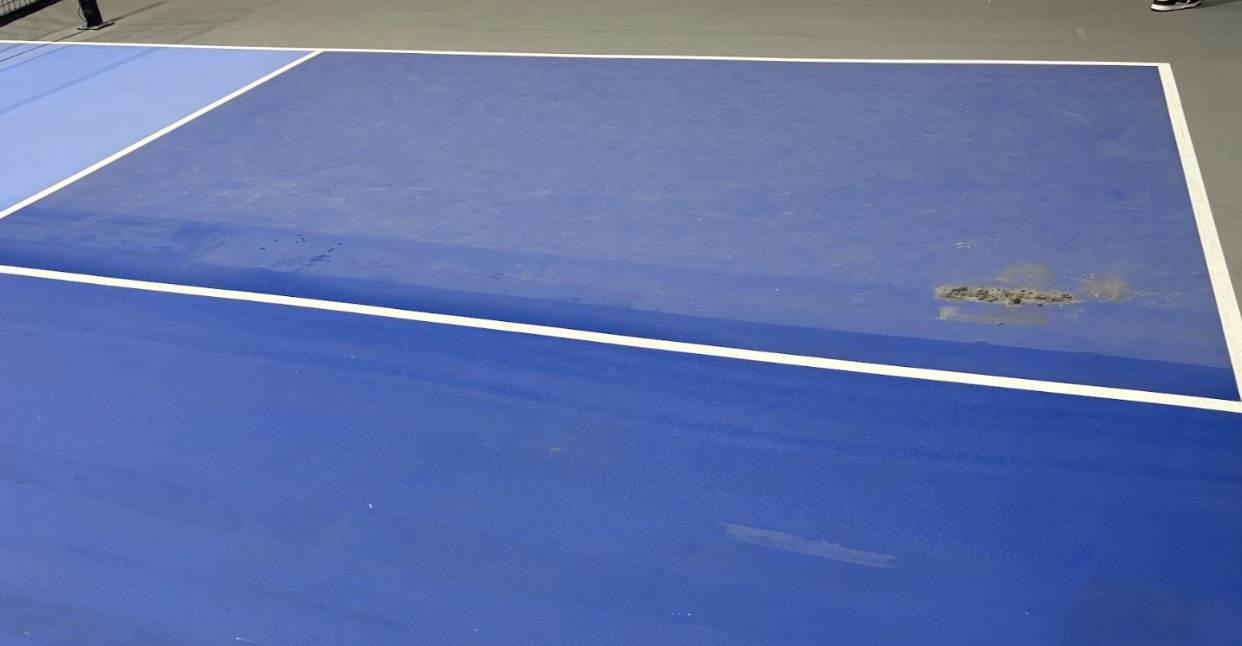
The fastest way to ruin a court’s look (and create that “sticky/slippery” feel) is letting stains sit until your next deep clean. Sap, sugary drinks, sunscreen smears, and organic debris all share one trait: the longer they sit, the more they bond with grime and become harder to lift.
The good news: you don’t need harsh chemicals or aggressive pressure. Most acrylic sport-surface guidance emphasizes regular cleaning, prompt spill cleanup, and mild detergent + soft-bristled tools as safe defaults. Here’s a stain system you can run the same day.
“First do no harm” rules for acrylic stain removal
Before you grab a strong cleaner, remember: acrylic coatings are tough, but aggressive methods can shorten surface life.
Acrylic-safe stain rules
- Remove grit first (dry pass): blow/sweep before any wet work so you’re not grinding debris into the surface.
- Use mild detergent as your baseline: many sport-surface maintenance guides recommend mild detergent and soft-bristled equipment for routine cleaning.
- Soft brush only: stiff brushes can accelerate wear over time.
- Rinse thoroughly: residue left behind attracts dirt and can create a “film” that feels slick.
- Pressure washing is not stain removal: if used, treat it as careful, low-pressure maintenance—not a stripping tool.
Your stain kit (keep it courtside)
- Mild dish detergent
- Bucket + hose
- Soft scrub brush (handheld)
- Soft-bristle push broom (wide)
- Microfiber towels (for quick spot lifts)
- “Wet floor / court closed” cones (so no one plays on a damp spot)
The 90-second playbook (stain triage between reservations)
When staff are busy, stains need a routine that’s fast and safe.
90-second stain triage
- Identify the stain type (10 sec)
Is it sticky (drinks), oily (sunscreen), organic (leaves/sap), or growth-related (dark/green corner)? - Dry remove debris (20 sec)
Blow/sweep around it first. - Mild detergent spot scrub (40 sec)
Mix mild detergent in a bucket. Use a soft brush in small circles. Don’t over-scrub—two short passes are better than one aggressive one. - Rinse + wipe (30 sec)
Rinse thoroughly. If you can’t rinse immediately, wipe with a damp microfiber towel and schedule a rinse as soon as possible.
Rule: If you can’t fully resolve it in 90 seconds, log it for the next weekly maintenance block. Consistency beats heroics.
How to remove the most common stains (safe methods)
A) Sugary drinks + sports drinks (sticky film)
Why it’s tricky: sugar traps dust into a slick, grimy film.
Safe method
- Mild detergent + soft brush
- Rinse thoroughly
Sport-surface maintenance guidance stresses that basic cleaning prevents staining and premature wear.
Operator tip: If you see repeat spills near a specific bench, move the bench or add a trash can—prevention is cheaper than scrubbing.
B) Sunscreen smears (oily haze)
Why it’s tricky: sunscreen can leave a faint, shiny patch that holds grit.
Safe method
- Mild detergent and warm water
- Soft brush, short passes
- Rinse well
Keep it gentle and repeat the process rather than escalating immediately.
Common mistake: “Strong degreaser.” Unless your surface manufacturer specifically approves it, you risk discoloration or surface damage.
C) Tree sap + berries (organic stains)
Why it’s tricky: sap binds to dirt, and berries can discolor.
Safe method
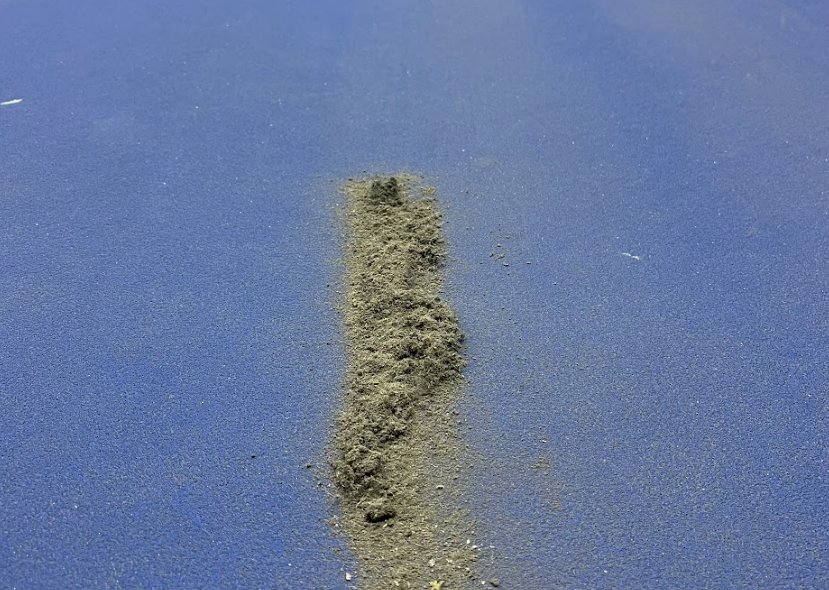
- Remove debris first (blow/sweep)
- Mild detergent spot scrub
- Rinse thoroughly
Routine maintenance guidance emphasizes cleaning organic debris early to avoid staining and growth conditions.
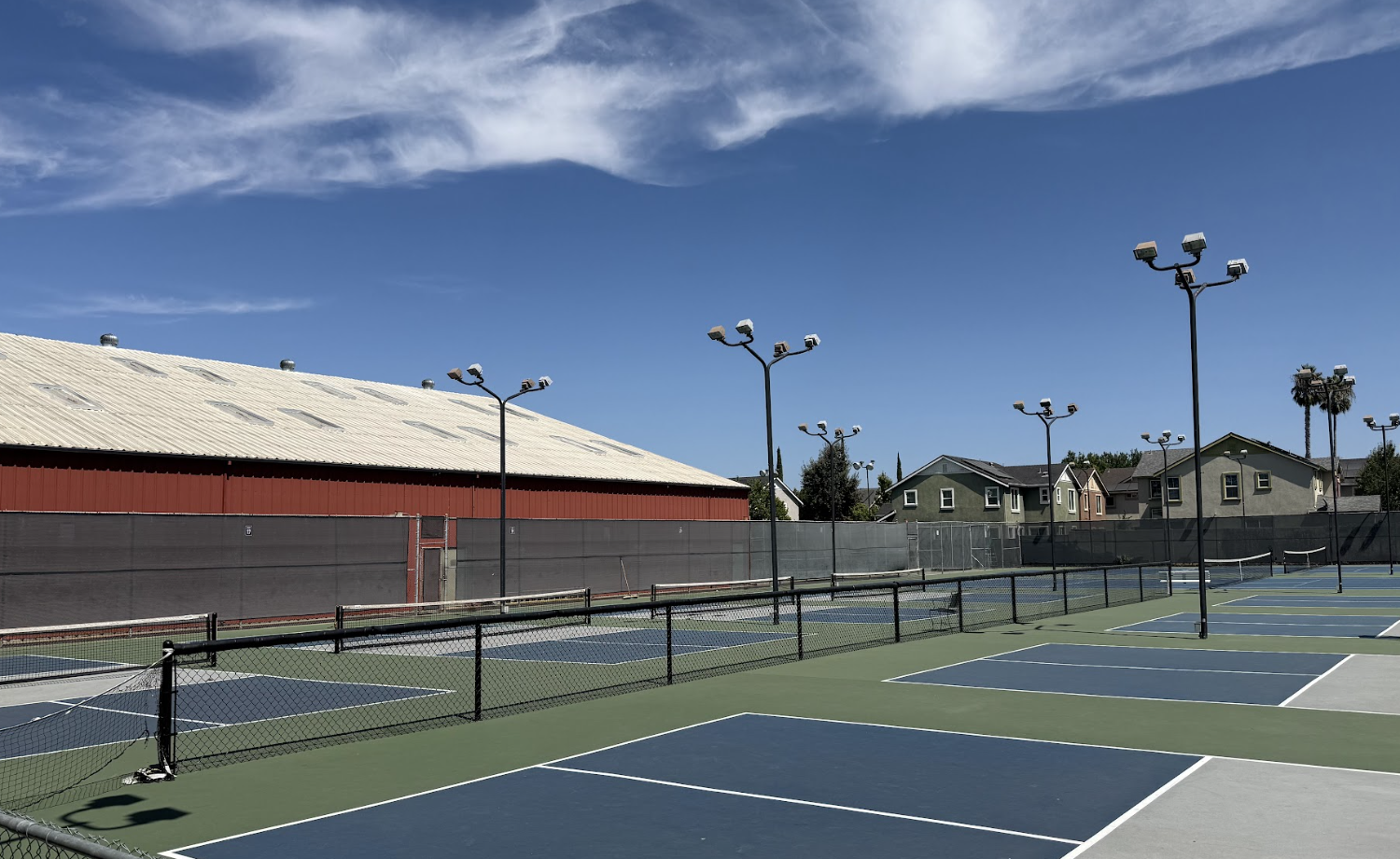
High-leverage prevention: Trim overhanging branches or adjust landscaping near windward fence lines so sap/berries don’t land on courts in the first place.
D) Dark/green corners (algae/mildew conditions)
Why it’s tricky: growth thrives in damp, shaded, low-traffic areas.
ASBA’s algae/mold/mildew guidance explains that growth is most common in damp, shaded areas and prevention focuses on reducing growth conditions and keeping surfaces clean. The practical operator takeaway: treat dark corners as a maintenance zone, not a cosmetic flaw.
Safe method
- Increase cleaning frequency in that corner
- Keep debris cleared so moisture doesn’t linger
- Improve drainage / reduce shade where feasible
Your weekly “stain prevention” schedule template
This is how you stop stains from returning.
Daily (peak days)
- Quick blow-down of courts, especially gates and corners
- Spot-clean spills promptly with mild detergent + soft brush + rinse
Weekly
- Full sweep/power blow
- Spot-clean known problem zones (gate areas, bench sides, shaded corners)
- Walk the courts for “new stains” and handle them before they set
Monthly
- Light wash/annual wet-clean cadence is commonly recommended for certain surfaces and environments; at minimum, schedule a monthly deeper clean of hotspot zones
Quick Answers (For Busy Owners)
Q: What’s the safest cleaner for acrylic pickleball courts?
A: Mild detergent + soft-bristled tools, then rinse thoroughly (SportMaster, 2024).
Q: How do I remove sticky drink residue fast?
A: Mild detergent spot scrub + thorough rinse; don’t let residue dry.
Q: What should I do about sunscreen haze?
A: Mild detergent + warm water, gentle short passes, rinse well; repeat instead of escalating.
Q: How do I remove tree sap without damaging the surface?
A: Debris removal first, mild detergent spot scrub, rinse; prevent by trimming trees near courts.
Q: Are dark corners algae/mildew?
A: Often—growth is common in damp, shaded areas; prevention focuses on reducing growth conditions (ASBA, 2010).
Q: Can I pressure wash stains off?
A: Pressure washing isn’t a stain tool—use low pressure cautiously and focus on mild cleaning methods first (California Sports Surfaces, 2022).
Q: How do we prevent stains from becoming permanent?
A: Run a daily spill rule + weekly hotspot clean + log recurring areas.
Conclusion + CTA (Autopilot Integration)
Stains aren’t inevitable—they’re usually a timing issue. When you keep a small stain kit courtside and run 90-second triage + weekly hotspot cleaning, courts stay “member-ready” without harsh methods.
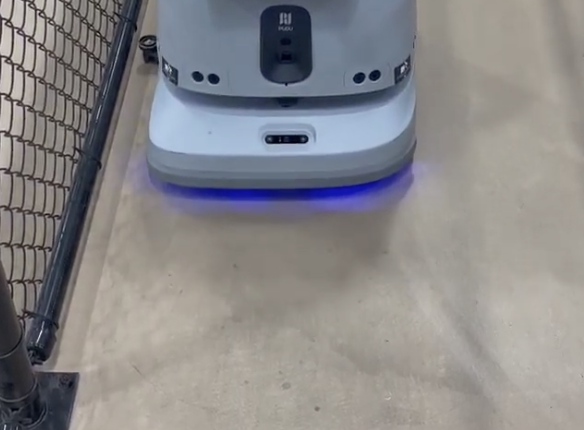
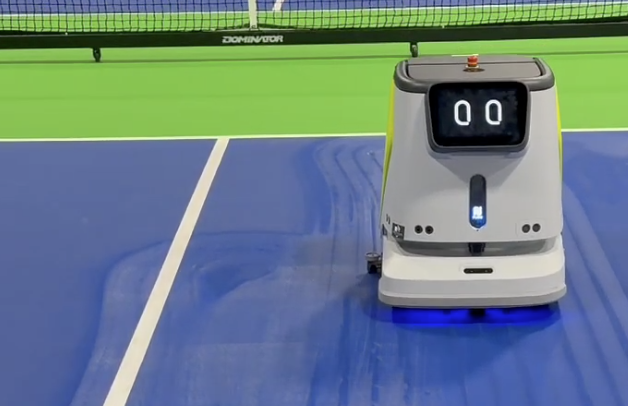
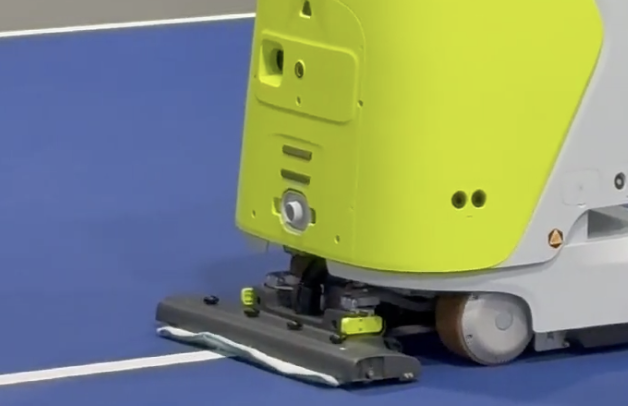
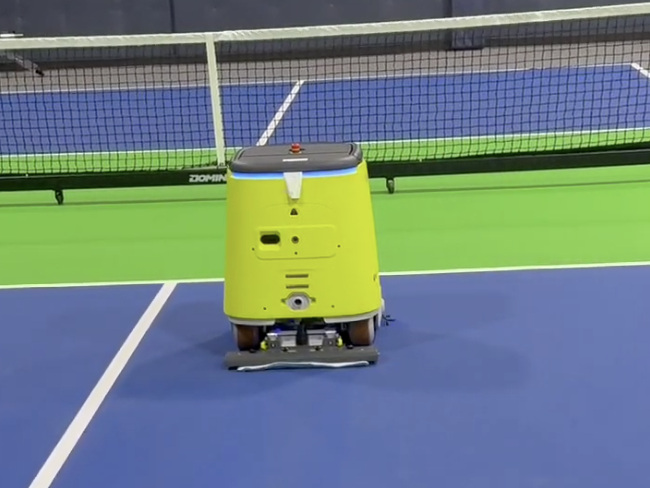
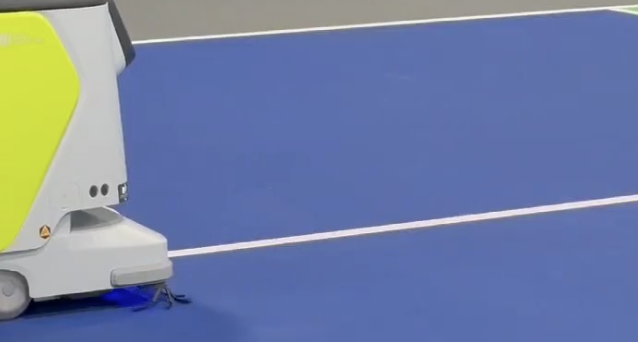
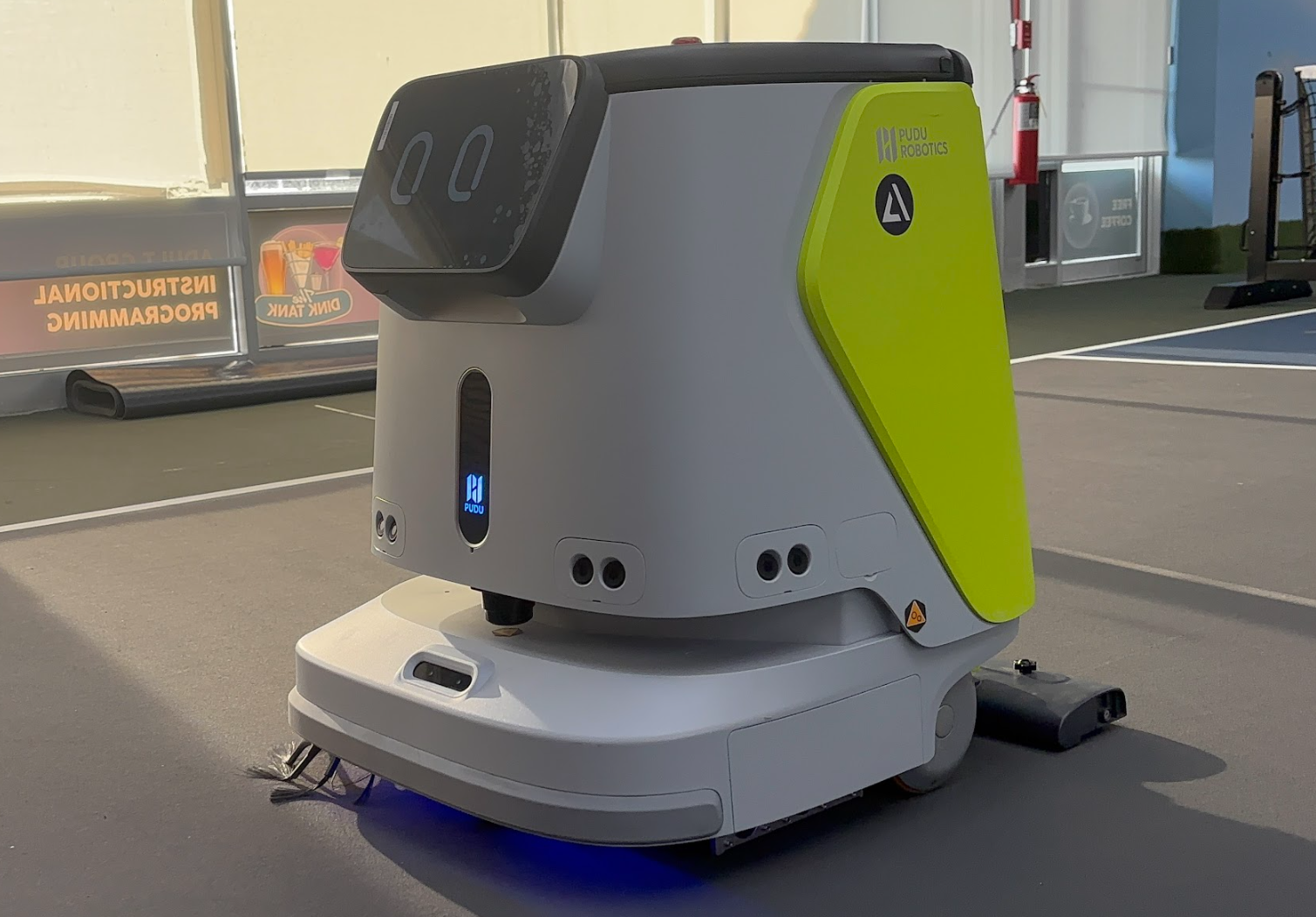
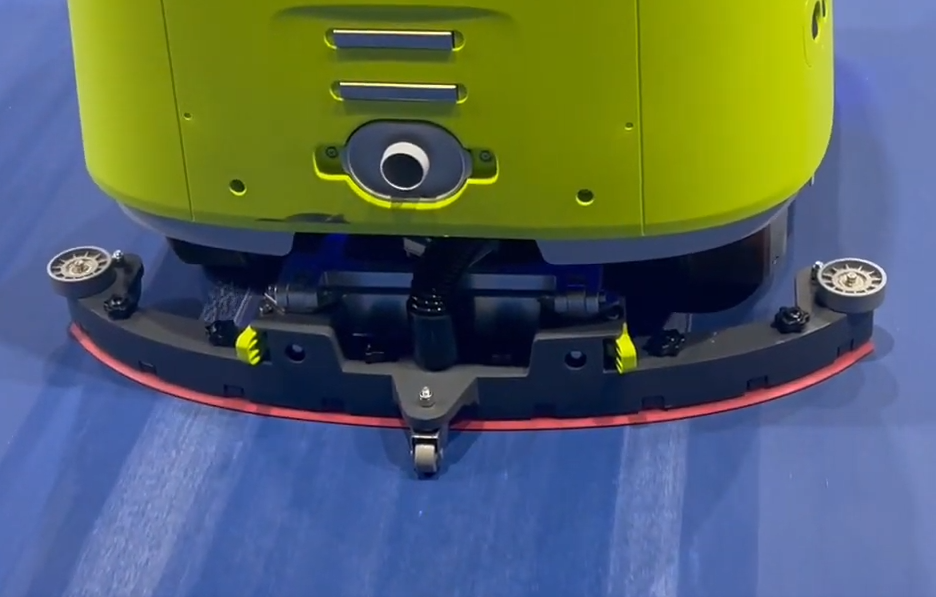
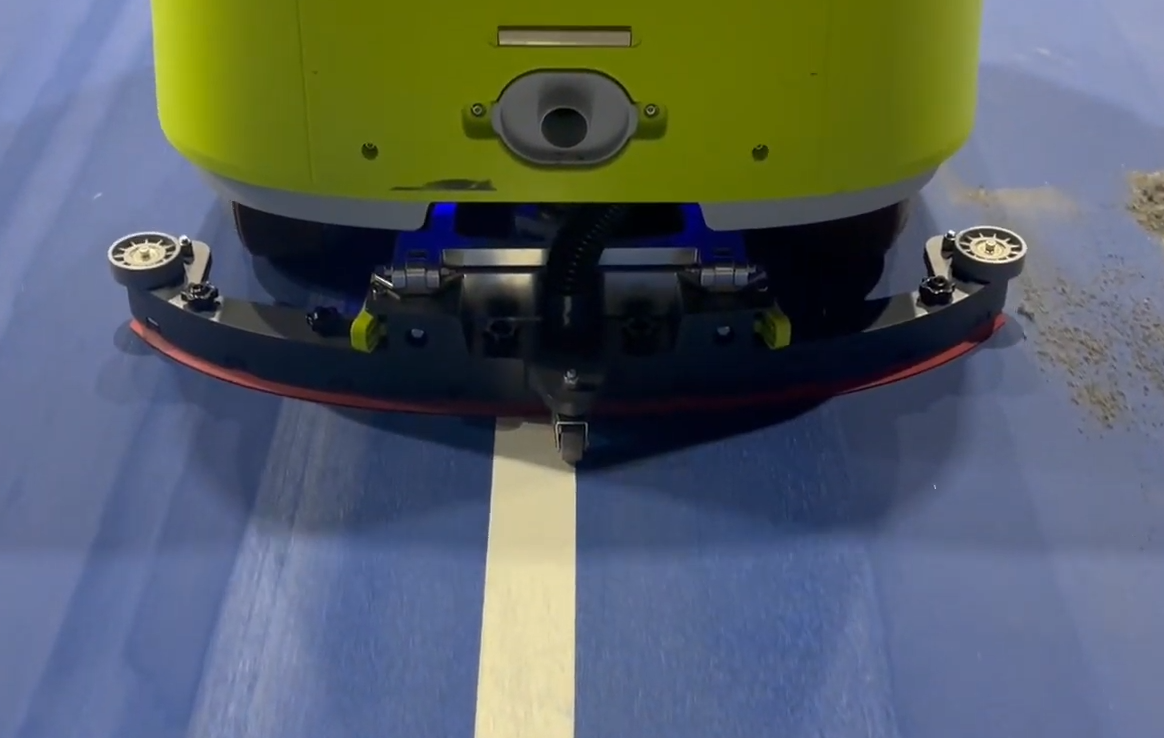
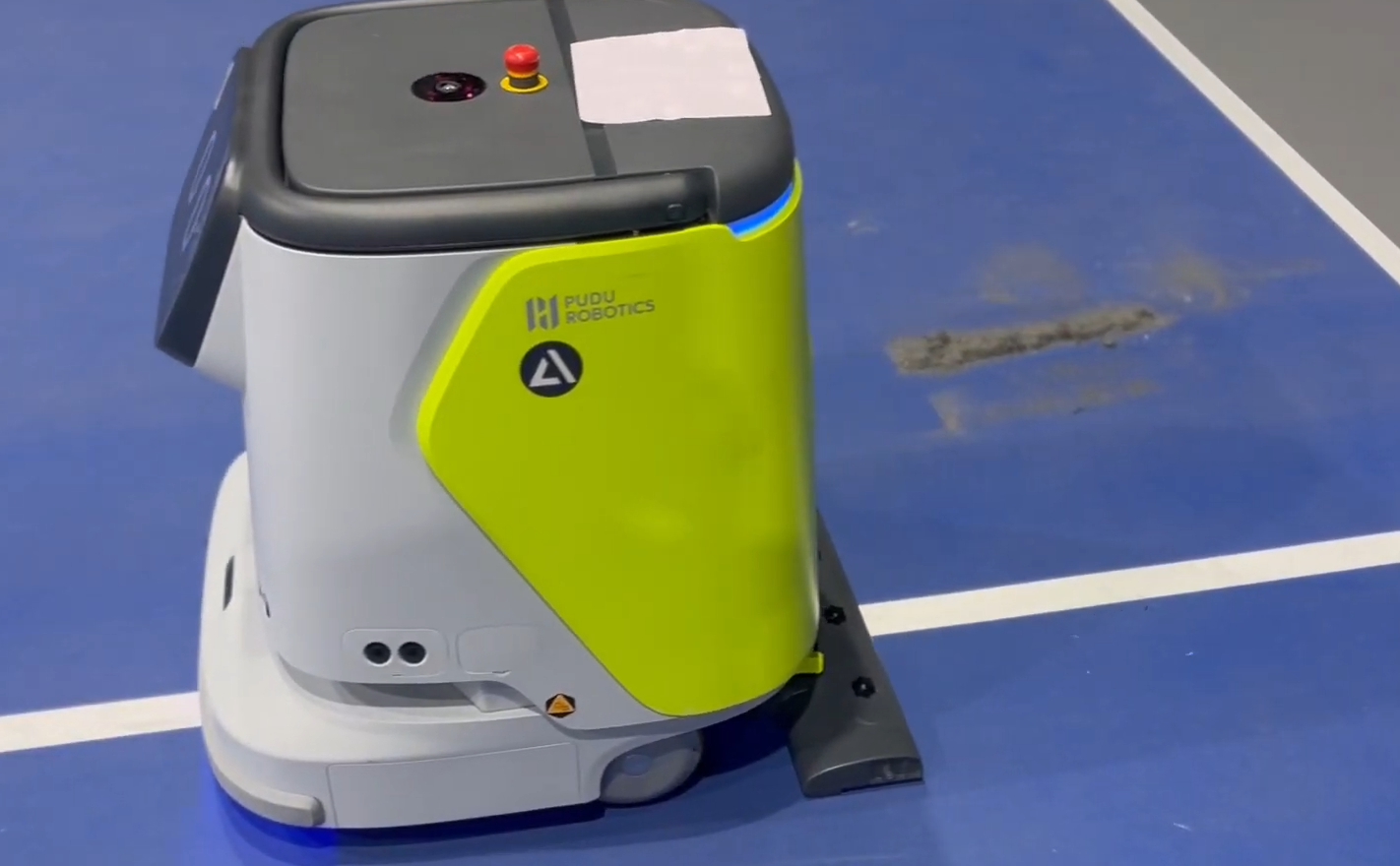
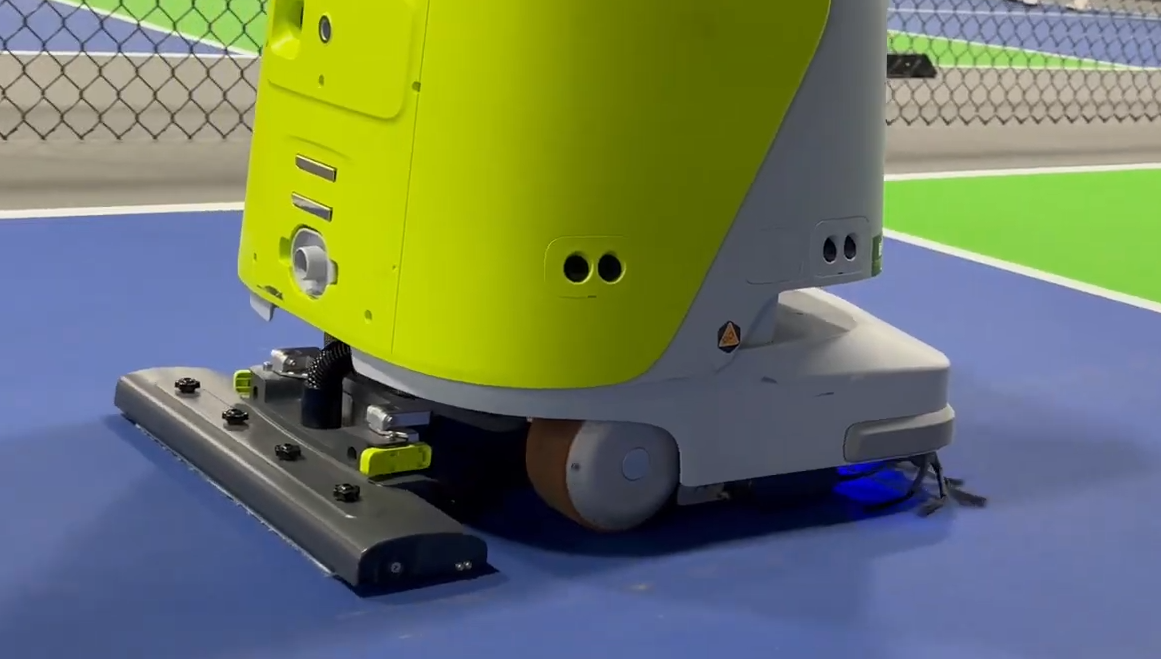
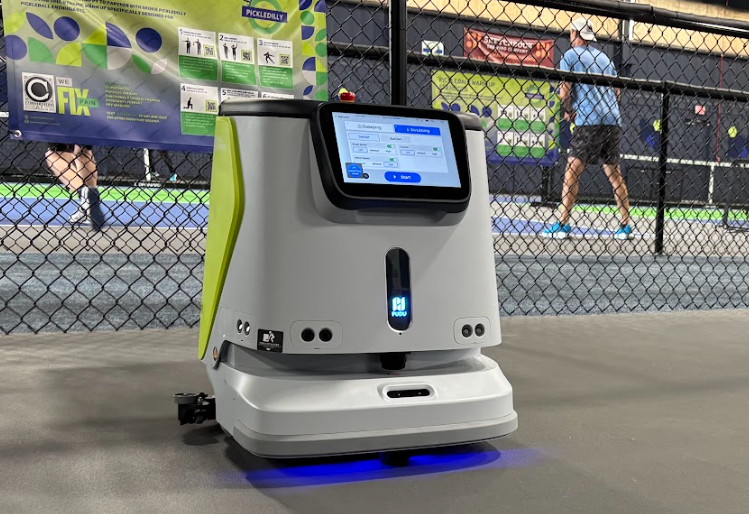
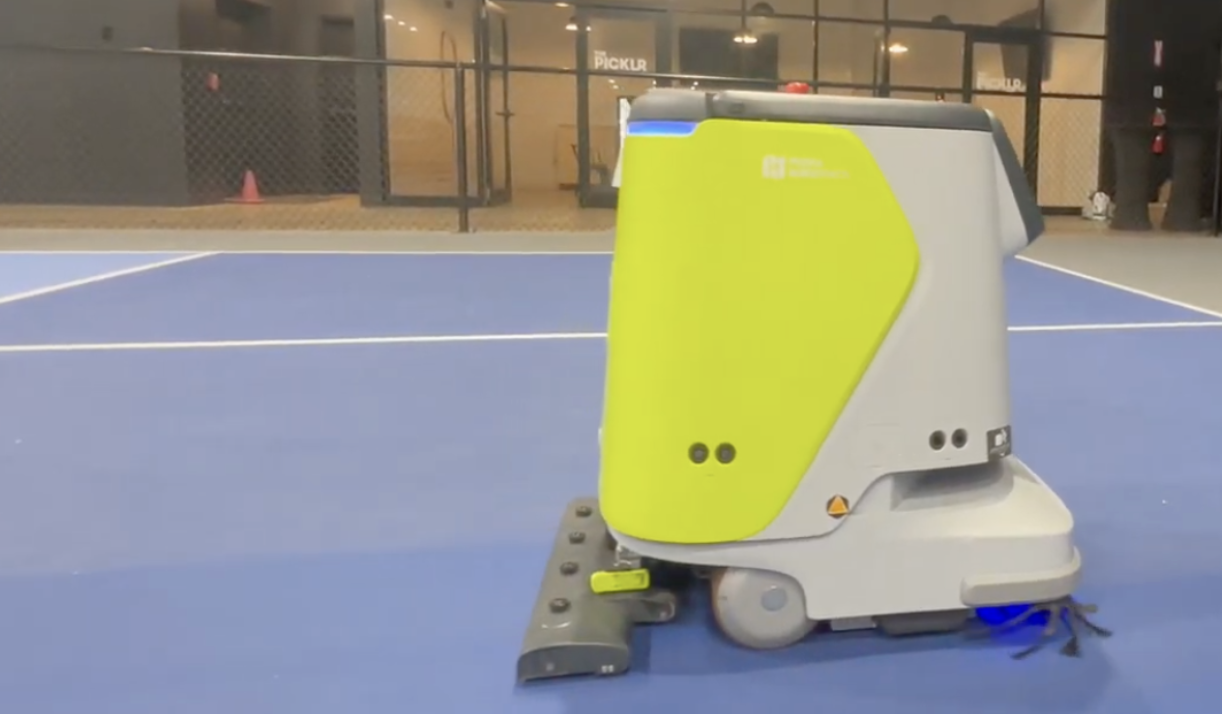
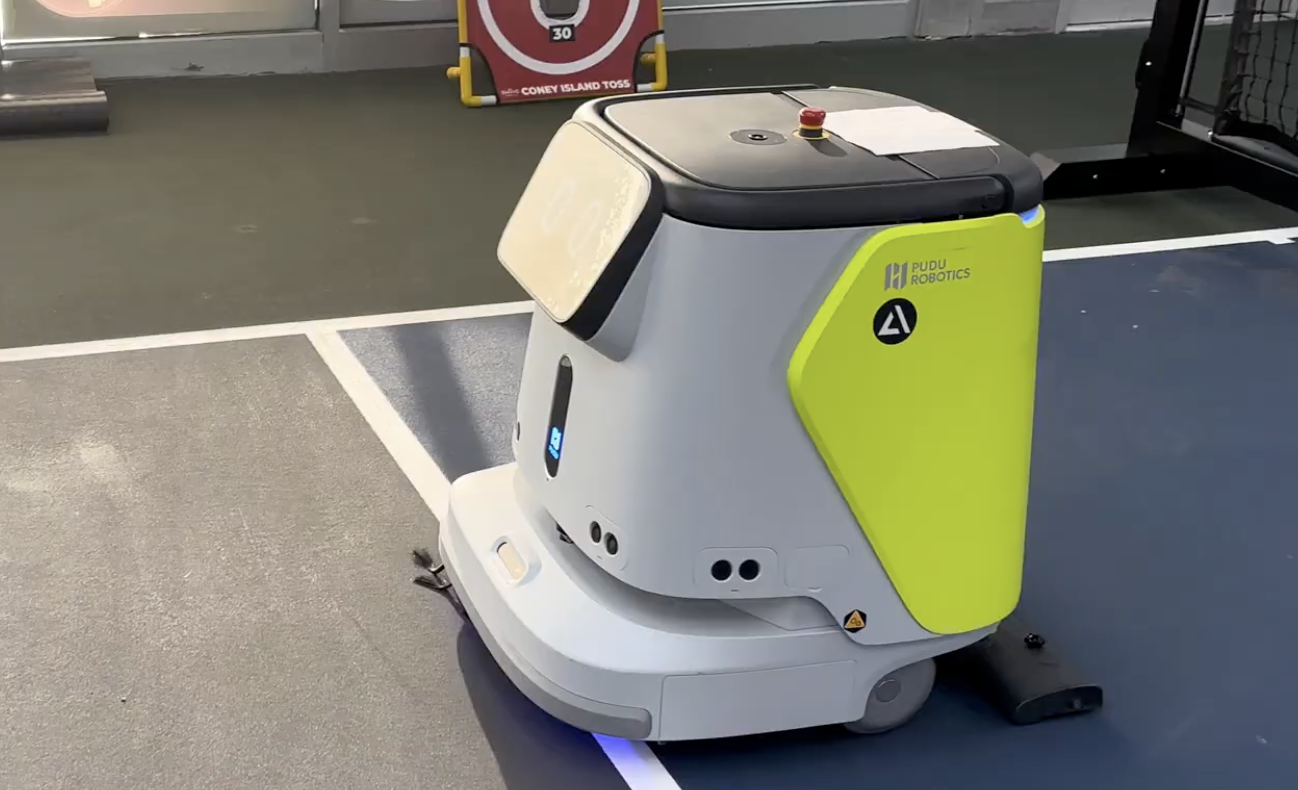
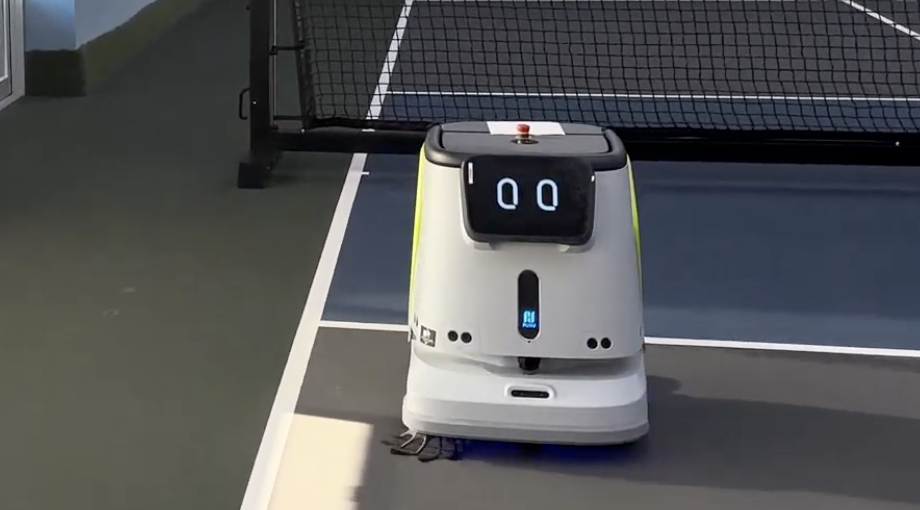
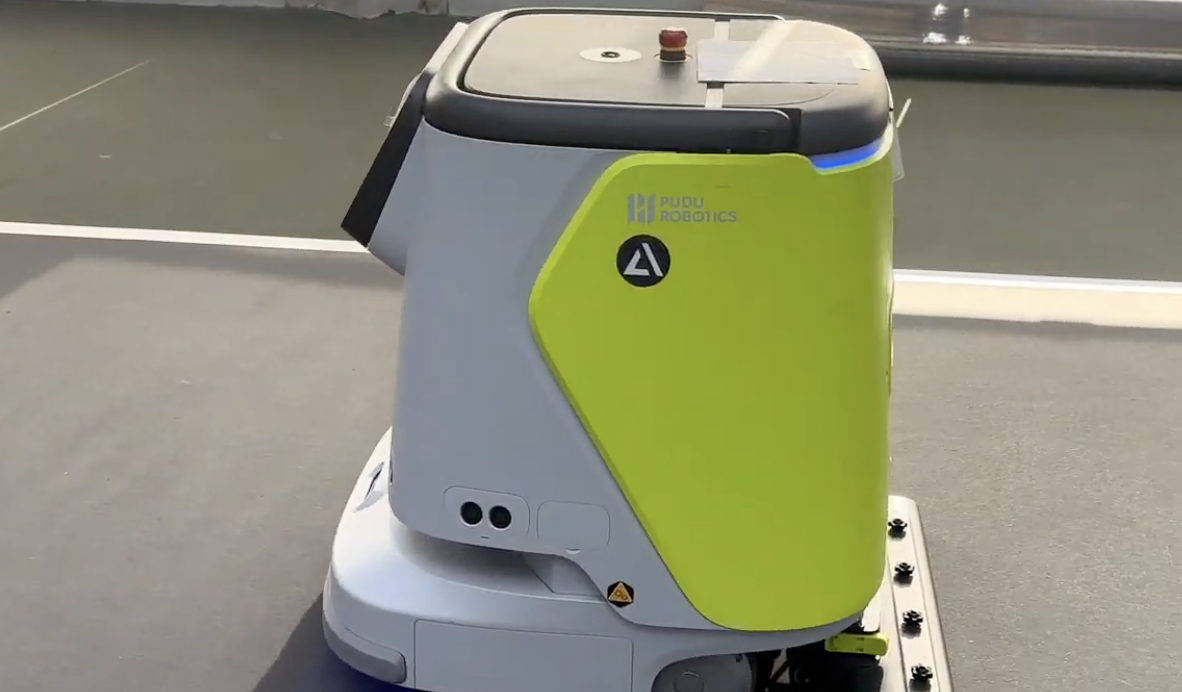
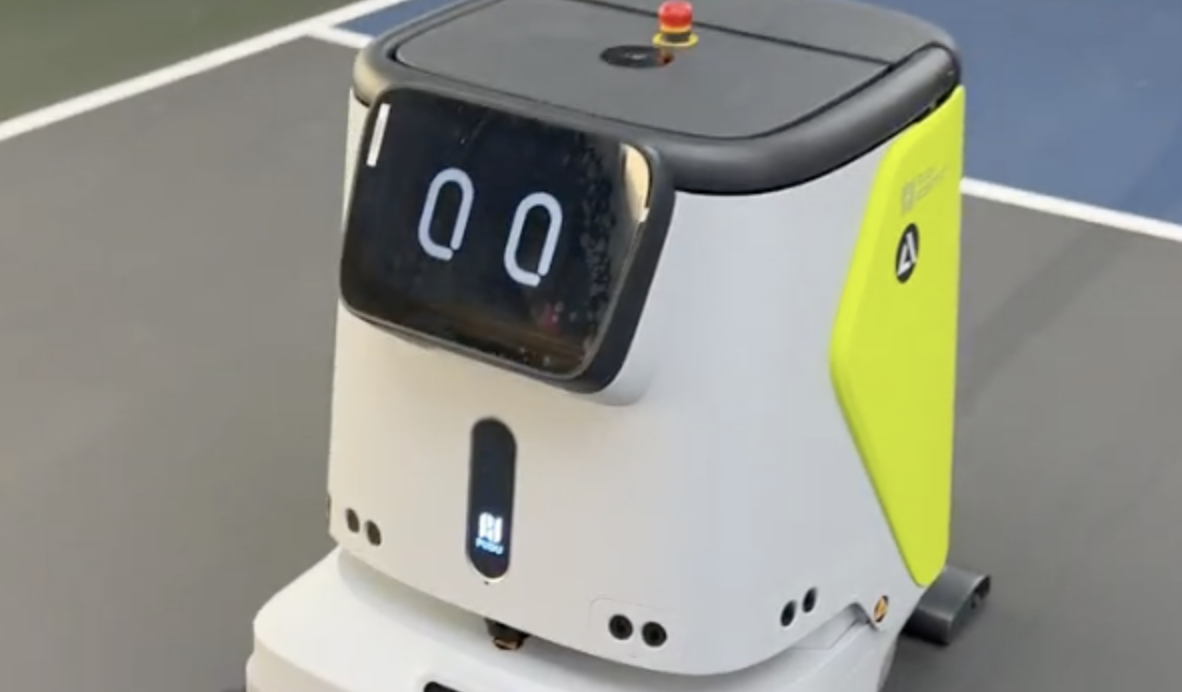
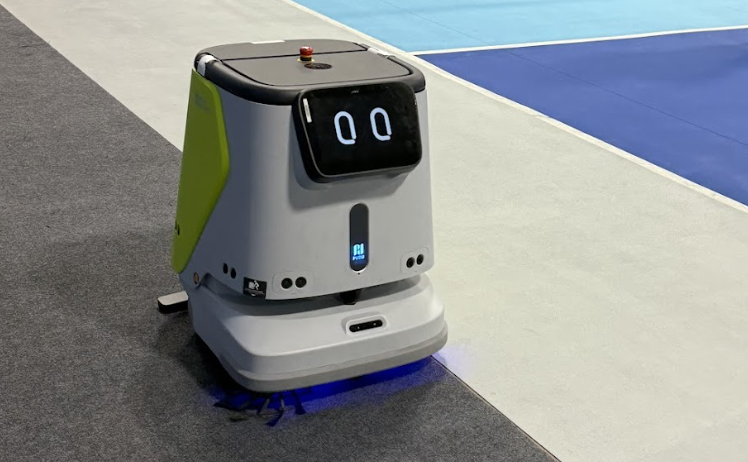
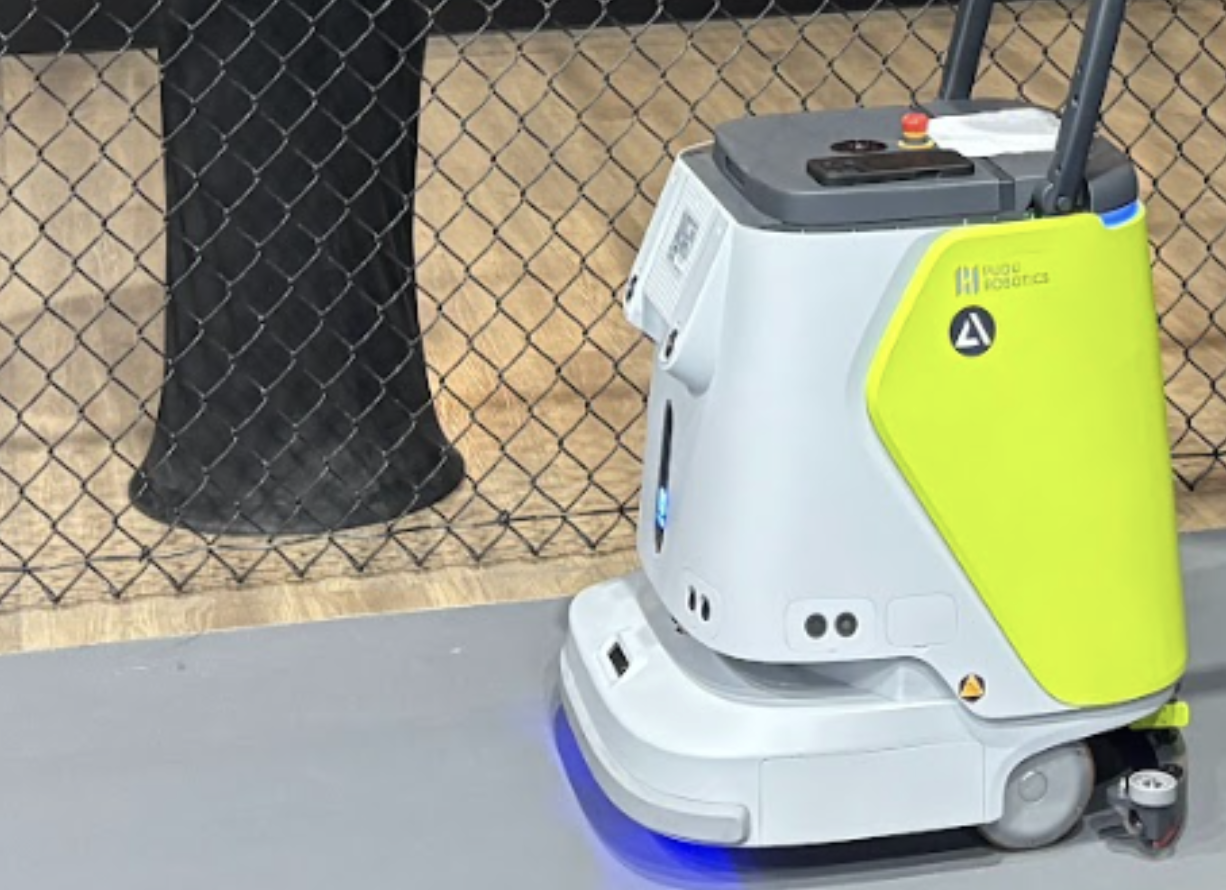
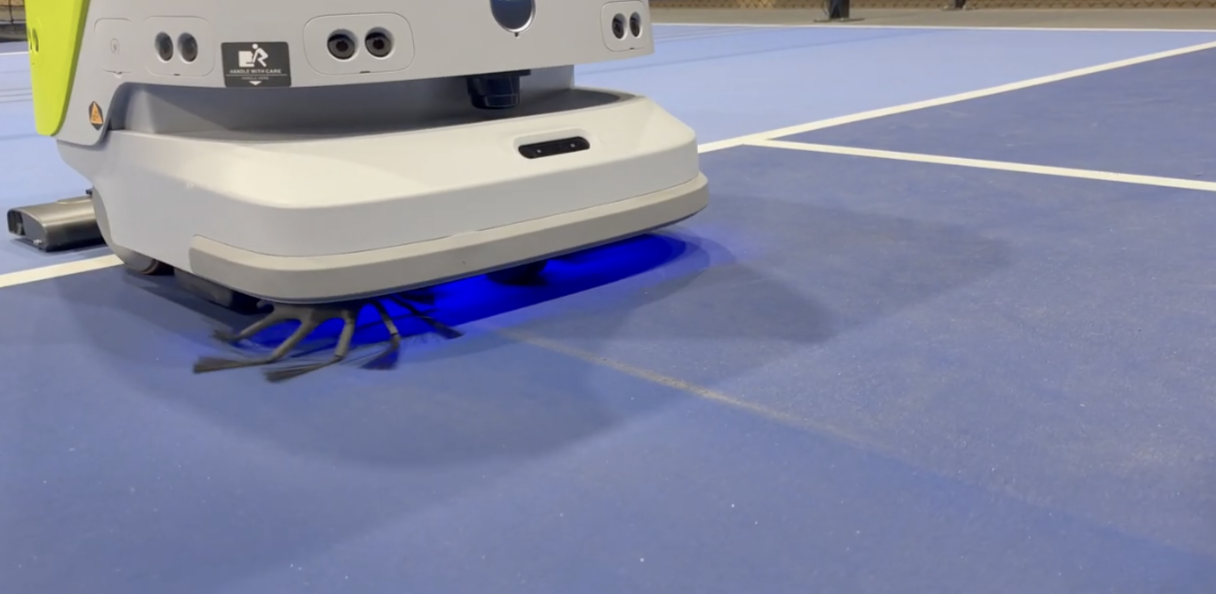
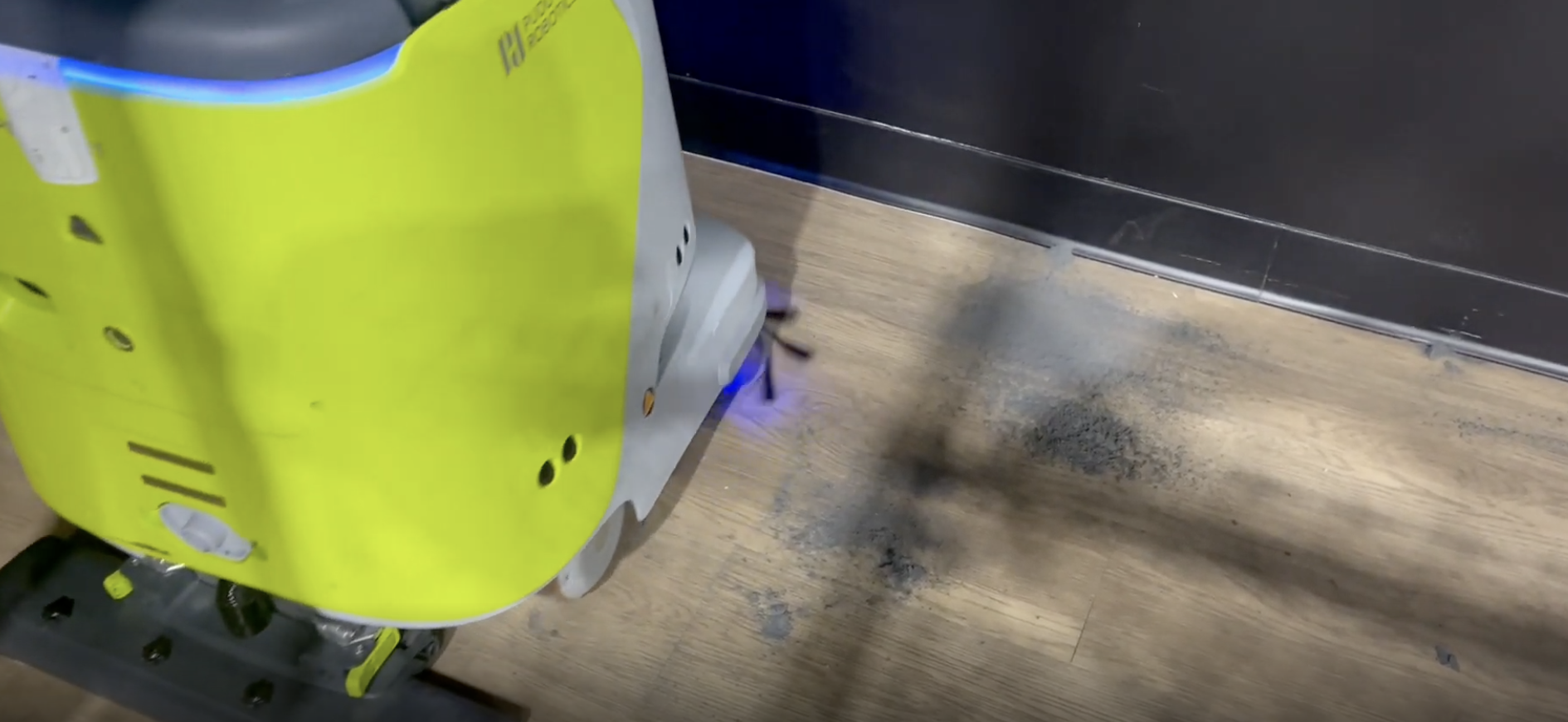
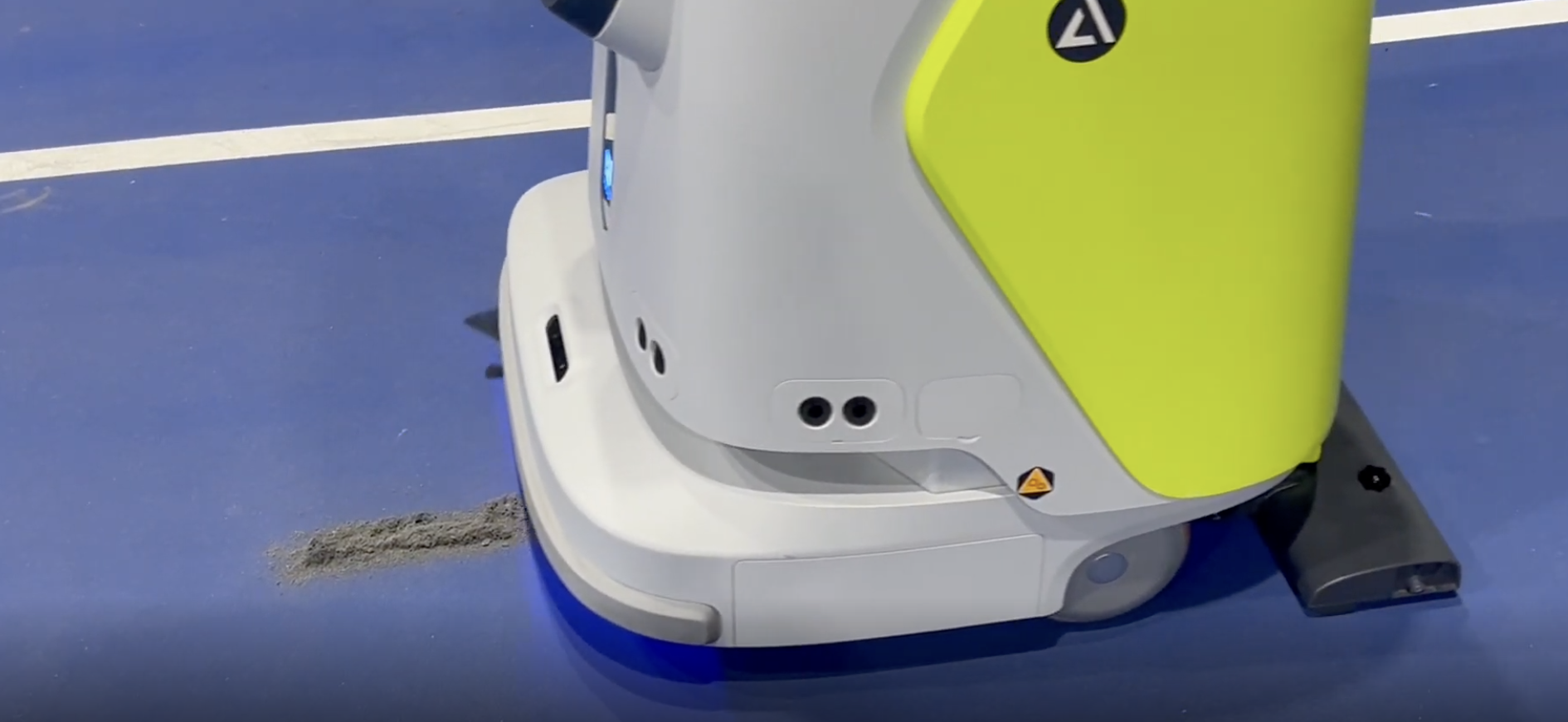
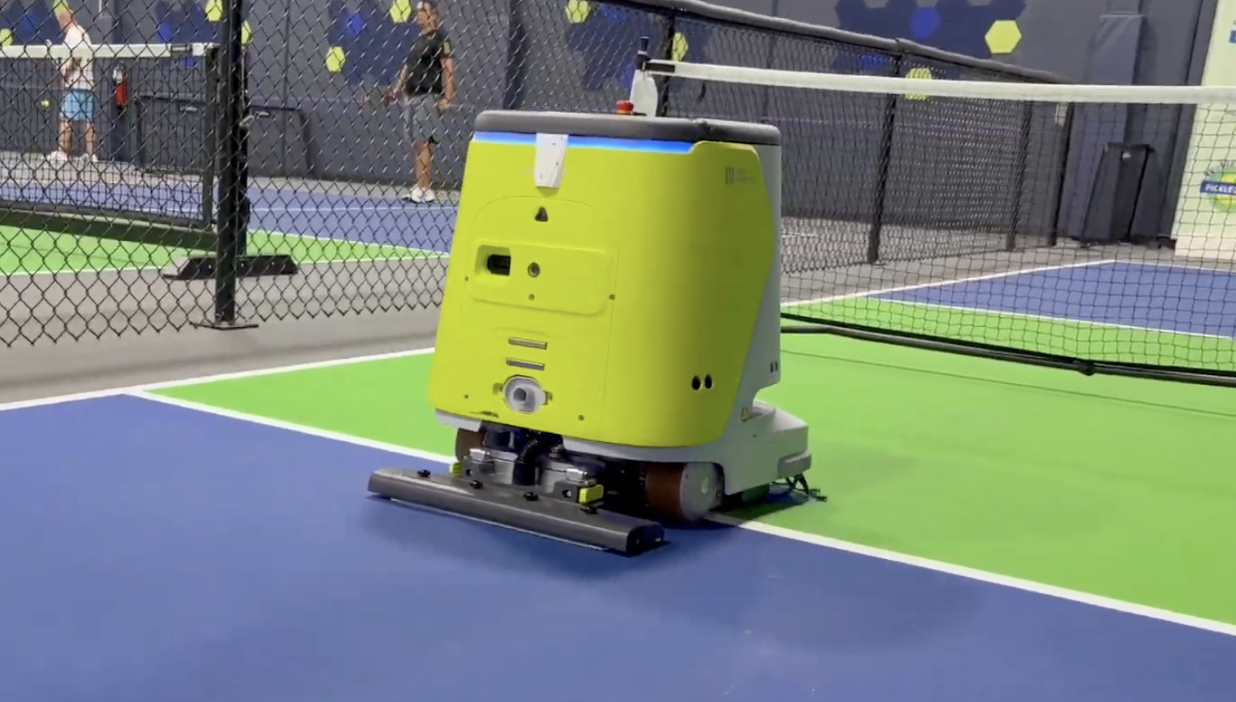
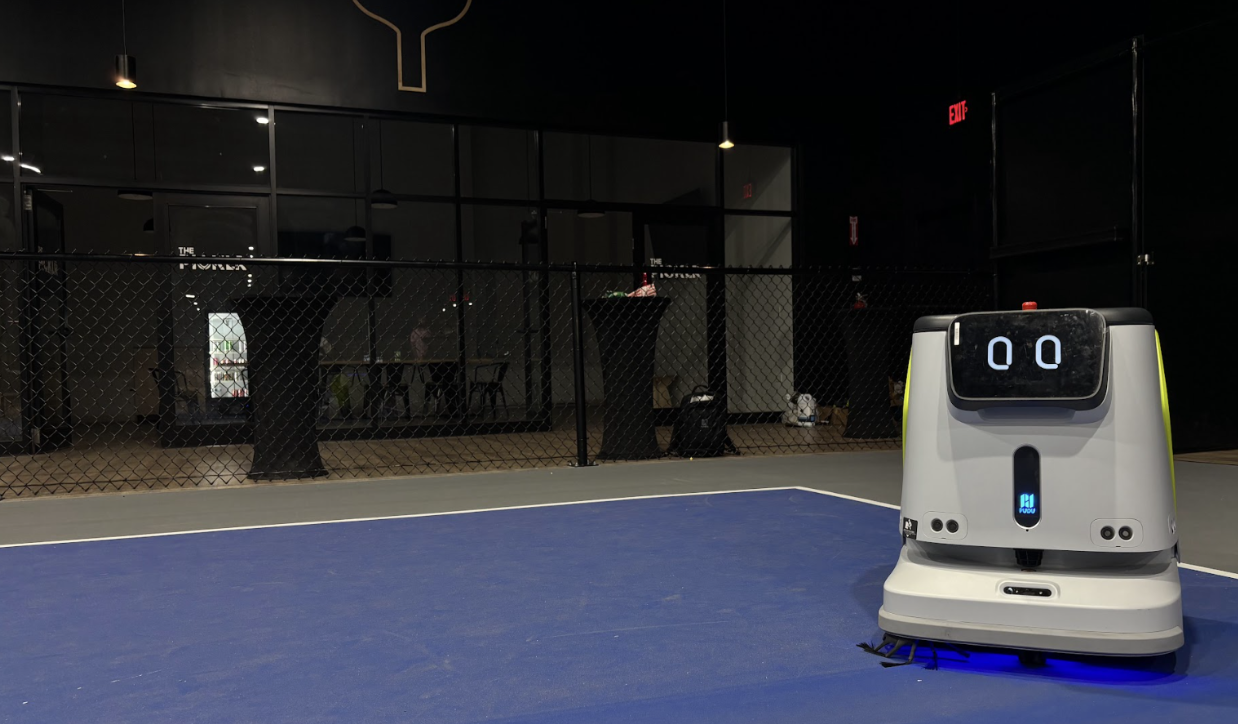
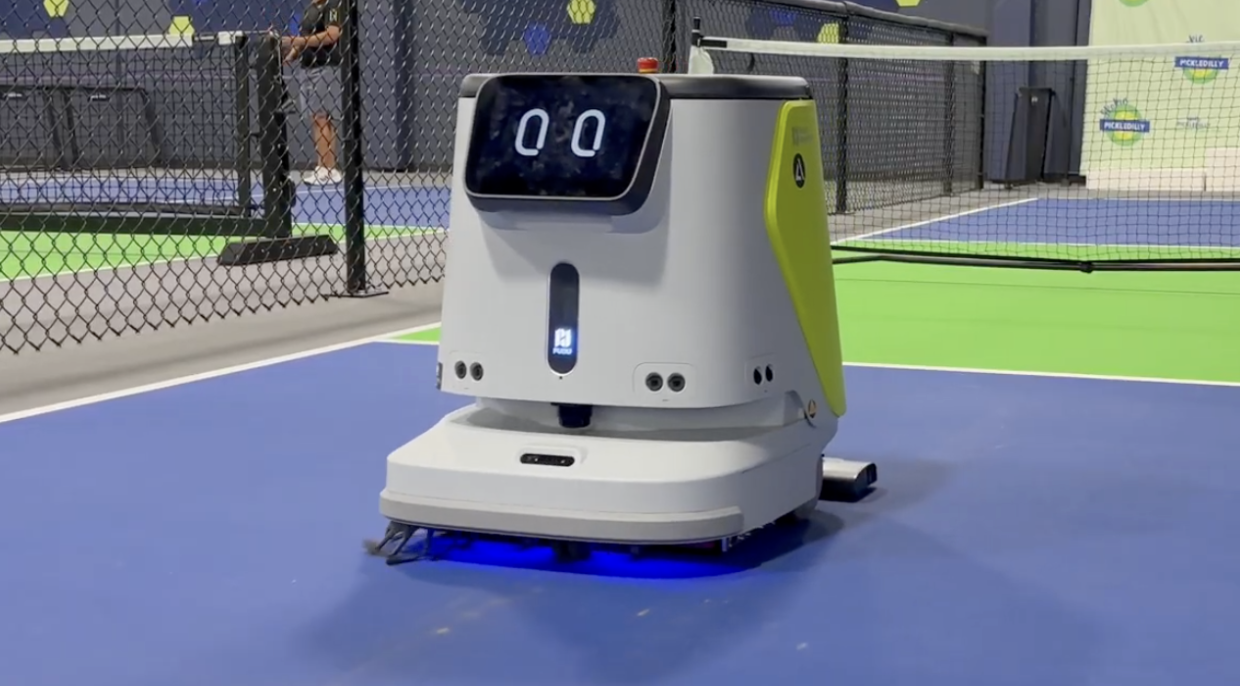
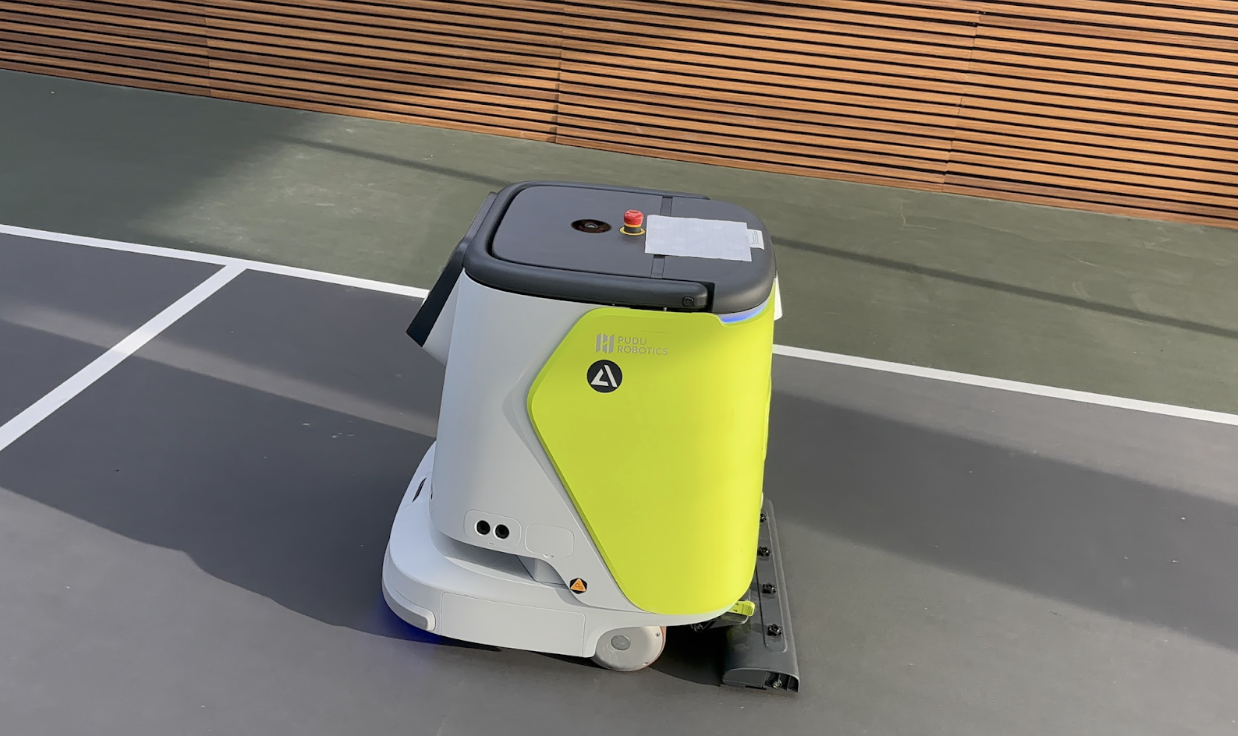
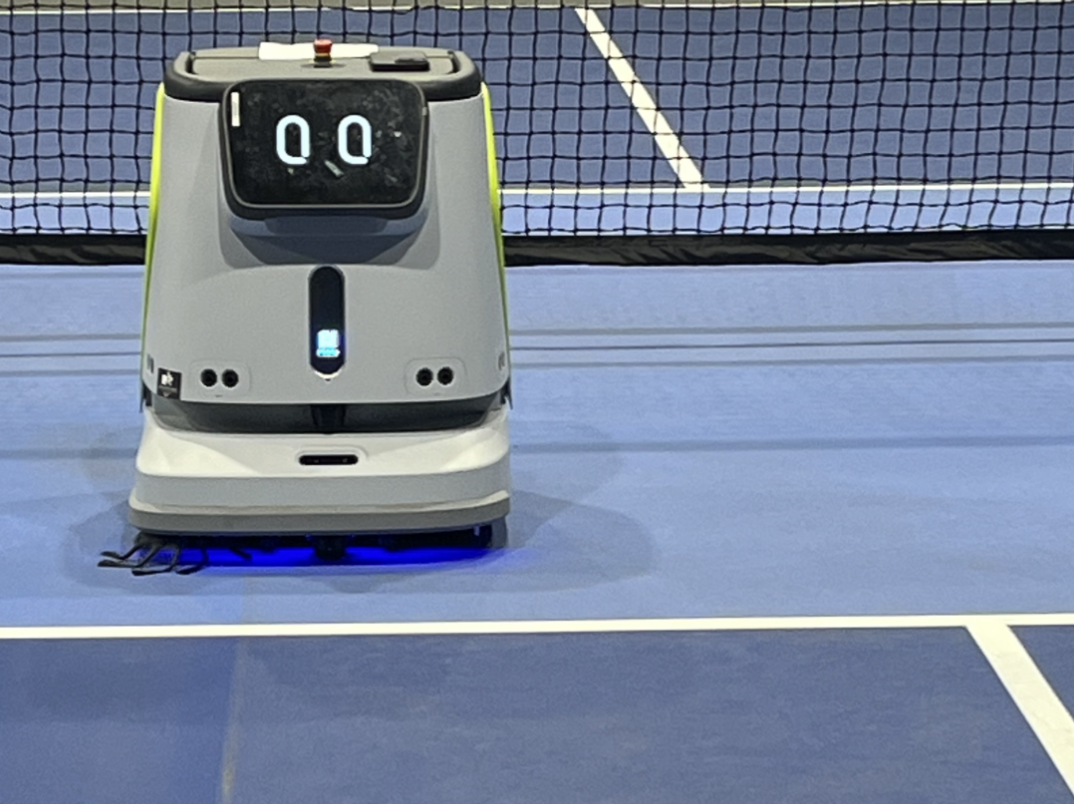
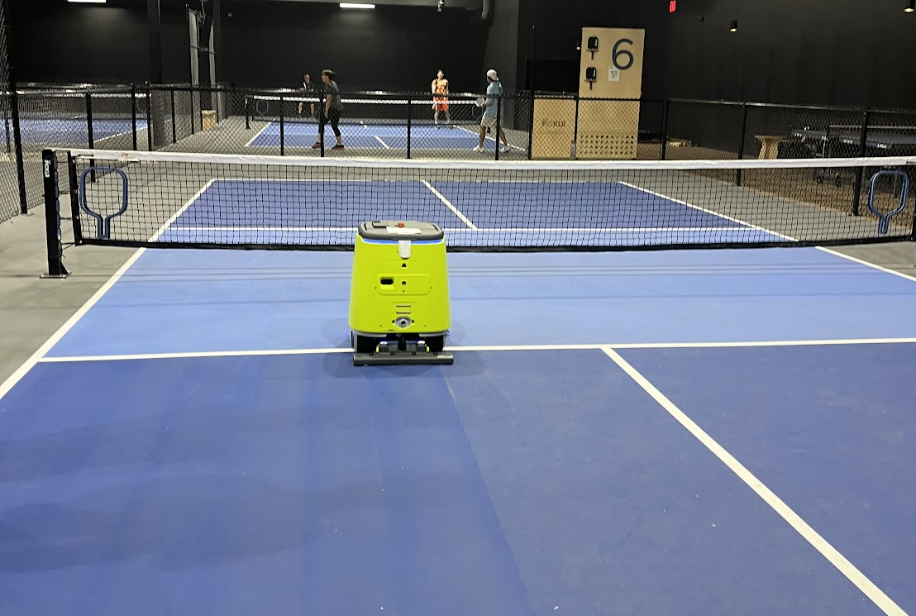
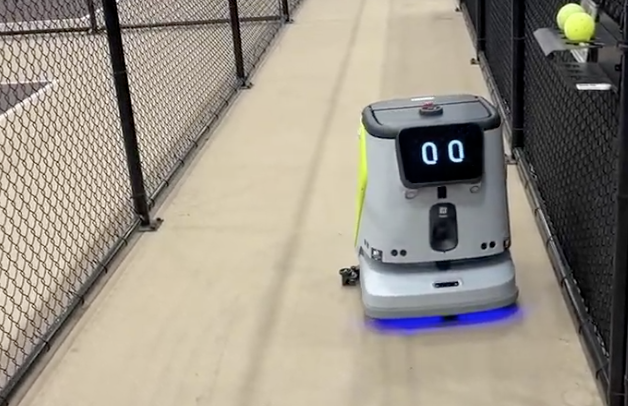
Autopilot’s CC1 Pro (“CeCe”) fits into a modern operations toolkit by helping keep cleaning consistent—especially the repetitive passes that remove grit before it becomes stain fuel—so your team can focus on spot stains and the member experience.
Want a printable “Court Stain Triage” card (what to do in 90 seconds) and a weekly hotspot schedule you can hand to staff?