Resurfacing Budgeting for Pickleball Clubs: The No-Surprises Maintenance System


Resurfacing Budgeting for Pickleball Clubs: The No-Surprises Maintenance System
Resurfacing shouldn’t be a surprise expense—it should be a calendar event
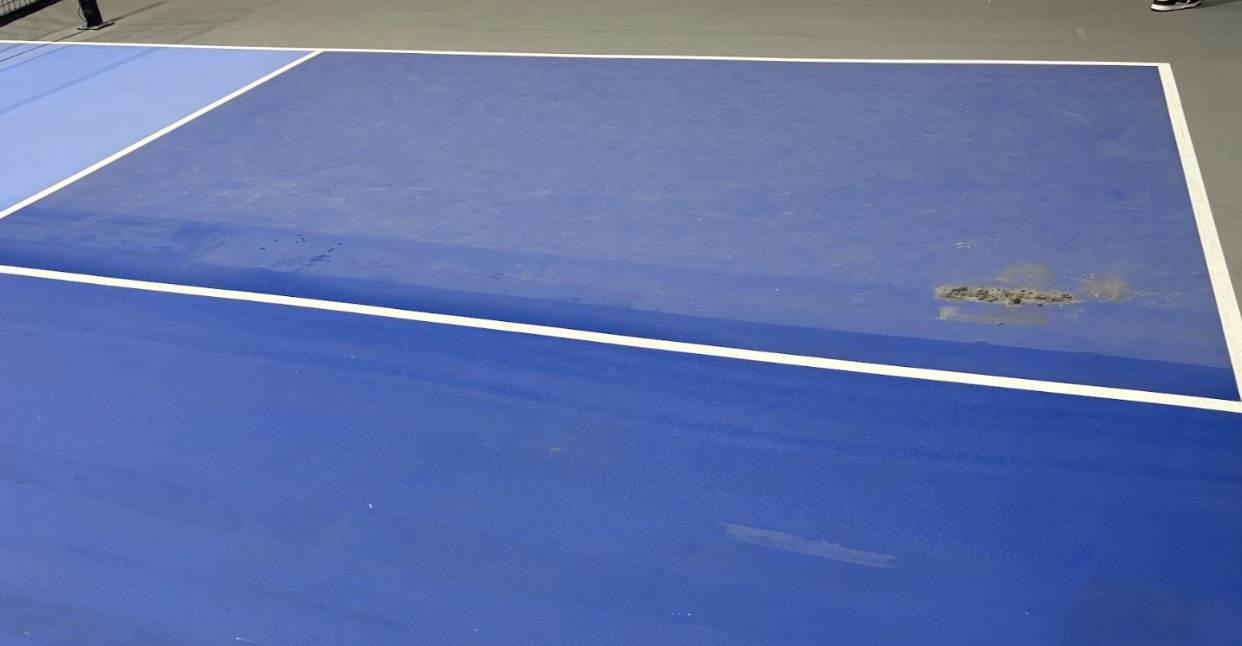
Most resurfacing “emergencies” aren’t sudden. They’re the result of months of small issues:
- gate grit wearing texture
- recurring puddles (low spots)
- stains and film buildup
- deferred cleaning that accelerates wear
Maintenance guidance from sport-surface manufacturers emphasizes that basic cleaning helps prevent premature wear and staining and extends the usable life between resurfacing cycles. So the budgeting system is simple:
Track wear early, review it quarterly, and plan on purpose.
What to track (so resurfacing becomes predictable)
You don’t need measurements. You need consistency.
The “4 hotspot” tracking model
- Gate zones (tracked grit abrasion)
- Baselines / movement lanes (high-use texture wear)
- Corners (debris accumulation and damp shade risk)
- Low spots / standing water (keeps areas damp and problematic)
This aligns with practical maintenance logic: debris and organic buildup accelerate wear and staining.
The 90-second playbook (monthly photo log + severity rating)
90-second monthly log routine (per court)
- Take 4 photos: gate, baseline lane, two worst corners
- Rate each hotspot 1–3:
1 = minor
2 = recurring weekly issue
3 = traction concern or persistent problem
- Add one note: “cleaned now” vs “schedule work” vs “needs contractor”
This creates trend data with almost no overhead.
Your quarterly resurfacing review cadence
Put this on your ops calendar.
Quarterly review (30 minutes)
- Identify courts with most “2s” and “3s”
- Decide: increase cleaning frequency? fix drainage? schedule repair?
- Estimate timing: which courts are moving toward resurfacing sooner?
Your quarterly review should always ask:
- Are we cleaning consistently?
- Are we solving recurring problems or re-living them?
Common budgeting mistakes (and the fixes)
Mistake 1: Budgeting resurfacing only when it looks bad
- Fix: budget using a predictable review cadence + hotspot tracking.
Mistake 2: Treating cleaning as separate from resurfacing
- Fix: cleaning is resurfacing prevention—basic cleaning reduces premature wear and staining.
Mistake 3: Ignoring low spots
- Fix: recurring standing water should be logged and addressed; it accelerates downstream issues.
Mistake 4: No documentation for vendors/contractors
- Fix: photo logs make it easier to get accurate quotes and plan scope.
Quick Answers (For Busy Owners)
Q: What’s the simplest resurfacing planning tool?
A: A monthly 4-photo hotspot log + quarterly review.
Q: Does routine cleaning affect resurfacing timing?
A: Yes—maintenance guidance notes basic cleaning prevents premature wear/staining and extends life between resurfacing cycles..
Q: What areas wear fastest?
A: Gate zones, baseline lanes, corners, and low spots.
Q: How do we avoid surprise resurfacing costs?
A: Track hotspots and make resurfacing a planned calendar decision, not a reaction.
Q: How often should we review court condition?
A: Quarterly for trends; monthly for quick logging.
Q: What should we document for contractors?
A: Photos of hotspots + notes on recurring issues (water, stains, traction complaints).