Winter “Bounce Complaints” Explained — What Players Mean and What Court Owners Can Do

Winter “Bounce Complaints” Explained — What Players Mean and What Court Owners Can Do
Every pickleball owner has heard it:
- “The bounce is weird on that side.”
- “The ball is skipping near the baseline.”
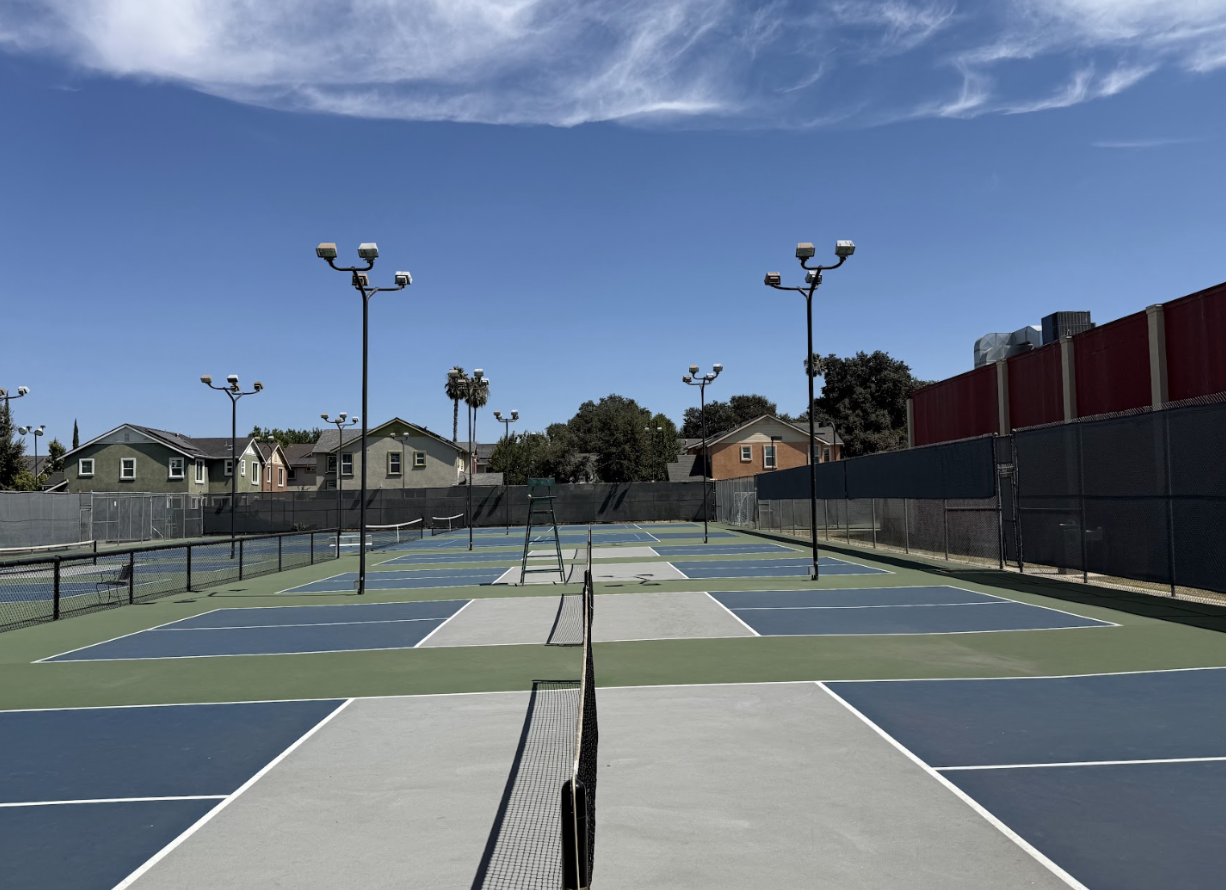
- “Court 3 feels different than the others.”
In winter, these complaints spike—not because players suddenly get picky, but because conditions change more quickly and unevenly.
The challenge is that “weird bounce” can mean multiple things. Some are surface cleanliness issues. Some are moisture patterns. Some are environmental. But most are diagnosable with a simple process.
What “weird bounce” usually means (the common causes)
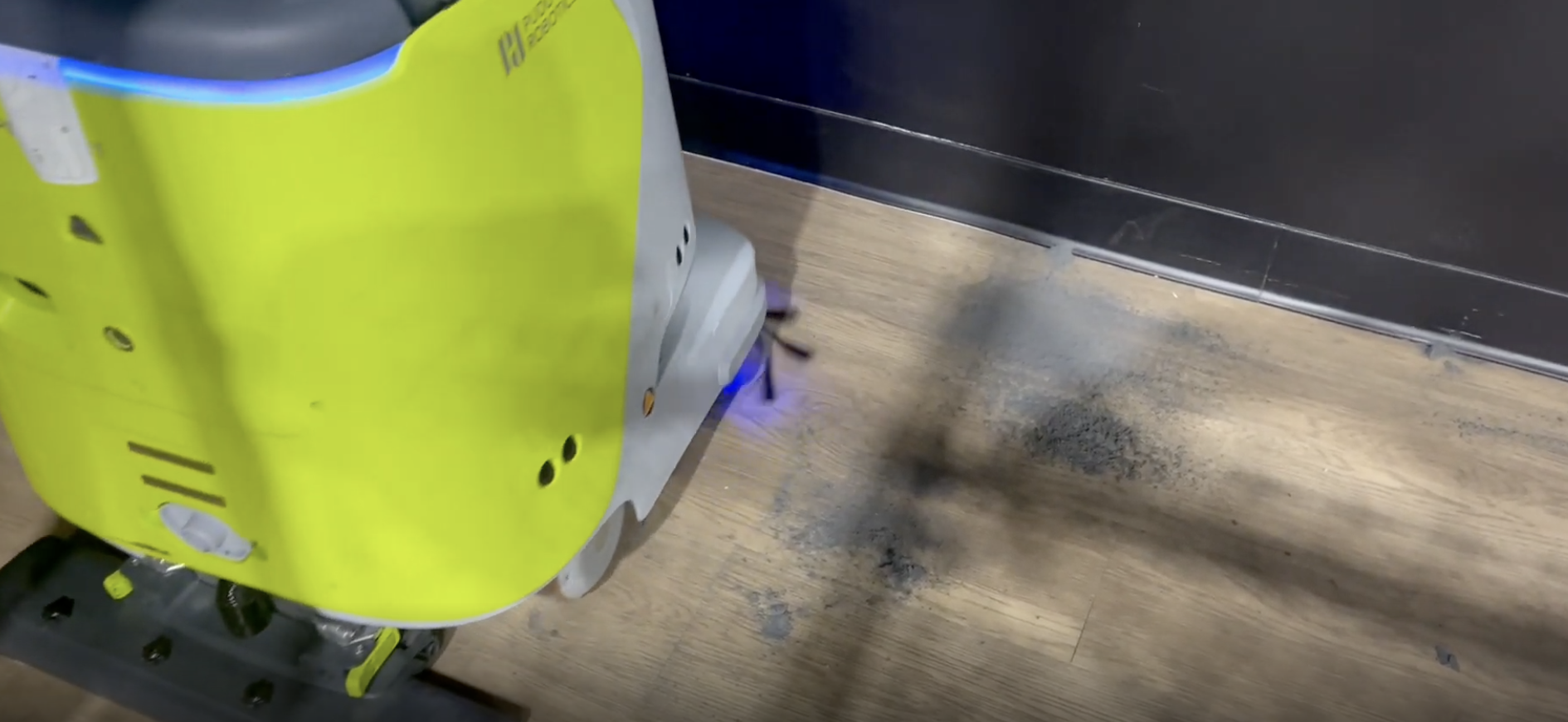
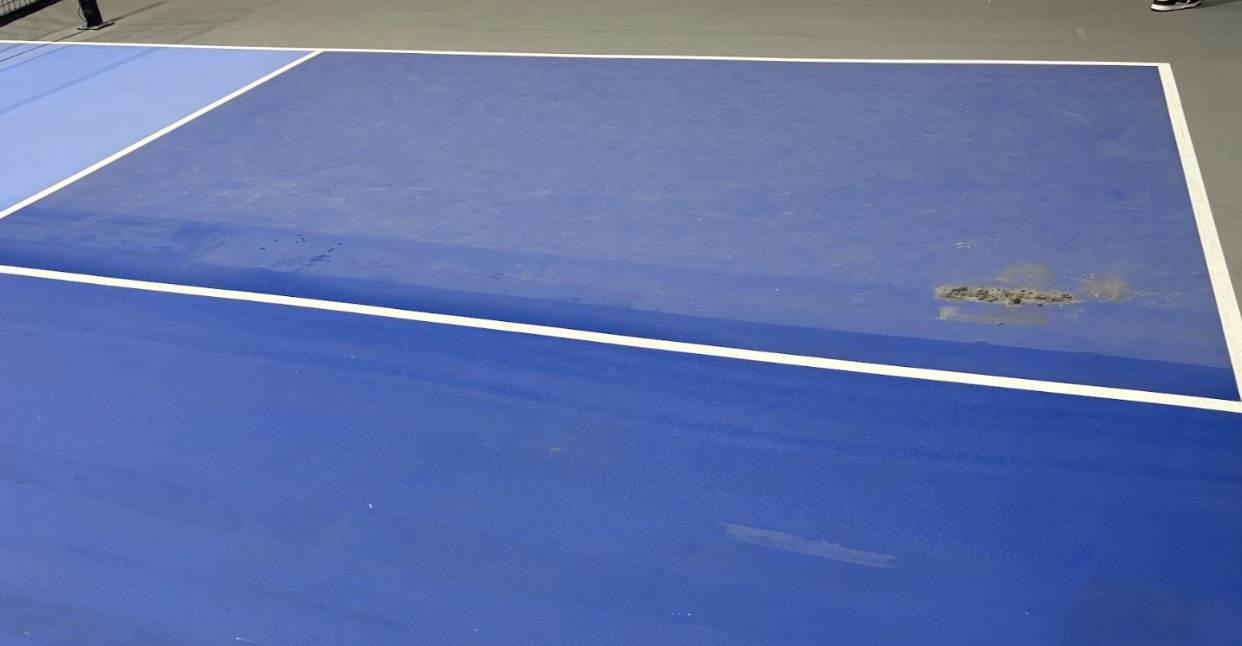
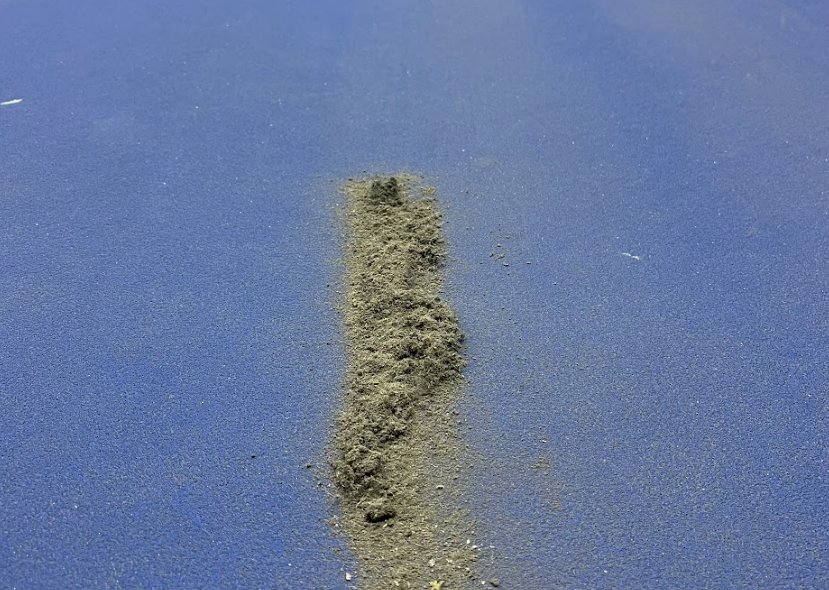
1) Fine debris creating micro-skips
Even tiny particles can affect bounce and roll—especially when they cluster in:
- baseline areas
- corners
- lanes where players repeatedly drag feet
If players say “it skips,” think: micro-debris, not big trash.
2) Moisture in shaded or low-airflow zones
In winter, some patches stay damp longer:
- corners with less sun
- areas near fences
- spots near entrances where melt-off occurs
Moisture changes friction, which changes how the ball behaves on impact.
3) Uneven traffic patterns
During winter peak windows, some courts get heavier use and degrade faster in the short term:
- more foot drag
- more debris ground into lanes
- more tracking at certain gates
That makes courts feel “different” even if they’re the same surface.
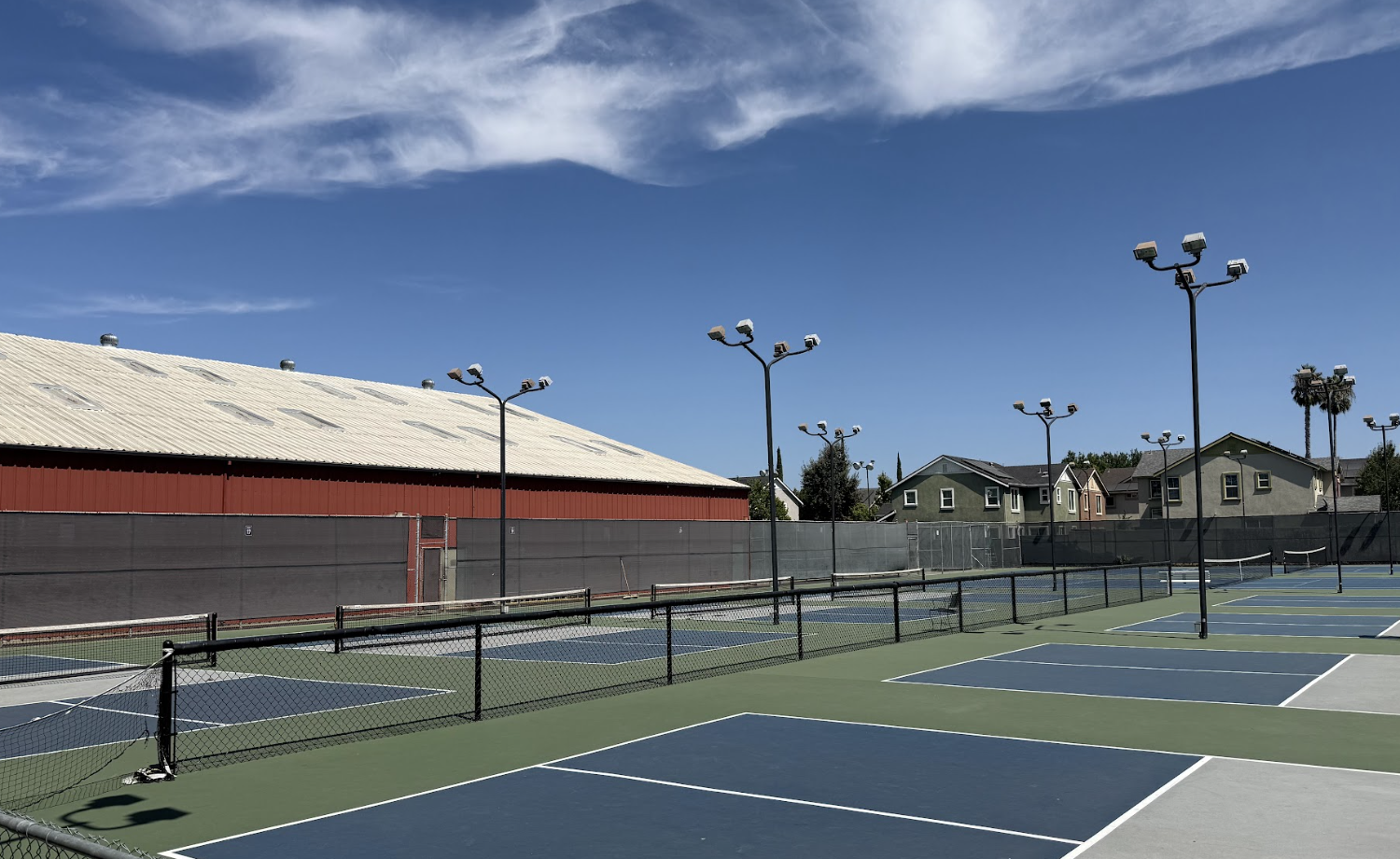
4) Wind and temperature effects (especially outdoors)
Wind can push debris into predictable areas, and colder temperatures can make play feel different in general. Players often attribute that feeling to the court.
A quick diagnostic process (5–8 minutes)
When someone reports “weird bounce,” don’t guess—run this quick check:
1. Ask: where exactly?
“Which court, which side, what area?”
Most complaints are localized to a gate area, corner, or baseline zone.
2. Do a fast visual + foot traction check
Walk that zone:
- do you see fine debris?
- does it feel slick underfoot?
- is it visibly damp?
3. Drop-test 3 balls in the exact area
Same height, same spot.
If behavior changes between spots, you’ve confirmed it’s localized.
3. Fix in the smallest effective way
- clear debris from the zone
- address dampness if possible
- reset entrances/hotspots to prevent recurrence
This turns “mystery complaint” into a repeatable ops response.
Preventing bounce complaints (the operator approach)
Standardize your hotspot routine
Most “bounce weirdness” comes from predictable zones. Build a routine around:
- entrances
- corners
- baseline-to-kitchen lanes
Increase frequency, reduce intensity
Winter success is about small, frequent resets—especially pre-peak.
Reduce court-to-court variation
If Court 3 is always the problem, it may be:
- closer to the main entrance
- downwind
- more heavily trafficked
- a common damp/shade zone
Once you identify why, you can target it.
Where robots fit
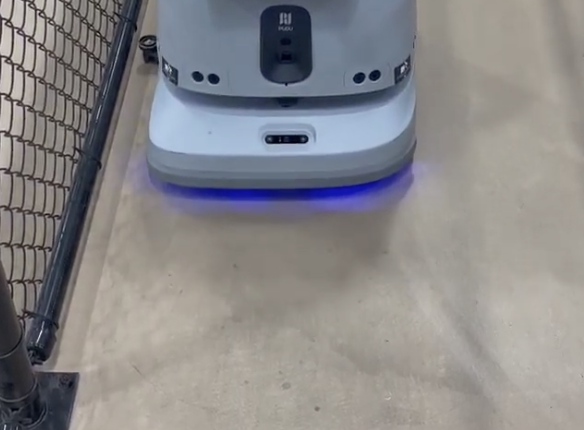
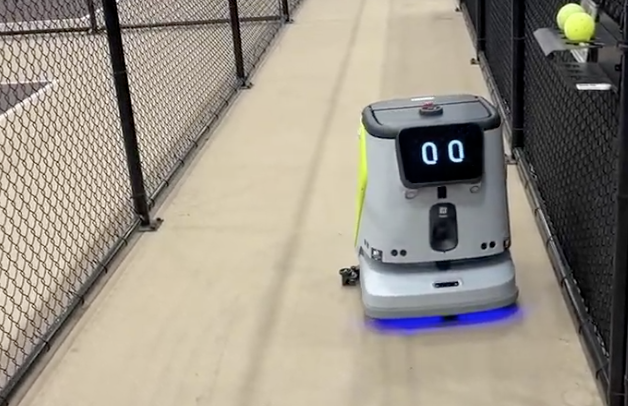
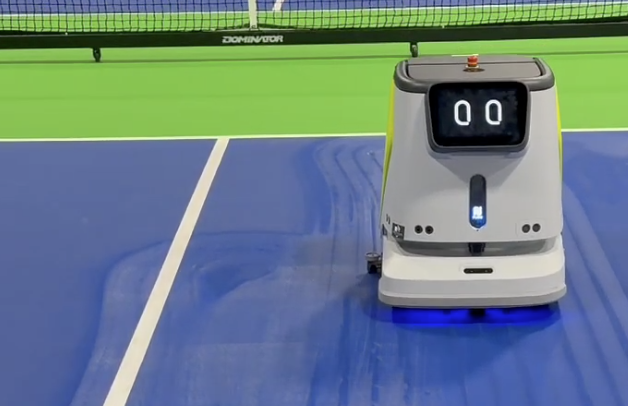
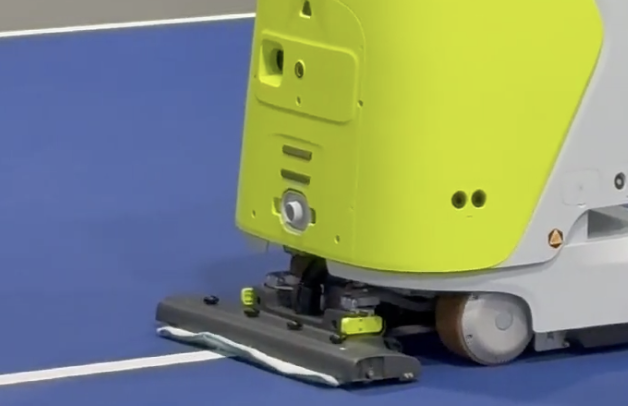
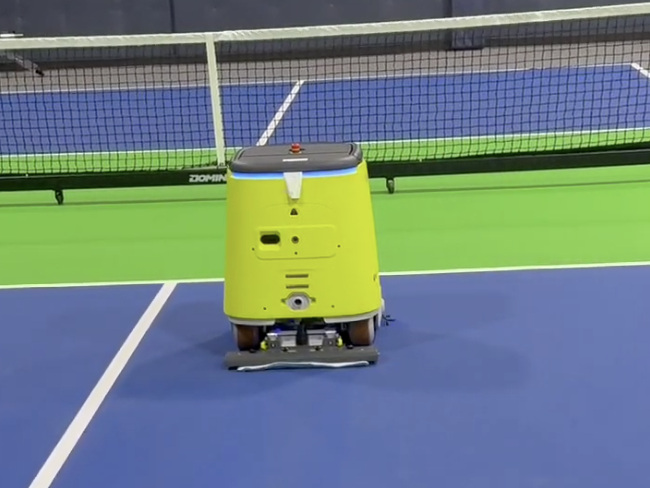
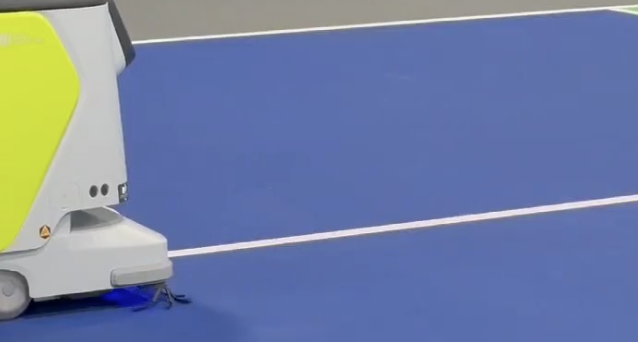
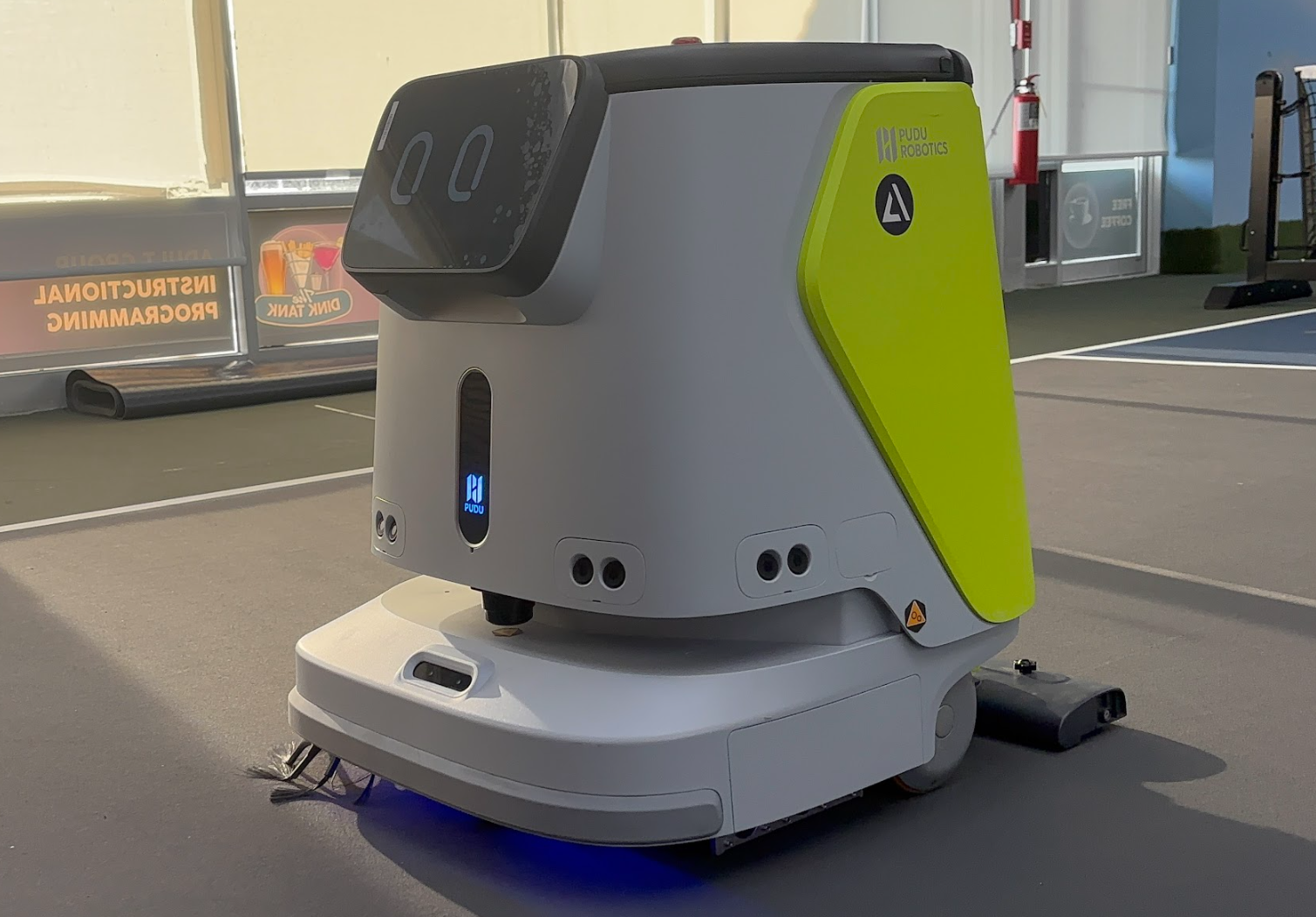
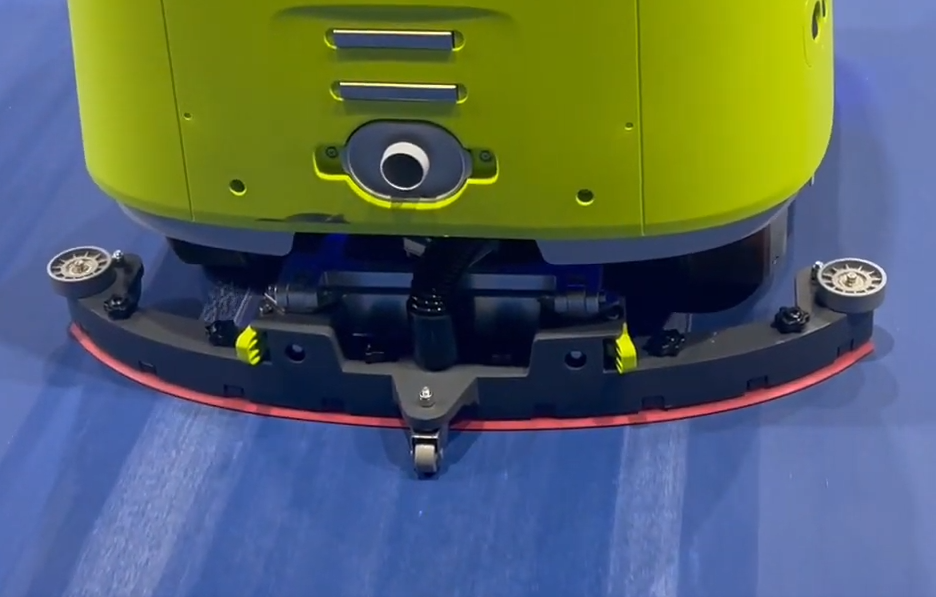
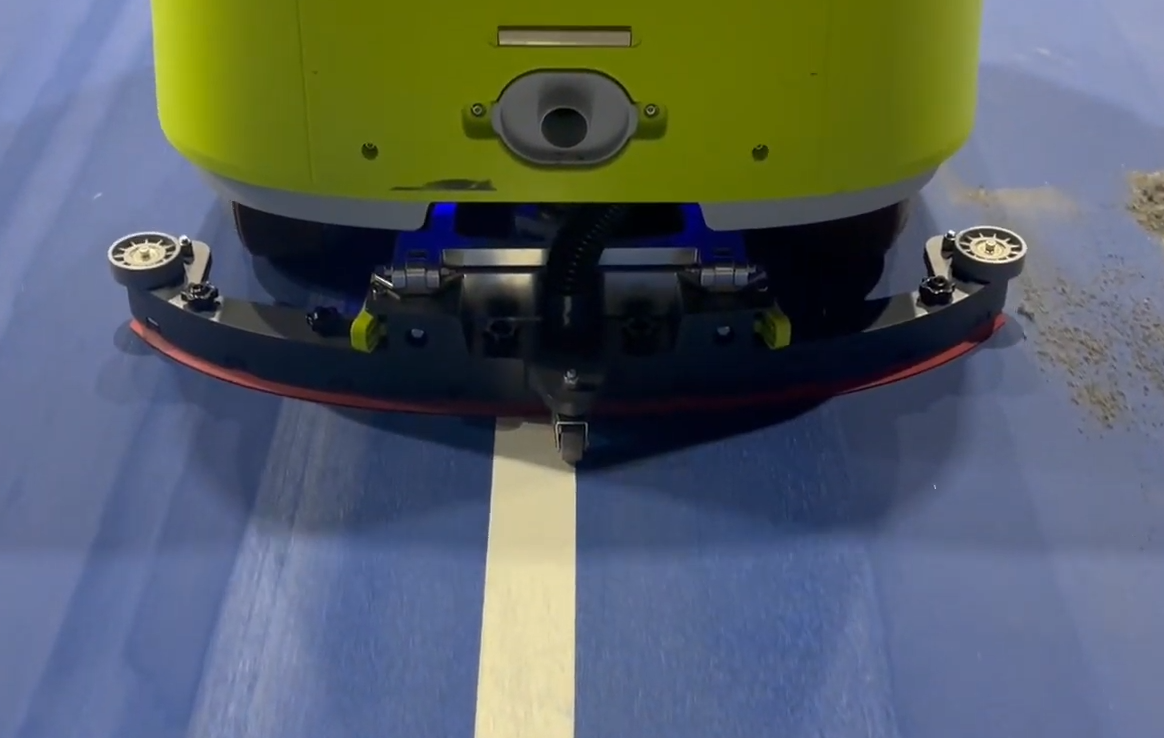
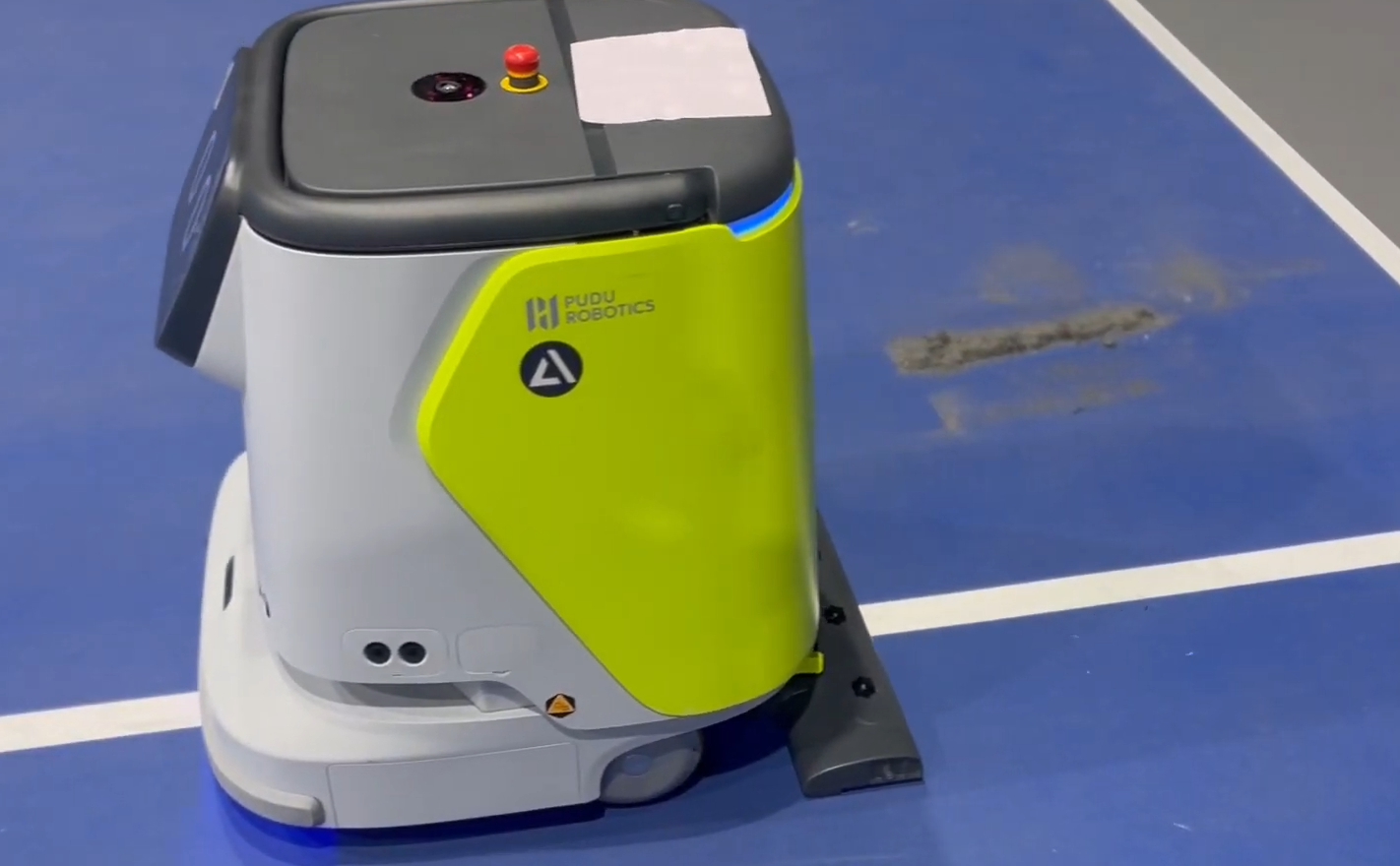
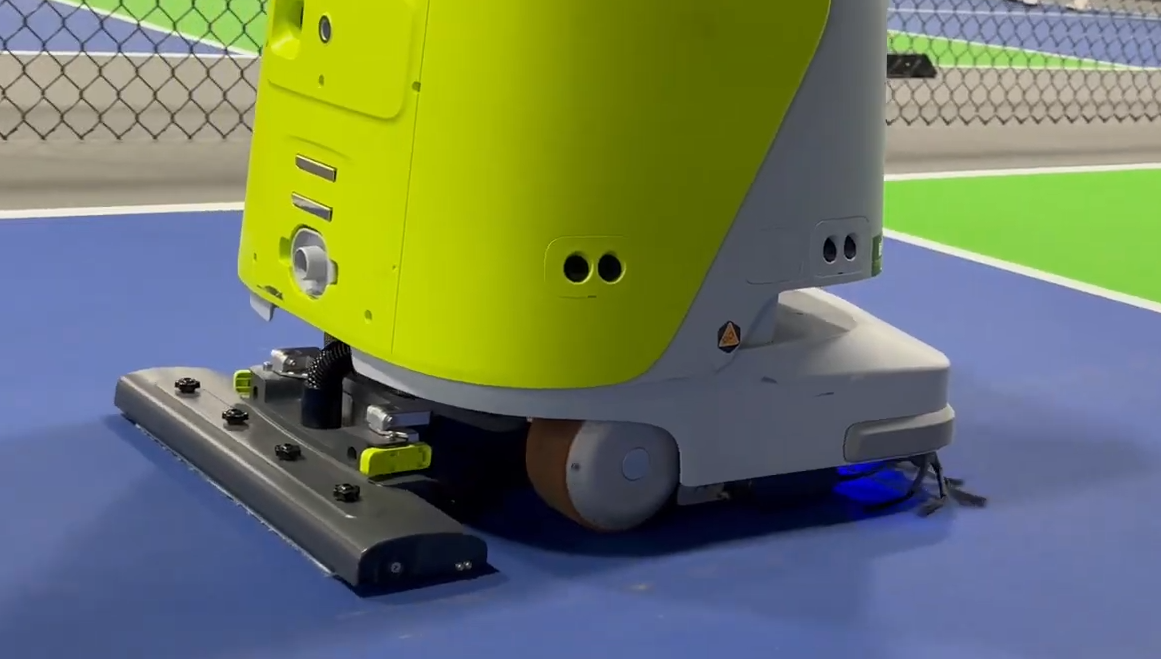
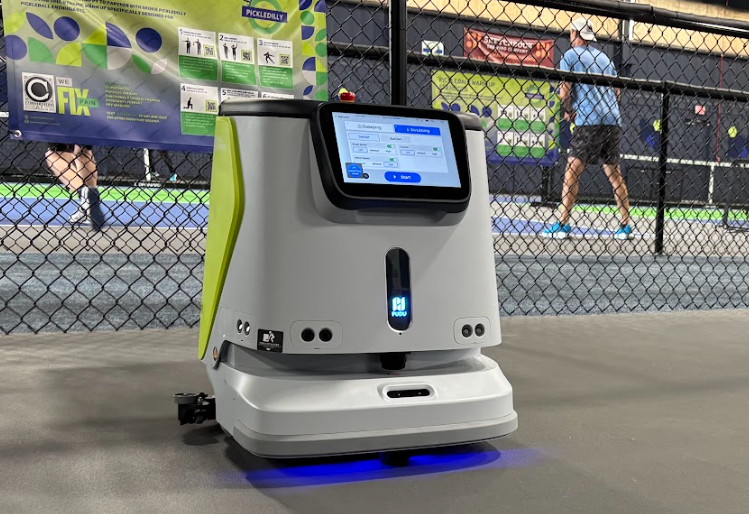
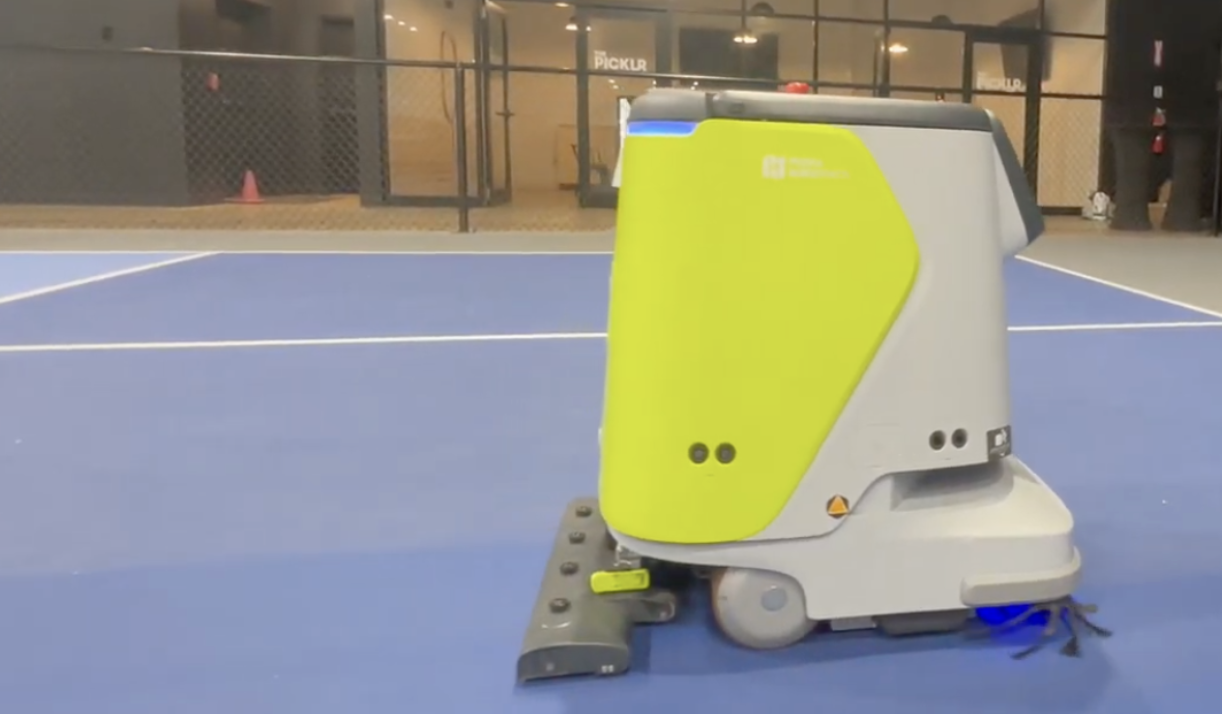
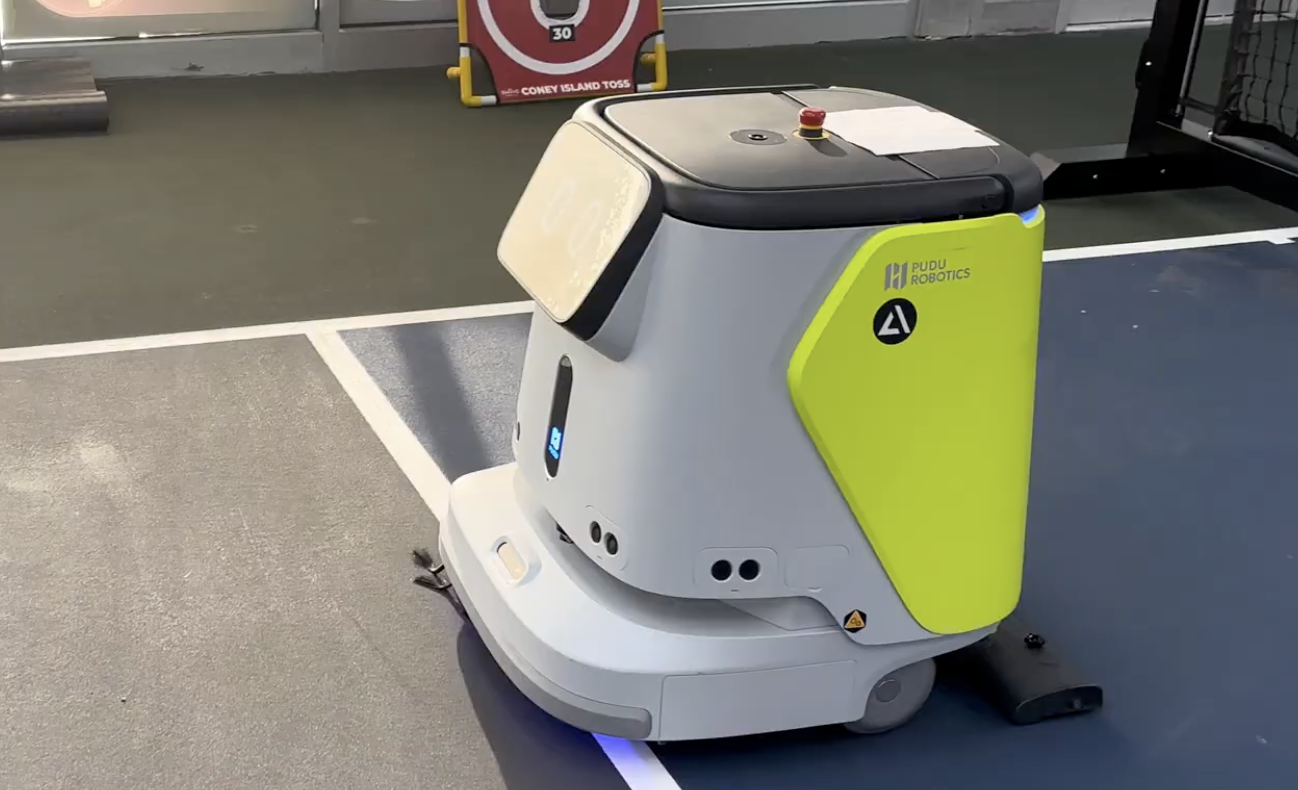
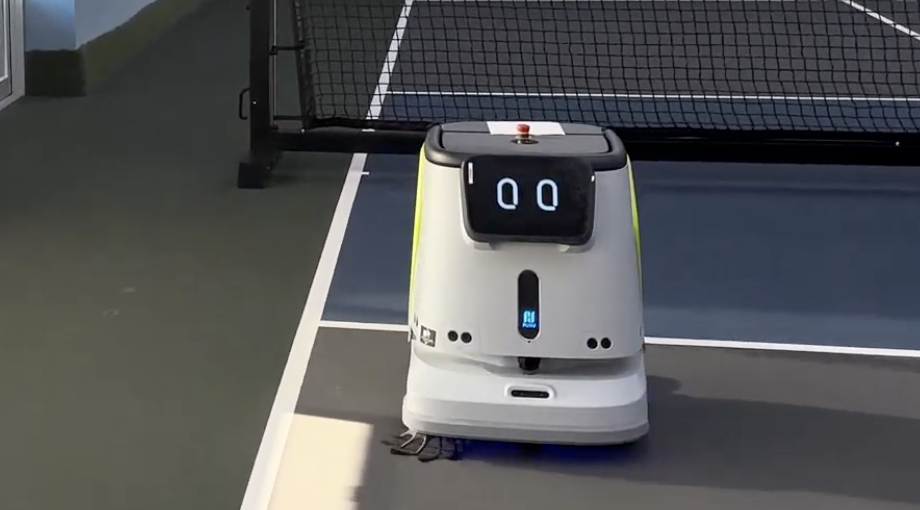
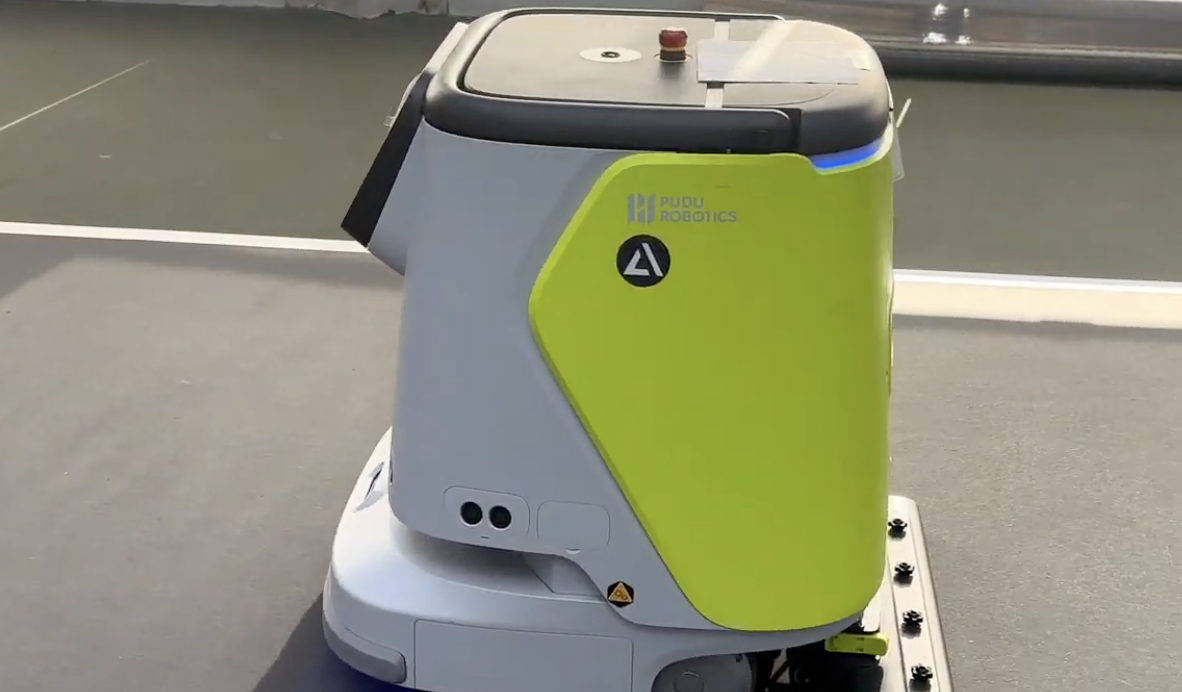
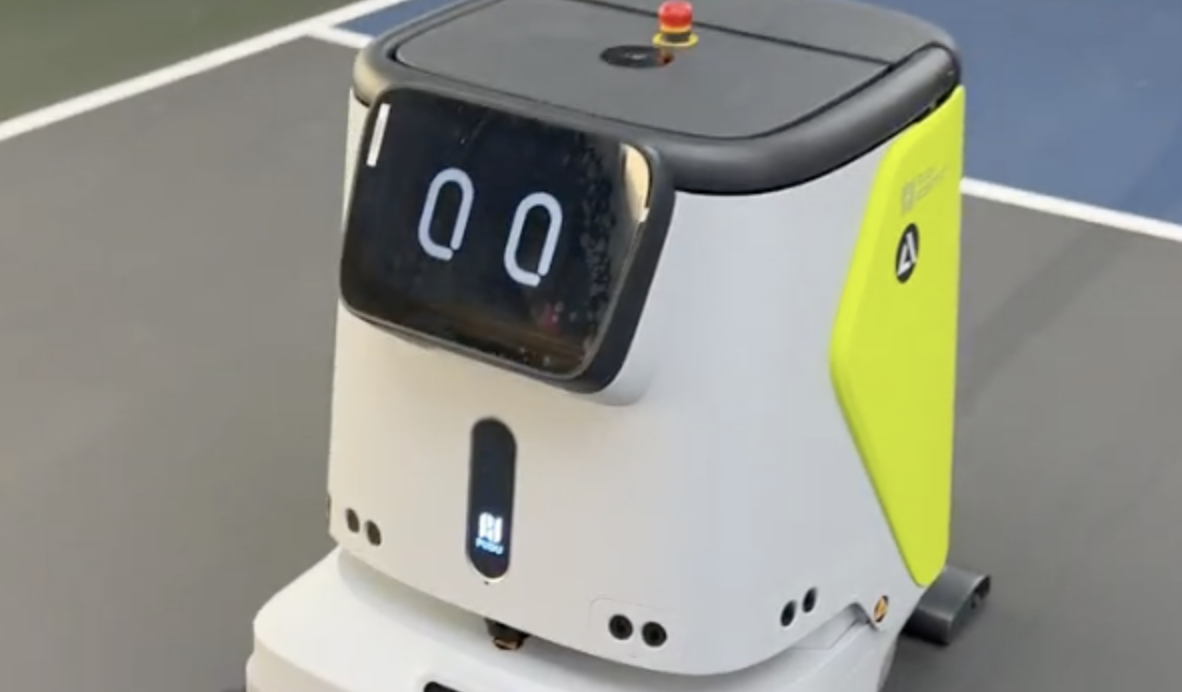
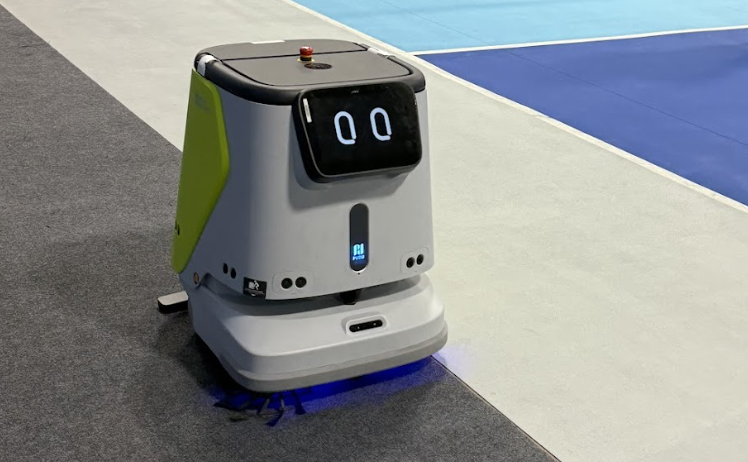
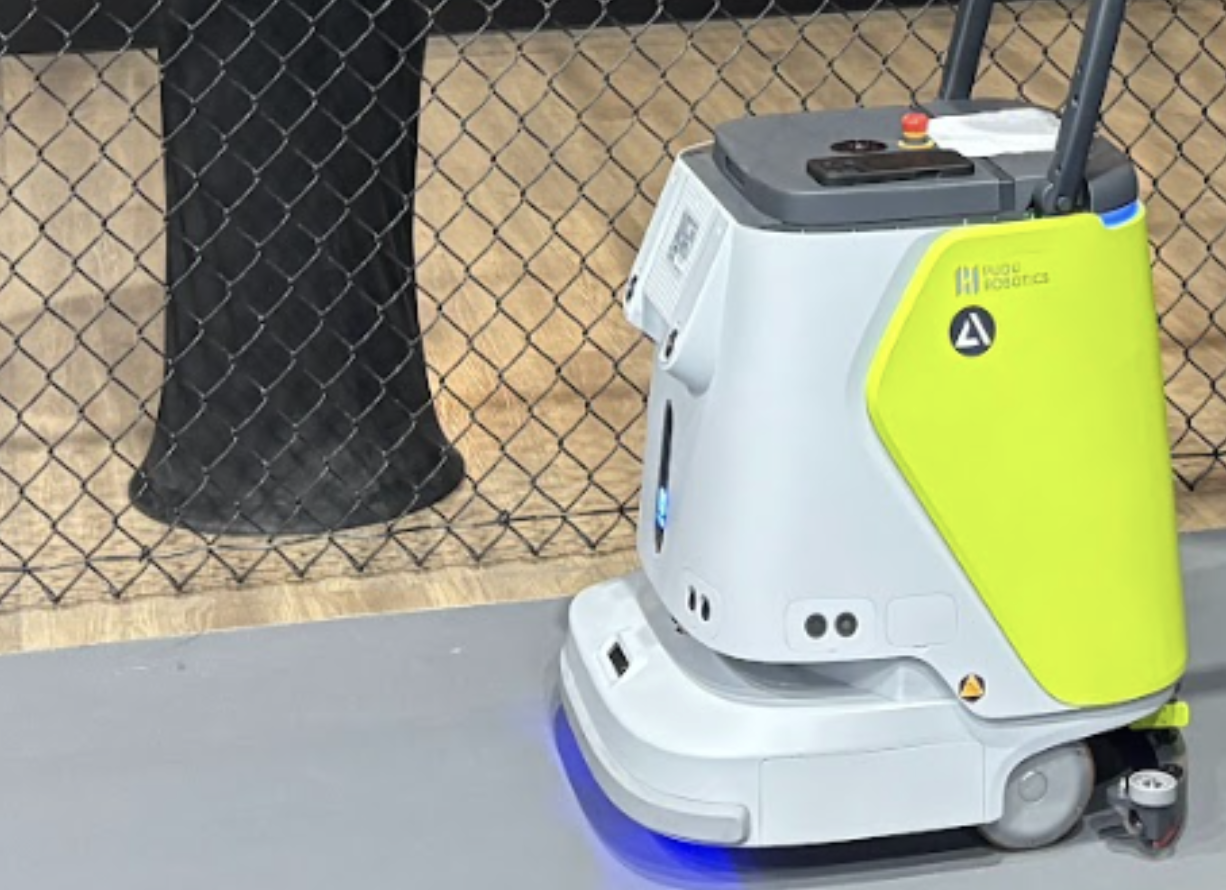
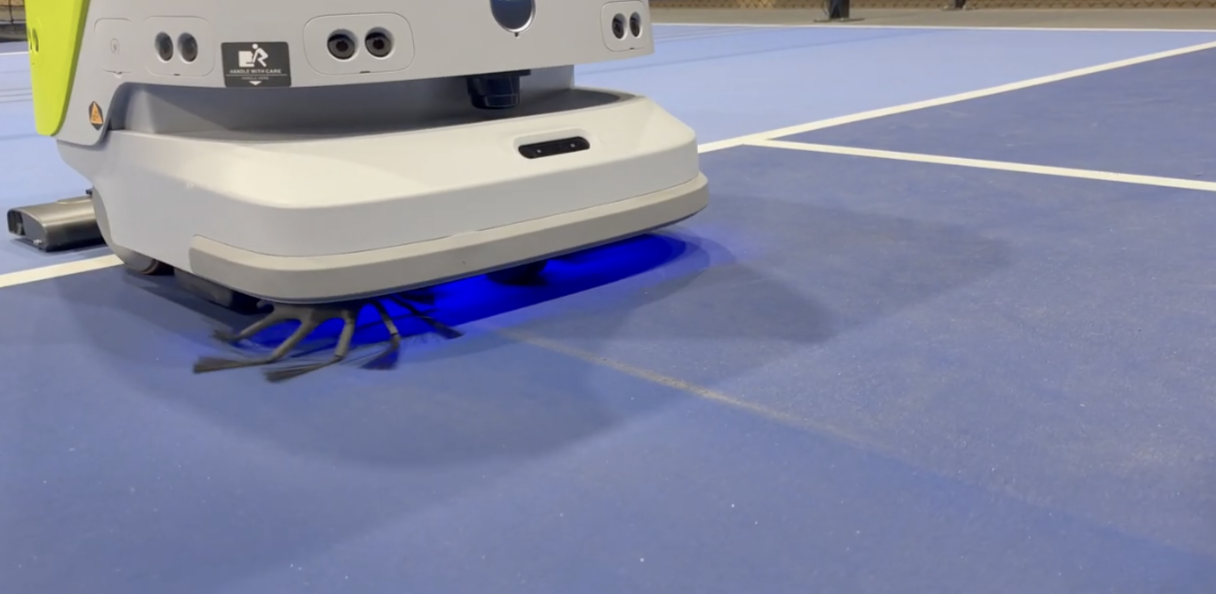
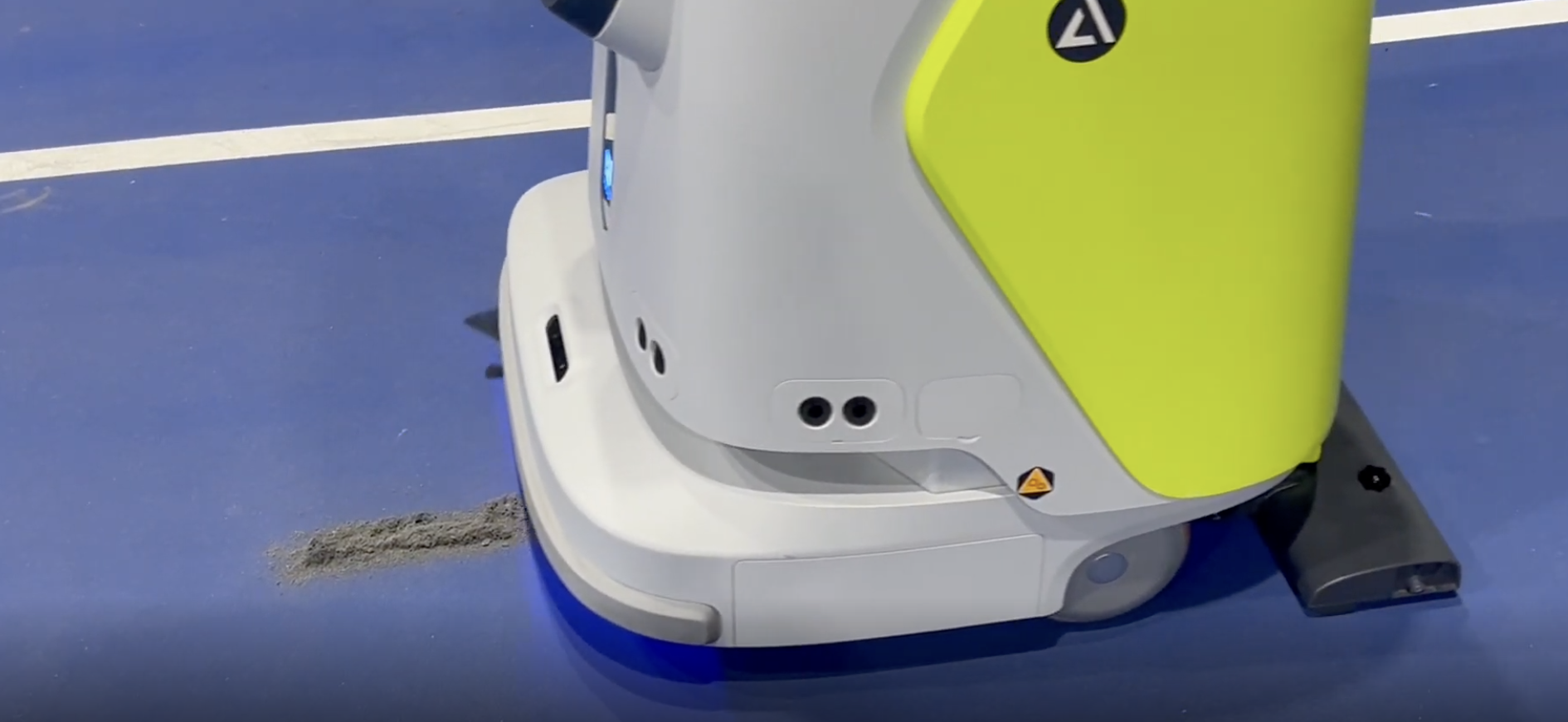
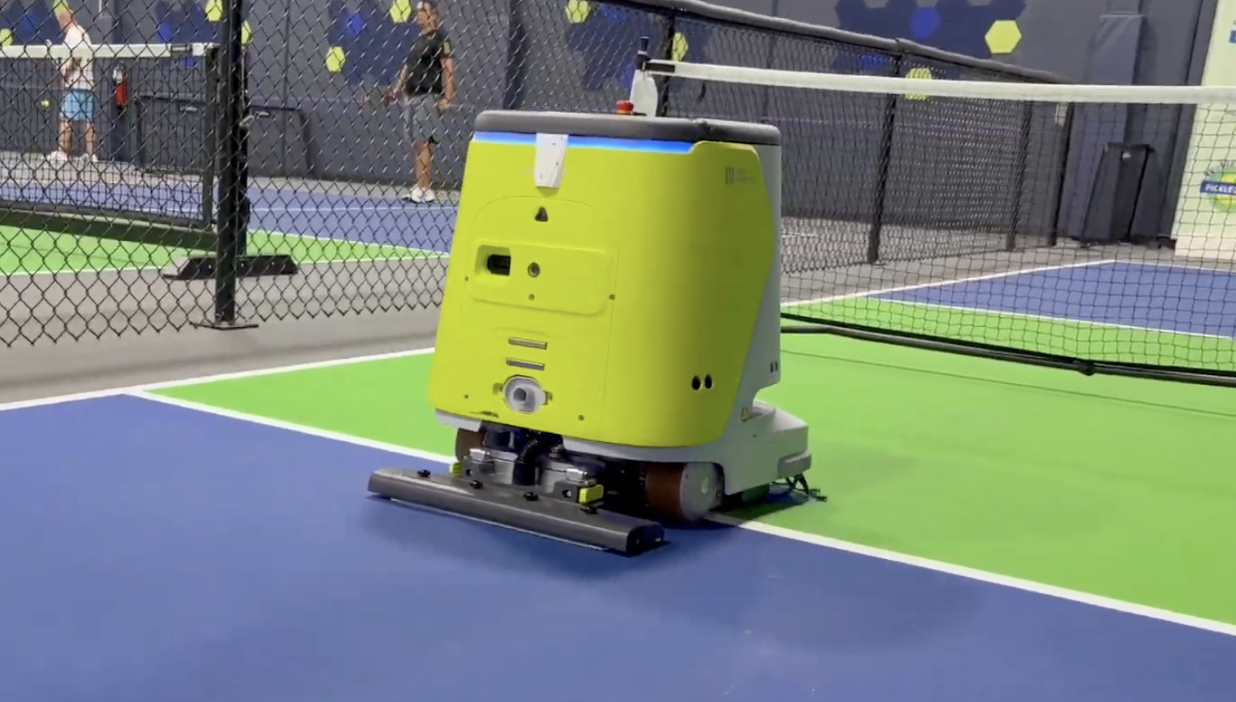
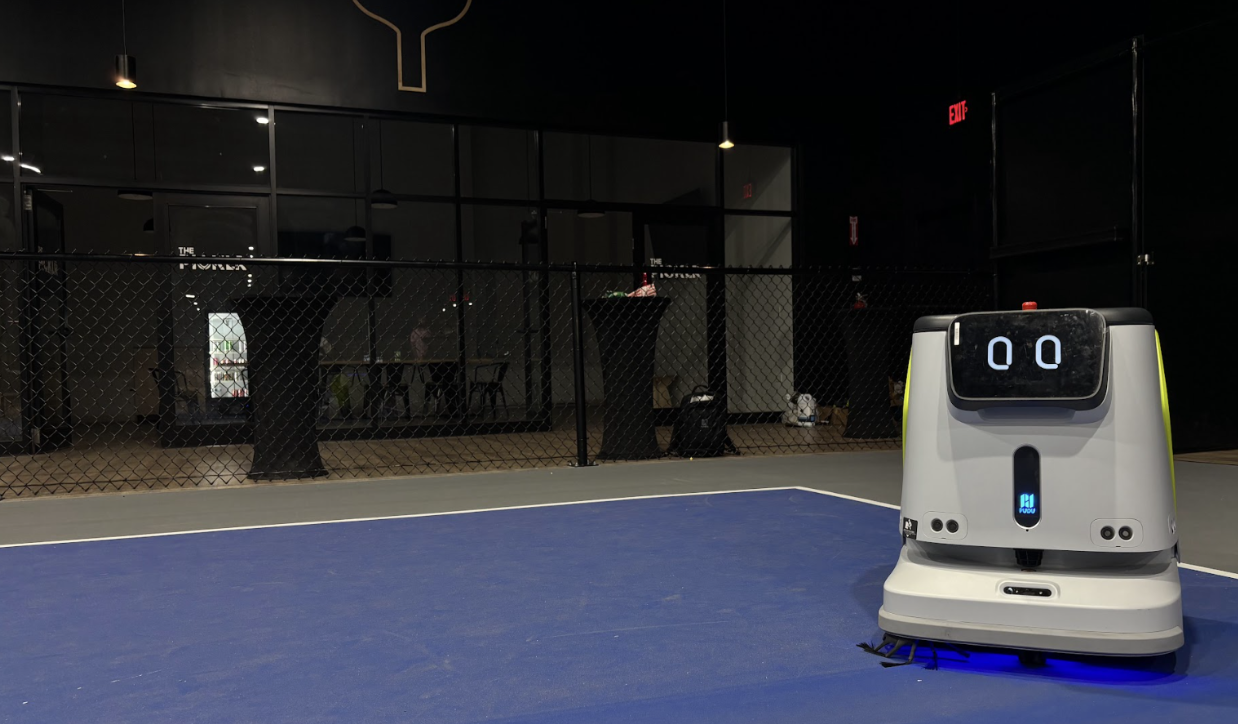
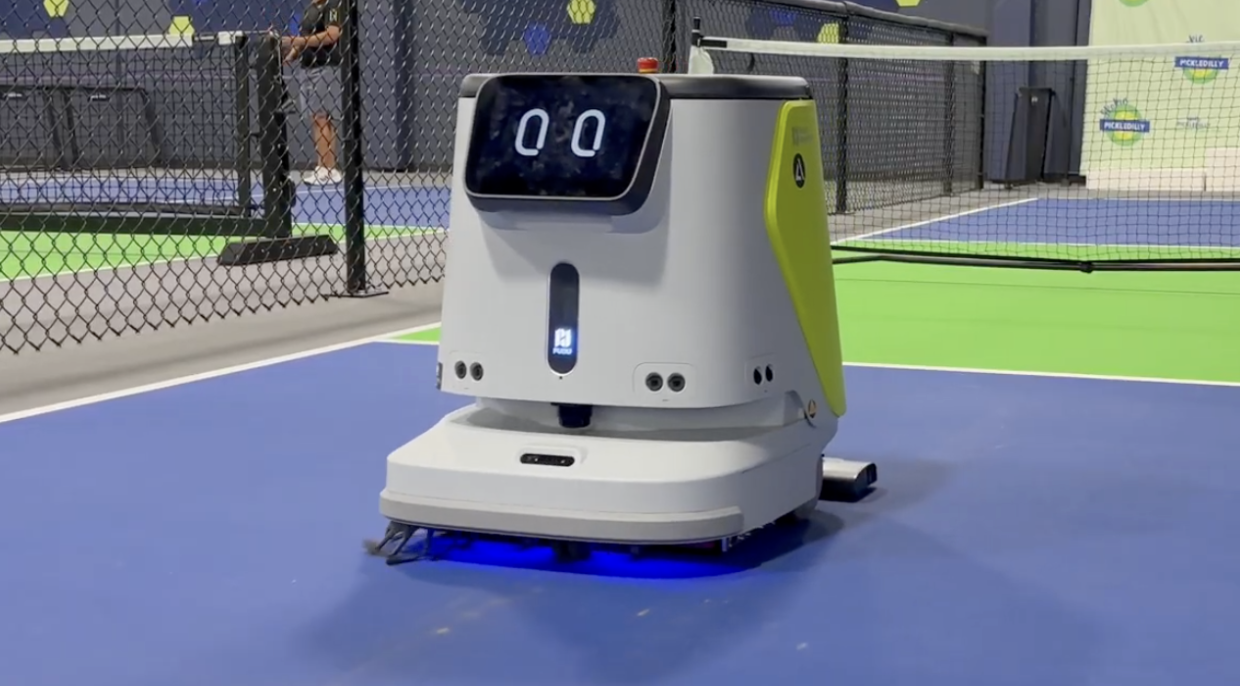
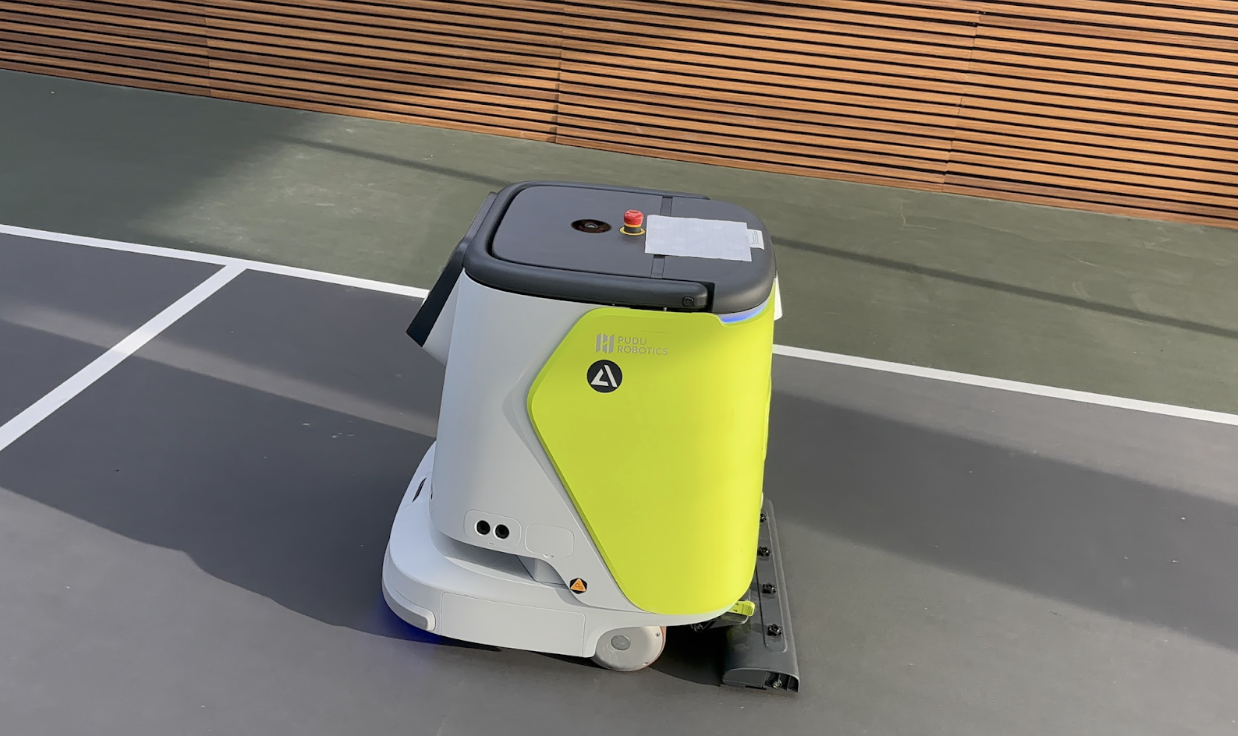
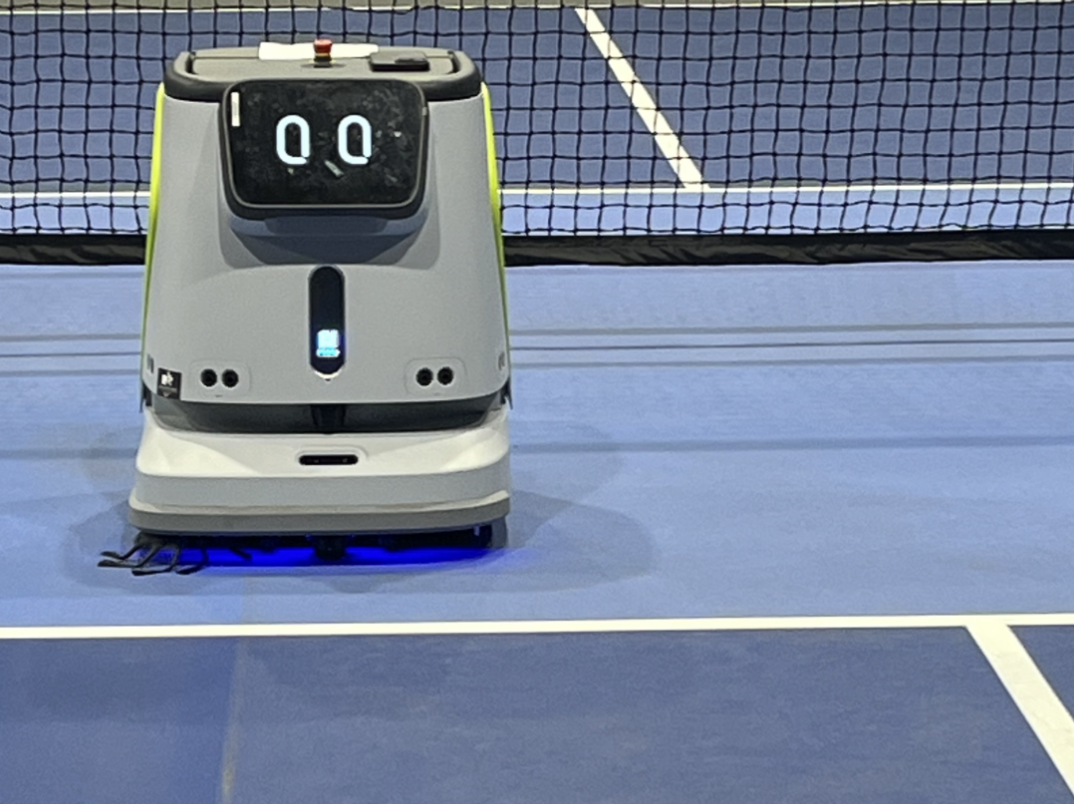
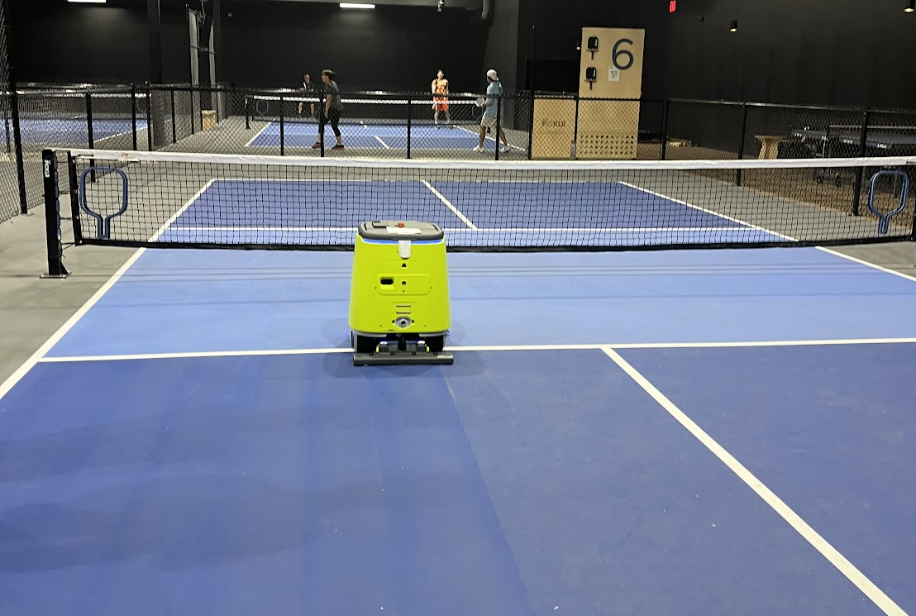
Robotic cleaning helps by reducing the conditions that create “weird bounce” in the first place:
- consistent removal of fine debris
- repeatable passes at scheduled times
- more uniform coverage across multiple courts
The biggest win is reducing variability: fewer “this court feels different” conversations.
If winter bounce and traction complaints are recurring, Autopilot can share how facilities deploy robotic cleaning routines that target hotspots and reduce court-to-court inconsistency. Reach out for a winter readiness walkthrough.