Winter Court Ops Made Simple — The “Standard of Care” That Scales (Even When You’re Short-Staffed)

Winter Court Ops Made Simple — The “Standard of Care” That Scales (Even When You’re Short-Staffed)
Winter is the season where court owners get forced into clarity. In peak months, you can sometimes “make it work” with effort and hustle. In winter, that same approach turns into inconsistency: one busy league night and suddenly you’re dealing with traction complaints, weird-bounce comments, or a court that just feels neglected.
What separates the facilities that stay smooth in winter from the ones that feel chaotic isn’t budget or luck. It’s having a standard of care—a repeatable, measurable definition of what “game-ready” means—and a workflow that delivers it even when you’re short-staffed.
The winter reality: “clean enough” isn’t a stable target
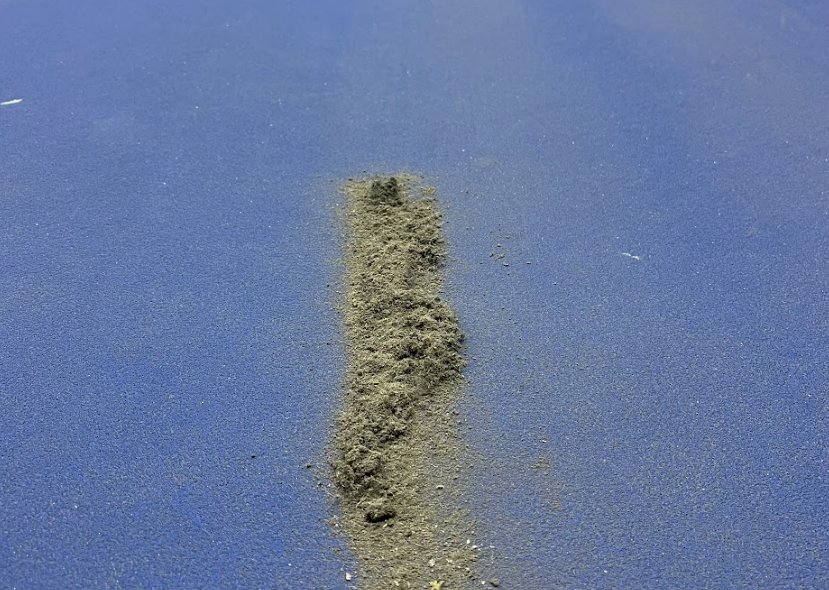
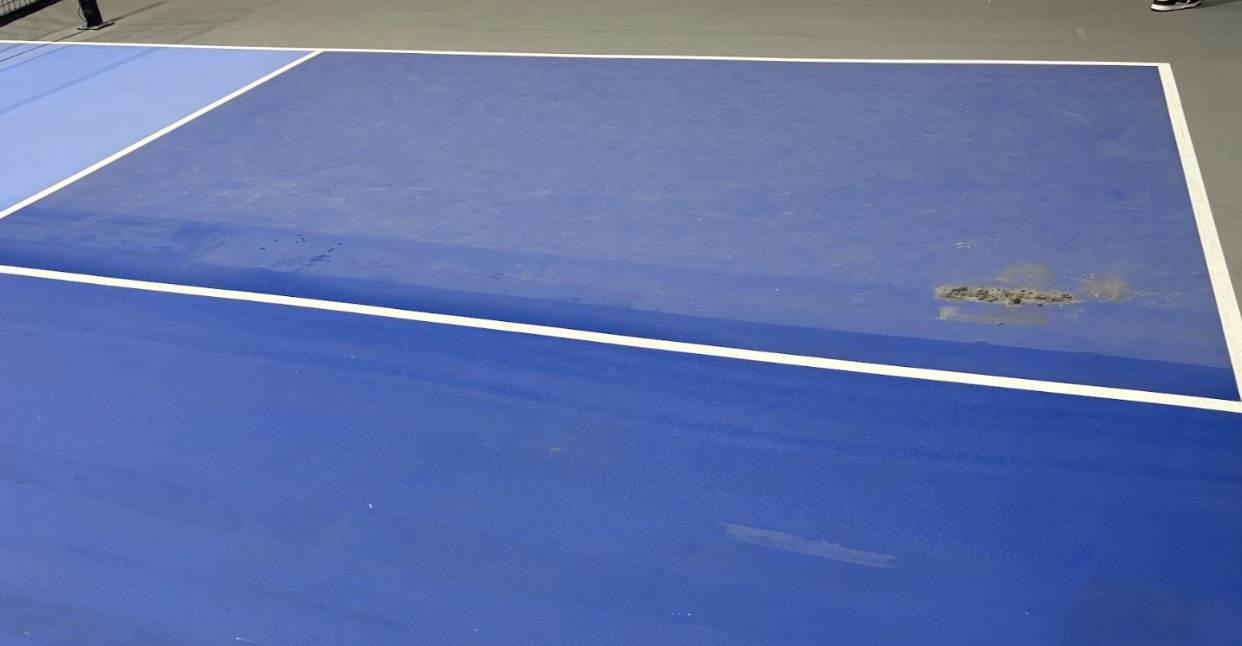
In winter, conditions shift too quickly for vague standards. A court can go from fine → not fine in a single peak block because:
- grit is tracked in faster
- moisture hangs around longer
- wind redistributes debris unevenly
- traffic is compressed into fewer hours
So when the standard is “clean when we can,” the player experience becomes unpredictable. And in pickleball, unpredictability turns into complaints—especially from leagues and regulars.
The fix is not “more cleaning.” It’s a standard you can consistently hit.
Step 1: Define your winter “Standard of Care” in one sentence
Keep it short enough that everyone remembers it.
Here are two examples that work well:
Option A (simple):
“Hotspots clear, play lanes clear, and no slick/damp zones at entrances or corners.”
Option B (slightly more specific):
“Entrances, corners, and baseline-to-kitchen lanes are debris-free, with consistent traction across the court.”
Pick one and stick to it. Post it in your ops area. Make it your reference point for winter.
Step 2: Build a 3-level response system (so you’re not over-cleaning)
One reason winter routines fail is they treat every day like a crisis. Instead, use a tiered system:
Level 1: Routine Reset (most days)
Goal: maintain the baseline.
- gates/entrances
- corners
- play lanes
Time: 5–12 minutes between blocks.
Level 2: Condition Alert (when complaints or weather hit)
Triggered by:
- “slippery” feedback
- “bounce weirdness” reports
- windy day or heavy tracked-in debris
Action:
- repeat Level 1
- plus a wider perimeter pass
- plus targeted attention to the exact complaint zone
Level 3: Event Standard (leagues/tournaments)
Goal: minimize disruptions during high-stakes play windows.
- pre-peak reset before first match
- short between-round reset
- close reset to protect next day
This system prevents burnout because you’re not treating every day like Level 3.
Step 3: Standardize the touchpoints (the winter anchors)
Facilities that run smoothly in winter attach court care to anchors that already exist:
- Open Reset: sets the baseline
- Pre-Peak Reset: prevents collapse during busy hours
- Close Reset: protects tomorrow
If you only do one: do pre-peak. It stops the majority of winter problems before they happen.
Step 4: Measure one thing (so you can improve without guessing)
You don’t need a dashboard. Just track one weekly metric:
Choose one:
- number of court-condition complaints
- minutes spent on reactive cleanups
- league satisfaction pulse (1–5)
- number of “court switch” incidents due to conditions
When you measure one thing, your decisions stop being emotional and start being operational.
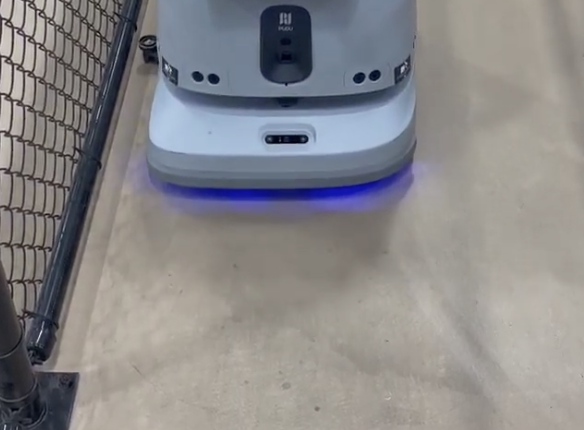
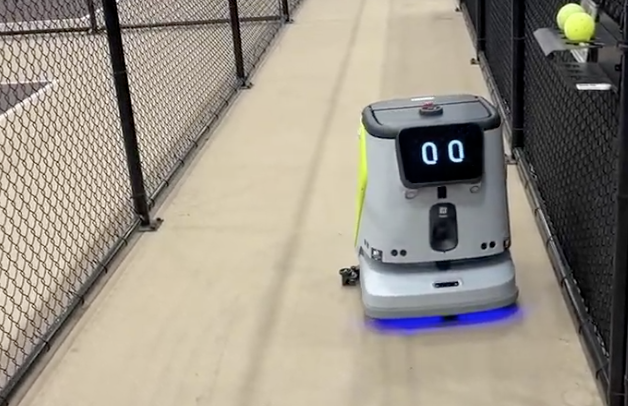
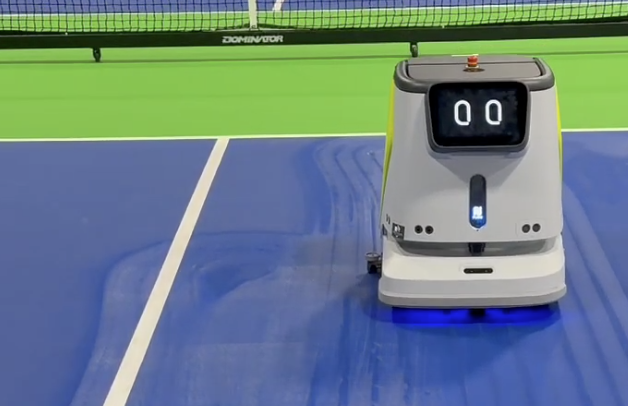
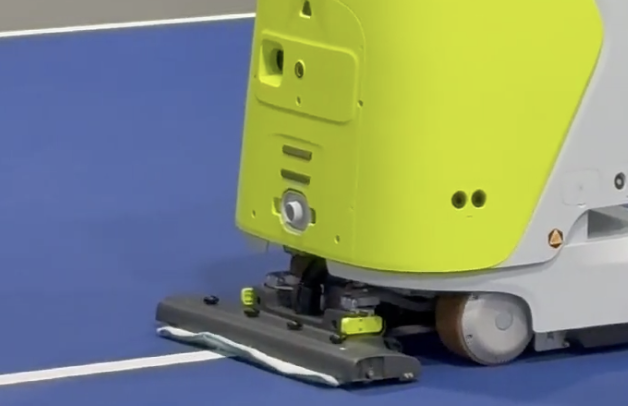
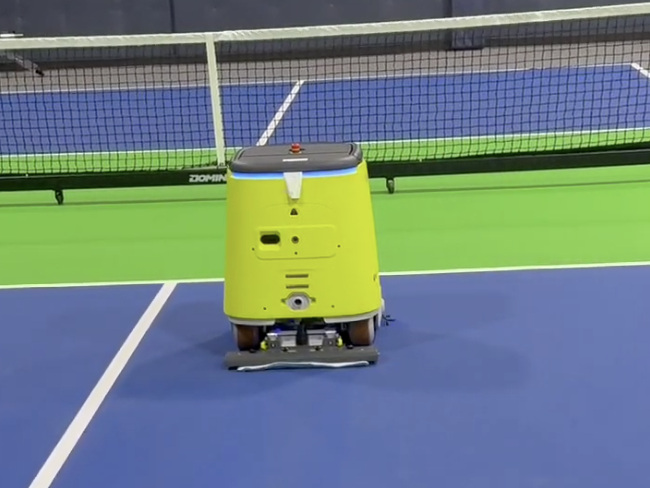
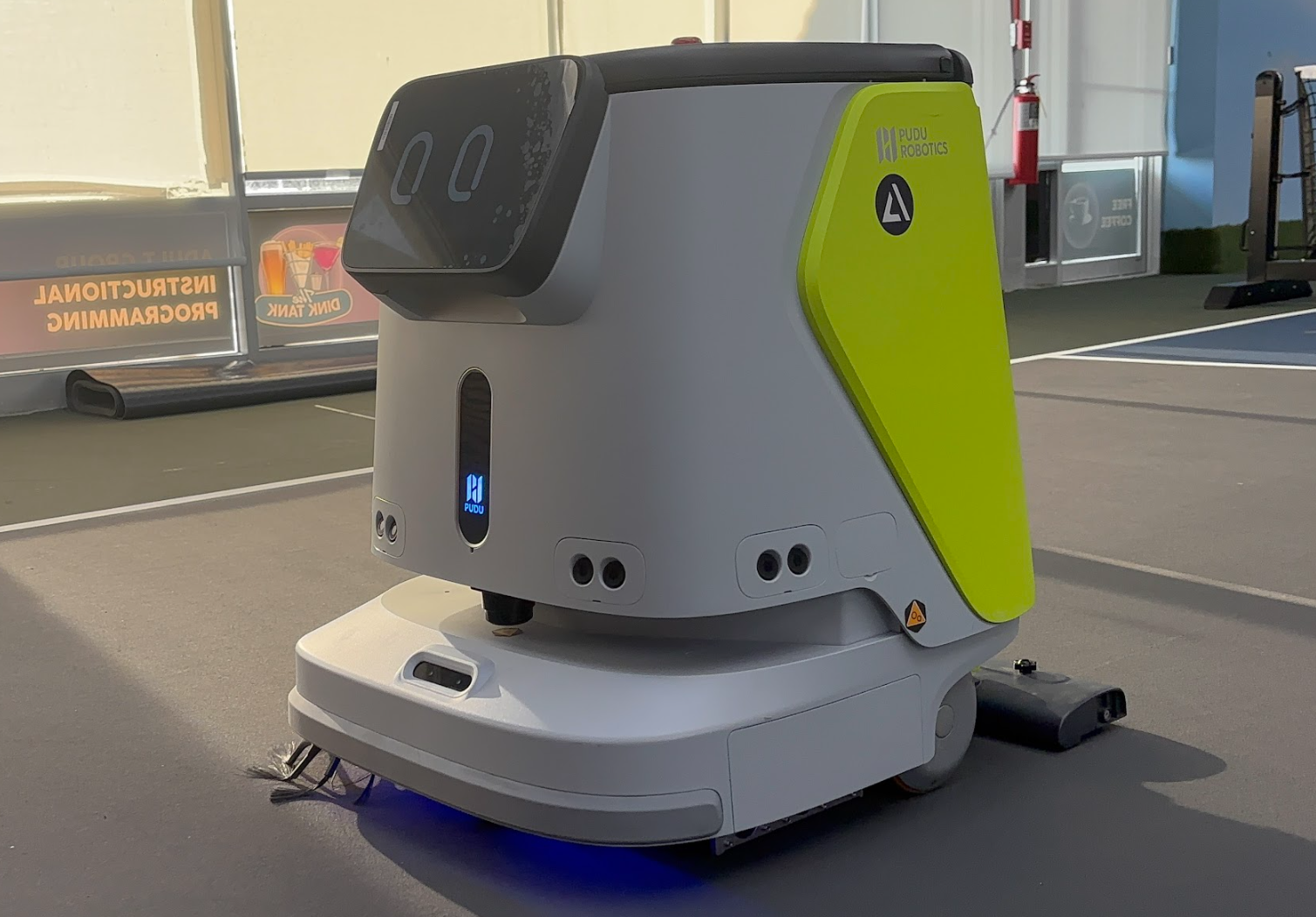
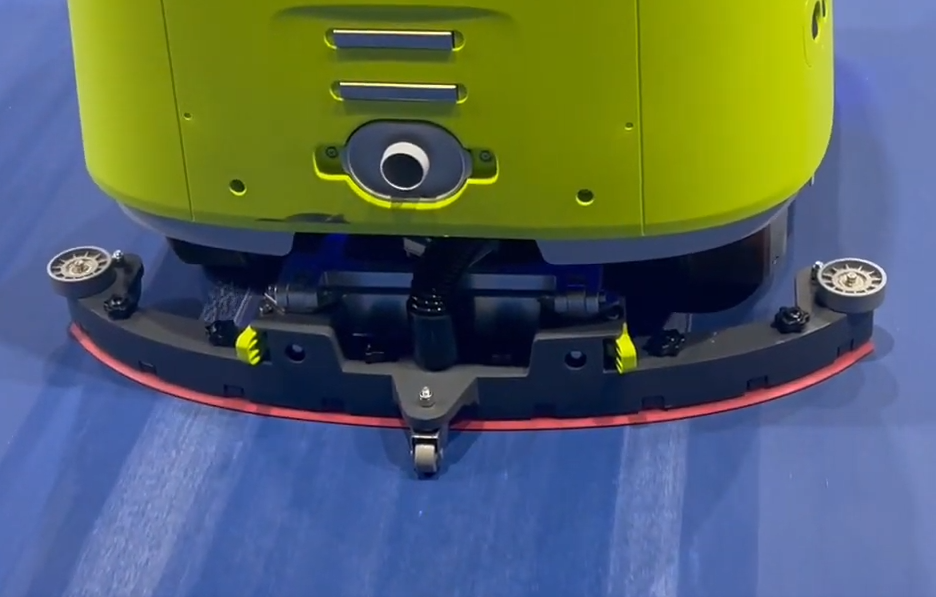
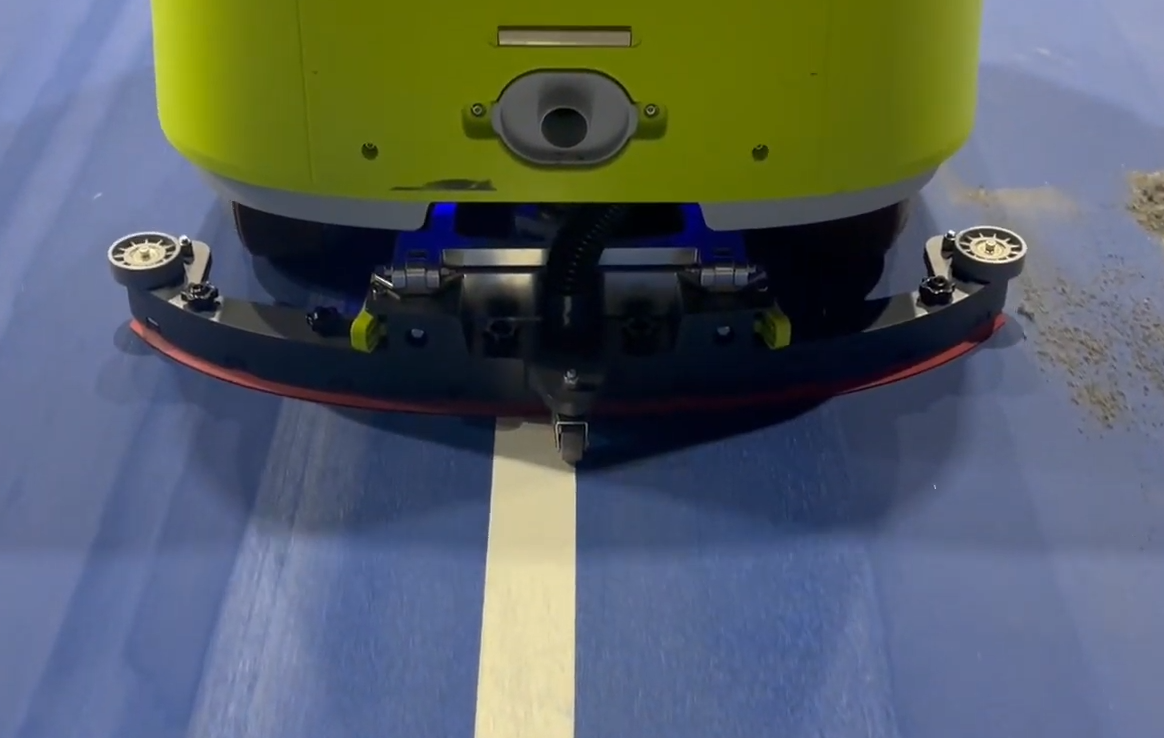
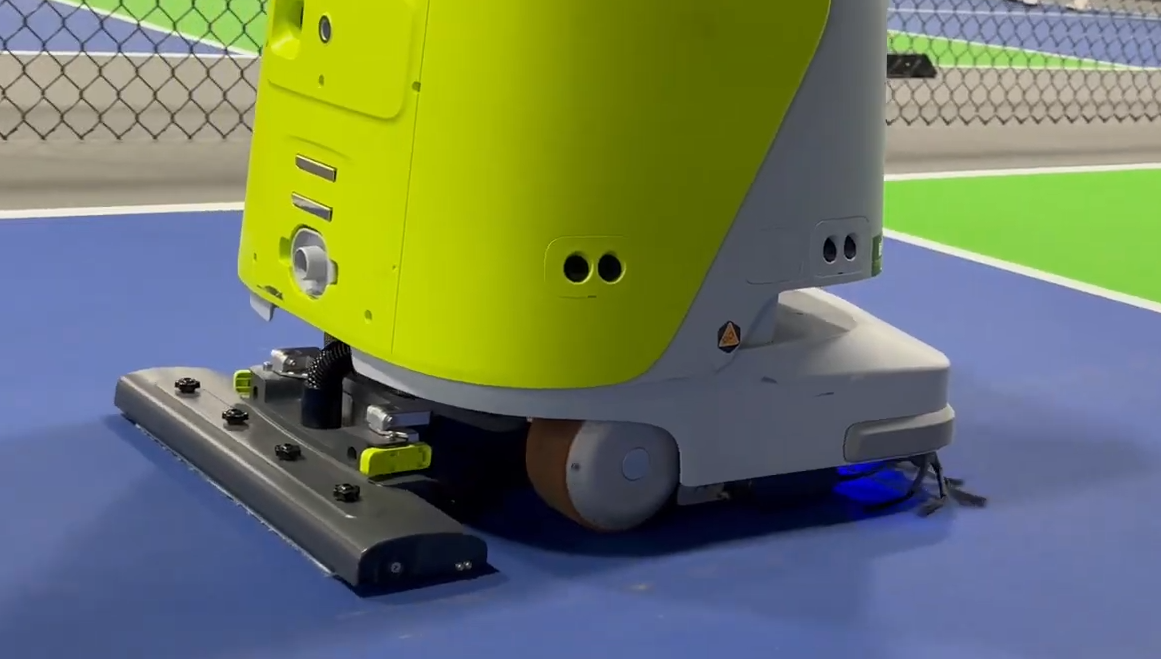
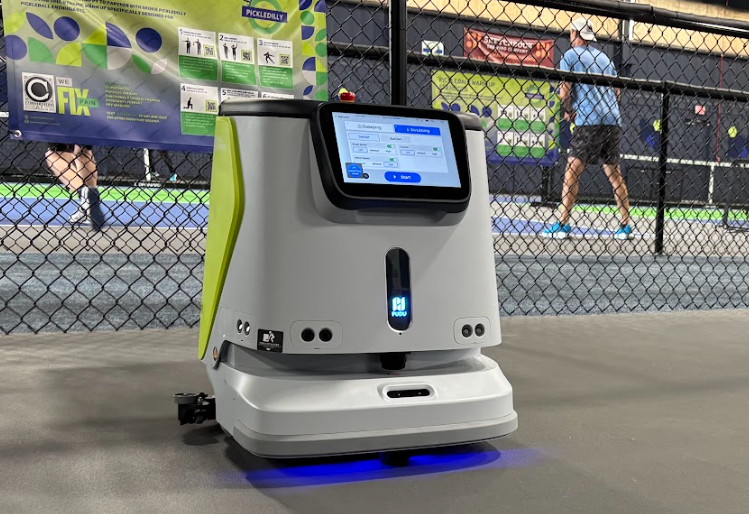
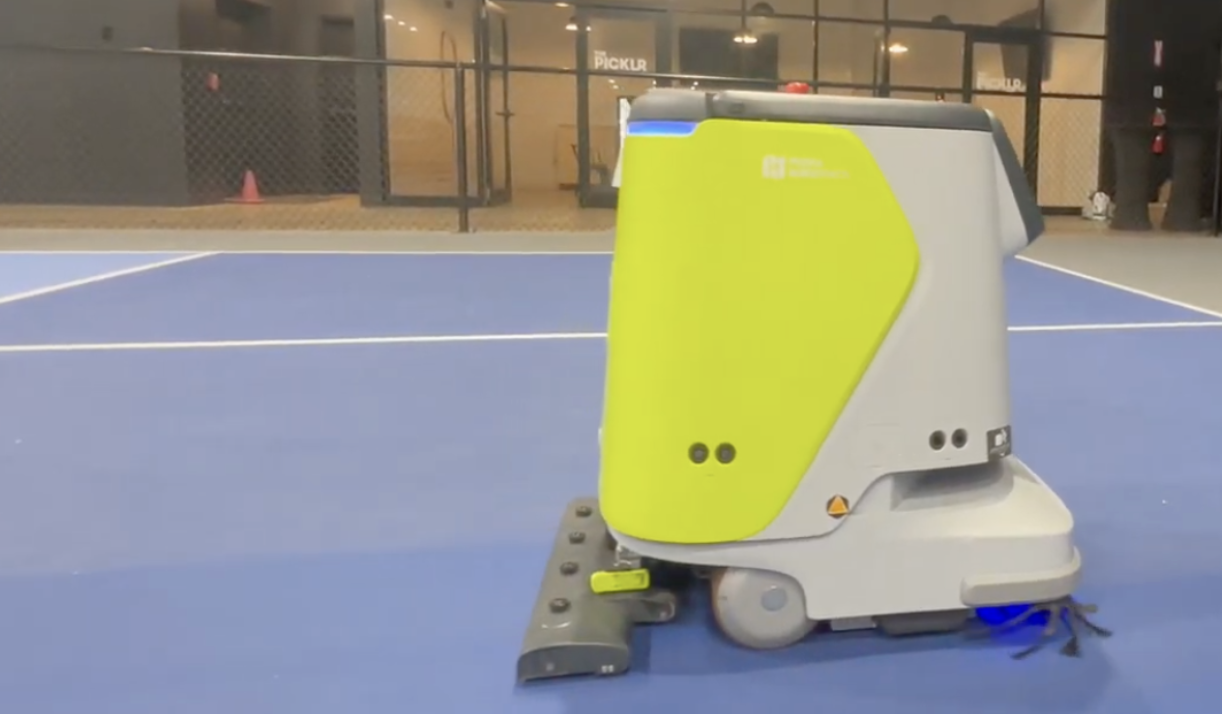
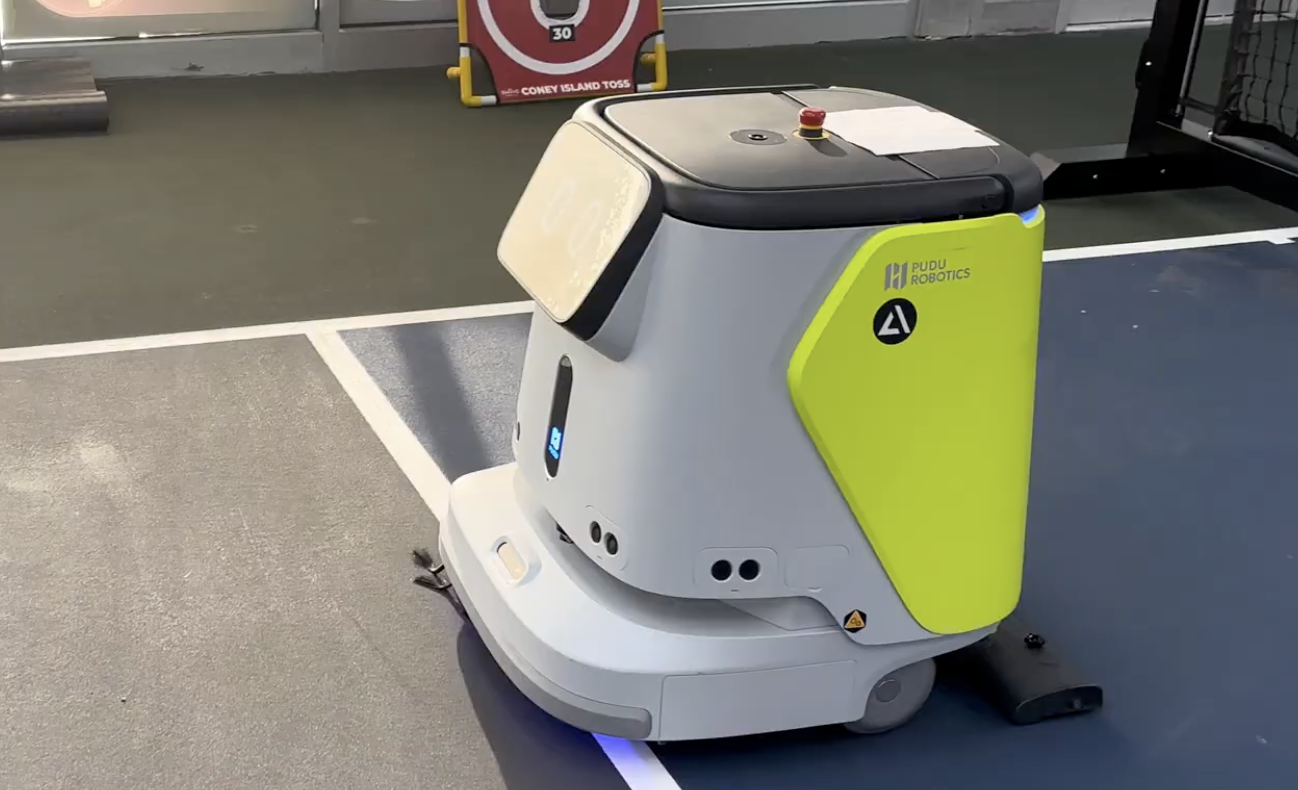
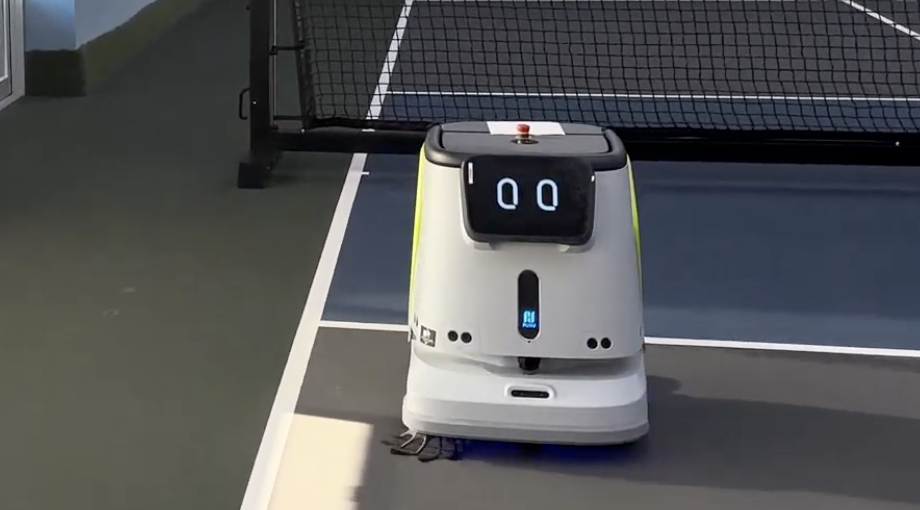
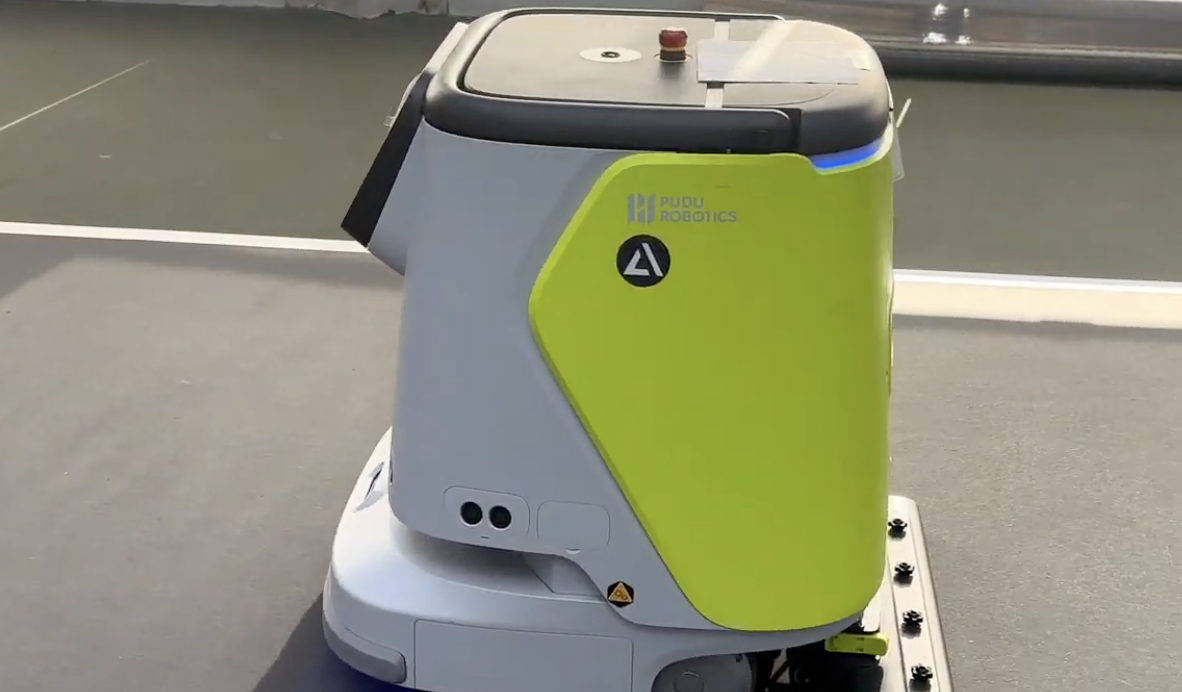
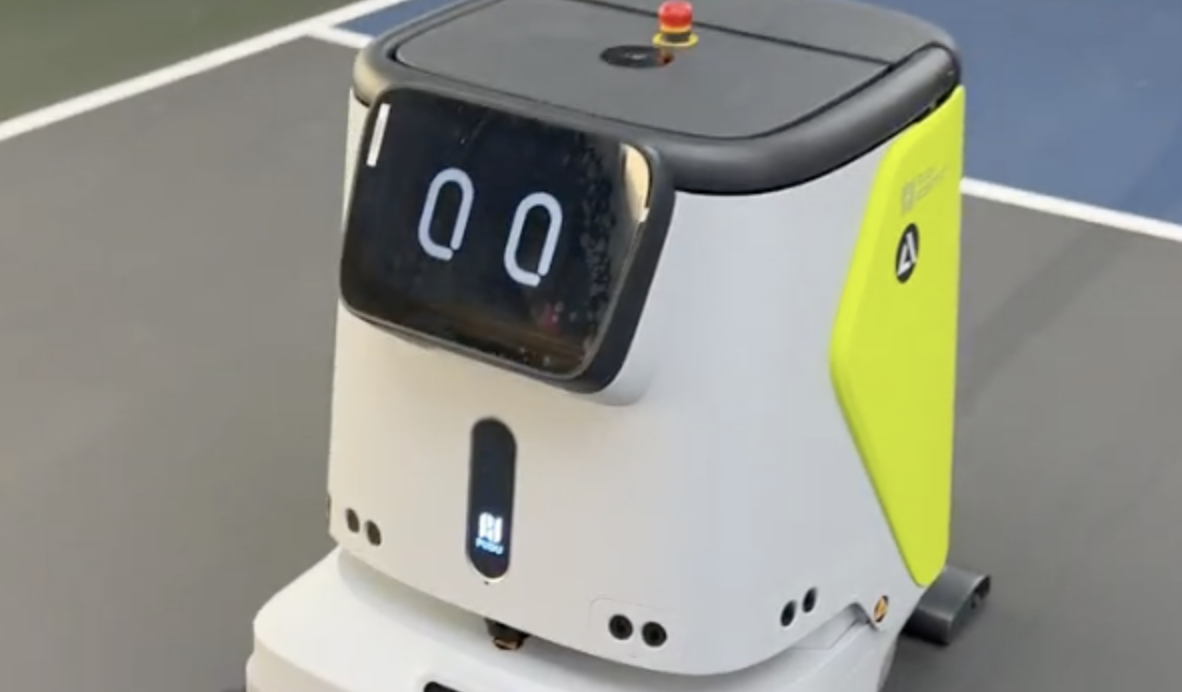
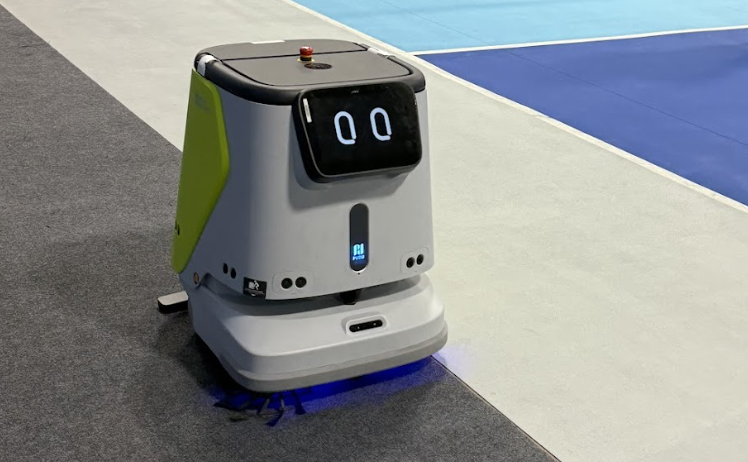
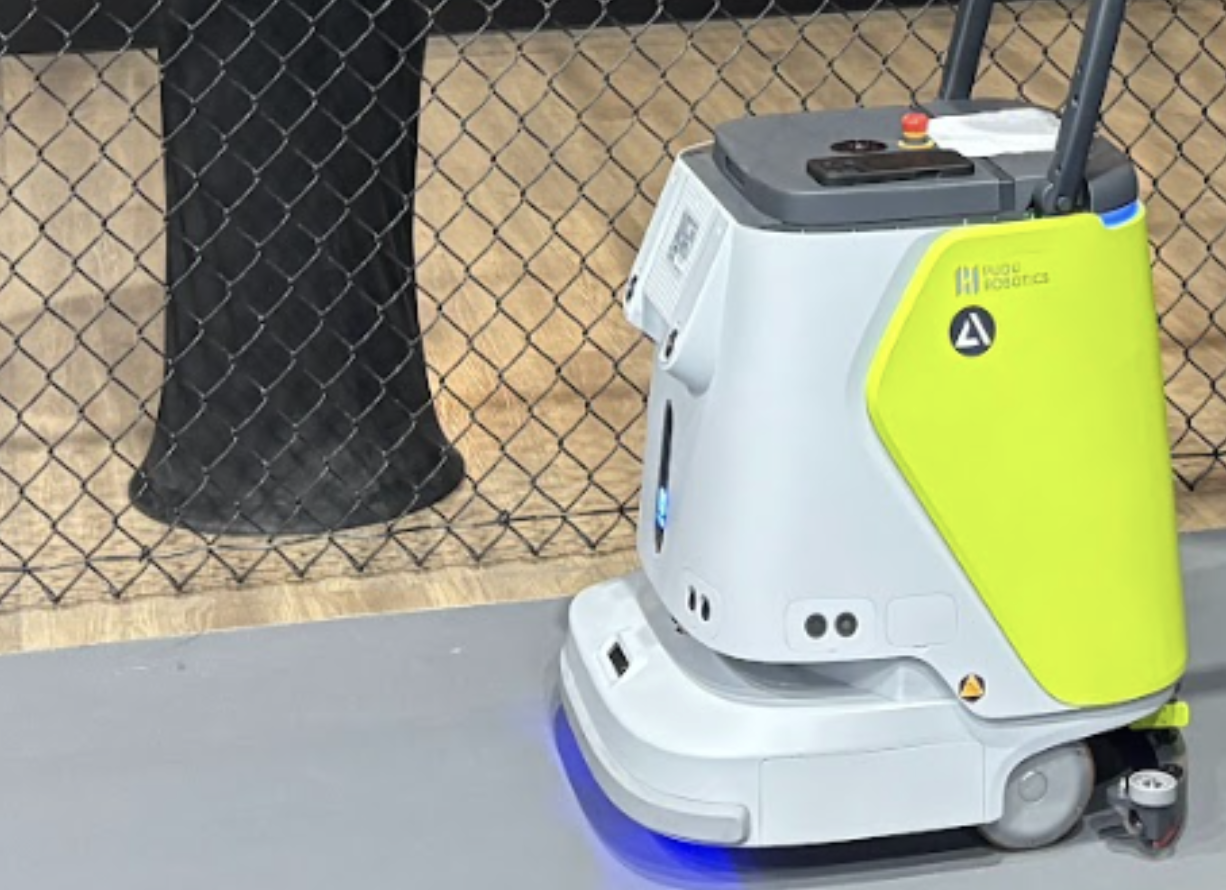
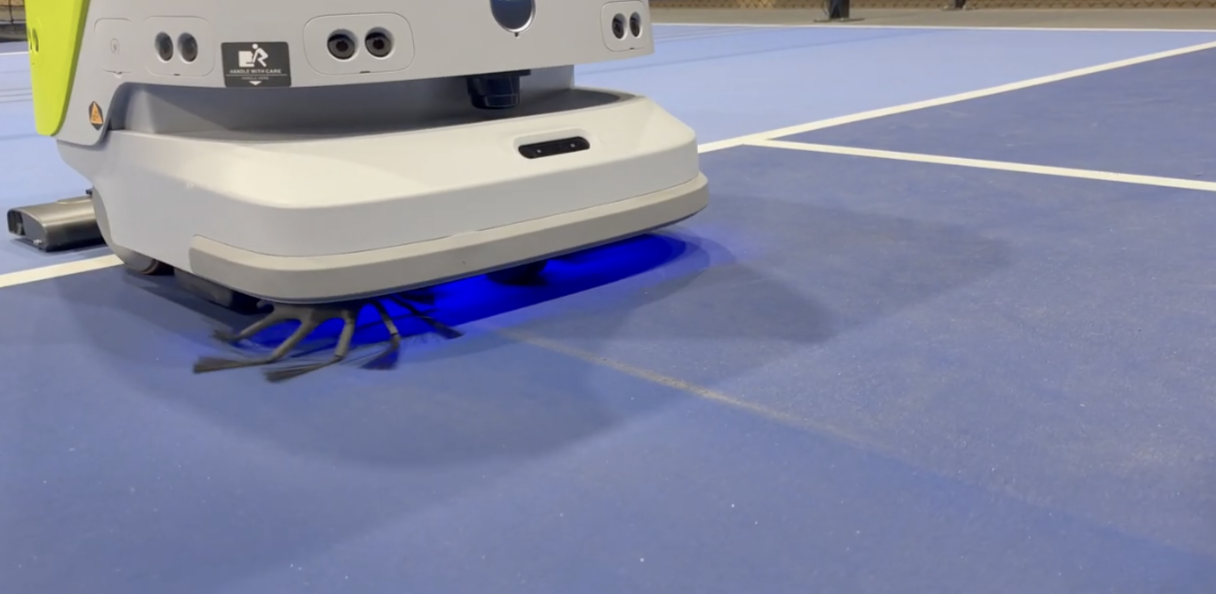
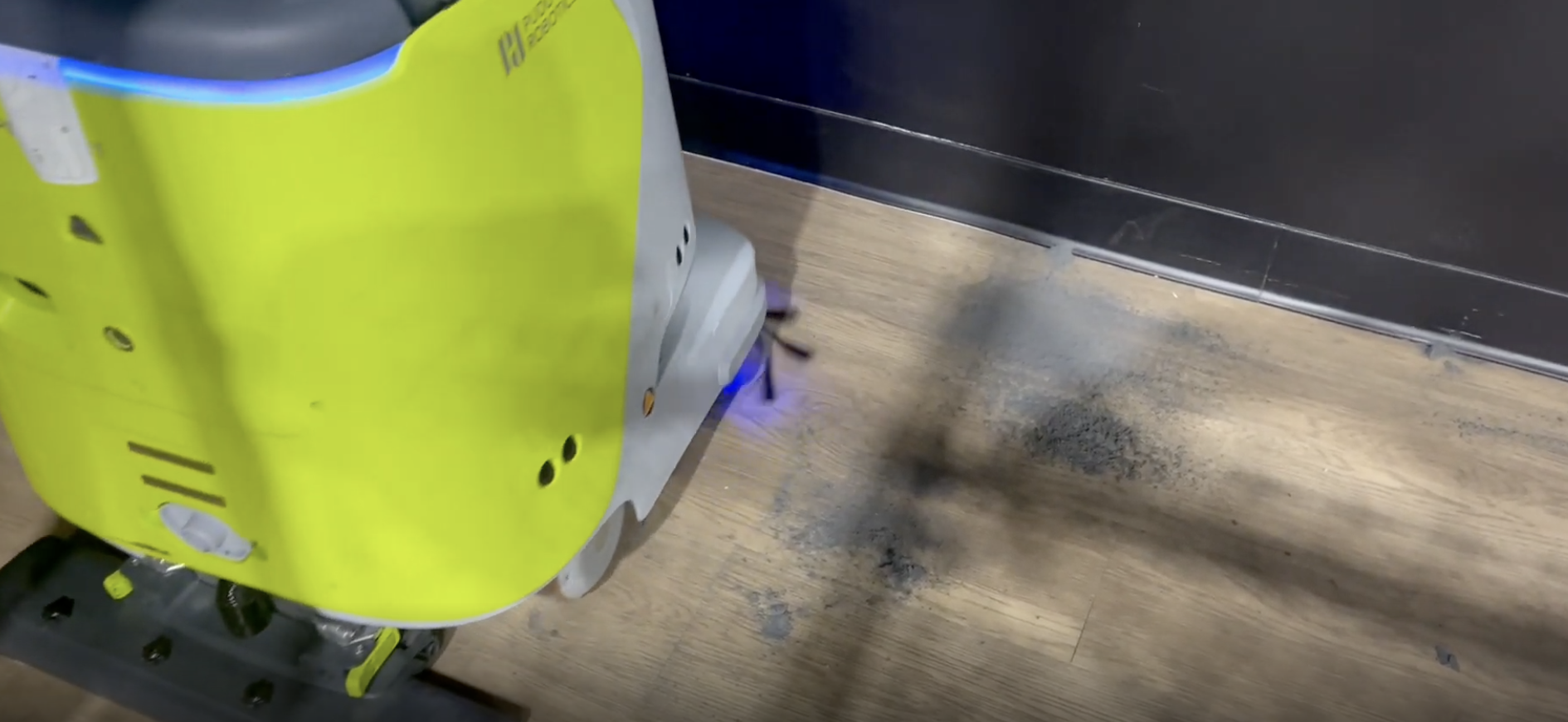
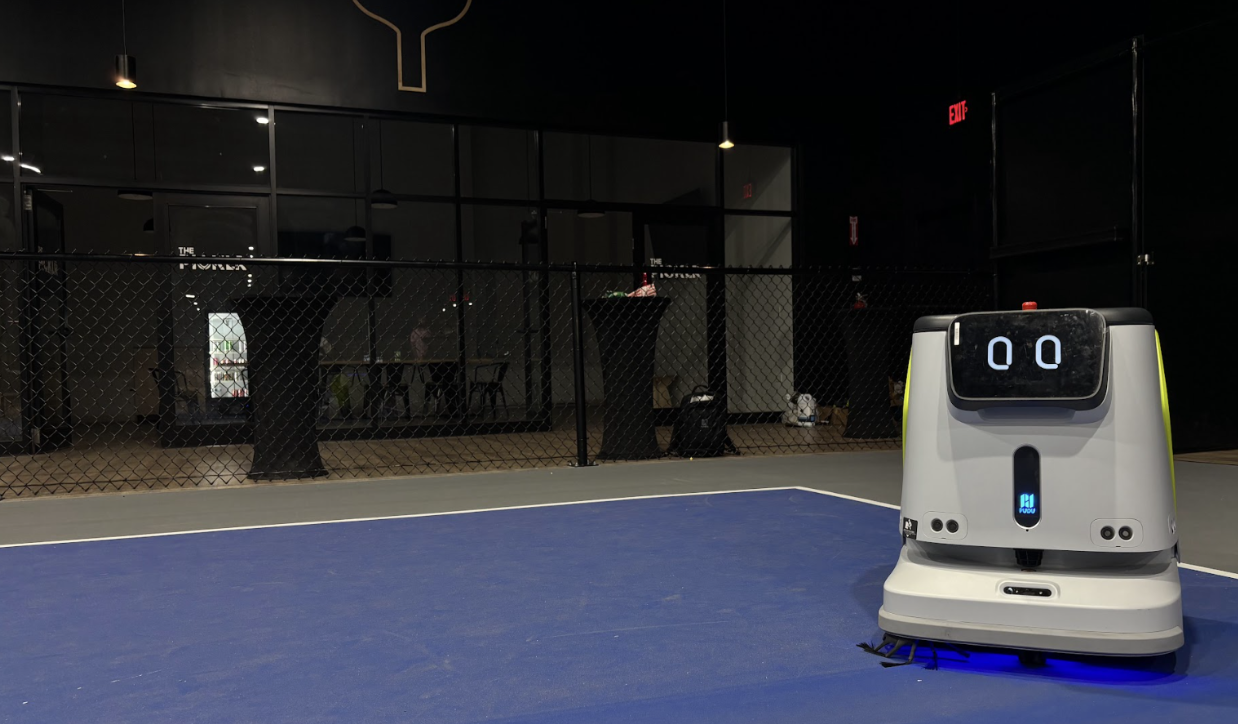
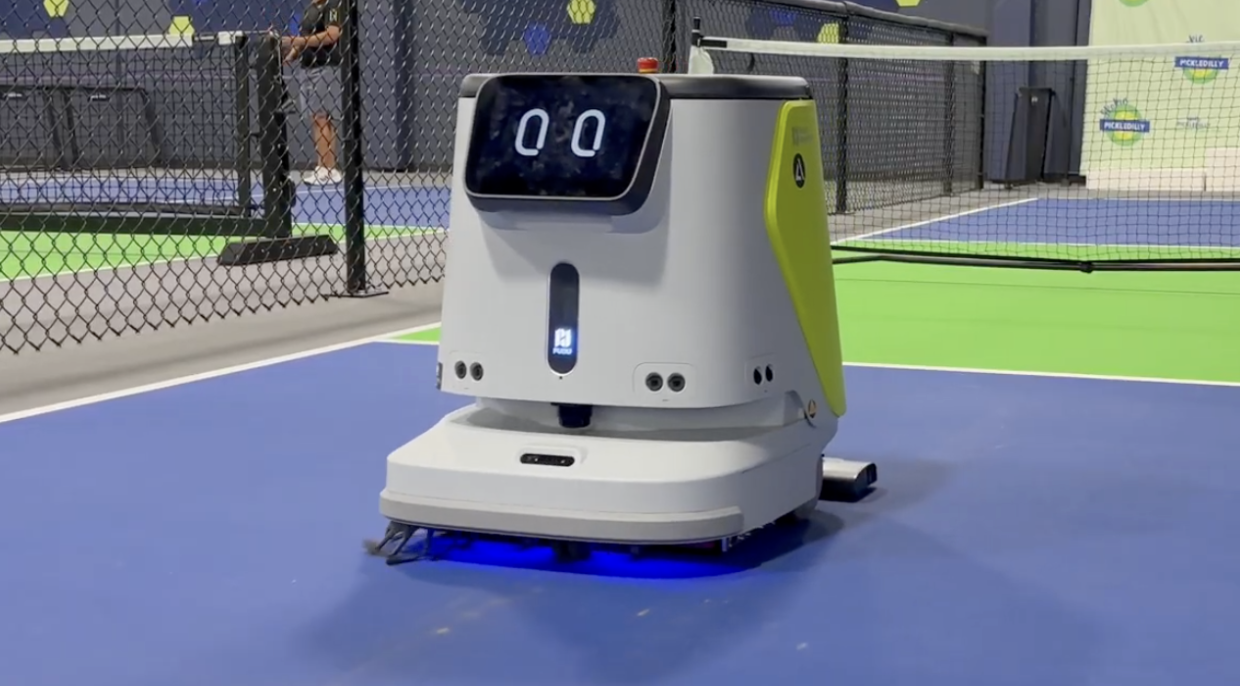
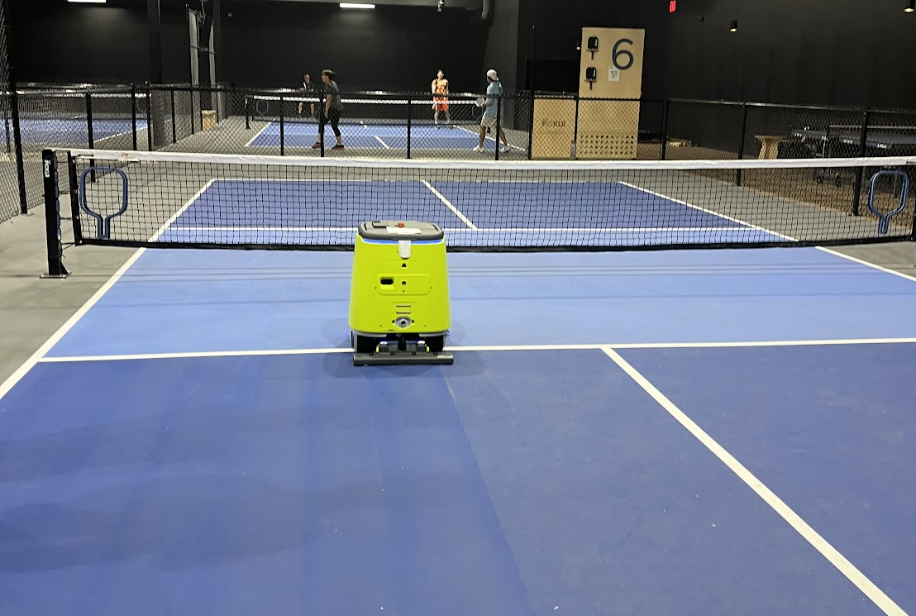
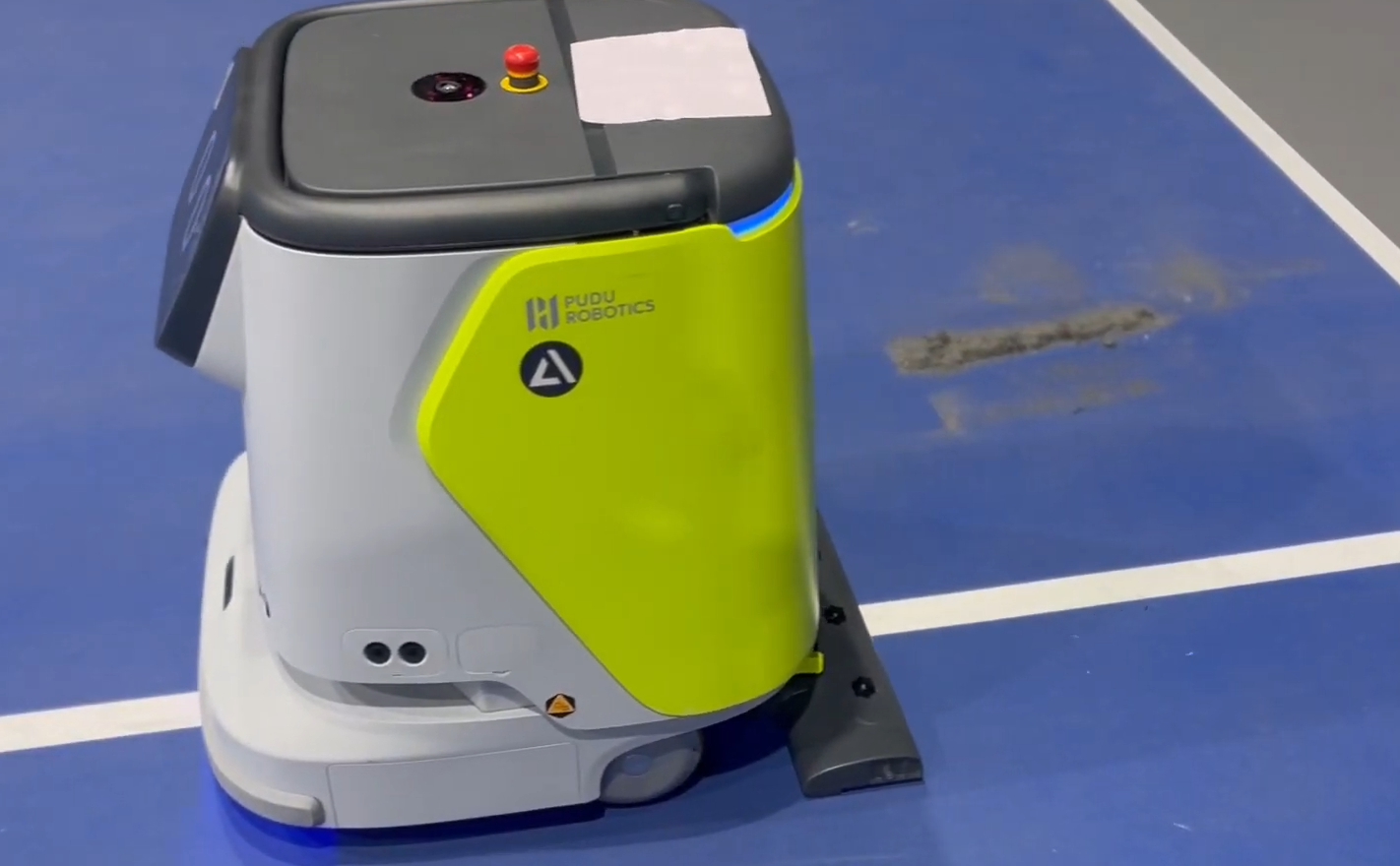
Where robotic cleaning fits in the Standard of Care
Robots make the biggest difference when your issue is reliability, not effort.
Owners typically explore robotic cleaning when:
- the standard is clear, but execution is inconsistent
- staffing coverage is thin during peak windows
- one missed reset causes outsized problems (complaints, delays, safety concerns)
- court-to-court variation is creating league friction
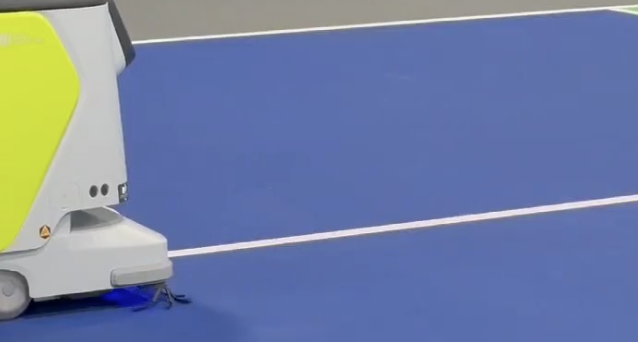
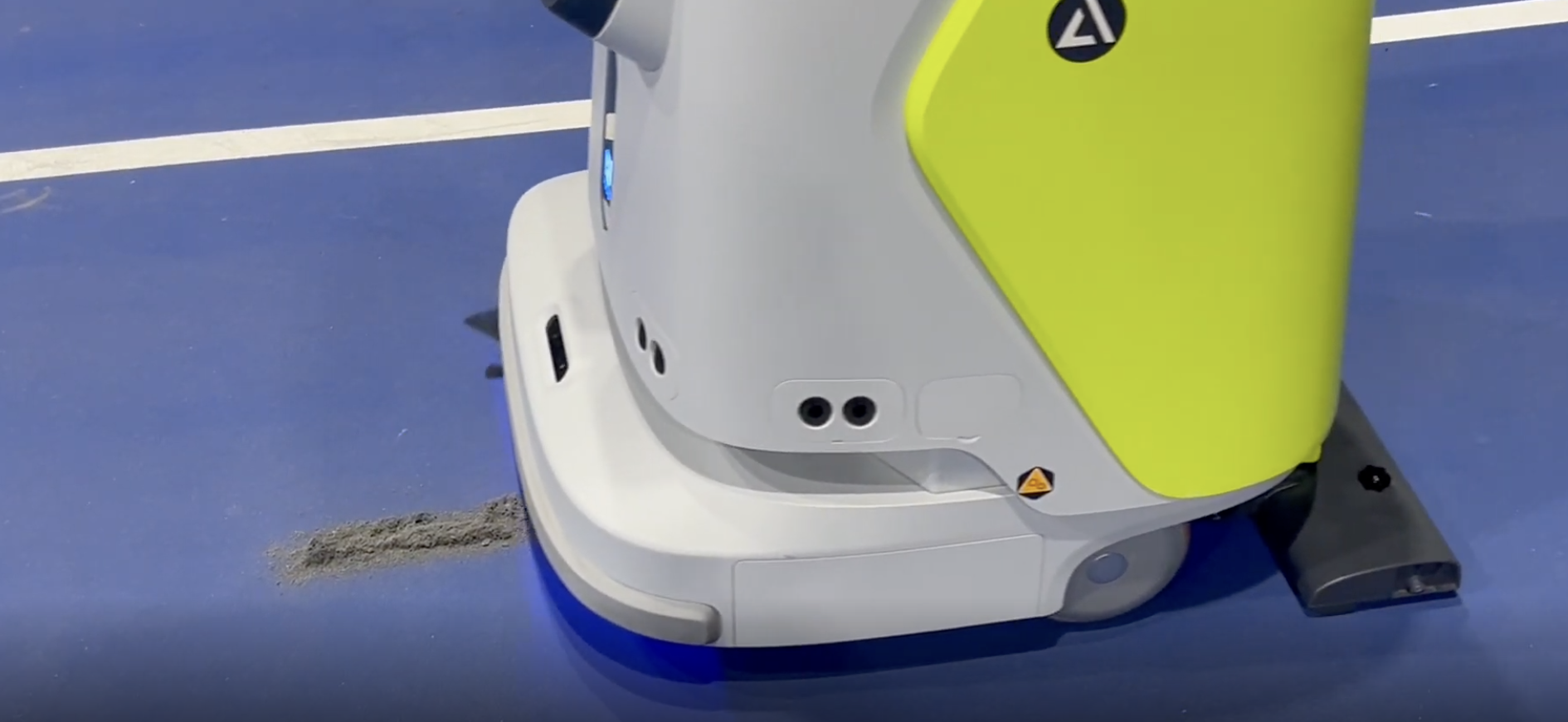
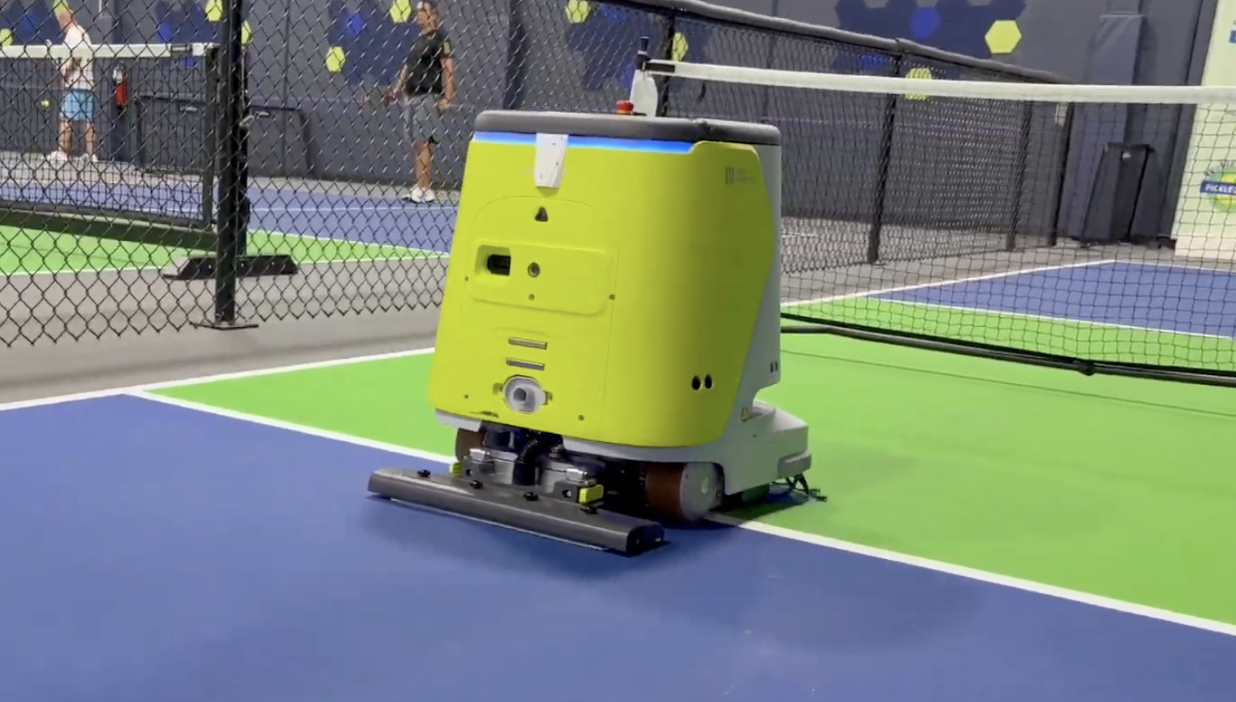
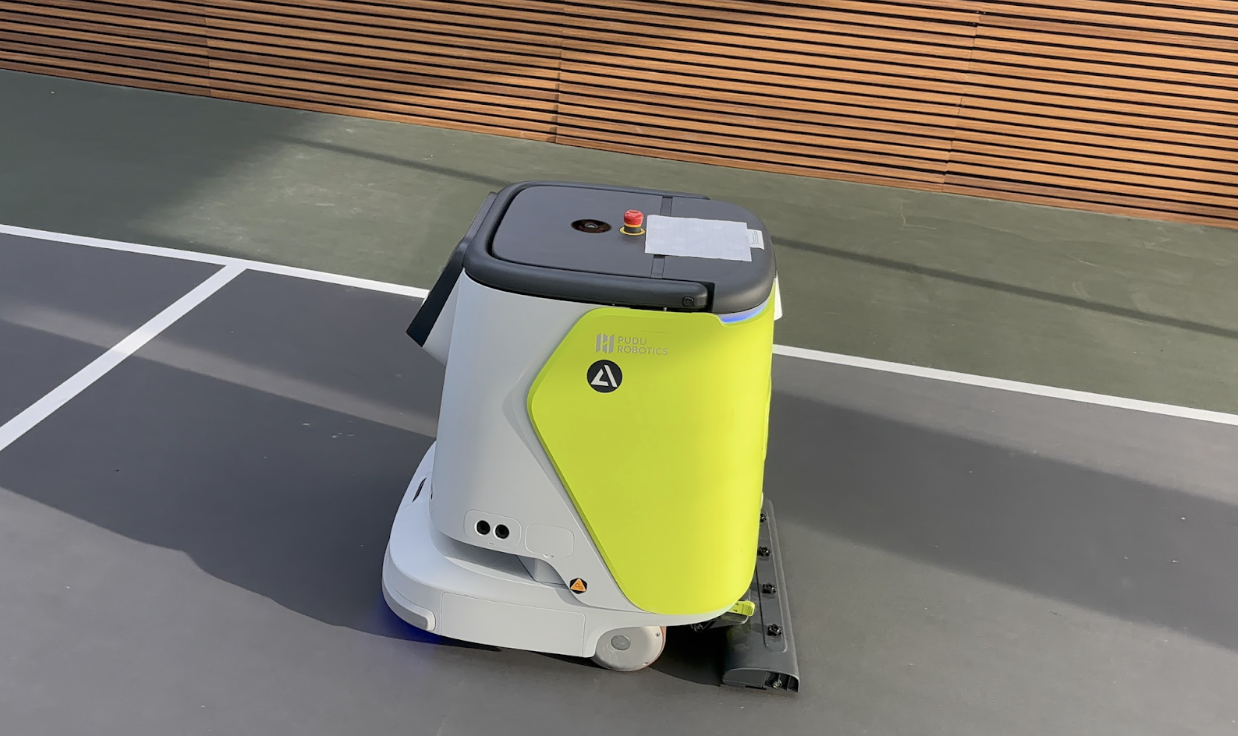
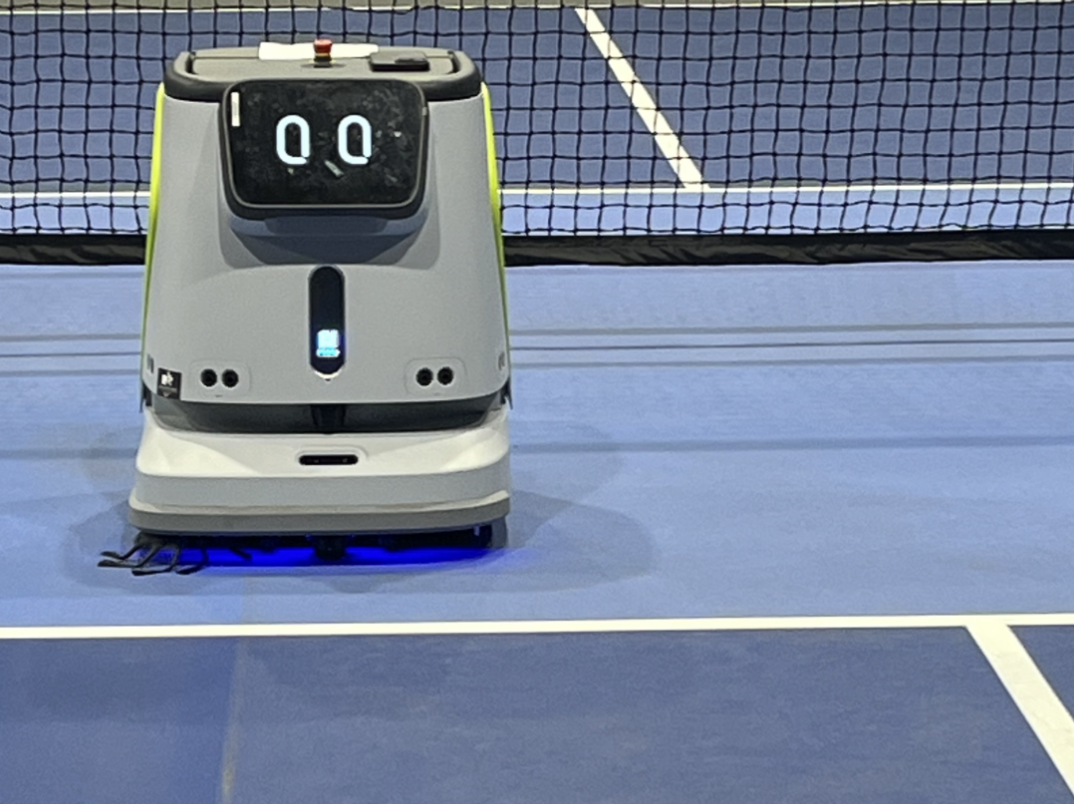
In a standard-of-care model, robots are not “a cool gadget.” They’re a tool that helps ensure:
- scheduled resets happen even when staff is busy
- hotspots get consistent attention
- courts stay more uniform across the facility
That’s what winter demands: dependable execution.