What We’ve Learned in the Field: Top 5 Mistakes New Pickleball Clubs Make (and How to Avoid Them)

What We’ve Learned in the Field: Top 5 Mistakes New Pickleball Clubs Make (and How to Avoid Them)
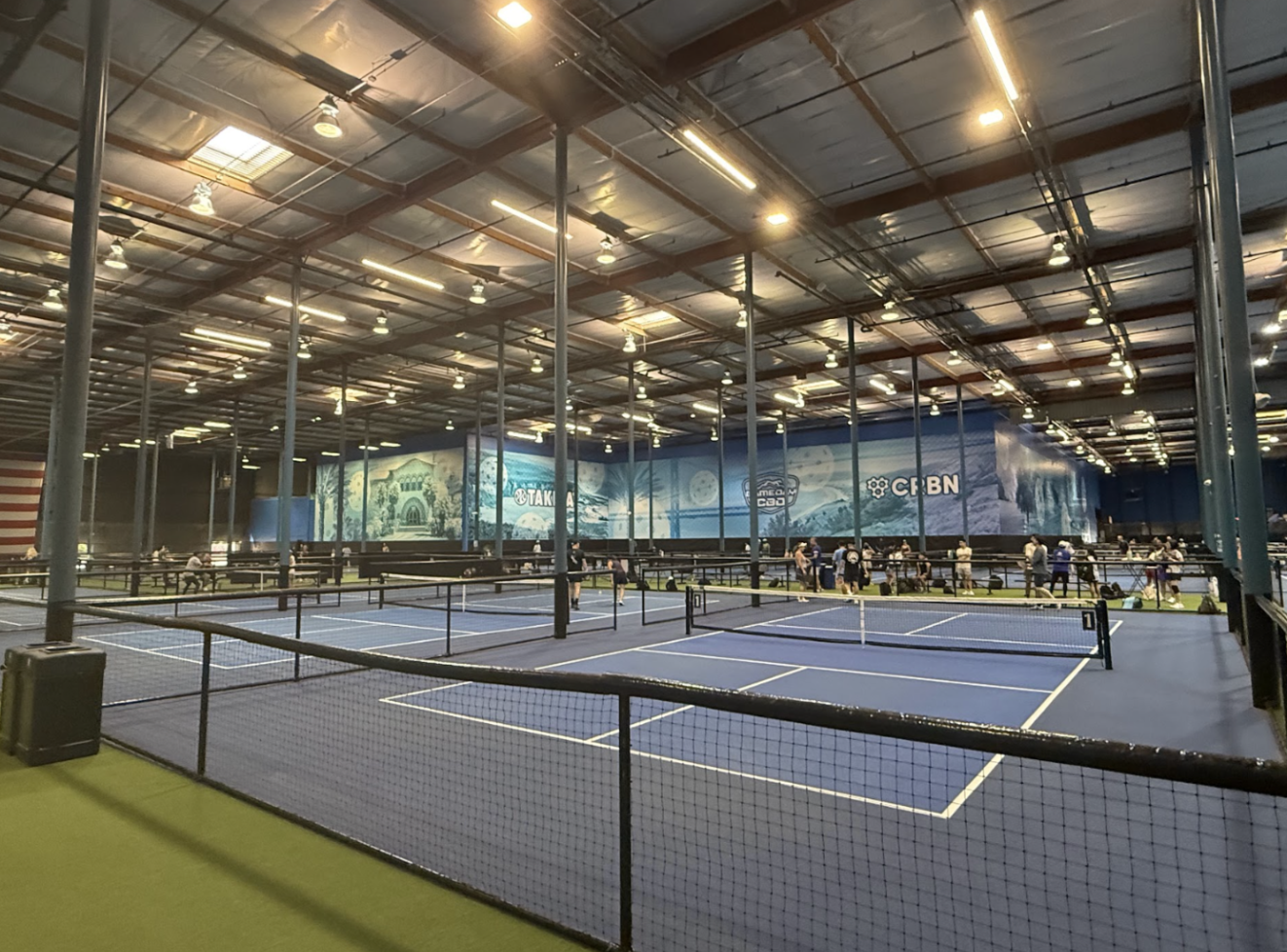
Opening a pickleball club feels like catching a wave: demand is surging, energy is high, and momentum is on your side. But even great courts and great intentions won’t save you from operational drag. Small gaps early—unclear turnover windows, fuzzy staff roles, inconsistent cleaning—compound into late starts, member frustration, and tired-looking surfaces. Consider this your shortcut past the most common pitfalls so your club launches clean, fast, and member-loved.
The Problem
Many new clubs default to “we’ll figure it out,” which often becomes “we’re always behind.” Peak hours turn chaotic, staff juggle too many tasks, and cleanliness standards drift. Without codified routines, you lose time to avoidable friction: lines checked twice, courts not quite ready, and confusion about who handles what between sessions. Morale dips, and the member experience follows.
The Fix
1) Build Micro-Resets Into the Schedule
Avoid the back-to-back trap. Leave a 6–10 minute gap between busy time slots for quick cleanups, emptying trash, restocking towels, and a fast safety check. Share this schedule everywhere—in the booking app, on signs at the front desk, and on the staff board—so it becomes a regular routine, not an afterthought.
2) Assign Roles, Not Vibes
“Everyone helps everywhere” sounds collaborative; in practice, it creates gaps. Give each shift clear roles: a front desk lead to handle check-ins and the line, a court readiness lead to check nets and lines and do quick cleanups, and a flex role to support events, retail, and member questions. Post a clear assignment board with names and times so everyone knows who’s doing what and when, and accountability is obvious.
3) Standardize the Cleaning Ladder
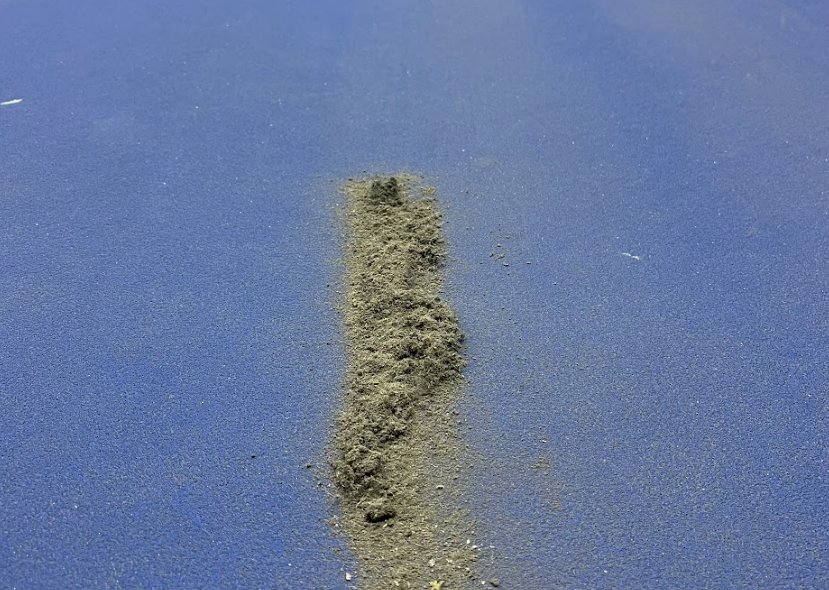
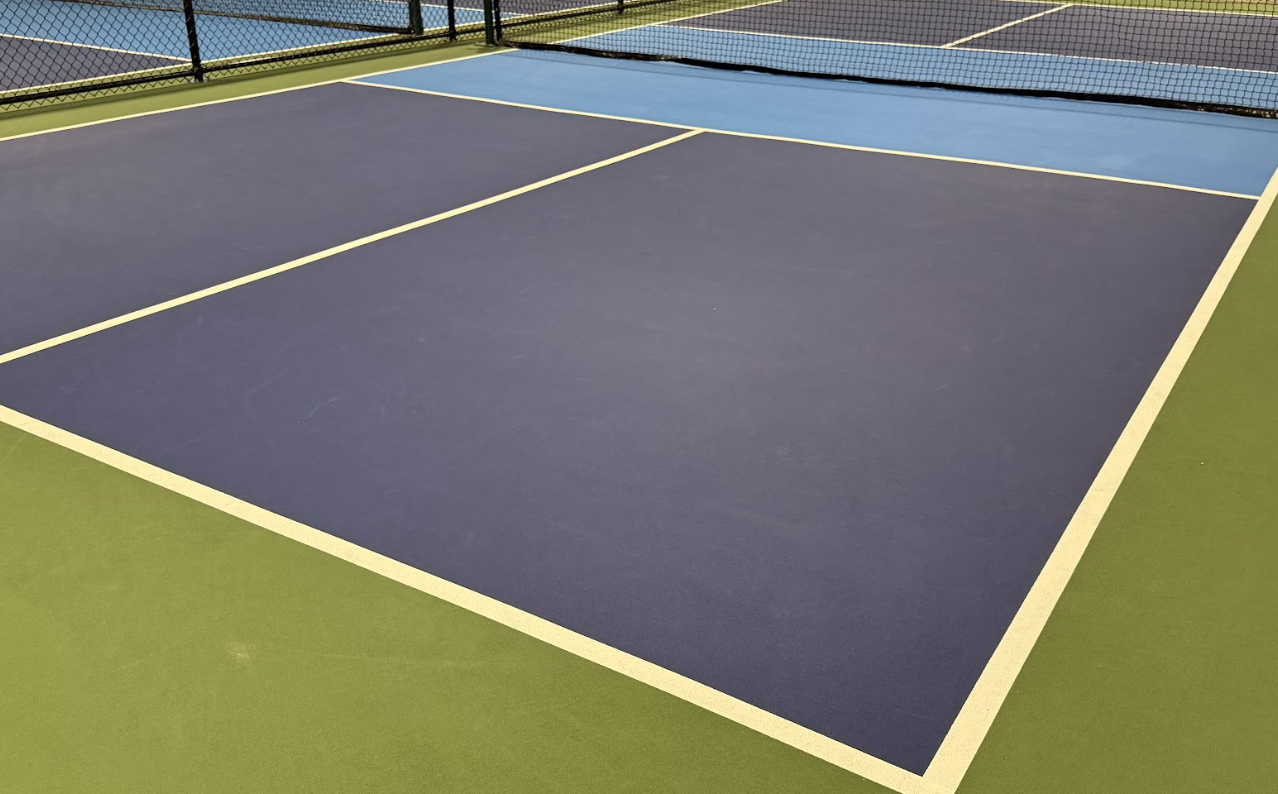
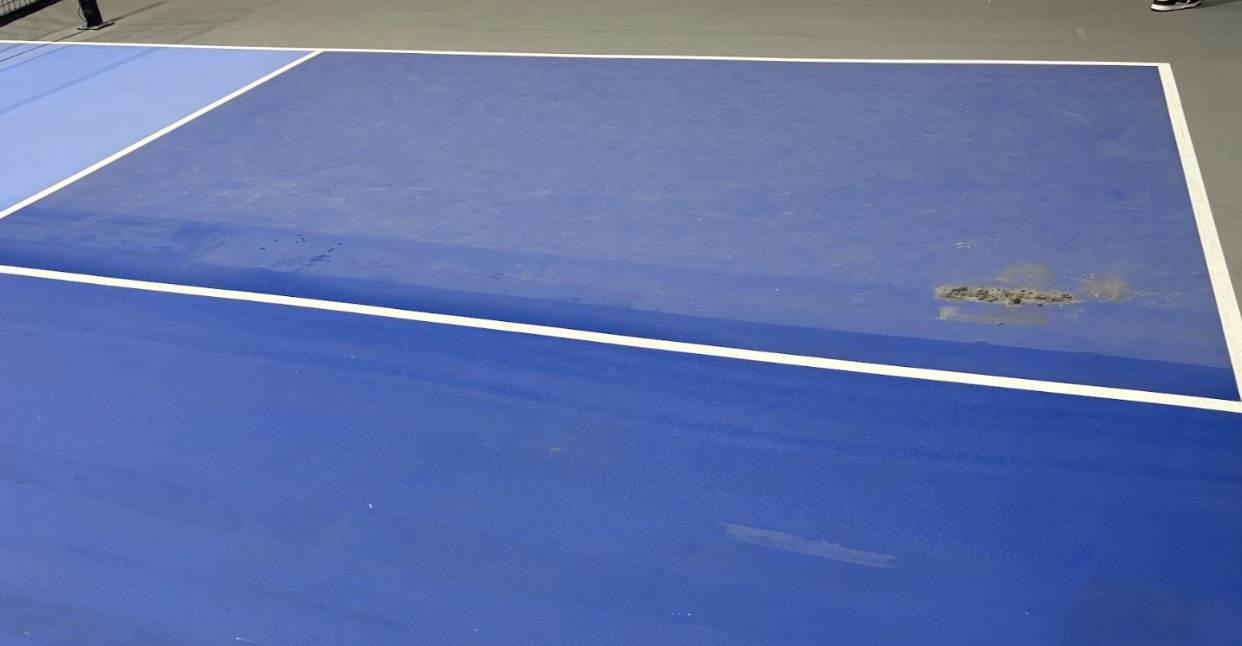
Set up three cleaning levels: do a quick dry sweep every day; do a short touch-up between busy blocks that focuses on the key court areas—the non-volley zone, baselines, and service boxes; and do a deeper clean once a week. Use neutral-pH, no-residue cleaners, choose pads that are safe for your court surface, and use as little water as possible to protect the coating. A steady routine works better than occasional heavy cleanups.
4) Make Cleanliness Measurable
Short logs outperform long manuals. Track date, court, who cleaned, and any issues. Review weekly to spot patterns and update staffing or pad changes. When standards are visible, they’re easier to uphold.
5) Design Your Peak-Hour Playbook
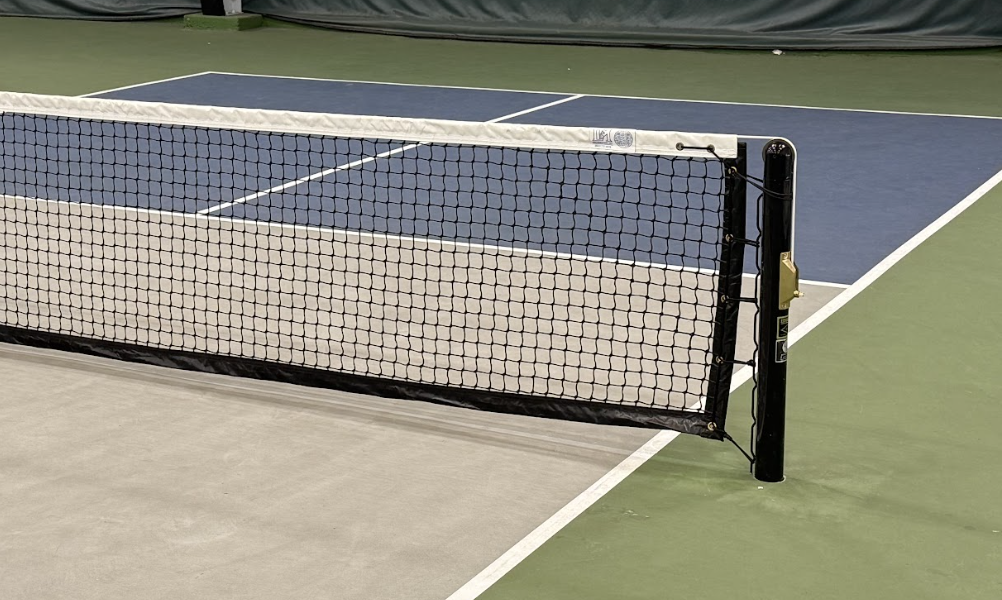
List your busiest times, and decide ahead of time who works where, when quick cleanups will happen, and who steps in if there’s a problem (like who heads to Court 5 for a spill). Train people on the overall plan—not just a checklist of tasks. When everyone knows the plan, stress drops and lines move faster.
Takeaway
Clarity and cadence win. When the reset rhythm is published, roles are defined, and cleaning is systematized, you replace guesswork with glide. Members feel it immediately in on-time starts and consistently great play underfoot.
How CeCe Helps Clubs Reclaim Their Time
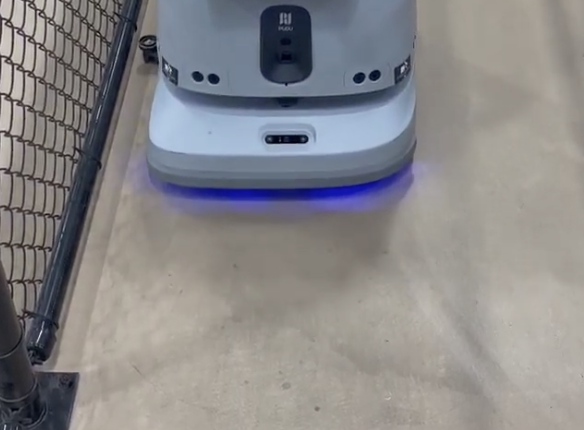
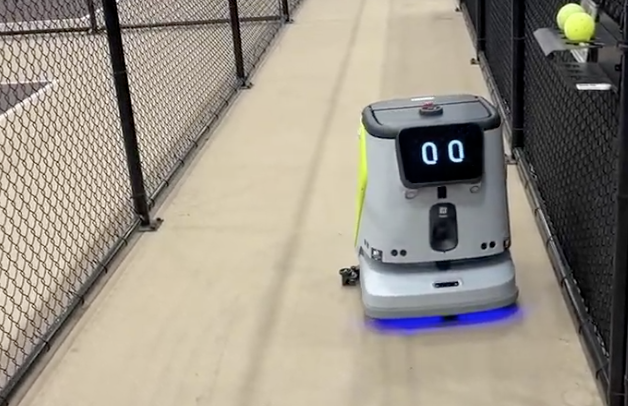
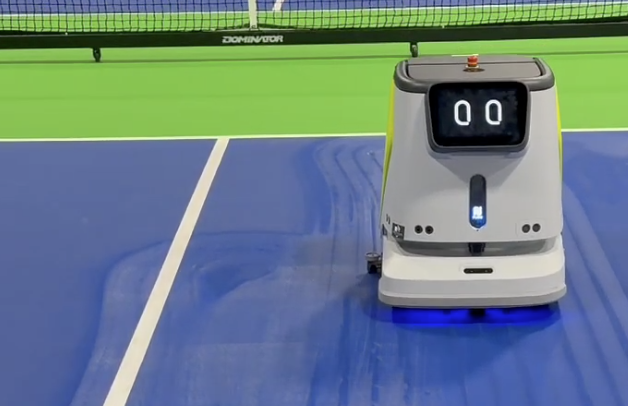
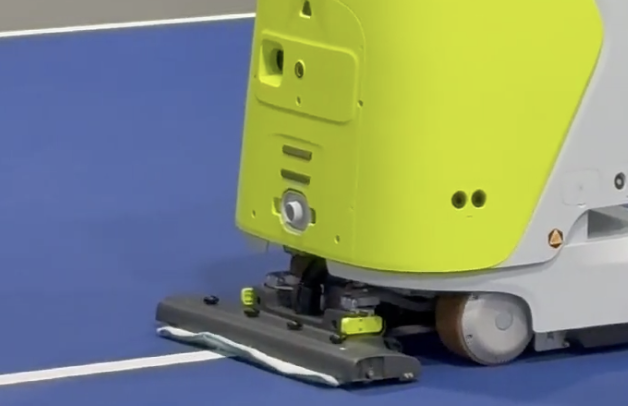
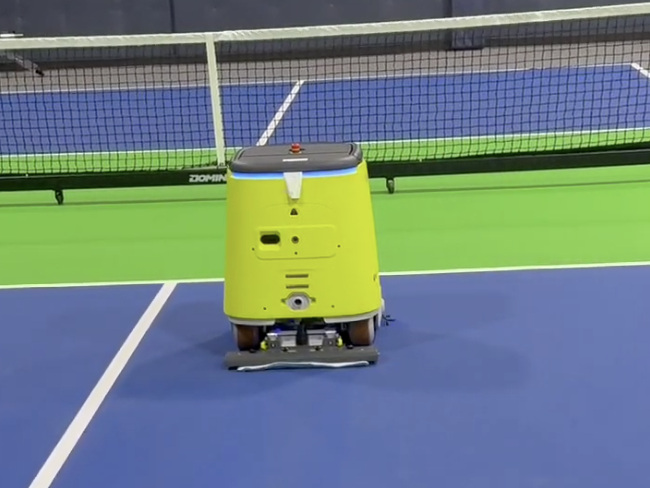
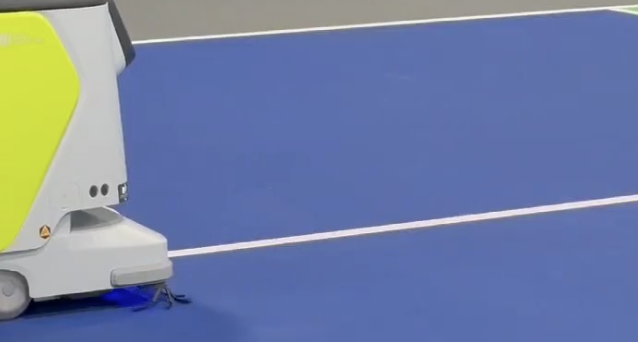
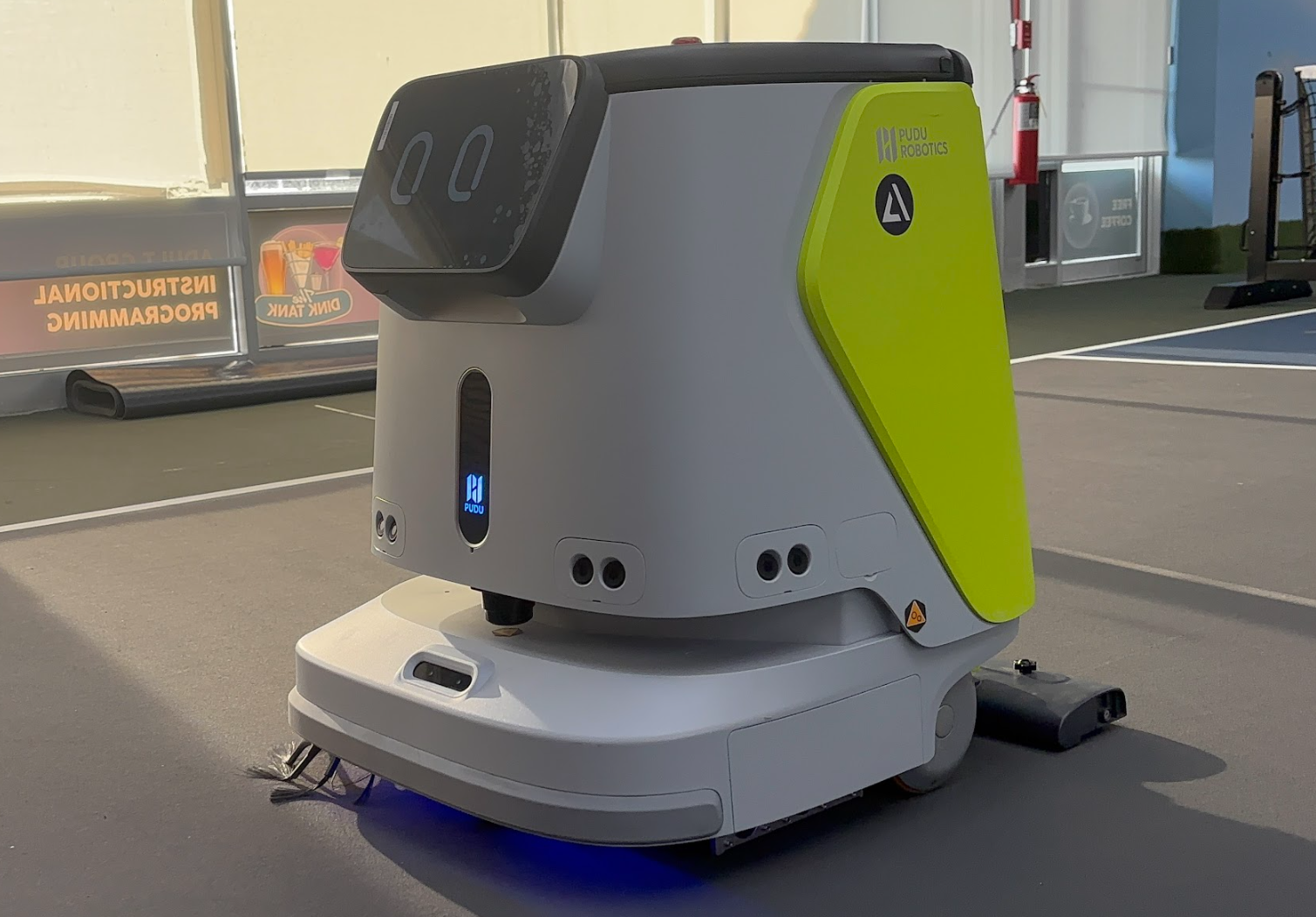
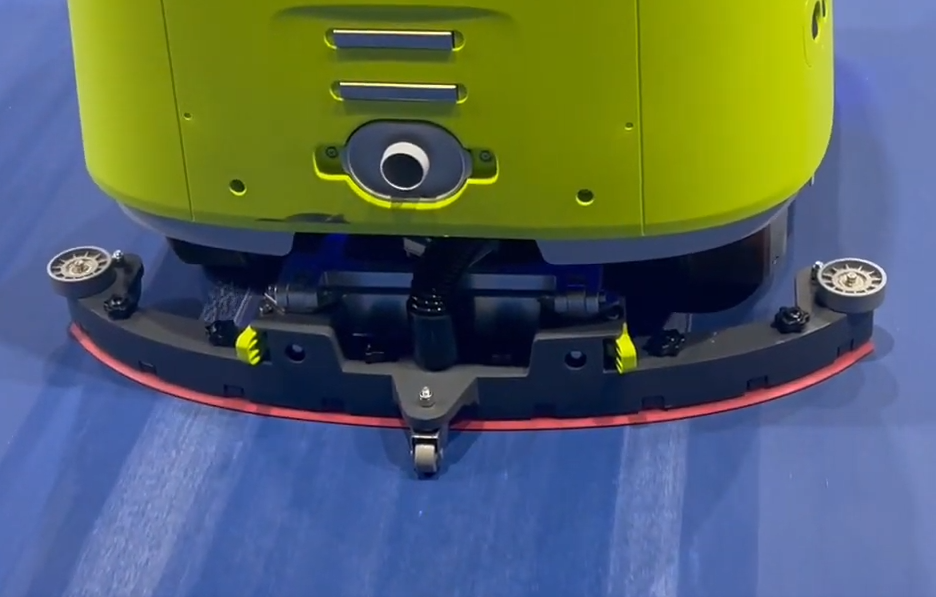
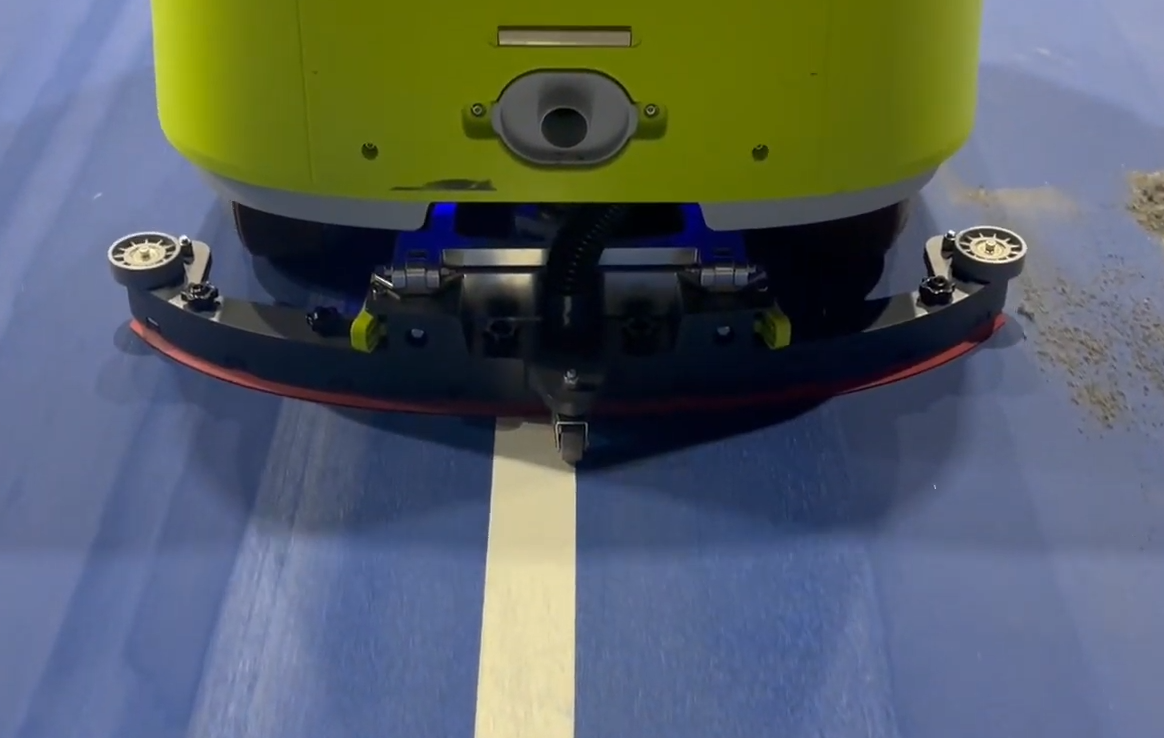
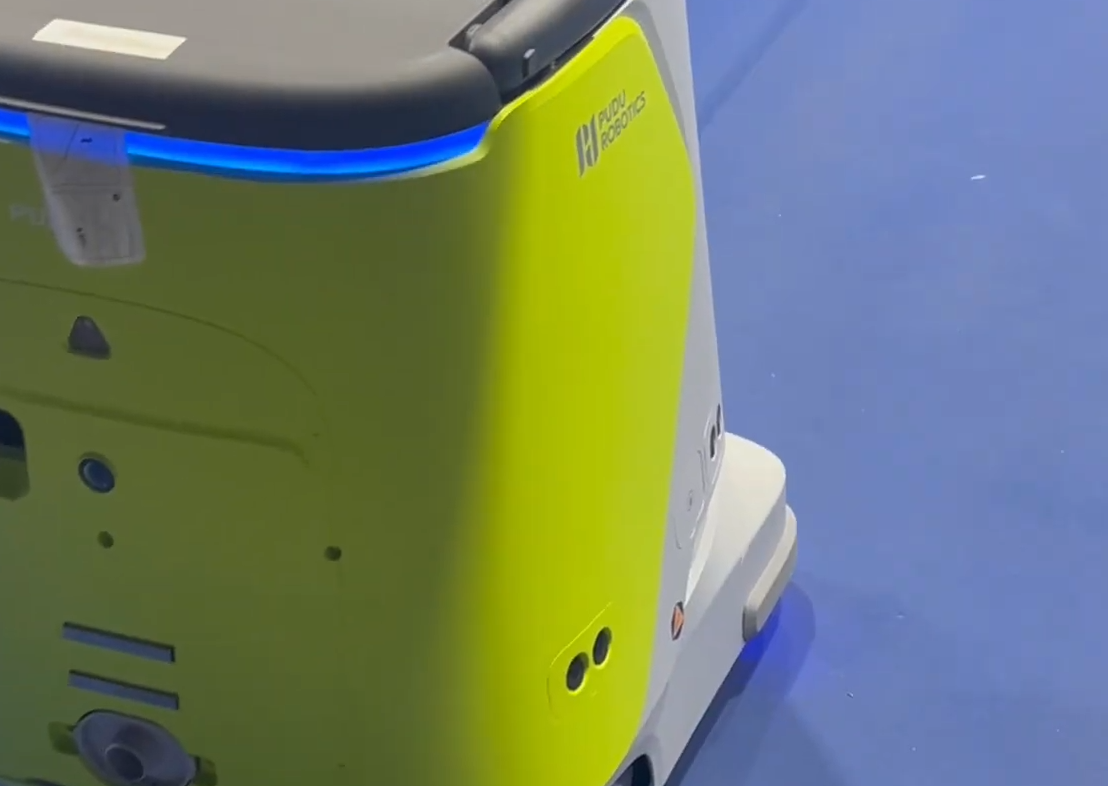
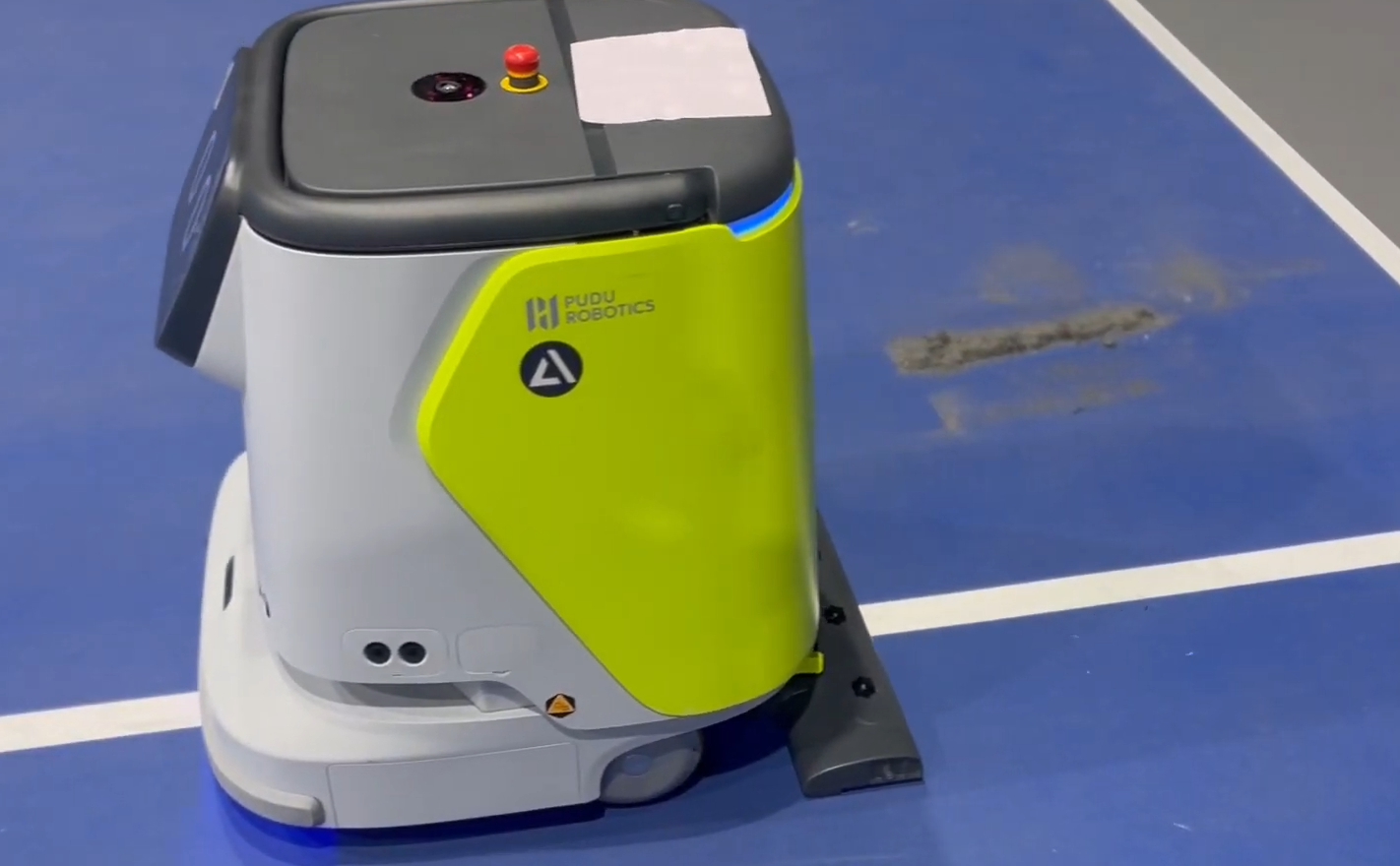
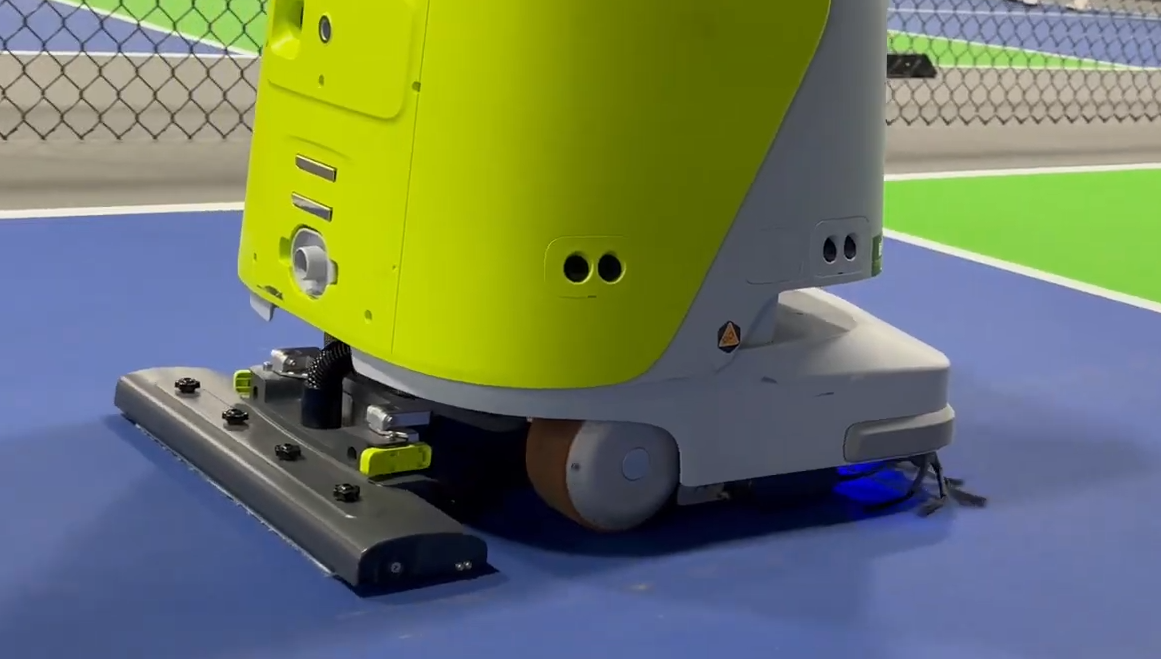
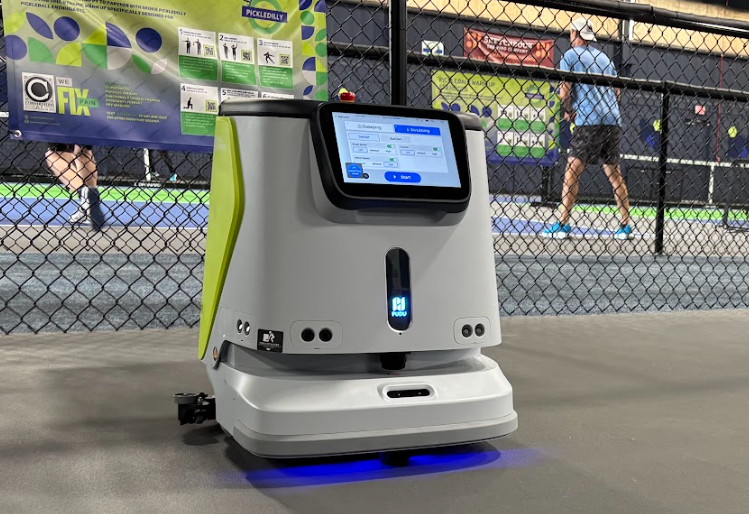
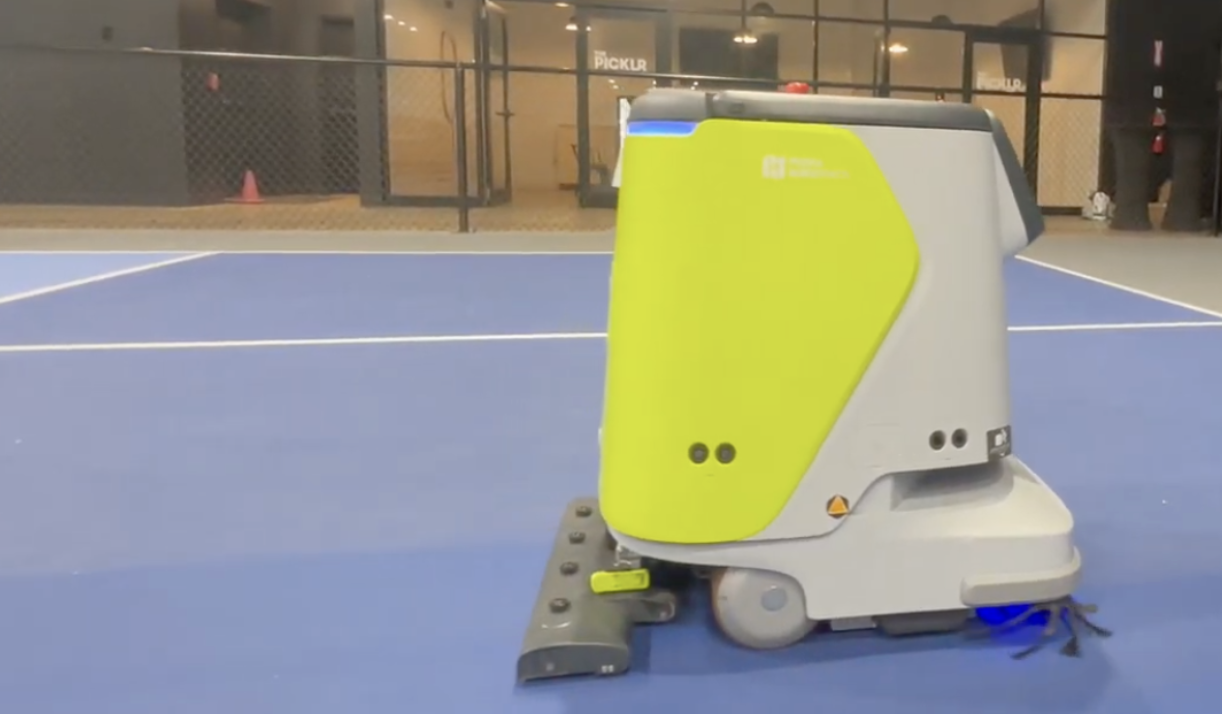
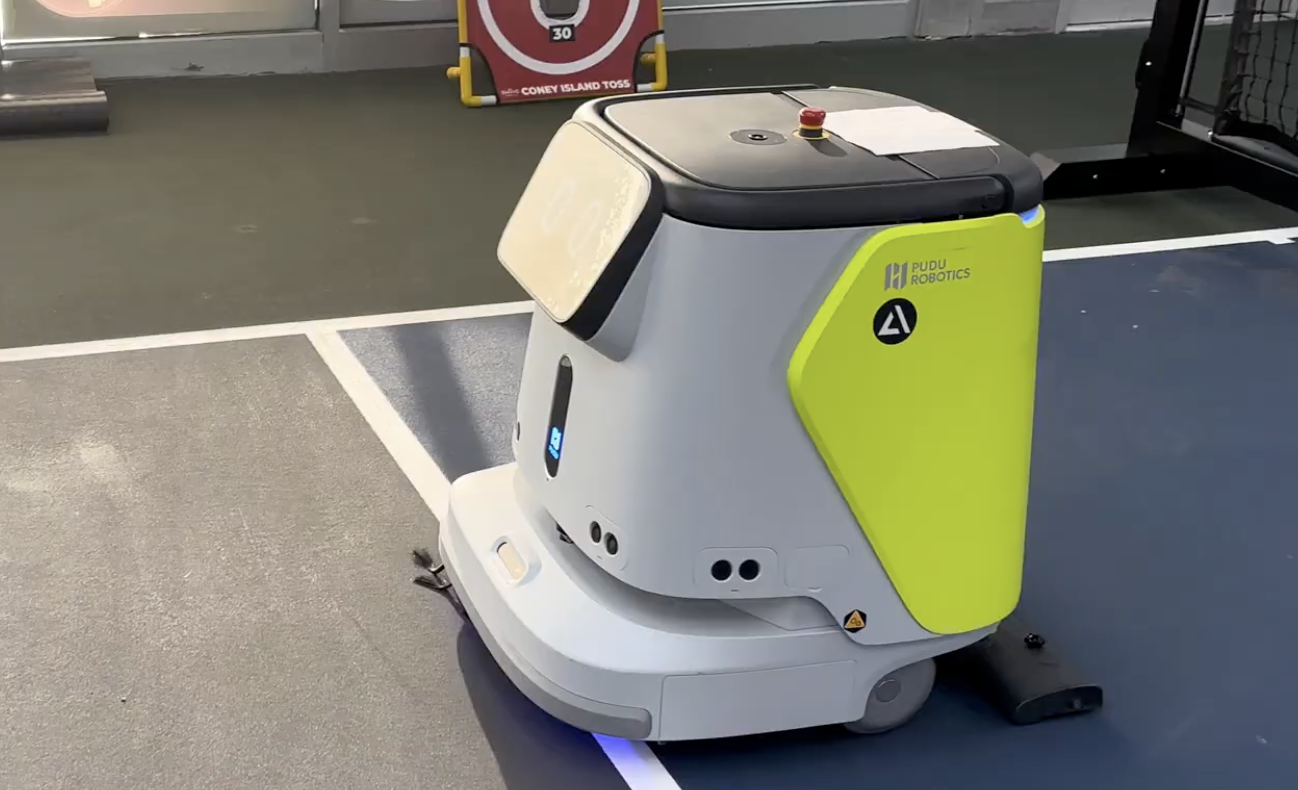
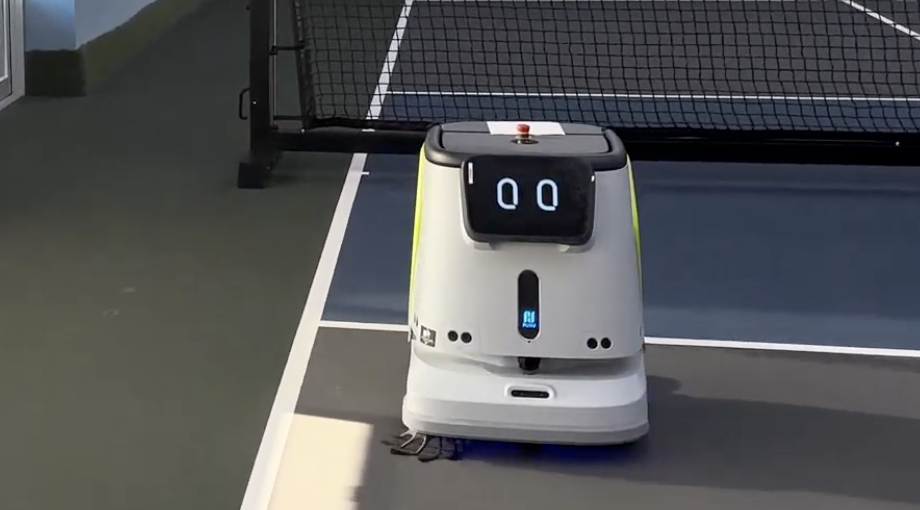
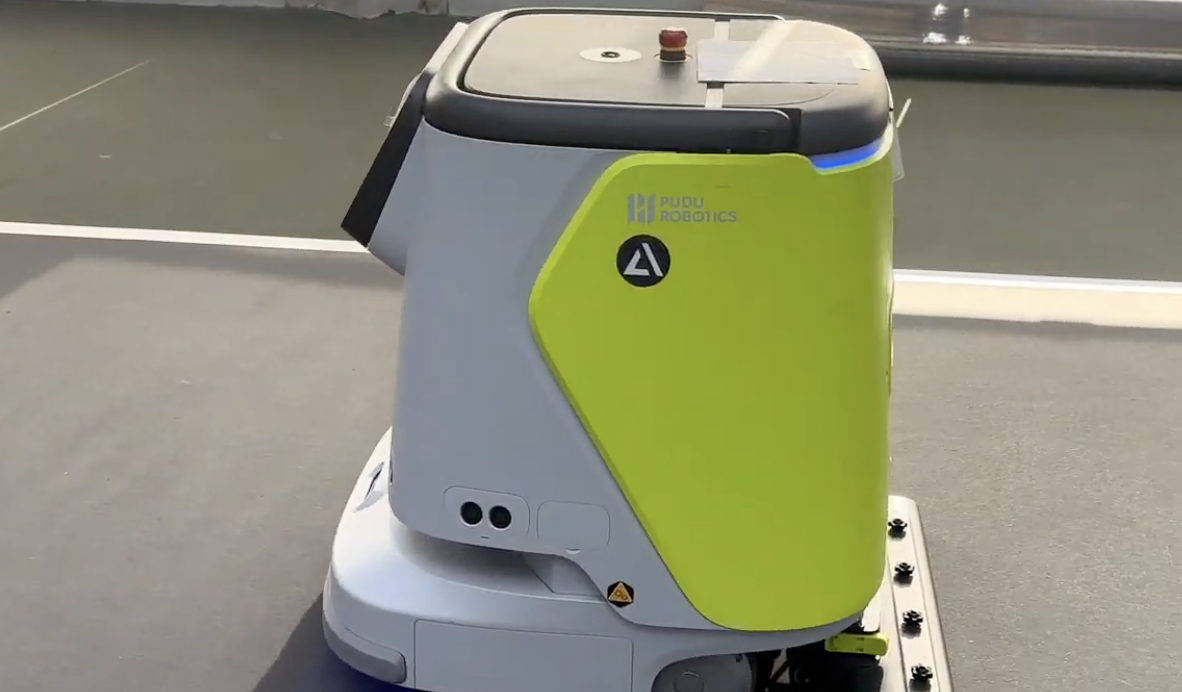
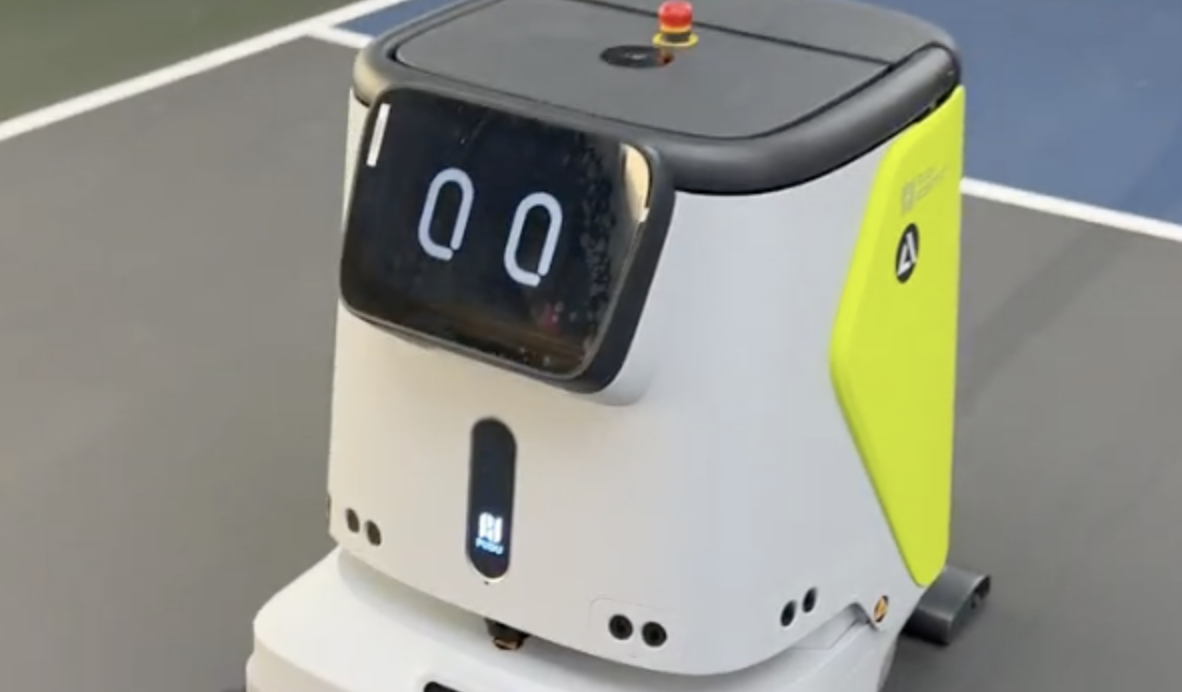
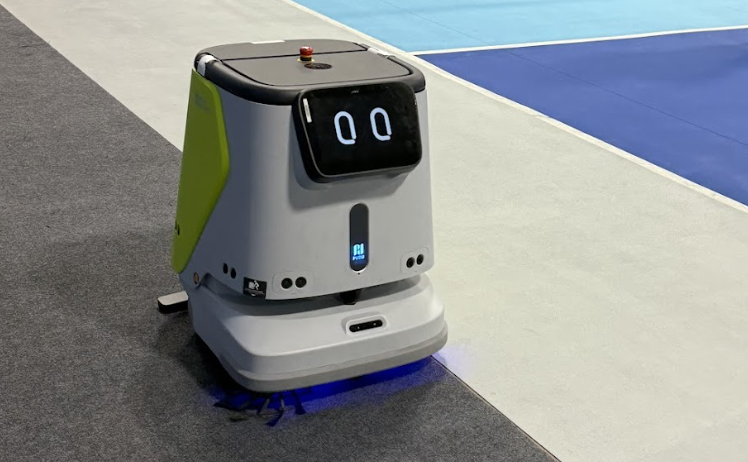
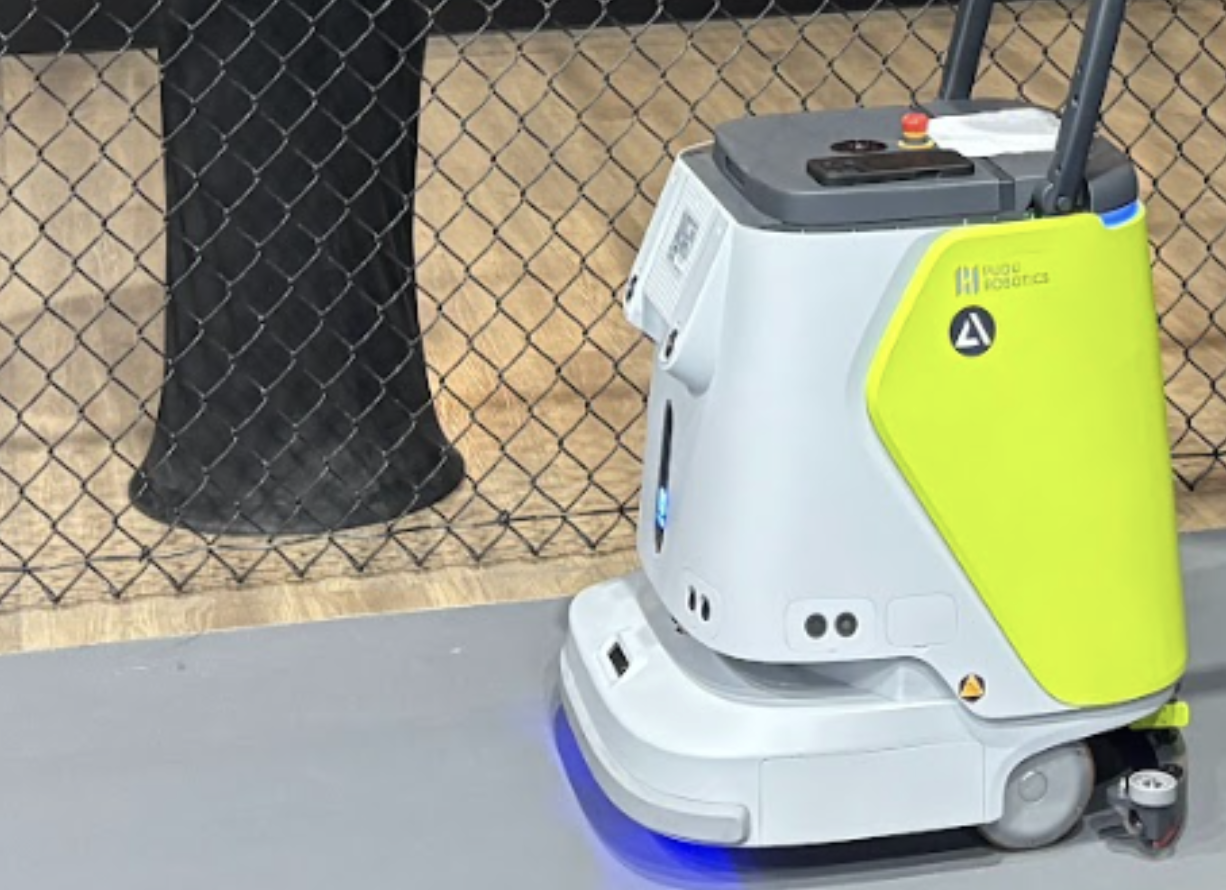
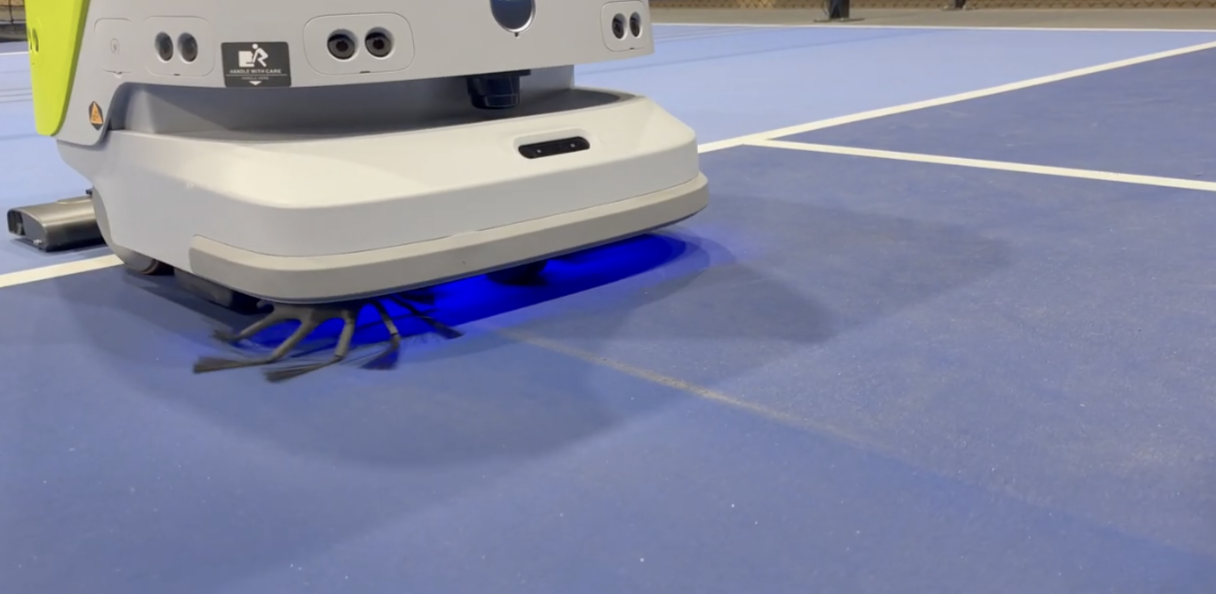
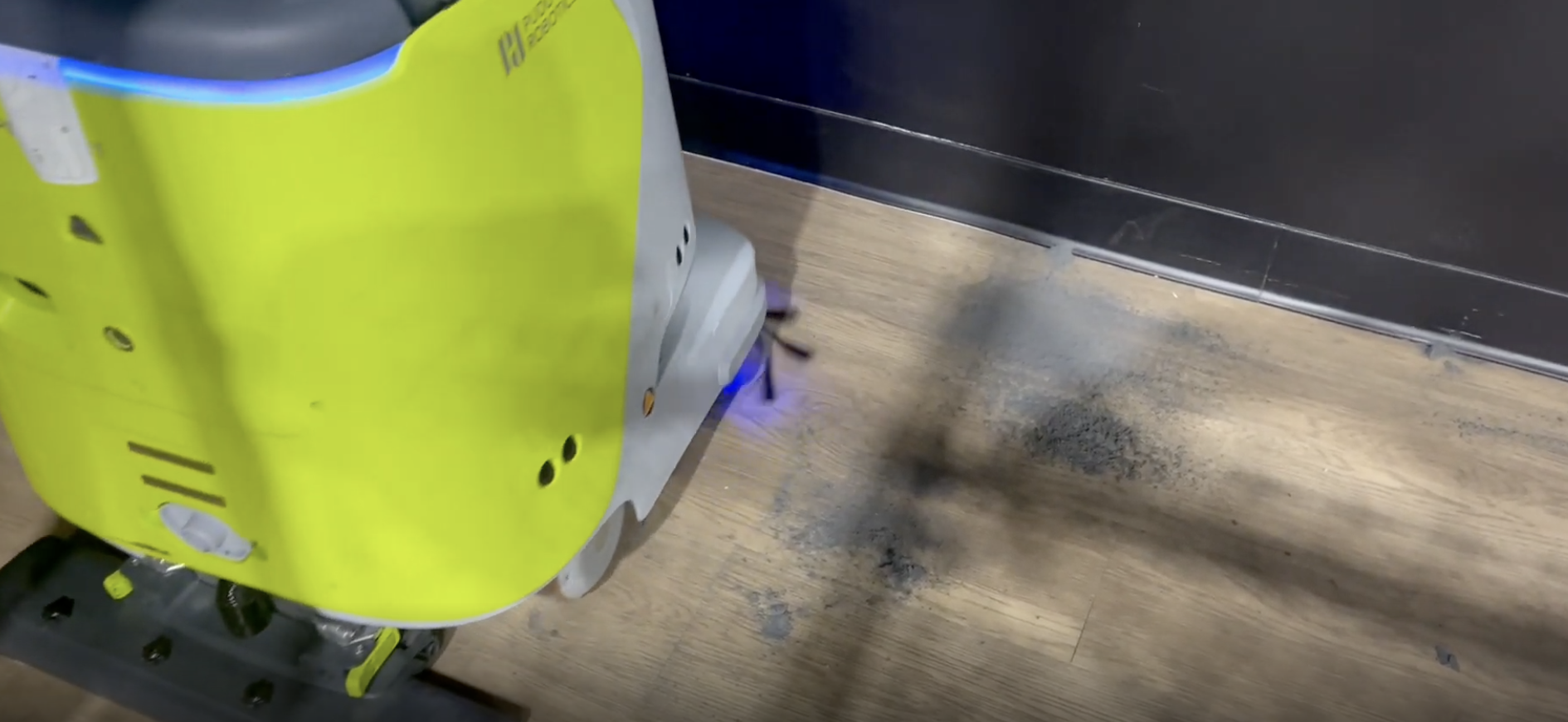
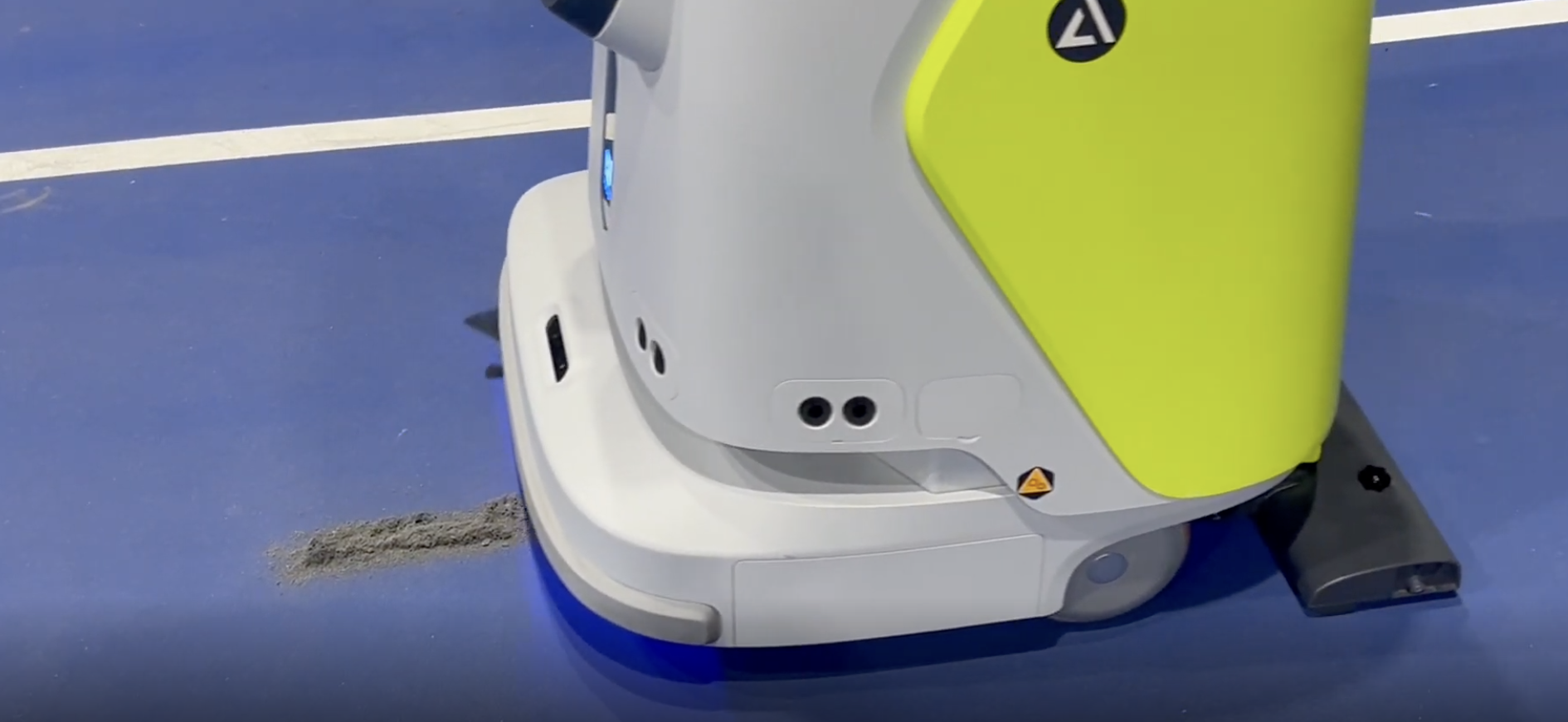
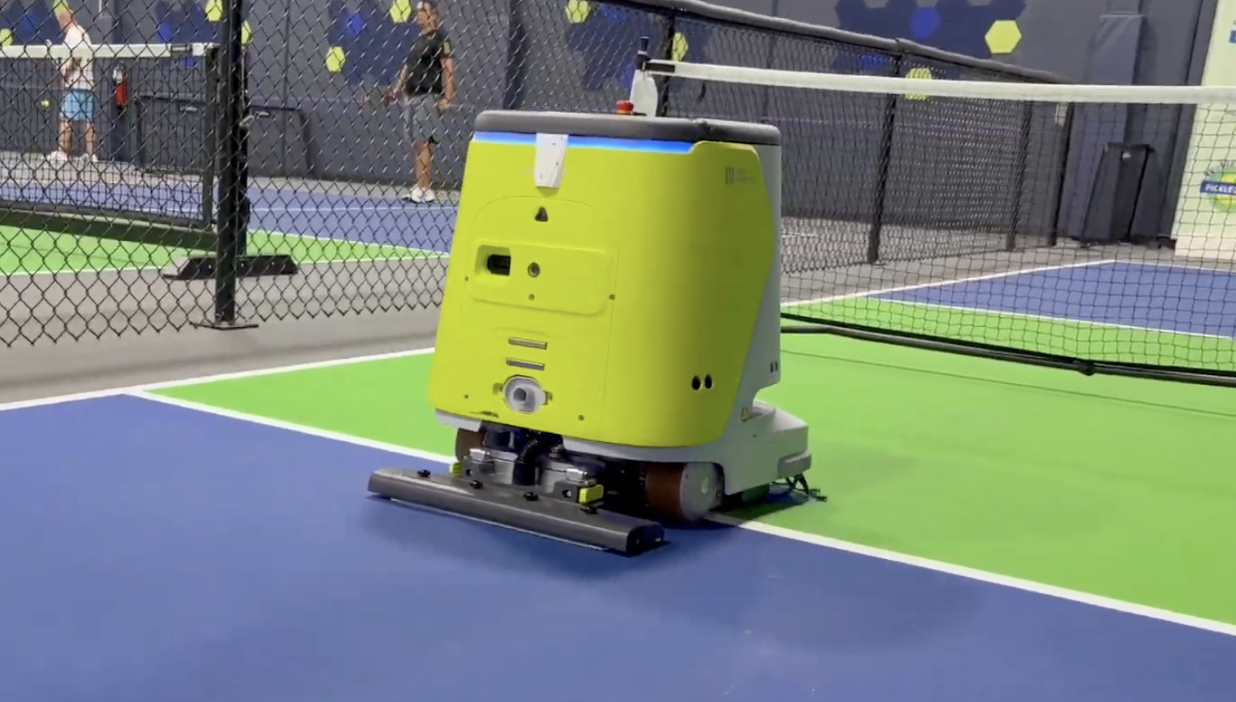
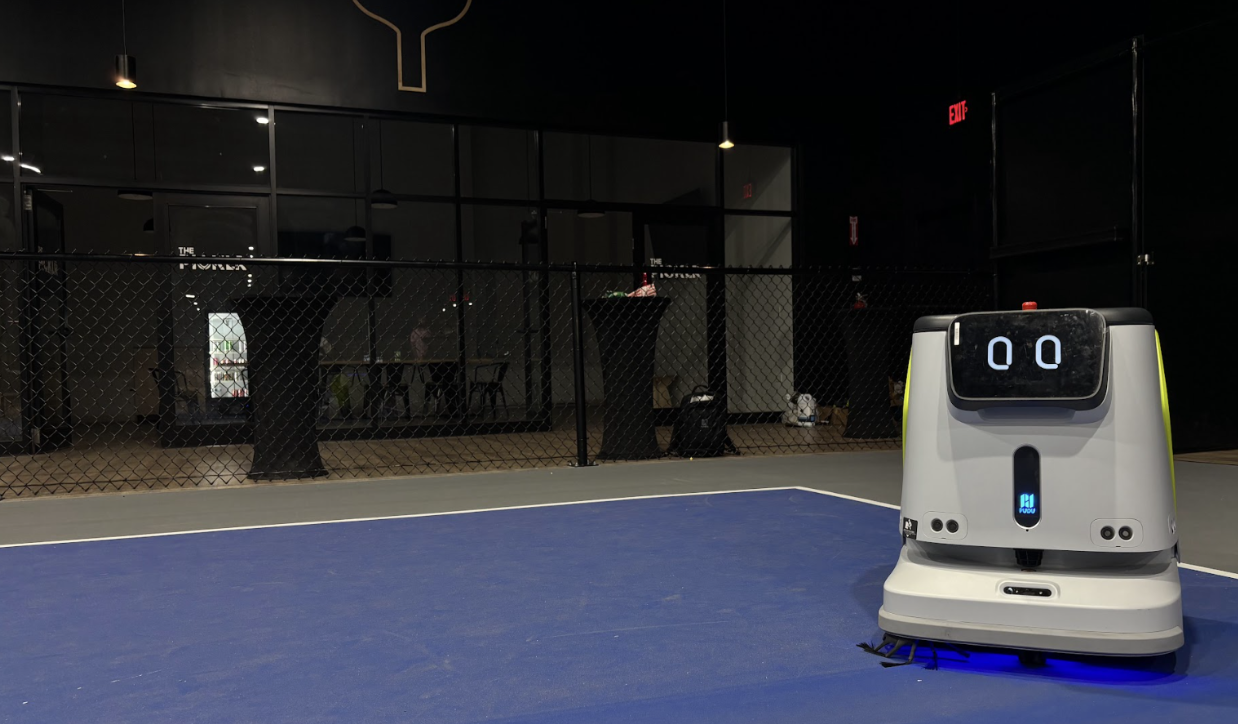
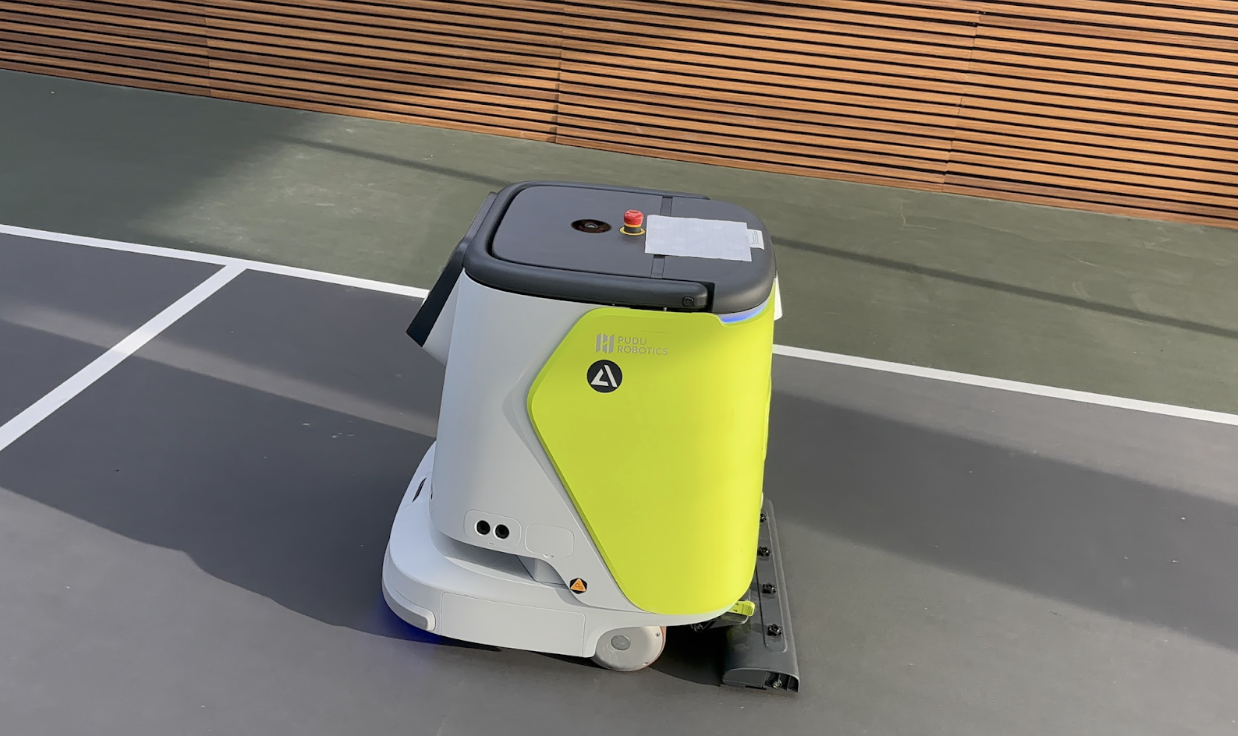
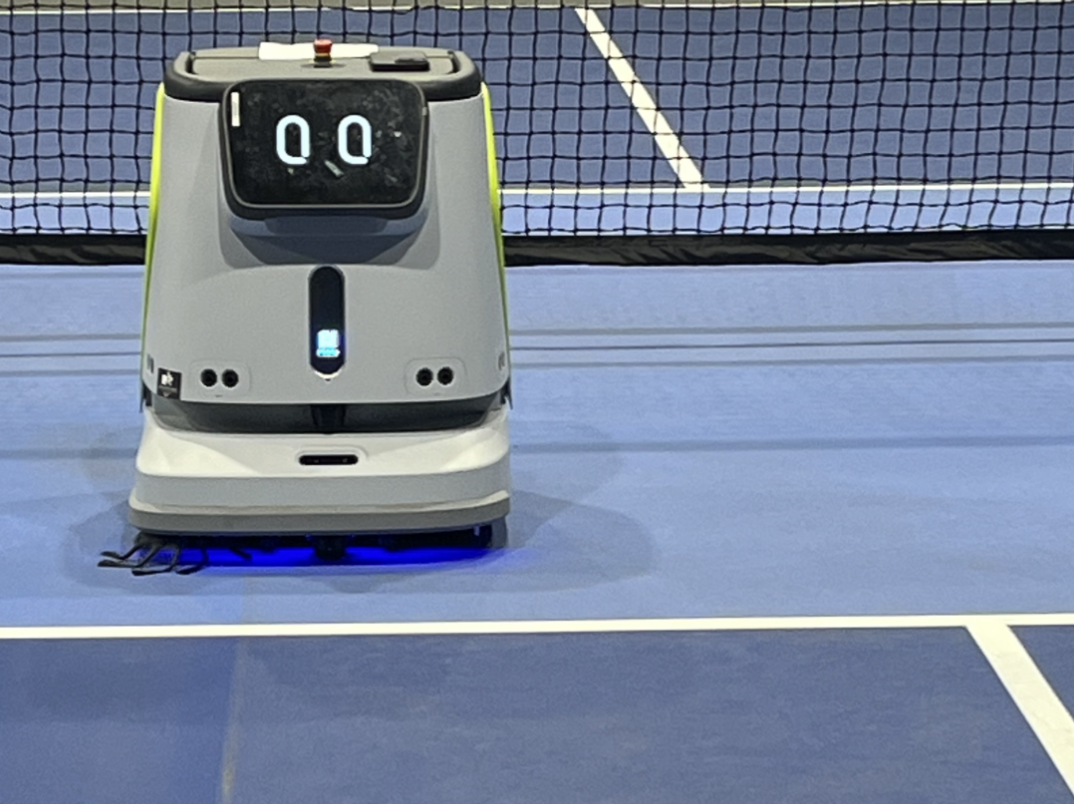
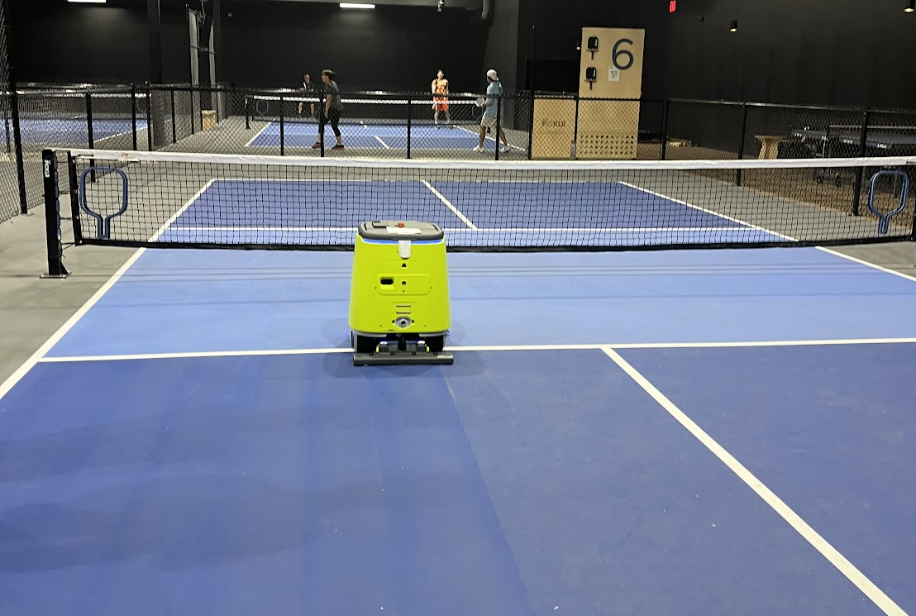
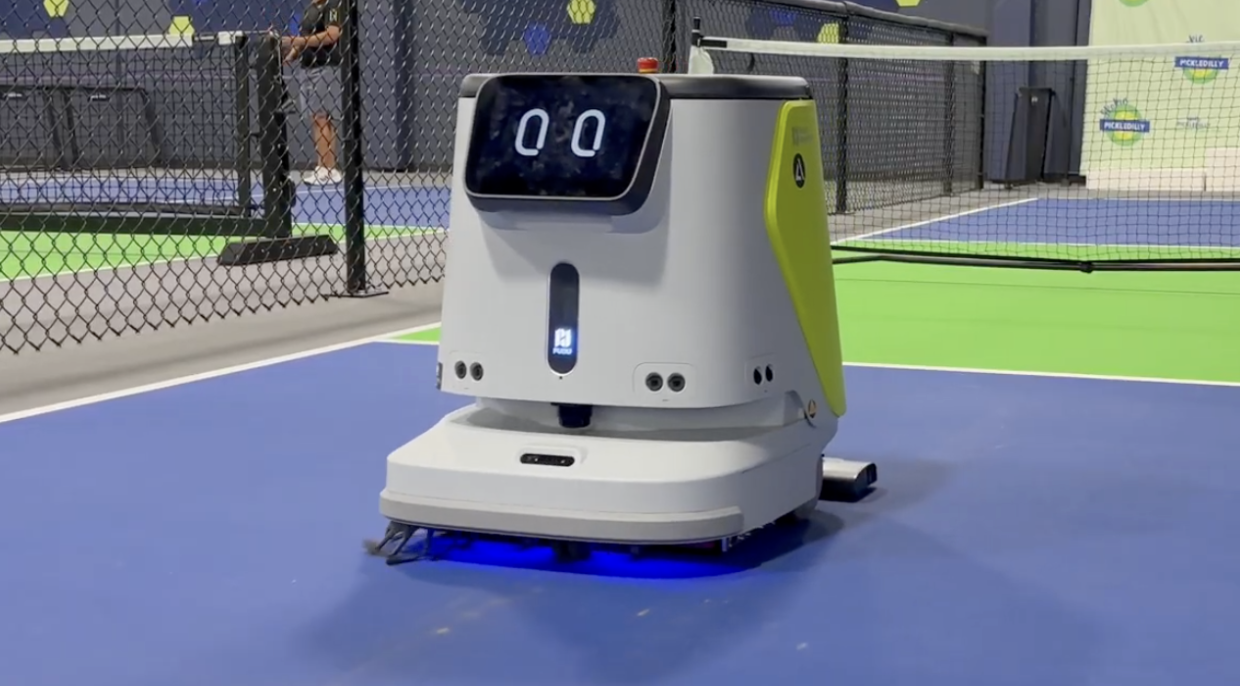
CeCe, Autopilot’s autonomous court-cleaning robot, automates sweep, scrub, and vacuum with low-moisture precision. Program overnight deep passes and timed micro-resets so courts open pristine and stay that way through the rush. Clubs routinely reclaim 8–12 labor hours per week, reduce slip risk, and extend surface life by protecting texture and finish—all while staff focus on hospitality and coaching.
Want to see how automation can streamline your operations and keep your courts tournament-ready every day?