Winter Questions Court Owners Ask About Robotic Cleaning (Real Answers, No Hype)

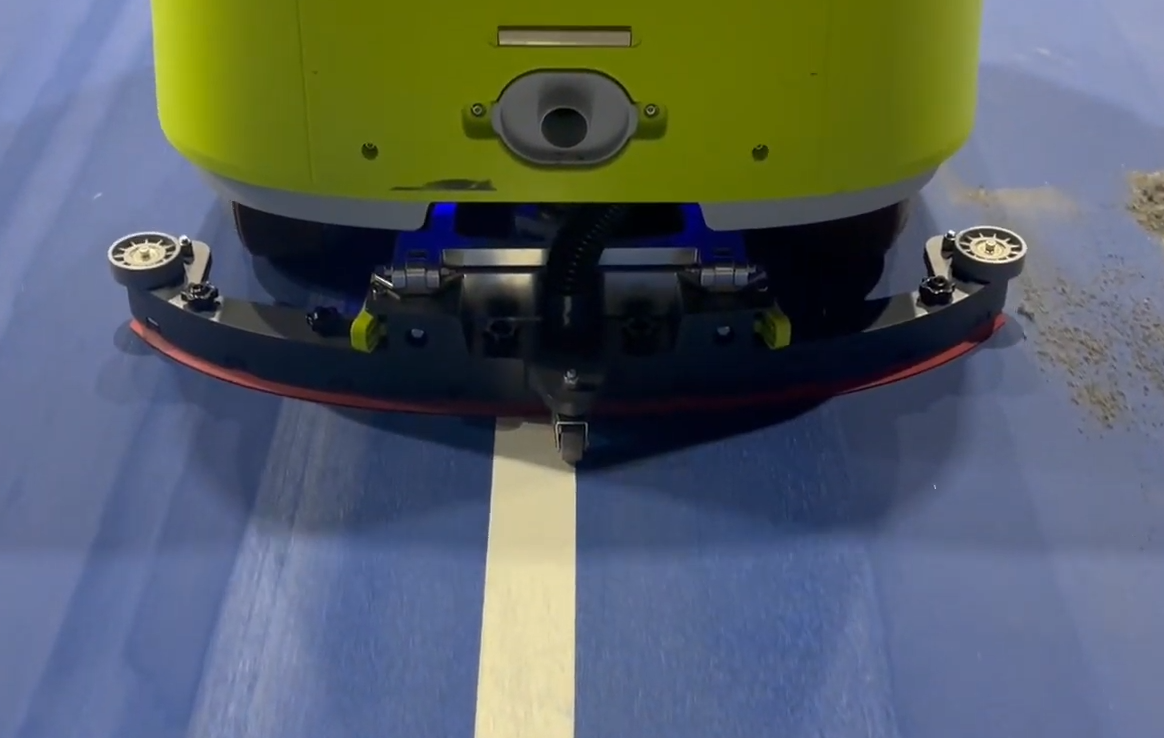
Winter Questions Court Owners Ask About Robotic Cleaning (Real Answers, No Hype)
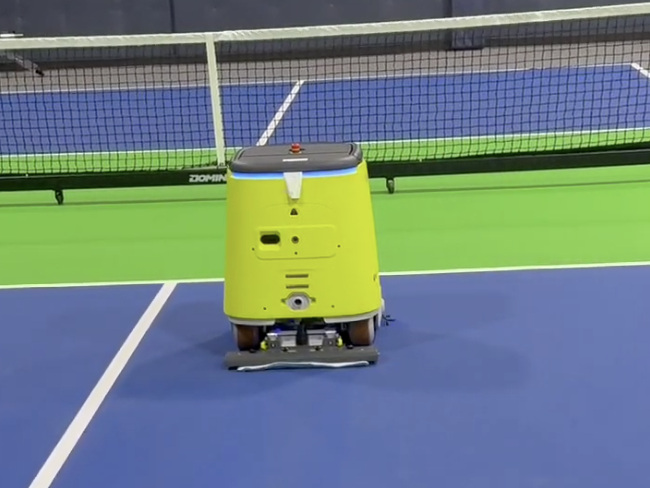
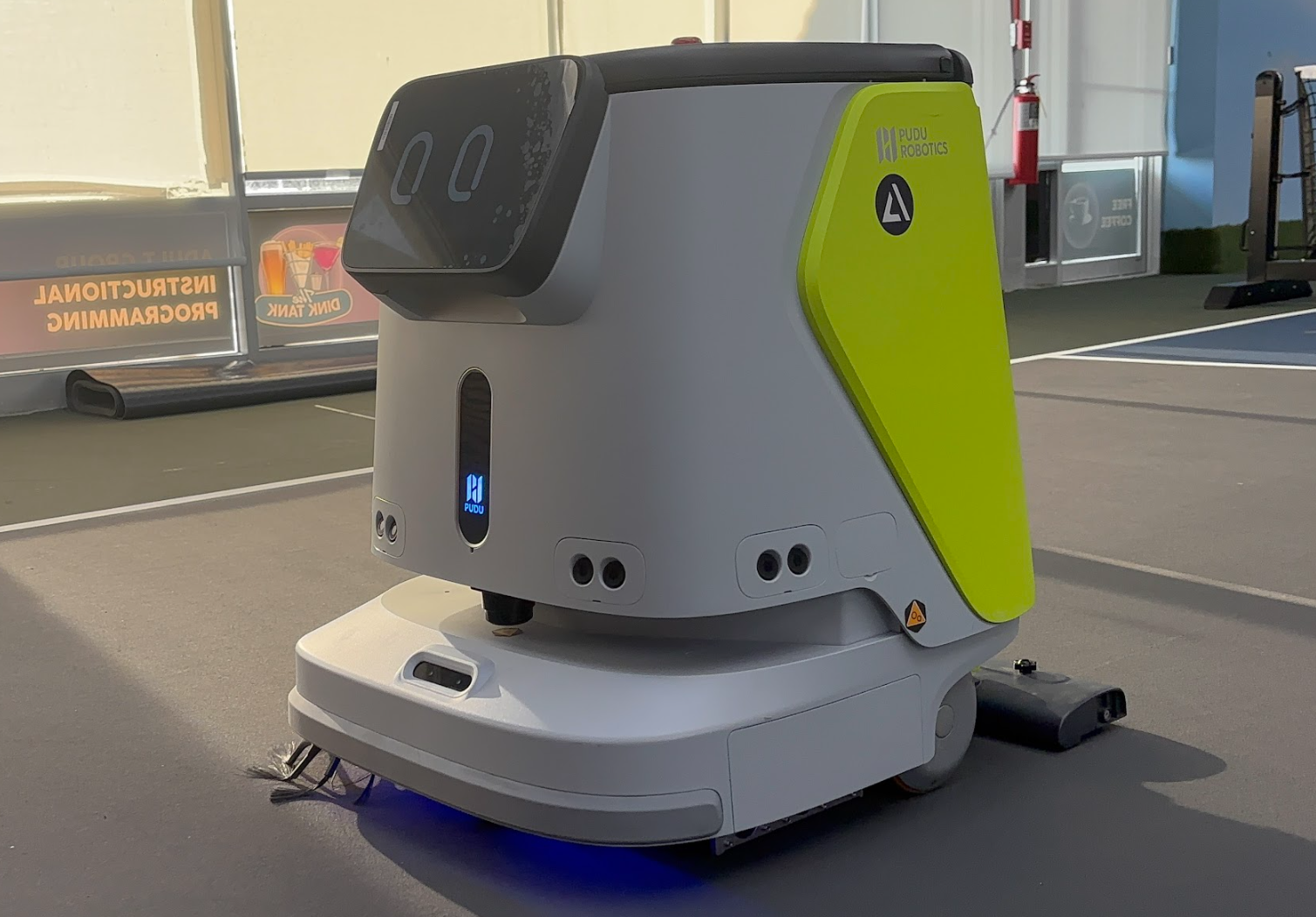
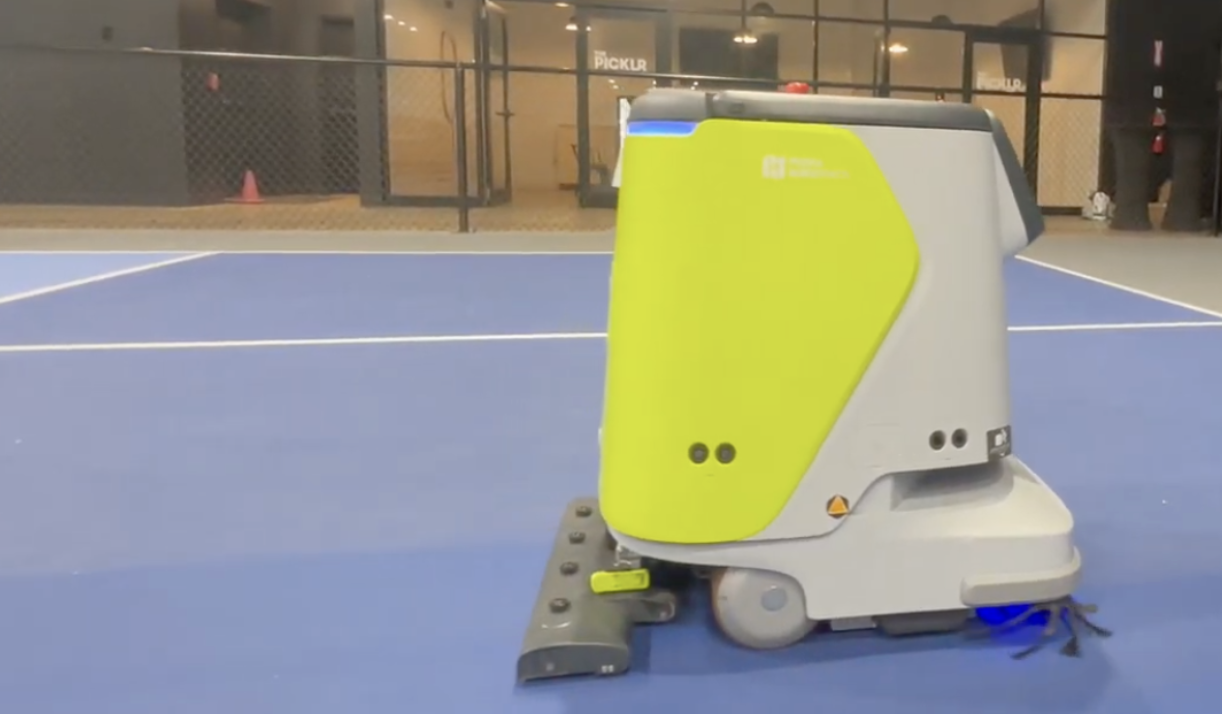
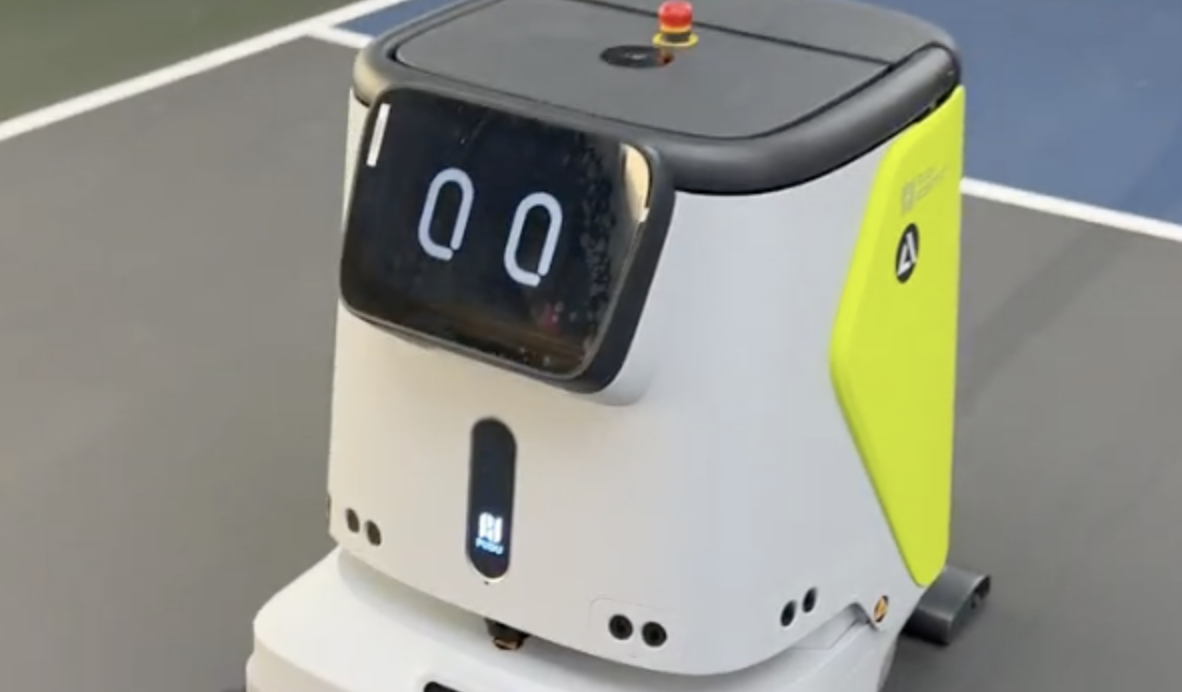
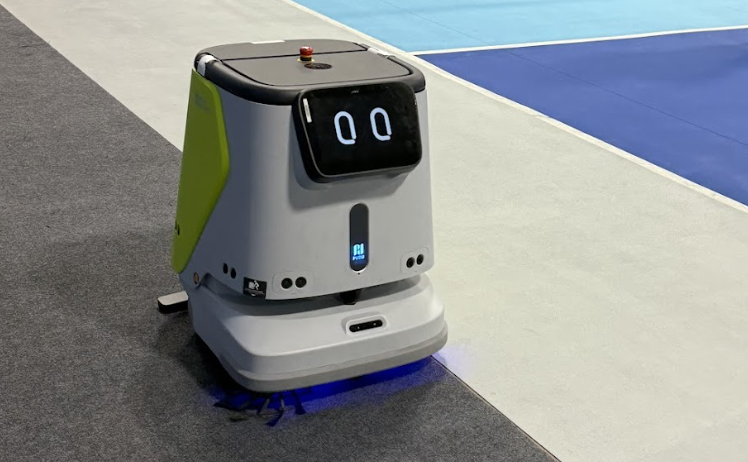
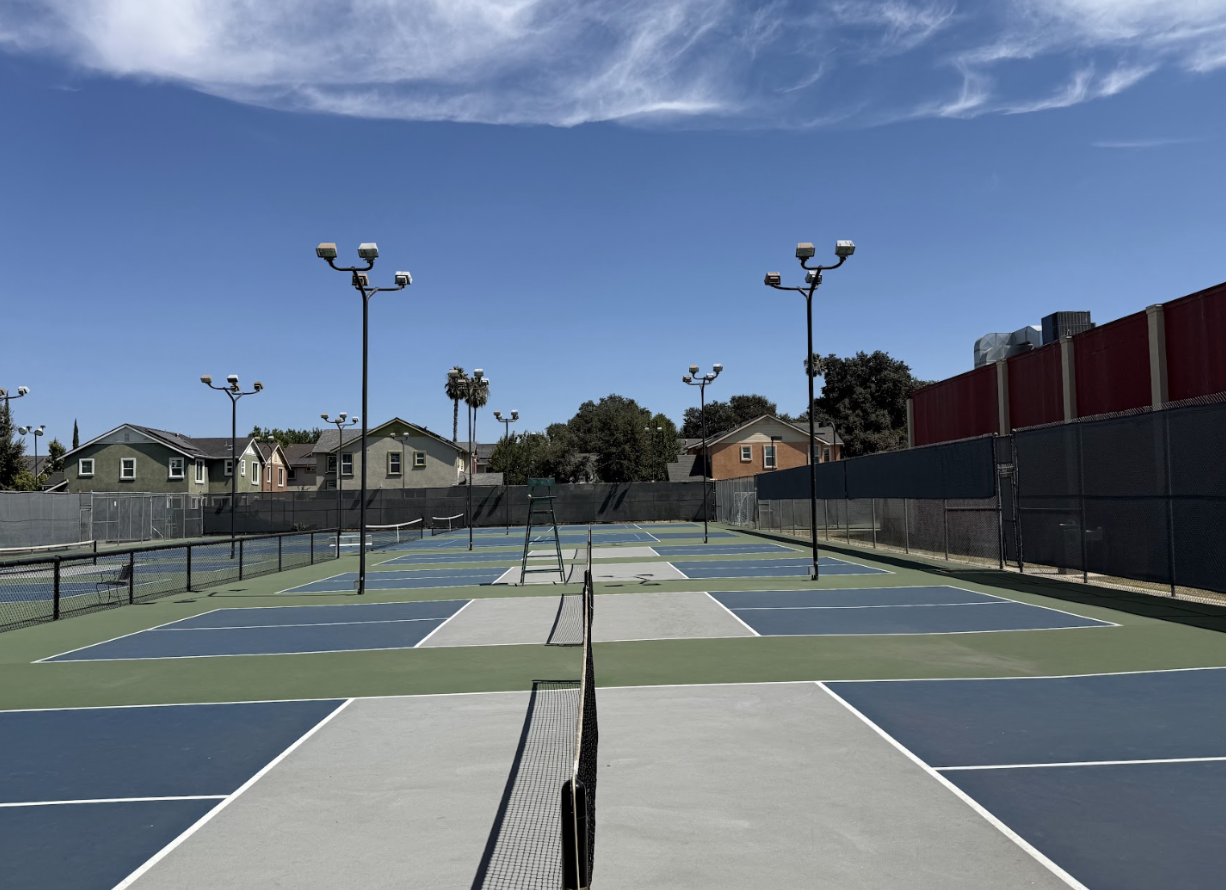
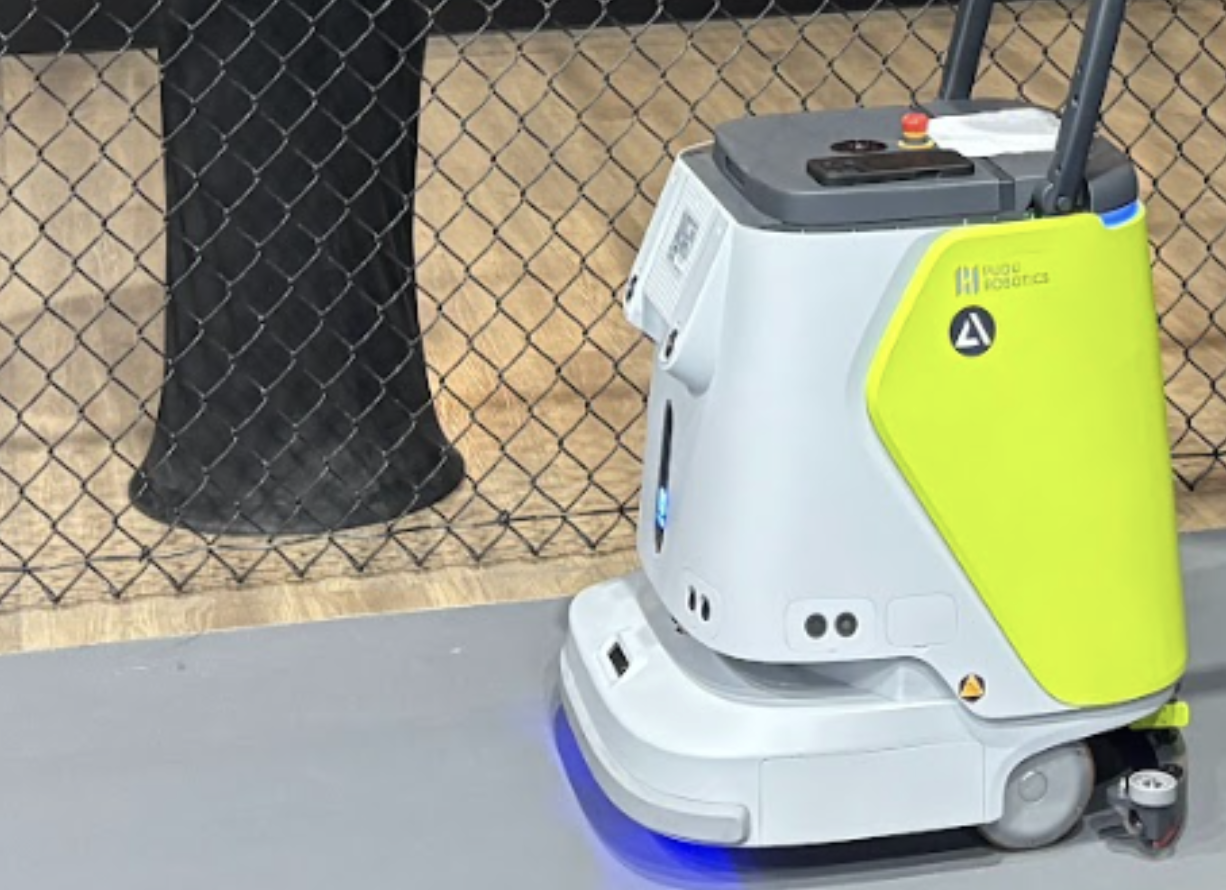
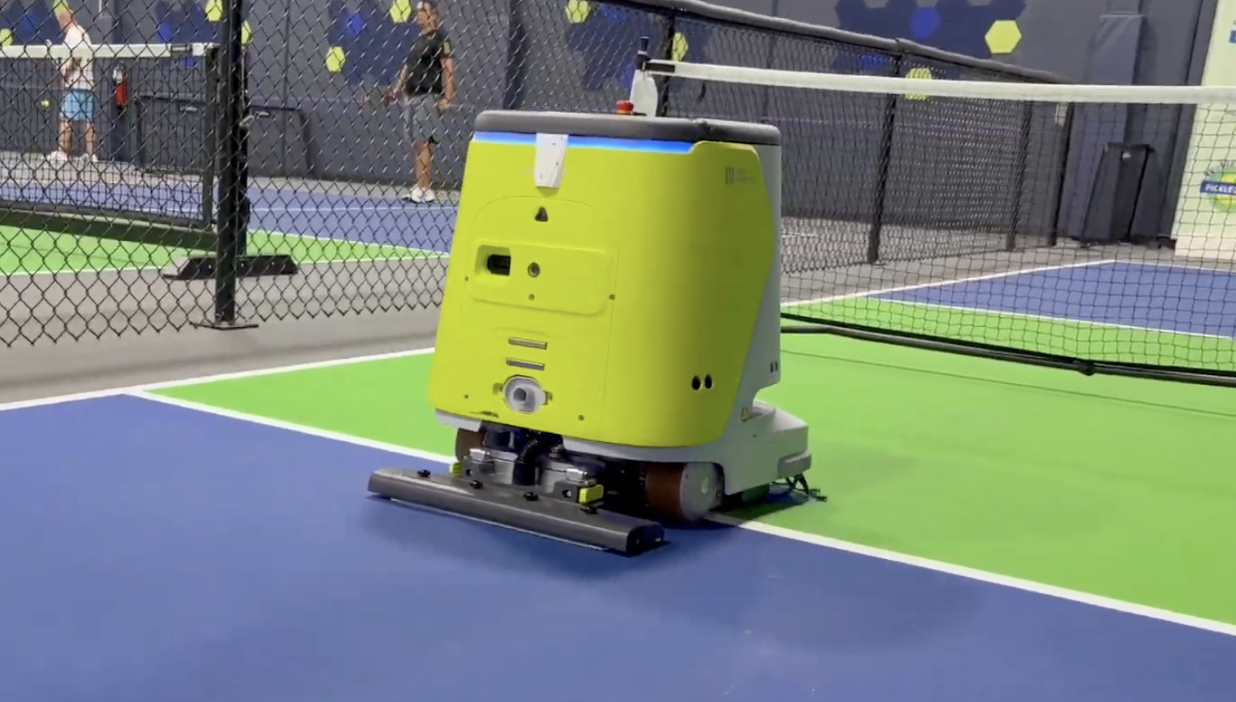
Robotic cleaning is getting real traction in pickleball — especially in winter, when court conditions change faster and staffing gets stretched.
But owners don’t want hype. They want clear answers:
- Does it actually help in winter?
- How does it fit into league schedules?
- What does “success” look like?
- What happens if it doesn’t get used?
Below are the real questions we hear from court owners — and the practical way to think about them.
1) “Is winter really the season where robotics helps most?”
For many facilities, yes — because winter adds:
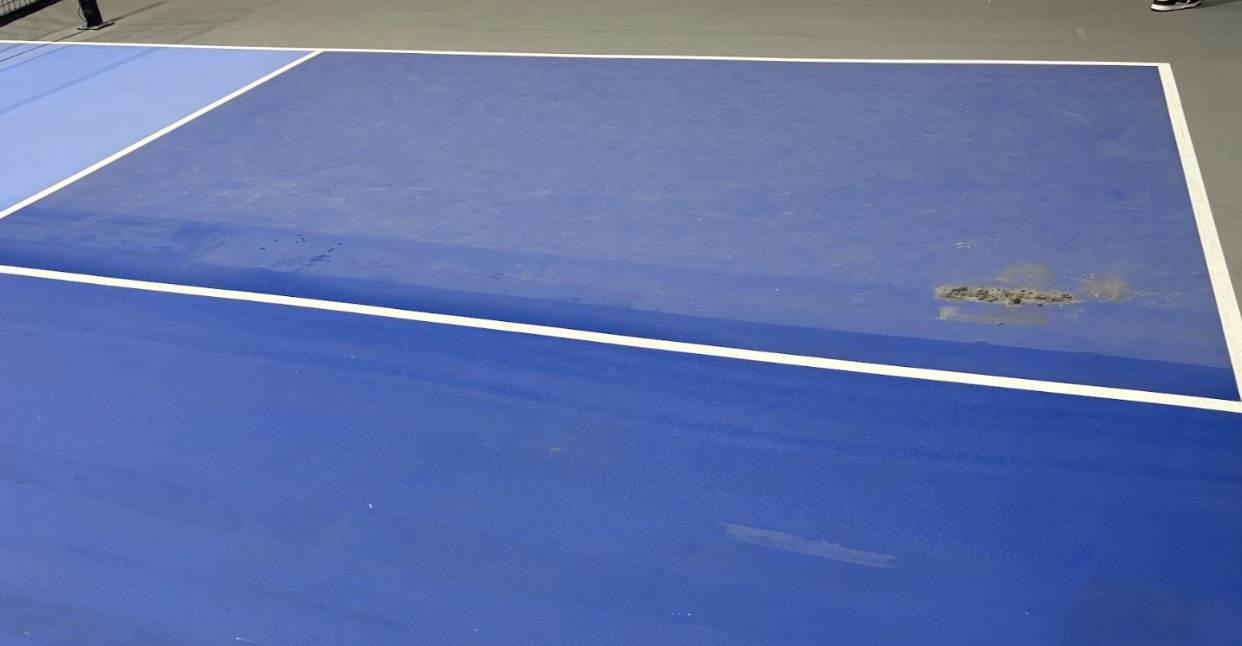
- more tracked-in grit and moisture
- more cleaning touchpoints needed to stay consistent
- more compressed peak hours
- higher sensitivity to traction differences
Robotics help when the problem is consistency under pressure, not just “we occasionally need a deep clean.”
2) “Will it disrupt play?”
The best deployments are built around your schedule, not the other way around.
Common approaches:
- run between blocks (pre-peak, post-peak)
- run during off-hours
- treat it like a short “reset” rather than a big event
If you frame it as a background standard (like lights turning on), it becomes operational, not disruptive.
3) “How do we make sure it actually gets used?”
This is the adoption question — and it’s a good one.
What works:
- assign one champion + one backup
- define a weekly schedule (open/pre-peak/close)
- set one success metric (complaints, reactive cleaning time, etc.)
- keep the workflow simple enough that it’s easier to do than skip
Robotics succeed when they’re part of a routine, not a special project.
4) “What should we expect it to replace?”
Owners usually get the most value when robotics replaces the repeatable, frequent cleaning passes, especially in winter.
It typically supports (not replaces):
- staff focus on hospitality and operations
- deeper maintenance and inspections
- league management and customer experience
5) “What’s a realistic definition of success?”
Pick one measurable outcome:
- fewer “slippery/dusty” complaints
- fewer reactive cleanups during peak hours
- more consistent league experience across courts
- less staff time spent on repetitive cleaning work
Winter is a great test because improvements show up quickly.
If you’re evaluating robotic cleaning for winter operations, Autopilot can share real deployment patterns and help you map a robot-supported workflow that fits your court count, traffic, and league schedule. Reach out for a practical walkthrough.