Winter Peak Hours Without the Panic — Keeping Courts Game-Ready Between Leagues and Lessons

Winter Peak Hours Without the Panic — Keeping Courts Game-Ready Between Leagues and Lessons
Winter turns pickleball operations into a scheduling puzzle. Traffic concentrates into a few prime windows—after work, weekend mornings, and league nights. And the irony is that the courts need the most attention at the exact times you have the least slack.
That’s when facilities fall into “panic cleaning”:
- someone complains the gate area feels slick
- a corner collects grit mid-league
- staff gets pulled from the desk
- play gets disrupted
- and you lose time you can’t get back
Why peak hours break winter court standards
1) Winter debris arrives in bursts
In summer, buildup can be gradual. In winter, it spikes:
- a wave of players arrives with grit on shoes
- one windy hour pushes debris into corners
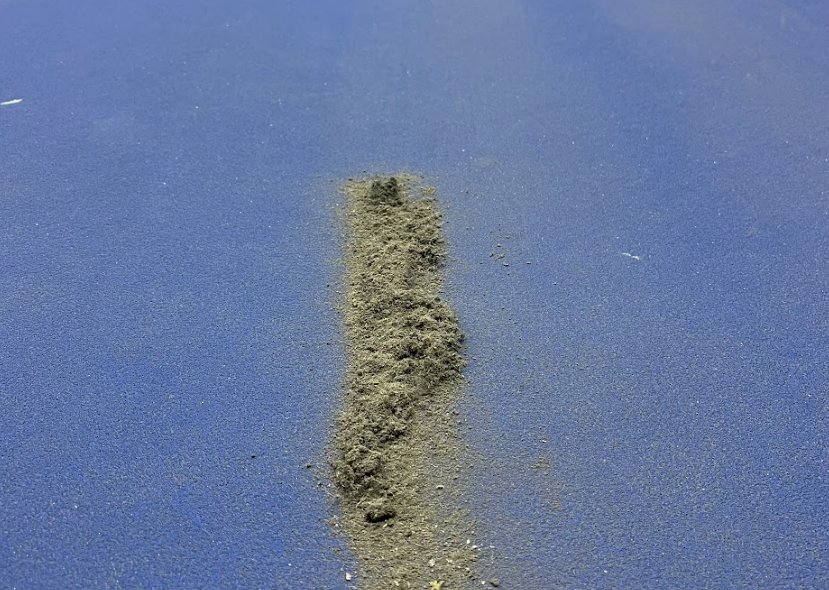
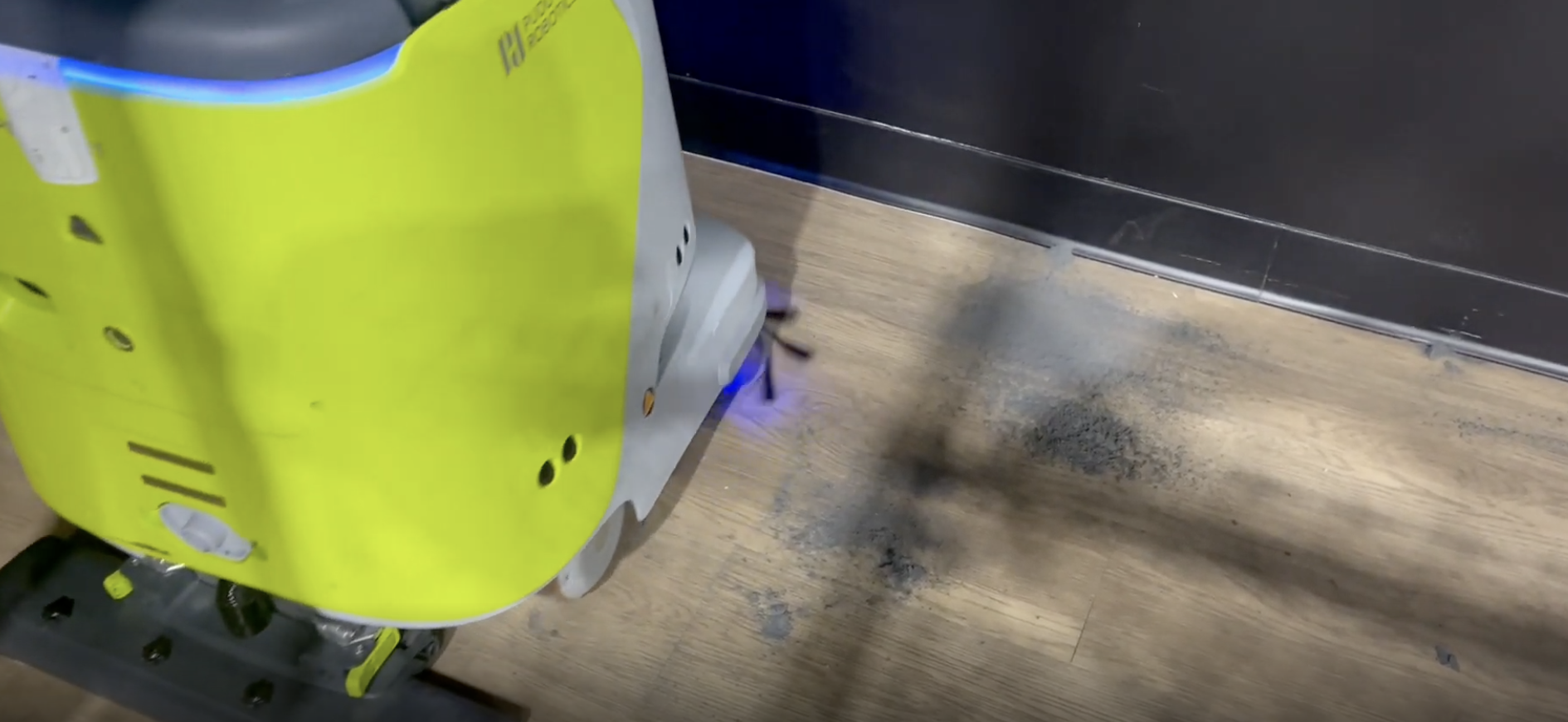
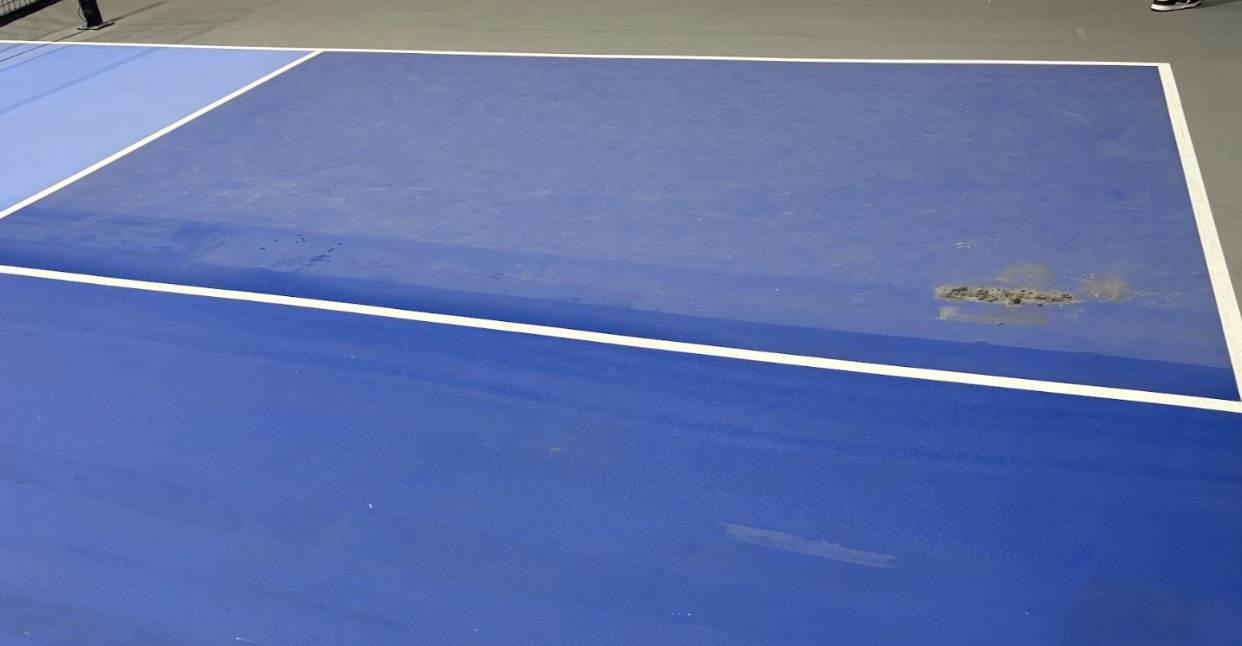
- moisture + fine dust creates slick zones faster than you expect
2) Staff “multi-tasking” makes consistency fragile
Peak hours are when staff is:
- checking people in
- answering questions
- running leagues
- selling retail or memberships
- solving conflicts and court assignments
Cleaning becomes “when we can,” which means it becomes inconsistent.
3) Small problems feel bigger during busy play
A dusty baseline corner during open play is annoying. During league night, it’s a disruption—because it affects fairness, confidence, and sometimes safety.
The winter fix: the “Between-Blocks Reset”
Instead of trying to keep courts perfect, aim for predictably safe and consistent.
A Between-Blocks Reset is a short routine done at key times:
- right before league blocks
- between lesson waves
- between tournament rounds
- during the 10–15 minute buffer you already try to create
The 7-minute reset that prevents 70 minutes of chaos
If you only have a few minutes, prioritize the highest ROI zones:
- Gates/entrances (2 minutes)
This is where moisture and grit enter. If you’re trying to reduce slip complaints, this is the first stop. - Corners and fence lines (2 minutes)
Wind pushes debris there. Corners become the “mystery skid” zones. - Play lanes (3 minutes)
Target the lanes with the most rapid movement:
- baseline ↔ kitchen transition
- sideline pivot zones
You’re not polishing the court—you’re keeping the game consistent.
Best practices: making resets actually happen
Attach resets to “anchors”
Resets fail when they rely on memory. They work when they are tied to something already scheduled:
- “Reset happens at 4:30pm before league check-in”
- “Reset happens after the 6pm lesson block”
- “Reset happens at close, no exceptions”
Define “game-ready” in one sentence
Example:
“Hotspots clear, play lanes clear, no slick zones at entrances/corners.”
That sentence becomes your standard. It also makes training easier.
Use a one-line log (optional but powerful)
A clipboard or digital note:
- Date
- Time
- Reset done? (Y/N)
- Any issues? (gate damp, Court 2 corner grit)
This isn’t bureaucracy—it’s how you create a reliable operation.
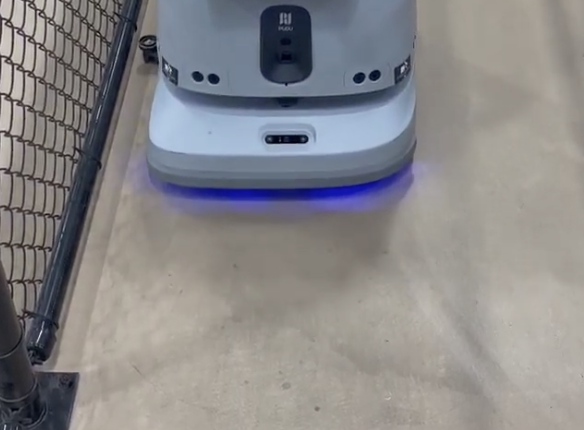
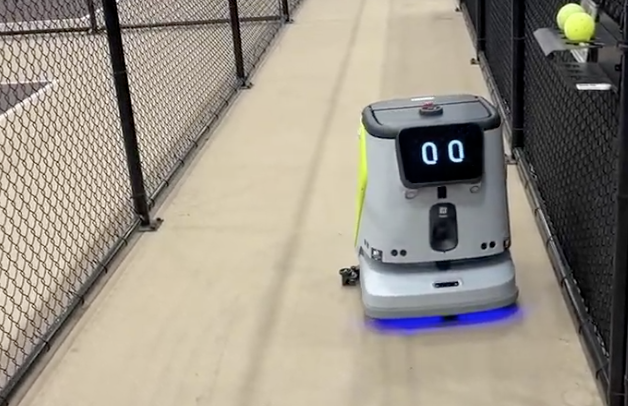
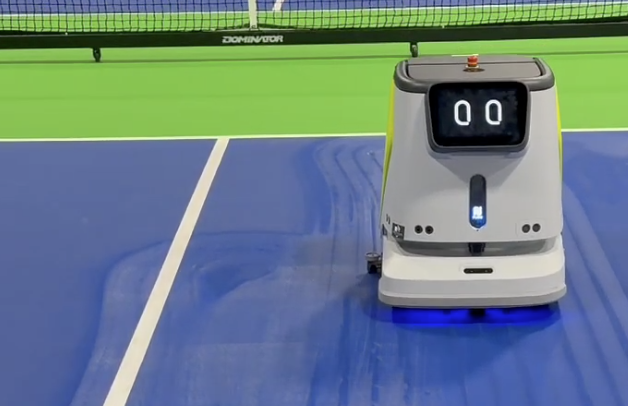
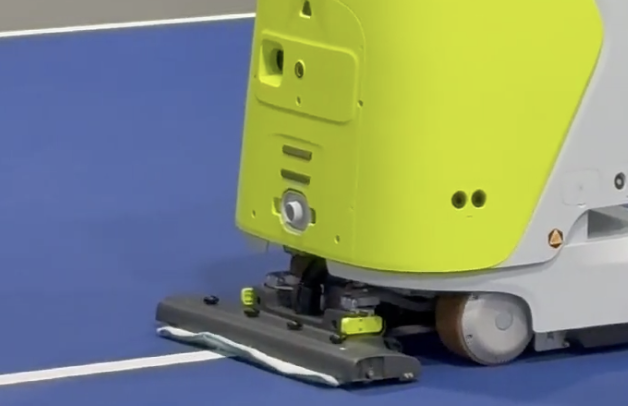
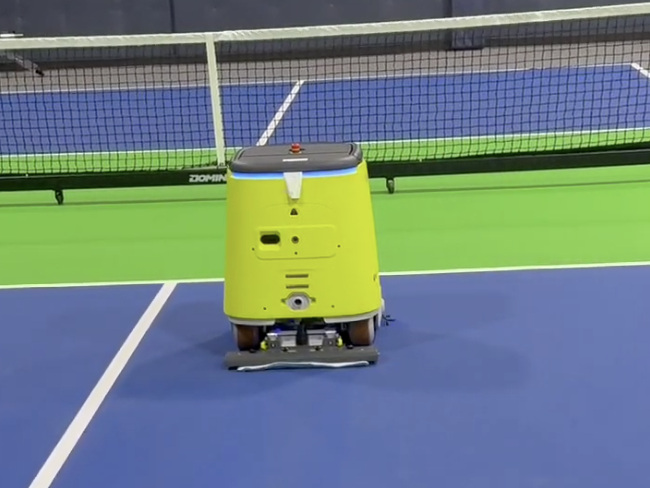
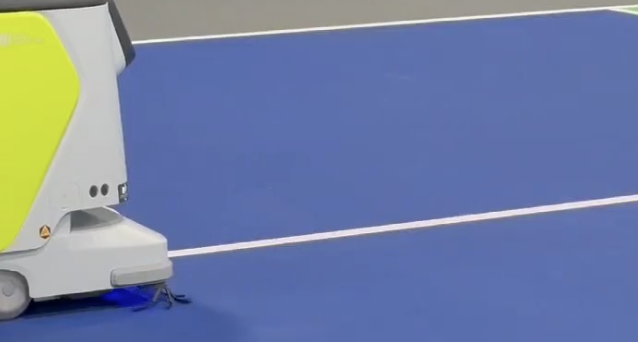
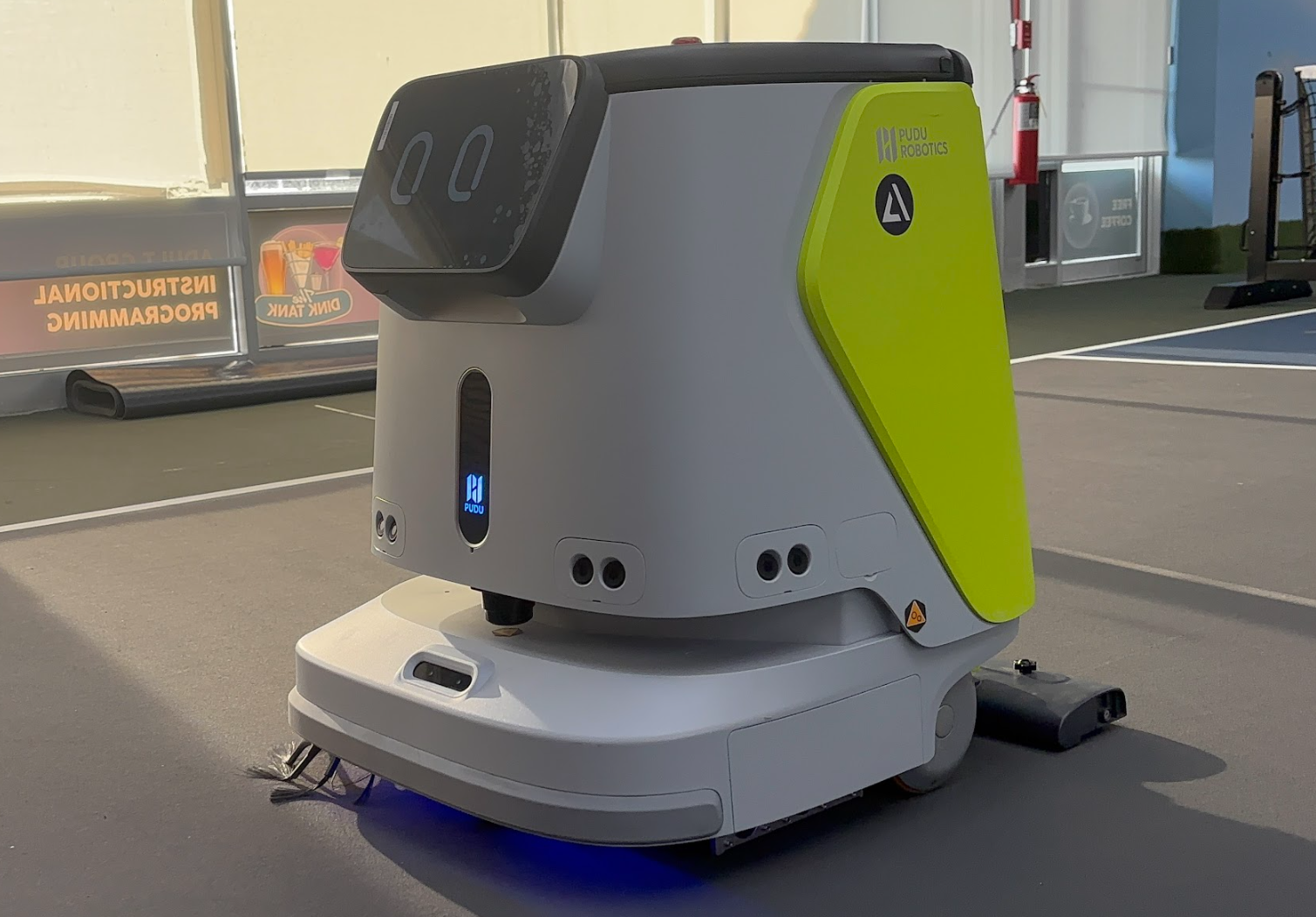
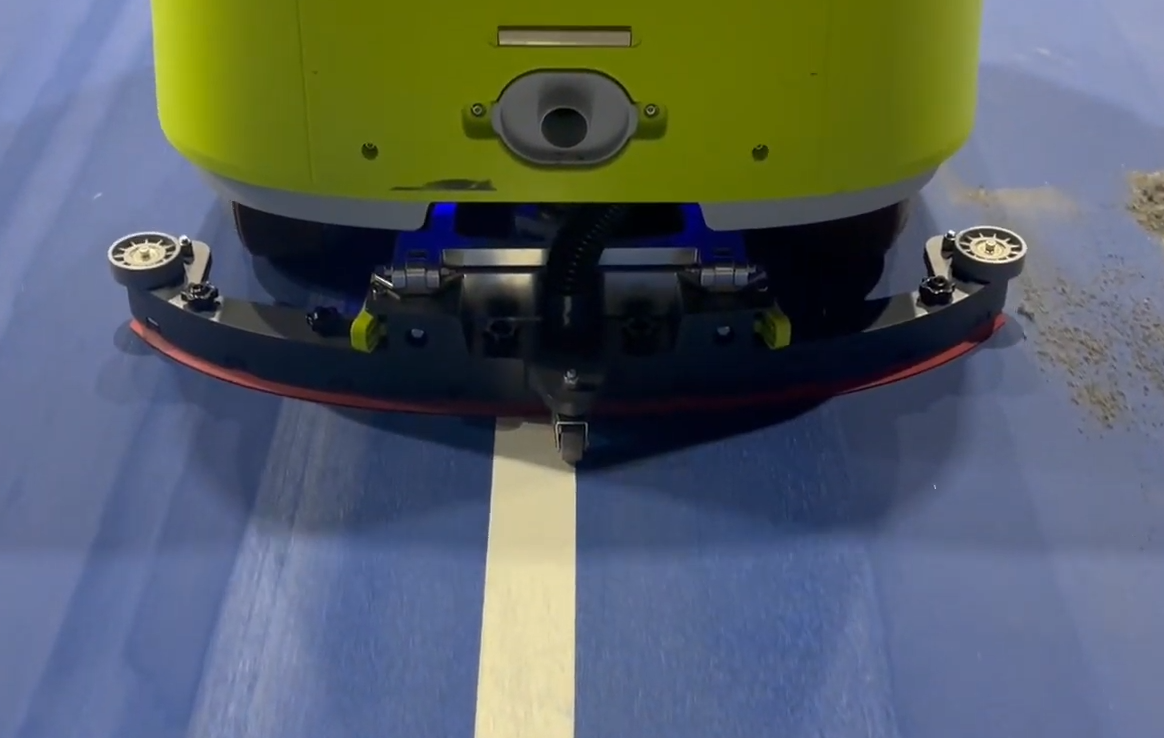
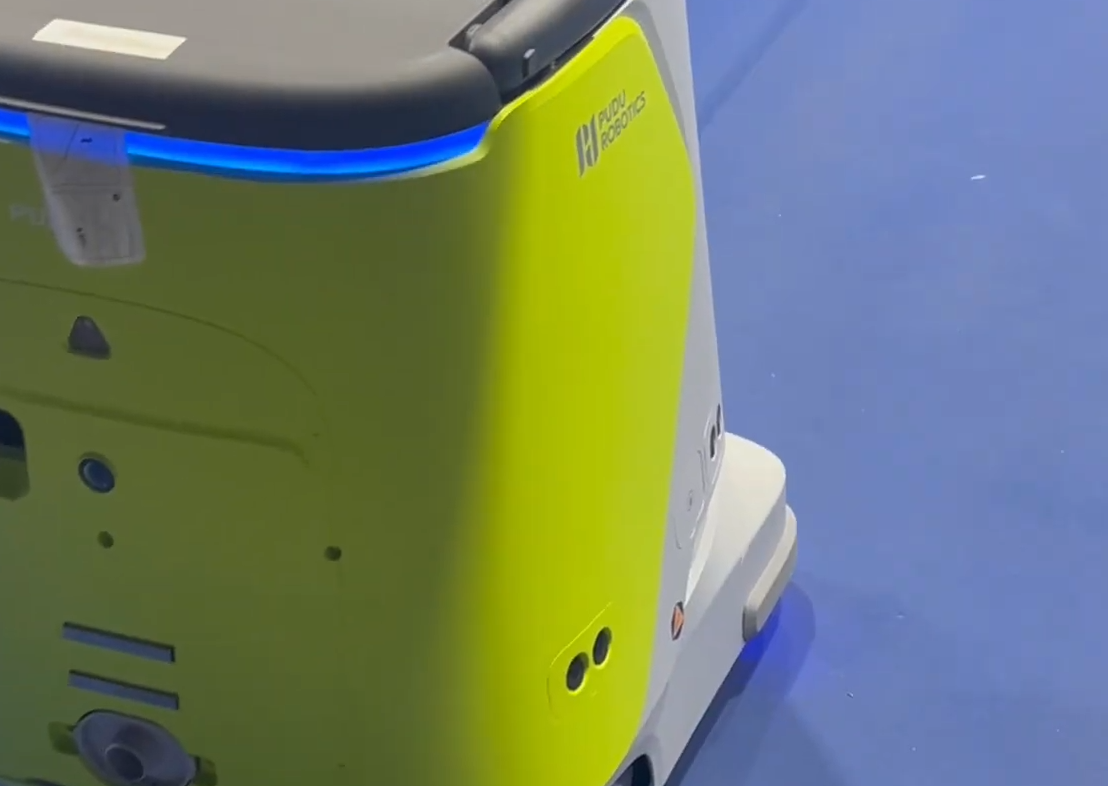
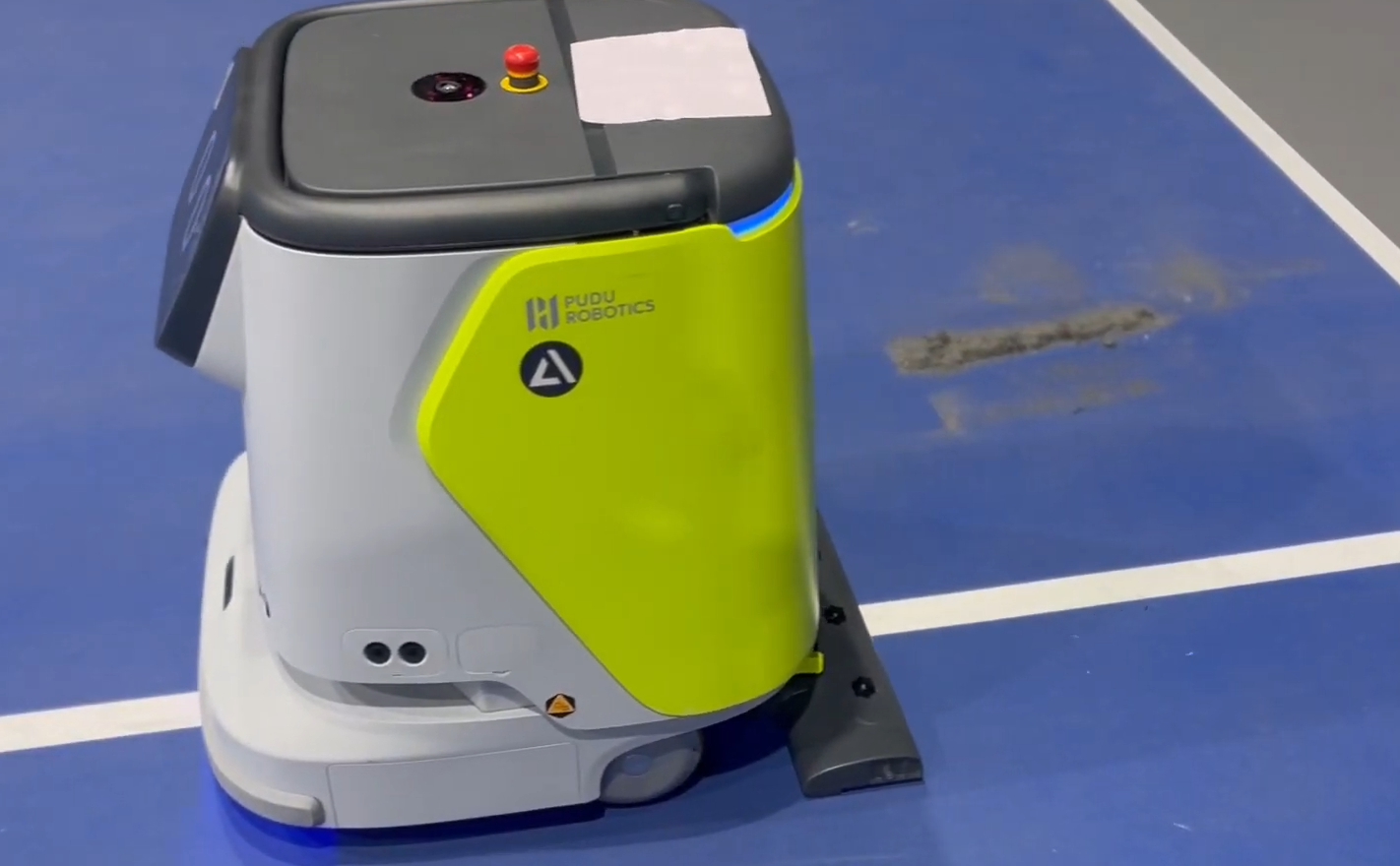
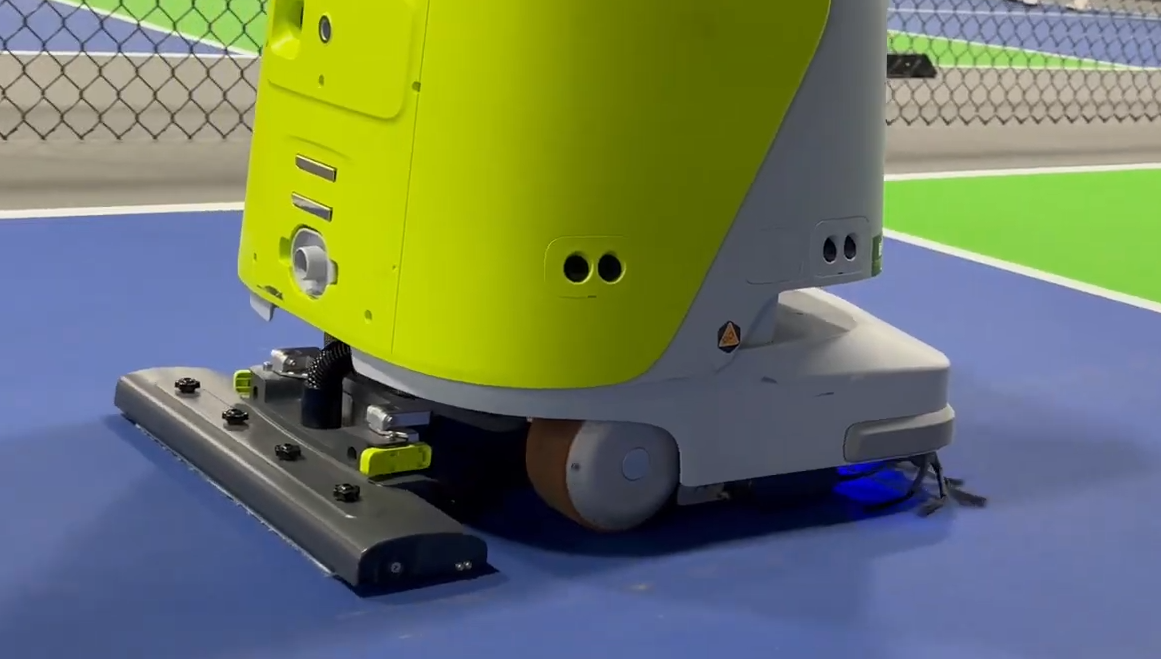
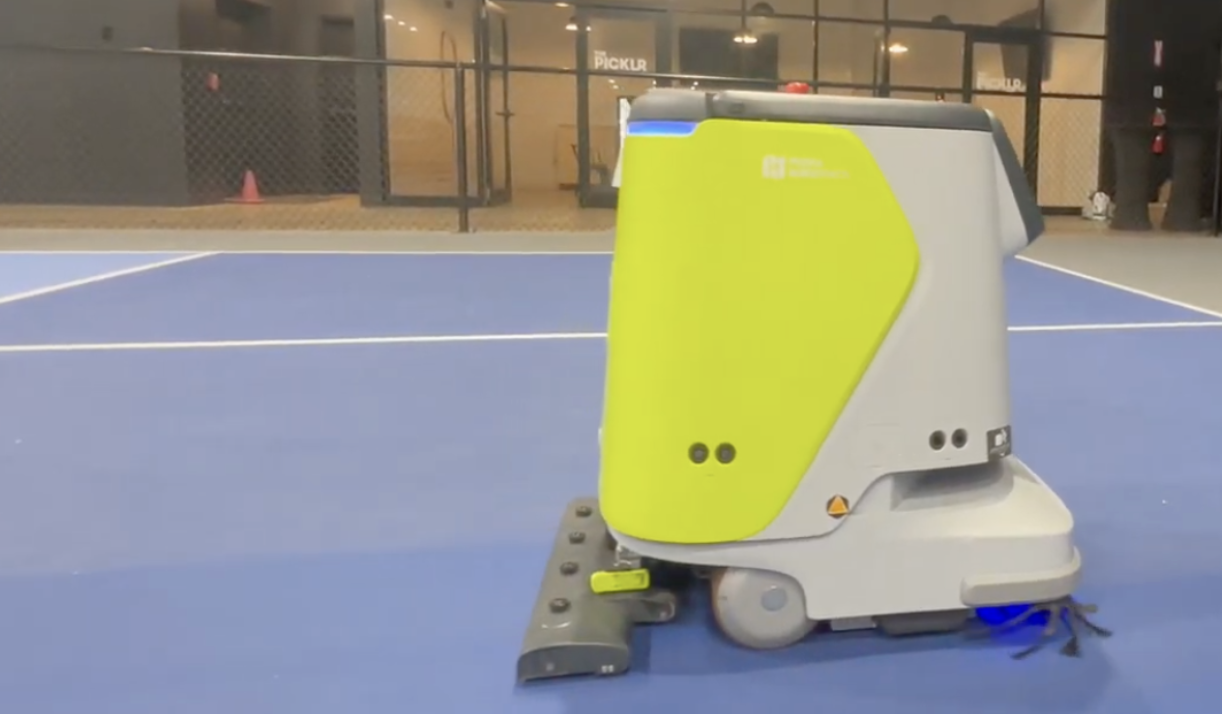
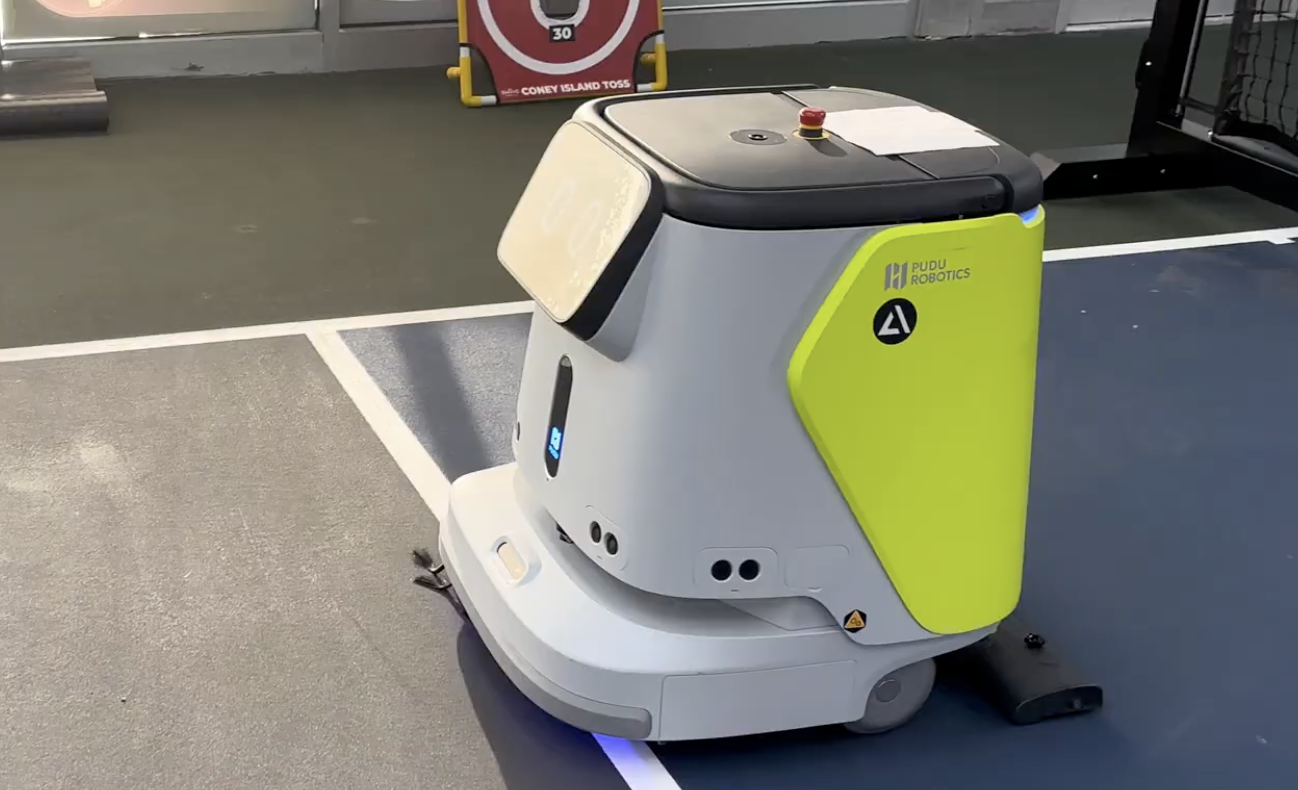
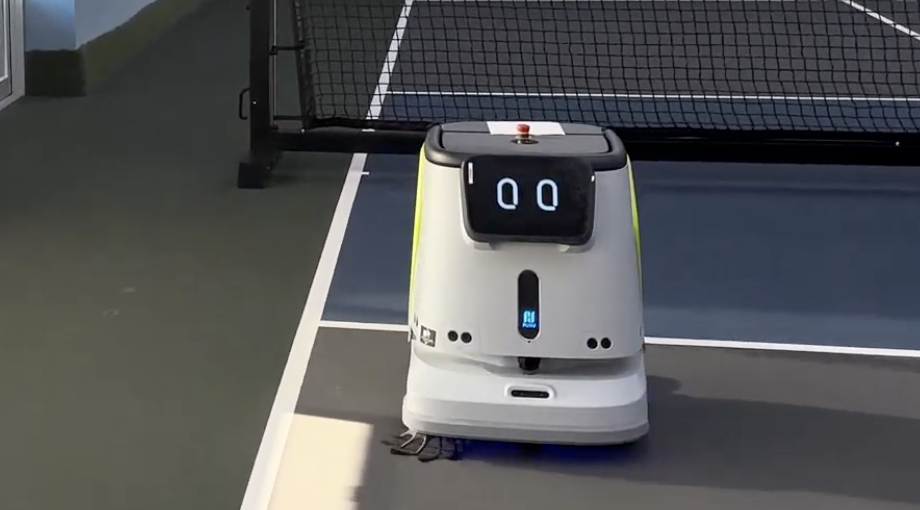
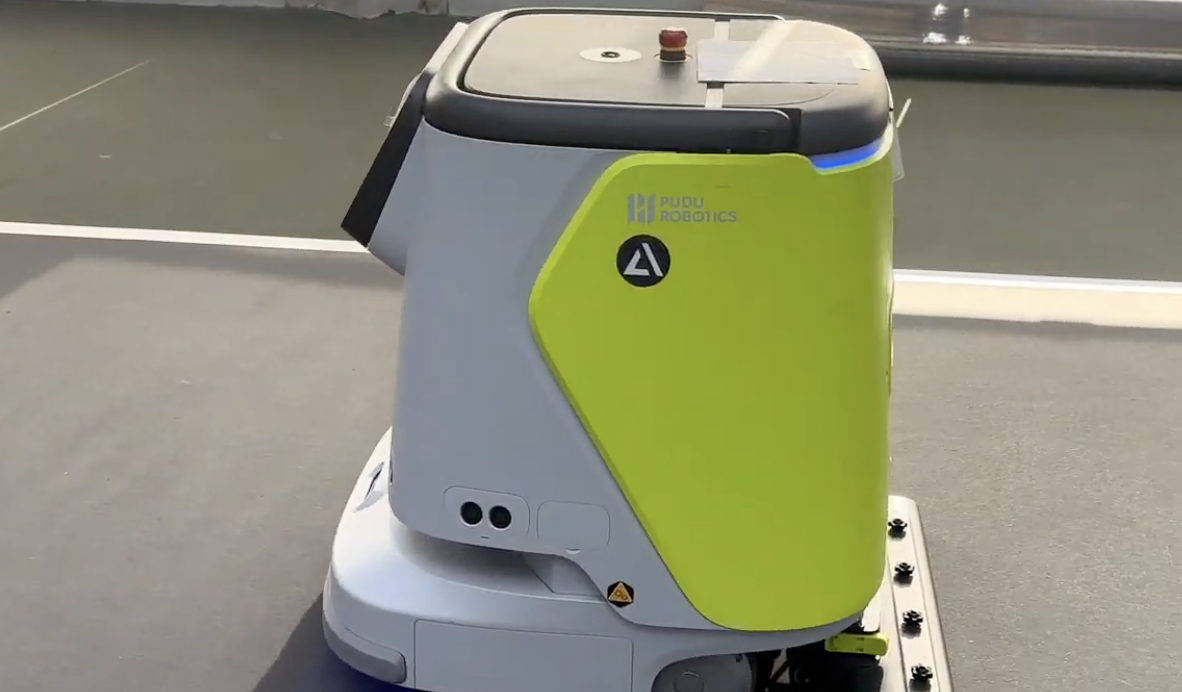
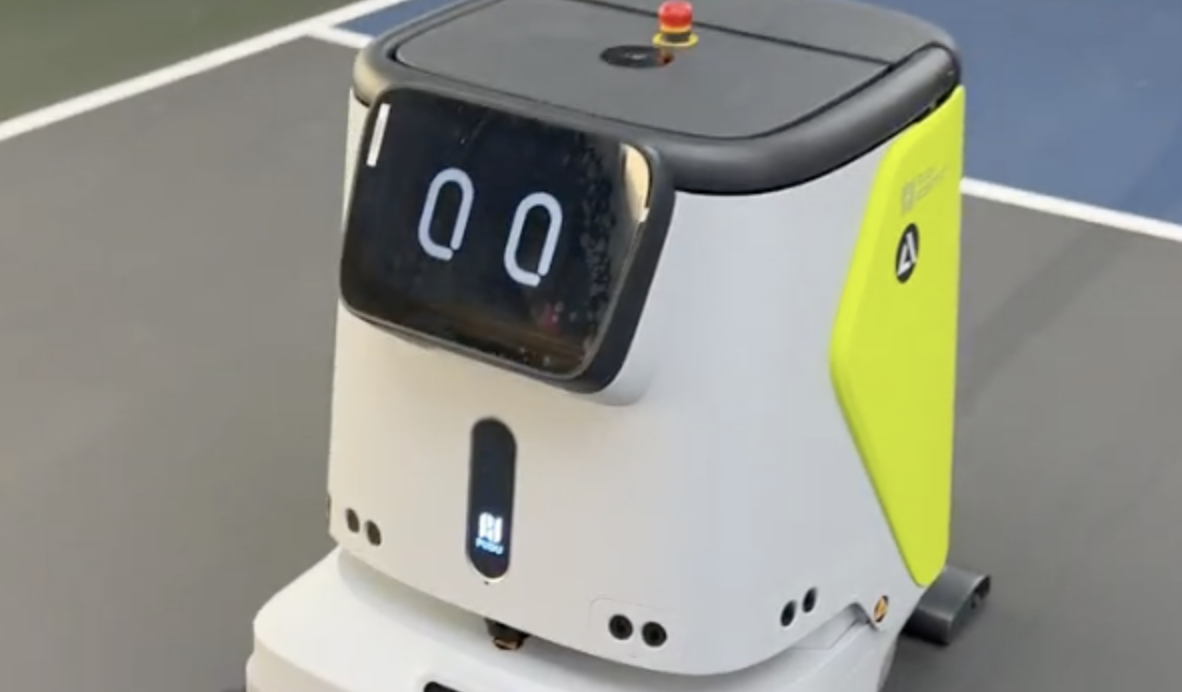
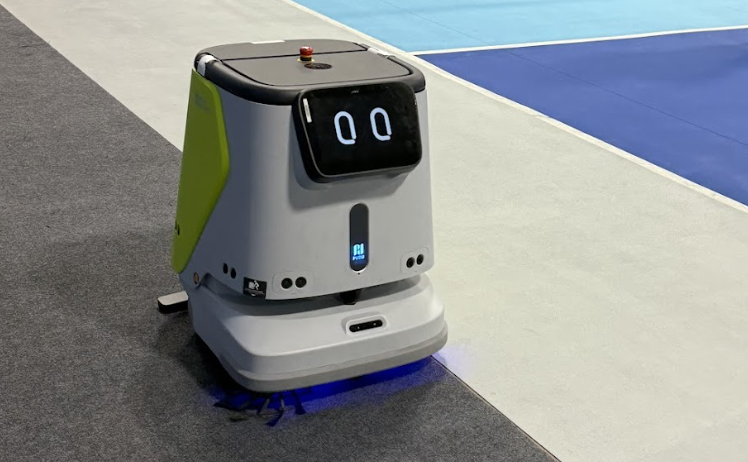
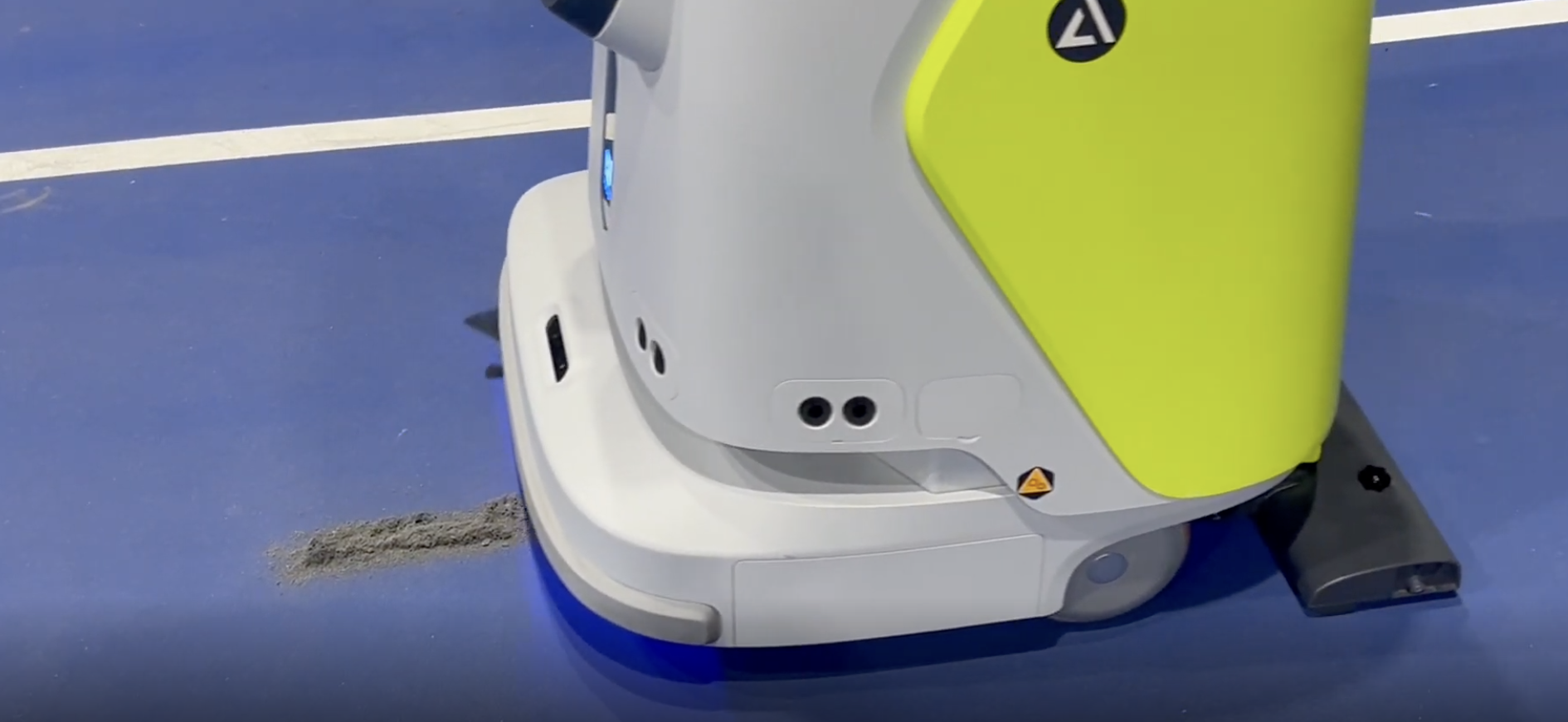
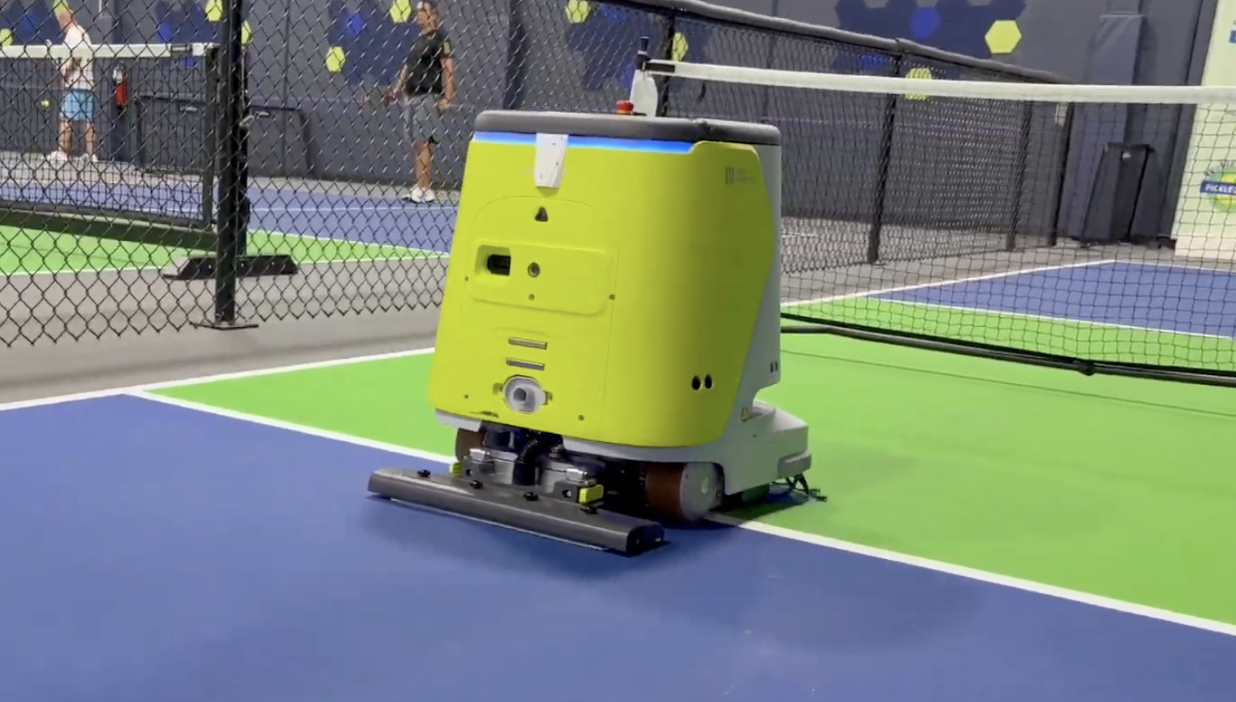
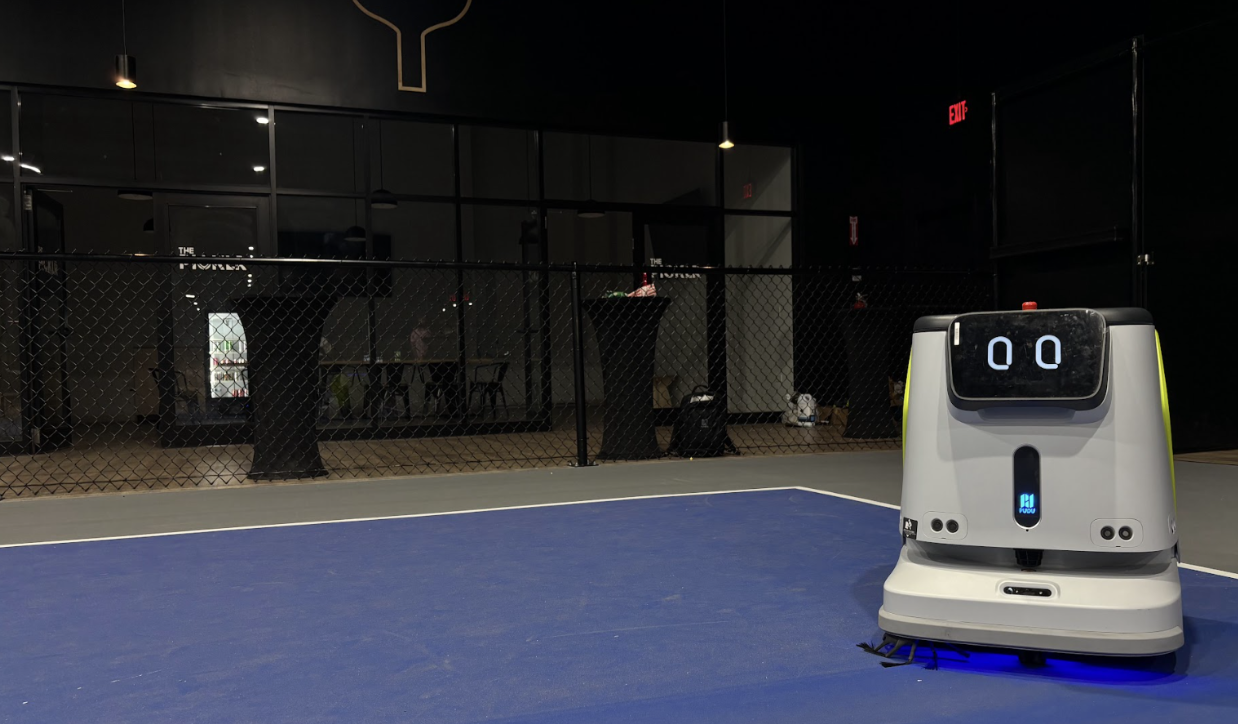
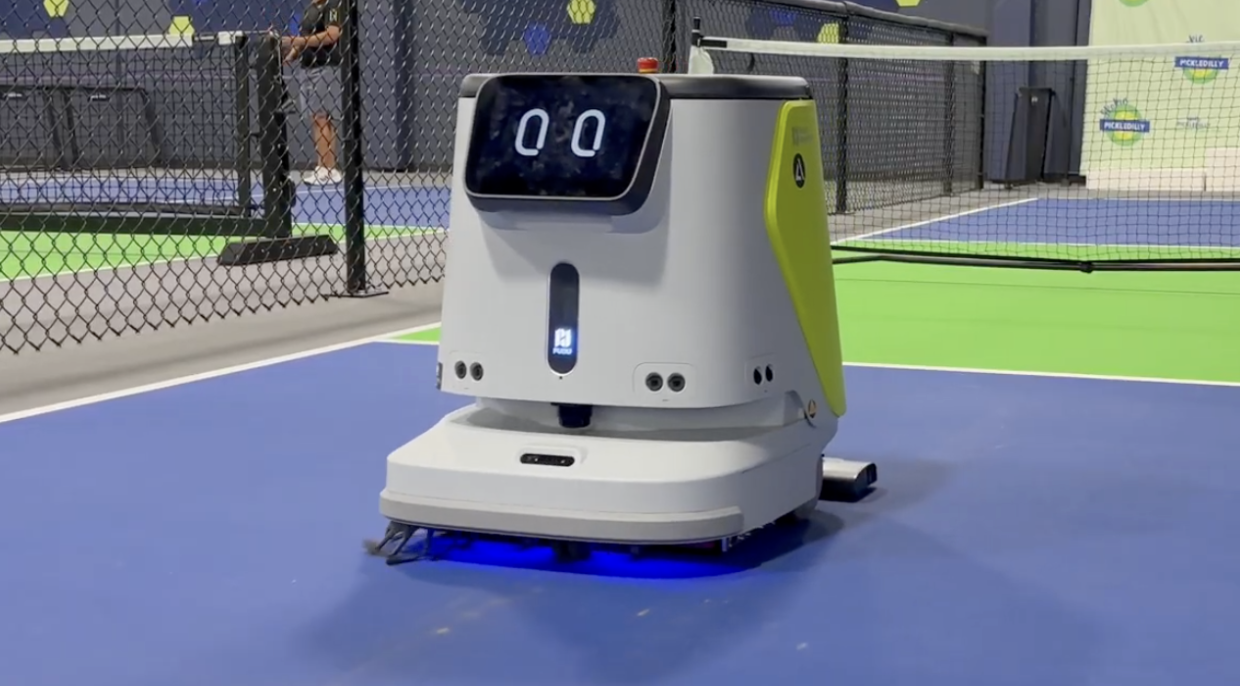
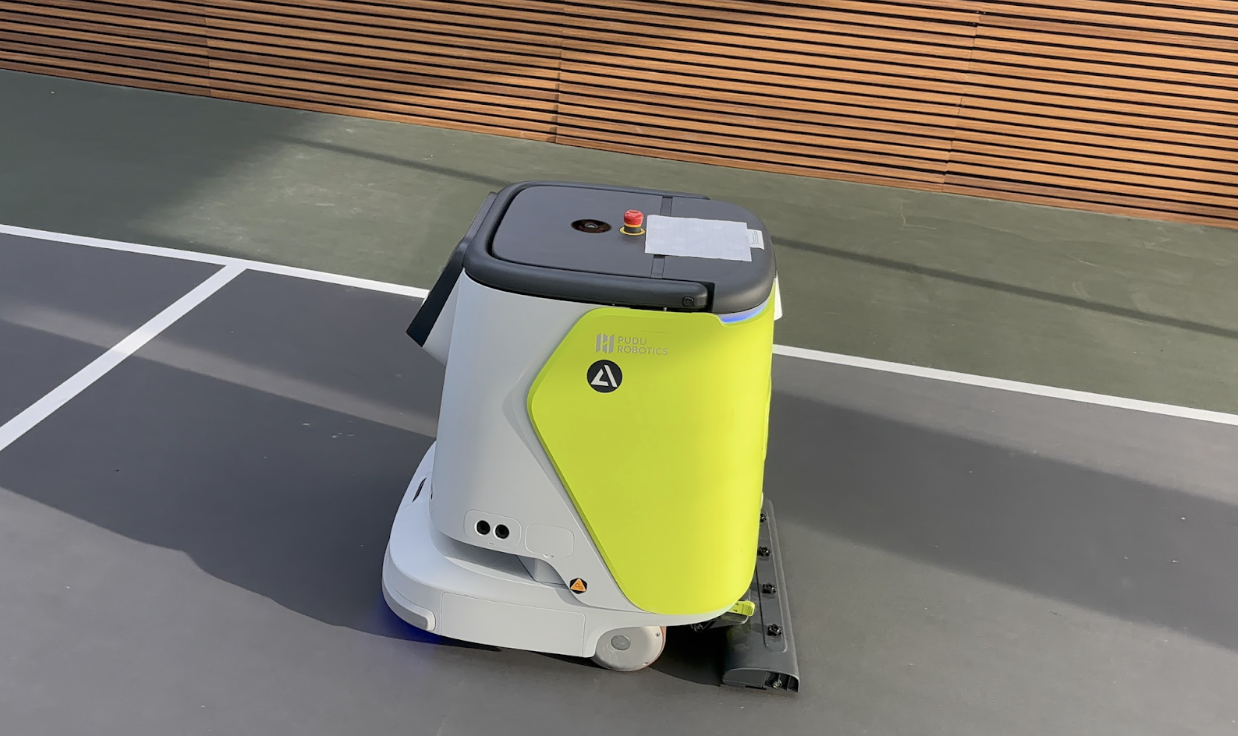
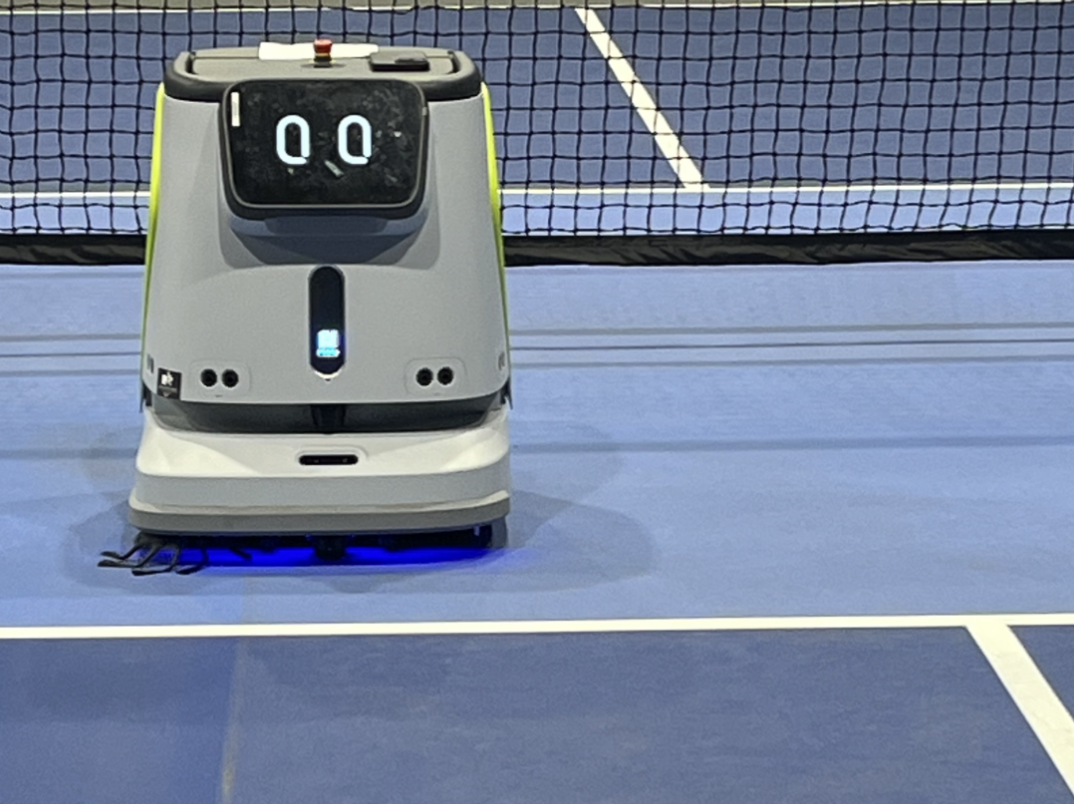
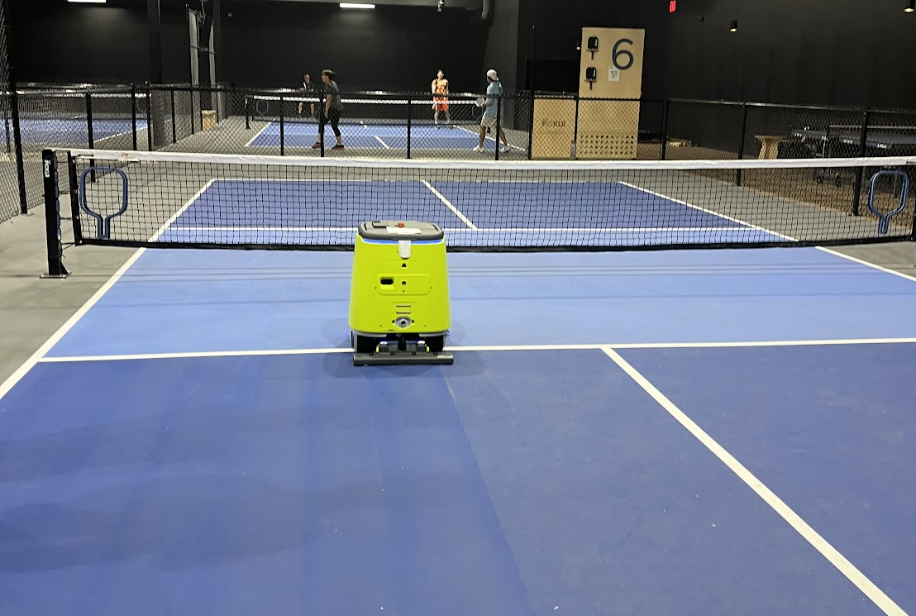
Where robots fit during peak hours
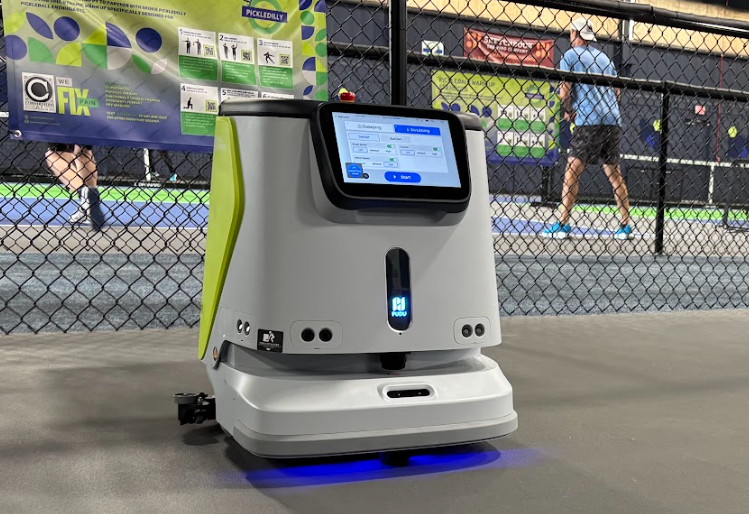
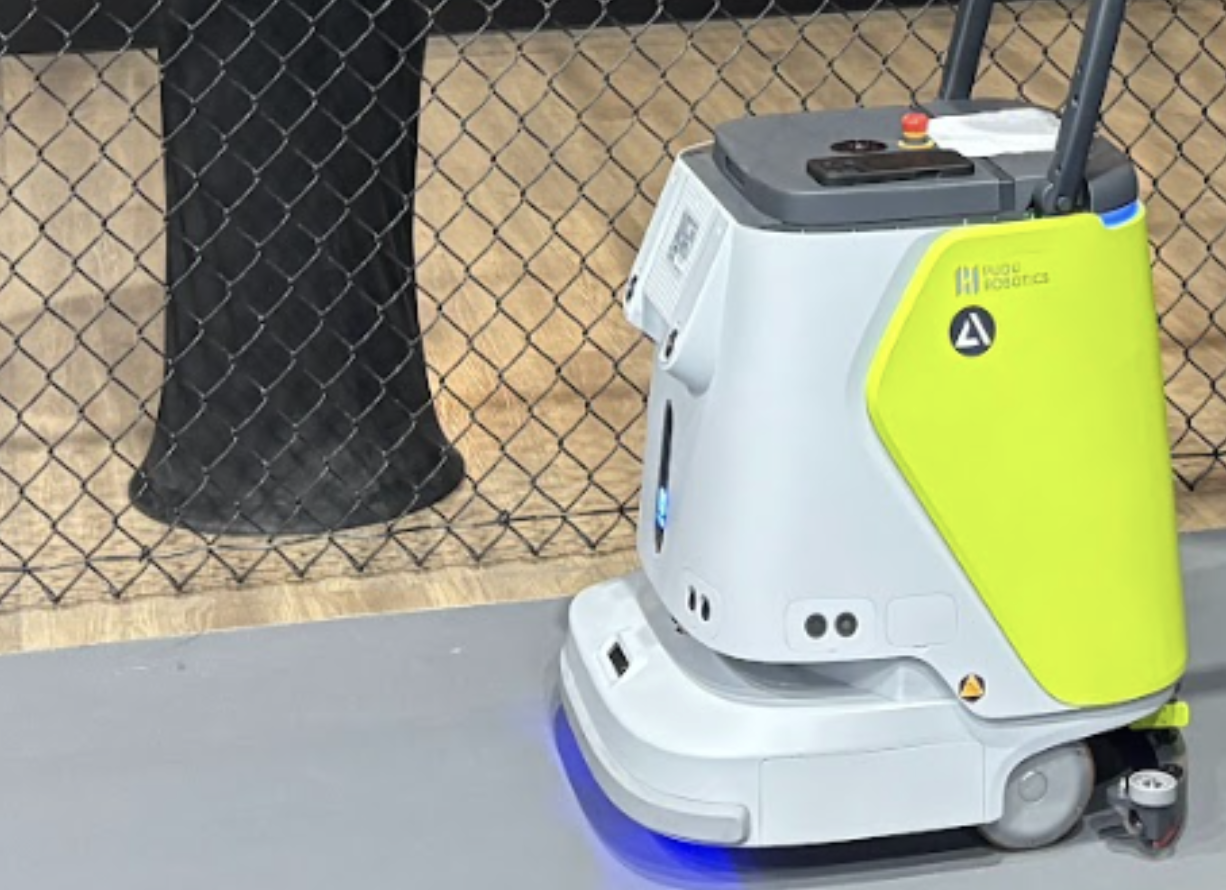
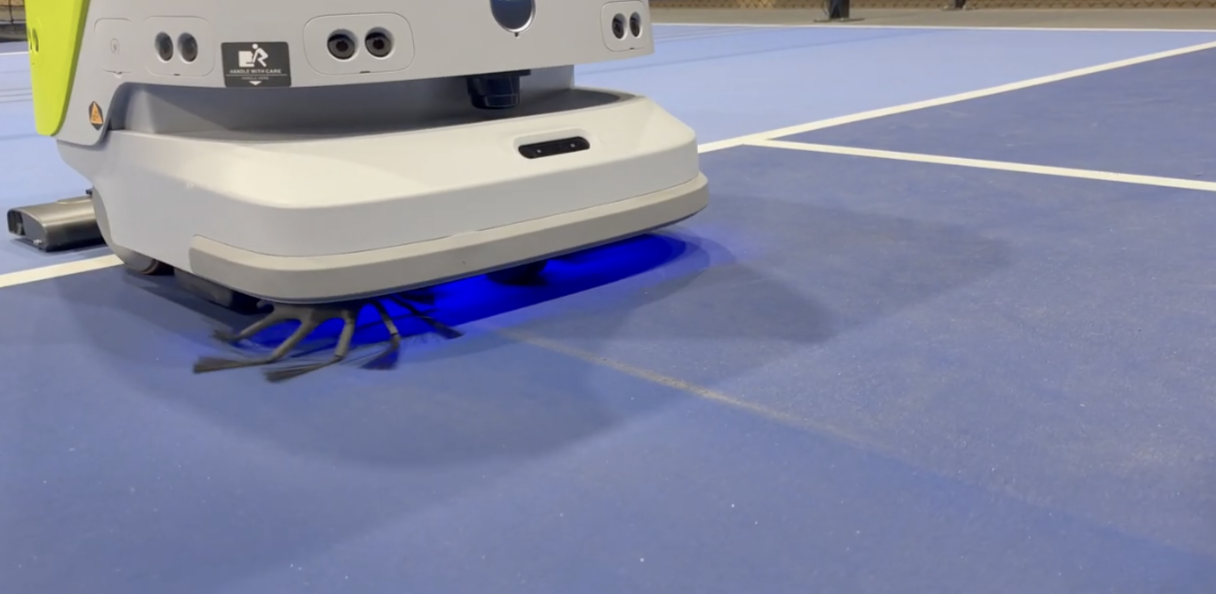
Robots are most helpful when you need consistency but can’t spare people.
Facilities often deploy robots as:
- pre-peak reset support (keep the baseline strong before leagues)
- close reset support (so tomorrow starts clean)
- between-block support during small gaps
The advantage isn’t “cleaner than humans.” It’s cleaning that happens even when staff is busy—which is exactly what winter demands.