Court Turnover Without Burnout: The Staffing + Scheduling System Busy Pickleball Clubs Use

Court Turnover Without Burnout: The Staffing + Scheduling System Busy Pickleball Clubs Use
Your busiest hour isn’t a scheduling problem—it’s a turnover problem
If you’re fully booked and still getting complaints, it’s usually because courts aren’t turning over cleanly:
- players overrun time
- new group arrives early
- staff can’t reset surfaces
- small conflicts become front-desk fires
You don’t fix this with more rules. You fix it with a turnover system: roles, timing, and a short reset routine that’s actually doable.
Define the three moments of court turnover
Turnover happens in three predictable moments. Treat them like a checklist.
Moment 1: The “5-minute warning”
Goal: prevent overtime and queue chaos.
- Automated text/app notification or a simple announcement at the desk
- Visible signage: “Please exit promptly at end time”
Moment 2: The “exit/entry buffer”
Goal: create a tiny gap so staff can reset.
- Even a 2–3 minute buffer between reservations changes everything
- Put buffers only during peak windows if you can’t do it all day
Moment 3: The reset routine
Goal: remove traction threats and hazards before the next group plays.
Maintenance guidance emphasizes removing debris and cleaning spills promptly with mild detergent + soft brush, rinsed well. That aligns perfectly with a micro-reset approach.
The 90-second turnover SOP (assignable, repeatable)
This is the routine you train once and then run all season.
90-second turnover SOP
- Hazard scan (15 seconds)
Cups, branches, tape, broken balls—remove anything that can cause a slip or trip. - Gate zone pass (25 seconds)
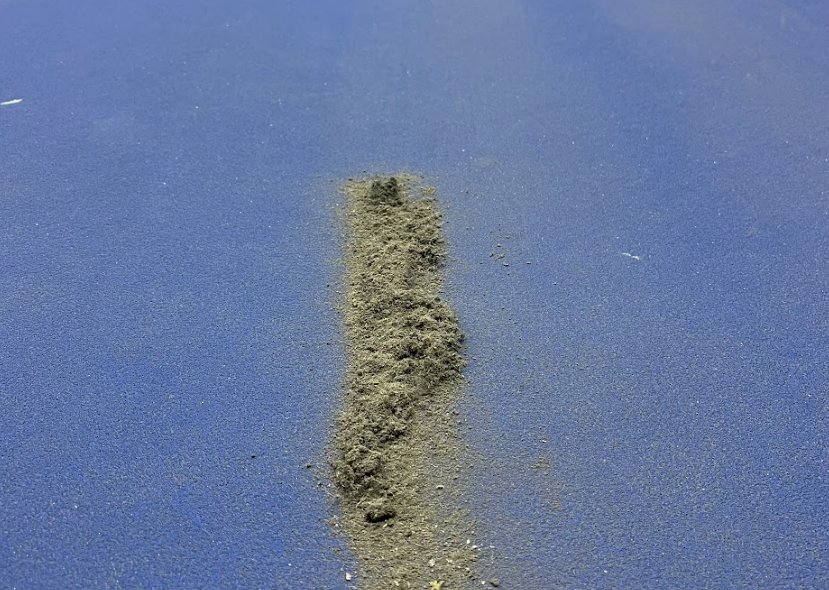
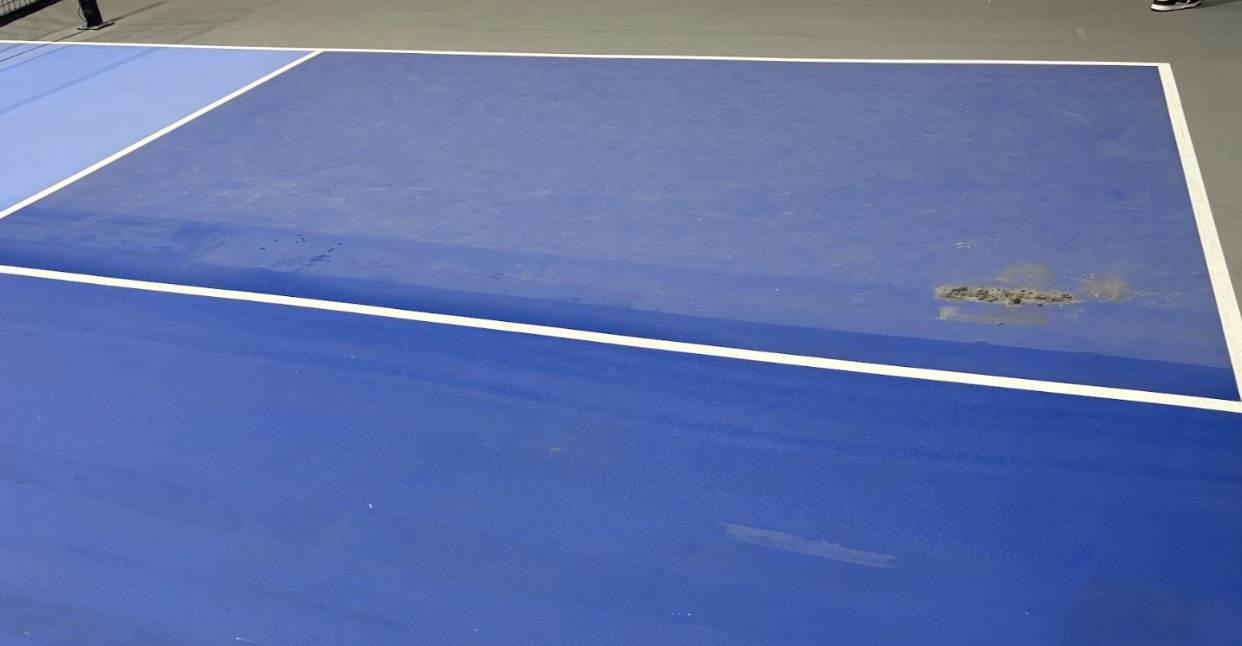
Sweep/blow the first 10 feet inside the gate and along the edge. (This is where tracked grit starts.) - Baseline + kitchen lane pass (40 seconds)
Two quick lanes remove the “film layer” before it becomes a traction complaint. - Spill rule (10 seconds)
If it’s wet/sticky, don’t postpone: mild detergent + soft brush + rinse.
Key principle: If staff can’t complete it in 90 seconds, it won’t happen consistently.
Staffing model options (choose one, don’t improvise daily)
Busy clubs burn out when “everyone is responsible” (meaning no one is).
Option A: The rotating “Court Captain” (best for 8–16 courts)
- One staff member is Court Captain each hour (or each 90 minutes)
- They handle: end-time prompts + micro-resets + issue logging
- Everyone else can focus on desk, retail, lessons, etc.
Option B: The “Peak Window Runner” (best for 4–10 courts)
- Assign a runner only during your top 2 peak windows
- Their job is court turnover and nothing else
- Outside peak, resets revert to a lighter schedule
Option C: The “League-integrated reset”
For leagues and events:
- build a 2-minute reset into the round transition
- designate one volunteer marshal per pod
- staff supports with tools and spot-clean supplies
Why this works: It turns cleaning into part of the event rhythm, not an extra request.
The weekly template (a realistic cadence that protects court quality)
Here’s a template that keeps courts “game-ready” without heroic labor.
Daily (peak hours)
- 90-second turnover SOP after every peak block
- One scheduled “mid-peak reset lap” (10 minutes) if you have >8 courts
Weekly
- Full sweep/blow of each court block (rotate courts across the week so it’s manageable)
- Drainage and perimeter check so debris doesn’t re-enter courts
Monthly
- Spot-clean recurring areas (gate zones, corners, bench sides)
- Review your issue log (what keeps coming back?)
This pairs well with the prevention mindset in maintenance guidance: clean surfaces minimize growth conditions and prevent stains.
Common turnover failures (and how to fix them fast)
Failure 1: Reservations butt up with zero buffer
- Fix: Add a 2–3 minute buffer during peak windows only. You’ll “lose” minutes but gain satisfaction and fewer disputes.
Failure 2: No one owns the moment
- Fix: Assign a Court Captain/Runner. Ownership > good intentions.
Failure 3: Players don’t know the norms
- Fix: Post one simple sign at check-in and gates:
- exit promptly
- wipe shoes
- report spills
Failure 4: Spills linger
- Fix: Spill kit at point-of-use + rule: clean now, not later.
Quick Answers (For Busy Owners)
Q: What’s the fastest way to reduce court turnover chaos?
A: Add a small buffer during peak + run a 90-second reset SOP.
Q: Who should own court turnover?
A: A rotating Court Captain or a Peak Window Runner—one person per hour.
Q: What’s the minimum reset that still works?
A: Hazard scan + gate zone pass + baseline/kitchen lanes + spill rule.
Q: What should we do about overtime play?
A: Use a 5-minute warning + clear signage; enforce consistently.
Q: What’s the safest default approach to spills?
A: Mild detergent + soft brush + rinse thoroughly (ASBA, 2010).
Q: How do we keep staff from burning out?
A: Make turnover a role with a clock (rotations), not an extra task.
Q: Where should tools live?
A: At the gate—point-of-use storage makes compliance automatic.
Conclusion + CTA (Autopilot Integration)
A strong turnover system makes your club feel premium: courts start on time, look good, and play consistently—even when you’re packed.
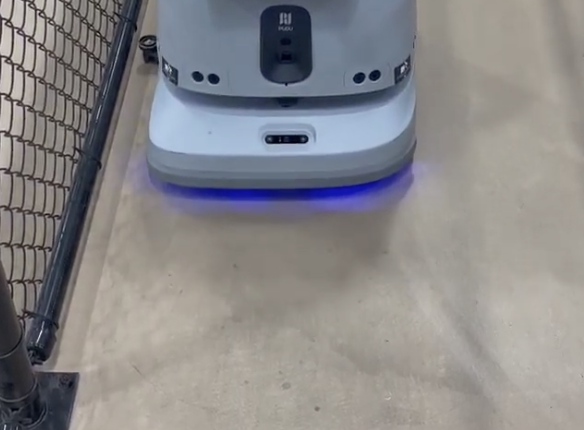
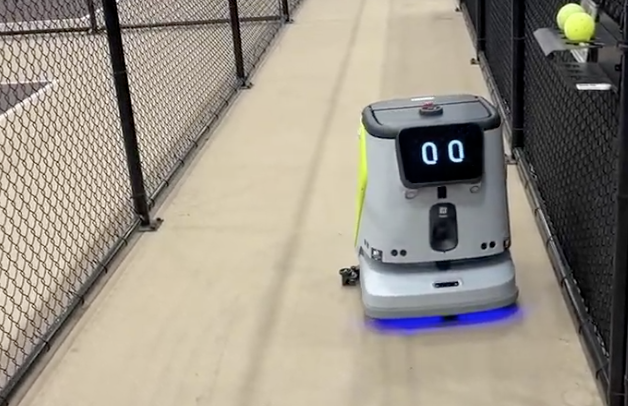
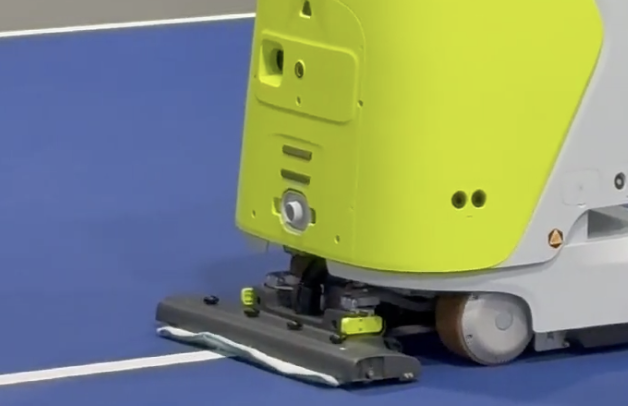
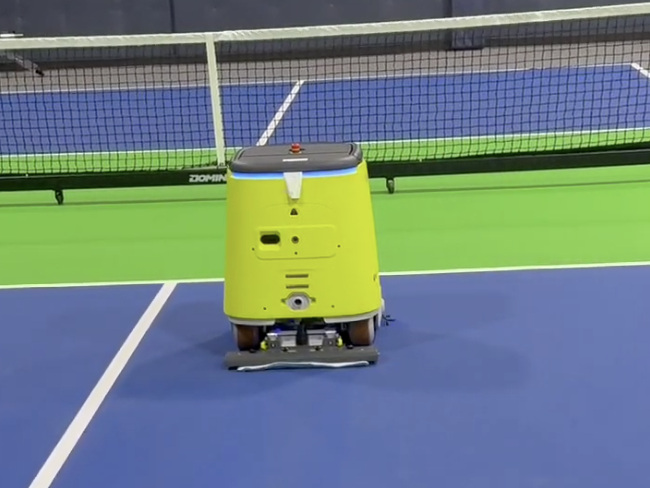
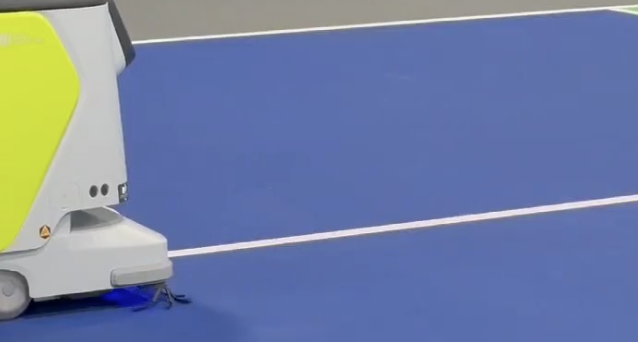
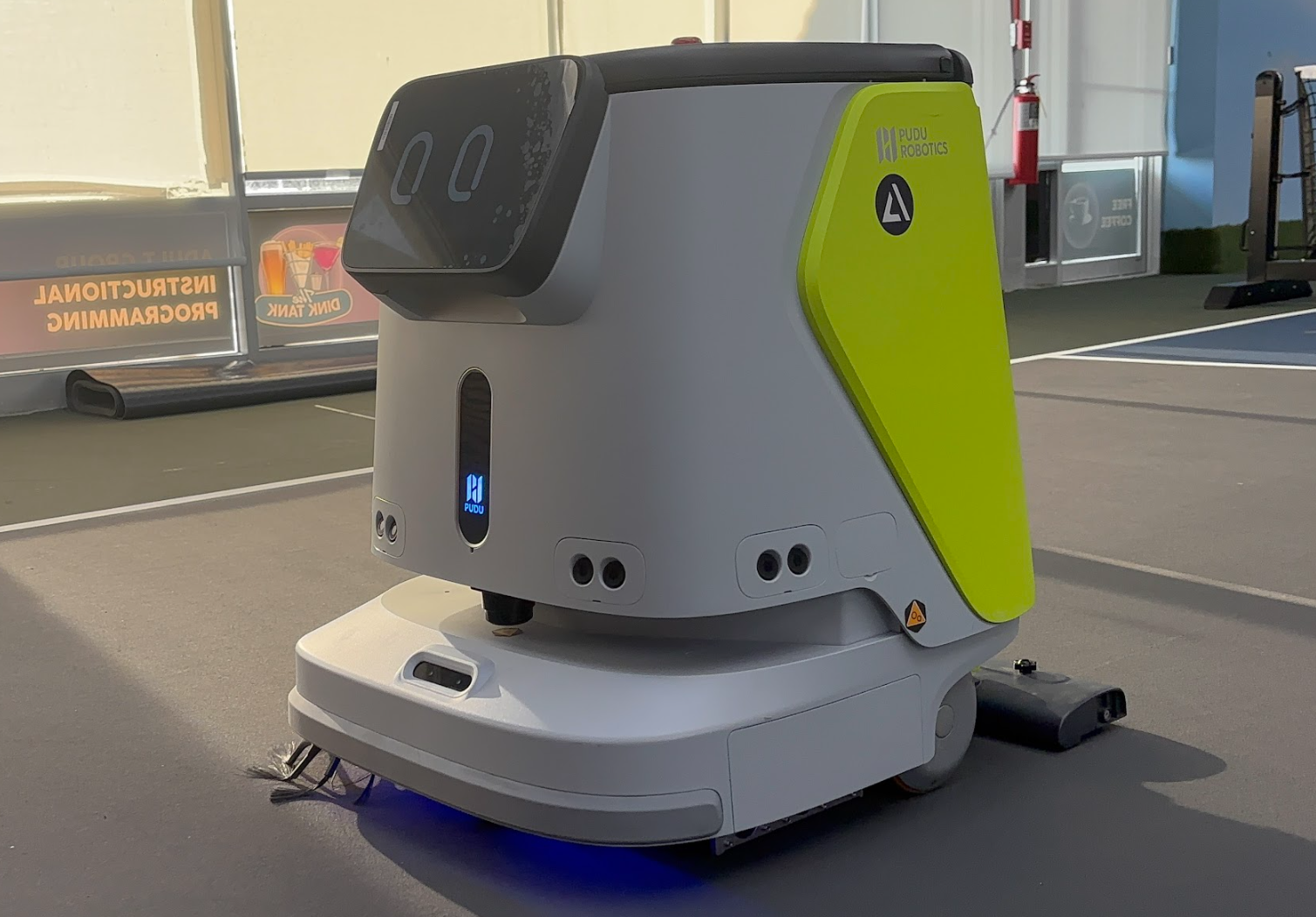
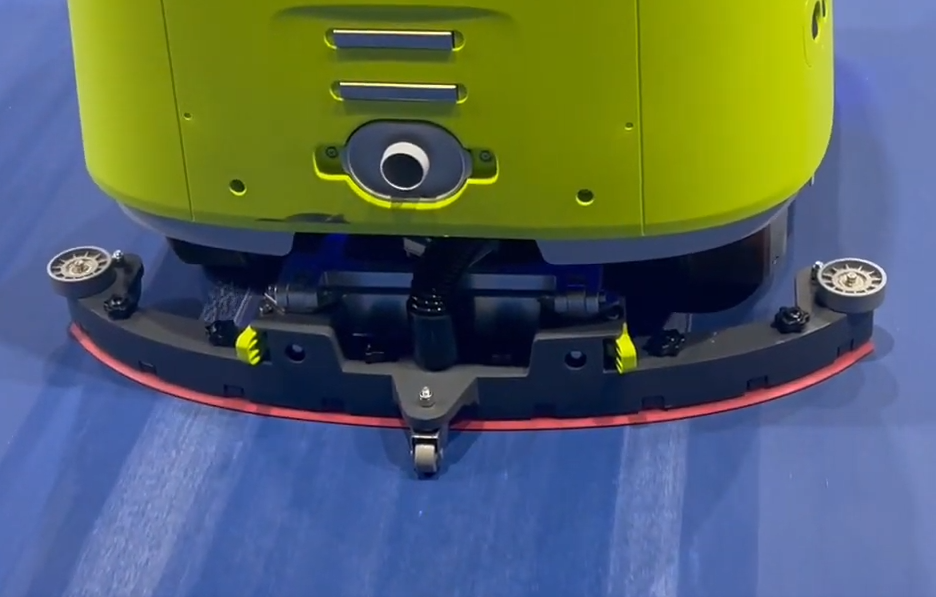
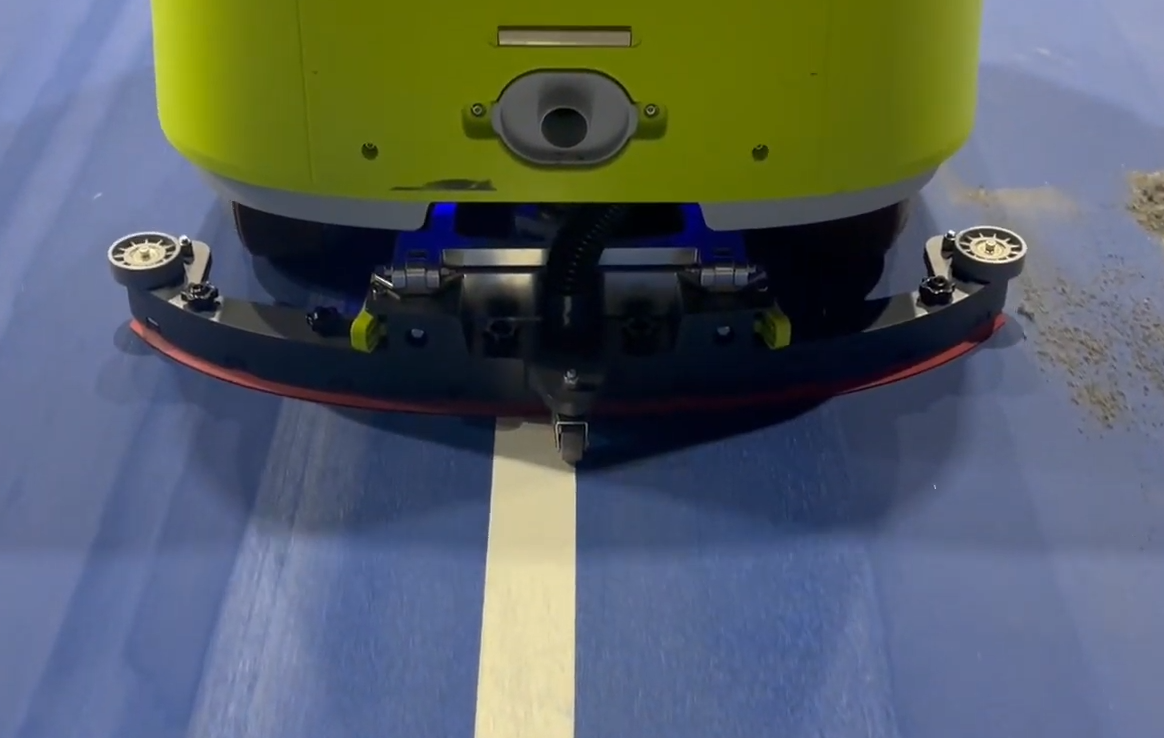
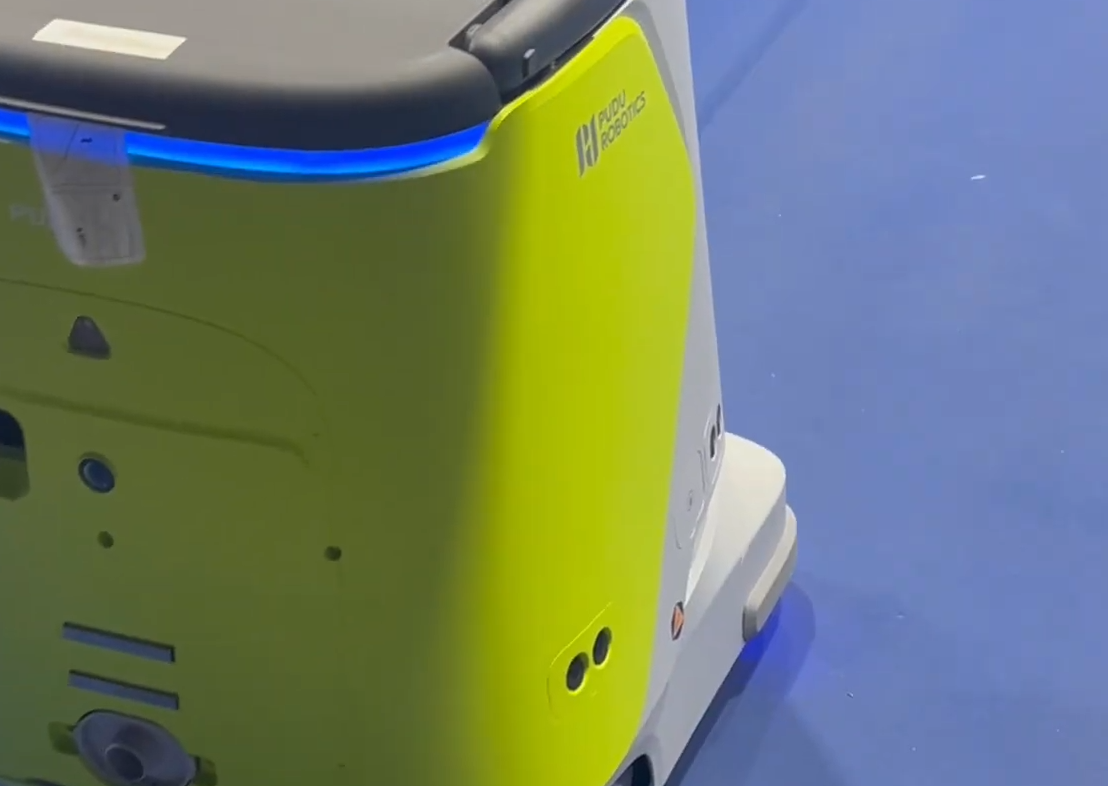
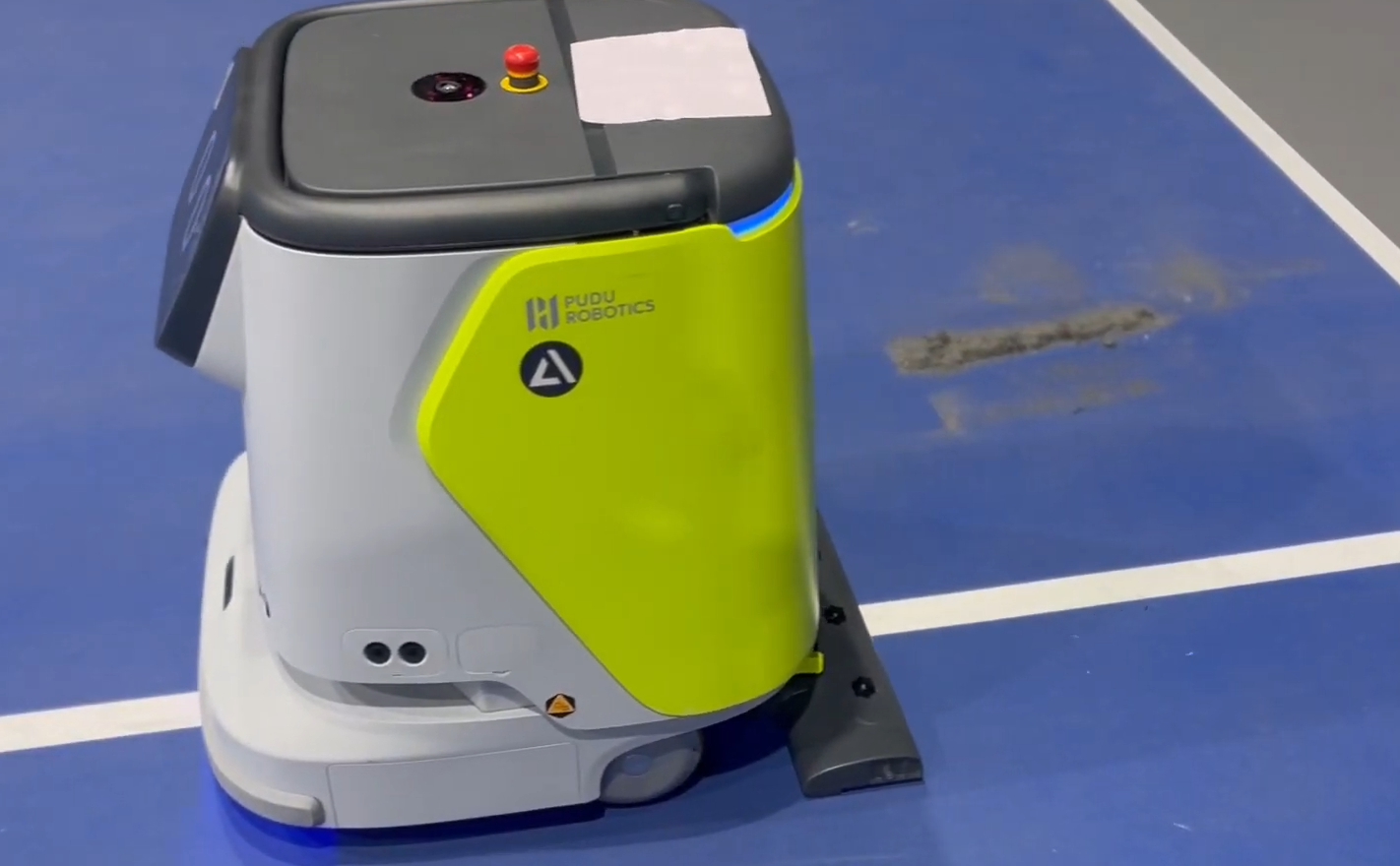
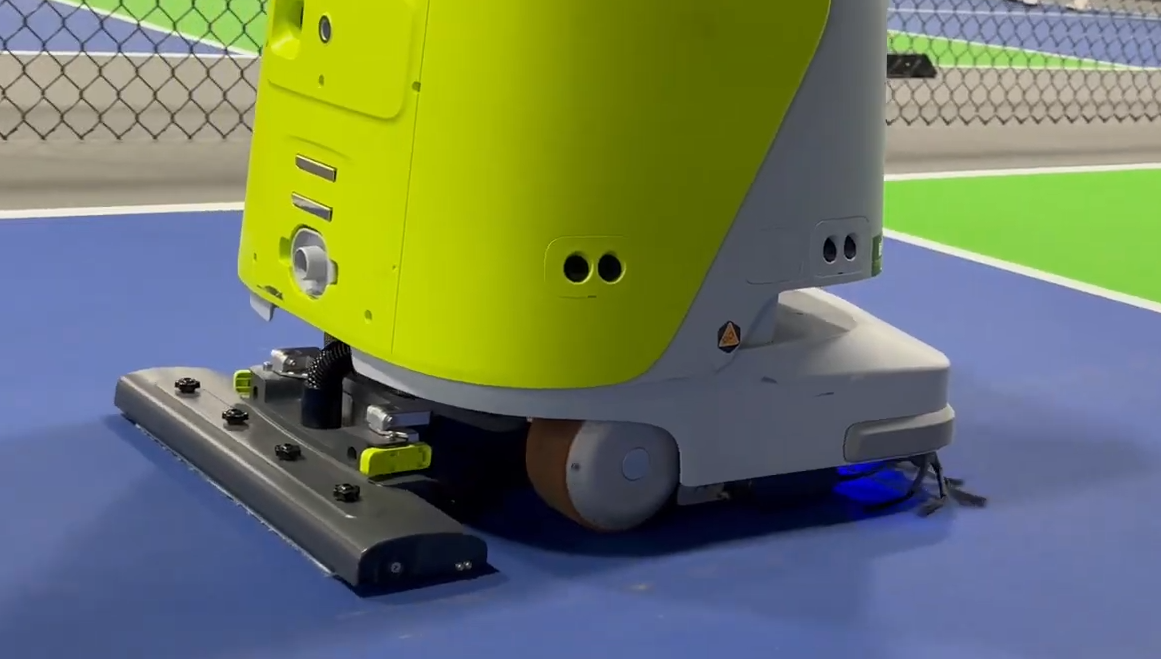
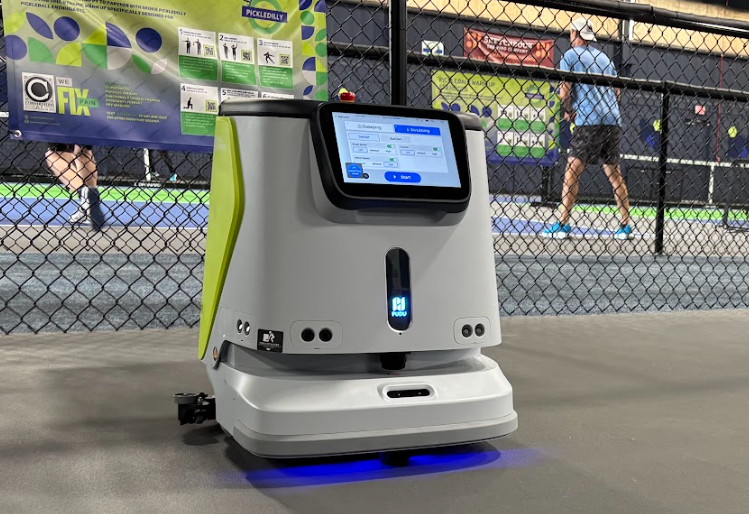
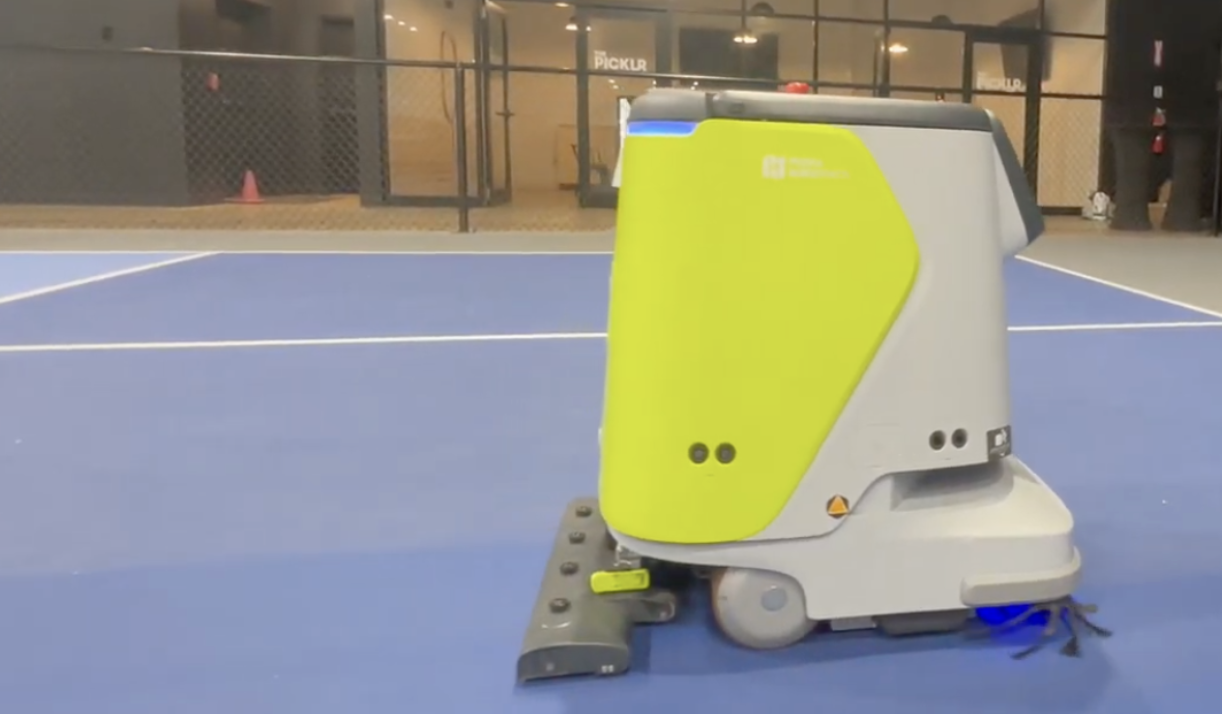
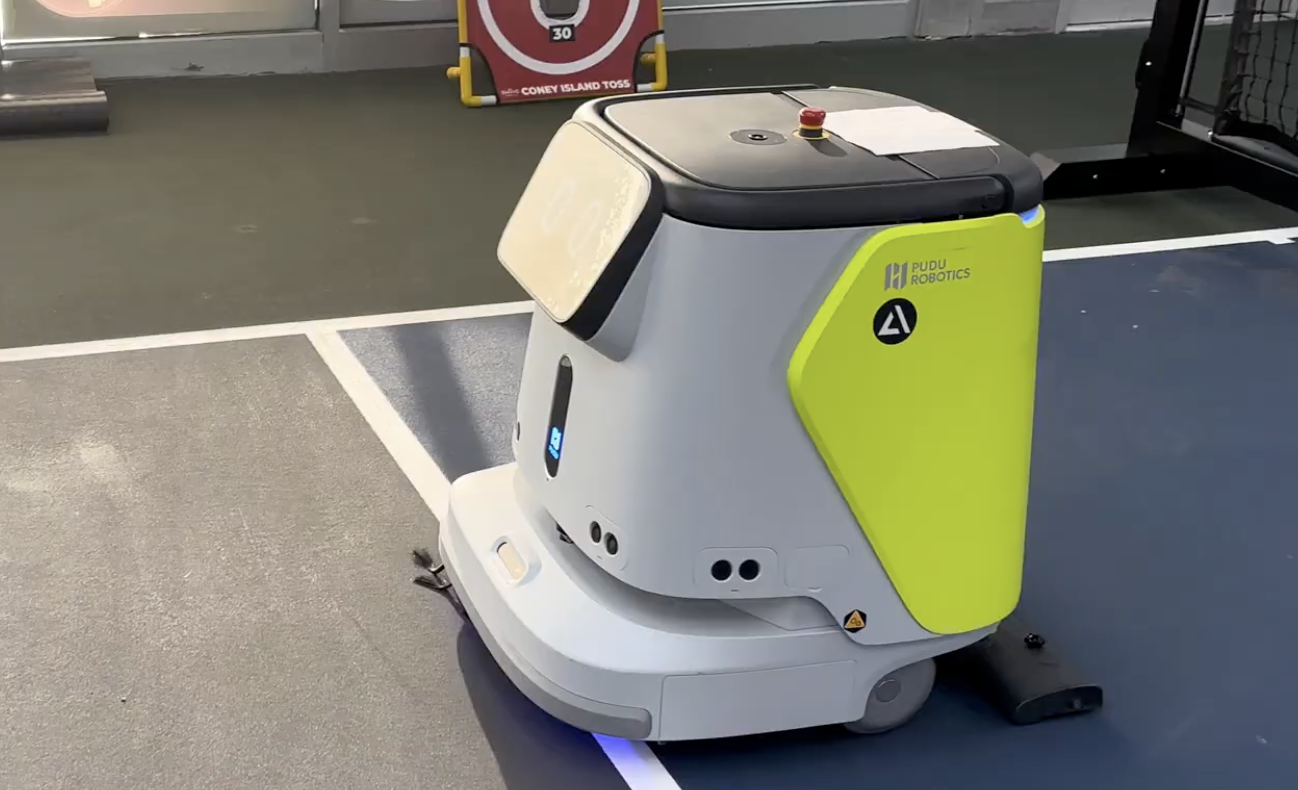
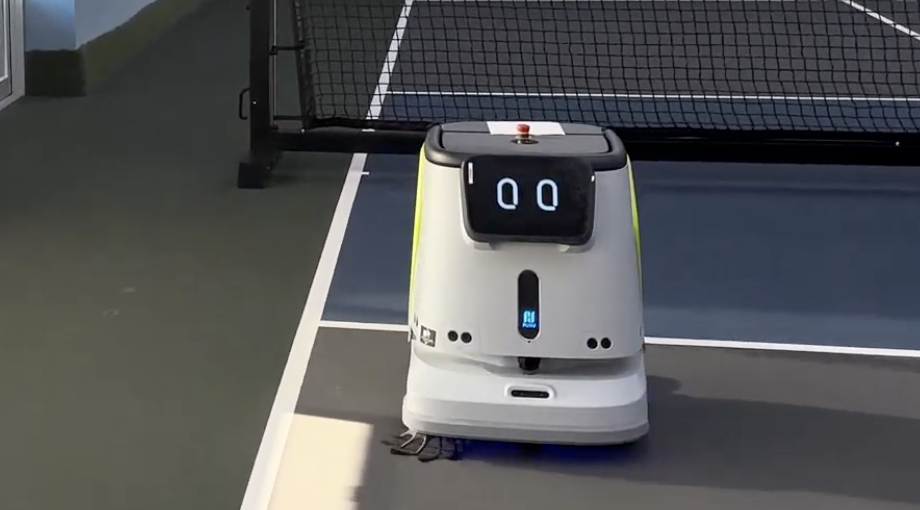
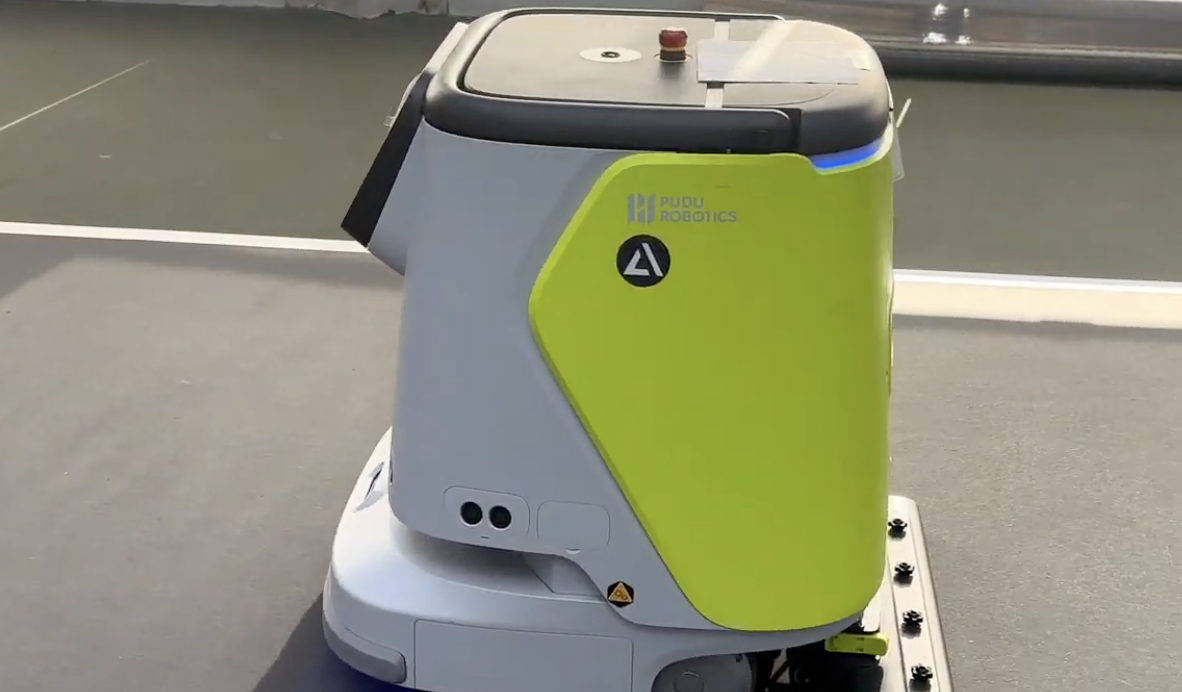
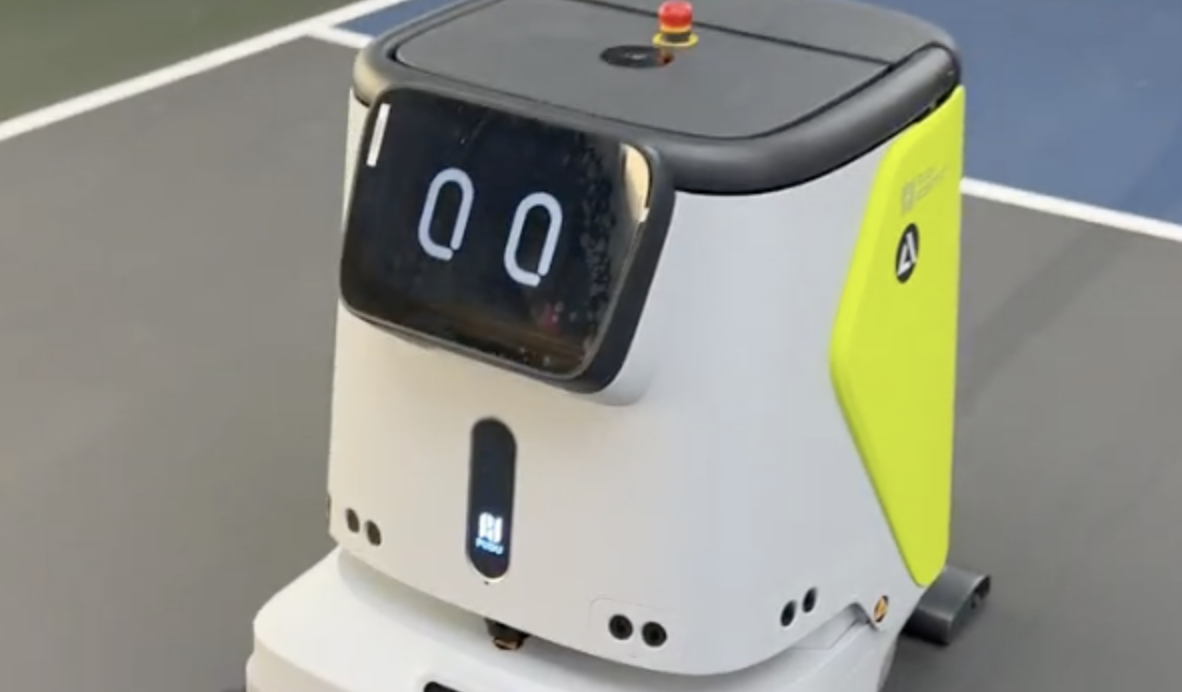
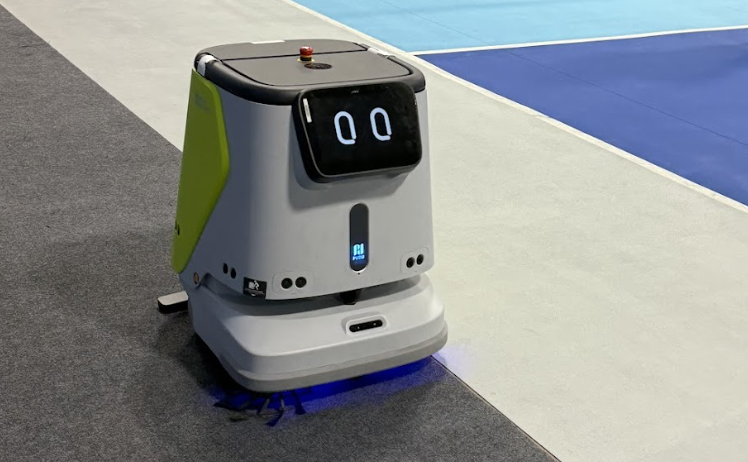
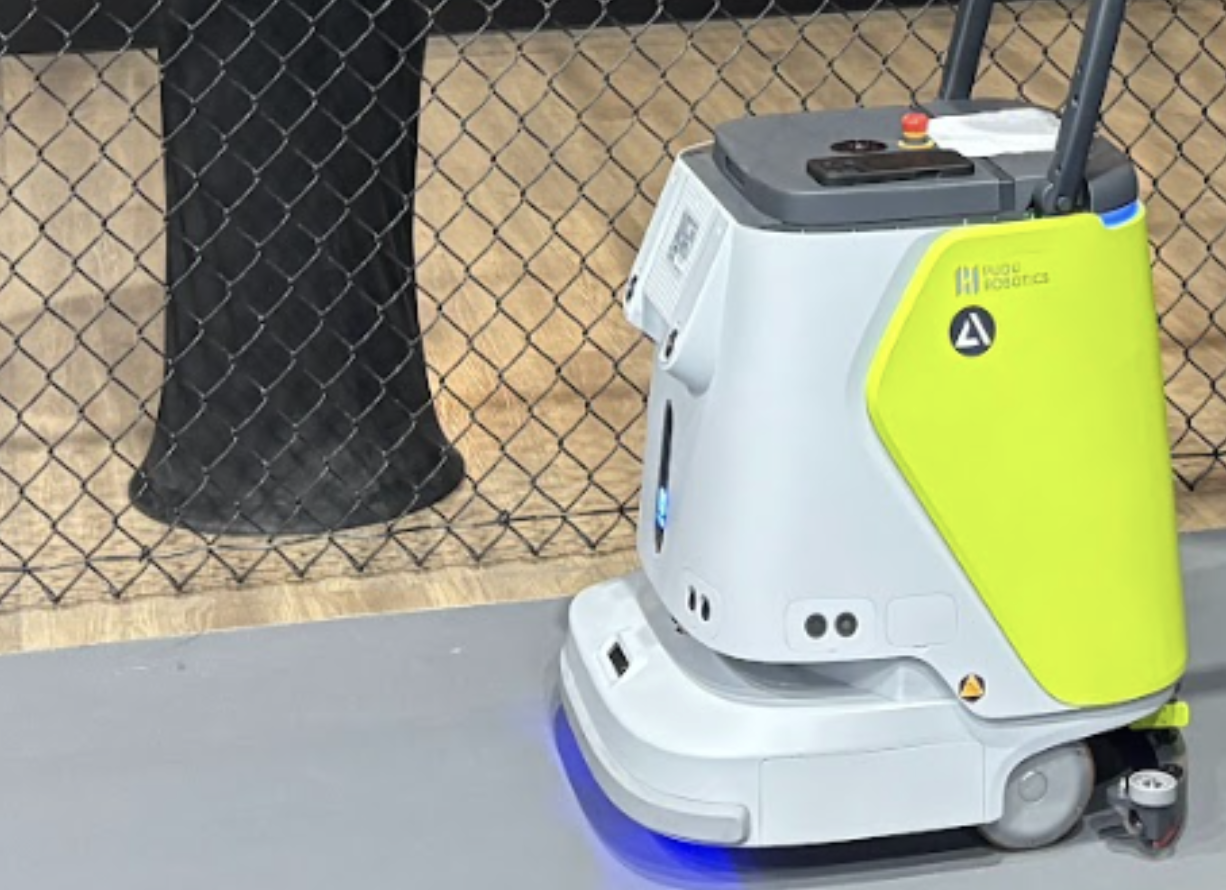
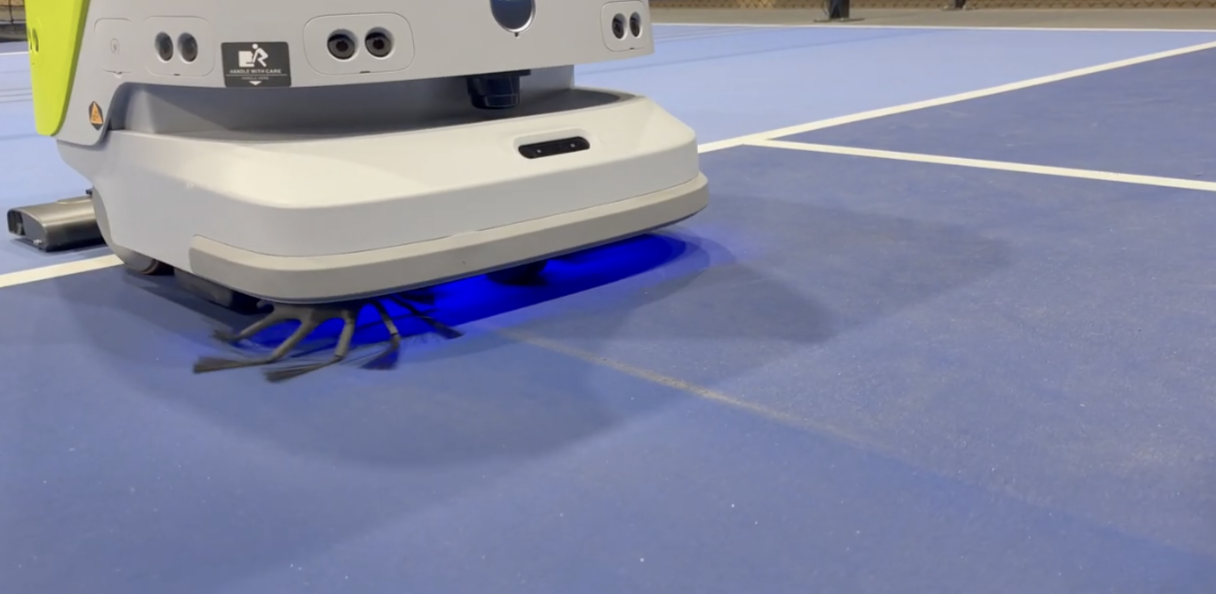
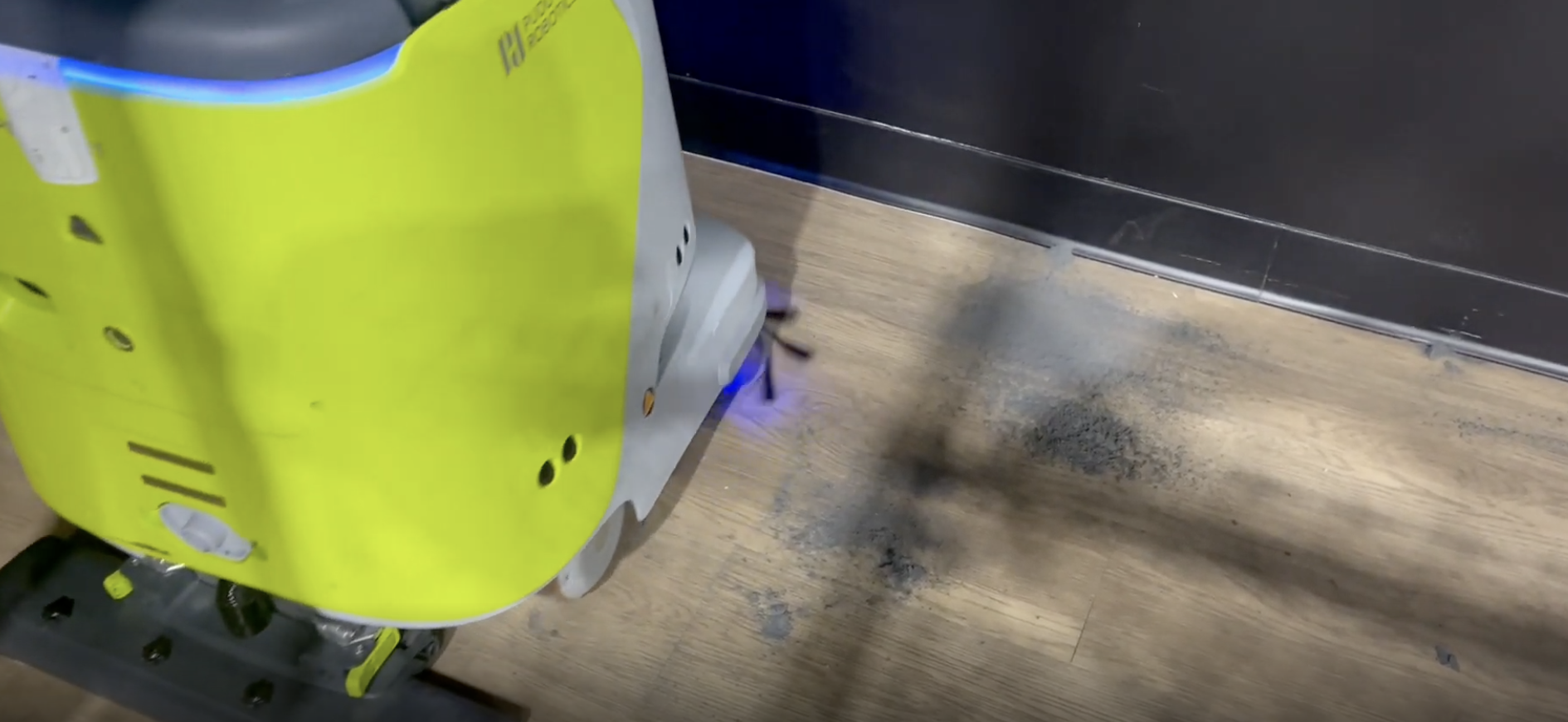
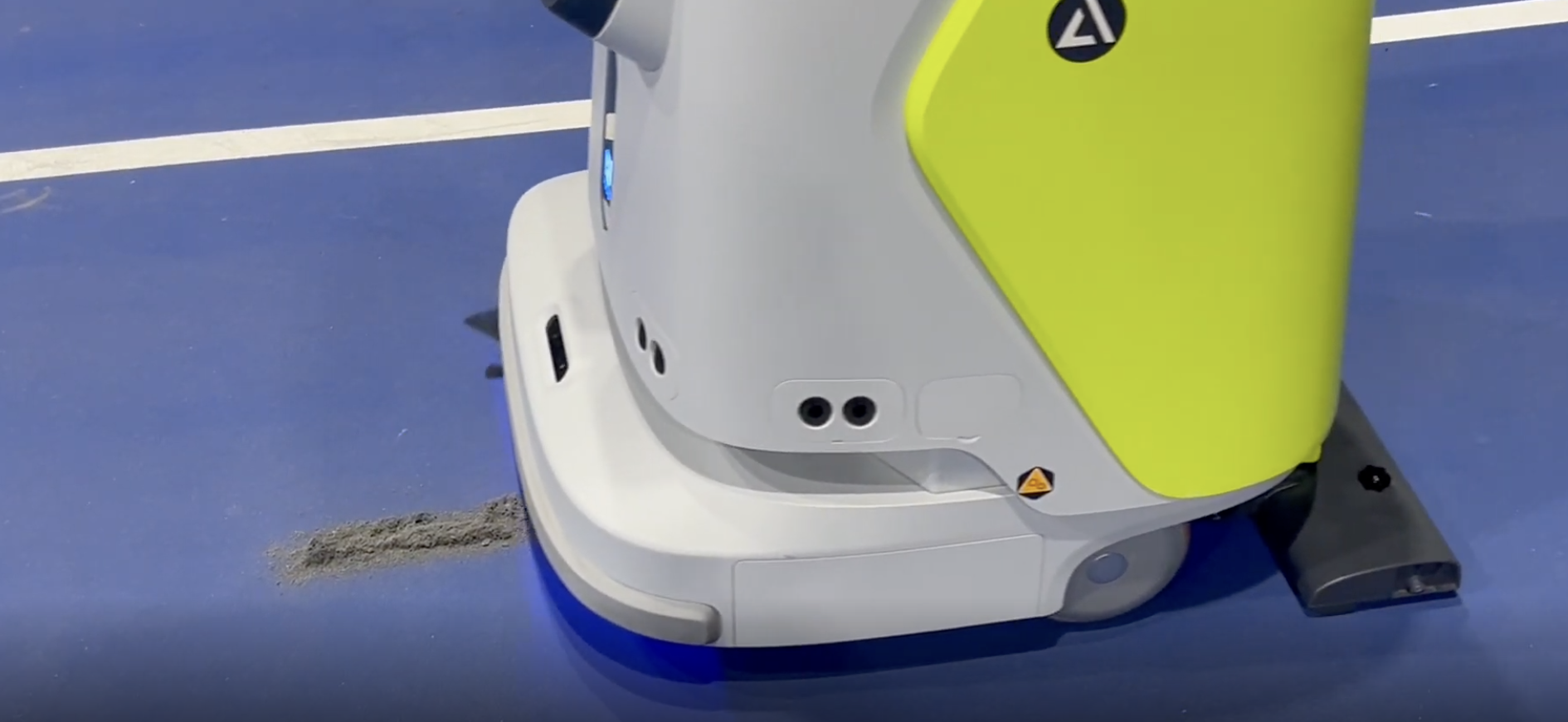
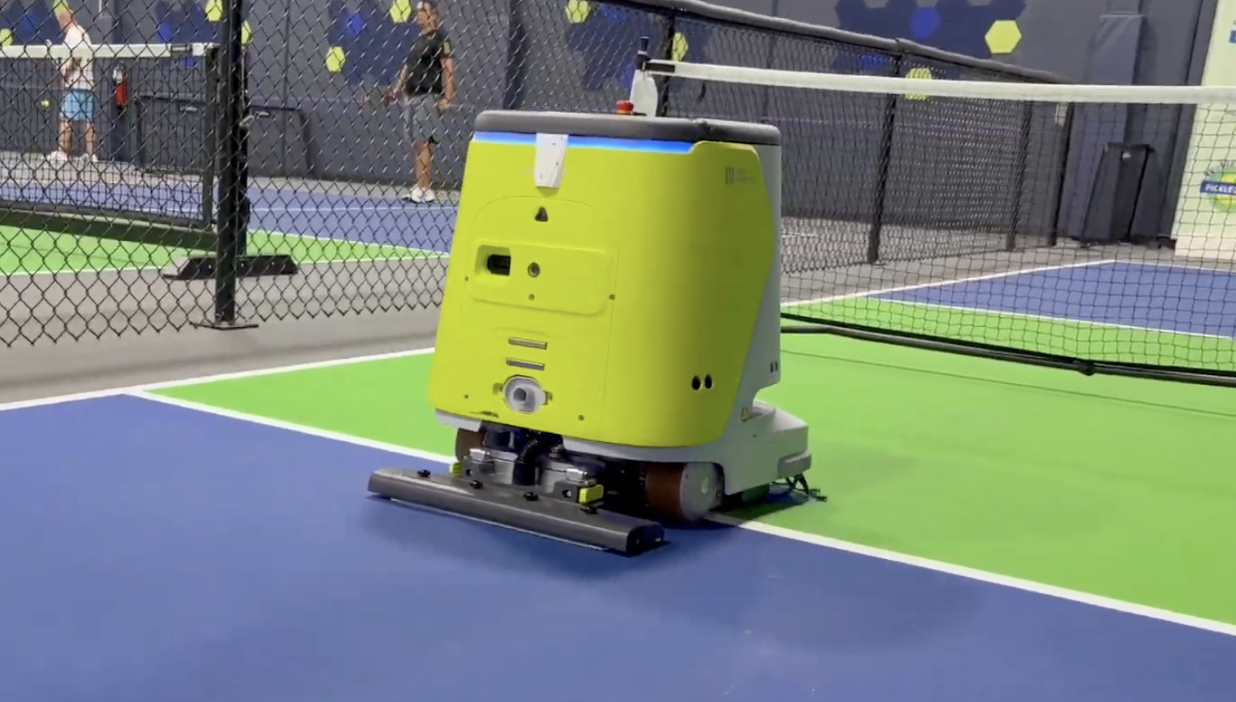
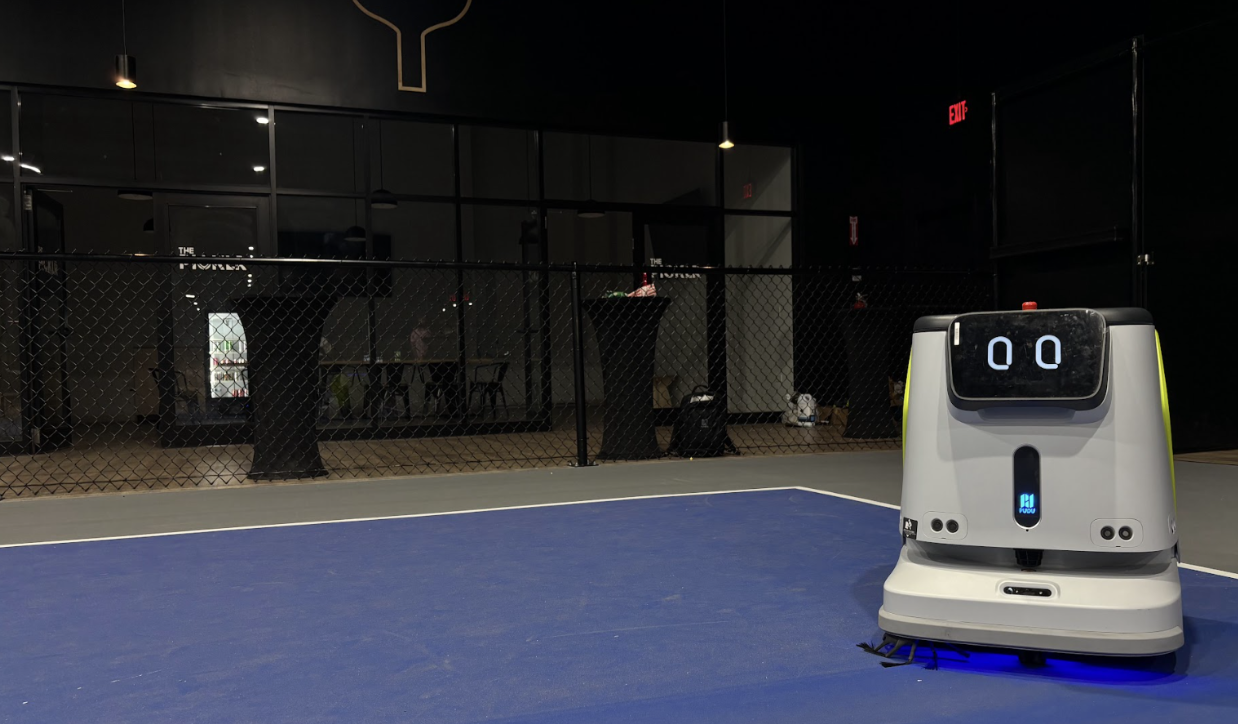
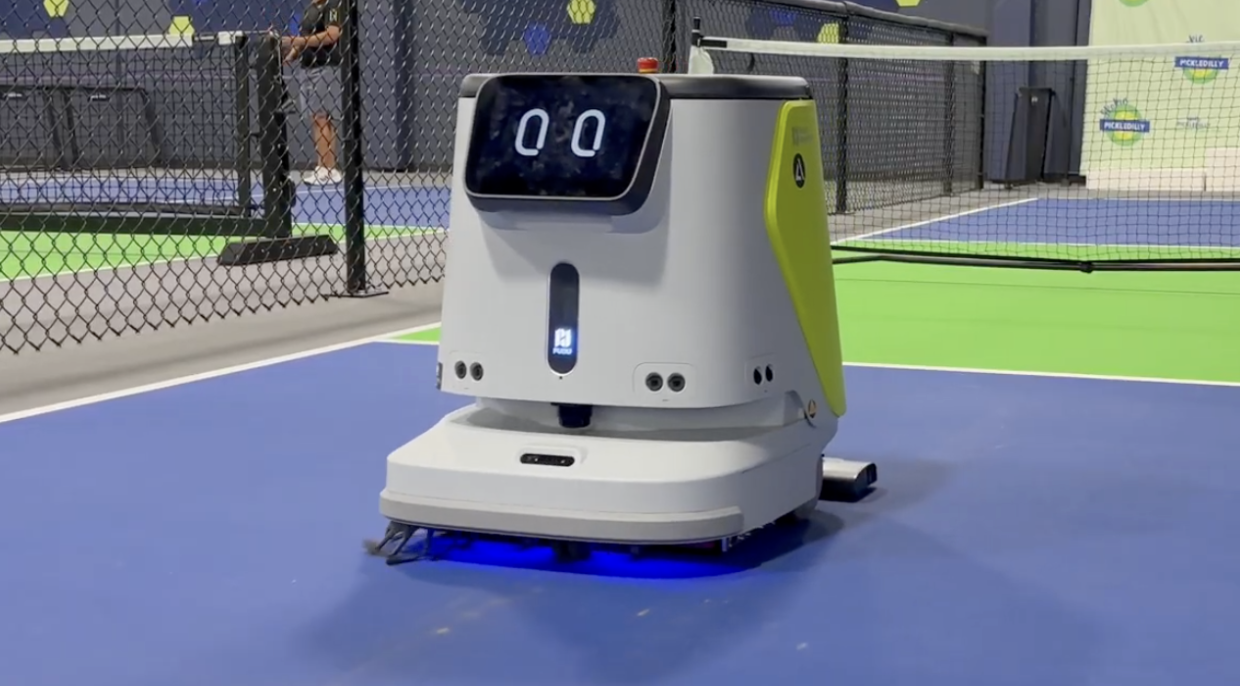
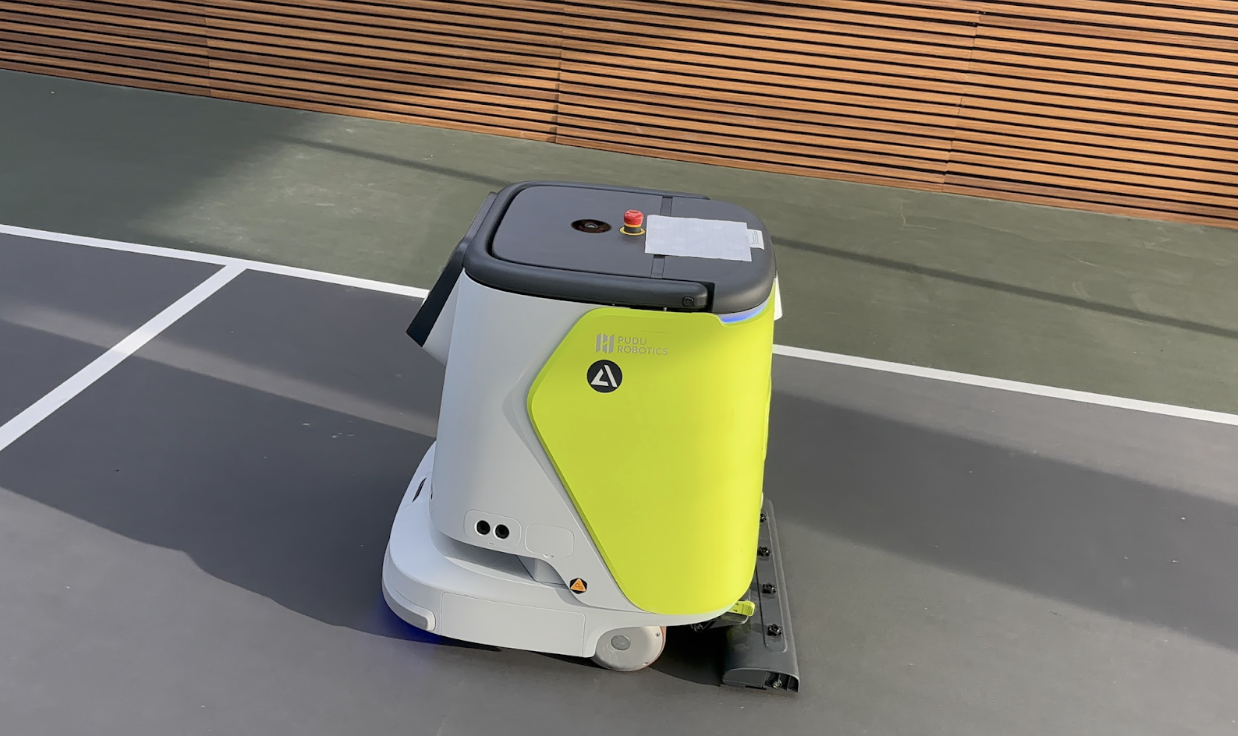
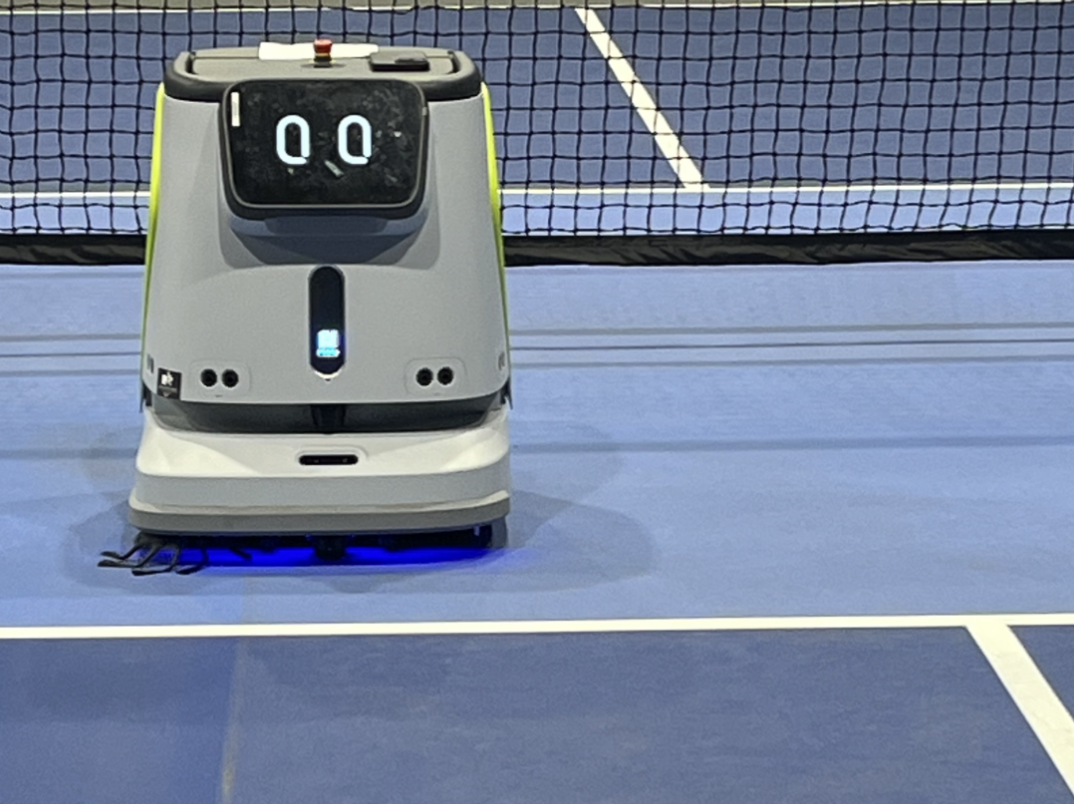
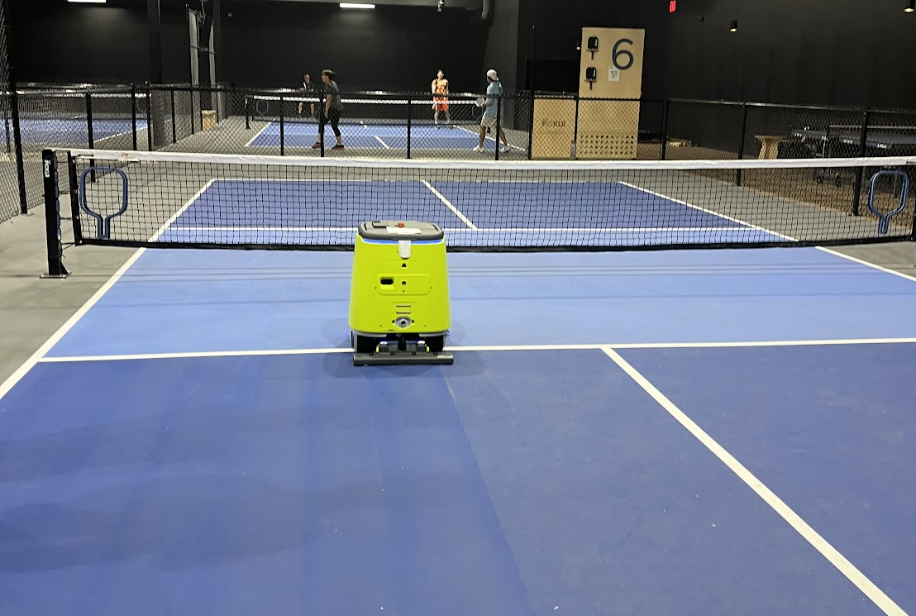
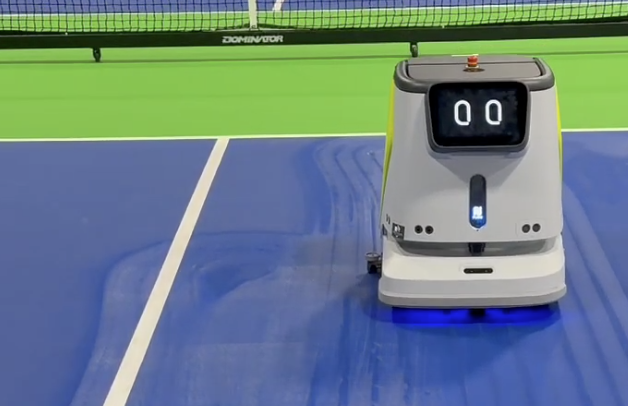
Autopilot’s CC1 Pro (“CeCe”) supports this by keeping cleaning consistent during the hours humans struggle most—peak windows—so your team can focus on the turnover prompts, quick inspections, and member experience.
Want a printable “Court Turnover SOP” (with role assignments and a weekly template) and a sample flow showing where CeCe runs?