Pickleball Court Lighting Checklist: How to Fix Glare, Dark Spots, and “Hard-to-Track” Ball Flights


Pickleball Court Lighting Checklist: How to Fix Glare, Dark Spots, and “Hard-to-Track” Ball Flights
Bad lighting doesn’t just annoy players—it changes the game
If you’ve heard any of these, your lighting is costing you retention:
- “I lose the ball in the air.”
- “That corner is dark.”
- “The glare off the fixtures is brutal.”
USA Pickleball emphasizes that high-quality lighting helps ball tracking, reduces eye strain, and creates consistent playing conditions across the entire court (USA Pickleball, 2026). So instead of treating lighting as a capital project you’ll “eventually” fix, treat it like an ops system: inspect, adjust, and maintain.
This post gives you a checklist you can run in 15 minutes.
What “good lighting” means in operator terms
Most lighting conversations get technical fast. Operators care about three outcomes:
- Ball visibility (especially on lobs and speed-ups)
- Uniformity (no dark corners)
- Low glare (players aren’t staring into the sun—indoors or outdoors)
USA Pickleball’s lighting guidance highlights the importance of consistent conditions and player comfort. Separately, sports lighting recommended practices (IES) are built around matching lighting design to participant needs and reducing issues like glare and uneven illumination.
Operator translation: uniformity + glare control matter as much as “brightness.”
The 90-second playbook (a quick lighting diagnosis)
Run this during the hours people complain most: evening, winter months, or overcast days.
90-second diagnosis
1. Stand at each baseline and look up (20 sec)
If fixtures are directly in your line of sight on common hit angles, glare risk is high.
2. Walk the “dark-corner loop” (30 sec)
Walk to each corner and look for:
- dark patches
- uneven shadows
- spots where the ball disappears against background
3. Do the “lob test” (20 sec)
Toss a ball high (or have a coach hit a lob) and track it against:
- ceiling/roof structure (indoors)
- night sky + nearby light sources (outdoors)
4. Confirm uniformity visually (20 sec)
- If one half of the court feels “dim,” your uniformity is off—even if average brightness seems okay.
5. Log it (10 sec)
- 0 Court # + location + time of day + “glare” vs “dark” vs “flicker.”
Lighting decision checklist (what to fix first)
Fix-first priorities (high impact, usually low drama)
1) Aim + angle adjustments
Many “bad lighting” problems are actually aiming problems—fixtures pointing slightly wrong or drifting over time.
2) Dirty fixtures / lenses (maintenance issue)
Dust and grime reduce output and create unevenness. Add fixture cleaning to seasonal maintenance.
3) Flicker or inconsistent color
Players notice flicker and mixed color temperatures fast. It can feel “cheap” even in a premium facility. (If you suspect flicker, get your installer involved—this can be driver-related.)
4) Background contrast problems
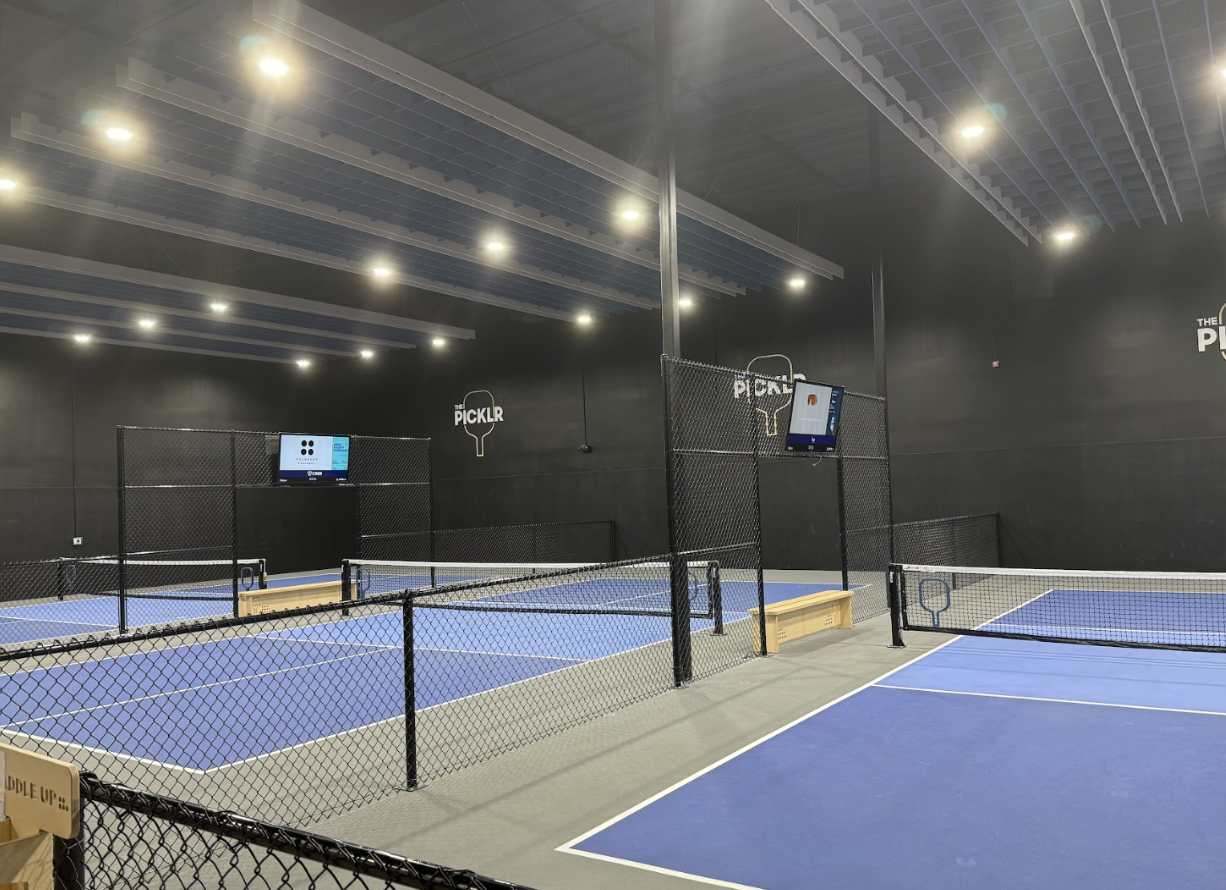
Indoors, bright fixtures against a dark ceiling can increase glare perception. Outdoors, nearby streetlights or neighboring facility lights can mess with contrast. This is why USA Pickleball emphasizes consistent playing conditions.
Indoor vs outdoor checklist (run the one that fits your club)
Indoor lighting checklist
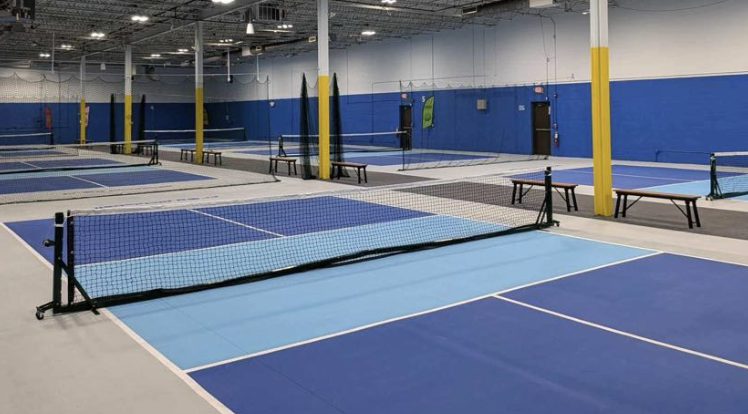
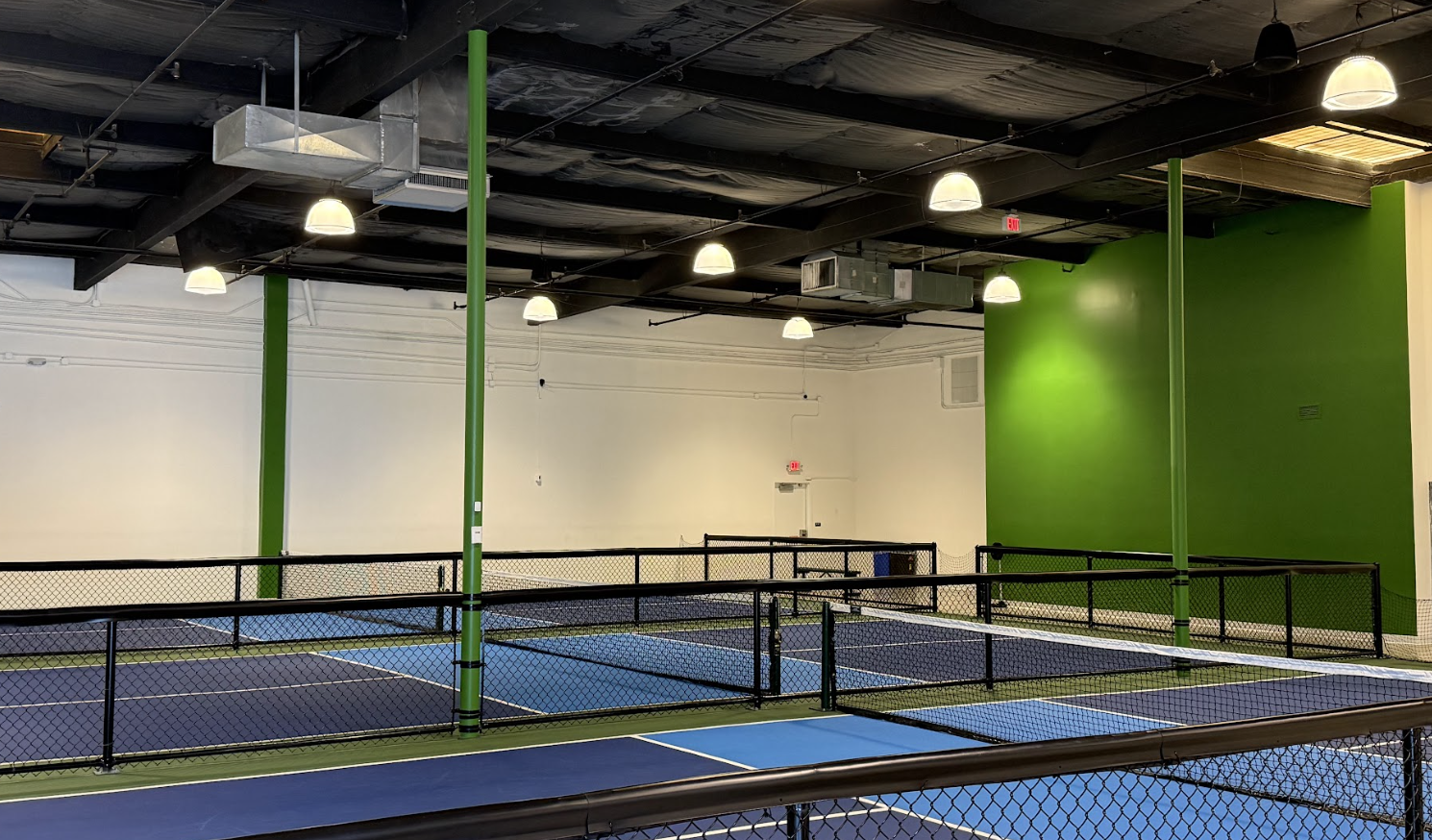
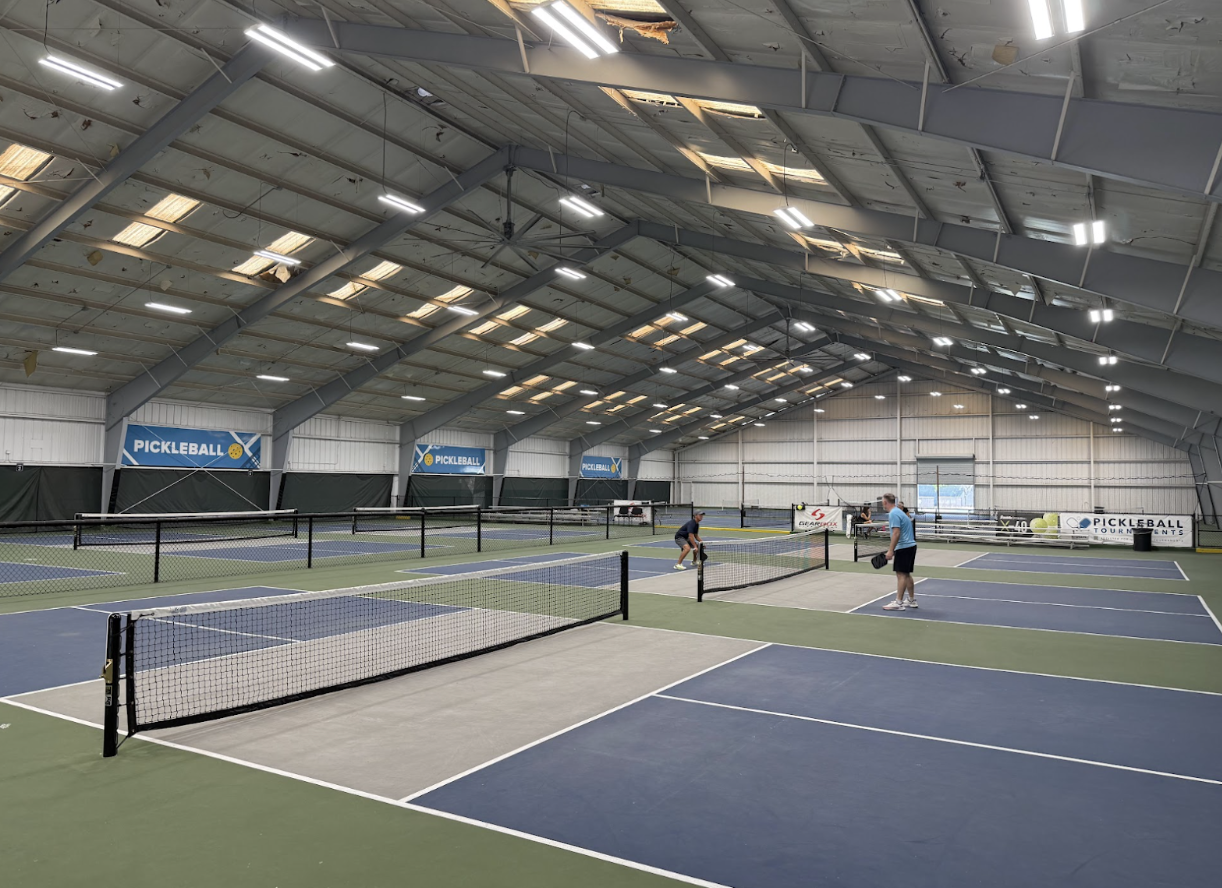
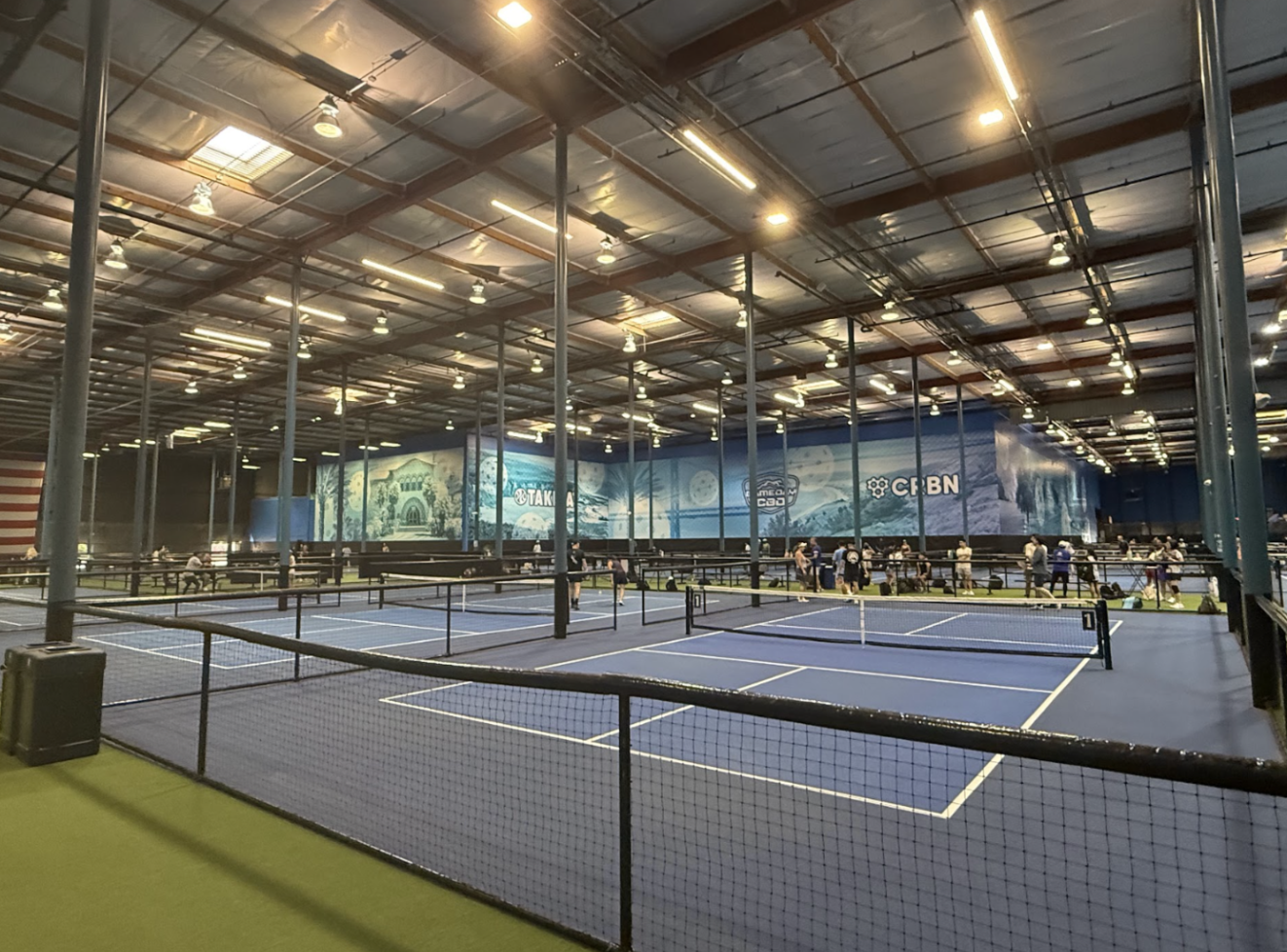
- Ceiling height + fixture placement: are fixtures positioned to minimize direct glare on common sightlines?
- Reflections: glossy wall panels or windows can create distracting reflections.
- Uniformity: dark corners often show up under mezzanines or near structural beams.
- Emergency lighting: make sure emergency modes don’t create surprise shadows.
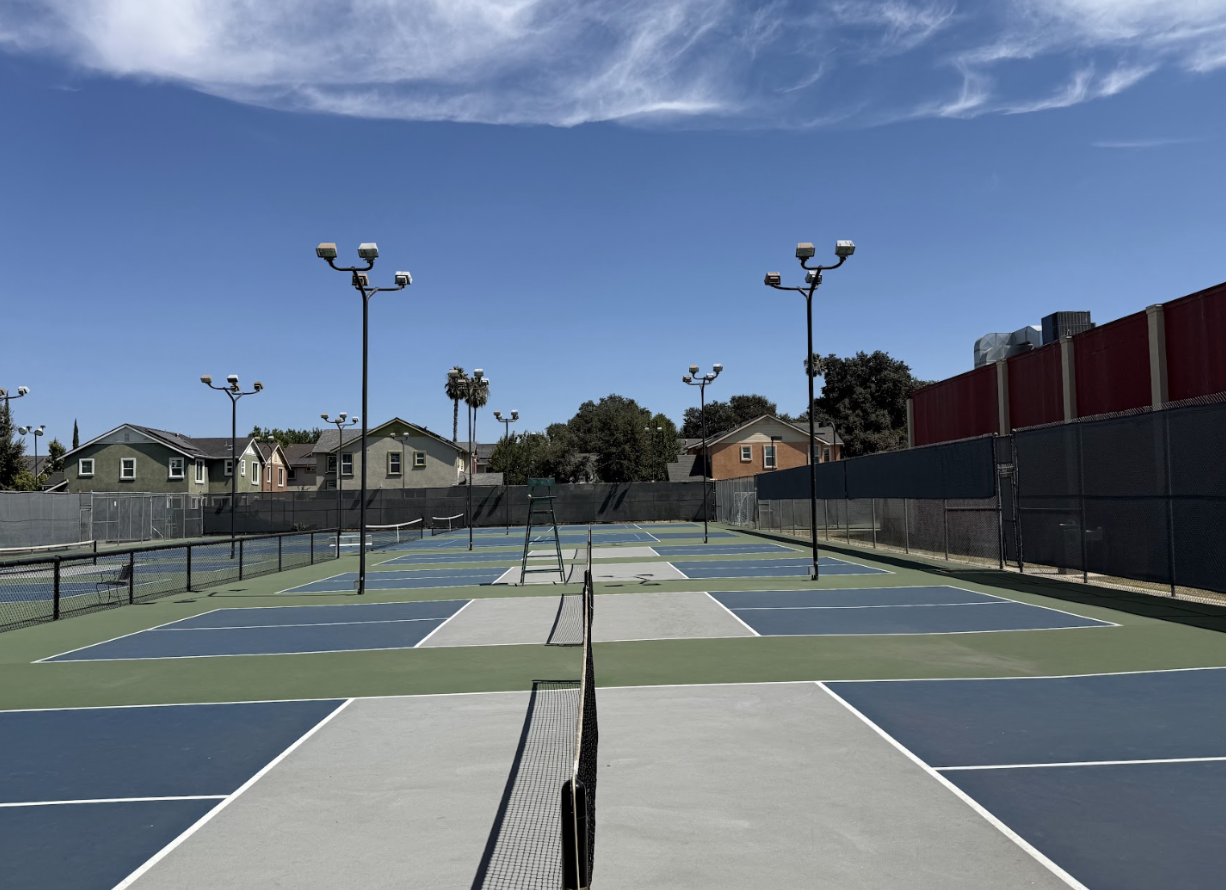
Outdoor lighting checklist
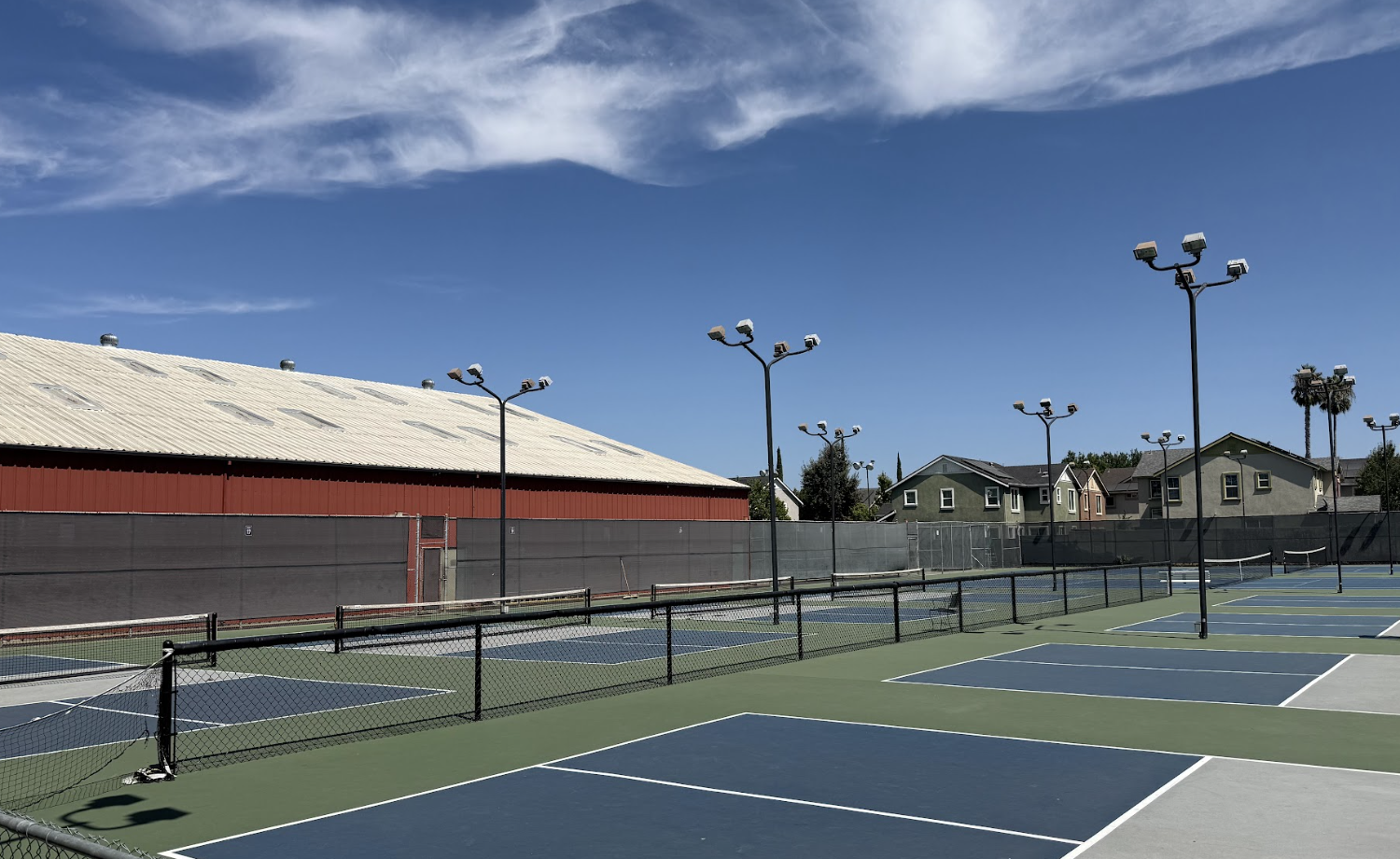
- Pole placement: are poles placed to avoid players looking directly into fixtures during serves and lobs?
- Spill light + neighbors: glare complaints can come from outside the fence line—plan shields/aiming accordingly.
- Wind + vibration: can shift fixture angles over time, slowly creating new hotspots.
Standards note: Sports lighting recommended practices exist to guide design choices around participant visual needs and system performance (IESNA, 2001). You don’t need to become a lighting engineer—but your installer should be referencing recognized guidance when designing or adjusting.
Your monthly lighting inspection SOP (15 minutes)
Put this into operations so lighting stays “quietly excellent.”
Monthly SOP (15 minutes total)
- Run the 90-second diagnosis on 2–3 courts (rotate courts monthly)
- Check for fixture cleanliness (visual inspection)
- Log complaints by time + court (patterns matter)
- Schedule adjustment window with your installer if the same court repeats
Pro tip: add a line to your front desk incident log: “Lighting issue? Court # / time / glare vs dark.”
Quick Answers (For Busy Owners)
Q: What does USA Pickleball say about lighting?
A: Good lighting is essential for ball tracking, reduced eye strain, and consistent playing conditions (USA Pickleball, 2026).
Q: What causes glare most often?
A: Fixtures in direct line-of-sight on common ball trajectories + poor aiming/angles.
Q: Why do dark corners happen?
A: Uniformity issues—fixture placement, aiming drift, obstructions, or dirty lenses.
Q: How do we diagnose lighting problems fast?
A: Baseline look-up check + dark-corner loop + lob test + log the pattern.
Q: Is lighting “too bright” ever the problem?
A: Sometimes—it can increase glare if aiming/uniformity isn’t handled well.
Q: What’s the easiest ops improvement?
A: A monthly 15-minute inspection + logging issues by court/time.
Q: What standard body publishes sports lighting guidance?
A: The Illuminating Engineering Society publishes recommended practices for sports and recreational lighting.
Conclusion + CTA (Autopilot Integration)
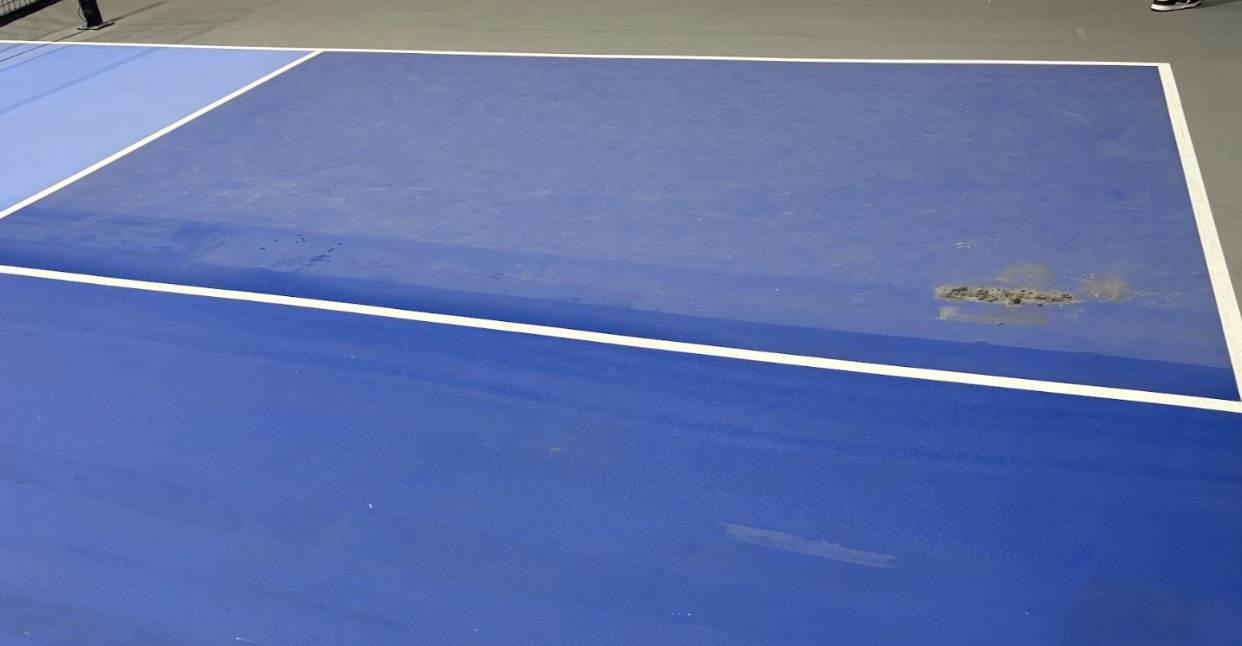
Lighting is part of court quality. If players can’t track the ball—or they’re squinting through glare—everything else (courts, coaching, community) feels worse.
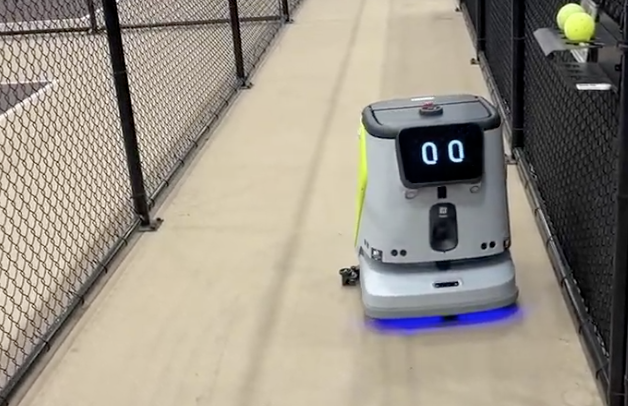
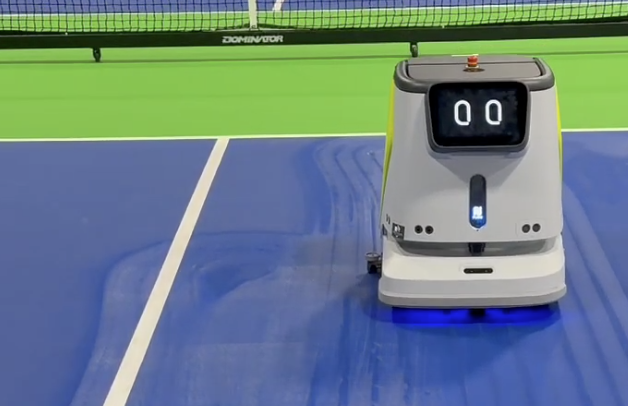
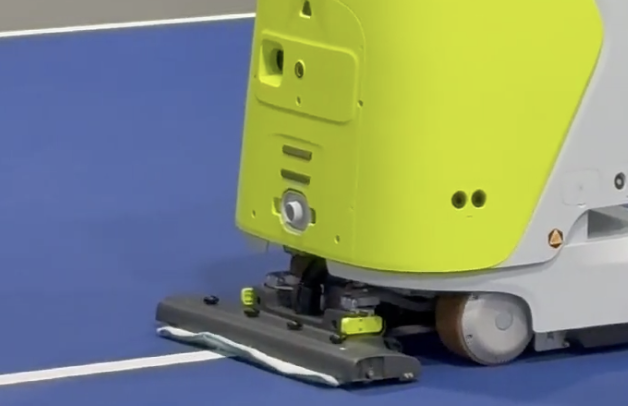
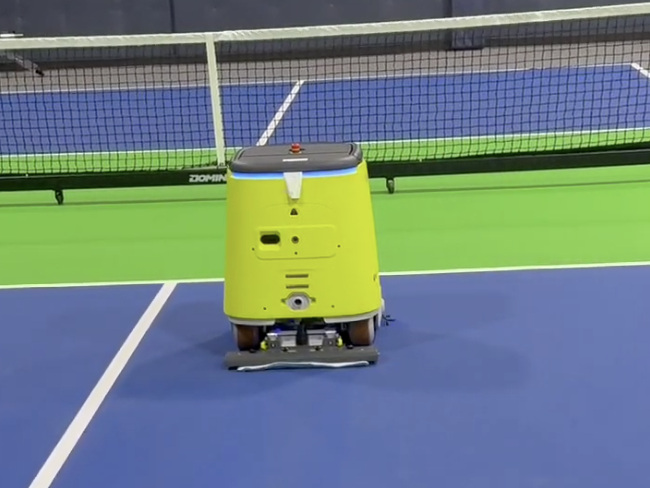
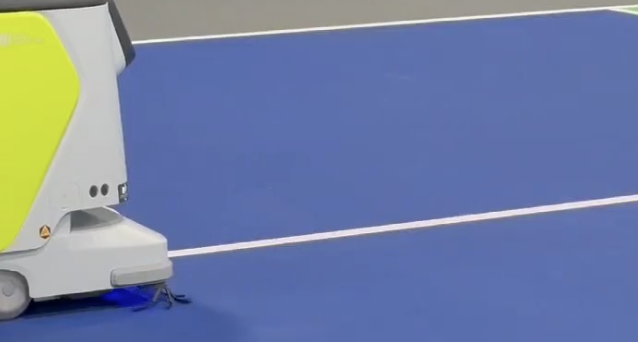
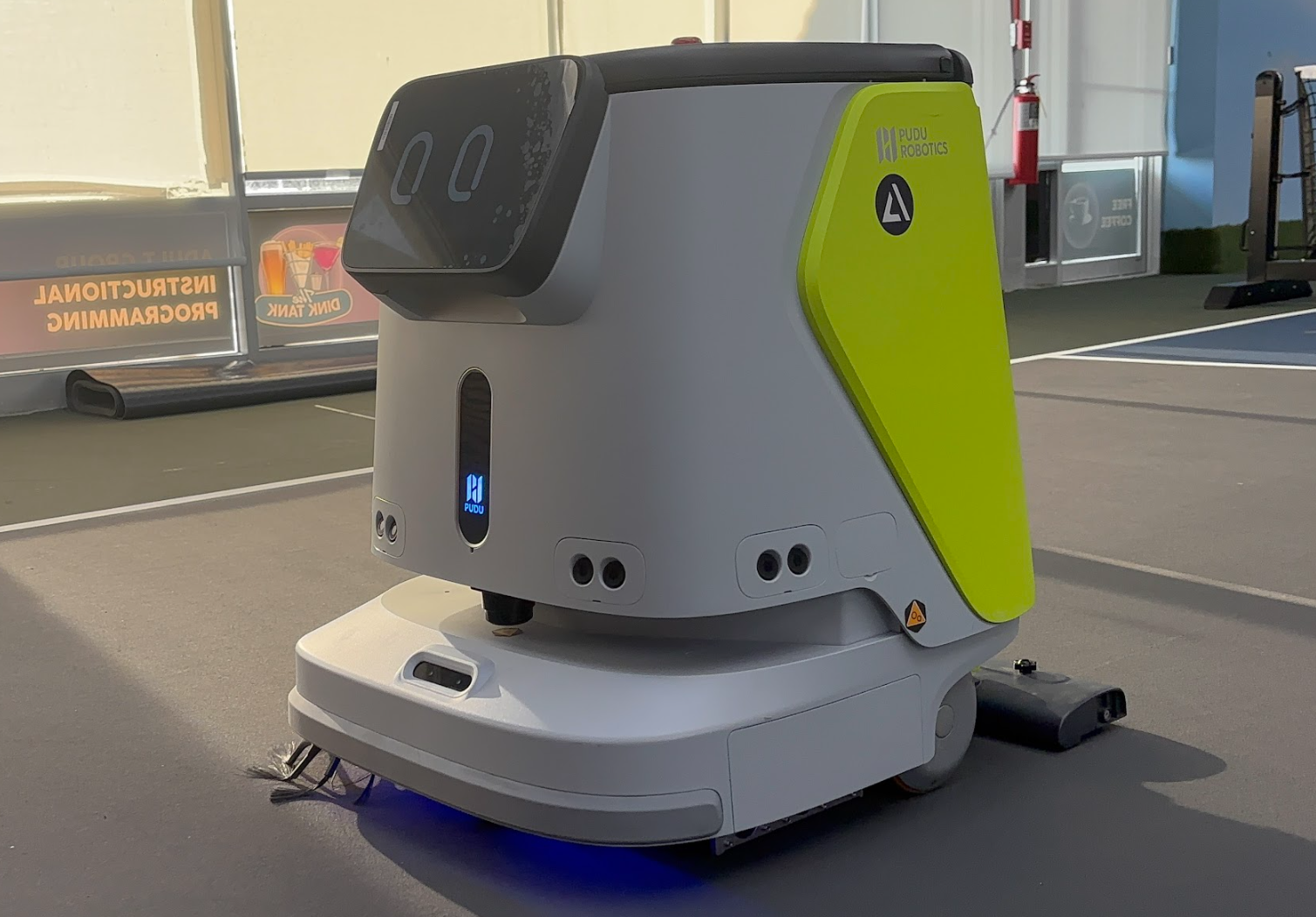
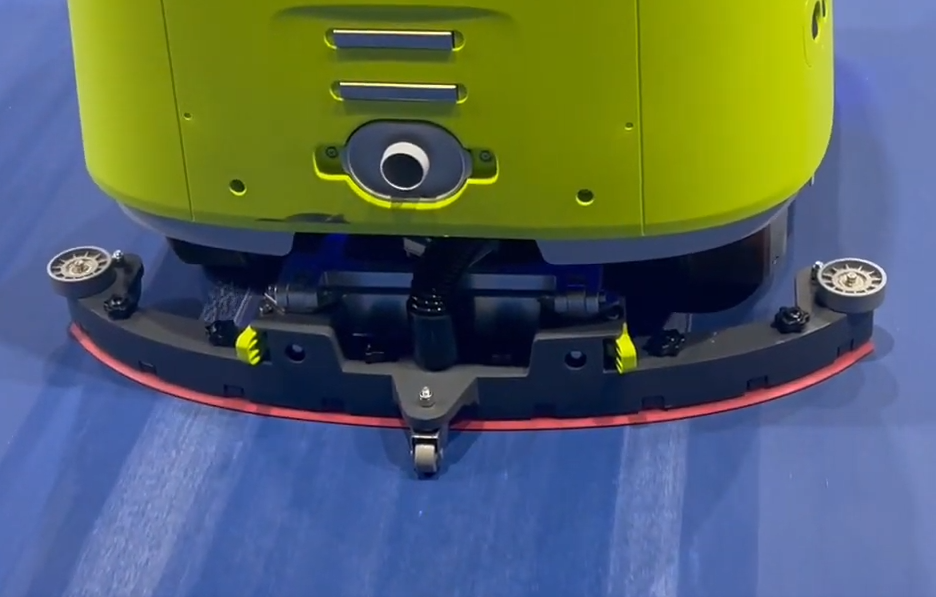
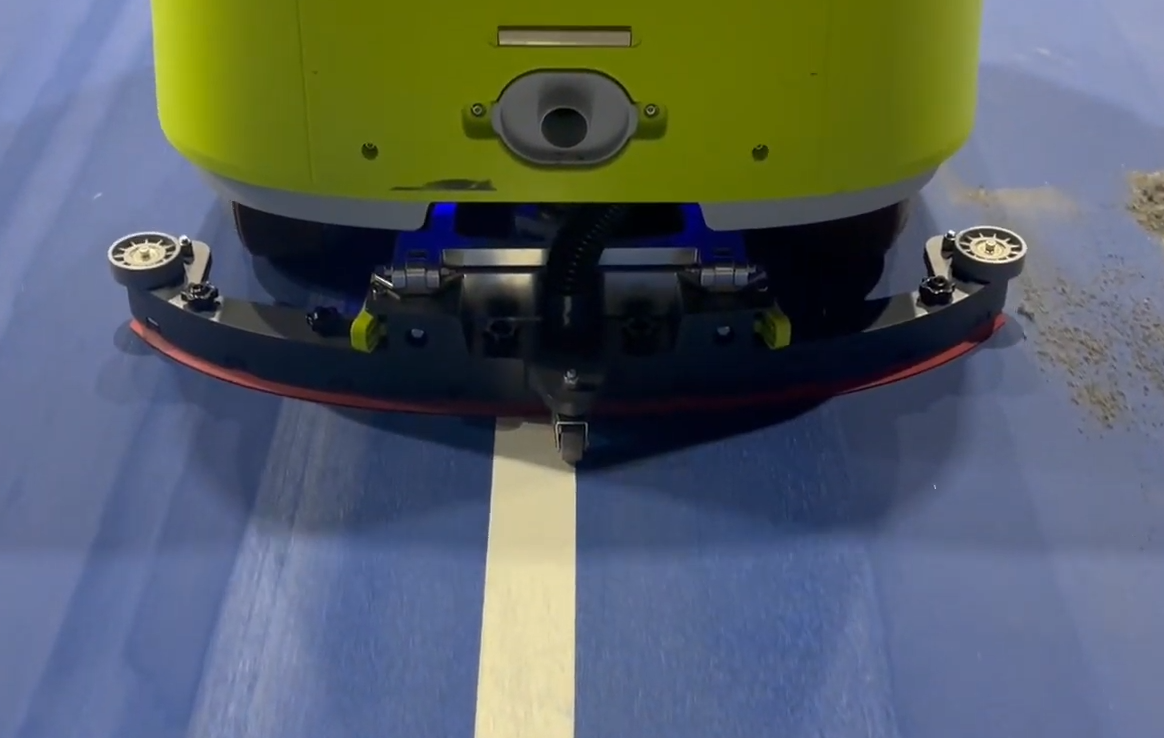
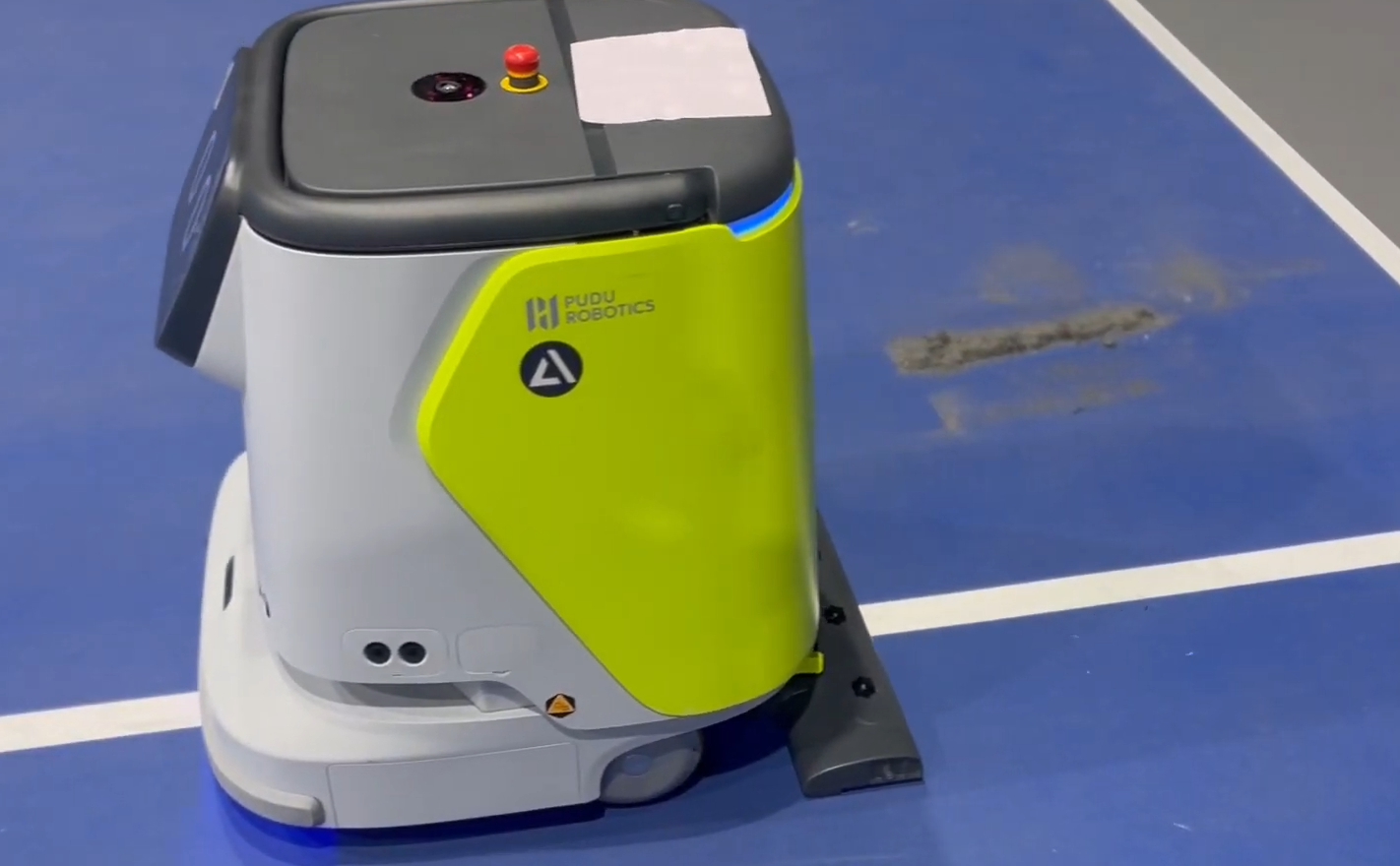
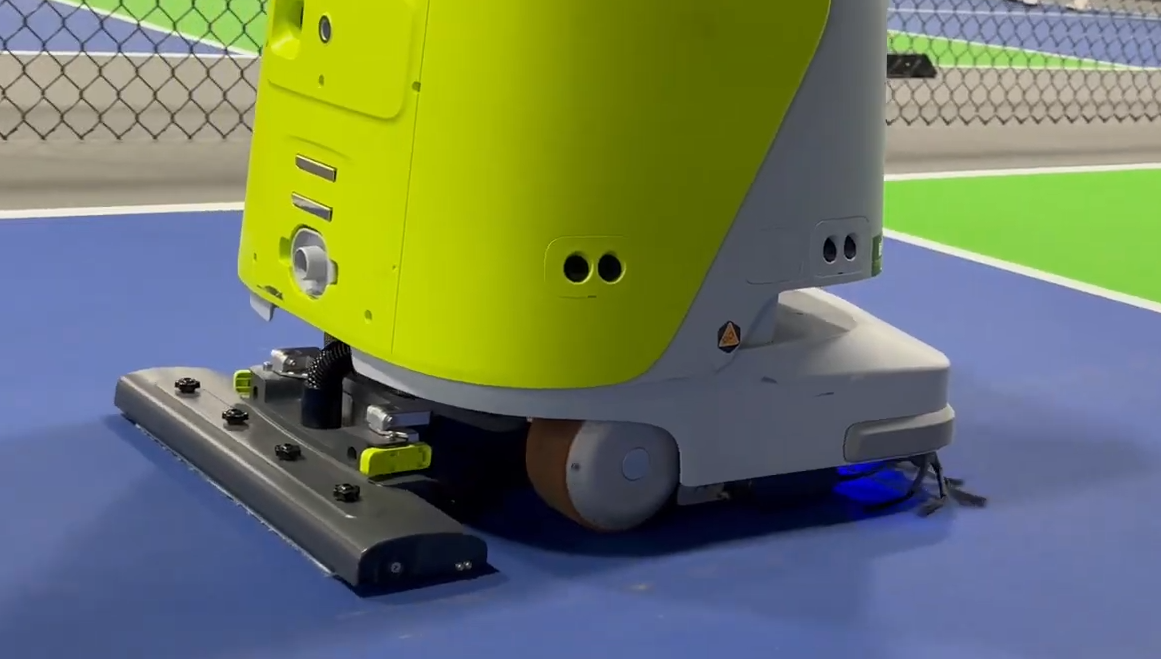
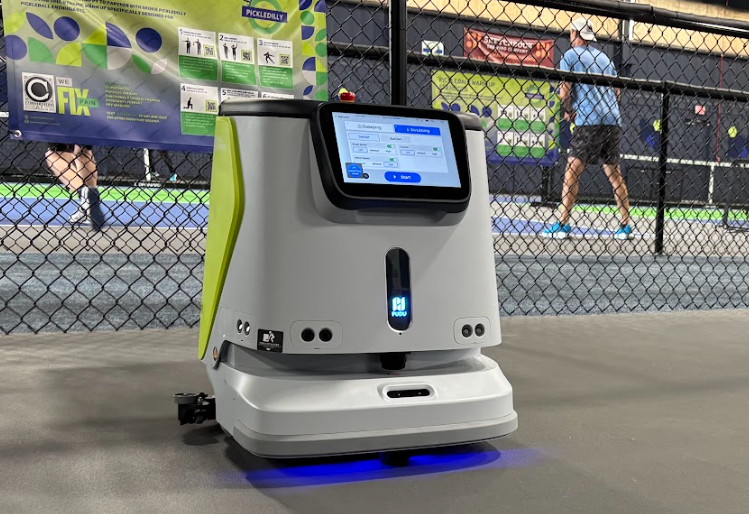
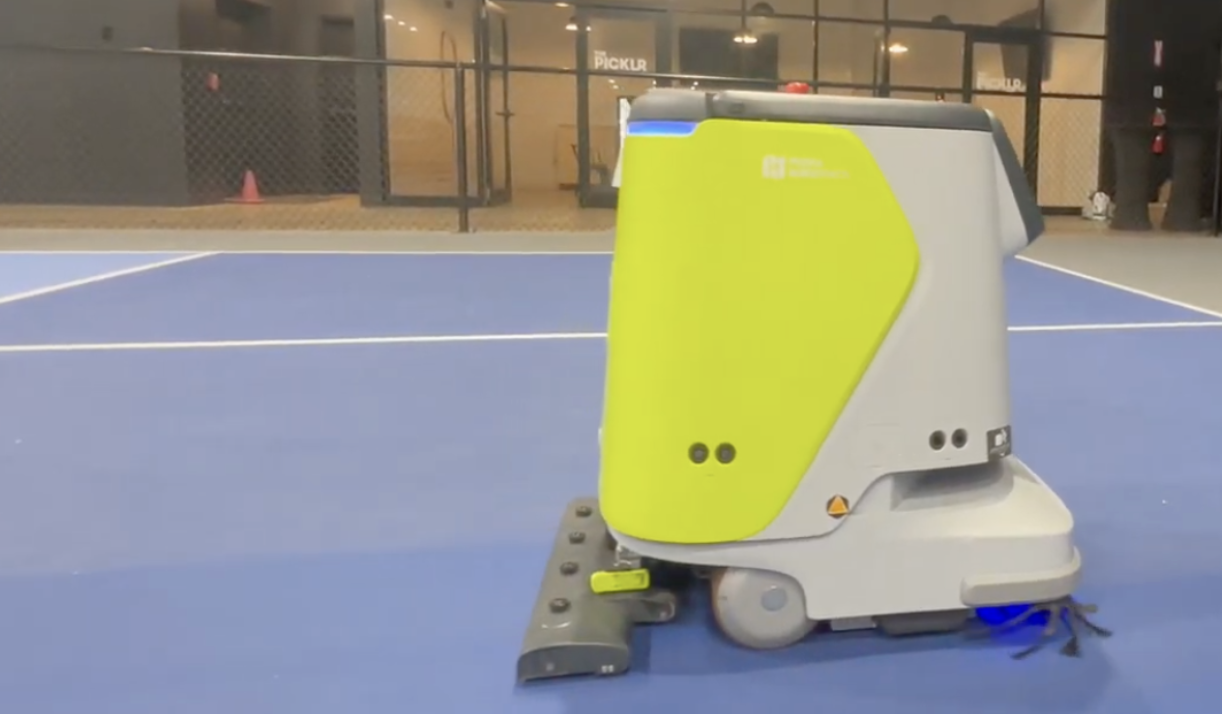
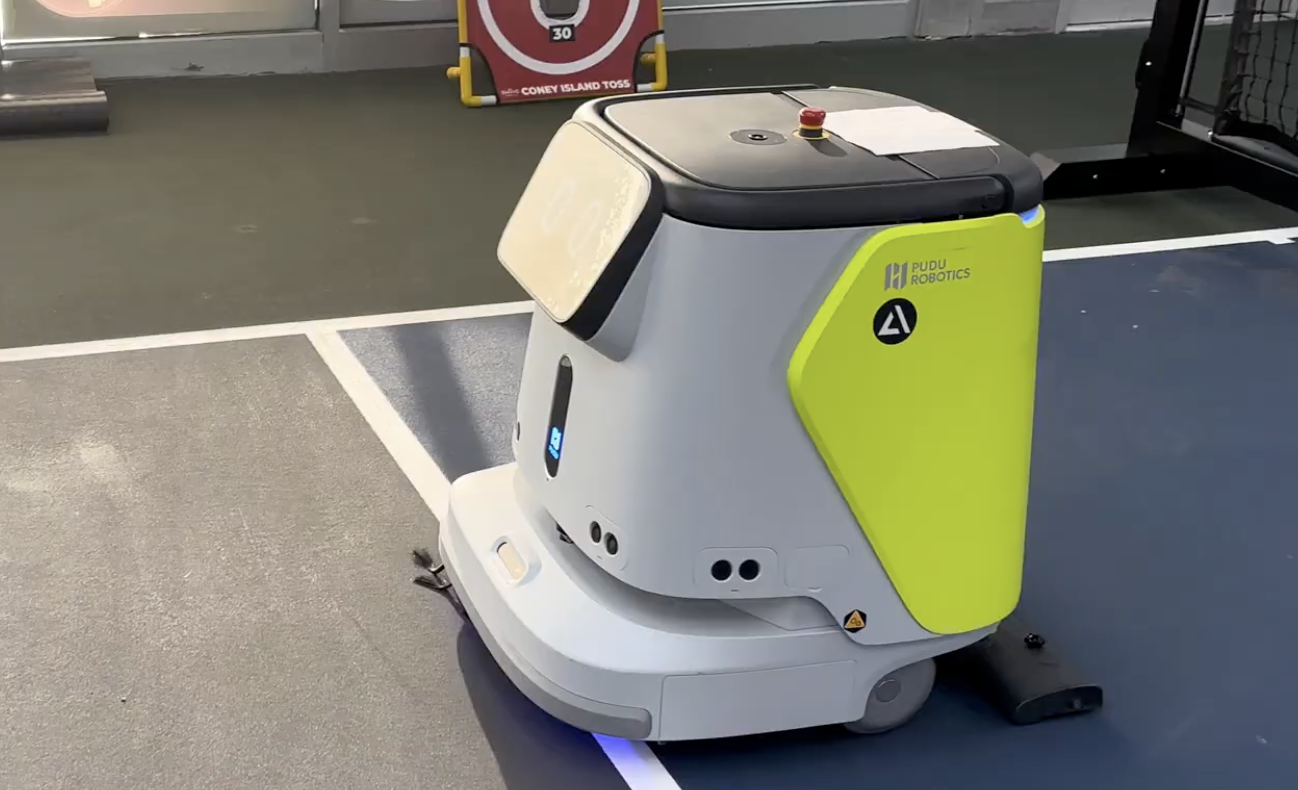
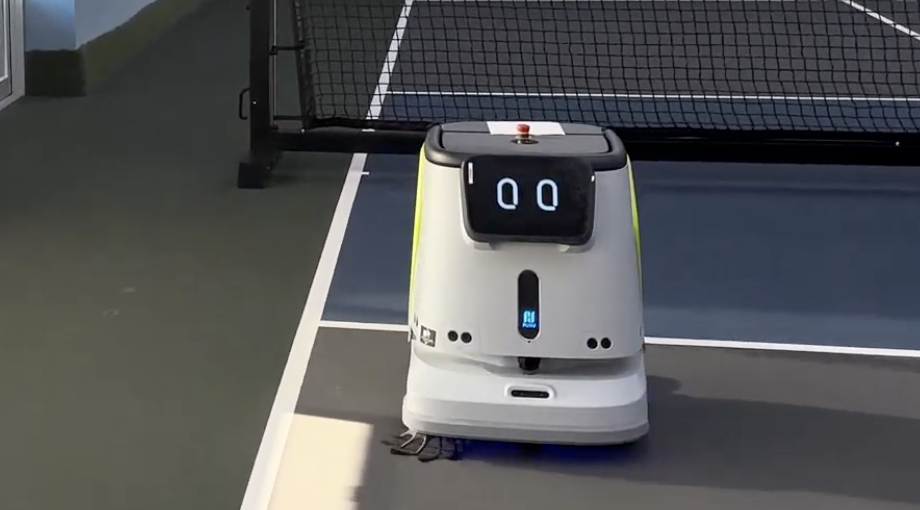
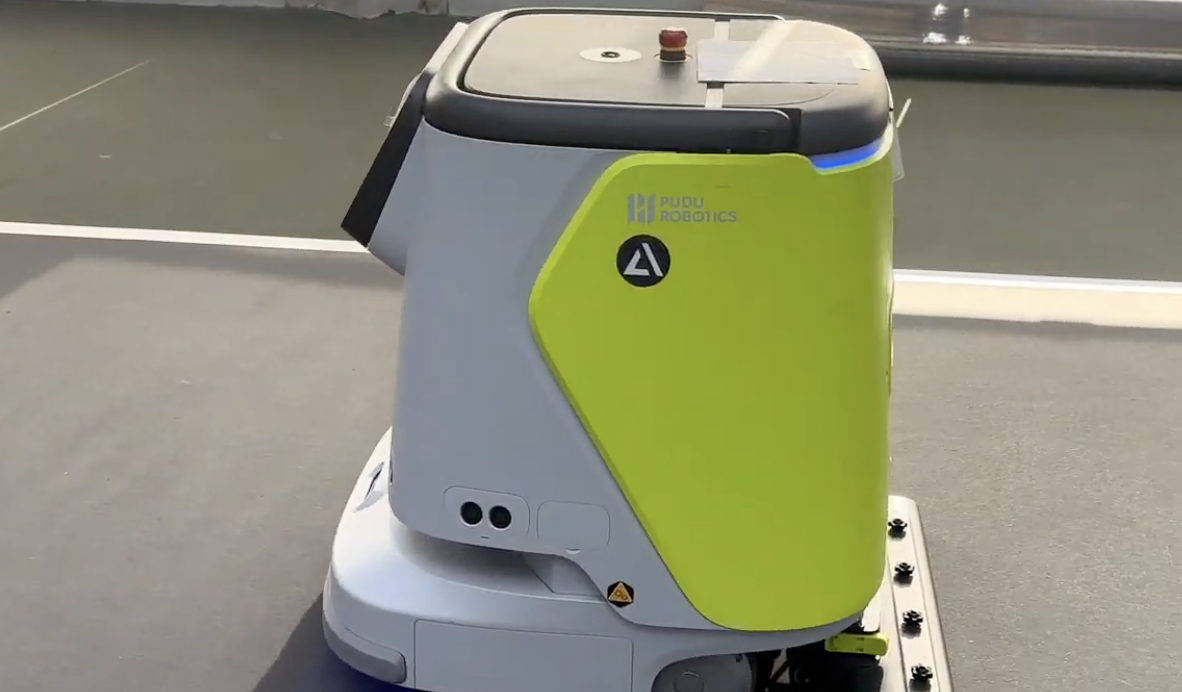
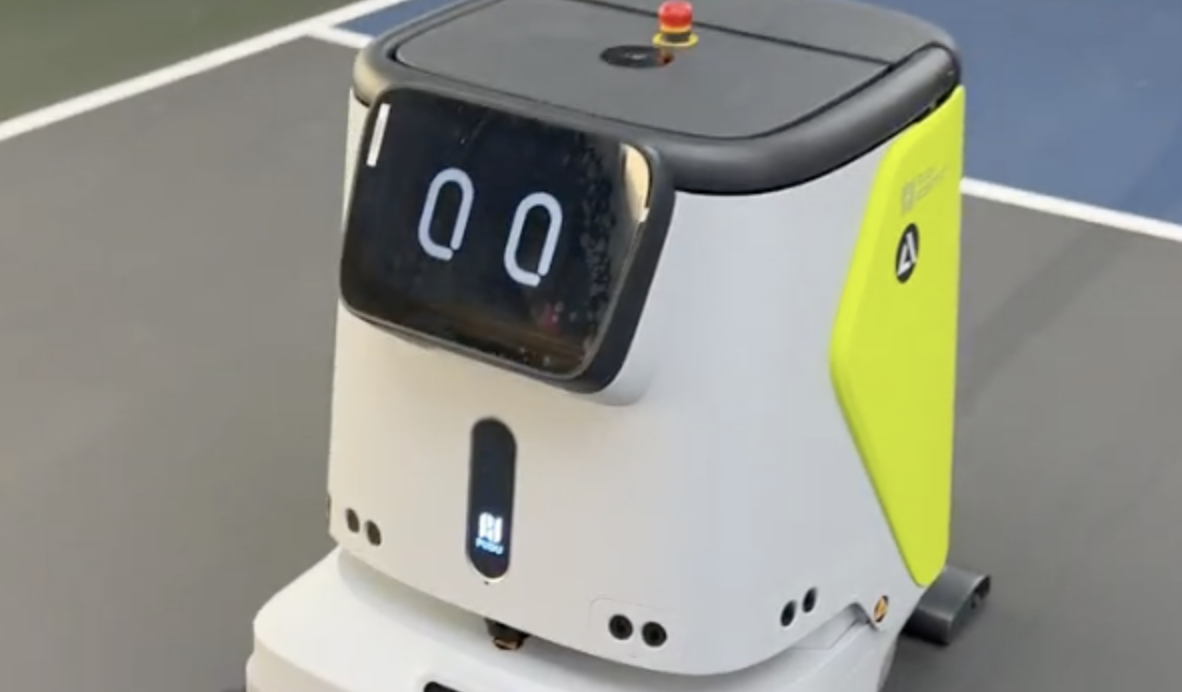
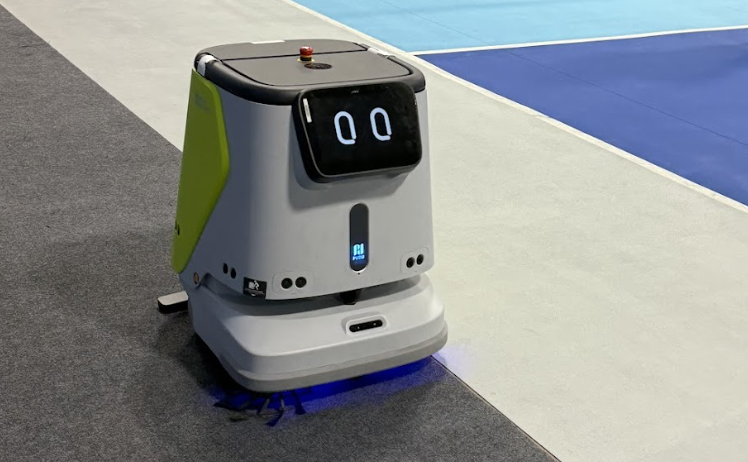
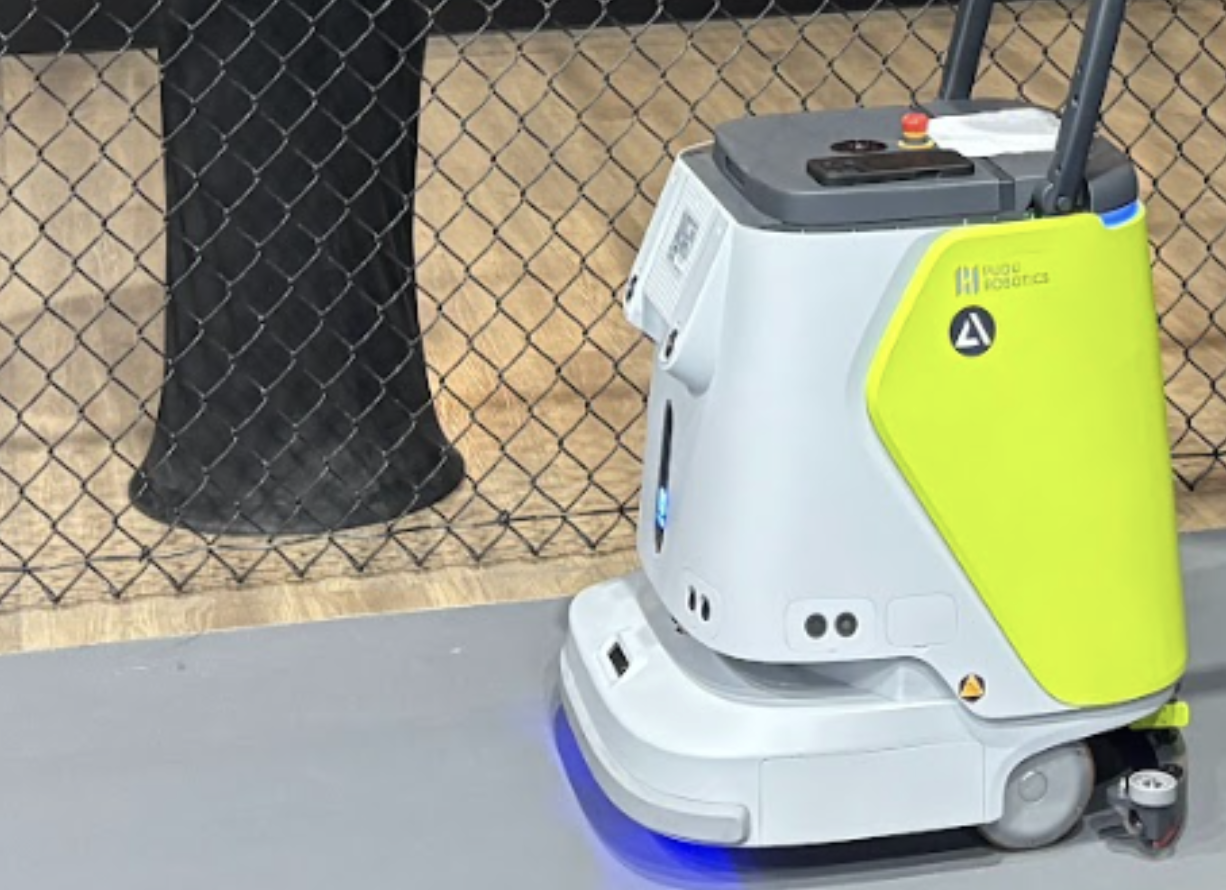
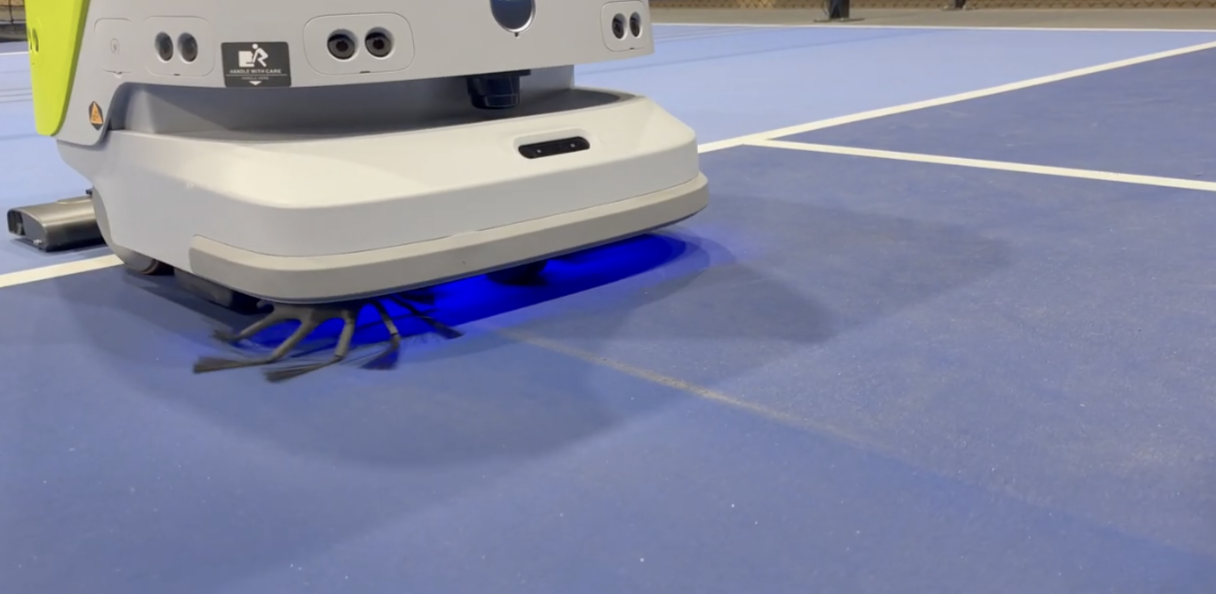
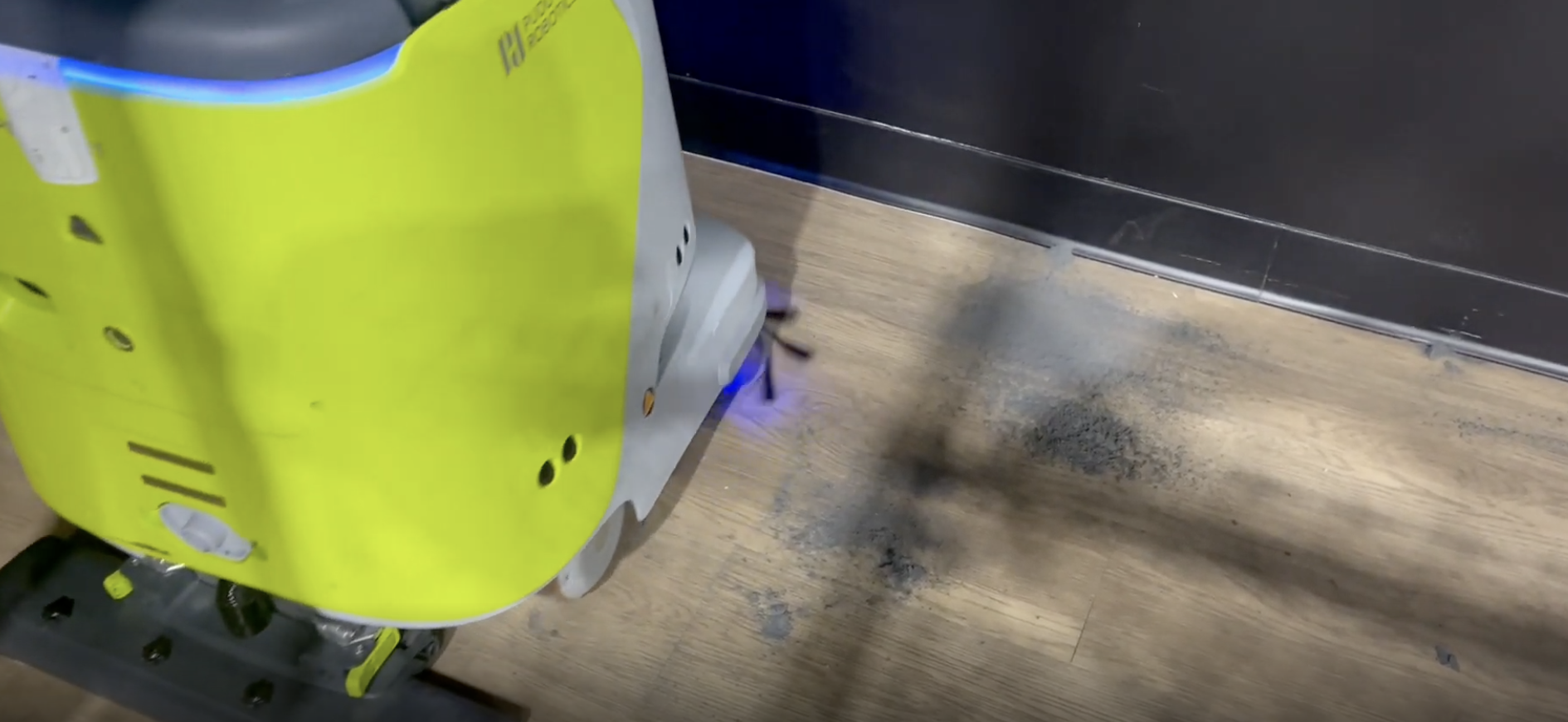
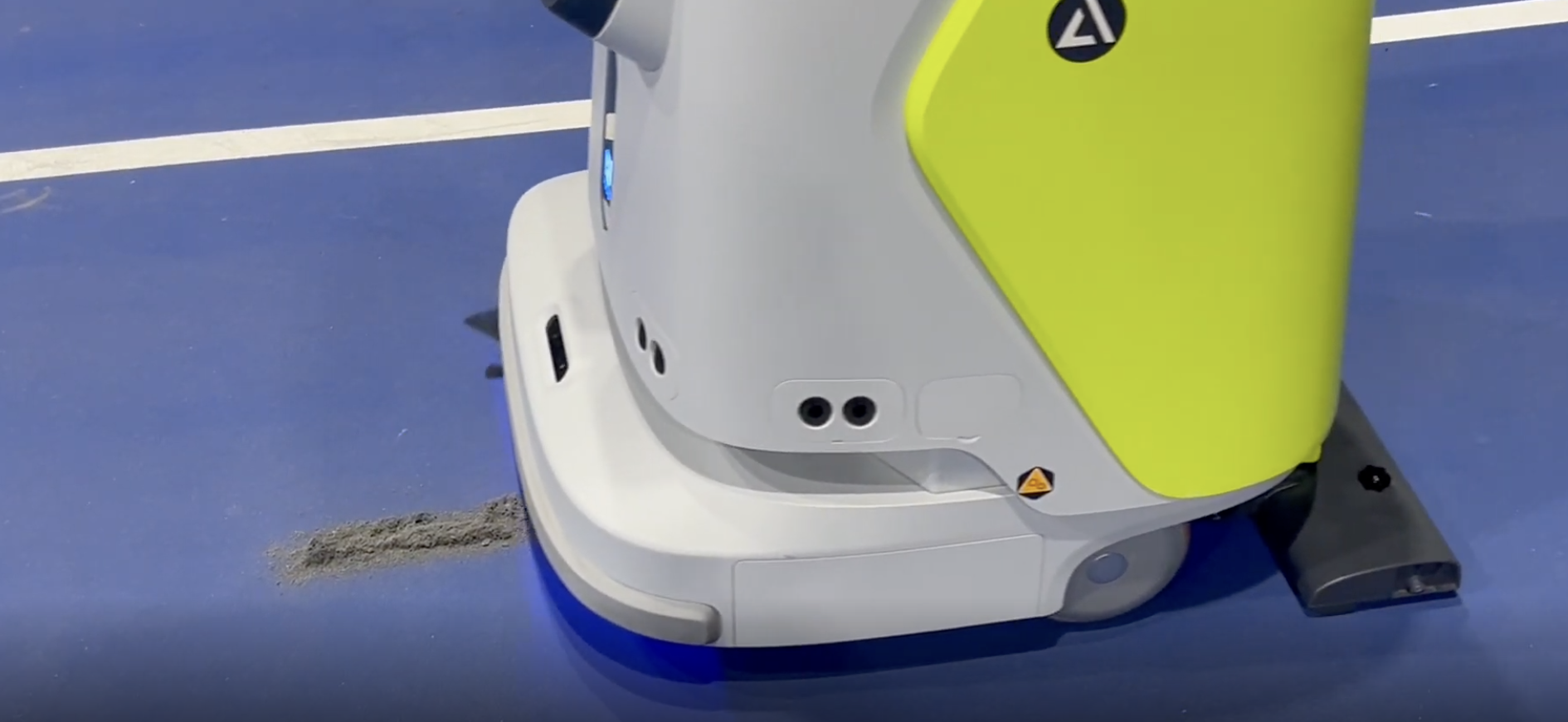
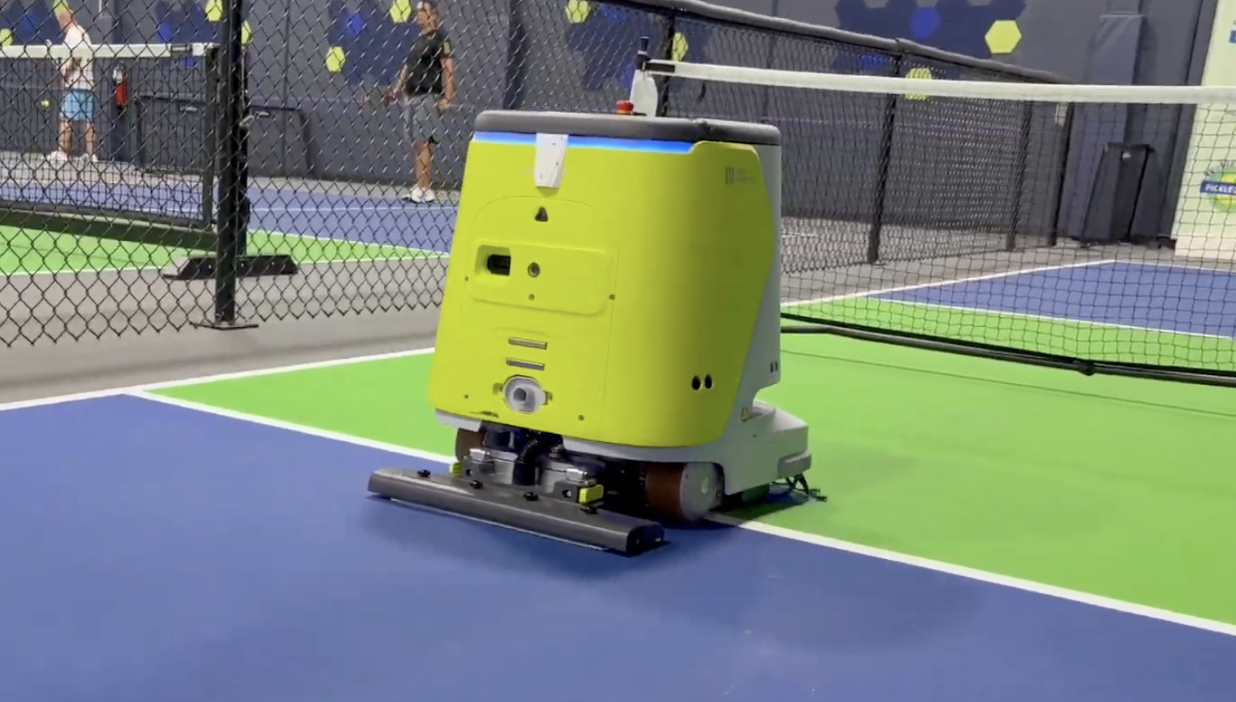
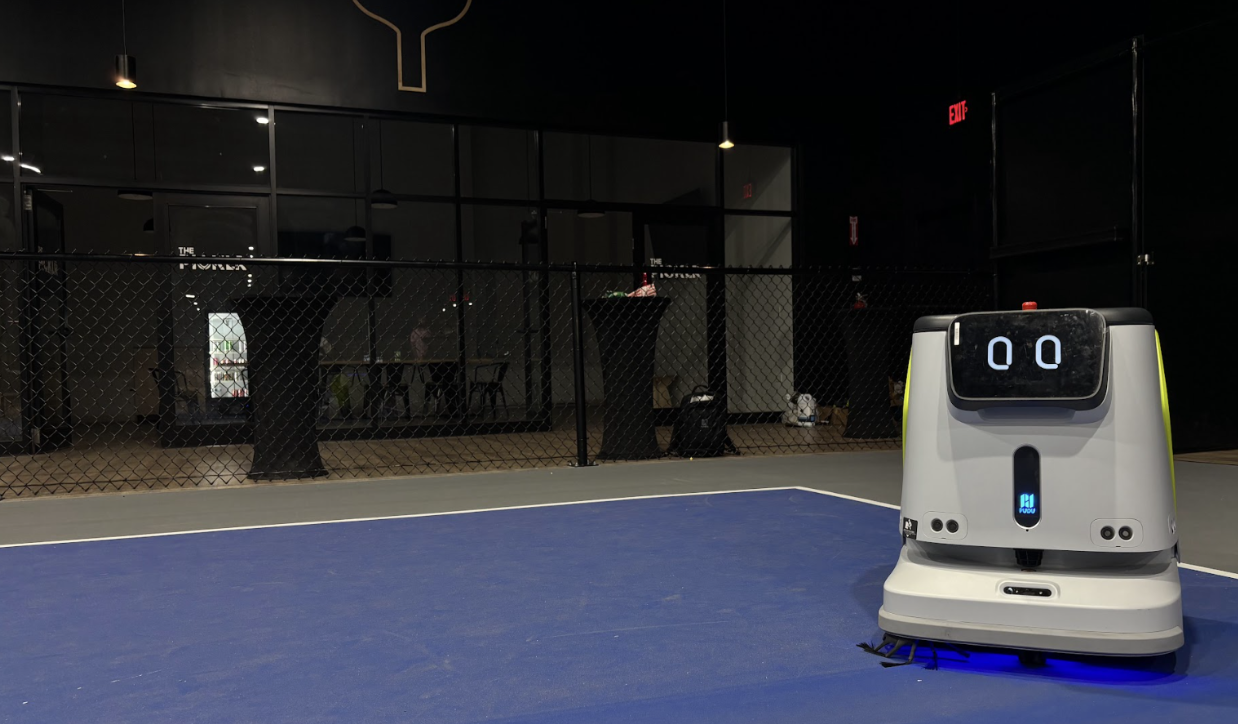
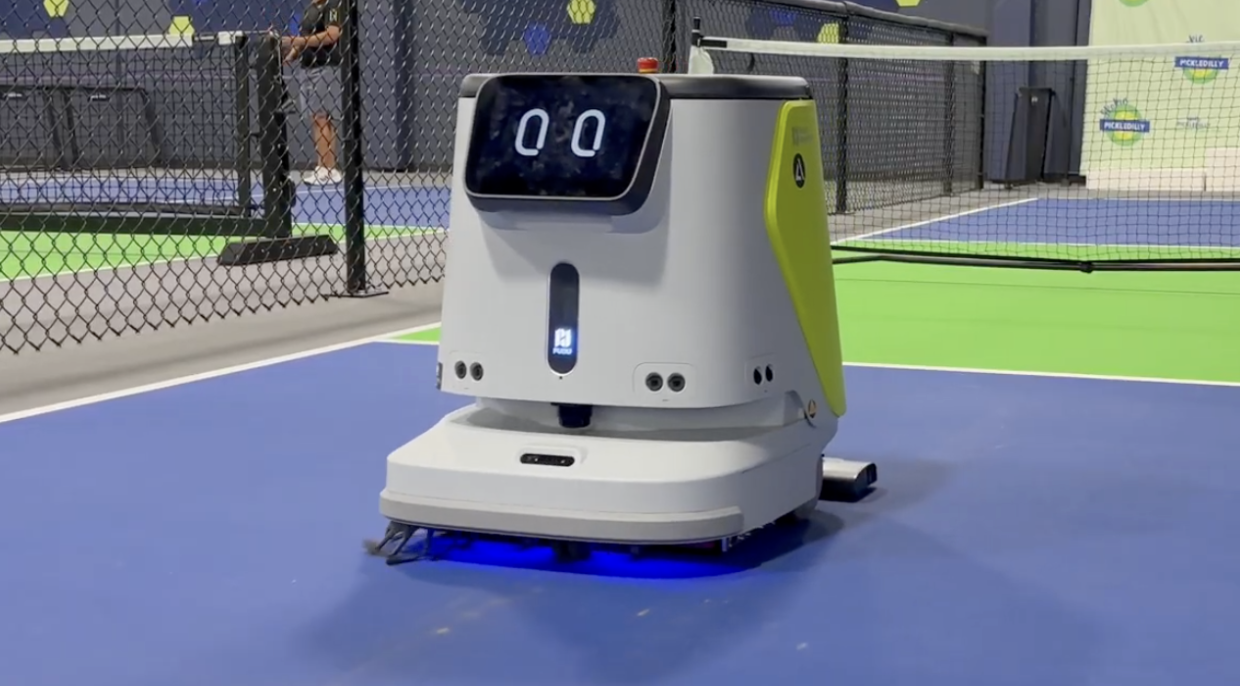
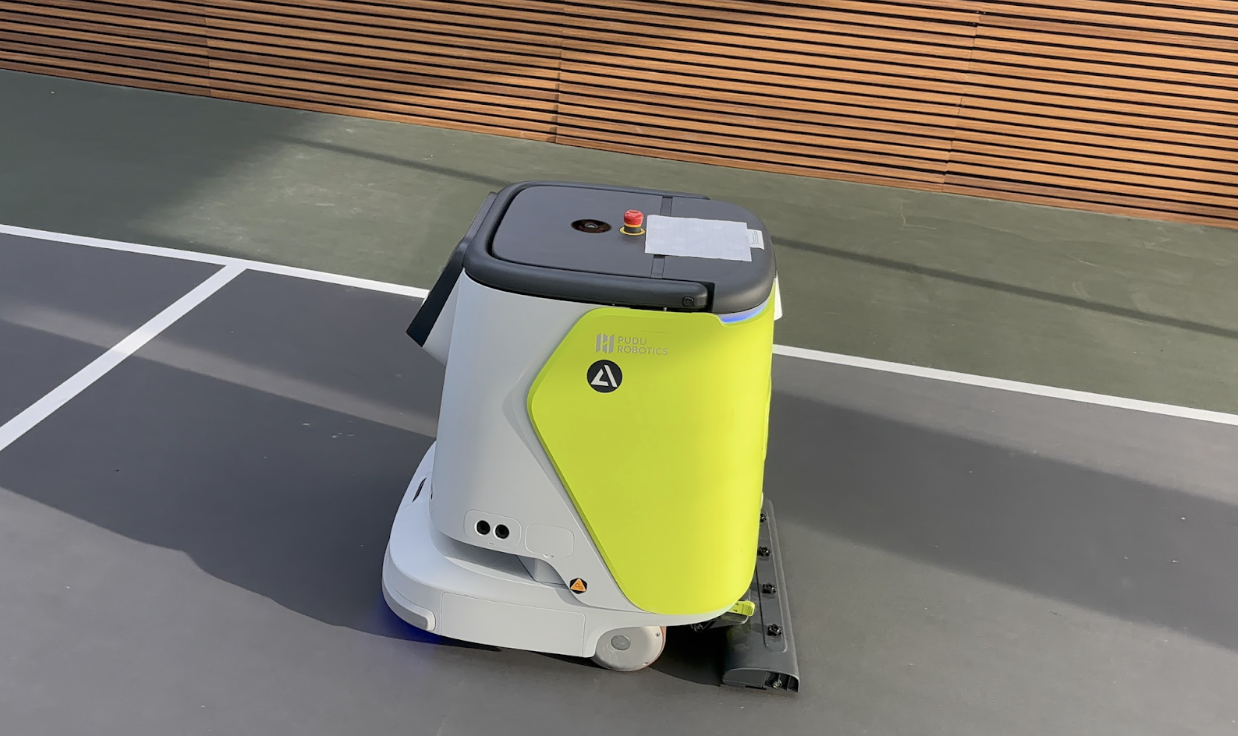
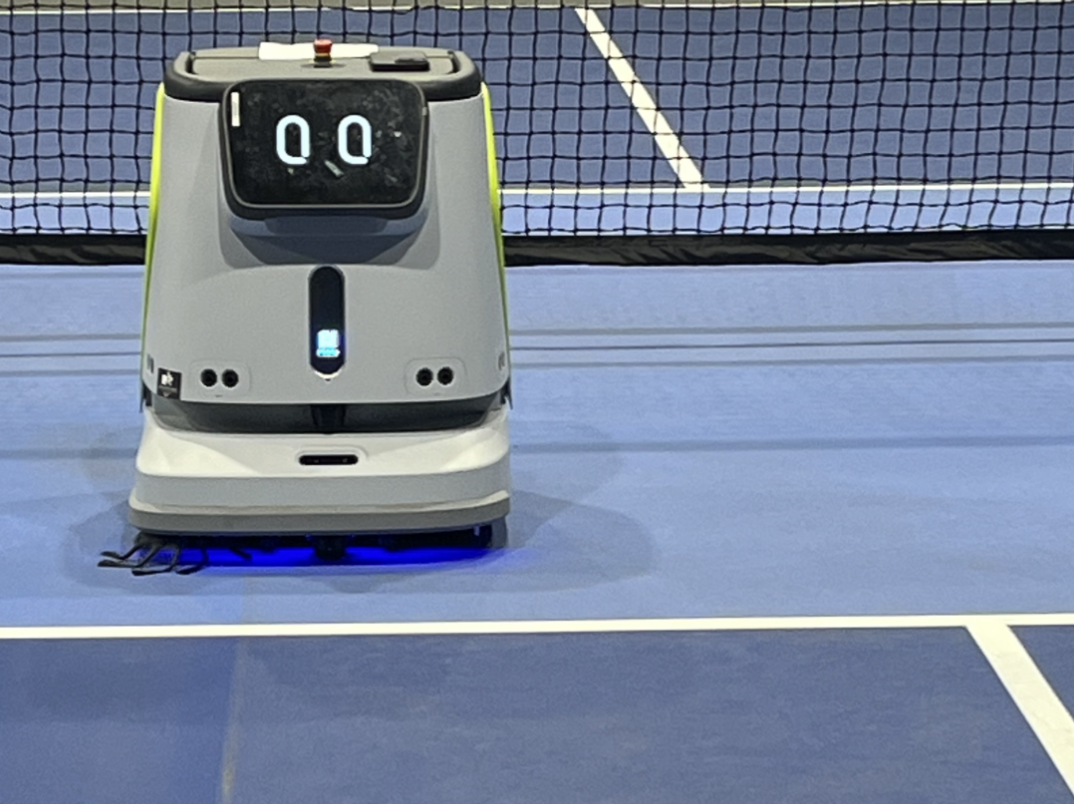
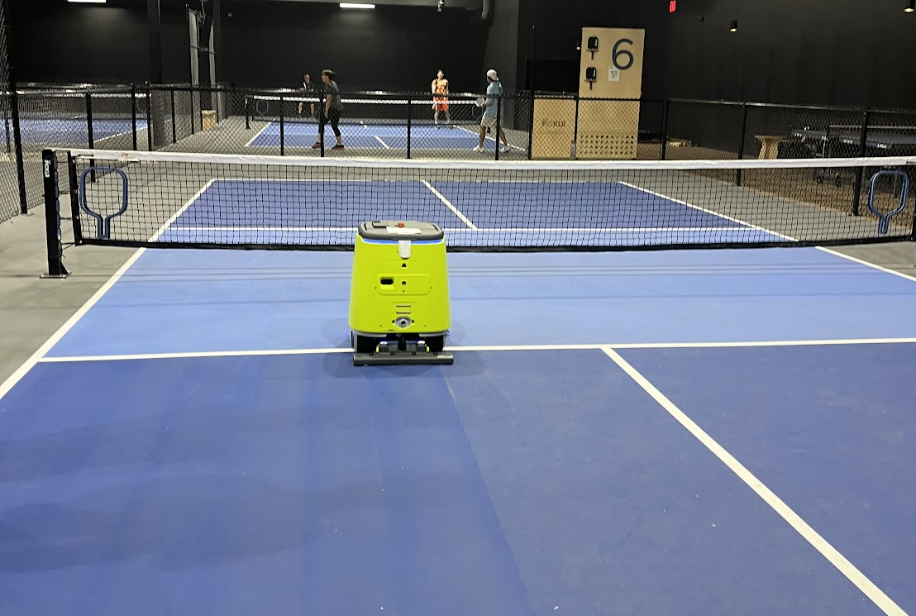
Autopilot’s CC1 Pro (“CeCe”) belongs in the same modern ops toolkit: consistent cleaning + consistent lighting checks = courts that feel premium every night, not just on opening week.
Want a one-page “Court Lighting Inspection” sheet your staff can run monthly, plus a combined “game-ready” checklist that pairs lighting with cleaning routines (including where CeCe runs)?